
Reviewed · EVEREST BASE CAMP TREKS
Everest Base Camp trek 14 days
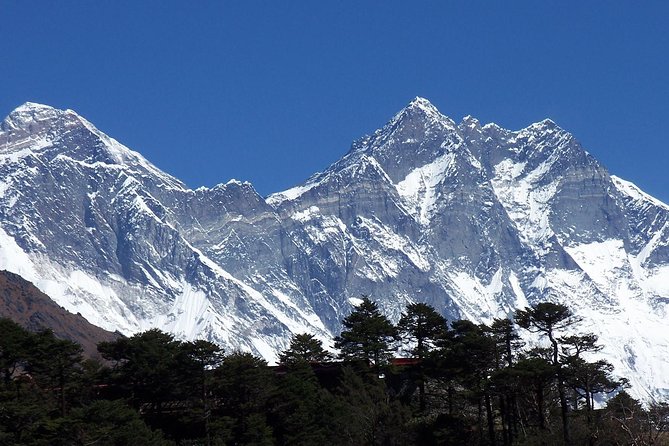
Everest Base Camp is the headline, but the real reward is the steady climb through Sherpa country, from the short flight into Lukla to Namche Bazaar, Tengboche, Dingboche, and the high trail to Gorakshep. Ama Dablam, Lhotse, Makalu, Cho Oyu, and Everest all enter the story.
I like two things here: the price includes the awkward pieces, including Kathmandu and Lukla flights, permits, a guide, lodges, most meals, a sleeping bag, and a down jacket. I also like the two planned acclimatization days, since rushing uphill at altitude is a fine way to ruin an expensive holiday.
The main consideration is physical demand. This is a serious high-altitude trek with long walking days, basic trekking lodges, and little room for casual sightseeing once you leave Kathmandu. The schedule also contains a confusing reference to Dingboche on both Days 6 and 7, so confirm the exact day-by-day plan before you depart.
Key points worth knowing before you book
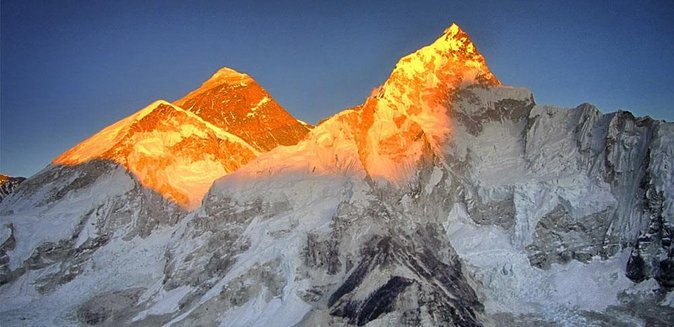
- The trek reaches Everest Base Camp on Day 9, followed by a Kalapatthar sunrise-style hike and a long descent the next day.
- Kathmandu, Lukla, and Kathmandu flights are included, along with airport transfers and ground transport.
- Two acclimatization days are built in, one around Namche Bazaar and another around Dingboche.
- A sleeping bag and down jacket are supplied if needed, a useful saving for anyone who does not own expedition gear.
- The group can include up to 18 people, large enough for company but not a private trek.
- The final evening includes a cultural show and farewell dinner, giving the trip a proper ending rather than simply dropping you back at a hotel.
What the $1,380 price really covers
At $1,380 per person, this is not simply a guided walk to Base Camp. The fee gathers up many costs that can otherwise arrive one by one: airport pickup and departure, domestic flights, city transport, Kathmandu accommodation, trekking lodges, daily trek meals, permits, a TIMS card, guide costs, basic first aid, a T-shirt, and a completion certificate.
That package gives you useful financial control. You are not left arranging the Lukla flight, finding a guide at the trailhead, or paying separately for every night on the route. The supplied sleeping bag and down jacket matter too. You may still want your own personal clothing and gear, but you do not have to buy bulky cold-weather items for one trip.
The price does not cover international airfare, Kathmandu meals beyond included breakfasts, entrance fees, bar bills, personal expenses, travel insurance, or tips for the trekking crew. Build those costs into your budget. The words most meals included should not be read as every meal for all 14 days.
The accommodation is described as standard city hotels on a twin-sharing basis with breakfast, followed by trekking lodges. That is the normal practical choice for this route. You are paying for a bed, food, and route support, not a luxury mountain retreat. At higher points, comfort will be limited by altitude and the remote setting.
More Everest Base Camp Treks in Kathmandu:
- Everest Base Camp Trek – 14 Days
★ 5.0 · 1,499 reviews - Everest Base Camp Trekking
★ 5.0 · 485 reviews - Everest Base Camp Trekking – 13 Day
★ 5.0 · 365 reviews
Kathmandu begins the trip with practical setup
Day 1 is arrival in Kathmandu. The tour includes airport pickup, which is helpful after a long international flight and removes one early decision from your plate. You stay in the city before the mountain section begins.
Kathmandu also provides a useful buffer before the Lukla flight. The supplied plan does not spell out a sightseeing program for the city, and entrance fees are excluded, so treat this first stay mainly as a rest and preparation period. The special cultural show and farewell dinner come later, at the end of the trek.
Your guide team may include people such as Ram, Suresh, Sobit, or Pasang Sherpa, all named in connection with the operating team. Ask at booking who will lead your departure, how many guides and porters will be with your group, and how the team handles a delayed flight or a slow walker.
Lukla to Phakding is a gentle first taste of the trail
Day 2 starts with a 40 to 45 minute flight from Kathmandu to Lukla, followed by the trek to Phakding. The walking time is listed as three to four hours, with Phakding at about 2,640 meters.
This first day is short compared with what comes later. That is useful. You have time to adjust to the trail, your pack, and the rhythm of walking before the route climbs higher. Lunch and dinner are included, as is breakfast according to the day plan.
The flight is an important part of the schedule, not a minor transfer. Your trip depends on it, so ask the operator what happens if weather or operations disrupt the flight. The package includes the Kathmandu to Lukla and return flights, but the supplied details do not promise a fixed departure time or a replacement transport plan.
Namche Bazaar brings the first serious climb
On Day 3, you walk from Phakding to Namche Bazaar in five to six hours, reaching about 3,440 meters. This is the first day when you will feel that the route is not a simple country stroll. The trail gains height, and your pace needs to slow.
Namche is an important stop because the next day is reserved for acclimatization. That rest day is not wasted time. It helps you adjust before the route pushes toward Tengboche and the higher valleys.
I particularly like that the schedule does not attempt to rush straight from Lukla to the upper camps. Altitude is the central challenge on this trek, and a planned pause in Namche gives your body a better chance to cope. You should still treat symptoms seriously and speak with your guide if you feel unwell.
Namche is also one of the places where you have a chance to browse local goods and art. One trip account described buying a mountain painting there, a small but memorable way to take home something more personal than a standard souvenir.
A few more Kathmandu trips to weigh up
- Nagarkot Sunrise View and Day Hiking from Kathmandu
★ 5.0 · 471 reviews - Annapurna Circuit Trek with Tilicho Lake
★ 5.0 · 368 reviews - Everest Base Camp Trek -14 Days
★ 5.0 · 321 reviews - Annapurna base camp trek 5 Days
★ 5.0 · 252 reviews
Tengboche adds a cultural stop to the mountain views
Day 5 takes you from Namche to Tengboche, listed at about 3,860 meters, in six to seven hours. This is a long walking day, and the gain in height makes the hours feel harder than the numbers suggest.
Tengboche is known in the itinerary for its mountain setting and cultural importance. The supplied information does not specify a monastery visit as a formal included activity, so do not assume every entrance or guided visit is covered. Still, the stop gives the route a welcome human and spiritual dimension between long stretches of walking.
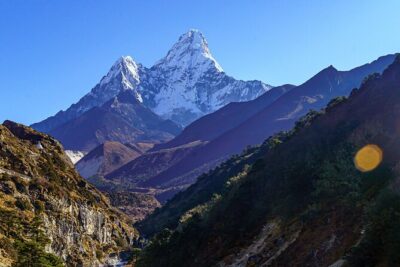
The views become one of the strongest parts of the journey here. Ama Dablam is repeatedly highlighted, along with Lhotse and Everest. You will want time for photographs, but keep your pace sensible. A mountain trek rewards patience more than speed.
Dingboche is where altitude becomes the main subject
The schedule lists an acclimatization day at Dingboche on Day 6 and then a trek to Dingboche on Day 7, with the latter listed at 4,410 meters. That ordering is unclear, and the altitude figures are not perfectly consistent across the supplied plan. Confirm whether Day 6 is intended to be an acclimatization day at another stop, or if the day labels contain a simple mistake.
The important point is that Dingboche is the second acclimatization phase before you go higher. From here, the air is thinner, nights are colder, and the walking days demand more from you. The route is no longer just about reaching the next lodge. It is about managing effort, food, water, warmth, and rest.
The tour provides three meals a day during the trek, listed as breakfast, lunch, and dinner. That is a major convenience in a remote setting, though personal drinks, snacks, and extra meals outside the stated plan remain your responsibility.
Lobuche and Gorakshep make the goal feel real
Day 8 takes you toward Lobuche at roughly 4,910 meters in about five hours. The walking time is shorter than the Tengboche day, but the altitude makes this section demanding. You are now preparing for the highest and most anticipated part of the route.
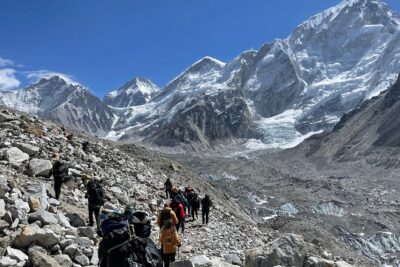
Day 9 continues to Everest Base Camp, then returns to Gorakshep at about 5,200 meters. This is the emotional center of the trek. You reach the famous base camp area, take in the high mountain setting, and then walk back to Gorakshep rather than treating Base Camp as an overnight destination.
You should keep expectations realistic. Everest Base Camp is a working mountaineering point during climbing seasons, not a polished viewing platform. The appeal comes from knowing where you are and what expeditions have passed through, along with the scale of the surrounding peaks.
At this height, the combination of cold, thin air, and a long day can test anyone. Your guide’s role matters greatly here. Several named team members, including Ram and Pasang Sherpa, are associated with positive accounts of clear guidance and support, but the company should still confirm the specific staff assigned to you.
Kalapatthar is the big mountain-view morning
Day 10 starts with a hike to Kalapatthar, listed as a two-and-a-half-hour ascent, followed by a descent to Periche at about 4,200 meters. The plan gives the Kalapatthar point as 5,550 meters, though its feet conversion in the schedule does not match that metric figure. Ask the operator to confirm the intended elevation and exact route.
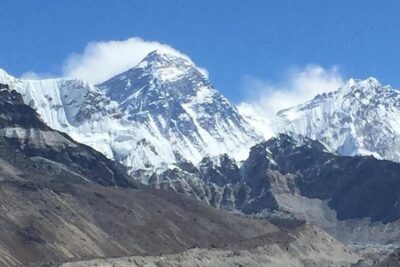
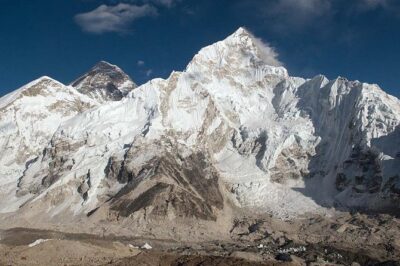
This is the day for the broadest mountain views. Everest, Lhotse, and Ama Dablam are among the peaks named for the trip, with Makalu and Cho Oyu also part of the wider mountain panorama. The morning timing is designed around the best light and clear views, though the actual conditions are never guaranteed.
The seven-hour descent to Periche is the catch. Going downhill sounds easy until your knees and feet have spent days on rocky trails. You will appreciate good footwear and trekking poles, though the tour details do not state that poles are supplied. The sleeping bag and down jacket are the only loaned equipment specifically named.
The return to Lukla is still a real trek
Day 11 heads back to Namche Bazaar in about six hours. Day 12 continues to Lukla in about seven hours. These are not filler days. They are long walking days after the hardest altitude section, and fatigue can make the return feel almost as demanding as the ascent.
The descent does offer a change of pace. You return to lower elevations and retrace familiar ground from a different direction. That can make the route feel less repetitive, especially when you recognize villages and trail sections that looked much harder on the way up.
The schedule includes meals and trekking lodge accommodation through this part of the journey. Standard lodges are practical, but you should not expect city-hotel facilities in the mountains. Pack with the supplied sleeping bag and down jacket in mind, and clarify what other equipment you must bring yourself.
Kathmandu and the farewell dinner close the loop
Day 13 is the flight back to Kathmandu, with breakfast and dinner listed as included. Day 14 is departure, with breakfast provided. The program also includes a cultural show and farewell dinner, described as a special final event.
That ending is a nice touch. After nearly two weeks of walking, a shared meal and performance give you a clear transition back to city life. The plan does not specify the exact venue, show style, or dinner menu, so ask if those details matter to you.
The city transport is arranged with air-conditioned cars and tourist deluxe buses during the trip. That covers the planned transfers, but the description does not provide a full vehicle schedule. Confirm the transport details if you are adding your own Kathmandu plans around the trek.
What the strongest praise tells you about the operator
The most consistent positive points are organization, guide support, permits, transport, food, and accommodation. That matters on a trek where small failures can cause large problems. A missed permit, unclear flight, or poorly timed acclimatization stop can affect the whole route.
Specific staff names also appear repeatedly in the operating team’s praise. Suresh and Sobit are associated with follow-up and trip management, Ram with guiding, and Pasang Sherpa with strong mountain experience. Treat these names as useful questions to ask, not a guarantee that one of them will lead your departure.
The overall score is listed as 5 from 46 ratings, with 100 percent recommending the experience. That is a strong record, though the available comments are short and do not give much detail about difficult cases, delays, or how the company handles illness. Ask direct questions before paying: What happens if someone cannot continue? Is there an evacuation procedure? Who pays for extra nights caused by a delayed flight?
Who should choose this 14-day trek?
This trip suits you if you want Everest Base Camp but prefer a prepared package rather than arranging every permit, flight, lodge, and guide yourself. It is also a good fit if you need a sleeping bag and down jacket supplied, or if you value having airport transfers and a farewell program included.
You should have moderate physical fitness, as the tour requires repeated walking days of three to seven hours and reaches very high altitude. You do not need to be an elite athlete based on the stated requirement, but you do need to prepare seriously and accept that the route can be tiring.
A group of up to 18 people suits social walkers who like company and shared costs. It is less suitable if you want a private pace or a highly personal schedule. The operator may be able to discuss alternatives, but the supplied details describe a group tour rather than a private departure.
Small details to confirm before departure
The booking receives confirmation at the time of reservation, and free cancellation is available up to 24 hours before the start time. Changes or cancellations inside that window are not accepted for a refund, using local time as the cut-off.
Before you go, confirm the unclear Dingboche sequence, the exact guide team, the flight arrangements, the list of covered entrance fees, and what personal gear you must supply. Travel insurance is not included, and it is your responsibility.
Also ask how twin-sharing works in Kathmandu, how porter support is arranged, and what happens if you need an extra night in the mountains. Those questions do not spoil the excitement. They help you understand what the $1,380 package does and does not promise.
Should you book the Everest Base Camp trek?
I would consider booking this tour if you want a solid all-in-one framework at a competitive price and you are comfortable with standard lodges, group travel, and demanding mountain days. The inclusion of flights, permits, meals, guide costs, gear loans, and acclimatization days gives the package real value.
I would pause if you need luxury accommodation, a private guide, a flexible schedule, or extensive city touring included. The best next step is to confirm the Day 6 and Day 7 wording and identify your actual guide. If the answers are clear, this is a practical way to tackle Everest Base Camp without carrying the full burden of planning yourself.
FAQ
How long is the Everest Base Camp trek?
The planned experience lasts 14 days, including arrival in Kathmandu, the trek, the return flight, the farewell program, and departure. The general duration is described as approximately 5 to 14 days, so confirm the exact departure schedule when booking.
What is included in the $1,380 price?
The price includes airport pickups and departures, Kathmandu to Lukla and return flights, planned transport, city hotel accommodation with breakfast, trekking lodges, listed trek meals, permits, a TIMS card, guide costs, basic first aid, a T-shirt, a completion certificate, a cultural show, a farewell dinner, and government taxes.
Are meals included?
Breakfast, lunch, and dinner are included during the trekking days shown in the schedule. Extra meals in Kathmandu, personal expenses, bar bills, and other costs are not included.
Is trekking equipment provided?
A sleeping bag and down jacket are provided if you need them during the trek. The supplied information does not say that other personal trekking equipment is included.
How large can the group be?
The maximum group size is 18 people.
What is not included?
International airfare, extra Kathmandu meals, entrance fees, personal expenses, bar bills, travel insurance, and tips for the trekking crew are excluded.
Just added around Kathmandu
- Namobuddha Monastery Hiking Day Tour via Panauti from Kathmandu★ 5.0 · 15 reviews
- Private Half-Day Tour of Boudhanath and Pashupatinath Temples in Kathmandu★ 4.5 · 9 reviews
- Private Half-Day Tour of Kathmandu Durbar Square and Swayambhunath Temple★ 4.5 · 11 reviews
- Private Full-Day Kathmandu City Tour★ 5.0 · 9 reviews
- Private Day Tour in Kathmandu Valley Rim with Bhaktapur Sightseeing★ 5.0 · 3 reviews
- Private Half Day Budhanilkantha Tour★ 5.0 · 6 reviews
- Private Day Tour: Patan and Bhaktapur from Kathmandu★ 4.5 · 6 reviews
- Private Day Tour – Sacred Journey to Namo Buddha★ 5.0 · 5 reviews
Everest Base Camp Treks, compared.
Everest Base Camp Trek with Helicopter Return from Gorakshep to Lukla
Read our review →Browse the lists this tour appears in