
Reviewed · EVEREST BASE CAMP TREKS
Everest Base Camp Trek
The prize here is not only reaching Everest Base Camp. It is the slow approach through Sherpa villages, Buddhist monasteries, rhododendron woods, suspension bridges, and the high Khumbu valleys. The final morning climb to Kala Patthar gives you the clearest stated viewpoint of Mount Everest on this route.
I like two things right away. First, the trip builds in an acclimatization day at Namche Bazaar, which gives your body time to adjust before the trail gets serious. Second, the $2,500 price includes a guide, porter support, tea house lodging, three meals a day, local transport, permits and taxes, airport transfers, and a farewell dinner.
The main consideration is altitude and effort. You reach 5,364 meters at Base Camp and 5,550 meters at Kala Patthar, with several days of five to six hours of walking. The rooms are in tea houses, hot showers and battery charging cost extra, and Lukla flights depend on the mountain airport and local conditions.
Key points to know before booking
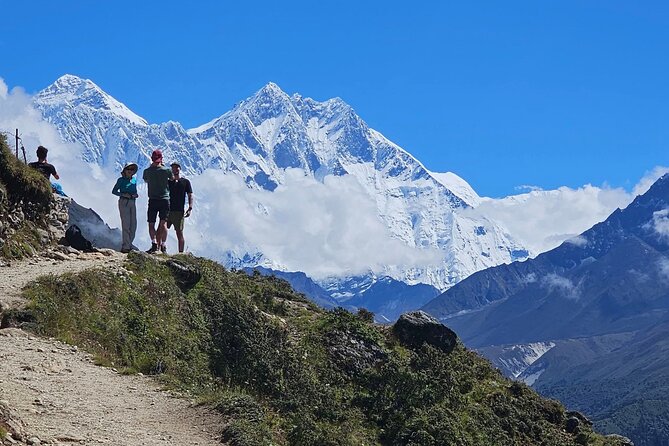
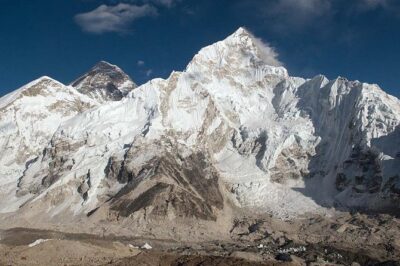
- Kala Patthar is the visual high point: The early climb delivers the route’s best stated views toward Everest, the Khumbu Glacier, and nearby peaks.
- Namche is your key rest day: You can visit the Everest View Point, Sagarmatha National Park museum, and nearby viewpoints while your body adjusts.
- The trek is private: Only your group takes part, rather than joining a large mixed party.
- The package covers the basics well: Tea house lodging, meals, guide, porter service, airport transfers, taxes, and guide and porter insurance are included.
- The days are long but not rushed: Most walking days take about four to six hours, with one especially demanding Base Camp day.
- Extra costs add up: Nepal visa, international flights, personal insurance, showers, charging, laundry, drinks, bottled water, and tips are not included.
From Kathmandu to Lukla in 25 minutes
Your first meeting point is Tribhuvan Airport in Kathmandu at 5:15 am. That early start matters. The domestic flight to Lukla takes about 25 minutes, and the short flight quickly changes the setting from city streets to the high Himalayan foothills.
The arrival at Lukla is part of the story. You have your first close look at the Everest region, then begin walking toward Phakding at 2,650 meters. The three-hour trail passes forests, Buddhist monasteries, and local settlements. On a clear day, you might see Kanguru Peak, rising to 6,367 meters.
Phakding is a gentle first night compared with what follows. You eat dinner and sleep in a tea house, the standard accommodation used throughout the trek. Do not expect hotel comforts here. Tea houses provide a practical place to eat and rest, while hot showers, battery charging, laundry, and other personal services cost extra.
Airport pickup and drop-off are included for both international and domestic flights. That is useful in Kathmandu, where a smooth transfer can save you from sorting out transport after a long international journey or before an early domestic departure.
More Everest Base Camp Treks in Kathmandu:
- Everest Base Camp Trek – 14 Days
★ 5.0 · 1,499 reviews - Everest Base Camp Trekking
★ 5.0 · 485 reviews - Everest Base Camp Trekking – 13 Day
★ 5.0 · 365 reviews
Phakding to Namche Bazaar, the first serious climb
Day two takes about six hours and follows rivers, waterfalls, villages, and bridges toward Namche Bazaar at 3,440 meters. You stop for lunch around Monjo or Jorsalle, then continue toward the large mountain settlement that serves as an important meeting point in the Everest region.
The route is not just a steady uphill walk. It includes changes in pace and terrain, with river crossings and a more demanding approach to Namche. Near the town, Top Danda can offer a first view of Everest if conditions are clear.
Namche is a good place to pause. It has more services than the smaller villages, but the value of the following acclimatization day is more important than shopping. At this altitude, rest is part of the trek, not lost time.
Namche Bazaar gives you time to adjust
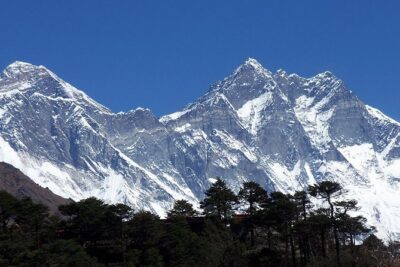
The third day is set aside for acclimatization and exploration. You can walk to the Everest View Point, visit the Sagarmatha National Park museum, and explore nearby areas with views toward Kusum Kanguru, Taboche Peak, and Khonde Peak.
This is one of the strongest parts of the schedule. The trek climbs steadily after Namche, so moving straight onward without a rest day would make the later high-altitude sections harder. The plan gives you a chance to walk, look around, and let your body begin adjusting.
Namche is also the best place on this route to buy souvenirs and take a break from the narrower trail. Keep the day easy. The purpose is preparation for Tengboche and the much higher villages ahead, not a race to collect every viewpoint.
Tengboche brings forest, rivers, and a monastery
From Namche, the trail reaches Tengboche in about five hours. You pass through rhododendron forest and along river country before arriving at 3,860 meters.
Tengboche Monastery is the central attraction. You can visit while monks and local people carry on long-held Buddhist rituals and traditions. The monastery gives the walk a cultural focus that a simple mountain viewpoint cannot provide.
The route also offers a change in scenery. Lower forest gives way to more open, high-altitude surroundings as you gain height. At Tengboche, you are already well above Namche, so the evening is a good time to eat, rest, and prepare for another rise in altitude.
A few more Kathmandu trips to weigh up
- Nagarkot Sunrise View and Day Hiking from Kathmandu
★ 5.0 · 471 reviews - Annapurna Circuit Trek with Tilicho Lake
★ 5.0 · 368 reviews - Everest Base Camp Trek -14 Days
★ 5.0 · 321 reviews - Annapurna base camp trek 5 Days
★ 5.0 · 252 reviews
Dingboche and the Khumbu high country
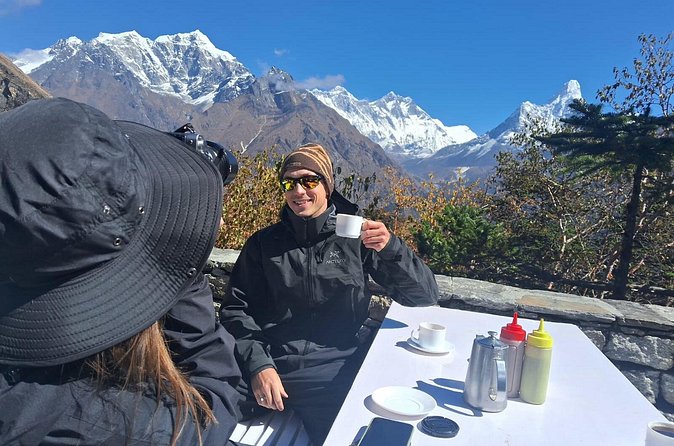
The fifth day takes about five hours to Dingboche at 4,400 meters. Breakfast is in Tengboche, lunch is planned around Pangboche or Somare, and dinner is in Dingboche.
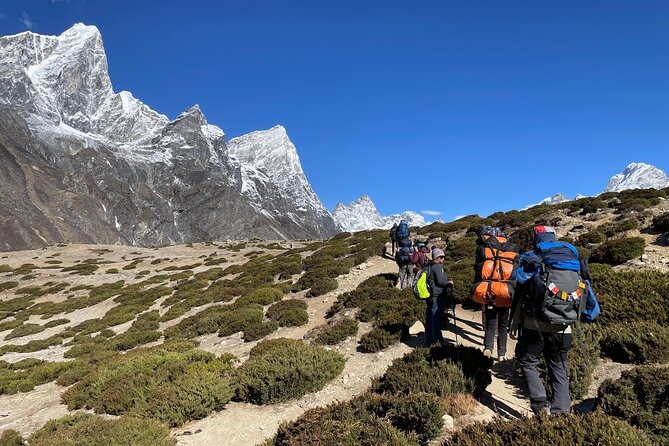
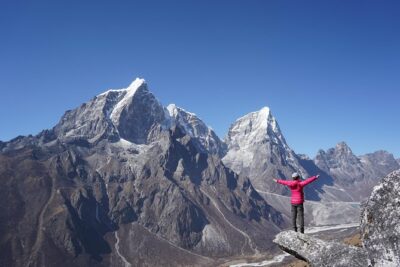
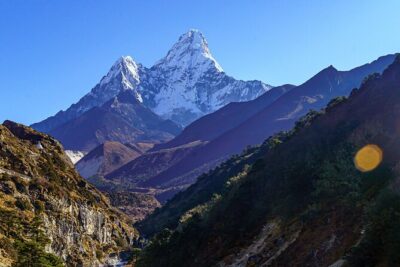
This section brings you farther into the Khumbu region, with views toward Island Peak, Taboche Peak, and other major summits. Dingboche is an important overnight stop because the altitude is now a serious factor. You are no longer simply walking through attractive mountain villages. You are preparing for the high trail to Lobuche and Gorakshep.
The schedule does not list a separate rest day at Dingboche. That means you should take the walking pace seriously and use every evening for rest. The trip is designed around a fixed 12-day return, so there is little spare time if you need to slow down.
Lobuche at 4,910 meters
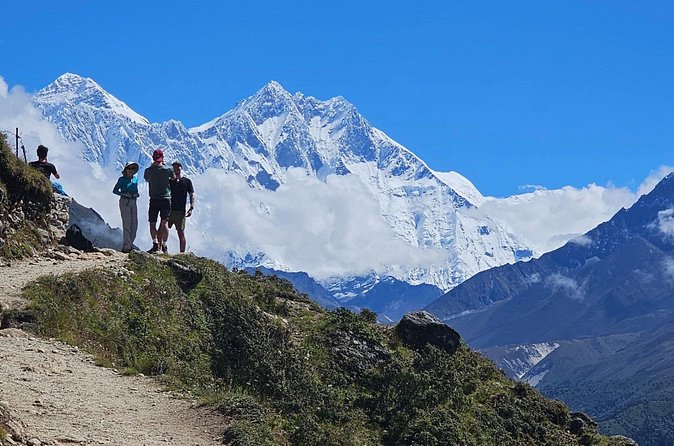
The walk from Dingboche to Lobuche takes about five hours, although one part of the schedule lists this day as four hours. In practical terms, plan for a substantial mountain day rather than relying on the shorter estimate.
The views open toward Nuptse, Island Peak, Lobuche Peak, and Taboche Peak. Lobuche, at 4,910 meters, is one of the highest overnight stops on the route and a clear sign that the final push is close.
This is where comfort becomes more basic and altitude becomes more noticeable. Your tea house room gives you a place to sleep, but the real luxury is a warm meal and a chance to recover. Hot soup in the high areas is included, a small detail that matters after several hours outdoors.
Everest Base Camp from Gorakshep
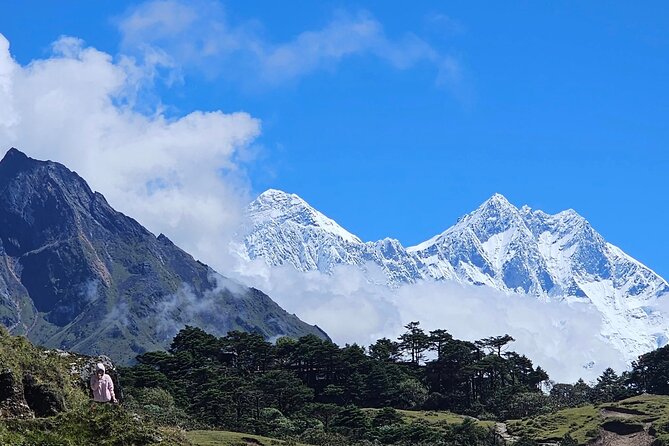
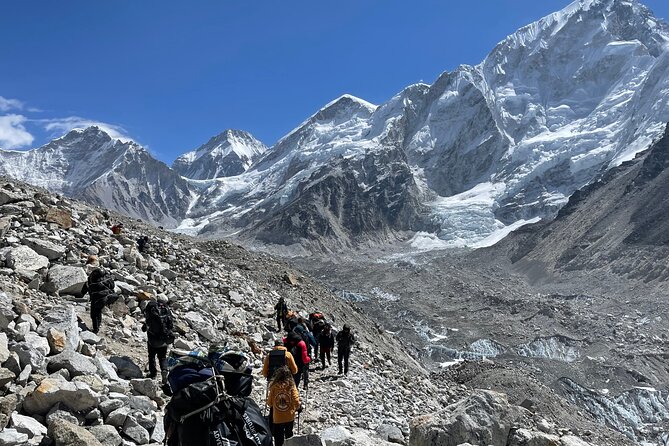
Day seven is the main challenge. You walk from Lobuche to Gorakshep in about three and a half hours, following a steep trail to 5,150 meters. After lunch, you continue to Everest Base Camp at 5,364 meters, then return to Gorakshep for the night.
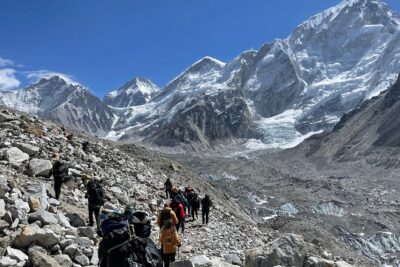
The route gives you views of the Khumbu Glacier, Kala Patthar, and Everest. The walk through the glacier area, along with the increasing altitude, makes this a demanding day even though the listed walking time is not the longest of the trip.
Base Camp itself is the emotional target for many hikers. You can take photographs and mark the moment, but it is important to understand what the destination means. This is the base used for mountaineering expeditions, not the summit and not a place where you climb Everest. The achievement here is reaching the foot of the world’s highest mountain by foot.
The overnight stay at Gorakshep also explains why the next morning begins early. You need to climb Kala Patthar before descending.
Kala Patthar is the route’s best viewpoint
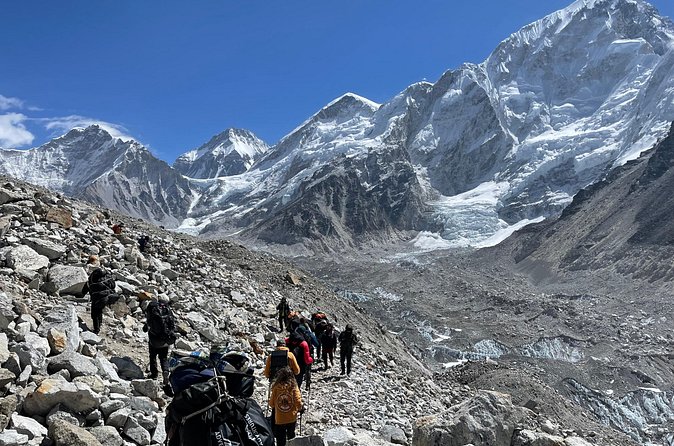
The eighth day starts with a three-hour climb to Kala Patthar, followed by a descent to Gorakshep for breakfast and then about two and a half hours to Lobuche.
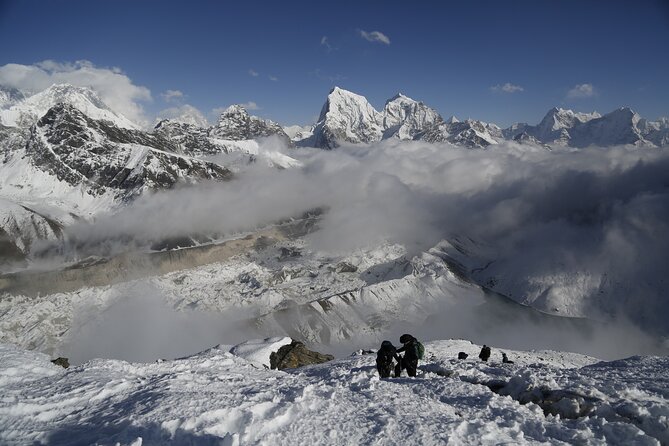
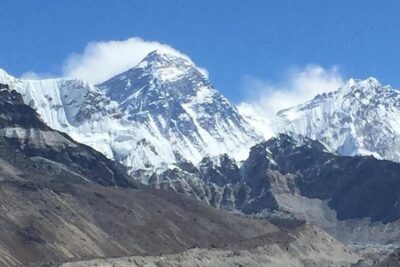
At 5,550 meters, Kala Patthar is higher than Base Camp and is described as the best viewing platform on this route. The early timing is practical, since mountain views can be clearest in the morning. From here, you can look toward Everest and the Khumbu Glacier, with the surrounding peaks filling the horizon.
This is also the hardest morning for many people. You have already completed the Base Camp walk, slept at high altitude, and must climb again before breakfast. The reward is visual rather than a new destination, but for many hikers it may be the strongest memory of the trip.
The return route through Tengboche and Monjo
After Lobuche, the return walk to Tengboche takes about five and a half hours. You stop around Pangboche and Deboche for lunch and pass monasteries, stupas, bridges, and rivers.
Going downhill is not effortless. Descending can be easier on your breathing, but uneven trails can still tire your legs. You also need to keep your footing on the same mountain paths that felt challenging on the way up.
Day ten takes you from Tengboche to Monjo in about six hours, with lunch at Namche Bazaar. The trail passes through rhododendron forest, then continues through Jorsalle before reaching Monjo. This return route lets you see the lower villages again from a different perspective and gives you another stop in Namche without adding a second acclimatization day.
Monjo to Lukla, then back to Kathmandu
The walk from Monjo to Lukla takes about five hours. You descend through Phakding, cross the Dudh Koshi River on a suspension bridge, and continue alongside the river before reaching Lukla.
The final night in Lukla is useful because the next morning begins with another 25-minute flight to Kathmandu. After arrival, a company representative takes you to a hotel by private car, and you can spend time in Thamel after freshening up. The package also includes a farewell dinner in Kathmandu.
The schedule describes the trip as 12 days, but the final day includes returning to Kathmandu and spending the night there. If you are booking international flights close to the return date, check the timing carefully and leave room for changes. The supplied plan does not include an extra Kathmandu night outside the stated program.
What the $2,500 price really covers
At $2,500, this is not a bare trekking package. The included services cover much of what you need once you arrive in Nepal:
- Private airport transfers for international and domestic flights
- Transportation required by the stated schedule
- Tea house accommodation
- Three meals each trekking day
- Hot soup in high areas
- A professional trekking and sightseeing guide
- Porter service at a ratio of one porter for two hikers
- Insurance for the guide and porters
- Government and local taxes
- A farewell dinner
- A trekking map, company T-shirt, and completion certificate
That porter ratio is worth noting. You still need to pack sensibly, since the porter is carrying for two people rather than one. Your personal day pack should hold the items you need during the walk, while the main load goes with the porter.
The price does not include your Nepal visa, international flights, personal travel and rescue insurance, extra Kathmandu accommodation, hot showers, charging, laundry, bar bills, personal water, or tips. Those costs can change the final total, so budget for them before deciding that $2,500 is the complete price.
The package does include guide and porter insurance, but not your own insurance. You need separate travel and rescue coverage for yourself. That is especially important on a high-altitude route.
Who this trek suits best
This trip suits you if you want the classic Everest route, prefer a private group, and are comfortable walking for four to six hours on most days. You need a moderate level of physical fitness, according to the supplied requirements, but the altitude means fitness alone does not guarantee an easy time.
You should be ready for early mornings, steep sections, basic tea house accommodation, and limited personal comforts. The highest days are not a casual sightseeing outing. Reaching Base Camp and Kala Patthar requires patience and steady pacing.
The tour can also suit a parent and adult child or a small private party. One strong account describes a father or mother traveling with a daughter and receiving close attention from a guide named Ajay from airport pickup through the return transfer. That specific guide is not assigned to this Base Camp departure, so ask who will lead your group before booking.
Another account names Jangbu as a supportive guide on a 20-day Three Passes Trek. Again, that is a different route, but it suggests the company also handles tougher private Himalayan programs. For this 12-day trip, confirm your guide’s name and experience directly.
Booking details and practical limits
Confirmation is provided when you book, and free cancellation is available if you cancel at least 24 hours before the local start time. Cancellations inside that window are not refundable, and late changes are not accepted.
The meeting point is Tribhuvan Airport in Kathmandu at 5:15 am. Since the first domestic flight is early, organize your arrival and hotel plans around that departure rather than assuming a leisurely first morning.
The activity is private, so only your own group participates. That gives you a more personal setup than a large group departure, though the fixed schedule still governs the main walking days.
Should you book the Everest Base Camp Trek?
Book it if you want a classic, well-supported route with the major landmarks included: Lukla, Namche Bazaar, Tengboche, Dingboche, Lobuche, Everest Base Camp, and Kala Patthar. The inclusion of meals, tea houses, porters, guide services, local transport, and airport transfers gives the $2,500 price a solid base value.
Think twice if you want hotel-level comfort, flexible rest days, or a low-altitude holiday. The high point reaches 5,550 meters, the facilities are simple, and the schedule leaves little spare time.
For the right hiker, this is a focused way to reach the Everest region without arranging every meal, transfer, permit, and porter detail alone. Confirm the guide, insurance requirements, personal expenses, and flight arrangements before paying. If those terms suit you, the route offers a strong balance of mountain scenery, Sherpa culture, and practical support.
FAQ
How long is the Everest Base Camp Trek?
The trek lasts approximately 12 days, including flights between Kathmandu and Lukla and the return to Kathmandu.
Where does the trek begin?
The meeting point is Tribhuvan Airport in Kathmandu, Nepal. The stated start time is 5:15 am.
How long is the flight from Kathmandu to Lukla?
The flight takes about 25 minutes.
Is the trek private?
Yes. Only your group participates in this private activity.
What is the highest point on the trek?
Kala Patthar is listed at 5,550 meters. Everest Base Camp is listed at 5,364 meters.
Is accommodation included?
Yes. Tea house accommodation during the trek is included. Extra Kathmandu nights outside the stated schedule are not included.
Are meals included?
Yes. Three meals during the trek are included, along with hot soup in the high areas.
Is porter service included?
Yes. Porter service is included at a ratio of two hikers to one porter. Insurance for the guides and porters is also included.
What expenses are not included?
The Nepal visa, international flights, your own travel and rescue insurance, hot showers, battery charging, bar bills, laundry, personal water, extra Kathmandu accommodation, and tips for guides and porters are not included.
Just added around Kathmandu
- Namobuddha Monastery Hiking Day Tour via Panauti from Kathmandu★ 5.0 · 15 reviews
- Private Half-Day Tour of Boudhanath and Pashupatinath Temples in Kathmandu★ 4.5 · 9 reviews
- Private Half-Day Tour of Kathmandu Durbar Square and Swayambhunath Temple★ 4.5 · 11 reviews
- Private Full-Day Kathmandu City Tour★ 5.0 · 9 reviews
- Private Day Tour in Kathmandu Valley Rim with Bhaktapur Sightseeing★ 5.0 · 3 reviews
- Private Half Day Budhanilkantha Tour★ 5.0 · 6 reviews
- Private Day Tour: Patan and Bhaktapur from Kathmandu★ 4.5 · 6 reviews
- Private Day Tour – Sacred Journey to Namo Buddha★ 5.0 · 5 reviews
Everest Base Camp Treks, compared.
Everest Base Camp Trek with Helicopter Return from Gorakshep to Lukla
Read our review →Browse the lists this tour appears in