
Reviewed · EVEREST BASE CAMP TREKS
Everest Base Camp Trek with Helicopter Flight Back
The clever part of this 10-day Everest Base Camp trek is the one-way design. You walk into the Khumbu, spend time at the world’s most famous mountain camp, then skip the long return on foot with a helicopter flight from Gorak Shep. I like the built-in acclimatization day at Dingboche, and I like that the price includes a guide, meals, permits, trekking gear, airport pickup, and a Kathmandu hotel night.
The main catch is important: the helicopter flight is not included in the advertised $446.50 price. You also need a solid fitness base for several long days above 4,000 meters, and the flight depends on good weather. The low headline price is attractive, but ask Bold Himalaya for the current helicopter cost before you commit.
Key points to know before booking
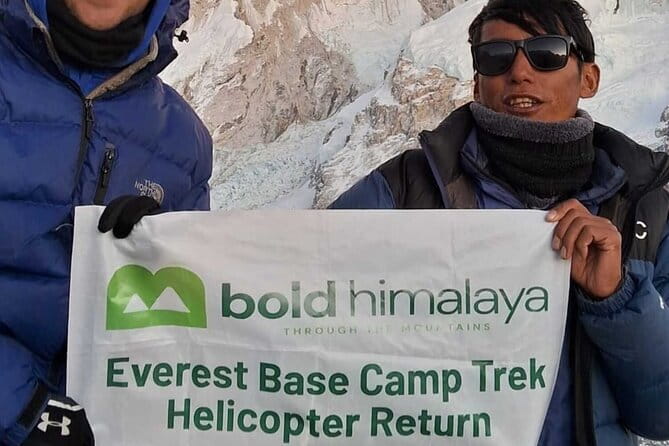
- The return flight saves several trekking days: You walk to Everest Base Camp, then return to Kathmandu by helicopter after the Kala Patthar sunrise hike.
- Dingboche gets a proper acclimatization day: The hike toward Nagarjun Peak helps you prepare for higher ground instead of simply pushing upward every day.
- Your route includes the classic Khumbu stops: Namche Bazaar, the Everest View Hotel, Tengboche, Lobuche, Gorak Shep, and Everest Base Camp.
- A guide and core trek costs are covered: Guide services, meals, permits, domestic flights, a Kathmandu hotel night, and selected gear are included.
- The price needs careful reading: Porters, international flights, insurance, tips, bar bills, and the helicopter ride home are extra.
- This is a private trip: Only your own group takes part, which gives you more control than a large group departure.
Why the helicopter return changes the Everest Base Camp trek
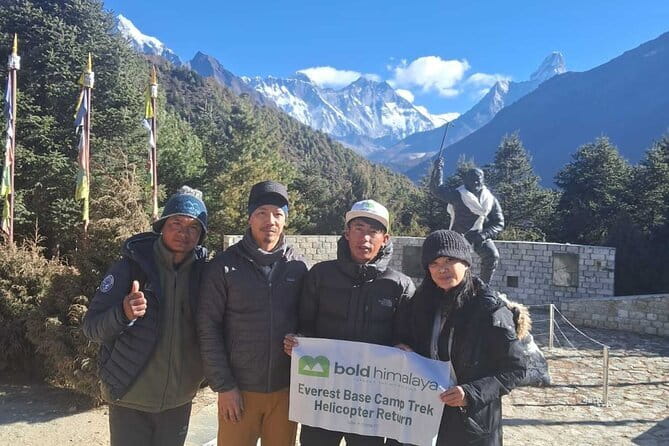
The usual Everest Base Camp route is a walk in and a walk out. That return journey is not dull, but it adds another stretch of mountain days after you have already reached your main goal. Here, you still get the classic approach through Sherpa country, but the trip ends with a flight over the high valleys.
That makes the experience useful for you if time is tight or if you would rather spend your energy on the approach and the summit viewpoints. You still need to handle the hardest altitude days, though. The helicopter does not remove the physical challenge of reaching Gorak Shep, Base Camp, and Kala Patthar.
The itinerary is private, so your pace and daily rhythm can be handled within your group. That matters on a high-altitude route. You may want a little more time at a viewpoint, or you may need a slower morning after a demanding day. The supplied details do not promise a fixed group size beyond your own party, so confirm how your guide handles pace, stops, and altitude concerns before departure.
More Everest Base Camp Treks in Kathmandu:
- Everest Base Camp Trek – 14 Days
★ 5.0 · 1,499 reviews - Everest Base Camp Trekking
★ 5.0 · 485 reviews - Everest Base Camp Trekking – 13 Day
★ 5.0 · 365 reviews
Kathmandu arrival, briefing, and the first practical details
Your trip begins at Tribhuvan International Airport in Kathmandu. Bold Himalaya provides pickup and takes you to your hotel, listed as Hotel Thrive or a similar property, with breakfast included.
An evening briefing covers the trek, so this is the time to check your equipment and ask direct questions. Confirm the flight plan, the helicopter supplement, porter arrangements, and what happens if mountain weather changes the schedule. The company supplies a duffle bag, cap, trip certificate, sleeping bag, down jacket, and trekking poles if needed.
You also receive one cultural show and dinner program in Kathmandu. That gives the trip a small cultural component before or after the mountain portion, although the main purpose here is clearly the trek rather than a long city tour.
Day 2: Lukla to Phakding starts with a famous flight
The domestic flight from Kathmandu to Lukla is one of the trip’s first memorable moments. You get broad Himalayan views before landing at Lukla Airport, a small mountain airfield that serves as the gateway to the Everest region.
The walk to Phakding takes about four hours and trends downhill from Lukla. You pass through alpine forest and begin adjusting to the trail, the bridges, and the steady rhythm of walking with a pack or day bag. This first day is shorter than the high-altitude stages, but do not treat it as a throwaway. It is your chance to settle into the route.
The itinerary notes that the flight may operate from Ramechhap instead of Kathmandu. That can affect your ground transport and departure timing, depending on the season and flight operations. Ask for the exact airport plan before you arrive.
Day 3: Suspension bridges and the climb to Namche Bazaar
From Phakding, you continue toward Namche Bazaar for roughly six hours. The trail follows the Dudh Koshi River and crosses suspension bridges, with Himalayan villages and forest along the way.
Namche is more than a stop for the night. It is the main trading center on this route and your first clear sign that the trek is moving into serious mountain country. The climb into town can feel demanding because the altitude is rising, not simply because of the distance.
Go slowly here. A steady pace helps you conserve energy for the days ahead. Your guide is included, along with salary, food, accommodation, and insurance, so you have support built into the arrangement. Porters are not included, however. If you want porter support, arrange and budget for it in advance.
A few more Kathmandu trips to weigh up
- Nagarkot Sunrise View and Day Hiking from Kathmandu
★ 5.0 · 471 reviews - Annapurna Circuit Trek with Tilicho Lake
★ 5.0 · 368 reviews - Everest Base Camp Trek -14 Days
★ 5.0 · 321 reviews - Annapurna base camp trek 5 Days
★ 5.0 · 252 reviews
Day 4: Namche acclimatization and the Everest View Hotel
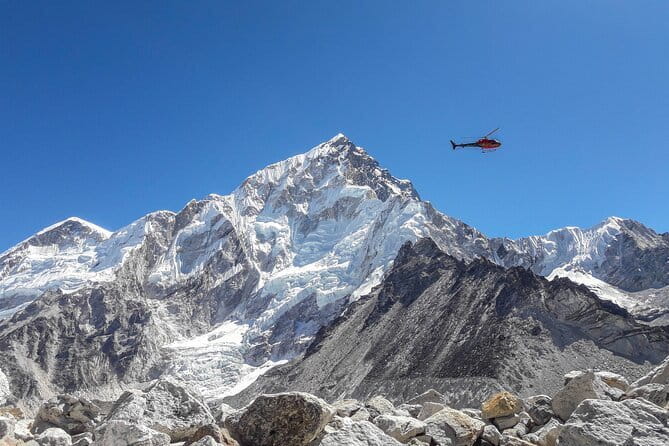
Day four is a rest and acclimatization day in Namche, but it is not meant to be spent entirely indoors. The plan includes the Sherpa Museum and a hike to the Everest View Hotel, taking about five hours in total.
This is one of the smartest parts of the route. You sleep at the same altitude while making a higher outing, giving your body a chance to adjust. The walk also brings some of your first broad views toward Everest and the surrounding peaks.
The Sherpa Museum adds useful context to the mountain setting. You can learn about Sherpa culture and the history connected with Himalayan climbing, then return to Namche for another night. I like this balance of movement, scenery, and rest. A rushed itinerary might try to push beyond Namche too soon.
Day 5: Tengboche and one of the route’s great mountain settings
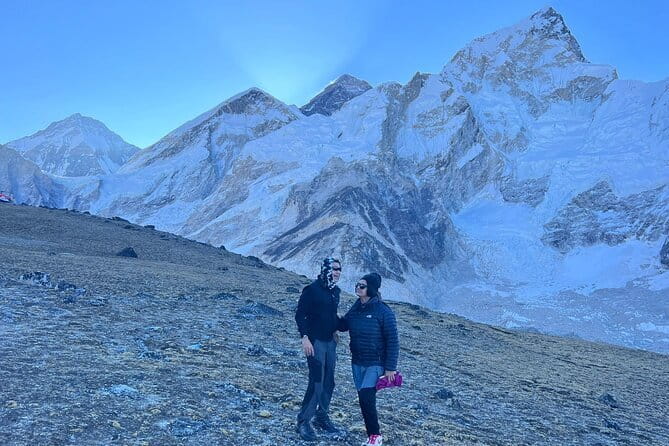
The trek continues to Tengboche, also written as Tyangboche in the schedule. This is another six-hour walking day, with lunch planned at Phungi Thanga before the trail climbs onward.
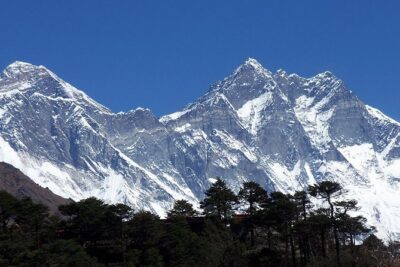
The route gives you views of Everest, Lhotse, and other major peaks. Tengboche is known for its monastery, which the itinerary includes as a visit. The setting is a major reason this stop matters: you are walking through a high mountain corridor where religious life, village paths, forests, and huge peaks meet.
This day may feel harder than the distance suggests because of the climb toward Tengboche. Keep your morning pace controlled and save something for the final section. The tour includes meals, but desserts and bar bills are extra, so keep your expectations simple and practical in the lodges.
Day 6: Into the high valley at Dingboche
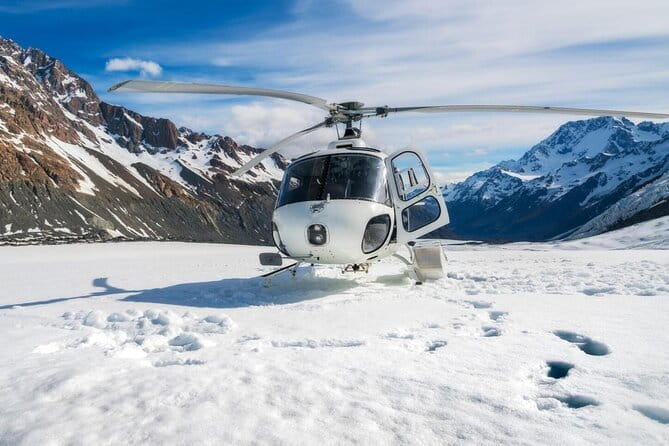
From Tengboche, you walk toward Dingboche for about six hours. The route crosses a suspension bridge over the Imja Khola and passes through Pangboche and Somare.
This section marks a clear change in the trip. The route is moving higher, and the forest gives way to a more open high-altitude setting. Dingboche is an important base for preparing to sleep and walk at still greater heights.
The itinerary includes breakfast, lunch, and dinner for the trekking days, with nine breakfasts, eight lunches, and eight dinners listed overall. Fruit and dry nuts are also supplied seasonally. Those small food additions can be useful on long walking days, but you should still confirm what personal snacks you want to bring.
Day 7: Nagarjun Peak provides a useful pause
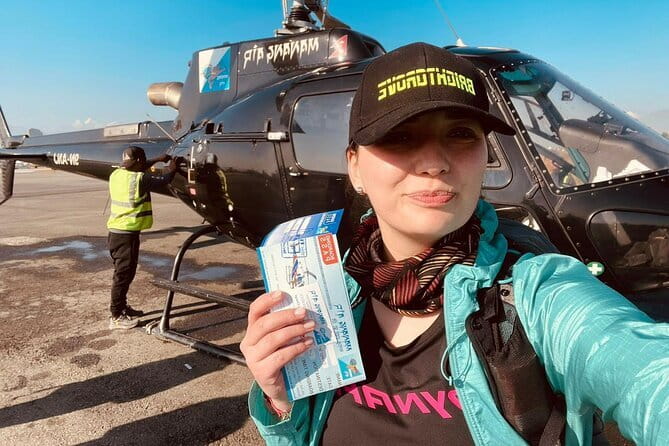
The second day in Dingboche is for acclimatization. You explore the valley and hike toward Nagarjun Peak, with about five hours of walking planned.
This is not a lost day. At high altitude, a rest day with a controlled climb is part of the route’s safety logic. The outing gives you wide views and lets you test how your body responds before the trail rises toward Lobuche and Gorak Shep.
Pay attention to headaches, unusual tiredness, or other altitude symptoms, and tell your guide early. The itinerary calls for a moderate fitness level, but altitude affects people differently. Being fit helps, yet it does not guarantee an easy adjustment.
Day 8: Thukla Pass memorials and Lobuche at 4,940 meters
The route to Lobuche takes about six hours and reaches 4,940 meters. You pass through Thukla Pass, where memorials honor climbers who died in the Himalayas.
This is a solemn part of the trek. The memorials add human weight to the views, reminding you that Everest is not simply a scenic backdrop or a personal checklist. The day also brings close views of glaciers and the higher peaks around Lobuche.
At nearly 5,000 meters, sleep can be less comfortable and the cold can be sharper. Your sleeping bag and down jacket are included if needed, which is a useful saving and less gear for you to arrange at home. Ask how and when the equipment is issued, and check that it fits before you leave Kathmandu.
Day 9: Everest Base Camp and a night at Gorak Shep
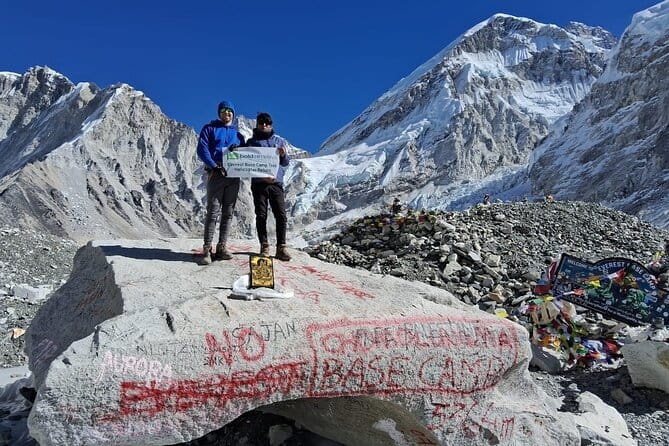
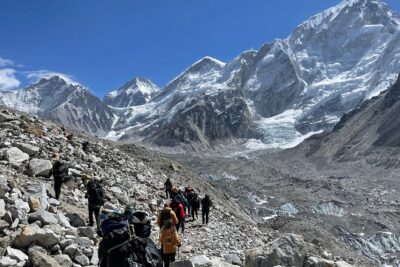
The longest and most important day takes about seven hours. You trek to Gorak Shep at 5,170 meters, leave your gear there, and continue to Everest Base Camp at 5,364 meters.
Leaving your larger bag behind is a sensible detail. The walk to Base Camp is demanding enough without carrying everything. You can focus on the route, the Khumbu Icefall views, and the significance of reaching the camp used by climbers preparing for Everest.
You return to Gorak Shep for the night. This is a high sleeping altitude, so do not expect the same comfort as in Kathmandu or lower villages. The trip is built around achievement and scenery, not luxury in the usual hotel sense.
The phrase luxury in the tour description mainly refers to convenience, support, and the helicopter return. It does not mean five-star rooms at Base Camp. Lodging conditions become basic as you go higher. The company has been praised for arranging comfortable stays and hot water in Kathmandu and the lodges, but conditions can change with altitude, weather, and local supply.
Day 10: Kala Patthar sunrise, then the flight home
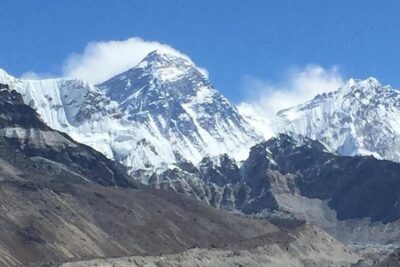
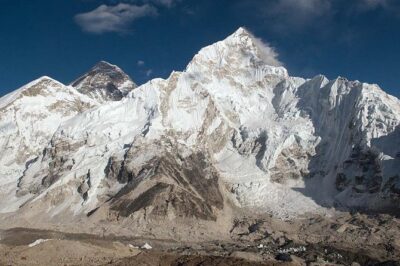
The final morning begins early with a hike to Kala Patthar at 5,550 meters. This is the high point of the walking route and the place for broad sunrise views of Everest and the surrounding Himalayan peaks.
The early start is worth understanding. You are climbing before breakfast and before a helicopter flight, so the morning can be cold and tiring. Still, Kala Patthar often provides a clearer mountain viewpoint than Base Camp itself, where the Khumbu Icefall is the main visual draw.
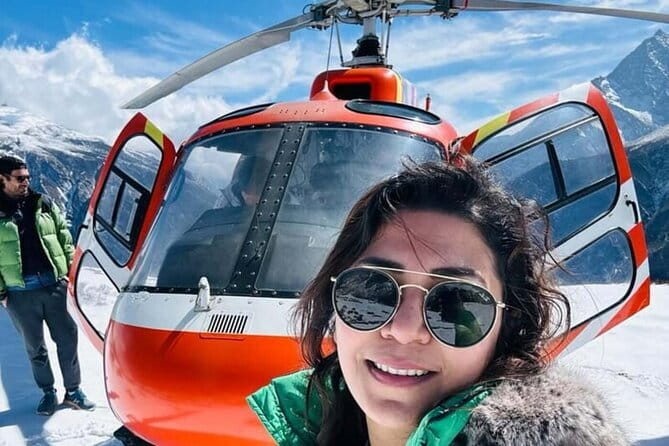
You return to Gorak Shep and board a helicopter for Kathmandu. The helicopter ride is the trip’s major convenience and one of its most appealing features. It turns the return into a scenic aerial journey rather than another several days on foot.
The helicopter transfer from Gorak Shep to Kathmandu is not included in the advertised price. Bad weather can also stop the flight. The cancellation terms say you can receive a different date or a full refund if the experience is canceled because of poor weather, but ask how that policy applies to the flight portion and any extra costs caused by delays.
What the $446.50 price really covers
At $446.50 per person, the base price looks very competitive for a guided Everest Base Camp program. Its value improves because it covers several costs that quickly add up:
- Guide services, including salary, insurance, food, and accommodation
- Kathmandu to Lukla domestic flight, or the Ramechhap to Lukla flight when used
- Private transportation
- One Kathmandu hotel night with breakfast
- Breakfast, lunch, and dinner listed for the trek
- Sagarmatha National Park, Pasang Lhamu Rural Municipality, and TIMS fees
- Sleeping bag, down jacket, and trekking poles if needed
- Duffle bag, cap, and trip certificate
- One cultural show and dinner program
- Government taxes and service charges
The exclusions are just as important. You pay separately for the helicopter flight, international airfare, travel insurance, porter services, tips, desserts, and bar bills. The helicopter could be a substantial extra, so do not compare this price with a fully bundled trek until you know the final total.
The value is strongest for you if you already have international flights and want a private guided route with fewer return days. It is less simple for someone who wants one all-inclusive price with no extra planning.
Guide support, communication, and comfort
Bold Himalaya lists an experienced guide and handles the guide’s basic costs. Specific staff members associated with this program include manager Sobit, guide Surendra, and porter Doma Ghale. Ask whether any of them will be assigned to your departure, since staff availability can vary.
Communication appears to be one of the company’s strong points. Sobit is noted for attentive contact from the first inquiry, so use that contact before booking. Ask clear questions about flight timing, porter rates, lodge standards, oxygen or emergency procedures, and the helicopter supplement.
The arrangements also include private transportation and airport pickup, which remove some of the usual arrival-day friction. Still, Nepal’s mountain flights are weather-sensitive, and a polished plan can require changes. Previous arrangements have included two or three changes during difficult conditions, while the company continued to provide accommodation and hot water. Treat flexibility as part of the trip rather than a sign that something has gone wrong.
Who should book this route
I would recommend this trek to you if you want the classic Everest Base Camp walk but do not want to spend extra days retracing the same route. It suits people with moderate to strong fitness who can handle repeated six-hour days and sleeping above 5,000 meters.
It also works well for a private couple, family group, or group of friends who want their own guide rather than a large shared departure. The acclimatization days at Namche and Dingboche make the schedule more sensible than a nonstop rush upward.
You should think twice if you dislike early starts, basic high-altitude lodging, uncertain flight plans, or extra charges. You also need travel insurance, and it should cover trekking at the elevations on this route as well as helicopter evacuation if appropriate.
Free cancellation is available when you cancel at least 24 hours before the experience start time. Changes or cancellations made later are not accepted for a refund, and the local time cutoff applies.
Should you book the Everest Base Camp helicopter return?
Book it if your main goal is to reach Everest Base Camp and Kala Patthar while keeping the whole trip near 10 days. The route gives you the classic villages, bridges, monastery, museum, high valley, memorials, Base Camp, and sunrise viewpoint. The helicopter return is a real time saver, not a minor extra.
Before paying, get the total cost in writing with the Gorak Shep to Kathmandu flight included. Confirm the departure airport, guide assignment, porter price, insurance requirements, and the plan if weather cancels the flight. If that final figure still fits your budget, this is a practical way to experience the Everest route without walking the entire way back.
FAQ
How long does the Everest Base Camp trek with helicopter return take?
The experience lasts approximately 10 days, including arrival in Kathmandu, the trek from Lukla to Everest Base Camp, the Kala Patthar hike, and the helicopter return.
Where does the experience begin?
It begins with pickup at Tribhuvan International Airport in Kathmandu, Nepal.
Is the tour private?
Yes. Only your own group takes part in this private tour or activity.
Is a guide included?
Yes. An experienced trekking guide is included, along with the guide’s salary, insurance, food, and accommodation.
Is the flight from Kathmandu to Lukla included?
Yes. The domestic flight listed is Kathmandu to Lukla, or Ramechhap to Lukla when that airport is used according to the itinerary.
Is the helicopter flight from Gorak Shep to Kathmandu included?
No. The helicopter flight is specifically listed as an additional cost.
Are porters included?
No. Porter services are not included, so you need to arrange and pay for porters separately if you want them.
What meals are included?
The package includes nine breakfasts, eight lunches, and eight dinners. Desserts and bar bills are not included.
What trekking equipment is provided?
A sleeping bag, down jacket, and trekking poles are available if needed. The package also includes a duffle bag and cap.
Can I cancel for a full refund?
Yes, if you cancel at least 24 hours before the experience start time. Cancellations made less than 24 hours in advance are not refunded. If poor weather causes the experience to be canceled, you are offered another date or a full refund.
More Helicopter Tours in Kathmandu
- Everest Base Camp Helicopter Tour landing at Everest View Hotel
★ 5.0 · 668 reviews - Everest Base Camp Helicopter Tour landing at Hotel Everest View
★ 5.0 · 218 reviews - Everest Base Camp Trek with Helicopter Return from Gorakshep to Lukla
★ 5.0 · 161 reviews - Everest Base Camp helicopter tour with landing
★ 5.0 · 61 reviews
Just added around Kathmandu
- Private Half-Day Tour of Boudhanath and Pashupatinath Temples in Kathmandu★ 4.5 · 9 reviews
- Private Half-Day Tour of Kathmandu Durbar Square and Swayambhunath Temple★ 4.5 · 11 reviews
- Namobuddha Monastery Hiking Day Tour via Panauti from Kathmandu★ 5.0 · 15 reviews
- Private Full-Day Kathmandu City Tour★ 5.0 · 9 reviews
- Private Day Tour in Kathmandu Valley Rim with Bhaktapur Sightseeing★ 5.0 · 3 reviews
- Private Half Day Budhanilkantha Tour★ 5.0 · 6 reviews
- Private Day Tour – Sacred Journey to Namo Buddha★ 5.0 · 5 reviews
- Private Day Tour: Patan and Bhaktapur from Kathmandu★ 4.5 · 6 reviews
Everest Base Camp Treks, compared.
Everest Base Camp Trek with Helicopter Return from Gorakshep to Lukla
Read our review →Browse the lists this tour appears in