
Reviewed · EVEREST BASE CAMP TREKS
Everest Base Camp Trek and Kathmandu Tour: 15 Days
The main event is the approach to Everest Base Camp and Kala Patthar, where the trail brings you close to the Khumbu Glacier, Khumbu Icefall, and the world’s highest peaks. The trip also gives you a useful Kathmandu introduction before the hard walking begins, with visits to Swayambhunath, Patan Durbar Square, Pashupatinath, and Boudhanath.
I like the practical setup: airport transfers, domestic flights, permits, meals, a licensed guide, and porter support are included. I also like the built-in acclimatization day at Namche Bazaar, a necessary pause before the trail climbs higher. The main drawback is the pace. You spend several days at serious altitude, and the package expects you to bring your own trekking equipment while travel insurance, drinks, visa costs, and heritage-site entrance fees remain extra.
Key points to know before booking
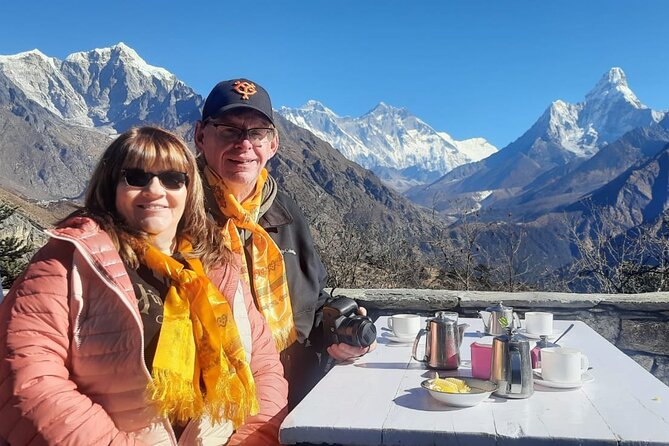
- Kala Patthar reaches 5,644 meters, giving you a major mountain viewpoint above Gorak Shep.
- A Lukla flight begins and ends the trek, with the possibility of flying from Kathmandu or Ramechhap Airport.
- Namche Bazaar has a dedicated acclimatization day, which helps break up the climb.
- One porter carries baggage for two guests, so pack carefully and keep your day bag manageable.
- Kathmandu’s four major cultural sites are included, but entrance fees are not.
- The group limit is 15 people, enough for a shared trip without creating a large procession.
What the $1,799 price really covers
At $1,799 per person, this is not a bare trail package. The price includes airport arrival and departure transfers, three hotel nights in Kathmandu with breakfast, the Kathmandu sightseeing day, the Everest National Park permit, return flights between Kathmandu or Ramechhap and Lukla, a government-licensed trekking guide, and porter service.
Food coverage is also substantial. You receive 13 breakfasts, 11 lunches, and 11 dinners. That matters on a 15-day trip, since meals in the mountains can quickly add to the budget. You still need to pay for drinks beyond one cup of tea per day, alcoholic beverages, trekking equipment, travel insurance, your Nepal visa, and the stated $20 per-person Kathmandu heritage-site entrance cost.
The porter arrangement is one porter for every two guests. That is common for a group trek, but it does not mean you can bring unlimited luggage. You should expect to carry a daypack yourself and keep your main baggage within the operator’s practical limit, even though a precise weight allowance is not provided.
The price is strongest for someone who wants a guided package rather than arranging flights, permits, hotels, food, and airport transport independently. It is less attractive if you already own local contacts or prefer to organize every part of the trek yourself.
More Everest Base Camp Treks in Kathmandu:
- Everest Base Camp Trek – 14 Days
★ 5.0 · 1,499 reviews - Everest Base Camp Trekking
★ 5.0 · 485 reviews - Everest Base Camp Trekking – 13 Day
★ 5.0 · 365 reviews
Days 1 and 2: Kathmandu before the mountains
After landing at Tribhuwan International Airport, a representative takes you to your hotel. The first day is intentionally light, with time to check in, freshen up, and recover from the journey. I would treat this as a useful buffer, not wasted time. Mountain flights and long trekking days are easier when you begin rested.
Day 2 introduces four major places in Kathmandu Valley. At Swayambhunath, also called the Monkey Temple, you get an early look at Nepal’s Buddhist and Hindu traditions. The one-hour visit is short, but it gives the tour cultural shape before you head into the Sherpa villages.
Patan Durbar Square follows, with temples and monuments in a city known for fine arts. The visit lasts about an hour. Since the entrance fee is not included, carry money for the stated $20 heritage-site charge.
At Pashupatinath Temple, dedicated to Shiva, you see one of Nepal’s most important Hindu religious sites. The Bagmati River runs beside the complex, and the itinerary includes a view of Hindu open cremation ceremonies along its bank. This can be confronting, so approach it quietly and respectfully. It is a religious ritual, not a tourist performance.
The day ends at Boudhanath Stupa, described as Nepal’s biggest Buddhist temple and the second biggest in the world. Together, these four stops give you more than a quick city drive. You see active religious places, artistic monuments, and important parts of daily life before heading for the high country.
Day 3: The Lukla flight and the first trail
The mountain section begins with a flight from Kathmandu or Ramechhap to Lukla. The trip description calls this a roller-coaster mountain flight with a dramatic landing. That is a fair warning about the experience, though weather can affect the schedule.
From Lukla, you trek to Manjo. The walking time listed for the Lukla stop is only 30 minutes, but the full route description indicates that the day includes the start of the trail toward Manjo. Confirm the precise walking schedule and overnight location with the operator before departure, especially if your flight leaves from Ramechhap.
This first day lets you shift from airports and city traffic to foot travel. You are not yet at the highest part of the route, but the trek has begun, and the return flight will depend on mountain conditions.
Days 4 and 5: Forest trails and Namche acclimatization
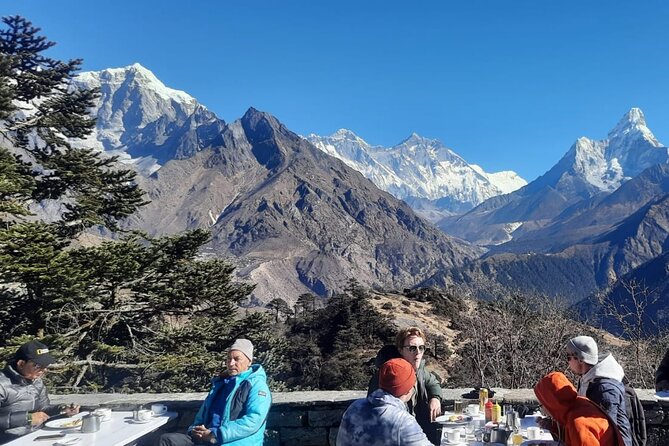
From Manjo, the trail toward Namche passes through woods of rhododendron, magnolia, and fir. Bridges and uphill sections make this more than a simple walk, but the listed walking time is about four hours.
Namche Bazaar sits in a large bowl-shaped area and is the main stopping point for adjusting to the altitude. Day 5 is set aside for rest and acclimatization, with about two hours of activity. This is one of the most important design choices in the trip. You gain altitude steadily, then pause before moving toward Tengboche, Dingboche, and the glacier country.
The itinerary refers to an Everest View Point and Hotel Everest View as highlights of the wider experience. Check with your guide about the exact acclimatization walk, since the supplied schedule does not spell out every stop on Day 5. You may have time to explore Namche, but you should not treat the rest day as a chance to overexert yourself.
Namche is also where the trek starts to feel more remote. The trail is not simply a route to a famous photograph. It connects villages, bridges, forests, monasteries, and high mountain viewpoints, with the Sherpa region becoming more central as you continue.
A few more Kathmandu trips to weigh up
- Nagarkot Sunrise View and Day Hiking from Kathmandu
★ 5.0 · 471 reviews - Annapurna Circuit Trek with Tilicho Lake
★ 5.0 · 368 reviews - Everest Base Camp Trek -14 Days
★ 5.0 · 321 reviews - Annapurna base camp trek 5 Days
★ 5.0 · 252 reviews
Day 6: Tengboche and its famous monastery
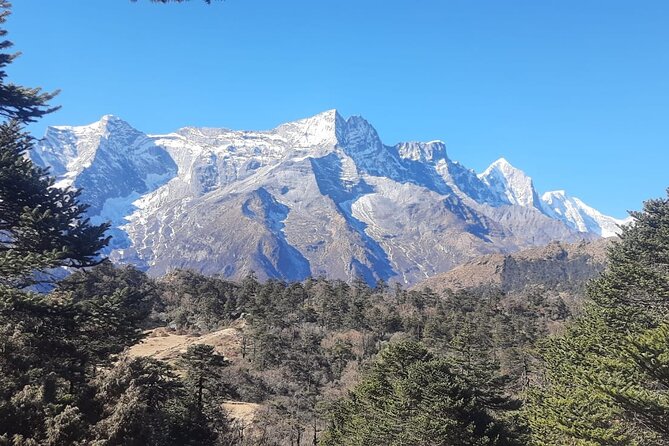
The walk to Tengboche takes about six hours. The route is easy until Phunki, then climbs toward the village and its monastery.
Tengboche Monastery is presented as the biggest monastery in the Everest region. This is a valuable pause in the trek because it ties the mountain journey to local religious life. You are not just passing through a wall of peaks. You are walking through communities shaped by Buddhism, trade, farming, and mountaineering.
The day is long enough to feel demanding, but it also rewards you with views of the high peaks. Keep your pace steady, drink regularly, and do not turn the climb into a race. Your guide’s judgment matters more here than the clock.
Day 7: Ama Dablam views on the way to Dingboche
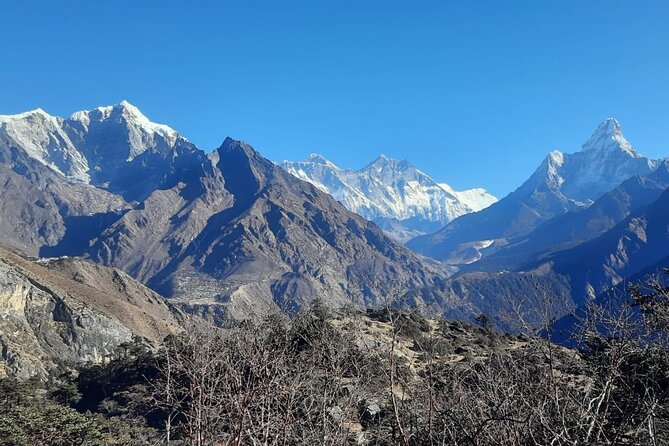
The trail descends through birch and rhododendron forest before continuing toward Dingboche. The walking time is about five hours.
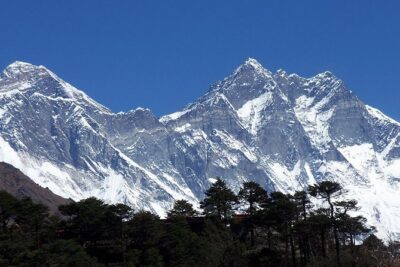
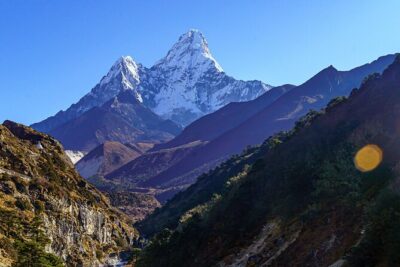
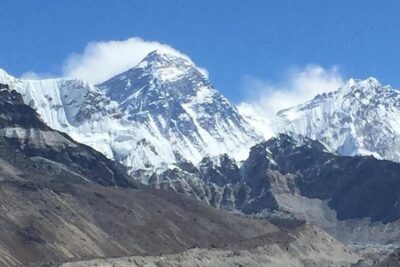
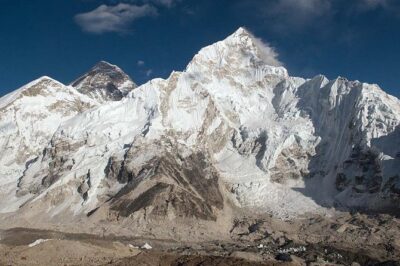
This section brings clear views of Everest, Lhotse, and Ama Dablam. Ama Dablam is especially memorable for its sharp profile, and the views help explain why this route is so popular even before you reach Base Camp.
Dingboche marks a shift in the feel of the trek. Trees become less central, the air is thinner, and the trail demands more patience. You are now moving toward the part of the route where altitude, not just distance, controls the day.
Day 8: Dungla, memorial stupas, and Lobuche
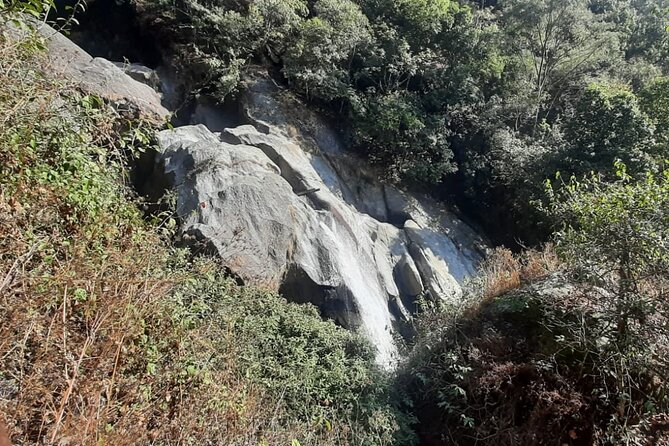
The walk to Lobuche takes about five hours, but the itinerary correctly warns that the trek becomes harder at this height. A steep climb after Dungla leads to memorial stupas, a quiet and serious reminder of the risks faced by people in the Everest region.
This is not a day to judge yourself by speed. The important goal is to keep moving safely and arrive ready for the next two major days. The guide is licensed and should help manage the group’s pace, but you still need to speak up if you feel unwell.
Lobuche is a staging point for the high route to Gorak Shep and Base Camp. The trail is rougher, the climbs feel heavier, and simple tasks take longer. Your own equipment now matters greatly, since trekking gear is not included.
Day 9: Gorak Shep and Everest Base Camp
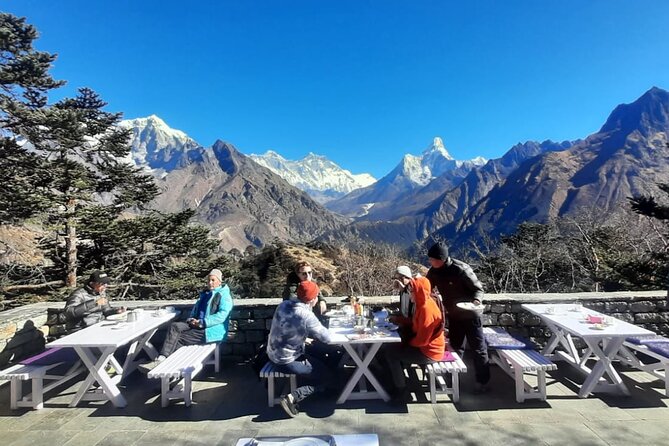
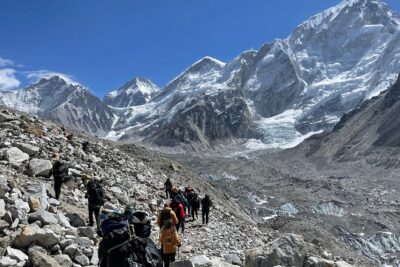
From Lobuche, the route continues to Gorak Shep and then toward Everest Base Camp. The trail includes ascents and descents over rough glacier terrain, with plenty of uneven ground and meandering sections.
The listed walking time is about five hours. That number should not make you underestimate the day. At high altitude, a moderate distance can feel slow, and the glacier path requires careful footing.
Reaching Base Camp is the emotional high point for many people. You see the Khumbu Glacier and the Khumbu Icefall area, two features that make this more than a standard mountain viewpoint. The itinerary lists admission to Everest Base Camp as included.
You should also understand what Base Camp is not. This package takes you to the trekking destination associated with Everest expeditions, but it does not promise a summit attempt or a climb of Everest itself. The reward is the route, the altitude, the glacier, and the mountain setting.
Days 10 and 11: Kala Patthar, sunrise, and the return
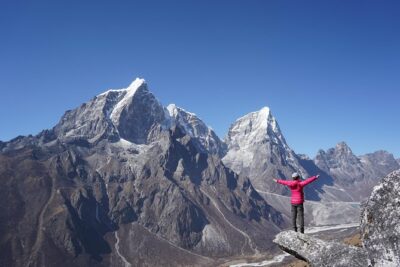
Day 10 is devoted to the climb toward Kala Patthar. The trail is fairly steep, but the pace is intended to remain comfortable. As you climb, you see Lingtren, Khumbutse, and Changtse, with a broad view from the summit.
The elevation listed for Kala Patthar is 5,644 meters. That makes this the highest point of the trek and a serious physical test. The itinerary places this climb after Base Camp, which means you face the high viewpoint when you are already tired. The payoff is the close view of Everest and the Himalayan range.
Day 11 includes another morning hike to Kala Patthar for sunrise, followed by the route to Pheriche. The sunrise description is striking: the sun appears behind the Everest massif and turns the peaks gold. The schedule is unusual because it allows a second Kala Patthar outing. Ask the operator how the timing works for your group, since the exact overnight arrangement and morning plan should be clear before you leave.
The descent toward Pheriche is welcome, but it is not effortless. Downhill walking puts its own strain on knees and ankles. Take care on rocky sections and do not assume descending automatically means easy.
Days 12 to 14: Returning to Lukla
Day 12 brings you back toward Namche Bazaar, with about five hours of walking and nearly 2,000 feet of altitude loss. You cross the Dudh Koshi River and descend through rhododendron forest.
The return route uses many of the same trails, but it feels different when you are going downhill. You have more context for the villages and peaks, and the changing altitude brings warmer air and easier breathing.
Day 13 continues to Lukla over rocky paths and suspension bridges before reaching a surfaced section. The listed walking time is about four hours. This final mountain day is a chance to slow down and recognize that the trek is ending.
Day 14 calls for an early flight back to Kathmandu, followed by a hotel transfer. The rest of the day is open for any remaining exploration, and a farewell dinner is included in the overall meal plan. Keep some flexibility here. Mountain flights can be affected by weather, and the itinerary itself notes that the experience requires good conditions.
Guides, group size, and practical support
A government-licensed trekking guide is included, along with one porter for every two guests. One guide named in the tour information is Rajan, who was specifically praised for his mountain experience. If having Rajan matters to you, ask whether he will lead your departure rather than assuming guide assignments are fixed.
The maximum group size is 15 people. That is small enough for a more manageable pace than a large coach-style tour, but it is still a group trek. People will have different walking speeds and different reactions to altitude. The success of your trip will partly depend on how well the guide balances the group.
The operator also handles airport pickups and transfers. Timely transport has been praised in connection with its Nepal programs, which is useful in a country where a missed transfer can create a large problem. Still, confirm the airport for your Lukla flight, since the departure may be Kathmandu or Ramechhap.
Bring your own trekking equipment. The package does not include gear, and the information does not specify a rental service or a detailed packing list. Travel insurance is also your responsibility, as are your Nepal visa, alcoholic drinks, and most beverages.
The cancellation terms are strict: the booking is non-refundable and cannot be changed for any reason. If poor weather cancels the experience, you are offered another date or a full refund. If the minimum group size is not met, you are offered another date or experience, or a full refund. That makes insurance and careful date planning especially important.
Who should book this trek?
You should consider it if you want the major Everest route in a fixed 15-day plan, prefer a licensed guide, and value having flights, permits, hotels, meals, transfers, and porter support arranged together.
It suits people with a moderate fitness level who are ready for long walking days and very high altitude. You do not need to be a technical climber for the itinerary described, but you do need patience, stamina, and the discipline to carry suitable equipment and respect your guide’s advice.
This is not the best fit if you want a relaxed Nepal holiday, extensive free time in Kathmandu, or a flexible cancellation policy. It is also not ideal if you want the quieter Gokyo Ri and Three Passes routes, which are mentioned as alternatives but are not part of this 15-day schedule.
Should you book the Everest Base Camp and Kathmandu Tour?
I would book this trip if the combination of Kathmandu culture, Lukla adventure, Sherpa villages, Everest Base Camp, and Kala Patthar matches your goal. The package covers many expensive and confusing pieces, and the Namche acclimatization day is a sensible part of the plan.
Before paying, confirm the Lukla flight airport, the exact porter baggage allowance, the identity of your guide, the Kala Patthar schedule, and the full equipment list. If those details suit you, the $1,799 price offers a solid guided route to one of the world’s great mountain destinations. Just bring the right gear, protect your schedule from weather delays, and understand that this is a demanding trek, not a sightseeing holiday.
FAQ
How long is the Everest Base Camp and Kathmandu Tour?
The tour lasts approximately 15 days, including Kathmandu sightseeing, the trek from Lukla to Everest Base Camp, the Kala Patthar climb, and the return to Kathmandu.
What is included in the $1,799 price?
The price includes airport arrival and departure transfers, the Everest National Park permit, return flights from Kathmandu or Ramechhap to Lukla, a government-licensed trekking guide, porter service for two guests per porter, three Kathmandu hotel nights with breakfast, the Kathmandu UNESCO heritage tour, 13 breakfasts, 11 lunches, and 11 dinners.
Are Kathmandu attraction entrance fees included?
No. Kathmandu UNESCO World Heritage Site entrance fees are not included. The stated additional cost is $20 per person.
Is trekking equipment provided?
No. You are required to bring your own trekking equipment. The tour information does not list specific equipment items or rental arrangements.
Is travel insurance included?
No. Travel insurance is not included and must be arranged separately.
What level of fitness do I need?
The tour requires a moderate level of physical fitness. It includes several walking days of about four to six hours, steep sections, rough glacier terrain, suspension bridges, and the Kala Patthar summit at 5,644 meters.
What happens if bad weather cancels the tour?
If poor weather causes cancellation, you are offered a different date or a full refund. If the minimum number of participants is not reached, you are offered a different date or experience, or a full refund.
Just added around Kathmandu
- Private Half-Day Tour of Boudhanath and Pashupatinath Temples in Kathmandu★ 4.5 · 9 reviews
- Private Half-Day Tour of Kathmandu Durbar Square and Swayambhunath Temple★ 4.5 · 11 reviews
- Namobuddha Monastery Hiking Day Tour via Panauti from Kathmandu★ 5.0 · 15 reviews
- Private Full-Day Kathmandu City Tour★ 5.0 · 9 reviews
- Private Day Tour in Kathmandu Valley Rim with Bhaktapur Sightseeing★ 5.0 · 3 reviews
- Private Half Day Budhanilkantha Tour★ 5.0 · 6 reviews
- Private Day Tour: Patan and Bhaktapur from Kathmandu★ 4.5 · 6 reviews
- Private Day Tour – Sacred Journey to Namo Buddha★ 5.0 · 5 reviews
Everest Base Camp Treks, compared.
Everest Base Camp Trek with Helicopter Return from Gorakshep to Lukla
Read our review →Browse the lists this tour appears in