
Reviewed · EVEREST BASE CAMP TREKS
Everest Base Camp Trek Via Gokyo Lake and Cho La Pass
Everest Base Camp is only part of the story here. This 14-day circuit adds the quiet Gokyo Valley and the icy crossing of Cho La Pass, giving you famous mountain views, turquoise high-altitude lakes, Sherpa villages, monasteries, and a real sense of moving through the Khumbu rather than simply walking to one destination.
I especially like two things: the route variety, which keeps the trek from feeling like an out-and-back march, and the practical support, including domestic flights, meals, permits, porters, teahouses, and emergency oxygen. The main caution is simple: Cho La Pass and the altitude make this a serious trek, even though the listed fitness requirement is only moderate.
Key points to know before you book
- Everest Base Camp plus Gokyo Lakes: You see the classic Khumbu route and a quieter chain of high-altitude lakes on one trip.
- Cho La Pass crossing: This is the trek’s hardest and most adventurous section, with an early start and icy high-mountain terrain.
- A full 14-day schedule: The plan includes acclimatization time in Namche Bazaar, but the route still has long and demanding days.
- Good practical coverage: Flights, permits, meals, 12 teahouse nights, airport transfers, a guide, and porter support are included.
- Sherpa culture along the trail: You pass villages, monasteries, markets, museums, and classic suspension bridges.
- Private group format: Only your own group participates, with group discounts available and confirmation at booking.
Why this route is more rewarding than the standard Everest trek
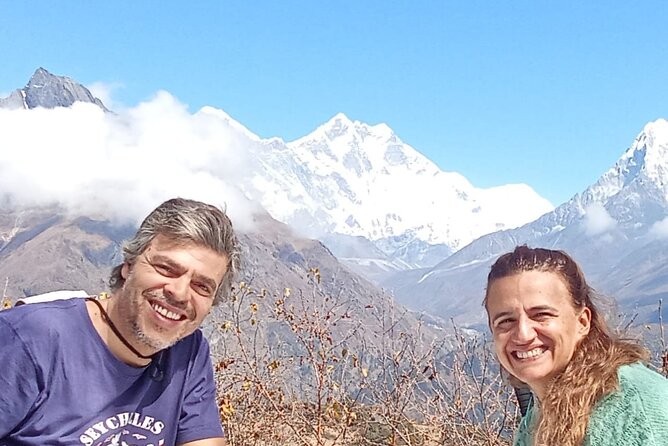
The usual Everest Base Camp route is already a major Himalayan walk. This version adds a loop through Gokyo, so you get two different moods in one journey.
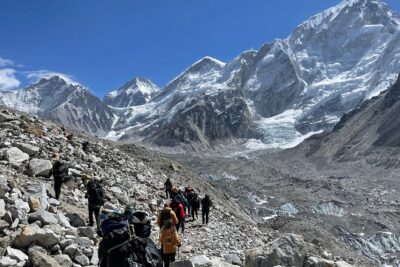
The first half follows the familiar trail through Namche Bazaar, Tengboche, Dingboche, Lobuche, and Gorak Shep. You see the busy, well-known side of the Khumbu, with its suspension bridges, memorials, monasteries, and steady flow of trekkers.
After Base Camp and Kala Patthar, the route turns toward Dzongla and Cho La Pass. From there, you descend into the Gokyo Valley, where the lakes and open mountain views offer a calmer finish before you return through Namche.
That change matters. I like treks that give you more than one visual and cultural rhythm. Here, the trail moves from pine forest to alpine ground, from crowded viewpoints to quiet lakes, and from a famous base camp to a more demanding mountain crossing.
More Everest Base Camp Treks in Kathmandu:
- Everest Base Camp Trek – 14 Days
★ 5.0 · 1,499 reviews - Everest Base Camp Trekking
★ 5.0 · 485 reviews - Everest Base Camp Trekking – 13 Day
★ 5.0 · 365 reviews
Day 1 in Kathmandu: preparation matters
Your guide meets you at Tribhuvan International Airport with a sign bearing your name. That is useful after an international flight, especially if Kathmandu is new to you and the airport feels hectic.
You have one hotel night with breakfast, an orientation, and a gear check. Do not treat this as wasted time. A gear check is your chance to ask about boots, jackets, trekking poles, sleeping equipment, and the weight of your pack before the walking begins.
Personal gear is not included, though you can rent items in Kathmandu. You also need travel insurance, and it is mandatory. Make sure your policy covers trekking at high altitude and emergency evacuation before you arrive.
Days 2 and 3: Lukla, suspension bridges, and Namche Bazaar
The morning flight from Kathmandu to Lukla gets you quickly into the mountain region. From Lukla, the first walking section heads toward Phakding through Sherpa villages.
The itinerary then takes you toward Namche Bazaar, crossing suspension bridges and entering Sagarmatha National Park. This is where the trek begins to feel like a true Himalayan journey. The trail rises through forest and village country, and you get your first major views toward Everest.
Namche is more than a stop for the night. It is the main service center of the Khumbu, with places to eat, shop, and rest. The route includes a second day here, which is important because altitude gain should not be rushed.
The timing details provided for the early days are not perfectly precise, so you should expect the exact walking hours to depend on trail conditions, weather, and the group’s pace. That is normal in the Himalayas, but it is one reason not to plan a tight international connection immediately after the trek.
Day 4: Namche acclimatization and the Everest View Hotel
The optional hike to the Everest View Hotel reaches about 3,880 meters. It gives you a useful acclimatization walk and a broad mountain outlook without forcing you to move to a higher overnight stop.
You can also explore Namche’s market and Sherpa museum. This is one of the better days to slow down and learn where you are. The museum adds context to local mountain life, while the market gives you time to check supplies and enjoy a hot drink before the trail becomes more remote.
I like that the schedule gives Namche a full day instead of treating it as a quick overnight stop. The drawback is that the overall plan still packs a lot into 14 days, so this rest day cannot erase the demands of the pass and high-altitude sections ahead.
A few more Kathmandu trips to weigh up
- Nagarkot Sunrise View and Day Hiking from Kathmandu
★ 5.0 · 471 reviews - Annapurna Circuit Trek with Tilicho Lake
★ 5.0 · 368 reviews - Everest Base Camp Trek -14 Days
★ 5.0 · 321 reviews - Annapurna base camp trek 5 Days
★ 5.0 · 252 reviews
Days 5 and 6: Tengboche monastery and Dingboche
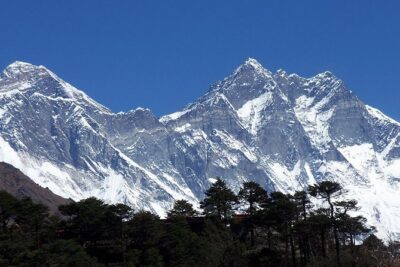
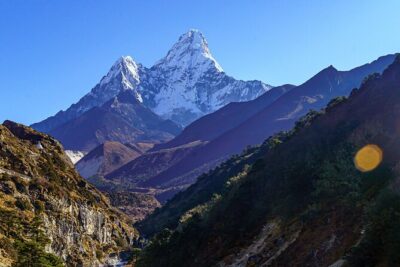
The trail to Tengboche passes through pine forest, with views of Thamserku and Everest. The monastery is the main draw, and it gives the journey a cultural center beyond the mountain scenery.
Tengboche is one of the most memorable places on the route because the setting feels open and high, while the monastery connects the walk to the Buddhist traditions of the Sherpa region. You should allow yourself time to look around rather than treating it as a quick photo stop.
The next section crosses the Imja Khola and passes Pangboche before reaching Dingboche. Here, you begin to feel the altitude more clearly. The walking time is listed at about six hours, but the terrain and thin air can make a moderate distance feel much harder.
Dingboche is a key transition point. The trees become less dominant, the air is colder, and the route begins to look more alpine. Keep your pace steady. Fast walking early in the day does not help you later.
Days 7 and 8: Lobuche, Gorak Shep, and Base Camp
From Dingboche, you continue toward Lobuche through increasingly stark high-altitude terrain. The trail passes memorials dedicated to climbers who died in the Everest region. These memorials bring a serious note to the trek and remind you that the mountains are not simply a scenic backdrop.
The route then reaches Gorak Shep before following the Khumbu Glacier to Everest Base Camp. This is the emotional center of the trip for many hikers. You can take photos, enjoy the achievement, and return to Gorak Shep for the night.
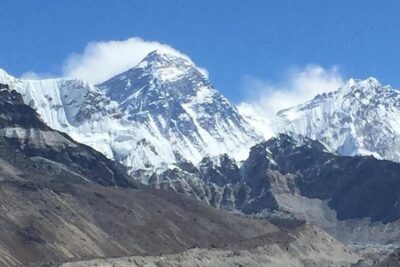
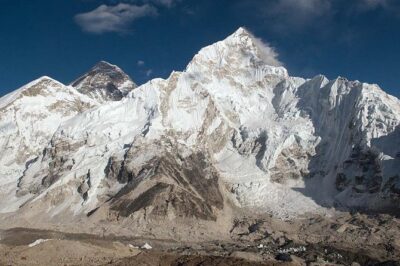
Base Camp itself is not a lofty viewpoint of Everest. The surrounding glacier and peaks are impressive, but the mountain’s best sunrise view comes from Kala Patthar. Knowing this helps you set realistic expectations. Base Camp is about reaching the destination and seeing the climbing area, while Kala Patthar is about the panorama.
The day is listed at around eight hours. At this altitude, that is a serious effort. You should expect cold, slower walking, and limited comfort at the teahouse. Meals are included during the trek, which is valuable here because food options at high altitude can cost more and choices may be limited.
Day 9: Kala Patthar and the turn toward Dzongla
The sunrise climb to Kala Patthar is one of the strongest parts of the whole route. You get a broad view toward Everest and the surrounding peaks, then descend to Lobuche before continuing to Dzongla.
This is a demanding day because it combines an early uphill climb with a long change of position. The reward is that you leave the main Base Camp route and prepare for the Cho La crossing.
Dzongla is important as a staging point. The next morning begins early, so do not expect a lazy breakfast or a relaxed start. Keep warm clothing and essential items close at hand, since you may be moving in cold conditions before the day has properly begun.
Day 10: Cho La Pass and the Gokyo Valley
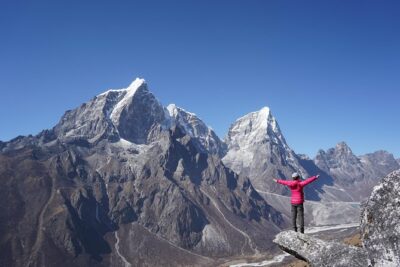
Cho La is the trip’s defining challenge. You cross the pass early in the morning, then descend into the quieter Gokyo Valley.
The description identifies the crossing as icy, so this is not a casual hill walk. Your boots, layers, poles, balance, and confidence on uneven ground matter. Weather can also affect the pass, which is why the operator reserves the right to change the date or offer a refund if conditions make the experience unsafe.
The reward is the change in scenery. After the heavily traveled Base Camp section, the Gokyo side feels more remote and spacious. The route is still demanding, but the pass gives the trek a genuine sense of achievement rather than simply adding another village to the schedule.
You should ask the operator before departure what current equipment and pass conditions are expected. The supplied details confirm guide support and emergency oxygen, but they do not spell out technical equipment for Cho La. That is worth clarifying before you commit.
Days 11 and 12: Gokyo Lakes, mountain views, and Namche
The morning climb above Gokyo offers panoramic views toward Everest, Cho Oyu, and Makalu. You also visit the third and fourth Gokyo Lakes.
This is where the route earns its higher price and extra effort compared with a basic Everest Base Camp plan. The lakes offer a very different setting from the glacier and memorials around Gorak Shep. You get open water, high mountain walls, and a slower-feeling valley.
After Gokyo, the trail descends past Machhermo, Dole, and Khumjung before returning to Namche. The seven-hour estimate makes this another substantial walking day, but descending generally feels easier than climbing at altitude.
Namche is also the place to enjoy a hot shower and rest. Showers, Wi-Fi, and battery charging are personal expenses at teahouses, so carry some local currency for these comforts. They are small luxuries, but after days on the trail they can feel important.
Days 13 and 14: the return to Lukla and Kathmandu
The final trekking day follows the Dudh Koshi River toward Lukla. This is a useful closing section because it brings you back through lower terrain and gives your legs a chance to adjust after the high pass and long descents.
The next morning, you fly to Kathmandu. The listed flight time is about 35 minutes, though the actual day can be shaped by mountain weather. After landing, you have free time for rest, shopping, or an optional massage.
The final hotel night or airport transfer is optional, so check exactly what you want included. Extra hotel nights caused by flight delays are not covered. That is a normal risk on the Lukla route, and you should avoid booking an international flight that leaves Kathmandu immediately after the scheduled return.
What the $1,000 price really covers
At $1,000 per person, this package offers a lot of basic trekking coverage. It includes round-trip Kathmandu to Lukla flights, one Kathmandu hotel night with breakfast, 12 nights in twin-sharing teahouses, all trek meals, permits, airport transfers, a licensed English-speaking guide, and porter support at a ratio of one porter for every two people.
That makes the price easier to assess than a simple headline figure. Domestic flights alone are a major part of the logistics, and arranging permits, accommodation, meals, and staff independently takes time and planning.
Still, the price is not all-inclusive. You pay for international airfare, a Nepal visa, Kathmandu lunches and dinners, personal gear, insurance, tips, extra hotel nights, showers, internet, charging, and personal purchases.
The porter arrangement is practical for a demanding route. You carry your daypack while the porter handles shared trekking gear, though you should confirm the baggage weight limit directly. One useful detail from the operator’s wider trekking service is that a guide named Shisir has been praised for reassuring hikers and even swapping backpacks when one became too heavy. Another guide, Udio, has been described as friendly and helpful on shorter Nepal walks. These names do not guarantee who will lead your departure, so ask for the assigned guide before booking if that matters to you.
Food, teahouses, and comfort on the trail
You receive breakfast, lunch, and dinner during the trek. That is a strong practical inclusion because food becomes part of your daily energy plan, not just an optional extra.
Accommodation is in twin-sharing teahouses for 12 nights. Expect basic mountain lodging rather than hotel comfort. Hot showers, Wi-Fi, and charging cost extra, and the price does not cover unexpected nights caused by delays or an early return.
The good part is that you do not need to arrange each night or meal yourself. The tradeoff is less privacy and less control over menus and room standards. If you want a private room, special diet, or extra comfort, ask before departure rather than assuming it is included.
Safety, fitness, and who should book
The tour calls for a moderate level of physical fitness, but the route itself deserves respect. You walk for many hours on several days, climb and descend at high altitude, and cross Cho La in icy conditions.
The support plan includes experienced guides, porter assistance, safety support, and emergency oxygen. That is reassuring, but oxygen is not a substitute for acclimatization, a sensible pace, or proper insurance.
This trek suits you if you already enjoy long day hikes, can handle basic accommodation, and want a route with more variety than the standard Base Camp walk. It is also a good fit if you value having transport, permits, meals, and staff organized in advance.
You should think twice if you dislike cold, shared teahouses, uncertain flight schedules, or steep and uneven ground. The private format means only your own group participates, which can make the pace and atmosphere more personal, but it does not make the terrain easier.
The operator has a strong overall record in the supplied material, with especially positive emphasis on organization, food, guide support, and reassurance during difficult moments. One first-time multi-day hiker described the Everest route as a new challenge, which is useful context: you do not need to be an experienced mountaineer, but you do need to prepare seriously.
Booking details and cancellation terms
The meeting point is Tribhuvan International Airport in Kathmandu, and the activity ends back at that point. Confirmation is provided at booking, group discounts are available, and the ticket is mobile.
You can cancel at least 24 hours before the local start time for a full refund. Later cancellations and changes are not refunded or accepted. Poor weather or failure to reach the minimum number of participants can lead to a different date, another experience, or a full refund.
Service animals are allowed according to the supplied details. The activity is private, but the information does not specify accessibility arrangements for the mountain trail, so anyone with mobility concerns should ask the operator directly.
Should you book this Everest and Gokyo circuit?
Book it if you want the classic Everest achievement with a second high-altitude valley and a serious pass crossing. The combination of Base Camp, Kala Patthar, Gokyo Lakes, and Cho La gives you a fuller view of the Khumbu than a standard route, while the included flights, meals, permits, teahouses, guide, and porter support keep the planning manageable.
I would not choose it simply because the price looks attractive. First confirm the Cho La conditions, guide assignment, baggage rules, insurance requirements, and what happens if Lukla flights are delayed.
For a fit hiker who accepts basic comfort and wants both iconic views and quieter trail sections, this is a strong, ambitious choice. You get more than a famous destination. You get a demanding Himalayan circuit with culture, altitude, glaciers, lakes, and a clear sense of progress from village paths to high mountain country.
FAQ
How long does the Everest Base Camp trek via Gokyo Lake and Cho La Pass take?
The trek lasts approximately 14 days, including arrival and departure arrangements in Kathmandu, the flights to and from Lukla, and 12 nights in teahouse accommodation.
What is included in the tour price?
The price includes round-trip domestic flights between Kathmandu and Lukla, one Kathmandu hotel night with breakfast, all trek meals, 12 nights of twin-sharing teahouse accommodation, a licensed English-speaking guide, porter support at a one-to-two ratio, permits, airport transfers, a trekking duffel bag, taxes, and service charges.
Is personal trekking equipment included?
No. Boots, jackets, poles, and other personal equipment are not included. You can rent trekking gear in Kathmandu.
Do I need travel insurance?
Yes. Travel insurance is mandatory for this experience. International airfare, Nepal visa fees, personal expenses, and extra nights caused by delays are also not included.
What fitness level is required?
The experience requires a moderate level of physical fitness. You should also be ready for long walking days, high altitude, and the icy Cho La Pass crossing.
What happens if bad weather affects the trek?
If poor weather causes the experience to be canceled, you can be offered another date or a full refund. Lukla flight delays may create extra hotel costs, which are not included in the tour price.
Just added around Kathmandu
- Private Half-Day Tour of Boudhanath and Pashupatinath Temples in Kathmandu★ 4.5 · 9 reviews
- Private Half-Day Tour of Kathmandu Durbar Square and Swayambhunath Temple★ 4.5 · 11 reviews
- Namobuddha Monastery Hiking Day Tour via Panauti from Kathmandu★ 5.0 · 15 reviews
- Private Full-Day Kathmandu City Tour★ 5.0 · 9 reviews
- Private Day Tour in Kathmandu Valley Rim with Bhaktapur Sightseeing★ 5.0 · 3 reviews
- Private Half Day Budhanilkantha Tour★ 5.0 · 6 reviews
- Private Day Tour: Patan and Bhaktapur from Kathmandu★ 4.5 · 6 reviews
- Private Day Tour – Sacred Journey to Namo Buddha★ 5.0 · 5 reviews
Everest Base Camp Treks, compared.
Everest Base Camp Trek with Helicopter Return from Gorakshep to Lukla
Read our review →Browse the lists this tour appears in