
Reviewed · EVEREST BASE CAMP TREKS
12 Days Everest Base Camp Trek
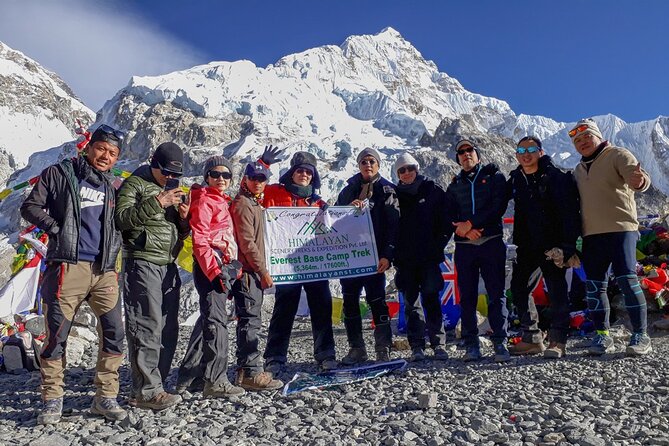
The real prize here is not only reaching Everest Base Camp at 5,364 meters. It is the slow approach through Sherpa villages, suspension bridges, rhododendron woods, Buddhist monasteries, and the steady rush of the Dudhkoshi River. The sunrise from Kala Patthar, at 5,545 meters, is the high point in every sense.
I like two things right away: the itinerary gives you acclimatization time in Namche Bazaar and Dingboche, and the $605 price includes domestic flights, meals, lodge accommodation, permits, a licensed guide, a porter, and basic trekking equipment. The main consideration is altitude. This is described as suitable for beginners and seniors, but you still need moderate fitness and must take the acclimatization days seriously.
Key points to know before booking
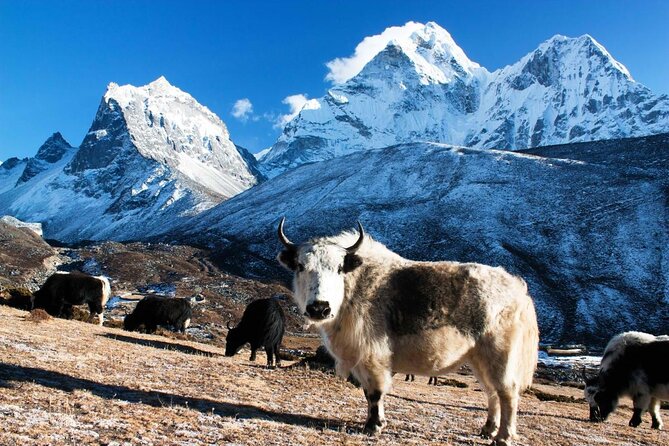
- Kala Patthar is the visual high point: The steep early hike brings sunrise views over Mount Everest.
- The route includes two acclimatization stops: You spend time in Namche Bazaar and Dingboche before going higher.
- A lot is covered for $605: Flights, 11 breakfasts, 11 lunches, 11 dinners, permits, lodges, guide service, and a shared porter are included.
- The trail begins with a Lukla flight: The 45-minute flight from Kathmandu takes you directly to the starting point in the Khumbu region.
- Guide support is a major part of the value: The company assigns a government-licensed, high-altitude-trained guide, with names such as Rajesh Magar, Narayan Ntc, Bikram, and Gopal appearing in the company’s praised guide team.
- The group can reach 20 people: That keeps the price down, but it may feel less personal than a small private trek.
What the 12-day Everest Base Camp Trek is really like
This is the classic Everest Base Camp route, not a quick walk to a viewpoint near Kathmandu. You begin with a flight to Lukla, walk through the Sagarmatha National Park area, pass through Namche Bazaar and Tengboche, spend acclimatization time in Dingboche, and then push toward Lobuche, Gorakshep, Base Camp, and Kala Patthar.
The route is demanding but sensibly paced on paper. You do not rush straight from the lowlands to extreme altitude. Instead, the plan inserts a full day in Namche and another in Dingboche. Those rest days still include short hikes, which is useful because gentle movement helps you adjust better than simply sitting indoors.
The trek is also more than a mountain-view trip. You follow the Dudhkoshi River for roughly the first three days, cross several steel suspension bridges, and walk through villages where Sherpa culture is part of daily life. Tengboche Monastery adds a spiritual and architectural stop before the trail becomes rockier and more severe above Dingboche.
More Everest Base Camp Treks in Kathmandu:
- Everest Base Camp Trek – 14 Days
★ 5.0 · 1,499 reviews - Everest Base Camp Trekking
★ 5.0 · 485 reviews - Everest Base Camp Trekking – 13 Day
★ 5.0 · 365 reviews
Day 1: Lukla flight and the river walk to Phakding
Your first morning begins at Tribhuvan Airport in Kathmandu. The flight to Tenzing-Hillary Airport in Lukla takes about 45 minutes, and the short runway setting gives the day an adventurous start before you have taken a single step.
From Lukla, you walk downhill toward Phakding. The trek lasts about four hours and follows the curves of the Dudhkoshi, also called the Milk River. This is a friendly introduction to the route, with Himalayan villages, bridges, and early glimpses of local life rather than a punishing climb.
Phakding is not the major destination of the trek, but it makes sense as a first night. You gain a little experience with the walking rhythm, lodge accommodation, and changing altitude without beginning with an overly long day.
Day 2: The long climb into Namche Bazaar
The second day is one of the first real tests. You leave Phakding early and follow the Dudhkoshi, sometimes on one side of the river and sometimes on the other. Several suspension bridges make the crossing memorable, though people who dislike heights may find the combination of metal decking, wind, and mountain drop-offs a little unnerving.
The walk takes about seven hours and ends in Namche Bazaar. This is the commercial center of the Khumbu region, and it feels like a proper mountain town after the smaller settlements below. The route includes a sustained climb, so your pace matters more than your speed. I would treat this as a steady day, not a race to the lodge.
Namche is important for practical reasons. It is your first major acclimatization point, and the next day is set aside for adjustment rather than distance. That pause is one of the best features of the schedule.
Day 3: Everest View Hotel and a useful Namche acclimatization day
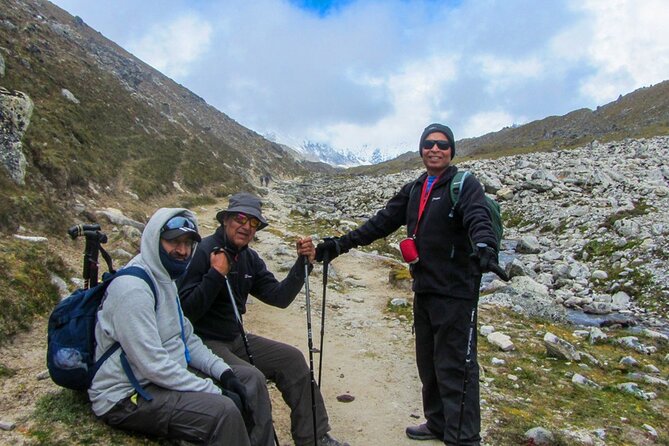
You spend the day in and around Namche, with a short hike to the Everest View Hotel via the Syangboche airstrip. The hike takes about two hours and includes an admission ticket. It gives you a first proper look toward Everest while allowing your body to adjust before the trail rises farther.
The point is not to spend the day doing nothing. A short uphill walk followed by rest gives you a better chance of handling the higher villages later. You may feel fine at this stage, but altitude problems often appear after further climbing, so skipping this day would be poor judgment.
The stop also breaks up the physical effort. I like this part of the plan because the trek recognizes that reaching Base Camp is an altitude exercise as much as a hiking exercise.
A few more Kathmandu trips to weigh up
- Nagarkot Sunrise View and Day Hiking from Kathmandu
★ 5.0 · 471 reviews - Annapurna Circuit Trek with Tilicho Lake
★ 5.0 · 368 reviews - Everest Base Camp Trek -14 Days
★ 5.0 · 321 reviews - Annapurna base camp trek 5 Days
★ 5.0 · 252 reviews
Day 4: Tengboche and its monastery
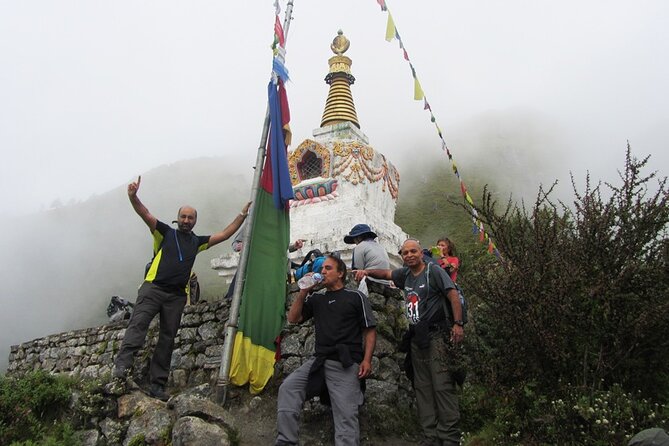
After roughly a day and a half in Namche, the trail climbs toward Tengboche. The day takes about five hours. It begins with a steep section, then settles into a more moderate rhythm before the route reaches the monastery area.
Tengboche is one of the most meaningful stops on the route. The monastery gives you a strong sense of the region’s Buddhist character, while the surrounding mountain views make it a natural pause. The schedule also allows time to recover before the next stage.
The following morning, the plan encourages an early start for sunrise at Tengboche Monastery. That is worth making the effort for. The light changes quickly in the high mountains, and an early visit lets you enjoy the place before the day’s walking begins.
Day 5: Through Deboche to Dingboche
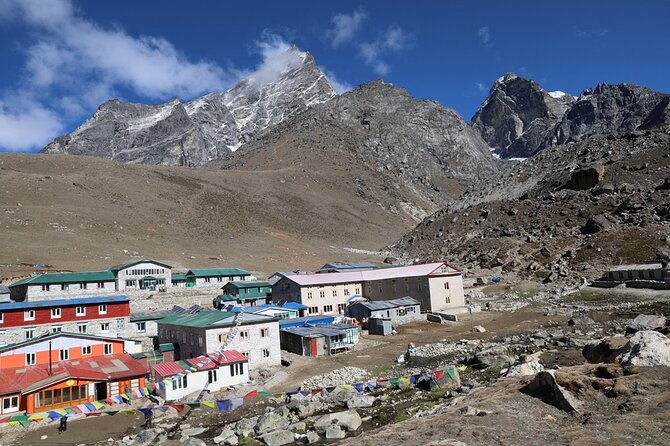
You descend through a rhododendron forest to Deboche, at about 3,320 meters, then continue toward Dingboche. The walking time is about six hours. The forest section gives you a welcome change from the exposed route and adds color to a trek that becomes increasingly spare as you gain altitude.
Dingboche sits above 4,400 meters, so this is where the trek begins to feel serious. You are no longer simply walking farther into the mountains. Your breathing, sleep, appetite, and pace can all change at this height.
The itinerary sensibly gives you another acclimatization day here. If you are new to high-altitude trekking, this is exactly the point where patience pays off.
Day 6: Nagarjuna acclimatization hike
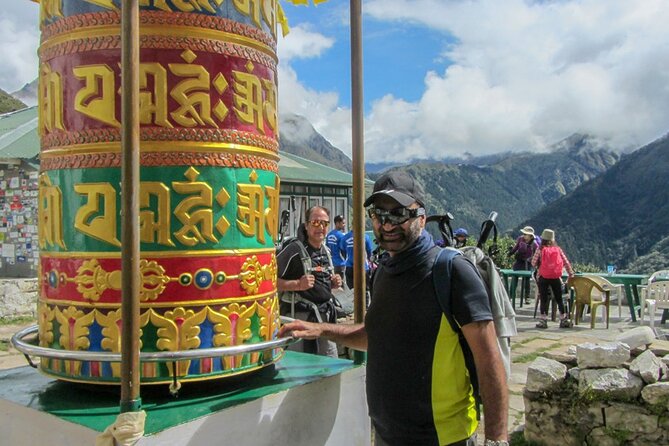
The second Dingboche day includes a leisurely hike to a nearby hill called Nagarjuna. The walk takes about three hours and offers wider mountain views while keeping the day short.
This is not a wasted day or a soft option. It is a planned training day for your body before the route rises above 5,000 meters. You should use the afternoon to rest, drink what is provided or available to you, and prepare your personal gear for the harder section ahead. Snacks, drinks, and personal expenses are not included, so budget separately for those.
This day also gives your guide a chance to watch how you are responding to altitude. Guides such as Gopal and Bikram have been especially praised for adjusting their pace and plans to suit the people in their care. That flexibility matters more than simply following a printed timetable.
Day 7: Dingboche to Lobuche
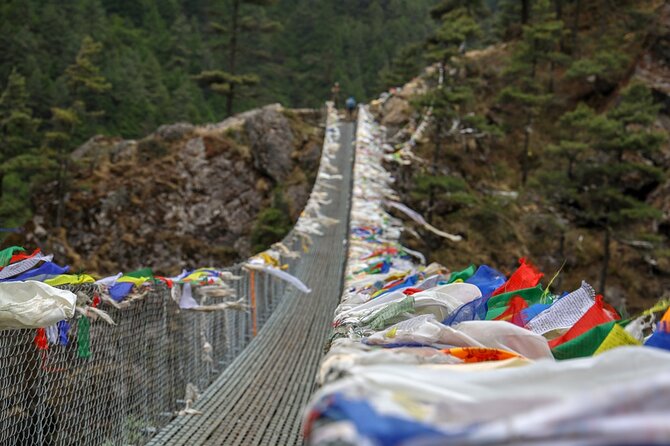
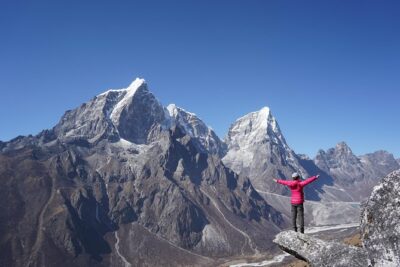
From Dingboche, you enter a wide high valley below Cholatse and Tawache peaks. The six-hour walk toward Lobuche is more exposed and rocky than the earlier sections, with less forest and more bare mountain terrain.
The distance may not look extreme on paper, but altitude makes every hour count. You have already completed an acclimatization hike, which should help, yet you still need to walk slowly and communicate clearly with your guide if you feel unwell.
Lobuche is a staging point for the final push. It is not the place to spend energy trying to prove how fit you are. Save it for the next two days, when the route reaches Gorakshep, Base Camp, and Kala Patthar.
Day 8: Gorakshep and Everest Base Camp
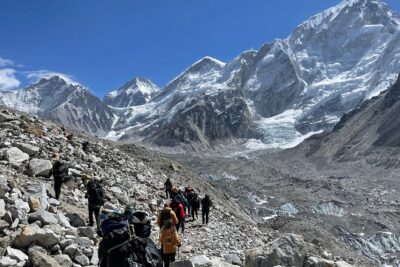
You leave Lobuche for a rocky ascent beside the Khumbu Glacier. The walk to Gorakshep takes about three hours and passes the International Pyramid Laboratory, adding an unusual scientific element to the route.
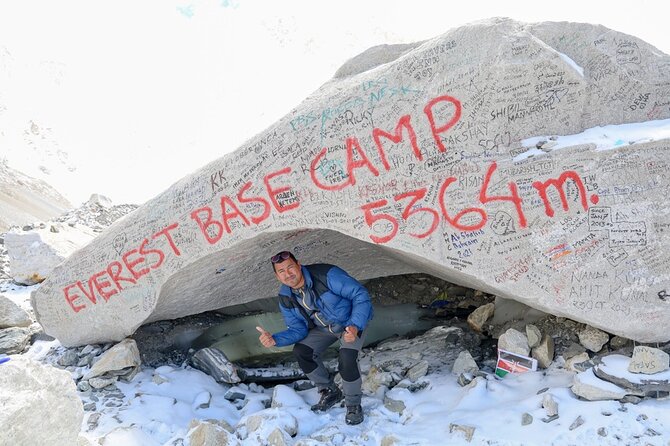
From Gorakshep, you continue along the glacier for about two more hours to Everest Base Camp. The trail is rocky, with downhill and uphill sections, so the Base Camp approach is not a smooth final stroll. At 5,364 meters, even modest slopes can feel substantial.
Base Camp itself is a powerful destination, but it is important to know what you are seeing. It is the expedition staging area at the foot of the Khumbu Icefall, not the summit and not the highest point of the trek. You get time to celebrate, take in the glacier setting, and hear your guide explain the mountaineering story of the area.
The day is listed with three hours to Gorakshep and four hours for the Base Camp section. That makes it a long high-altitude day, even if the walking times vary with conditions and pace. Keep your expectations realistic and let the guide set the rhythm.
Day 9: Kala Patthar at sunrise
The early hike to Kala Patthar is the physical and photographic climax. The trail is steep and rocky, and the schedule allows about eight hours for the day, including the descent and onward movement.
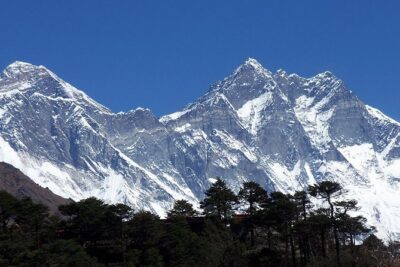
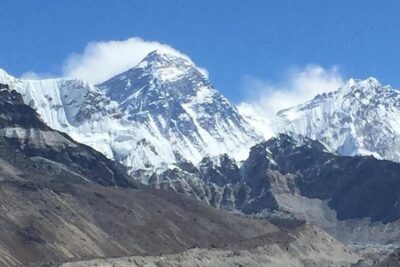
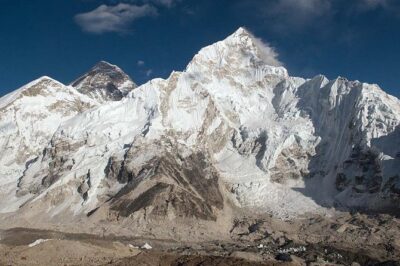
At 5,545 meters, Kala Patthar is higher than Base Camp and provides the broad view most people imagine when they picture Everest. The pre-dawn start is tough, but sunrise from this viewpoint is the reason many trekkers consider it the finest moment of the route.
This is also the day when you should be honest about your condition. The steep climb, thin air, and early hour can expose problems that were less obvious below. A good guide will prioritize your safety over a fixed goal. The company supplies a first aid kit and an oximeter for checking pulse, oxygen saturation, and heart rate at higher altitude, but equipment does not replace careful decisions.
Days 10 and 11: The easier direction back to Lukla
Day 10 returns to Namche Bazaar in about six hours. You follow the same general route back, but the lower elevation makes the walk feel easier even though it remains long. The downhill direction is welcome, but it can be hard on knees, especially after the rocky upper trail.
Day 11 continues from Namche through forests, villages, bridges, and streams before returning to Lukla through Monjo and Phakding. The walking time is about seven hours. This is a full trekking day, not merely a short transfer to the airport.
The return route gives you a different perspective on familiar sections. You may notice how much more air and vegetation you have at the lower elevations. Reaching Lukla at the end of this day is a genuine milestone because the next morning’s flight marks the end of the trail.
Day 12: Flight back to Kathmandu
The return flight to Kathmandu takes about 35 minutes, followed by a drive to your hotel. The remaining day is free, so you can rest or make your own plans in the capital.
The flight is included, as are airport pickup and drop-off by private or shared domestic vehicle. The start and finish at Tribhuvan Airport make the arrangement fairly simple, though you should read the supplied confirmation carefully for the precise transfer details.
What the $605 price covers
At $605 per person, this trek offers strong value if you need a package that handles the major pieces. The fee includes:
- Kathmandu to Lukla and Lukla to Kathmandu domestic flights
- Airport pickup and drop-off by private or shared vehicle
- Twin-sharing lodge accommodation during the trek
- Breakfast, lunch, and dinner for 11 days
- A government-licensed, high-altitude-trained guide
- One porter for every two trekkers
- Sagarmatha National Park entry permit and TIMS Card fee
- Local government tax
- Trekking map, hat, duffel bag, and trekking pole
- First aid kit and an oximeter
- Staff accident insurance
- A completion certificate
- Walkie-talkie availability for group trekkers
The included meals remove one daily decision, and the porter arrangement keeps you from carrying every item yourself. Twin-sharing rooms are practical rather than luxurious, and the phrase best available means you should not expect a particular lodge standard.
You still pay for personal travel insurance, personal trekking gear, snacks, drinks, tips, and anything not listed. Personal insurance is particularly important because the trek reaches extreme altitude. Do not mistake staff accident insurance for your own cover.
Guides, group size, and the human side of the trek
The experience is provided by Himalayan Scenery Treks and Expedition. The company assigns one experienced guide to the trek, and group departures can include up to 20 people. Walkie-talkies are available for group trekkers.
Several guides connected with the company receive strong praise for care and flexibility. Rajesh Magar is described as both cheerful and competent, while Narayan Ntc, Bikram, and Gopal are also singled out for helping with pacing, route knowledge, and altitude decisions. Gopal is especially valued for explaining Sagarmatha National Park and helping people use acclimatization days well.
A group of 20 can make the trip more social and helps spread the guide and porter costs. It can also mean a wider range of walking speeds. If you want a quieter trip or close control over the daily pace, ask about the group size before paying.
The company has also adjusted plans when someone struggled above 5,000 meters on a longer EBC and Gokyo trip. That does not guarantee every decision on this itinerary, but it suggests you should discuss safety and possible changes with the guide rather than hiding symptoms.
Who should book this trek
I would recommend this route to you if you want the classic Everest Base Camp experience in a fixed 12-day plan, prefer having flights and permits arranged, and are comfortable with basic twin-share lodge accommodation.
It can suit a fit beginner because the route has planned acclimatization days and professional support. Seniors may also enjoy it if they meet the stated moderate fitness level and have appropriate medical and insurance advice. The key point is that beginner-friendly does not mean easy. You still walk for up to eight hours on some days and reach 5,545 meters.
You should think twice if you dislike long walking days, shared rooms, basic mountain accommodation, or high-altitude uncertainty. You also need to bring personal trekking gear and cover your own snacks, drinks, insurance, and tips, so the $605 price is not the full trip budget.
Confirmation is provided at booking. Free cancellation is available if you cancel at least 24 hours before the start time. Inside that 24-hour window, the amount paid is not refunded and changes are not accepted.
Should you book the Everest Base Camp Trek?
Book it if you want a well-supported classic route at a competitive price and you value having the main transport, meals, permits, guide, porter, and safety items bundled together. The strongest parts are the two acclimatization stops, the early Kala Patthar climb, and the chance to experience Sherpa villages rather than simply chasing a mountain viewpoint.
Before booking, ask yourself one direct question: can you walk steadily for several hours over rough ground while adjusting to very high altitude? If yes, and if you are happy with twin-share lodges and a possible group of up to 20, this is a sensible way to reach Everest Base Camp. If not, choose a shorter Himalayan trek or ask the provider about a slower private plan.
FAQ
How long is the Everest Base Camp Trek?
The experience lasts approximately 12 days, including flights from Kathmandu to Lukla and back.
Where does the trek begin?
The trek begins at Lukla after a flight from Tribhuvan Airport in Kathmandu to Tenzing-Hillary Airport.
How high does the trek go?
The route reaches Everest Base Camp at 5,364 meters and Kala Patthar at 5,545 meters.
Are meals included?
Yes. Breakfast, lunch, and dinner are included for 11 days during the trek.
Is accommodation included?
Yes. The price includes the best available twin-sharing lodge accommodation during the trek.
Is a guide and porter included?
Yes. You receive one government-licensed, high-altitude-trained guide and one porter for every two trekkers.
What is not included in the price?
Personal travel insurance, snacks, drinks, personal trekking gear, gratuities, tips, and anything not specifically listed in the inclusions are not included.
Just added around Kathmandu
- Namobuddha Monastery Hiking Day Tour via Panauti from Kathmandu★ 5.0 · 15 reviews
- Private Half-Day Tour of Boudhanath and Pashupatinath Temples in Kathmandu★ 4.5 · 9 reviews
- Private Half-Day Tour of Kathmandu Durbar Square and Swayambhunath Temple★ 4.5 · 11 reviews
- Private Full-Day Kathmandu City Tour★ 5.0 · 9 reviews
- Private Day Tour in Kathmandu Valley Rim with Bhaktapur Sightseeing★ 5.0 · 3 reviews
- Private Half Day Budhanilkantha Tour★ 5.0 · 6 reviews
- Private Day Tour: Patan and Bhaktapur from Kathmandu★ 4.5 · 6 reviews
- Private Day Tour – Sacred Journey to Namo Buddha★ 5.0 · 5 reviews
Everest Base Camp Treks, compared.
Everest Base Camp Trek with Helicopter Return from Gorakshep to Lukla
Read our review →Browse the lists this tour appears in