
Reviewed · EVEREST BASE CAMP TREKS
Everest Base Camp Trek 14 Days
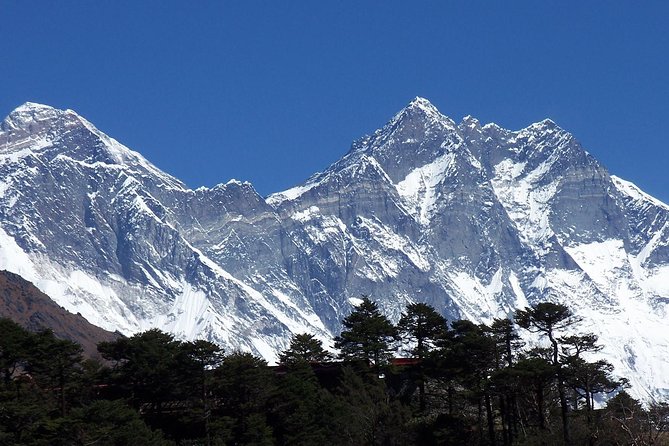
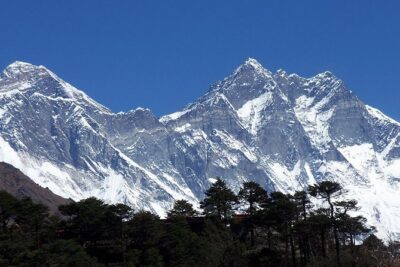
The big draw here is the classic Everest Base Camp route, with its mountain flights, Sherpa villages, suspension bridges, Buddhist monasteries, and close views of Everest, Ama Dablam, Pumori, and the Khumbu Icefall. You spend two nights acclimatizing in the high country, which is essential rather than wasted time.
I like the private format and the practical support from Nepal Nirvana Trails. Airport pickup, equipment checks, permits, guide costs, and Lukla flights are handled for you. Guides named in past trips include Roshan, Raju, Abinash, Ram, Man Bahadur, and Navraj. The main catch is that the $999 price does not include your lodge stays, food, international flights, visa, insurance, or evacuation cover.
Key points to know before booking
- Lukla flight included: The mountain flight begins the trek and saves several days of road travel.
- Two acclimatization days: You stay in Namche Bazaar and Dingboche, with optional high hikes.
- Private group format: Only your own group takes part, allowing some room for personal needs.
- Classic mountain villages: The route passes through Phakding, Namche, Tengboche, Dingboche, Lobuche, and Gorakshep.
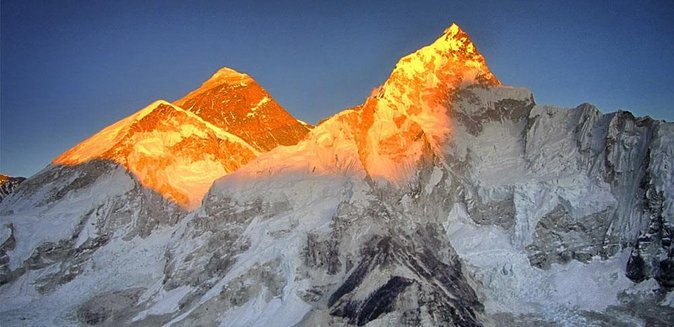
- Everest Base Camp and Kala Patthar: You reach Base Camp on day nine, then climb Kala Patthar for a major Everest viewpoint.
- Important extra costs: Lodging, meals, insurance, visa, international flights, and guide tips are not included.
The real shape of this 14-day Everest trek
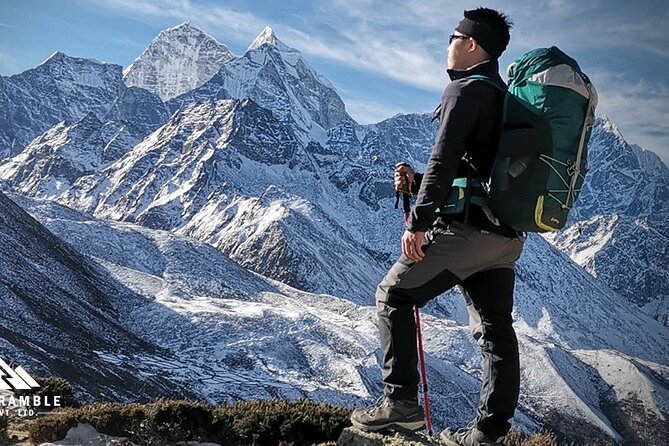
This is not a sightseeing holiday with a few easy walks added. You will spend most days on foot at increasing altitude, often over rocky or uneven trails. The itinerary gives you the standard Everest Base Camp experience in 14 days, beginning and ending in Kathmandu.
The route is private, but that does not make it soft. You still need a moderate level of fitness, and altitude affects people differently. The two acclimatization days are valuable because they break up the steady climb and give your body time to adjust.
The route also gives you more than a mountain view. You pass through Sherpa settlements, enter Sagarmatha National Park, visit Tengboche Gompa, cross the Dudh Koshi and Imja Khola rivers, and see how life is organized along a high-altitude trail.
More Everest Base Camp Treks in Kathmandu:
- Everest Base Camp Trek – 14 Days
★ 5.0 · 1,499 reviews - Everest Base Camp Trekking
★ 5.0 · 485 reviews - Everest Base Camp Trekking – 13 Day
★ 5.0 · 365 reviews
Day 1 in Thamel: preparation before the trail
Your airport representative picks you up and takes you to your hotel or hostel in Kathmandu. The start point is listed at Nepal Nirvana Trails on Sat Ghumti Marg, in the Thamel area, although pickup can also happen at your hotel or Tribhuvan Airport.
The first day is short, but useful. You meet the guide in the evening, check your equipment, and go over the plan. I like this setup because it gives you a chance to spot missing gear before you leave Kathmandu rather than discovering a problem in Lukla.
Your start time is listed as 5:45 am, so do not treat the first morning as a lazy hotel breakfast. The early departure is tied to the flight and mountain schedule.
Day 2: Lukla flight and the walk to Phakding
The flight to Tenzing Hillary Airport in Lukla is one of the signature moments of this trek. The aircraft route from Kathmandu or Manthali brings you quickly into the Khumbu region, where the walk begins.
From Lukla, you trek to Phakding for the night. This first walking day helps you settle into the rhythm of the trail without immediately pushing toward the highest villages.
The flight is included, but it is also one of the parts of the trip most exposed to schedule changes. The supplied details do not promise a backup plan or a fixed flight time, so keep your wider Nepal plans flexible. The company provides the local flight schedule and airport transfers, which removes a lot of the basic coordination work.
Day 3: Entering Sagarmatha National Park and reaching Namche
The route follows the Dudh Koshi River, passes through Monjo, and enters Sagarmatha National Park. From there, the trail climbs through forest toward Namche Bazaar.
Namche is one of the most important places on the route. It is a high mountain trading center and a practical stopping point before the trail gets much harder. The approach includes bridges, forest paths, and a sustained climb, so this is a serious day even though the itinerary describes it as a route between villages.
I would not judge this day by distance alone. At altitude, a moderate trail can feel long. Walk slowly, drink regularly, and let your guide set the pace.
A few more Kathmandu trips to weigh up
- Nagarkot Sunrise View and Day Hiking from Kathmandu
★ 5.0 · 471 reviews - Annapurna Circuit Trek with Tilicho Lake
★ 5.0 · 368 reviews - Everest Base Camp Trek -14 Days
★ 5.0 · 321 reviews - Annapurna base camp trek 5 Days
★ 5.0 · 252 reviews
Day 4: Acclimatization and the Everest View Hotel hike
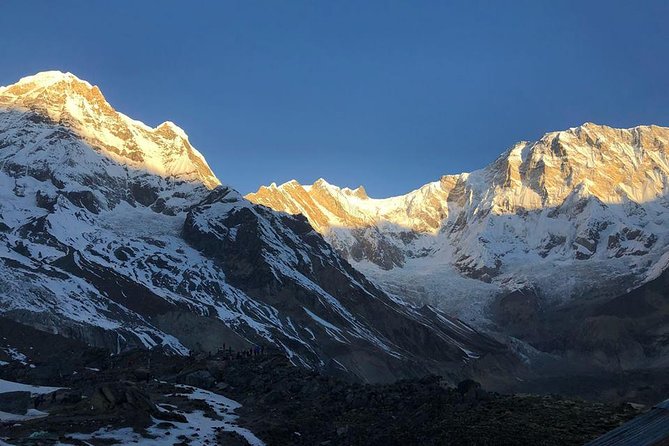
You spend a second night in Namche and take a hike toward the Everest Hotel viewpoint. From there, the route offers views of Everest, Ama Dablam, Thamserku, and Lhotse.
This is a smart use of time. You climb higher during the day, then return to Namche to sleep at a lower elevation than the day’s highest point. That pattern helps your body adjust while giving you an early look at the mountains ahead.
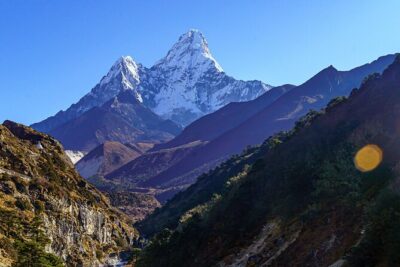
The viewpoint is also a good reminder that Everest is not the only reason to come. Ama Dablam has a striking profile, and the surrounding peaks give the trek much of its visual power.
Day 5: Forest trails and Tengboche Gompa
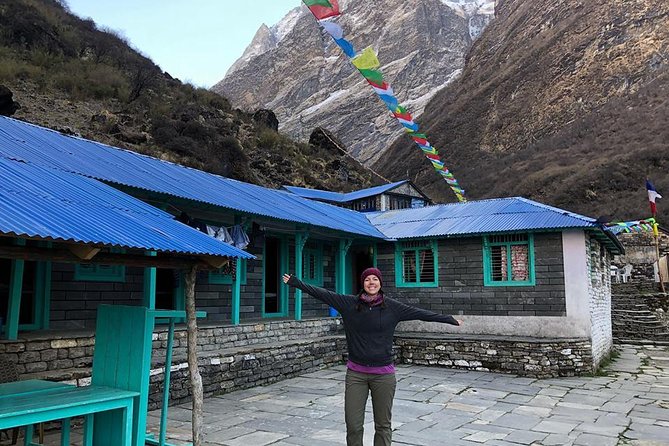
Leaving Namche, you continue through juniper and rhododendron forest toward Tengboche. The mountain views open up along the way, and the destination is Tengboche Gompa, one of the route’s major cultural stops.
I like this part because it combines walking and local culture. The monastery gives the journey a sense of place beyond the goal of reaching Base Camp. You are not simply moving from one mountain lodge to another. You are passing through a region shaped by Sherpa communities and Tibetan Buddhist practice.
The trail still climbs and falls, so expect a full day. The itinerary describes this and several other walking days with a 16-hour duration, but that appears to be a tour-schedule entry rather than a realistic claim that you will walk continuously for 16 hours. Confirm the expected daily walking time with the operator before departure.
Day 6: Dingboche and the Imja Khola
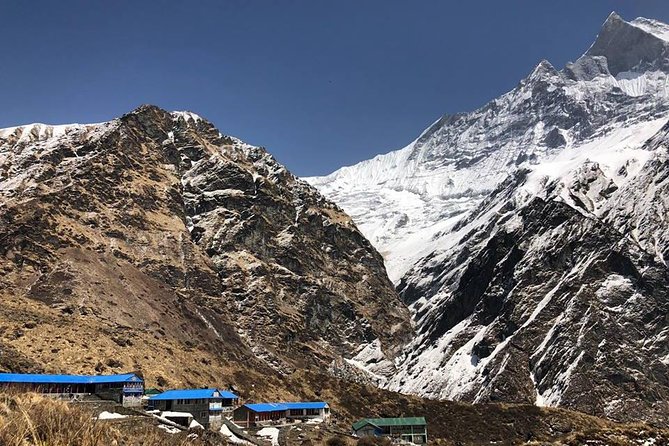
The trail continues toward Dingboche, crossing the Imja Khola and opening views toward Island Peak and Ama Dablam. Dingboche is another key altitude stop, and the settlement marks a clear change in the feel of the trek.
The vegetation becomes less dominant as you gain height, and the route feels more exposed and rugged. The views grow larger, but the air is thinner. This is where a steady pace matters more than speed.
Dingboche is also where the second acclimatization day becomes especially useful. You are now high enough that pushing too hard can spoil the days ahead.
Day 7: Choosing a high hike at Dingboche
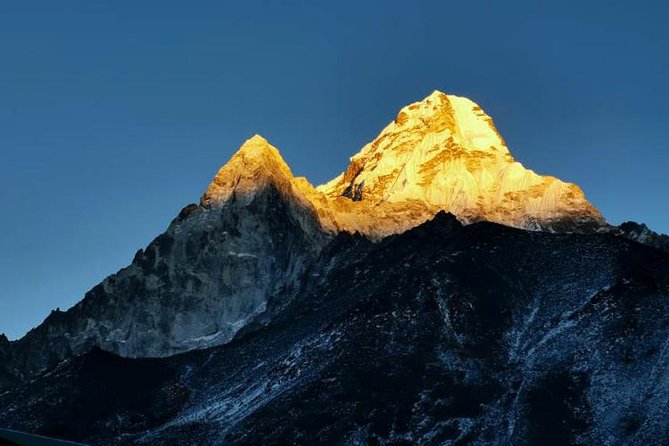
The itinerary offers a choice between Nangkartshang Peak at 5,083 meters and Chhukung Ri at 5,546 meters. Both options provide views toward Everest, Ama Dablam, Island Peak, and Pumori.
These are optional hikes, and you should treat the choice seriously. A higher viewpoint is appealing, but acclimatization is the main purpose of the day. If you feel unwell, a shorter outing or rest may be wiser than chasing the highest available point.
I appreciate that the route includes this extra day rather than rushing straight from Namche toward Base Camp. The schedule gives you time to adjust and offers a worthwhile mountain walk without moving your sleeping altitude too quickly.
Day 8: Rocky trails to Lobuche
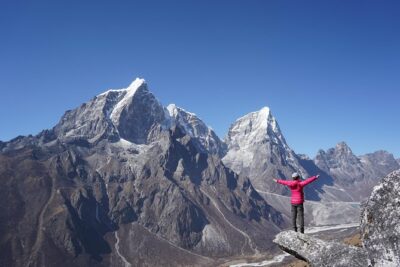
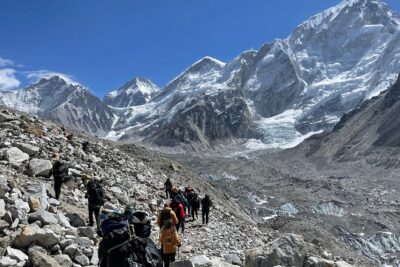
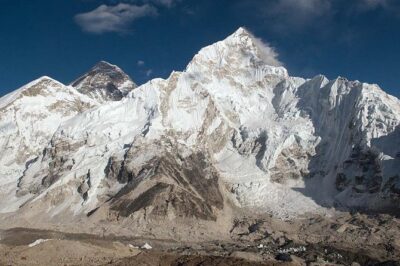
You leave Dingboche on an uneven, rocky path toward Lobuche. Along the way, you see Pumori, Nuptse, and Lobuche Peak.
This is the kind of day that tests your legs more than your sense of direction. The scenery is striking, but the trail surface can make each step feel deliberate. Good footwear and walking poles would be sensible choices, although the supplied information does not specify what equipment is provided beyond guide equipment and insurance costs.
Lobuche is close to the final push, but do not think of it as the finish line. The highest and most emotional part of the trek is still ahead.
Day 9: Everest Base Camp through the Khumbu Glacier
Day nine is the main goal: a long walk through the Khumbu Glacier area to Everest Base Camp, followed by a return to Gorakshep. The route allows you to see the Khumbu Icefall from Base Camp.
This is a demanding day at high altitude. The itinerary describes it as a long day walk, and that is the right way to think about it. You are not arriving at a paved visitor center. Base Camp is a mountain staging area, and conditions can be rough.
The view of the Khumbu Icefall is the payoff. It gives you a direct sense of the route used by climbers heading higher, even though a standard trekking itinerary does not take you onto the climbing route itself.
Because you return to Gorakshep, the day is not simply a one-way climb. Pace yourself from the start and save energy for the return.
Day 10: Kala Patthar and the descent to Pheriche
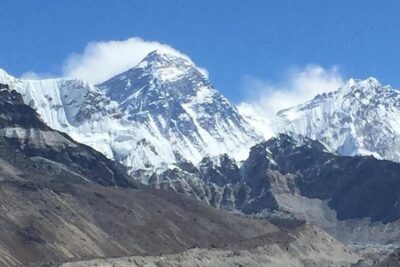
You hike to Kala Patthar for views of Mount Everest, then descend to Pheriche. This is often one of the most rewarding viewpoints on the entire route because it gives you a broad look at Everest and the surrounding peaks.
The order matters. You reach Base Camp the day before, then gain a higher viewpoint for the mountain panorama. That gives the trek both a destination and a strong final mountain view.
The descent to Pheriche is welcome after the high-altitude push, but downhill walking can still be hard on tired knees. Keep your pace controlled rather than racing simply because you are going lower.
Days 11 and 12: Retracing the trail to Lukla
You return toward Namche on day 11, crossing suspension bridges and passing mountain villages. The mountains gradually recede, and the route begins to feel more familiar in reverse.
Day 12 continues through Jorsale and Monjo, then Phakding, before the final walk to Lukla. You cross more bridges over the Dudh Koshi and finish where the trek began.
The return is not just filler. It gives you a second look at villages and trails that may have passed in a blur on the way up. It also gives your body time to come down gradually rather than switching from high altitude to Kathmandu in one jump.
The schedule lists these days as long ones. Plan for tired legs, basic mountain accommodation, and a slower pace than you might expect from the map.
Day 13: Lukla flight and a free afternoon in Kathmandu
The early flight back to Kathmandu takes about 35 minutes. Once you arrive, the rest of the day is free for Thamel, where you can walk around and shop for souvenirs.
This buffer day is useful because local flights can be affected by mountain conditions. The itinerary places the return flight before the final airport transfer on day 14, giving you at least some separation between the flight and your international departure.
Still, I would avoid booking a tight onward connection. The information does not promise a fixed flight time, and mountain air travel requires flexibility.
Day 14: Airport transfer or extra time in Nepal
On the final day, a representative drops you at the airport unless you choose to extend your stay in Nepal. The arrival and departure airport transfers are included.
This is a simple ending, but it matters after a trek with early starts and long walking days. If you want more time in Nepal, the company indicates that an extension is possible, though no extra itinerary or cost is supplied.
What the $999 price really covers
At $999 per person, the price can be good value for a private trek if you understand the exclusions. It includes:
- Arrival and departure airport transfers
- Local flight arrangements
- Flights from Kathmandu or Manthali to Lukla and back
- Guide salary, guide food, equipment, and insurance listed as part of the trip cost
- Sagarmatha National Park fees and local permits
- Government taxes and VAT
The big missing items are your accommodation and food for the complete trip. International flights, Nepal entry visa, travel and health insurance, emergency rescue and evacuation cover, and guide tips are also excluded.
That means $999 is not the final door-to-door cost. I would ask for a clear estimate of lodge, meal, insurance, and tip expenses before booking. The value is strongest if you want a private guide company to handle permits, flights, transfers, and on-trail support, but you should not compare this price with an all-inclusive package without checking the fine print.
Private support and guide care
The private format is a real advantage for people who want a personal pace or are nervous about high-altitude trekking. A private group can also make it easier to discuss rest, optional hikes, and how you are feeling each day.
The company has used guides including KP Dhital, Raju, Roshan, Abinash, Ram, Man Bahadur, Navraj, Bhairas, and Bala on different trips. Do not assume you will receive a particular guide unless the company confirms it in writing, but you can ask about the guide assigned to your group.
Past trips have included solo women, a parent trekking with a 14-year-old daughter, and private luxury arrangements. Those examples suggest the company has experience adjusting support to different group types, but the route itself remains physically demanding for everyone.
Practical details that affect your decision
Confirmation is provided at booking, and the activity offers pickup and a mobile ticket. The meeting time is 5:45 am, with pickup at Tribhuvan Airport or your hotel in Kathmandu.
You need moderate physical fitness. The information does not give a packing list, detailed daily distances, lodge standards, meal plans, or emergency procedures, so ask for those details before paying. Most importantly, confirm what the included guide insurance covers, then buy your own travel and health insurance with emergency rescue and evacuation protection.
The cancellation policy allows a full refund if you cancel at least 24 hours before the start time. Cancellations or changes inside 24 hours are not refunded or accepted, based on local time.
Should you book this Everest Base Camp trek?
I would choose this trek if you want the classic Everest route, a private group, and help with the complicated pieces such as Lukla flights, permits, airport transfers, and guide arrangements. The two acclimatization days and the return through Namche make the schedule more sensible than a rushed itinerary.
I would pause if you are looking for an all-inclusive price. Food, accommodation, insurance, visa, international flights, and tips sit outside the $999 headline cost. Ask for the complete expected budget and the assigned guide before booking.
For a fit trekker who wants Everest Base Camp without organizing every local detail alone, Nepal Nirvana Trails offers a well-structured 14-day plan. Go in prepared for rocky trails, early starts, high altitude, and flight changes, and the route gives you a strong mix of mountain scenery, Sherpa villages, monastery culture, and serious Himalayan walking.
FAQ
How long is the Everest Base Camp trek?
The experience lasts approximately 14 days, including arrival in Kathmandu, the trek from Lukla, the return flight, and the final airport transfer.
What time does the experience start?
The listed start time is 5:45 am. Pickup can take place at your hotel in Kathmandu or at Tribhuvan Airport.
Are flights to Lukla included?
Yes. Flights from Kathmandu or Manthali to Lukla and from Lukla back to Kathmandu or Manthali are included, along with the local flight schedule and airport transfer services.
Is this a private trek?
Yes. This is a private activity, and only your own group participates.
What is included in the $999 price?
The price includes airport transfers, local Lukla flights, guide salary and guide-related costs, listed equipment and insurance, national park and local permits, government taxes, and VAT.
What costs are not included?
International flights, the Nepal entry visa, your accommodation and food during the trip, travel and health insurance with emergency rescue and evacuation cover, and guide tips are not included.
Can I cancel for a full refund?
Yes, if you cancel at least 24 hours before the experience start time. Cancellations or changes made less than 24 hours before the start time are not accepted, and the amount paid is not refunded.
Just added around Kathmandu
- Private Half-Day Tour of Boudhanath and Pashupatinath Temples in Kathmandu★ 4.5 · 9 reviews
- Private Half-Day Tour of Kathmandu Durbar Square and Swayambhunath Temple★ 4.5 · 11 reviews
- Namobuddha Monastery Hiking Day Tour via Panauti from Kathmandu★ 5.0 · 15 reviews
- Private Full-Day Kathmandu City Tour★ 5.0 · 9 reviews
- Private Day Tour in Kathmandu Valley Rim with Bhaktapur Sightseeing★ 5.0 · 3 reviews
- Private Half Day Budhanilkantha Tour★ 5.0 · 6 reviews
- Private Day Tour: Patan and Bhaktapur from Kathmandu★ 4.5 · 6 reviews
- Private Day Tour – Sacred Journey to Namo Buddha★ 5.0 · 5 reviews
Everest Base Camp Treks, compared.
Everest Base Camp Trek with Helicopter Return from Gorakshep to Lukla
Read our review →Browse the lists this tour appears in