
Reviewed · EVEREST BASE CAMP TREKS
14 Days Everest Base Camp Trek
Everest Base Camp is the headline, but the best part of this 14-day trek is the steady climb through Sherpa villages, pine and rhododendron woods, glacial valleys, and high mountain passes. You get time in Namche Bazaar and Dingboche to adjust to the altitude, plus a sunrise walk to Kala Patthar at 5,545 metres.
I like the practical package: meals, permits, domestic flights, guide, porter, and Kathmandu hotels are included in the $2,200 price. I also like the private format, so your group can move at its own pace. The tradeoff is real: long hiking days, basic tea-house conditions, unpredictable mountain flights, and high-altitude exertion make this a serious trek, not a casual sightseeing trip.
Key points to know before booking
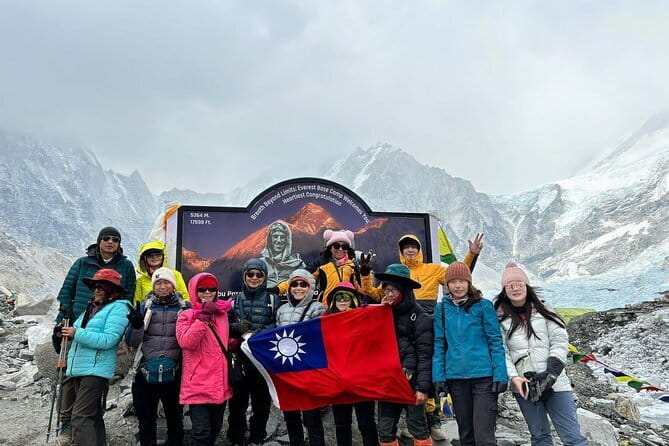
- Everest Base Camp and Kala Patthar: Reach Base Camp on Day 9, then climb to Kala Patthar for the trek’s highest viewpoint the next morning.
- Two acclimatization days: Spend one full day in Namche Bazaar and another in Dingboche, with short hikes to help your body adjust.
- Private group format: Only your own group participates, with a minimum of two people required.
- Flights through Manthali: The plan includes the drive from Kathmandu to Manthali, followed by the short flight to Lukla.
- Strong practical inclusions: A licensed guide, porter, meals, permits, national park fees, airport transfers, and Kathmandu lodging are covered.
- Extra costs remain: International flights, Nepal’s entry visa, insurance and evacuation cover, drinks, personal equipment, hot showers, WiFi, and tips are not included.
Why this route earns its reputation
The classic route to Everest Base Camp works because it builds drama in stages. You begin in Kathmandu, where Thamel’s shops and restaurants give you a lively introduction to Nepal, then trade city streets for a short mountain flight and a footpath through the Khumbu region.
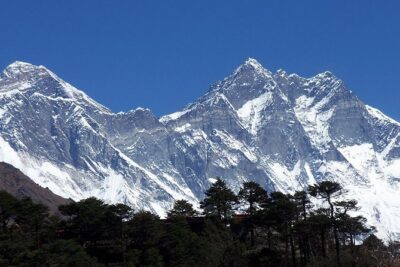
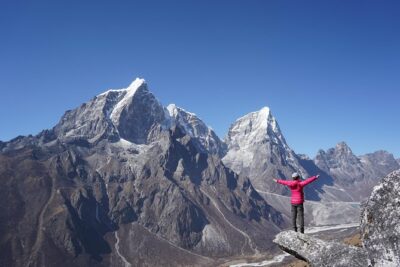
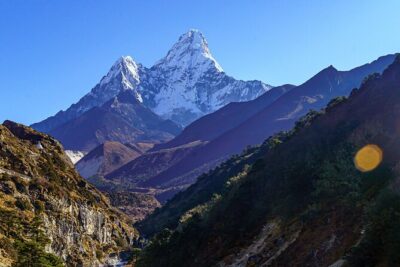
The first days are not just a march toward Everest. You pass Sherpa settlements, prayer flags, stupas, mani walls, yak pastures, and Buddhist monasteries. Ama Dablam becomes a familiar companion, while Everest, Lhotse, Nuptse, Pumori, Island Peak, and Mera Peak appear from different angles as you climb.
The route also gives you two useful pauses. Namche Bazaar is the first major stop for altitude adjustment, and Dingboche provides another rest day before the harder push to Lobuche, Gorak Shep, and Base Camp. That extra time matters more than squeezing in another sightseeing stop.
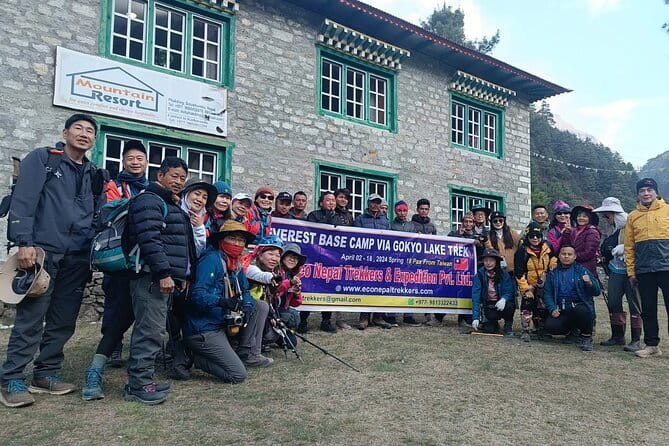
Eco Nepal Trekkers has been praised for organization, personal care, lodge selection, and support during demanding treks. The company is led by Pemba Tamang, and guide Prayash has been singled out for helping people through difficult high-altitude routes. You should still confirm your assigned guide before departure, since the information provided does not guarantee who will lead this specific departure.
More Everest Base Camp Treks in Kathmandu:
- Everest Base Camp Trek – 14 Days
★ 5.0 · 1,499 reviews - Everest Base Camp Trekking
★ 5.0 · 485 reviews - Everest Base Camp Trekking – 13 Day
★ 5.0 · 365 reviews
Days 1 and 2: Kathmandu to Phakding by road, air, and foot
Your first day begins with an airport pickup and a private transfer to a three-star hotel in Thamel. This is a useful, low-stress start after an international flight. You have the afternoon to walk through the area, browse trekking shops, and eat at one of its many restaurants.
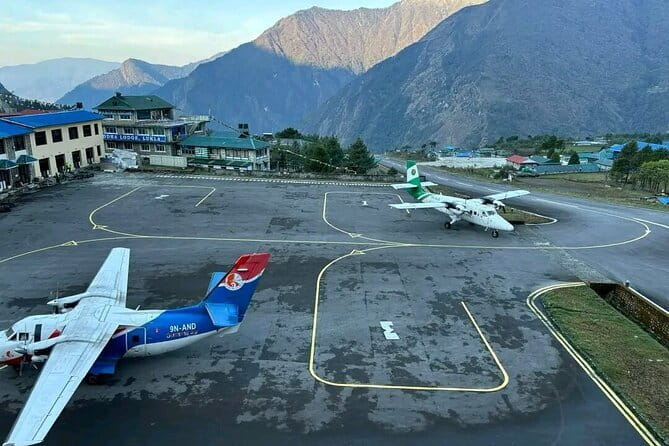
The following morning is a travel day with several moving parts. You drive for roughly four to five hours from Kathmandu to Manthali in Ramechhap, then take a flight of about 20 minutes to Lukla. From Lukla, you walk to Phakding, with about four hours of trekking listed for the day.
This arrangement is worth understanding before you pay. You are not simply flying from Kathmandu to Lukla. The road transfer to Manthali adds time, but it is part of the domestic flight plan and is covered along with the airport tax.
The Lukla flight is short, but the schedule depends on weather and availability. Keep your first day flexible, and do not plan an important international connection immediately after returning from the mountains.
Day 3: The first hard climb to Namche Bazaar
From Phakding, you follow the trail through Benkar and Chumoa before reaching Monjo, the entrance to Sagarmatha National Park. The walk to Namche Bazaar takes about five hours and includes steep uphill sections.
This is the day when the trek begins to feel serious. You are no longer simply walking between villages. Your breathing, legs, and pace all become part of the experience, and the guide’s job is to help you keep a steady rhythm rather than rush.
Namche Bazaar is the main hub of the Everest region. It is a good place to see Sherpa life, eat local food, and look through market stalls before the route becomes more remote. The town also gives you a chance to rest properly in a lodge after the first demanding climb.
Day 4: Acclimatization above Namche
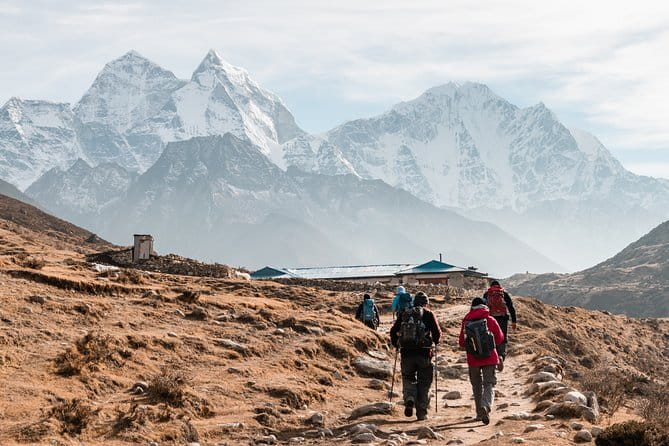
You spend a second night in Namche, but the day is not completely idle. The planned walk leads to the Everest View Hotel, where you can see Ama Dablam, Thamserku, Everest, Nuptse, and other major peaks.
The listed walk takes about five hours. That may sound like a lot for a rest day, but a gentle climb followed by a return is useful at altitude. The goal is to go higher during the day and sleep lower at night, while keeping the pace controlled.
I like this stop because it combines practical acclimatization with a fine mountain viewpoint. The drawback is that altitude can affect you even on a short hike. Do not treat the day as a photo stop only. Drink what you can, walk slowly, and tell your guide if you feel unwell.
A few more Kathmandu trips to weigh up
- Nagarkot Sunrise View and Day Hiking from Kathmandu
★ 5.0 · 471 reviews - Annapurna Circuit Trek with Tilicho Lake
★ 5.0 · 368 reviews - Everest Base Camp Trek -14 Days
★ 5.0 · 321 reviews - Annapurna base camp trek 5 Days
★ 5.0 · 252 reviews
Day 5: Tengboche and its famous monastery
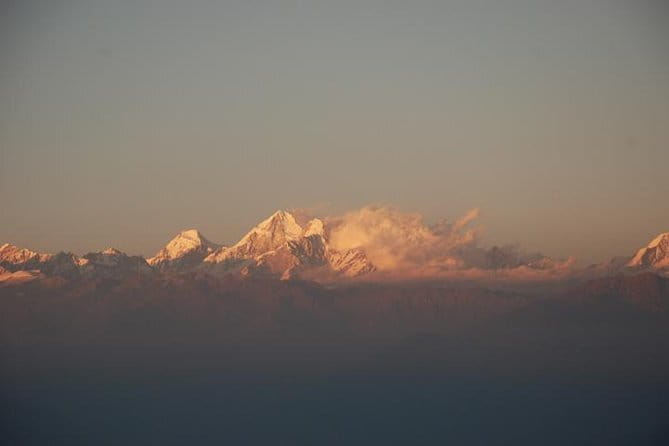
The trail to Tengboche is described as a more relaxed five-hour walk, with fewer steep sections. This makes it one of the more pleasant days for photography. Prayer flags, stupas, and views of Ama Dablam give the route a strong sense of place.
Tengboche is home to an old and revered monastery. Its position is one of the major cultural highlights of the trek, and sunrise or sunset can bring dramatic views of Everest and the surrounding peaks.
This is also a good day to appreciate the balance of the route. You are not climbing hard every hour. Some sections let you slow down, watch the changing mountain light, and notice the religious details along the trail.
Days 6 and 7: Pangboche, Dingboche, and Nagarjun Hill
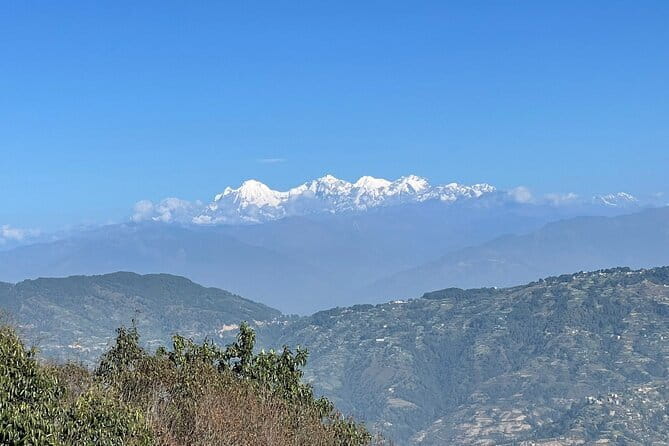
After breakfast, you continue toward Dingboche through Pangboche. The trail passes chortens, mani walls, and broad views toward Ama Dablam. As you climb, the vegetation becomes sparser and the feeling of open alpine country grows stronger.
The walking time is listed at about four hours. That makes Day 6 manageable on paper, though altitude can make a moderate distance feel much harder. The key is not the number of hours alone. It is how your body responds as you gain height.
Day 7 is another acclimatization day in Dingboche. The plan includes a walk to Nagarjun Hill at about 5,100 metres, with mountain views as the reward for the climb. This is a demanding rest day, not a lie-in at the lodge.
Dingboche is an important pause before the highest section of the trek. You should use the day to move gently, eat, rest, and prepare for the colder and thinner air ahead. The route description calls for about five hours of walking, so ask your guide how hard the day will be for your group.
Day 8: The alpine route to Lobuche
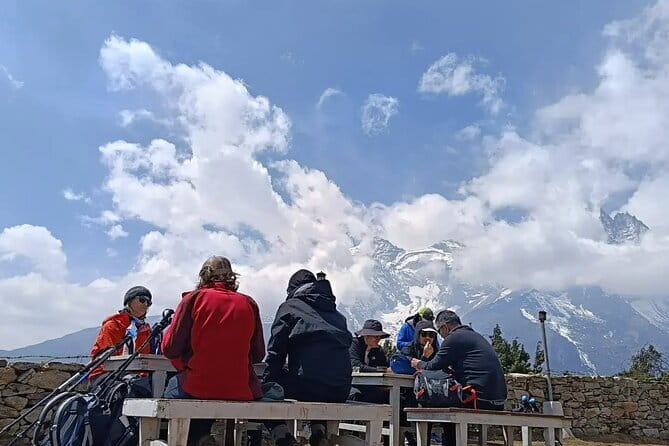
The trail toward Lobuche follows the Pheriche Valley through alpine brush and yak pastures. You see Ama Dablam, Tawoch, and Cholatse rising above the valley, with the scenery becoming more severe and open.
The walk takes about four hours. It is shorter than some earlier days, but the altitude changes the effort. At this point, you are walking above the comfortable tree line, and simple tasks can take longer.
Lobuche is a staging point for the final approach to Everest Base Camp. Expect a basic night and an early start ahead. The included meals help keep the daily routine simple, but drinks and snacks are your responsibility, including mineral water, coffee, hot water, and chocolate.
Day 9: Gorak Shep and Everest Base Camp
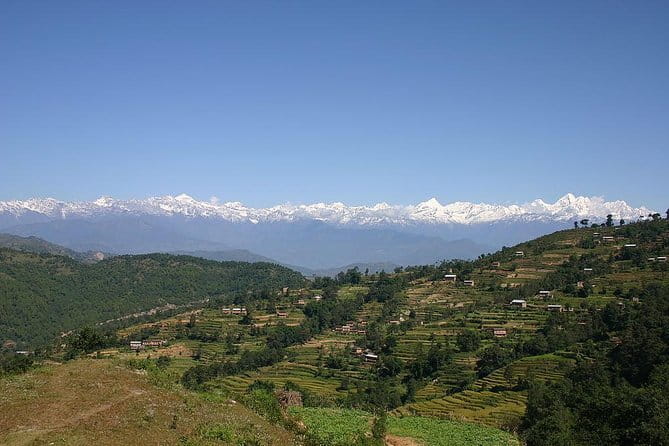
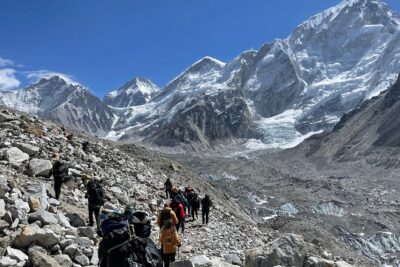
This is the day many people have been picturing since Kathmandu. You trek to Gorak Shep, a high village surrounded by snow-covered peaks and located near the lateral moraine of the Khumbu Glacier.
From there, the trail continues to Everest Base Camp. The walk is listed at about four hours, but the glacier moraine can make progress slow and uneven. The route is not a paved path to a single viewing platform. It is a rough high-mountain trail, and the final approach can feel tiring after several days of climbing.
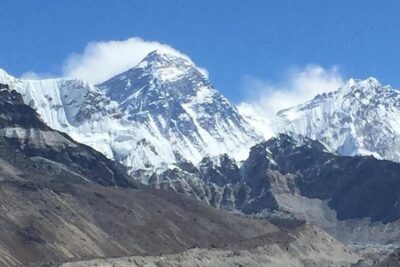
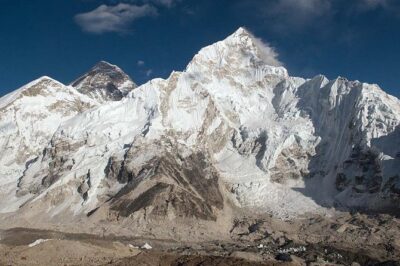
Base Camp itself is a major achievement, but the best broad view of Everest comes from Kala Patthar the next morning. Keep that distinction in mind. Base Camp puts you close to the Khumbu Glacier and the climbing route, while Kala Patthar provides the famous wide panorama.
You return to Gorak Shep for the night. At this height, comfort is limited, and the cold can be intense. The package covers lodging and meals during the trek, but hot showers, WiFi, drinks, and other lodge extras cost extra.
Day 10: Kala Patthar, then down to Pheriche
The day starts before dawn with a strenuous climb to Kala Patthar. At 5,545 metres, it is the highest point on the route and the place for the trek’s grandest mountain view.
The stated panorama includes Everest, Nuptse, Lhotse, Ama Dablam, and other peaks. Early morning is chosen for the light, so prepare for a cold start and a hard uphill push. You will want warm layers, a headlamp, sturdy boots, water, and enough patience to take the climb slowly.
After Kala Patthar, the route descends toward Pheriche. Going down is welcome, but it does not make the day effortless. Your legs have already worked hard, and the combination of an early start, altitude, and rough trail can be draining.
This is one of the most important days to follow your guide’s pace. The reward is not only the view from the top. It is also the relief of dropping to a lower sleeping altitude.
Days 11 and 12: Returning through Namche to Lukla
Day 11 takes you back toward Namche Bazaar. The trail mainly descends, though there are still uphill stretches. As you lose altitude, forests and plant life return, changing the feel of the route.
The day is listed at about five hours, but it can feel long after the Base Camp section. Downhill walking uses different muscles, and uneven ground remains part of the route. Namche offers a welcome chance to sleep at a lower altitude and think back over the high-country portion.
Day 12 is the last hiking day, following the trail back to Lukla. It is another roughly five-hour walk. Once in Lukla, you have time to rest before the flight out.
I like the structure of this return because it avoids trying to rush from the high mountains straight into an airport transfer. Still, weather can interfere with mountain flights, so treat Lukla as a flexible stop rather than a guaranteed clockwork connection.
Days 13 and 14: Back to Kathmandu and home
The flight back to Kathmandu depends on weather and seat availability. The plan may involve flying to Kathmandu directly or returning through Manthali Airport, followed by the onward road transfer.
Once back in Kathmandu, you have time to shop and enjoy the farewell dinner in a traditional Nepali restaurant. Two nights in a three-star Kathmandu hotel are included in the package, with breakfast.
On the final day, staff take you to the airport three hours before your scheduled departure. Airport pickup and drop-off by private vehicle are included, which is especially helpful after a long trek and with bags that may be awkward to manage.
What the $2,200 price really covers
At $2,200 per person, the cost is not just for guiding you along the trail. It includes a sizeable group of services:
- Private airport transfers
- Domestic flights between the Lukla route and Kathmandu or Manthali
- Domestic airport tax
- Two nights in a three-star Kathmandu hotel, twin sharing, with breakfast
- Breakfast, lunch, and dinner during the trek
- Sagarmatha National Park and TIMS permits
- A government-licensed trekking guide
- One porter for every two clients
- Staff wages, accommodation, meals, gear, and insurance
- Government taxes, VAT, and office service charges
- Farewell dinner and a completion certificate
That is solid value for a private trek, especially because permits, internal transport, food, and staff costs are already handled. The porter arrangement is also useful, but remember that one porter carries luggage for two people. Pack with restraint rather than assuming you can bring a large suitcase.
Your own budget needs room for Nepal’s entry visa, international flights, travel insurance with high-altitude emergency evacuation, personal trekking gear, and tips. During the trek, you also pay for drinks, hot water, coffee, alcohol, desserts, chocolates, showers, WiFi, phone use, and other personal purchases.
Who should book this Everest trek?
I would recommend it to someone with moderate physical fitness who wants a private, guided route and prefers having major costs arranged in advance. It suits people who value local support, structured acclimatization, and a clear day-by-day plan more than luxury.
The company’s strongest praised qualities are organization, customer care, lodge choices, and steady human support. Those details matter when flights change, the weather turns, or the final uphill sections feel harder than expected.
I would not choose this trip if you want easy walking, private bathrooms, reliable internet, or full control over meal and shower comforts. I would also not book it without travel insurance that specifically covers high-altitude emergency evacuation, since that protection is not included.
The minimum group size is two, and the private format means you do not share the trek with unrelated participants. Confirm the exact guide, porter arrangement, lodge standards, flight plan, and baggage allowance before departure.
Should you book the 14-day Everest Base Camp Trek?
Book it if you want the classic Everest route with two acclimatization days, a private group, and a package that handles the major practical work. The combination of Namche, Tengboche, Dingboche, Base Camp, and Kala Patthar gives you both cultural stops and serious mountain views.
Think twice if your schedule cannot absorb flight delays or if you are not ready for basic facilities and strenuous walking at high altitude. For a prepared trekker, the $2,200 package offers a useful balance of structure, local support, and value, with the important warning that the mountains still set the timetable.
FAQ
How long does the Everest Base Camp Trek last?
The experience lasts approximately 14 days, including airport transfers, Kathmandu hotel stays, the trek, domestic flights, and the return to the airport.
Is airport pickup included?
Yes. Airport pickup and drop-off by private vehicle are included.
Are domestic flights included?
Yes. The package includes domestic flight tickets on the Lukla route, listed as LUK-RMH-LUK, along with domestic airport tax. The return may use Kathmandu or Manthali Airport, depending on weather and flight availability.
What meals are included?
Breakfast, lunch, and dinner are included during the trek. The package lists 13 breakfasts, 11 lunches, and 12 dinners. Lunch and dinner in Kathmandu are not included.
Is a guide and porter provided?
Yes. An experienced government-licensed trekking guide is included. One porter is assigned to every two clients.
Do I need travel insurance?
Yes. Travel insurance is not included, and you need your own policy with high-altitude emergency evacuation coverage. Personal trekking equipment is also not included.
Just added around Kathmandu
- Private Half-Day Tour of Kathmandu Durbar Square and Swayambhunath Temple★ 4.5 · 11 reviews
- Namobuddha Monastery Hiking Day Tour via Panauti from Kathmandu★ 5.0 · 15 reviews
- Private Half-Day Tour of Boudhanath and Pashupatinath Temples in Kathmandu★ 4.5 · 9 reviews
- Private Full-Day Kathmandu City Tour★ 5.0 · 9 reviews
- Private Day Tour in Kathmandu Valley Rim with Bhaktapur Sightseeing★ 5.0 · 3 reviews
- Private Half Day Budhanilkantha Tour★ 5.0 · 6 reviews
- Private Day Tour: Patan and Bhaktapur from Kathmandu★ 4.5 · 6 reviews
- Private Day Tour – Sacred Journey to Namo Buddha★ 5.0 · 5 reviews
Everest Base Camp Treks, compared.
Everest Base Camp Trek with Helicopter Return from Gorakshep to Lukla
Read our review →Browse the lists this tour appears in