
Reviewed · WORKSHOPS
Thangka Painting Workshop
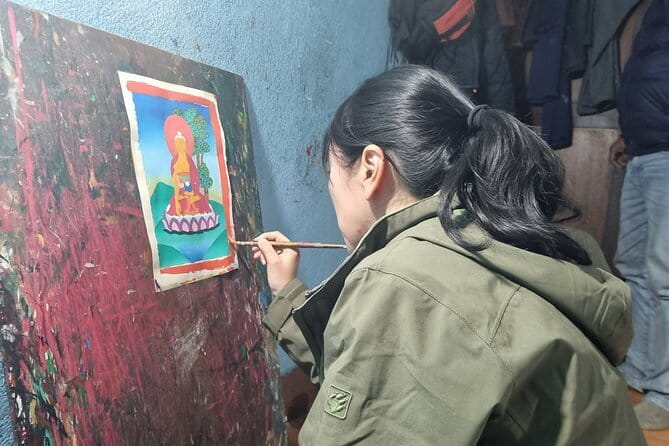
A thangka workshop gives you something better than a hurried purchase from a tourist shop: time with the people who make the art. In Kathmandu, you spend about four to five hours learning the basics, watching skilled artists at work, and painting your own piece to take home. The hands-on format helps you see the difference between careful craft and a mass-produced souvenir.
I like the choice of three designs, since you can pick a subject that suits your interest and ability. I also like the patient, personal teaching style described by participants, including help from Aayam and an artist who stays with you through the process. The private setup means your group can ask questions without competing with a large class.
The main thing to consider is time. This is not a quick coloring stop if you want fine detail. One participant noted that the basic work may take a little over two hours, while detailed painting takes longer, so painters who work slowly should allow for the full five-hour window.
Key points to know before booking
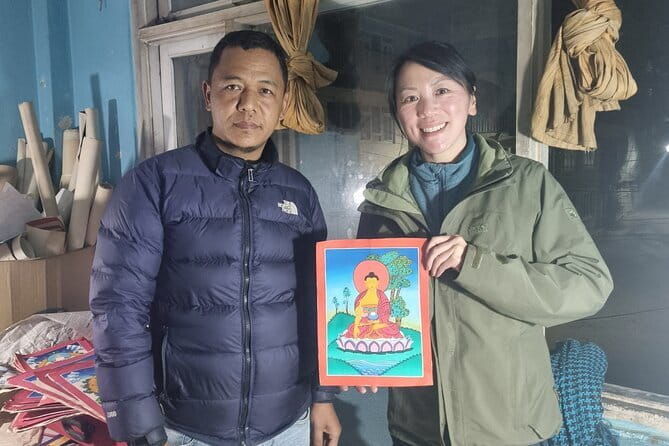
- Paint with experienced artists: The workshop is led by artists with about three decades of experience.
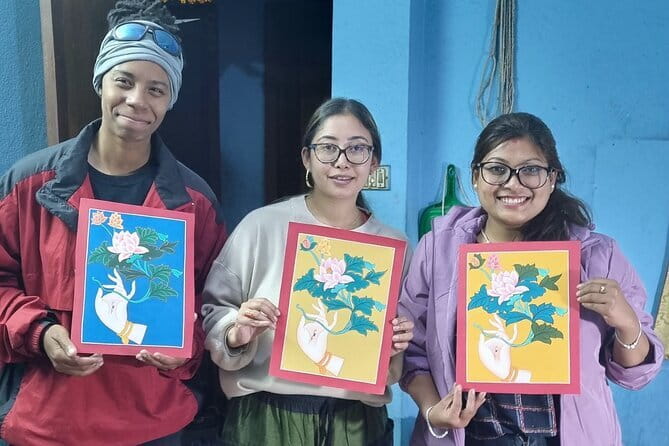
- Choose one of three designs: You select the thangka design rather than receiving a fixed project.
- Take home your own work: The finished piece becomes a personal Kathmandu souvenir.
- Private instruction: Only your group takes part, with an English-speaking guide to assist.
- Pickup and timing are flexible: Pickup is offered, and you can choose the pickup location and timing.
- Plan for patient work: Simple coloring can take more than two hours, while detailed work may fill the four to five-hour session.
Why painting a thangka makes a better souvenir
Kathmandu shops offer plenty of paintings, but it is not always clear how a piece was made. A thangka may be hand-painted, hand-printed, or machine-printed, and a quick look at a shop corner does not always tell you which one you are buying.
This workshop solves that problem in a practical way. You see the setting where thangkas are made, watch artists and apprentices at work, and take part in the process yourself. You do not simply carry home an attractive object. You understand more about the labor behind it.
A thangka is also a useful souvenir for people who do not want another mass-produced magnet or decorative trinket. Your painting will reflect your own patience and choices. It may not look like the work of a master, and that is part of its appeal. The value comes from the experience and the connection to the craft, not from pretending you created a museum-quality piece in one afternoon.
The workshop also gives you room to ask questions. The supplied details do not set out a formal lecture, but the English-speaking guide and artists are there to explain the art form and clear up confusion. If you have wondered how to spot authentic work, what the designs mean, or why certain details require so much time, this is a better place to ask than a crowded shop.
A few more Kathmandu trips to weigh up
- Half day cooking class in Thamel kathmandu
★ 5.0 · 607 reviews - Kathmandu: Local Women-Led Nepali Cooking & Momo Class
★ 4.9 · 360 reviews - Kathmandu: Local Lead Nepali Cooking & Momo-Making Class
★ 5.0 · 212 reviews
Arriving at the Kathmandu workshop
The experience begins with pickup at a time arranged around the stated start time of 12:45 pm. Pickup is offered, and you can choose your pickup location, which is useful in a city where getting across town can take more effort than the map suggests.
An air-conditioned vehicle is included, along with all fees and taxes. That keeps the basic cost easier to understand and gives you a comfortable ride to the workshop. Snacks are not included, so eat beforehand or plan for the fact that the class occupies much of the afternoon.
The class is private, meaning only your group participates. That matters here. Painting requires attention, and a small setting allows you to ask for help when your lines go wrong or when you are unsure how much color to apply. You are not being pushed through a public demonstration with a fixed crowd.
The workshop is near public transportation, although pickup may be the simpler choice if you are unfamiliar with Kathmandu. The experience requires a moderate level of physical fitness. The available information does not describe the seating or studio layout, so anyone with specific mobility needs should ask the provider before booking.
Meeting the artists and choosing your design
Once you arrive, you learn how the class will work and choose one design from three options. This small choice gives the activity a personal feel without making you stare at dozens of possibilities.
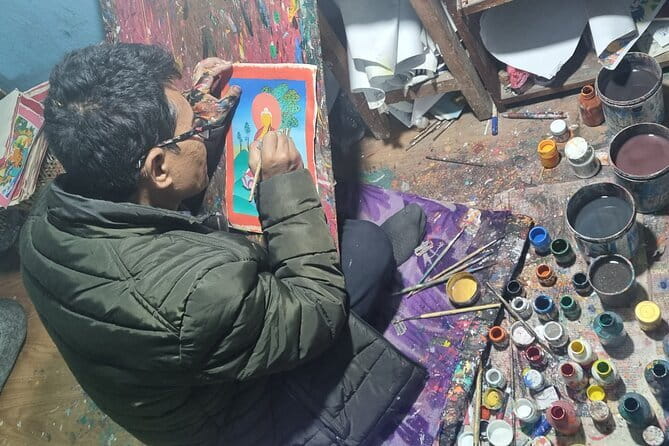
The artists have about 30 years of experience, and several artists and apprentices may be working in the same workshop. That setting is important. You are not only receiving a craft lesson from one instructor in isolation. You can observe how other thangkas are being painted and get a sense of the steady, careful work involved.
An English-speaking guide helps throughout the activity. Aayam is specifically associated with the workshop experience, while the artist assisting with the painting provides the direct instruction. The available details do not identify every artist by name, so you should not expect a fixed named teacher unless the provider confirms one before your visit.
Take a few minutes at the start to ask how much of the design you will complete. The experience is advertised as a four to five-hour class, but the amount of finished detail depends on your pace. If you are comfortable with painting, you may move through the basic coloring in a little over two hours. Fine details take longer.
Learning the painting process step by step
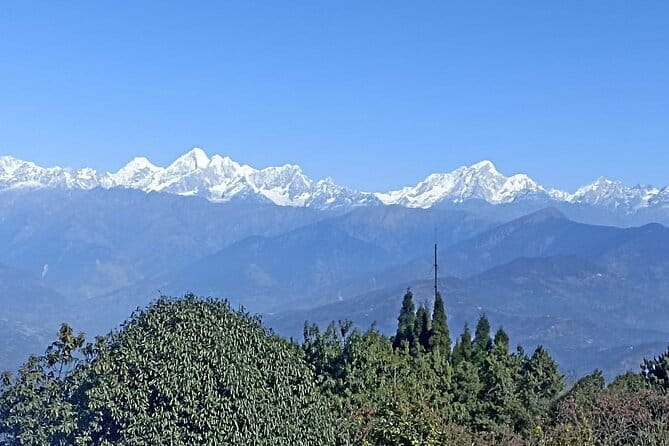
The central activity is painting a traditional thangka under the guidance of the workshop artists. You are not simply given a souvenir and told to decorate it. The aim is to show you how the work is done and let you participate.
Expect the lesson to focus on coloring and careful application. One useful point for painters is that the activity can feel more like guided coloring than a full drawing class. If you are hoping to learn every stage of thangka production, including preparing the cloth, making the initial drawing, and completing highly detailed religious imagery, confirm exactly what your session includes.
That limitation does not make the workshop poor value. It sets the right expectation. In four to five hours, you can learn the feel of the process and complete a personal piece, but you are not becoming a master thangka painter in one afternoon. The artists can correct mistakes and show you how to continue, which takes pressure off beginners.
The patient teaching is one of the strongest parts of the experience. You can make a mistake without ruining the whole project, since the artist helps you correct it. That makes the class suitable for people who enjoy creative activities but do not consider themselves painters.
If you already paint, adjust your expectations. You may find the basic work too easy after the first couple of hours. The best approach is to ask for more detail or a slower, more careful pace. The workshop is likely to suit you better if you value access to the artists and the chance to observe the studio, rather than expecting a technically advanced art course.
Same mountains, a completely different kind of day:
- Everest Base Camp Trek – 14 Days
★ 5.0 · 1,499 reviews - Private Kathmandu Sightseeing Tour | UNESCO World Heritage sites
★ 5.0 · 756 reviews - Everest Base Camp Helicopter Tour landing at Everest View Hotel
★ 5.0 · 668 reviews - Everest Base Camp Trekking
★ 5.0 · 485 reviews
What makes the private format worthwhile
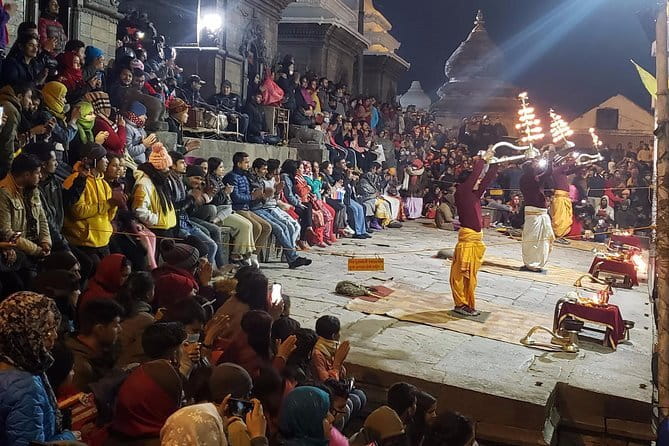
A private class costs more than a casual stop at a shop, but the added value is clear. You receive personal attention, can choose the design, and have the chance to ask questions throughout the session.
The price is $72 per person. That includes the air-conditioned vehicle and all fees and taxes, but not snacks. I consider that a fair price for a five-hour private activity with instruction and a handmade piece to take home, especially if you would otherwise spend money guessing at the quality of a finished painting in a store.
The value depends on what you want. If you only need a cheap wall decoration, shopping may cost less. If you want a genuine craft activity, direct contact with artists, and a souvenir you helped make, the price makes more sense.
The private format is also useful for couples, families with older children, and small groups of friends. You can work at your own pace instead of waiting for a large class to finish. The information does not specify a minimum age, child policy, or maximum group size, so ask before booking if those details matter to you.
Allowing enough time for the finished piece
The official duration is about five hours, while the class itself is described as four to five hours. Treat the afternoon as a substantial activity, not a short appointment that you can squeeze between several sightseeing stops.
The timing matters most if you want to complete detailed work. Basic coloring may take more than two hours, but fine lines and additional detail can continue much longer. I would avoid booking a tightly timed dinner, flight, or evening performance immediately afterward.
The 12:45 pm start also shapes the day. You can spend the morning visiting another part of Kathmandu, eat lunch before pickup, and then use the afternoon for the workshop. Since snacks are not included, a meal before the start is sensible.
Your finished work may vary in size and detail depending on the selected design and your speed. The information confirms that you take home the souvenir you make, but it does not promise a particular size, framing method, drying time, or shipping service. Ask the provider if you need the painting ready for luggage or want advice on protecting it during your trip.
The cultural value without rushing the lesson
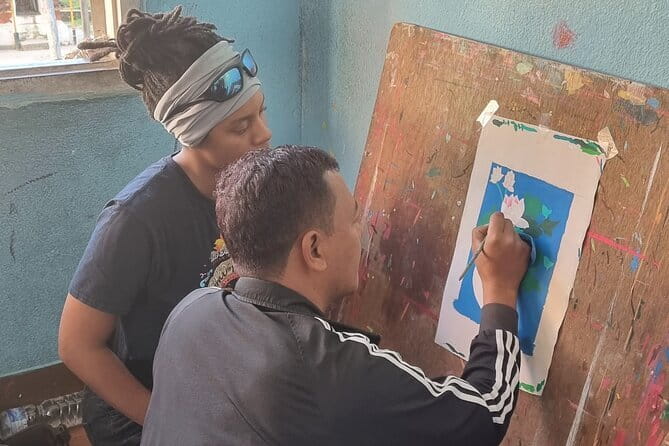
Painting gives you a slower way to connect with Kathmandu. You are sitting with a traditional art form rather than racing through a list of sights. The workshop lets you see the discipline behind the finished pieces and understand why quality cannot be judged by appearance alone.
The presence of master artists and apprentices adds useful context. You might notice how long they spend on small sections, how carefully they handle color, and how different their finished work looks from a beginner’s first attempt. Even if you complete only a simpler version, the comparison helps you appreciate the craft.
You also have a direct chance to ask about the art form. The activity is not presented as a formal religious lesson, so you should approach the artists with specific questions rather than expecting a long historical presentation. Ask about the design you choose, the stages you are following, and the difference between handmade and printed work.
That balance suits people who want cultural contact without a lecture-heavy tour. You learn by watching, asking, and doing.
Who should book this Kathmandu activity
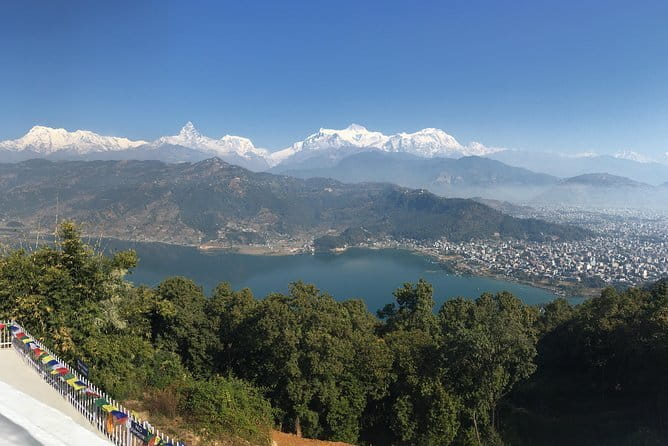
I would recommend this workshop to you if you enjoy making things, want a personal souvenir, or prefer a quiet cultural activity to another bus ride between monuments. It is also a good choice if you are uncertain about buying thangka art in a shop and want a clearer look at how authentic work is produced.
Beginners should feel comfortable booking. The artist stays with you, explains the process, and helps fix mistakes. You do not need to arrive as a skilled painter.
Experienced painters can enjoy it too, but should plan to request more detail and use the full time. The activity may feel basic if you expect an advanced studio course. The design choice is limited to three options, so people seeking a highly customized painting may want to ask about alternatives.
This is less suitable for anyone who wants a fast, passive sightseeing stop. It also may not suit a very tight schedule, since the class can occupy most of an afternoon and detailed work takes patience.
Booking details and cancellation
Confirmation is received at the time of booking. Pickup is offered, and you can choose the pickup location and timing, with the listed start time at 12:45 pm. The experience is near public transportation if you prefer to make your own way.
Free cancellation is available up to 24 hours before the start time for a full refund. Cancellations or changes made less than 24 hours before the start are not accepted for a refund, and the cut-off follows local time.
The provider is Queermandu, also known as Gay Tours Nepal. The experience is open as a private activity for your group, rather than a shared class with other booking parties.
My verdict on the $72 thangka workshop
You should book this if you want more than a finished object. For $72, you get transport, instruction, access to artists with decades of experience, a choice of design, and a painting you create yourself. That is solid value for a private four to five-hour activity in Kathmandu.
Go in with realistic expectations. This is guided painting and coloring, not a full professional apprenticeship. Detailed work takes longer than the basic stage, snacks are not included, and the available information does not promise a particular finished size or framing.
For a patient, curious person, the workshop offers a memorable way to spend an afternoon and a souvenir with a story attached. If you want a quick bargain or a highly advanced art class, choose something else. If you want to sit with skilled makers, ask questions, and leave with your own piece, this is an easy Kathmandu experience to recommend.
FAQ
How long does the Thangka Painting Workshop last?
The class lasts approximately four to five hours. Basic coloring may take more than two hours, while completing finer details can take longer.
What time does the workshop start?
The listed start time is 12:45 pm.
Is hotel or location pickup available?
Yes. Pickup is offered, and you can choose your pickup location. An air-conditioned vehicle is included.
Can I choose the thangka design?
Yes. You can choose one design from three available options.
Do I take home the painting I make?
Yes. The souvenir you create during the class is yours to take home.
Is the workshop private?
Yes. This is a private activity, so only your group participates.
What happens if I need to cancel?
You can cancel at least 24 hours before the local start time for a full refund. Cancellations or changes made less than 24 hours before the start are not refunded or accepted.
Just added around Kathmandu
- Traditional Momo Making Class★ 5.0 · 10 reviews
- Kathmandu to Pokhara Premium sofa bus ticket★ 4.0 · 17 reviews
- Women Empowerment Project(Nepali cooking class & jewelry workshop★ 5.0 · 15 reviews
- Walking tour of Kathmandu with awesome local guides★ 5.0 · 4 reviews
- Wildlife Adventure in Chitwan Nepal★ 4.0 · 4 reviews
- Kathmandu 2 Nights 3 Days Chitwan Jungle Safari Tour★ 5.0 · 9 reviews
- Kathmandu Street Food Walking Tour – Eat Like a Local★ 5.0 · 3 reviews
- Walking tour of real Kathmandu through back streets.★ 5.0 · 3 reviews
Workshops, compared.
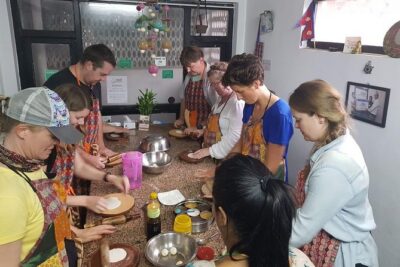
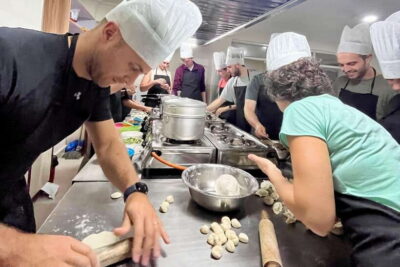
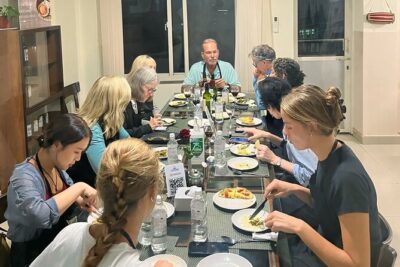
Nepalese Momos or Dal Bhat Cooking Class (Cook with Delight)
Read our review →
The best Private Nepali Cooking Class in Kathmandu
Read our review →
Nepalese Kitchen in Pokhara: Momos or Dal Bhat Cooking Class
Read our review →
Browse the lists this tour appears in