
Reviewed · COOKING CLASSES
Kathmandu: Local Women Lead Nepali Cooking & Momo-Making Class
The best part of this Kathmandu cooking class happens before the stove is lit. You walk through a local market or shop, choose the ingredients, then return to make momos, dal bhat, and other Nepali dishes with step-by-step help. It turns a meal into a practical look at everyday food culture.
I like the hands-on format, especially the chance to make momo dough and fill the dumplings yourself. I also like the small maximum of eight people, which should give you more time with the chef and make it easier to cook alongside people from other countries.
The main consideration is that the menu may involve choosing from available dishes, rather than following one fixed recipe from start to finish. If you want a formal cooking school with a set syllabus, this may feel relaxed. If you want to cook, eat, and learn a few useful Nepali techniques in one morning or afternoon, it is a good fit.
Key points to know before booking
- You shop for ingredients first: The market or shop visit gives you a clearer sense of what goes into Nepali food before you start cooking.
- Momos are a central lesson: You learn to knead dough and shape one of Nepal’s best-known foods by hand.
- The menu can be flexible: Past dishes have included momos, dal bhat, and carrot pudding, with menu choices made during the class.
- You eat what you prepare: The final tasting is the payoff, not a separate restaurant meal.
- Groups stay small: The maximum is eight people, useful for personal instruction and a more social class.
- Pickup is optional: Hotel pickup and drop-off are included only when you select that option.
Why this Thamel cooking class is worth your time
Kathmandu offers temples, courtyards, shrines, and mountain connections, but food gives you a different way into the city. This class places you in Thamel, where you can spend roughly three hours learning how familiar Nepali meals come together.
I like cooking classes that begin with ingredients rather than a long lecture. Here, you first see the produce, spices, and staples that form the base of the dishes. That small step matters. You are not simply handed a bowl of prepared items. You get a sense of what is bought locally and how a cook decides what belongs in the meal.
The class also has a social side. With no more than eight people, you may cook beside people from several countries. That makes the work feel less like a demonstration and more like a shared table, especially once everyone sits down to eat.
The price is $35 per person. For that amount, you receive the cooking instruction, ingredients purchased during the market or shop visit, equipment, Nepali masala tea, and a tasting of the food you prepare. Hotel transfers add convenience only if that option is selected, so check the booking choice carefully before assuming transportation is included.
A few more Kathmandu trips to weigh up
- Half day cooking class in Thamel kathmandu
★ 5.0 · 607 reviews - Kathmandu: Local Women-Led Nepali Cooking & Momo Class
★ 4.9 · 360 reviews - Kathmandu: Local Lead Nepali Cooking & Momo-Making Class
★ 5.0 · 212 reviews
Starting in Thamel with a market or shop visit
The meeting point is Kathmandu Cooking Academy on Yapikhya Marg in Thamel. You can make your own way there, and the location is near public transportation. If you choose the pickup option, hotel pickup and drop-off are provided.
The first stage is a visit to a local market or shop to buy important cooking ingredients. This is one of the most useful parts for anyone who wants to repeat the recipes at home. You can connect the finished dish with the raw materials instead of treating Nepali cooking as a collection of mysterious sauces.
Expect to see fresh produce, spices, and common staples used in the class menu. The available information does not specify a particular market name or a fixed list of ingredients, so the exact shopping stop and selection may vary.
That flexibility can be a benefit. It allows the lesson to use ingredients that are available that day and gives you a more ordinary look at food shopping in Kathmandu. The tradeoff is that you should not expect a carefully staged food tour with a guaranteed list of specialty items.
Choosing what to cook
After the shopping stop, the class moves into the kitchen. Step-by-step instruction comes from an experienced local chef and instructor, with cooking equipment and accessories supplied.
The menu is not described as one rigid set of dishes. The class materials say you can choose from menu options, and past participants have prepared momos, dal bhat, and carrot pudding. That means you may have some say in what appears on the table, but you should confirm the choices available on the day if a particular dish is important to you.
This is a useful arrangement for a short class. You can focus on foods you actually want to learn instead of spending three hours on a dish you will never make again. It also gives the instructor room to adapt the lesson to the group’s interests.
The drawback is predictability. A fixed menu makes it easier to compare one class with another and plan around dietary needs. Here, the exact combination is less certain from the information provided, so ask about the day’s choices when you arrive.
Learning the careful art of making momos
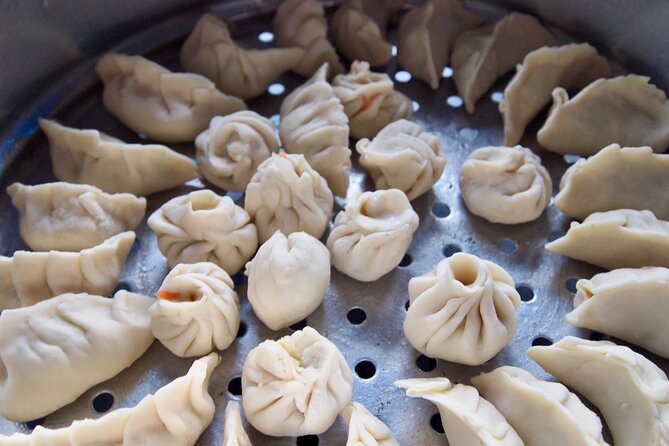
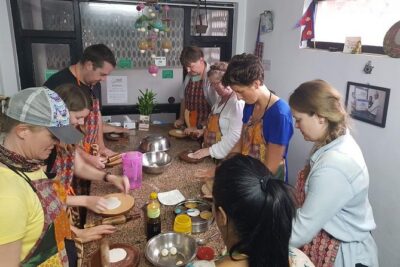
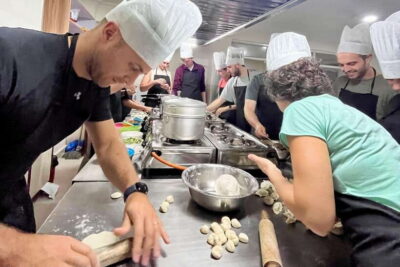
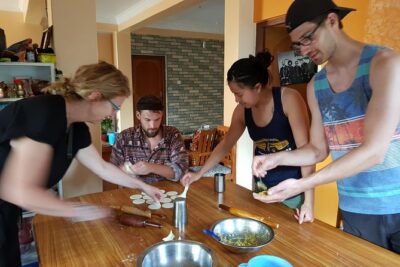
Momos are likely to be the most memorable part of the lesson. These Nepali dumplings require more than placing filling inside dough. You need to prepare the dough, roll it to a workable thickness, add the filling, and shape each piece so it holds together during cooking.
The class gives you a chance to do this by hand rather than watching someone else complete the whole process. That is important because momo shaping is the sort of skill that looks easy until you try it. Your first few may be uneven. That is part of the fun, and the chef’s step-by-step guidance should help you improve as you go.
I would choose this class in part for the momo lesson alone. Momos are widely associated with Nepali food, and learning the basic method gives you something concrete to take home. You may not produce restaurant-perfect dumplings on the first attempt, but you will better understand the folding, filling, and cooking process.
The information does not specify which momo filling or cooking method will be used. The class may therefore be more useful as an introduction than as a specialist workshop devoted only to dumplings.
Same mountains, a completely different kind of day:
- Everest Base Camp Trek – 14 Days
★ 5.0 · 1,499 reviews - Private Kathmandu Sightseeing Tour | UNESCO World Heritage sites
★ 5.0 · 756 reviews - Everest Base Camp Helicopter Tour landing at Everest View Hotel
★ 5.0 · 668 reviews - Everest Base Camp Trekking
★ 5.0 · 485 reviews
Dal bhat, masala tea, and a wider Nepali meal
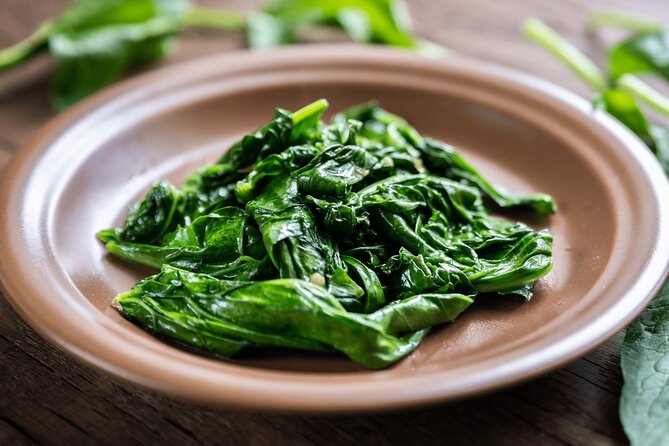
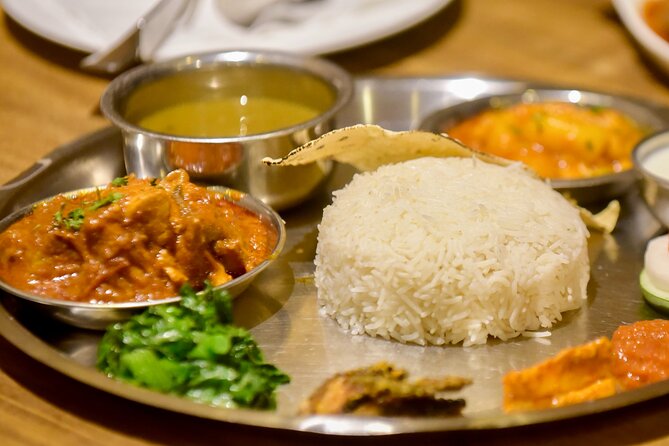
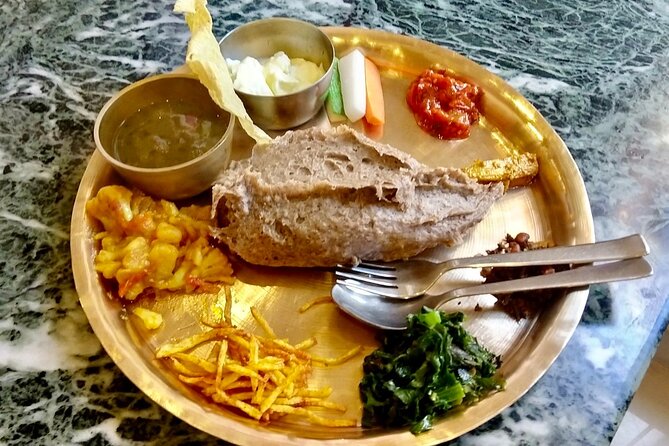
Momos are the headline dish, but the class is not limited to dumplings. Dal bhat is also included among the dishes prepared in past sessions. This traditional combination of lentils and rice is important because it shows you a more complete everyday meal.
Dal bhat can seem simple on paper, yet it brings together seasoning, texture, and balance. Preparing it alongside another dish helps you see how Nepali meals work as a combination rather than as one isolated recipe.
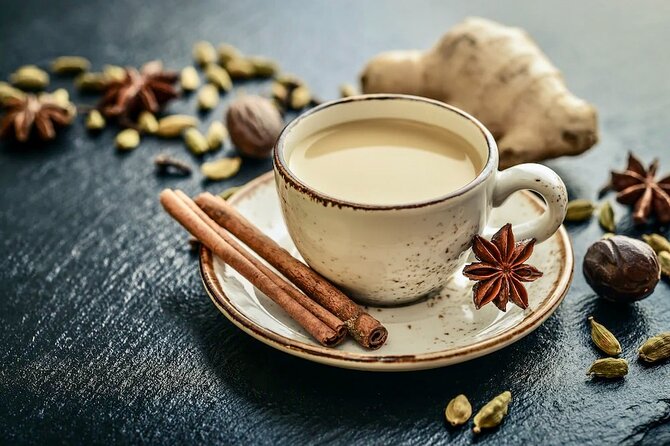
Nepali masala tea is also made during the lesson. That adds a drink to the cooking process and gives you another small recipe to remember. The class materials do not provide a detailed ingredient list or cooking schedule, so the instructor will be the best source for exact methods and quantities.
One past menu also included carrot pudding. This is a useful reminder that the class may include a sweet course, not only savory food. Still, it should be treated as a possible menu item rather than a guaranteed part of every session.
Eating the food you have made
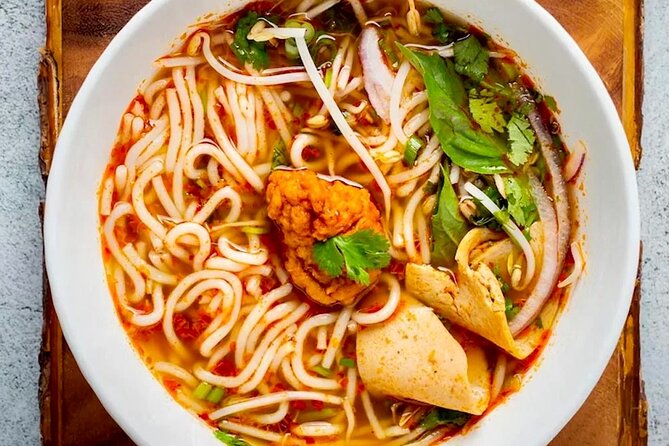
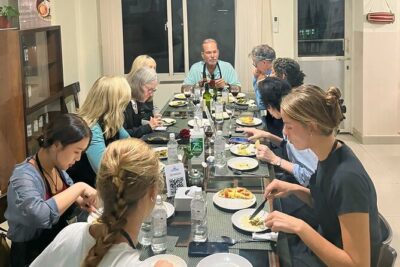
At the end, you sit down to taste the dishes prepared during the class. This final meal is included in the price, along with the food made during the lesson.
I like this format because it closes the loop. You shop for ingredients, handle the preparation, cook the meal, and then eat it. The food has more meaning when you know how much work went into each momo or bowl of dal.
The tasting also makes the class practical for people who are not highly confident in the kitchen. You do not need to produce a perfect dish to enjoy the result. The instructor can guide the process, and the shared meal gives the group a natural time to talk.
Specialty drinks and alcohol are not included. You should also plan to tip separately if you feel the instruction and service deserve it.
Group size, timing, and transportation
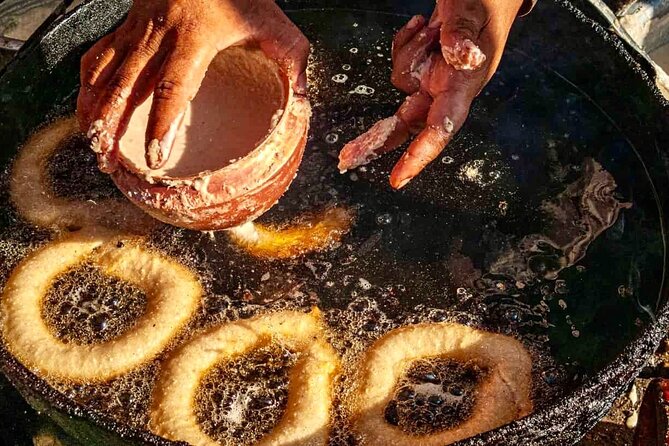
The class lasts about three hours. That is long enough for shopping, preparation, cooking, and eating without taking an entire day away from sightseeing.
A maximum of eight participants is a real advantage. In a larger group, cooking classes can turn into a demonstration where you wait for your turn. Here, you should have a better chance to ask questions, work directly with the ingredients, and receive help with momo shaping or seasoning.
The small group can also make the class more personal without making it private. You may share the kitchen with people who have different cooking backgrounds and come from different countries. That social element is part of the appeal, though anyone seeking quiet, individual instruction should remember that it remains a group activity.
Pickup and drop-off are offered if you select that option. Without it, the class begins and ends at the cooking academy in Thamel. This distinction matters in Kathmandu, where traffic can make even a short journey take time. If your hotel is not close to Thamel, the transfer option may be worth considering for convenience.
Who will enjoy this class most
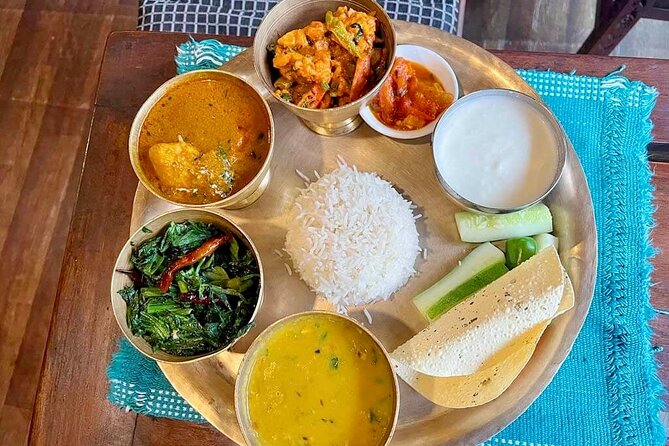
I would recommend this class to anyone who wants more than a restaurant meal but does not want a full-day food program. It works especially well for:
- First-time visitors who want a direct introduction to Nepali food
- Couples and small groups who enjoy cooking together
- Families with an interest in hands-on activities
- Solo visitors who want a social setting
- Food lovers who want to learn momo-making
- People staying in or near Thamel
You do not need advanced cooking ability. The class is designed around guided instruction, and the dishes are prepared with the equipment provided.
It may be less suitable if you need a strictly fixed menu, require a highly specialized dietary program, or want a private lesson. The available details do not state how dietary restrictions are handled, so contact the provider before booking if allergies or food preferences are central to your decision.
The $35 price and what you receive
At $35, the class offers fair value for a three-hour activity in Kathmandu. You are paying for more than a meal. The fee covers instruction, ingredients, equipment, market or shop guidance, masala tea, and the meal at the end.
The ingredient-shopping stop improves the value because it adds context that a standard restaurant meal cannot provide. You see the starting point, learn the preparation, and then taste the result.
Hotel transfers are not automatically part of every booking. They are included only when the pickup option is chosen, so compare the available choices before paying. Specialty drinks, alcohol, and tips are extra.
The activity is commonly booked around 17 days ahead, which suggests that you should not leave it until the last minute if your Kathmandu schedule is tight. Confirmation is provided at booking, and free cancellation is available up to 24 hours before the start time. Cancellations or changes inside that window are not refunded or accepted.
Practical tips for a better class
Wear clothing that is comfortable for cooking and easy to move in. You will be handling dough, filling, spices, and cooking equipment, so this is not the moment for your most delicate outfit.
Arrive with an appetite, but not an enormous one. The meal comes after the preparation, and you will want room to taste the different dishes.
If you have a preferred menu, ask about it early. The available information indicates that you may choose dishes, but the exact selection can vary. This is especially important if you are hoping to make momos, dal bhat, or carrot pudding.
Allow extra time around the three-hour session if you have a flight, timed tour, or evening reservation. The class itself lasts about three hours, but traffic and hotel transfers can affect the rest of your schedule.
The academy is near public transportation, and the end point is the same as the meeting point. If you arrange hotel pickup, verify the pickup choice and location at booking.
Should you book this Kathmandu cooking class?
Book it if you want an easy, social introduction to Nepali food with real participation. The strongest reasons are the ingredient-shopping visit, hands-on momo-making, small group size, and the chance to eat the meal you prepare.
I would give it extra weight if you have only a short stay in Kathmandu. Three hours gives you a useful cultural activity without taking a whole day, and the Thamel location makes it easy to pair with other plans.
Skip it if you need a guaranteed menu, private teaching, or detailed information about dietary accommodations before you commit. For most visitors who like food, practical learning, and a relaxed group setting, $35 is a sensible price for a class that leaves you with more than a full stomach.
FAQ
Where does the Kathmandu cooking class start and finish?
The class starts at Kathmandu Cooking Academy on Yapikhya Marg in Thamel, Kathmandu. It ends back at the same meeting point.
How long does the cooking class last?
The experience lasts approximately three hours.
Is hotel pickup included?
Hotel pickup and drop-off are available if you select that option when booking. They are not automatically included in every booking.
How many people can join the class?
The activity has a maximum of eight participants.
What food will I learn to prepare?
The class includes hands-on preparation of different Nepali meals and Nepali masala tea. Dishes may include momos, dal bhat, and carrot pudding, and menu choices may be available.
Can I cancel for a full refund?
Yes. You can cancel at least 24 hours before the scheduled start time for a full refund. Cancellations or changes made less than 24 hours before the start time are not refunded or accepted.
Just added around Kathmandu
- Private Half-Day Tour of Boudhanath and Pashupatinath Temples in Kathmandu★ 4.5 · 9 reviews
- Private Half-Day Tour of Kathmandu Durbar Square and Swayambhunath Temple★ 4.5 · 11 reviews
- Namobuddha Monastery Hiking Day Tour via Panauti from Kathmandu★ 5.0 · 15 reviews
- Private Full-Day Kathmandu City Tour★ 5.0 · 9 reviews
- Private Day Tour in Kathmandu Valley Rim with Bhaktapur Sightseeing★ 5.0 · 3 reviews
- Private Half Day Budhanilkantha Tour★ 5.0 · 6 reviews
- Private Day Tour: Patan and Bhaktapur from Kathmandu★ 4.5 · 6 reviews
- Private Day Tour – Sacred Journey to Namo Buddha★ 5.0 · 5 reviews
Cooking Classes, compared.
Nepalese Momos or Dal Bhat Cooking Class (Cook with Delight)
Read our review →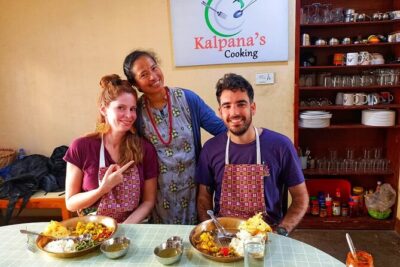
The best Private Nepali Cooking Class in Kathmandu
Read our review →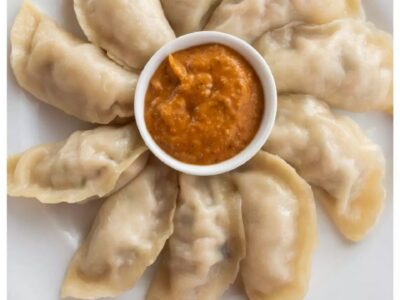
Nepalese Kitchen in Pokhara: Momos or Dal Bhat Cooking Class
Read our review →
Browse the lists this tour appears in