
Reviewed · LANGTANG VALLEY TREKS
Kathmandu: 7 Day Langtang Valley Trek
The best part of this 7-day Langtang Valley trek is the way the route builds toward Kyanjin Gompa. You begin with a long road journey from Kathmandu, then walk beside the Langtang River, through rhododendron forests, and toward a valley framed by white peaks. I like the private format and the chance to spend a full acclimatization day at Kyanjin Gompa. The main catch is simple: this is hard mountain walking, not a gentle sightseeing holiday.
I also like that the price covers the practical pieces that can make Nepal trekking stressful, including permits, transport, teahouse accommodation, an English-speaking guide, and basic first aid. But the service record is mixed. One highly positive account describes a guide who handled everything and felt more like a friend for the week, while another reports poor information, dirty lodges, a shortened trek, and an uninvolved guide. Confirm the details before you pay.
Key points to know before walking north
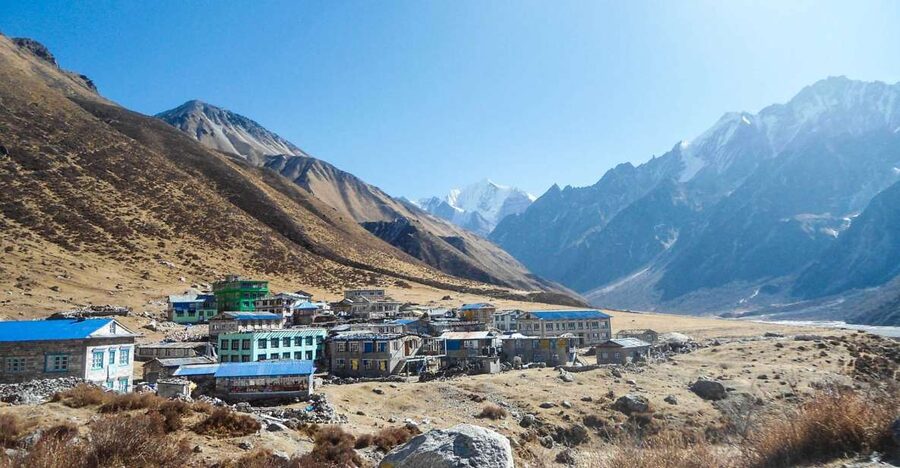
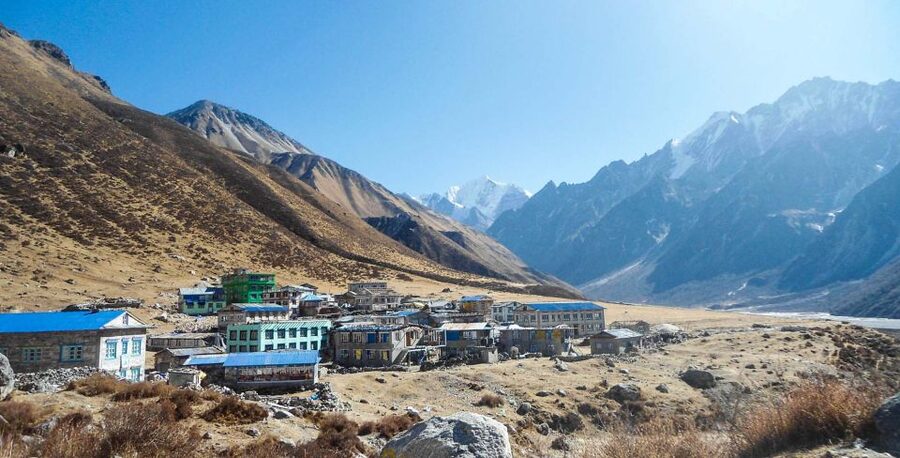
- Kyanjin Gompa is the high point: At 3,870 meters, it gives you a full day for short hikes toward Kyanjin Ri or Tserko Ri.
- The walking is demanding: One account describes days of roughly 15 kilometers, up to eight hours, and as much as 1,200 meters of ascent.
- You travel as a private group: Your English-speaking guide can focus on your pace rather than managing a large mixed group.
- The Tamang culture is part of the route: Langtang Village and nearby settlements offer a closer look at local mountain life.
- Meals are extra: Budget about NPR 2,500 per person per day for food.
- The road trip matters: Day 1 and Day 7 include long vehicle journeys between Kathmandu and Syabrubesi.
What the $450 price really covers
At $450 per person, this trek is not simply a seven-day walk. You are paying for a package that includes hotel pickup and drop-off, transportation from Kathmandu to Syabrubesi and back, Langtang National Park permits, a TIMS card, teahouse accommodation, a licensed guide, and a basic first aid kit.
Hotel accommodation in Kathmandu is usually included for one or two nights before and after the trek. That can be useful if you are arriving from abroad or want help with the first transport connection. The package also lists porter service, although the wording suggests you should confirm whether a porter is included in your quoted price or available as an added option.
Meals are not included. The supplied estimate is about NPR 2,500 per person per day, so set aside roughly NPR 17,500 for seven days of food. Drinks, snacks, and any extra personal costs should be treated separately.
The value depends heavily on the quality of the guide and lodges. A good guide can handle permits, route decisions, check-ins, and altitude concerns, allowing you to focus on walking. A poor guide can leave you feeling that the package is expensive for what it delivers. Before booking, ask for the name of the guide if available, the exact teahouses or their standard, and written confirmation of the return schedule.
More Langtang Valley Treks in Nepal:
- Trekking in Annapurna/Langtang/Everest/Upper Mustang regions
★ 5.0 · 161 reviews - Langtang Valley Trek
★ 5.0 · 140 reviews - Private 8 – Day Langtang Trekking
★ 5.0 · 29 reviews
Day 1: Kathmandu to Syabrubesi at 1,550 meters
The first day is a road day, not a trekking day. You leave Kathmandu by vehicle and pass through villages and changing hill scenery on the way to Syabrubesi, the main starting point for the Langtang route.
This drive is important to understand before booking. The itinerary describes it as scenic, but it is also a long transfer over mountain roads. You may be tired before the first walking day begins, particularly if you have just arrived in Nepal. The benefit is that you reach the trailhead without adding extra walking days.
Syabrubesi is a village in the Langtang region, and you spend the night there. Use this evening to organize your pack, fill water bottles, and discuss the next day with your guide. Since the trek rises steadily from here, ask how fast the group plans to walk and how breaks will work.
Day 2: Syabrubesi to Lama Hotel
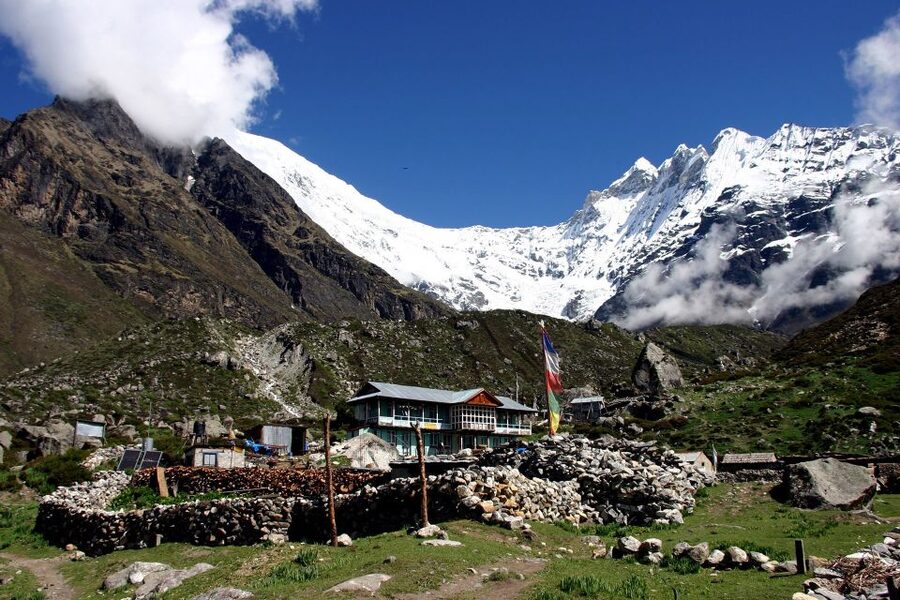
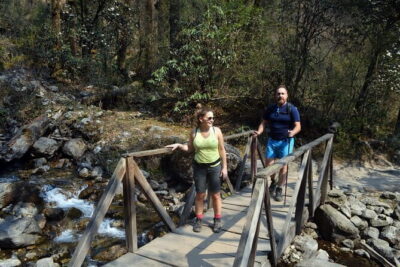
The trek begins beside the Langtang River. You walk through forest, cross suspension bridges, and follow a route that feels shaded and relatively enclosed compared with the open country higher up.
The forest section is one of the pleasant features of the early route. Rhododendron and oak trees provide a change from the roads and villages of Day 1, while the river gives the walk a steady sense of direction. The trail is not flat, though. You gain height as you move toward Lama Hotel, and the combination of steps, uneven ground, and sustained climbing can make this day feel longer than its distance suggests.
Lama Hotel is a small stop among the trees. The attraction is its setting rather than a major sight. You get a quiet evening, a warm meal at your own expense, and a night that breaks the climb toward Langtang Village.
Do not treat this as a warm-up walk. A past participant described the trek as around eight hours of mountain walking on some days, with considerable climbing. Your pace, fitness, weather, and exact route conditions will affect the day, but you should arrive prepared for serious effort.
Day 3: Lama Hotel to Langtang Village at 3,430 meters
Day 3 takes you higher through more forest before the valley begins to open. You continue through rhododendron and oak, with mountain views appearing as the trees thin and the route gains height.
Langtang Village is more than an overnight stop. It is a place to notice the local Tamang culture, architecture, and daily rhythm of a high mountain settlement. The trek gives you more than views of peaks. It also puts you in contact with communities whose lives are tied to the trail, the seasons, livestock, and tourism.
The altitude becomes a real concern here. Langtang Village sits at 3,430 meters, a substantial rise from Syabrubesi. Walk slowly, drink regularly, and tell your guide if you develop a headache, nausea, unusual tiredness, or trouble sleeping. A private group helps because the guide can respond to your pace, but it does not remove the need to take altitude seriously.
This is also a good day to ask about the next night at Kyanjin Gompa. You will be moving above 3,800 meters, and the following acclimatization day is valuable only if you reach it in reasonable condition.
A few more Nepal trips to weigh up
- Everest Base Camp Trek – 14 Days
★ 5.0 · 1,499 reviews - Everest Base Camp Trekking
★ 5.0 · 485 reviews - Nagarkot Sunrise View and Day Hiking from Kathmandu
★ 5.0 · 471 reviews - Annapurna Circuit Trek with Tilicho Lake
★ 5.0 · 368 reviews
Day 4: Langtang Village to Kyanjin Gompa at 3,870 meters
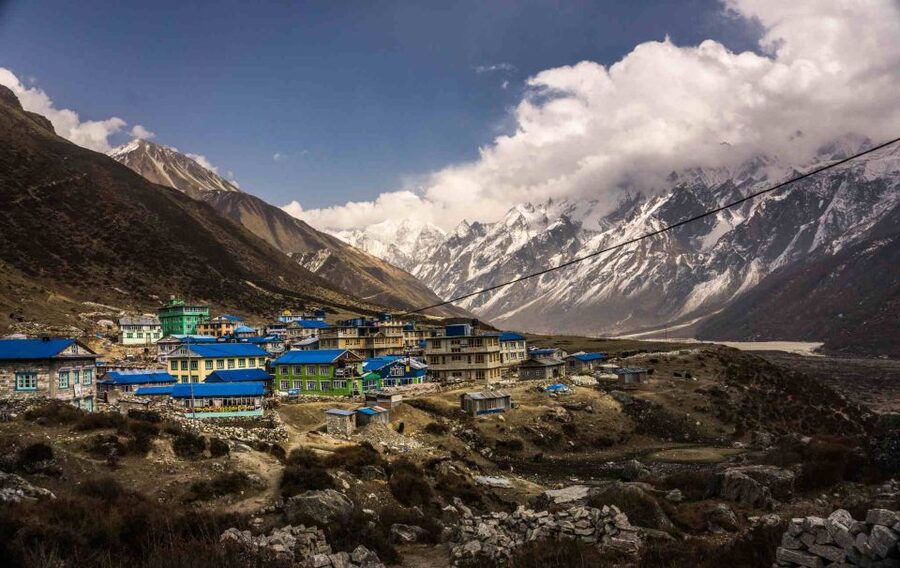
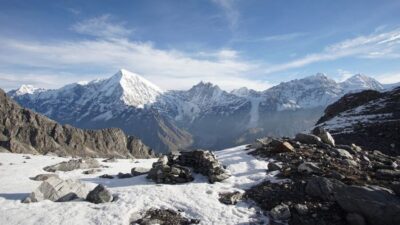
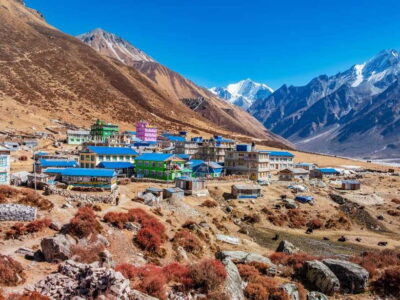
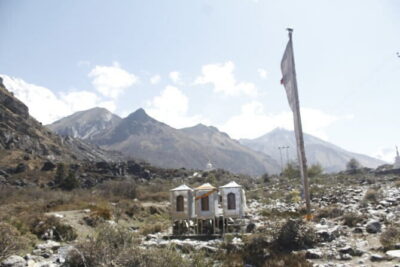
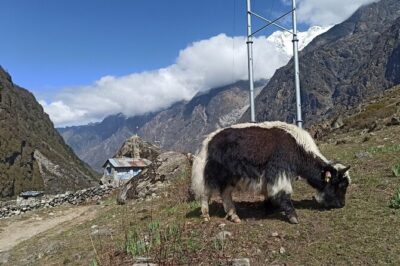
The route changes character as you leave Langtang Village. You pass yak pastures and glacial streams, with the valley opening toward the high peaks. Kyanjin Gompa is the main destination of the trek and the place where the route feels most distinctly Himalayan.
The Buddhist monastery gives the stop cultural meaning, while the views toward Langtang Lirung and surrounding peaks provide the visual reward. You have spent several days walking toward the head of the valley, so arriving here feels like reaching the point of the journey rather than just another overnight halt.
At 3,870 meters, Kyanjin Gompa is high enough that you need to slow down. Your body may respond well, or you may feel the altitude immediately. Avoid racing into the village, and do not assume that strong fitness alone protects you from altitude problems.
The best plan is to keep the afternoon easy. Explore the monastery, look around the settlement, and let your guide know how you feel. If you reach Kyanjin Gompa late or exhausted, the next day should be used conservatively rather than treated as a race for the highest viewpoint.
Day 5: Acclimatization around Kyanjin Gompa
This day is one of the strongest features of the itinerary. Instead of sleeping at Kyanjin Gompa once and immediately descending, you spend a second night at altitude and have time to adjust.
You can take a shorter hike toward Kyanjin Ri or Tserko Ri, depending on conditions, your energy, and your guide’s advice. These walks offer broad mountain views, but they are not compulsory. At this altitude, a modest outing may be the wiser choice than pushing for a summit.
You can also visit the local cheese factory. That provides a slower way to understand how food is produced in a remote mountain region, and it gives your legs a break. The itinerary does not specify the factory’s opening hours or tasting arrangements, so ask your guide what is available on the day.
I like this day because it gives the trek a better rhythm. You are not simply climbing, sleeping, and turning around. You have time to look around, adjust to the height, and enjoy the area. Still, acclimatization is not a guarantee against illness. If you feel unwell, tell your guide and follow the safest plan.
Day 6: Kyanjin Gompa back to Lama Hotel
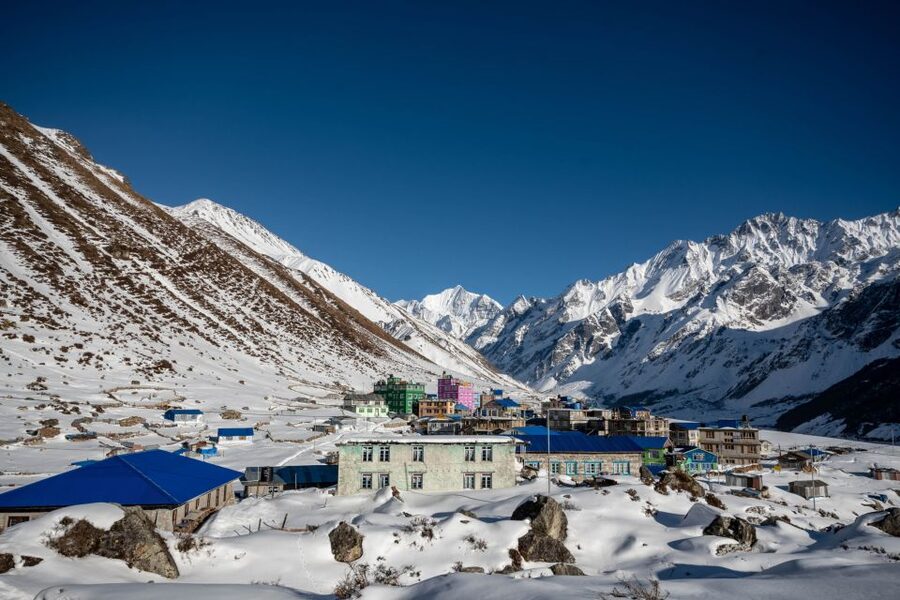
The return begins by retracing the route through the Langtang Valley. Descending is usually easier on the lungs, but it can be demanding on knees and ankles, especially after several days of climbing.
You will recognize parts of the route from the upward journey, but the views change when you are walking in the opposite direction. The river, forests, bridges, and village sections take on a different feel after the high country around Kyanjin Gompa.
Lama Hotel is a useful stopping point because it divides the descent before the final walk to Syabrubesi. Expect a tired evening. This is not the time for a late celebration or a heavy drinking session. Eat, check your belongings, and ask your guide exactly when the vehicle will leave the next day.
Day 7: Lama Hotel, Syabrubesi, and Kathmandu
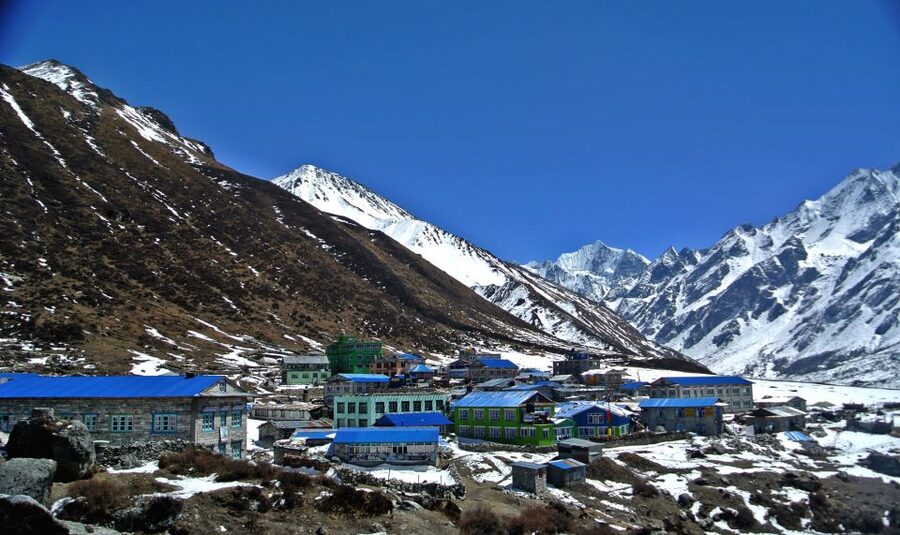
Your final walking section takes you from Lama Hotel to Syabrubesi, where you board a vehicle for Kathmandu. The day combines a final trek with another long road transfer, so the schedule can feel tight.
This timing deserves special attention. One past booking account reports that the trek was shortened by a day because the group needed to return in time for a flight. That is a serious warning for anyone with a fixed international departure. Do not plan a close connection after this trek. Ask for the expected arrival time in Kathmandu and leave a generous buffer before your flight.
The return drive also depends on road conditions and traffic. The tour includes transportation back to Kathmandu, but it cannot guarantee a precise arrival hour from the information provided. Treat the final day as a full travel day.
A private guide can make or break the week
The private-group format is sensible for a trek with changing altitude and uneven daily effort. A group of strangers may walk at very different speeds, while a private guide can tailor breaks and advice more closely to you.
The best account of this trek describes a guide who managed everything and became a trusted companion during the week. That is the right standard to expect from a strong guide: clear pacing, help with accommodation, attention to health, and practical support when the route becomes tiring.
The service is not guaranteed to be consistent. Another account reports inaccurate preparation advice, poorer accommodation, and a guide who kept to himself. Because the overall rating is 4.2 from only three ratings, you should not treat the score as a full guarantee.
Ask these questions before departure:
- Who is my guide, and is the guide licensed?
- Is porter service included or optional?
- What standard of teahouse should I expect?
- What happens if weather or road conditions change the schedule?
- What is the planned Kathmandu arrival time on Day 7?
- Are Kathmandu hotel nights included in my exact booking?
Clear answers will tell you a great deal about the operator.
Teahouses, food, and what to pack
Accommodation is in teahouse lodges during the trek. These are practical mountain lodges, not luxury hotels. Standards can vary, so pack with the assumption that you will want warm layers, a sleeping bag suitable for cold mountain nights, and personal toiletries.
Meals cost extra, with an estimate of NPR 2,500 per person per day. Carry some snacks for long walking days, but do not assume every item will be available along the route. Your guide can help explain what is sold at each stop.
Bring a passport-sized photo, your passport or an accepted copy of your ID. Oversize luggage is not allowed, and drones are prohibited. Pack a small trekking bag for the route and arrange any larger luggage according to the operator’s instructions.
The route includes hundreds of steps. That detail matters. Even if you walk regularly, stair climbing with a pack can be tiring, particularly after the altitude increases. This trek is not suitable for pregnant women, wheelchair users, people with mobility impairments, or people with back problems.
Who should book the Langtang Valley Trek
I would recommend this trip to a reasonably fit hiker who wants a serious Himalayan route without committing to a much longer expedition. Seven days is short enough to fit into a Nepal visit, yet long enough to reach Kyanjin Gompa and spend a full day there.
You should be comfortable with long uphill days, suspension bridges, uneven trails, hundreds of steps, and basic teahouse accommodation. You also need patience for the road journey to and from Syabrubesi.
This is a poor fit if you want polished hotels, guaranteed meal inclusion, easy walking, or a tightly timed return to catch a flight. It is also not appropriate if you have one of the medical or mobility limitations listed above.
The route is especially appealing if you value mountain scenery and contact with Tamang and Sherpa communities as much as famous viewpoints. The combination of forest, river, village, monastery, yak pasture, and snow-covered peaks gives each section a different feel.
Should you book this trek?
Book it if you want a demanding but compact Himalayan trek, appreciate private guiding, and have enough time to handle an unpredictable final travel day. The strongest reasons to go are Kyanjin Gompa, the acclimatization day, the mountain views, and the chance to walk through communities rather than simply drive to a viewpoint.
Before committing, get the guide, lodge standard, porter arrangement, meal budget, and Day 7 return plan in writing. The $450 price can be fair when the organization is good, but the mixed service record means you should not book on scenery alone.
If you are fit, flexible, and ready for long mountain days, this can be a powerful first trek in Nepal. If you need comfort, precise timing, or effortless walking, choose a gentler program.
FAQ
How long is the Langtang Valley Trek?
The trek lasts seven days, including transportation from Kathmandu to Syabrubesi on Day 1 and the return to Kathmandu on Day 7.
What is the highest overnight point?
Kyanjin Gompa is the highest overnight point listed, at 3,870 meters.
Is there an acclimatization day?
Yes. Day 5 is an acclimatization day at Kyanjin Gompa, with optional short hikes toward Kyanjin Ri or Tserko Ri and a possible visit to the local cheese factory.
Are meals included in the price?
No. Meals are not included. The estimated food cost is about NPR 2,500 per person per day.
What is included in the $450 price?
The package includes hotel pickup and drop-off, trekking permits, a TIMS card, teahouse accommodation, an experienced licensed guide, transportation, a basic first aid kit, and usually one or two nights of Kathmandu hotel accommodation.
Is porter service included?
Porter service is listed as available, but the supplied details do not make clear whether it is included in every $450 booking. Confirm this with Worldwide Tourism Inc before departure.
Is the trek private?
Yes. This is organized as a private group with a live English-speaking guide.
What documents should I bring?
Bring a passport-sized photo and your passport or ID card. A copy is accepted for the identification document.
Can I cancel the booking?
You can cancel up to 24 hours in advance for a full refund, according to the stated booking terms.
More 7-Day Experiences in Nepal
- Pokhara: 7 Day Annapurna Base Camp Trek
★ 4.9 · 38 reviews - Annapurna Base Camp Trek from Pokhara 7 Days
★ 5.0 · 19 reviews - 7 days Nepal Motorcycle tour
★ 5.0 · 12 reviews - Kathmandu to Langtang Valley 7-Day Trek
★ 5.0 · 11 reviews
Just added around Nepal
- Private Half-Day Tour of Boudhanath and Pashupatinath Temples in Kathmandu★ 4.5 · 9 reviews
- Private Half-Day Tour of Kathmandu Durbar Square and Swayambhunath Temple★ 4.5 · 11 reviews
- Namobuddha Monastery Hiking Day Tour via Panauti from Kathmandu★ 5.0 · 15 reviews
- Private Full-Day Kathmandu City Tour★ 5.0 · 9 reviews
- Private Day Tour in Kathmandu Valley Rim with Bhaktapur Sightseeing★ 5.0 · 3 reviews
- Private Half Day Budhanilkantha Tour★ 5.0 · 6 reviews
- Private Day Tour: Patan and Bhaktapur from Kathmandu★ 4.5 · 6 reviews
- Private Day Tour – Sacred Journey to Namo Buddha★ 5.0 · 5 reviews
Langtang Valley Treks, compared.
Browse the lists this tour appears in