
Reviewed · ANNAPURNA CIRCUIT TREKS
Annapurna Circuit Trekking 13 Days
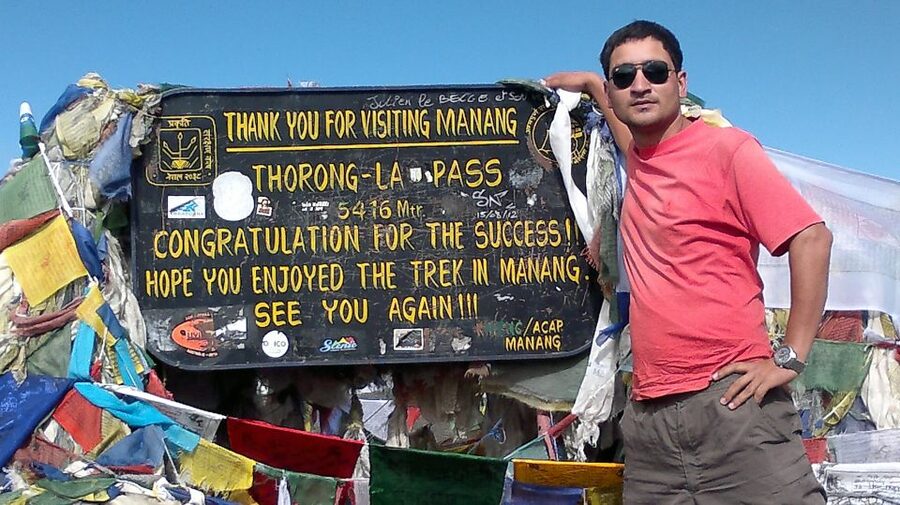
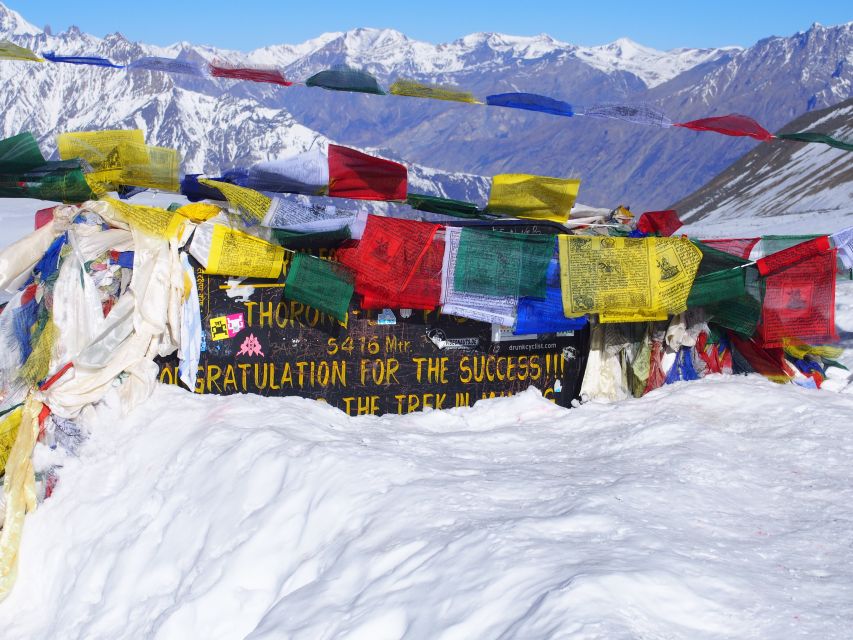
The high point is clear: you cross Thorong La Pass at 5,416 meters, then drop into the dry Mustang region and reach the pilgrimage site of Muktinath. Few treks change so sharply from river valleys and pine forests to high Himalayan rock and windblown valleys in less than two weeks.
I like the small group size, limited to 12 people, and the strong guide support. I also like the way the price covers permits, meals, tea-house lodging, gear such as a sleeping bag and down jacket, and transport between major points. The main drawback is the pace: the pass day is long, high, and physically demanding, while basic lodging and public transport will not suit everyone.
Key points at a glance
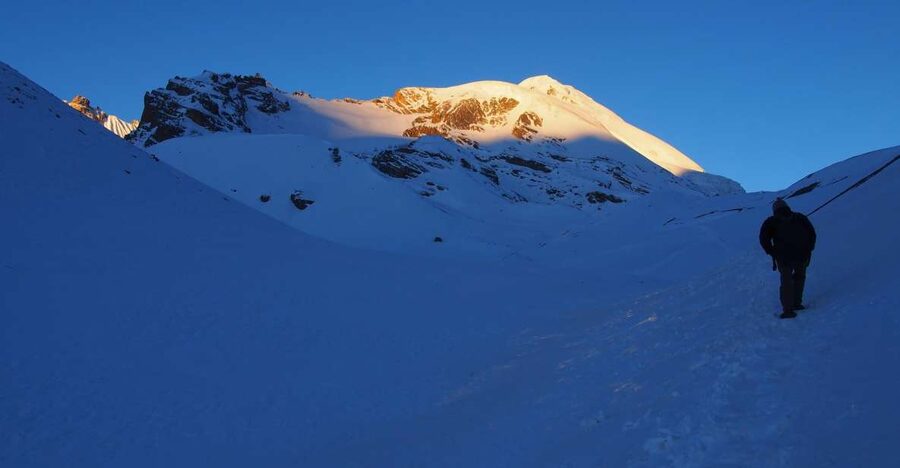
- Thorong La at 5,416 meters: The trek’s hardest and most memorable day, with an early start from Thorong Phedi and a descent to Muktinath.
- A changing route: You move from the Marshyangdi River Valley and green forests to Manang’s Tibetan Buddhist communities, then into dry Lower Mustang.
- Acclimatization in Manang: Day six gives your body time to adjust before the route climbs above 4,000 meters.
- Poon Hill finale: An early morning climb to 3,210 meters adds a classic Himalayan viewpoint before you finish in Pokhara.
- Useful inclusions: Meals, 12 tea-house nights, permits, a licensed guide, airport pickup, selected transport, and trekking gear are included.
- Personal guide care: Ganesh received especially strong praise for patience and mountain skill, while Rabin was singled out as a guide worth requesting if available.
Why this 13-day route is worth considering
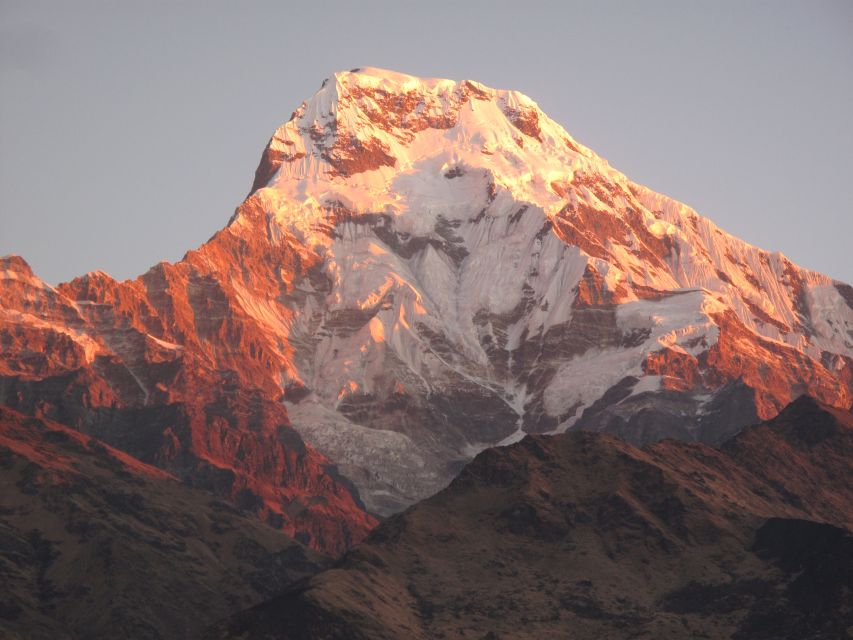
The Annapurna Circuit works because it keeps changing. One day you follow the Marshyangdi River through forest and waterfalls. A few days later, you are in Manang, where Tibetan Buddhist culture shapes the villages and mountain views. After Thorong La, the route feels drier and more open around Muktinath, Kagbeni, Jomsom, and the Kali Gandaki Valley.
That variety gives the trek more depth than a simple out-and-back mountain walk. You see different climates, communities, and forms of mountain life. The route also ends with Poon Hill, so you get a final sunrise viewpoint rather than simply stopping after the pass.
The cost is $970 per person. I see that as a solid package price for a guided trek, provided you use the included gear and meals. It covers 12 nights in basic twin-sharing tea houses, three meals each trekking day, Annapurna permits, a government-licensed guide, airport pickup, transport from Kathmandu toward the trail, transport from Jomsom to Tatopani, the taxi to Pokhara, a hotel night in Pokhara with breakfast, and the tourist bus back to Kathmandu.
You still need to budget for a Nepal entry visa, international flights, Kathmandu lodging and meals, drinks, personal spending, and a porter if you want one. A porter costs an additional $250. Private transport is also extra, so the included public buses may bring some rough edges to the journey.
More Annapurna Circuit Treks in Annapurna Region:
- Kathmandu/Pokhara: Annapurna Circuit Trek 10 days
★ 5.0 · 6 reviews - Annapurna Circuit Trek With Tilicho Lake :Best Trek in Nepal
★ 5.0 · 4 reviews - Annapurna Circuit Trek with Tilicho Lake
★ 5.0 · 368 reviews
From Kathmandu to Jagat: a long first day
Day one is mostly about reaching the trail. You travel from Kathmandu toward Besisahar and continue to Jagat, at about 1,100 meters. The drive takes eight to nine hours, so this is not a gentle sightseeing day. It is a practical transfer that gets you close to the walking route.
The transport plan includes a taxi to the Kathmandu bus station and public bus travel toward Bhulbhule, with the wider route listed through Besisahar. Public transport costs less than a private vehicle, but you should expect a less polished start. Bring water, snacks, and patience for a full day on the road.
From Jagat, the trek begins properly. You are already low enough to enjoy warmer air, river scenery, forests, and settlements without dealing with high-altitude cold. The first stretch lets your legs find their rhythm before the route begins climbing in earnest.
Jagat to Chame: river valleys and mountain villages
On day two, you walk from Jagat to Dharapani, gaining altitude to 1,960 meters over six to seven hours. The route follows the Marshyangdi River Valley, with waterfalls, forest, and local communities providing much of the interest. This is the part of the trek that feels green and enclosed.
Day three takes you from Dharapani to Chame, the district center of Manang, at 2,710 meters. Expect five to six hours of walking. The change in altitude begins to matter here, even though the day is not the hardest on paper.
Chame is a useful stop because it marks a more definite shift toward the high mountain zone. You are no longer simply walking through a river corridor. The route begins to feel bigger, colder, and more exposed, with Annapurna views appearing between the wooded sections.
The tea houses are basic, generally offering twin-sharing accommodation. That keeps the package affordable, but you should not expect hotel comfort in the mountains. Meals are included, with local and continental-style food available along the route.
Pisang and Manang: the trek’s cultural center
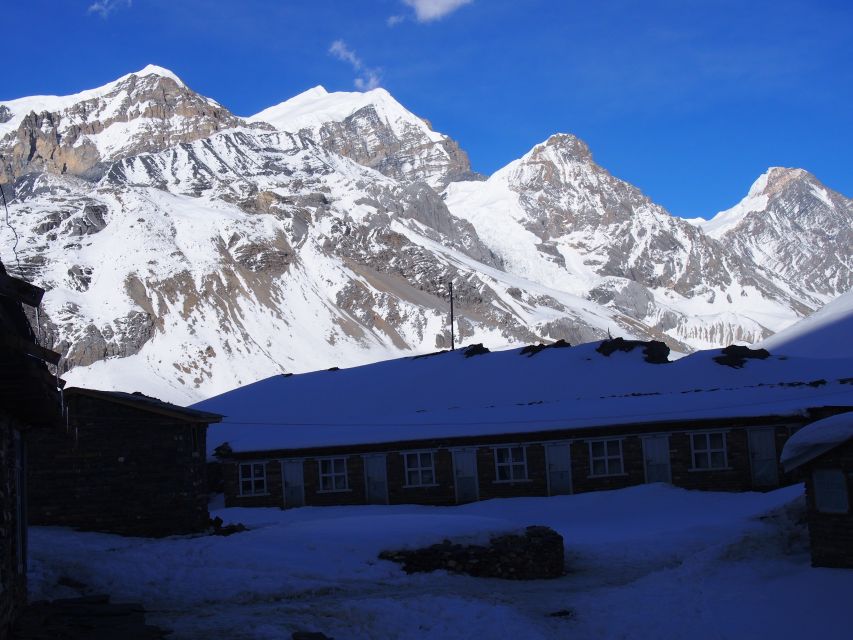
Day four leads from Chame to Pisang at 3,300 meters. The walk takes five to six hours. The forests thin as you climb, and the surrounding peaks begin to dominate the route.
Pisang is more than an overnight stop. It is one of the places where the trek’s cultural change becomes clear. You are moving toward communities shaped by Tibetan Buddhism, and the high-altitude setting feels noticeably drier and more open.
Day five brings a longer six to seven-hour walk from Pisang to Manang, at 3,540 meters. This is one of the route’s key days because Manang is both a cultural stop and an acclimatization base. You have climbed high enough for altitude to become a serious concern, so the following rest day matters.
I like that this itinerary does not rush straight from the lower valley to the pass. A schedule can look efficient on paper while being unkind to your body. Here, the day in Manang creates breathing room before the trek goes above 4,000 meters.
A few more Annapurna Region trips to weigh up
- Pokhara: 7 Day Annapurna Base Camp Trek
★ 4.9 · 38 reviews - Pokhara: 2 & 3 Days Ghorepani Poon Hill Private Guided Trek
★ 4.9 · 27 reviews - Pokhara: 1-Day Scenic Australian Camp & Dhampus Guided Hike
★ 4.9 · 24 reviews - From Pokhara: Day Hiking Australian Camp & Dhampus
★ 5.0 · 17 reviews
Manang acclimatization: a day that earns its place
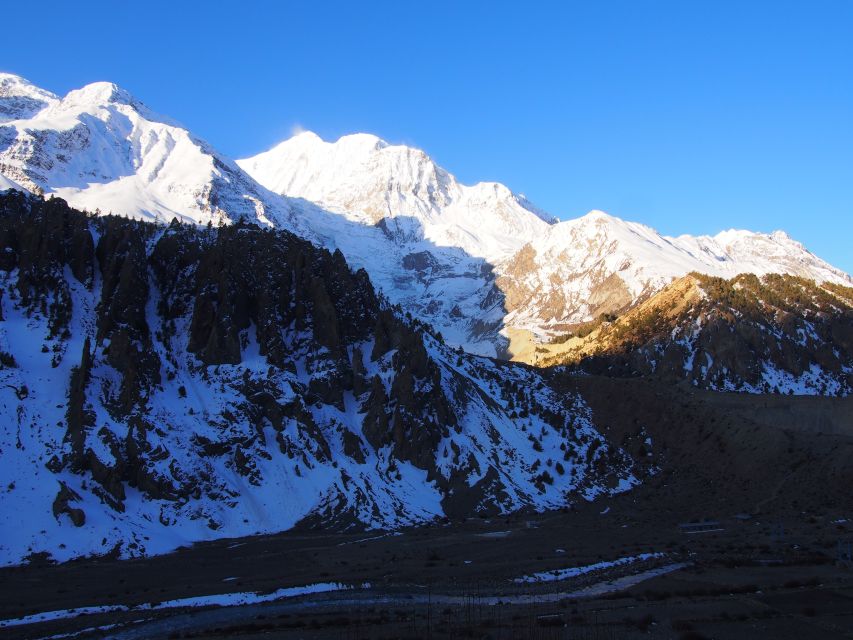
Day six is an acclimatization day in Manang. You should not think of this as a wasted day. At 3,540 meters, your body needs time to adjust before the route climbs to Yak Kharka and Thorong Phedi.
The supplied information does not give a fixed activity plan for this day, so the exact use of your time depends on the guide and group. You can expect it to function as a rest and adjustment day within the itinerary. This is also a good point to check your clothing, water, sleeping setup, and daypack before the high section.
The guides speak English, Nepali, and Hindi. The strongest personal feedback focused on guide care. Ganesh was praised for listening, patience, attention to detail, and mountain experience. Daniel specifically recommended asking for Rabin as a guide. You can request either by name, but availability is not guaranteed.
Yak Kharka to Thorong Phedi: where the air gets thin
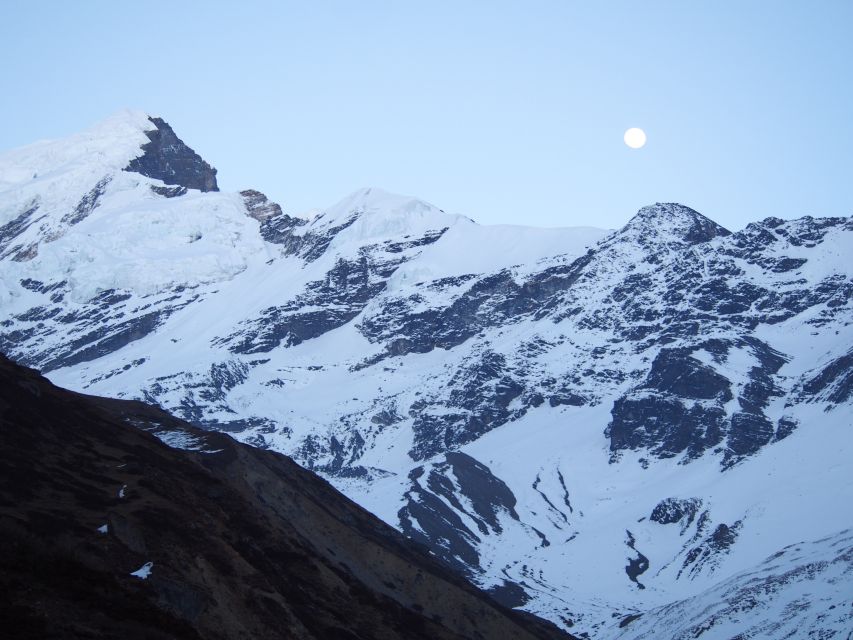
Day seven climbs from Manang to Yak Kharka, at 4,120 meters, in four to five hours. The shorter walking time does not mean an easy day. At this height, a moderate climb can feel slow, and you will want to keep a steady pace rather than race ahead.
Yak Kharka is a functional overnight stop before the pass. The appeal is not luxury or a long list of attractions. Its value is its position on the route and the chance to spend a night higher up before tackling Thorong La.
Day eight continues to Thorong Phedi, at roughly 4,450 meters, in four to five hours. This is the final staging point before the pass. The accommodation remains basic, and the cold and altitude can make this night less comfortable than earlier stops.
You should treat the guide’s advice seriously here. The pass crossing is the trek’s biggest physical test, and the schedule leaves little room for a casual late start. Keep your warm layers and essential items close rather than buried in luggage.
Thorong La and Muktinath: the defining day
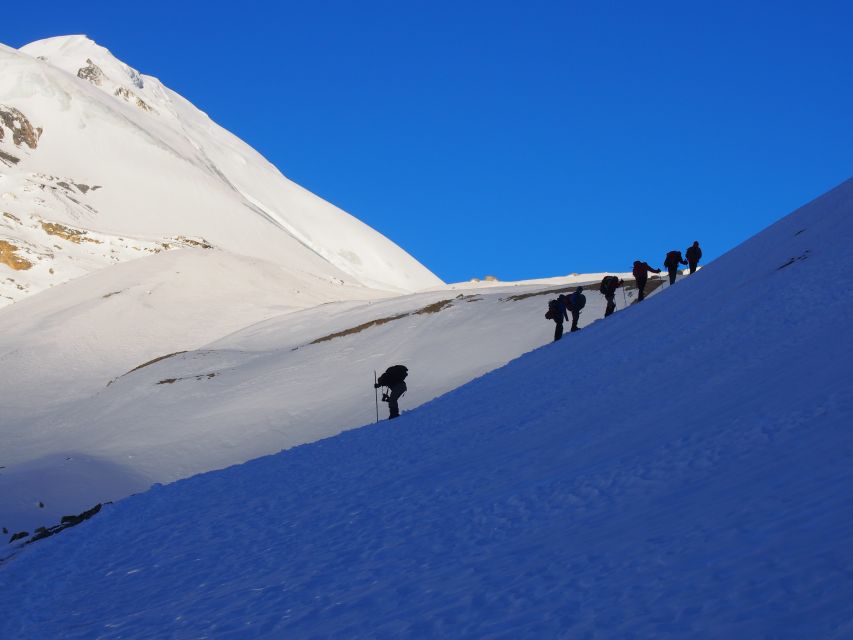
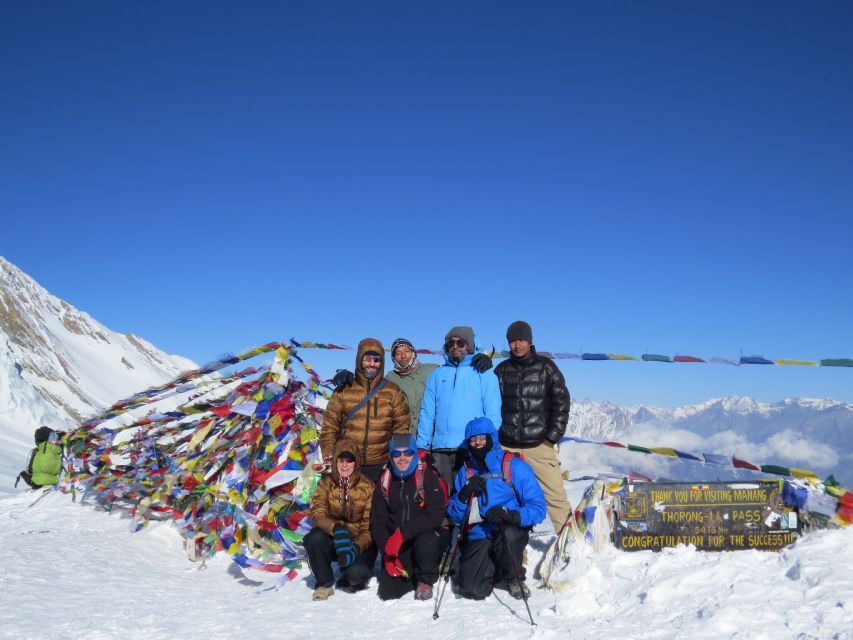
Day nine is the centerpiece. You leave Thorong Phedi, climb to Thorong La at 5,416 meters, and descend to Muktinath at 3,802 meters. The full day takes seven to eight hours.
This is a technical high pass in the sense that the altitude and terrain demand care, even though the provided route does not describe climbing equipment or rope work. The challenge is the thin air, steep effort, cold, and long descent. You need good fitness and a willingness to walk at the group’s pace.
The reward is not limited to reaching the pass marker. You get wide views of the Annapurna peaks and the surrounding high country, then a dramatic change as you descend toward Muktinath. The route crosses from the wetter eastern side of the circuit into the drier Lower Mustang region.
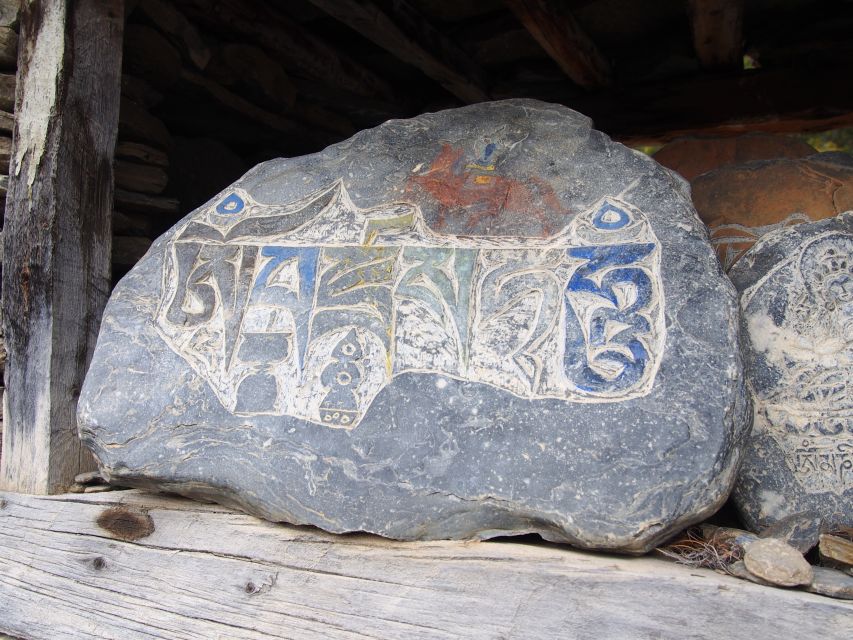
Muktinath is a spiritual center and an important pilgrimage destination. Its religious importance gives the stop a different character from the villages earlier in the trek. Even if you are mainly here for the mountains, allow time to notice the sacred setting rather than treating Muktinath as just a bed for the night.
Jomsom and the Kali Gandaki Valley
Day ten runs from Muktinath to Jomsom, at 2,743 meters, over five to six hours. The descent brings easier breathing, but the terrain remains exposed and dry. The route passes through the wider Kali Gandaki Valley, known here for strong winds and an open, rugged feel.
Jomsom is a practical transport point. Day eleven uses a public vehicle from Jomsom to Tatopani, taking four to five hours. The route package includes this public transport, not a private transfer. That helps keep the cost under control, though schedules and comfort may be less predictable than with a dedicated vehicle.
Tatopani is a welcome change of pace. Its natural hot spring gives you a chance to soak tired muscles before the final walking section. The stop also reminds you how quickly the circuit shifts in climate, since you have moved down to about 1,290 meters.
Tatopani to Poon Hill: a second mountain finish
Day twelve is a seven to eight-hour climb from Tatopani to Ghorepani, at 2,750 meters. It is a serious uphill day after the pass, so do not assume the difficult work ended at Thorong La.
The route meets the Lower Annapurna section as you climb through Sikha toward Ghorepani. This gives the final part of the trek a different feel from the high pass section. Forest, village paths, and renewed views replace the stark upper valleys.
Day thirteen starts early with the hike to Poon Hill at 3,210 meters. From there, you descend to Nayapul, at about 2,070 meters, then take a taxi to Pokhara. The full day is listed at seven to eight hours.
Poon Hill is a smart finale. The viewpoint gives you one more chance to see the Himalayan peaks at sunrise before ending the walking route. The early start may be unwelcome after 12 days on foot, but it is part of what makes the finish memorable.
What the $970 price really covers
At $970, this is not a bare-bones permit-and-guide deal. The package includes:
- Airport pickup on your arrival date
- Taxi transfer to the Kathmandu bus station
- Public transport toward the trek
- A licensed guide, including salary, food, accommodation, equipment, and insurance
- Breakfast, lunch, and dinner during the trek
- Trekking permits
- Twelve nights in basic twin-sharing tea houses
- One hotel night in Pokhara with breakfast
- Jomsom to Tatopani public transport
- Taxi from the trek ending point to Pokhara
- Tourist bus from Pokhara to Kathmandu
- Sleeping bag, down jacket, and duffel bag if needed
- First-aid supplies and an oximeter
- An Annapurna Circuit map
- Luggage storage during the trek if needed
The value is strongest if you want a guided trip with the main costs bundled together. You avoid arranging permits, guide payments, most food, and several transfers on your own.
The omissions are normal but important. International airfare and the Nepal visa are yours. Kathmandu hotel and city meals are not included. Drinks, personal expenses, private transport, and porter service cost extra. If you prefer your own room or higher-end accommodation, the twin-sharing tea-house setup may feel too basic.
Who will get the most from this trek
I would recommend this trip to a fit hiker who wants a supported high-altitude route without paying for a private luxury setup. The small group limit of 12 gives you more personal contact than a large departure, while the included guide and first-aid kit add useful support.
It is also a good match if you want cultural variety. Manang, Muktinath, Kagbeni, Jomsom, and the Kali Gandaki Valley give the journey more than mountain views alone.
I would pause before booking if you have little walking experience, dislike long transport days, or are uncomfortable with basic tea houses. The pass day reaches 5,416 meters, and the route includes several six to eight-hour walking days. Spring and autumn are identified as the best seasons, so those periods make the most sense for planning.
The cancellation policy allows a full refund when you cancel at least 24 hours in advance. You can also reserve now and pay later, which helps if your dates are still taking shape.
Should you book the Annapurna Circuit Trek?
Book it if you want a well-priced, two-week Himalayan circuit with a clear route, strong guide involvement, and the major logistics handled for you. The combination of Thorong La, Muktinath, Manang, the Kali Gandaki Valley, and Poon Hill gives you an unusually varied trip.
Before paying, confirm the likely guide assignment, especially if you hope to trek with Rabin or Ganesh. Also ask yourself whether you are ready for high altitude, shared tea-house rooms, public transport, and a long pass day. If the answer is yes, the $970 package offers a practical way to experience one of Nepal’s most varied trekking routes.
FAQ
How long is the Annapurna Circuit trek?
The trek lasts 13 days, including transport from Kathmandu, the walking route, the transfer to Pokhara, and the tourist bus from Pokhara to Kathmandu.
What is the highest point on the trek?
The highest point is Thorong La Pass at 5,416 meters, or 17,769 feet.
Is there an acclimatization day?
Yes. Day six is an acclimatization day in Manang, at 3,540 meters.
What languages does the guide speak?
Guides are available in English, Nepali, and Hindi.
How large is the group?
The group is limited to 12 participants.
Are meals included?
Breakfast, lunch, and dinner are included during the trek. Meals in Kathmandu and other city meals are not included.
What accommodation is included?
The price includes 12 nights in basic twin-sharing tea houses during the trek and one hotel night with breakfast in Pokhara.
Is a porter included?
No. A porter is optional and costs an additional $250.
Is trekking equipment provided?
A sleeping bag, down jacket, and duffel bag are provided if you need them. They must be returned after the trip.
Which seasons are best for the trek?
Spring and autumn are listed as the best seasons for this trek.
Just added around Annapurna Region
- Pokhara: Poon Hill Trek★ 5.0 · 3 reviews
- Pokhara: Day Hiking to Australian Base Camp with Lunch★ 5.0 · 4 reviews
- Pokhara: Hike To Australian Base Camp★ 3.5 · 4 reviews
- Pokhara: Annapurna Foothills Private Day Hike with Transfers★ 5.0 · 3 reviews
- From Pokhara: Annapurna View Day Hike★ 5.0 · 3 reviews
- Pokhara: Amazing 7-Day ABC Trek with Natural Hot Spring★ 5.0 · 5 reviews
- Pokhara: 5-Day Annapurna Base Camp Trek with Hot Spring★ 5.0 · 3 reviews
- Pokhara: 4-Day Mesmerizing Mardi Himal Guided Trek★ 4.8 · 9 reviews
Annapurna Circuit Treks, compared.
15-Day Private Annapurna Circuit Trek from Kathmandu
Read our review →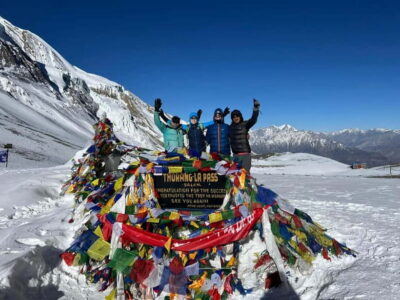
Browse the lists this tour appears in