
Reviewed · ANNAPURNA CIRCUIT TREKS
Annapurna Circuit Trek
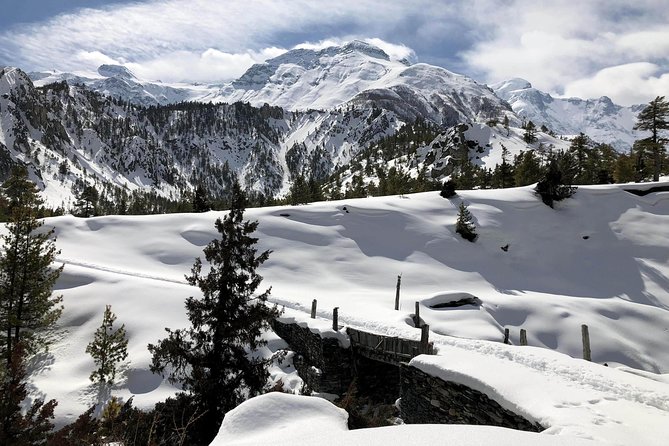
The Annapurna Circuit gives you a rare change of scenery every few days: thick forest and waterfalls near Jagat, dry high valleys around Manang, a serious high pass at Thorong La, and hot springs near Tatopani. This 14-day guided trek takes you from Kathmandu across the mountains and back through Pokhara, with the major transport and trail arrangements handled for you.
I like the private-trip format, since your own guide can adjust the pace and help with the many small decisions that matter at altitude. I also like that the price includes teahouse lodging, three daily meals, permits, a trekking map, and transport on the long road sections.
The main catch is the physical demand. You reach 5,416 meters at Thorong La, and one account describes nighttime cold near minus 20 degrees Celsius with strong wind. You need solid fitness, proper cold-weather gear, insurance, and a willingness to accept basic mountain lodging.
Key points before you book
- Thorong La is the big test: The pass reaches 5,416 meters, with an early start from Thorong Phedi and a seven-to-eight-hour day ending at Muktinath.
- The scenery changes fast: You move from river valleys and forest to dry Tibetan-style terrain, then back toward waterfalls, hot springs, and lower hills.
- Your guide matters: Past clients specifically praised guides including Santosh, Ganesh, Rabin, Sandip, and Chakra for patience, planning, safety, and local insight.
- Most essentials are included: Teahouse rooms, breakfast, lunch, dinner, permits, TIMS, a guide, a map, and key bus or private transfers are covered.
- The trek is private: Only your group participates, which gives you more say over pace and daily decisions than a large scheduled group.
- You still pay for extras: Insurance, rescue cover, bottled or boiled water, showers, laundry, phone use, charging, tips, and a porter are not included.
Why the Annapurna Circuit still earns its reputation
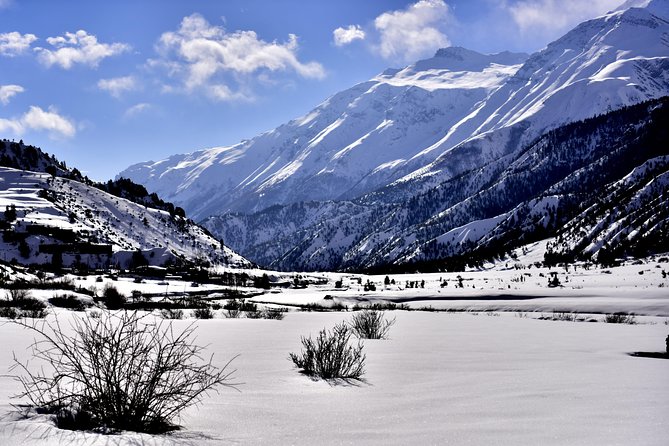
I like the Annapurna Circuit because it is not one long view of snowy peaks. It is a journey through several distinct parts of Nepal, each with its own climate, architecture, vegetation, and communities.
The route begins with a long drive rather than a scenic first hike. That may sound disappointing, but it lets you reach Jagat quickly and save your walking days for the mountain route. From there, the trail climbs gradually through the Marsyangdi valley, giving your body time to adjust before the high country.
The guide adds real value here. You are not simply shown the path. A good guide keeps track of the next day, checks how you are handling the altitude, explains local customs, and helps sort out meals, rooms, transport, and timing. Clients have singled out Santosh, Ganesh, Rabin, Sandip, and Chakra for exactly these qualities, though your assigned guide may be different.
The private format is especially useful for a route with long days and changing conditions. You can ask questions, take a short break, or spend more time at a village without being tied to a large group schedule. Still, private does not mean easy. The trail includes steep climbs, high altitude, rough roads, and basic facilities.
More Annapurna Circuit Treks in Kathmandu
- Annapurna Circuit Trek with Tilicho Lake
★ 5.0 · 368 reviews - Annapurna Circuit Trek
★ 5.0 · 35 reviews - Annapurna Circuit Trek
★ 5.0 · 34 reviews
Kathmandu to Jagat: a long first day
Day one starts with a drive from Kathmandu to Jagat via Besisahar. Allow eight to nine hours. This is a full road day, and you should think of it as a transfer into the trekking region rather than a gentle sightseeing outing.
The road brings you into the Annapurna area and toward the Marsyangdi valley. Jagat sits at about 1,100 meters, so you begin the walking section at a reasonable height. The included bus transfer is useful because arranging this journey yourself can add hassle at the very start.
You should keep water, snacks, warm clothing, and any medication close at hand. Your main luggage may be stored separately during the drive, and a long road day can feel tiring before the actual trek begins.
Jagat to Chame: forests, bridges, and rising valleys
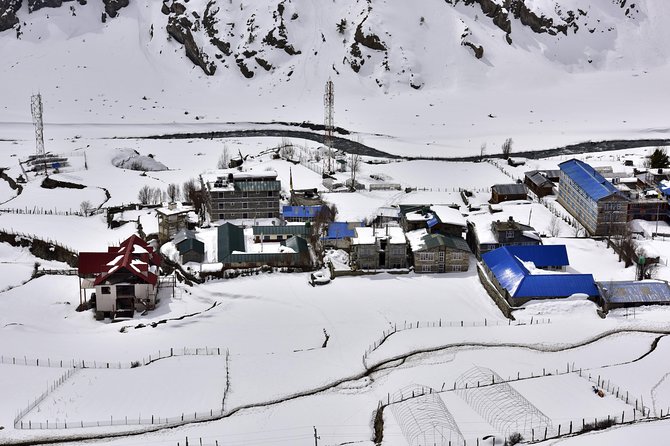
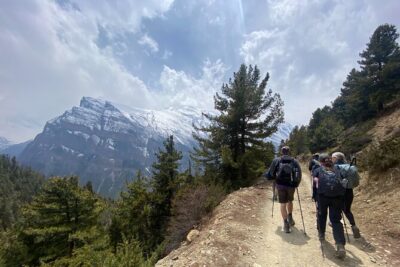
On day two, you walk from Jagat to Dharapani, at about 1,960 meters. The six-to-seven-hour route begins the steady climb and takes you through the lower Marsyangdi valley, where forests, river views, and waterfalls provide a softer introduction to the circuit.
Day three continues from Dharapani to Chame, the district center of Manang, at about 2,710 meters. The walk takes five to six hours. This is where the mountain setting begins to feel more serious, but the route is still lower and greener than the high country ahead.
Chame is a useful stopping point because you gain height without jumping straight into thin air. Your guide can help set a sensible pace, and the included meals mean you do not need to spend time negotiating every meal stop. Food is described as three standard meals each trekking day, not a special menu or unlimited selection.
Chame to Manang: the circuit’s scenic middle
Day four leads from Chame to Pisang, at approximately 3,300 meters, in five to six hours. You are now moving into a colder zone, with bigger mountain views and a more open valley. Pisang is one of the route’s memorable settlements because the surroundings feel much drier and more exposed than the forested sections below.
On day five, you trek from Pisang to Manang, at 3,540 meters. Allow six to seven hours. The valley opens up, the air becomes thinner, and the route feels more remote. This is a good place to notice how quickly the Annapurna Circuit changes character.
Manang is not just another overnight stop. It is the planned acclimatization base, and the next day is set aside for staying at the same altitude. That pause matters. A rushed schedule can make the pass day much harder, so the extra day gives you time to rest and make a short local outing if your guide recommends one.
The accommodation is in teahouses. Expect practical, simple rooms rather than hotel comforts. Showers, hot water, charging, and bottled or boiled water cost extra, and the higher you go, the more limited these services may be.
Same mountains, a completely different kind of day:
- Everest Base Camp Trek – 14 Days
★ 5.0 · 1,499 reviews - Private Kathmandu Sightseeing Tour | UNESCO World Heritage sites
★ 5.0 · 756 reviews - Everest Base Camp Helicopter Tour landing at Everest View Hotel
★ 5.0 · 668 reviews - Half day cooking class in Thamel kathmandu
★ 5.0 · 607 reviews
Manang to Thorong Phedi: the high-altitude approach
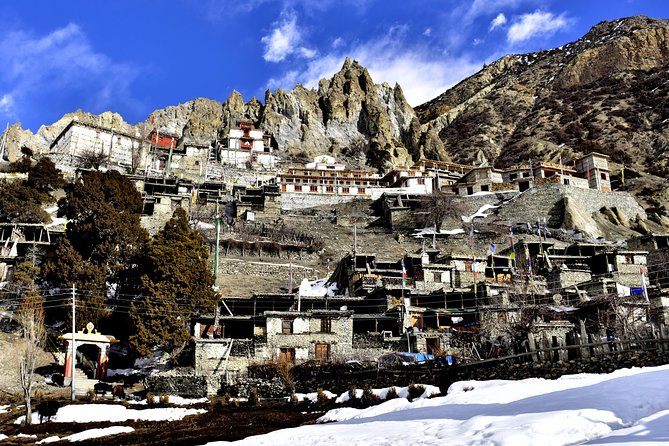
Day seven takes you from Manang to Yak Kharka, at around 4,120 meters. The four-to-five-hour walk is shorter than some earlier days, but altitude changes the calculation. You may walk fewer hours and still feel more tired.
Day eight continues from Yak Kharka to Thorong Phedi, at about 4,450 meters. Again, allow four to five hours. This is the final overnight stop before the pass, and it is one of the most demanding parts of the route because the air is thin and the conditions can be cold.
I would treat this section with respect. Walk slowly, drink enough, and tell your guide if you feel unwell. The included first-aid kit is useful, but it is not a substitute for travel and rescue insurance. Rescue insurance is specifically excluded, and high-altitude trekking is the point at which that omission matters most.
One account describes nighttime temperatures dropping to minus 20 degrees Celsius, with wind strong enough to freeze water in a normal bottle. That may not be your exact experience, but it is a useful warning. Bring serious insulation, a warm sleeping system, gloves, a hat, and containers suited to freezing conditions.
Thorong La to Muktinath: the hardest and finest day
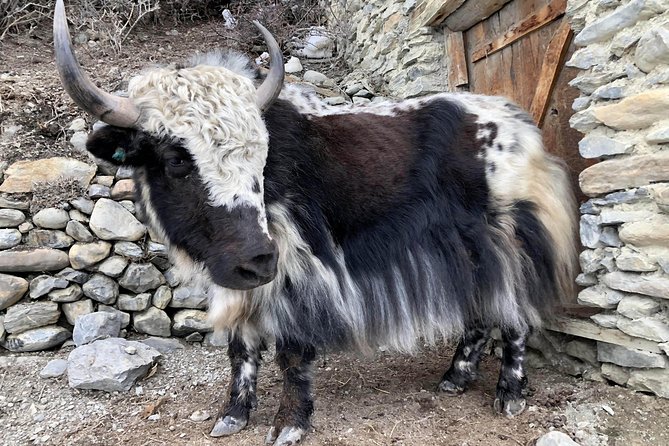
Day nine is the route’s main challenge. You leave Thorong Phedi, cross Thorong La at 5,416 meters, and descend to Muktinath at 3,802 meters. The complete day takes seven to eight hours.
The pass is high enough that weather and fitness matter more than enthusiasm. You need to follow your guide’s timing and pace, and you should not treat the crossing as a race. The reward is the sharp change on the far side. Muktinath lies in a much drier setting, and the descent brings welcome relief from the highest point.
Muktinath is also important as a pilgrimage place, respected by both Hindu and Buddhist communities. The route gives you more than mountain scenery here. It connects high-altitude walking with the religious life of the region.
Several clients specifically praised guides for encouragement on the Thorong La crossing. Ganesh, in particular, was credited with patience and steady support during the pass day. That kind of help is practical, not decorative. At 5,416 meters, calm decisions and a measured pace can make the difference between a satisfying day and a miserable one.
Muktinath to Jomsom: a gentler descent
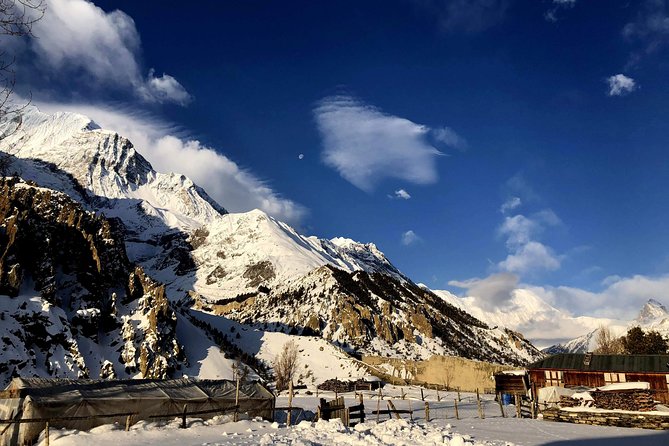
Day ten takes you from Muktinath to Jomsom, at approximately 2,743 meters, in five to six hours. The lower elevation should feel easier after the pass, though the road and trail conditions can affect the rhythm of the day.
Jomsom is a key settlement in the lower Mustang area and a useful overnight stop before the route turns south. The scenery remains dry and open, a strong contrast with the forests that appear later.
This portion is also a reminder that the Annapurna Circuit is not a pure wilderness walk. Roads reach parts of the region, and some sections combine hiking with vehicle travel. If you want a trail with no road contact at all, this may not be your ideal trek.
Jomsom to Tatopani: the road and the hot springs
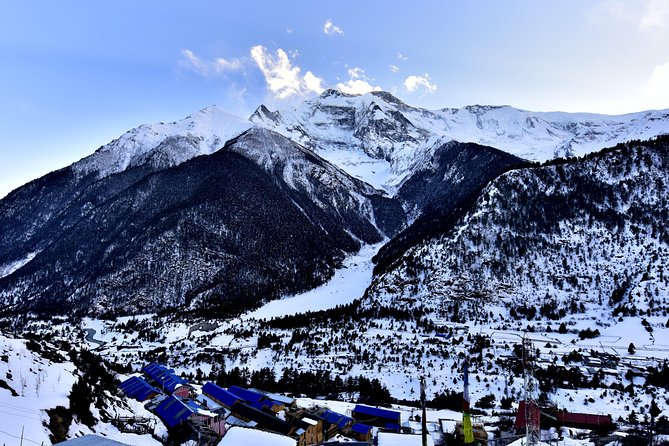
On day 11, you drive from Jomsom to Tatopani, at about 1,290 meters. The transfer takes roughly four to five hours. The drop in altitude is substantial, and Tatopani’s natural hot springs give you a welcome chance to rest after the high pass.
The bus transportation for this section is included. You should still expect a basic mountain road rather than a fast highway. Road travel can be tiring, but it saves your legs for the next climb.
Tatopani marks another sharp shift in the trip. The cold, dry upper valleys give way to warmer lower hills, waterfalls, and greener surroundings. I like this return to warmth because it makes the circuit feel like a complete journey rather than an out-and-back walk.
Tatopani to Ghorepani: the final major climb
Day 12 is a seven-to-eight-hour trek from Tatopani to Ghorepani, at about 2,750 meters. Do not underestimate it simply because you are back at a lower altitude. This is a substantial uphill day, and your legs may still be carrying fatigue from Thorong La.
Ghorepani is one of the best-known stops on this route because it leads to Poon Hill. The village also brings you back into a more wooded, hill-country setting, with a very different feel from Manang and Muktinath.
The teahouse stay is part of the appeal and part of the compromise. You are close to the route’s communities and do not have to carry camping equipment, but comfort is basic. Battery charging, showers, laundry, and extra drinks are personal expenses.
Poon Hill and the finish in Pokhara
Day 13 begins with an early hike to Poon Hill, at about 3,210 meters. You then walk down to Nayapul, at approximately 2,070 meters, before taking a private vehicle to Pokhara. The full day is listed at seven to eight hours.
Poon Hill is the final scenic payoff, with a chance to see the Annapurna region from a famous hilltop viewpoint. The early start is necessary for the morning outlook, so expect a short night and another full day on your feet.
The descent to Nayapul is not an afterthought. Downhill walking can be hard on tired knees, and the trail still requires attention. Once you reach the road, the private transfer to Pokhara gives your group a more comfortable final leg than another shared bus ride.
Day 14 is the drive from Pokhara, at about 822 meters, back to Kathmandu, at about 1,400 meters. The trip ends with transport rather than another hike, making the schedule a practical full circuit rather than a trek that leaves you to arrange your own return.
What the $1,175 price really covers
At $1,175, this is not a bare trail permit with a guide attached. The package includes transportation from Kathmandu to Jagat, transport from Jomsom to Tatopani, a private vehicle from Nayapul to Pokhara, teahouse accommodation, a licensed guide, Annapurna Conservation Area permits, the TIMS fee, a first-aid kit, a trekking map, government tax, and three standard meals each trekking day.
That collection can represent good value if you want the planning handled for you. Permits, lodging, meals, transfers, and a guide are the pieces that take time to arrange independently, especially on a route crossing several climate zones.
The price does not cover travel or rescue insurance, a porter, tips, phone calls, laundry, bar bills, charging, showers, bottled or boiled water, or other personal costs. If you want a porter, you must arrange and pay for one separately. I would budget for these extras before deciding that the advertised price is your full trip cost.
The lack of included rescue insurance is the most important financial consideration. You should arrange suitable cover before departure and confirm that it includes high-altitude trekking and evacuation.
Who should choose this private trek
I would recommend this trip to someone with moderate physical fitness who wants a classic Himalayan route without managing every permit, meal, transfer, and overnight stop alone. The private format suits solo hikers, couples, families with suitable fitness, and small groups that want personal attention.
It is also a good match if you value cultural contact and changing scenery as much as peak views. You walk through communities connected to Hindu and Buddhist traditions, sleep in teahouses, pass waterfalls and forests, and reach dry high valleys before returning to hot springs and Pokhara.
I would hesitate to recommend it if you dislike long road transfers, basic lodging, cold nights, or demanding uphill and downhill days. The schedule is fixed at about 14 days, and some days run seven to nine hours. There is no porter included, so you need to confirm how your bags will be handled and what you are expected to carry.
The guide is central to the experience. Named guides such as Rabin, Santosh, Ganesh, Sandip, and Chakra have been praised for being attentive, patient, helpful, and good at explaining local culture. Those qualities are worth more than a polished vehicle or fancy room on a high-altitude trek.
Booking details worth knowing
Pickup is offered, and confirmation is provided when you book. You need to provide arrival flight details, which helps with the opening arrangements in Kathmandu.
Cancellation terms are strict close to departure. Cancel at least six full days before the start for a full refund, cancel two to six full days before for a 50 percent refund, and cancel less than two full days before for no refund. The cut-off follows local time.
FAQ
How long is the Annapurna Circuit Trek?
The experience lasts approximately 14 days, beginning with the drive from Kathmandu to Jagat and ending with the drive from Pokhara back to Kathmandu.
What is the highest point on the route?
The highest point is Thorong La, at 5,416 meters or about 17,769 feet.
Is transportation included?
Yes. The package includes bus transportation from Kathmandu to Jagat and from Jomsom to Tatopani. It also includes private transportation from Nayapul to Pokhara.
What accommodation is provided?
Teahouse accommodation is included during the trek. The package does not describe the rooms or facilities in detail, and personal services such as showers and charging cost extra.
Are meals included?
Three standard meals are included on trekking days: breakfast, lunch, and dinner.
Are permits included?
Yes. The Annapurna Conservation Area permit, the TIMS fee, government tax, a trekking map, and a first-aid medical kit are included.
Do I need travel insurance?
Travel and rescue insurance are not included. You should arrange your own cover before the trek, especially because the route reaches 5,416 meters.
Should you book the Annapurna Circuit Trek?
I would book this trek if you want the Annapurna Circuit’s full range of scenery and prefer to have a guide handle the practical work. The included permits, meals, teahouses, and transport make the $1,175 price easier to justify, while the private format gives you useful flexibility.
I would not book it casually. Prepare for high-altitude cold, long walking days, basic accommodation, extra personal costs, and a demanding pass crossing. If you arrive fit, insured, properly equipped, and ready to walk slowly, this trip offers one of Nepal’s most varied mountain journeys with a helpful guide at your side.
More Hiking & Trekking in Kathmandu
- Everest Base Camp Trekking
★ 5.0 · 485 reviews - Nagarkot Sunrise View and Day Hiking from Kathmandu
★ 5.0 · 471 reviews - Everest Base Camp Trekking – 13 Day
★ 5.0 · 365 reviews - Everest Base Camp Trek -14 Days
★ 5.0 · 321 reviews
Just added around Kathmandu
- Private Half-Day Tour of Boudhanath and Pashupatinath Temples in Kathmandu★ 4.5 · 9 reviews
- Private Half-Day Tour of Kathmandu Durbar Square and Swayambhunath Temple★ 4.5 · 11 reviews
- Namobuddha Monastery Hiking Day Tour via Panauti from Kathmandu★ 5.0 · 15 reviews
- Private Full-Day Kathmandu City Tour★ 5.0 · 9 reviews
- Private Day Tour in Kathmandu Valley Rim with Bhaktapur Sightseeing★ 5.0 · 3 reviews
- Private Half Day Budhanilkantha Tour★ 5.0 · 6 reviews
- Private Day Tour: Patan and Bhaktapur from Kathmandu★ 4.5 · 6 reviews
- Private Day Tour – Sacred Journey to Namo Buddha★ 5.0 · 5 reviews
Annapurna Circuit Treks, compared.
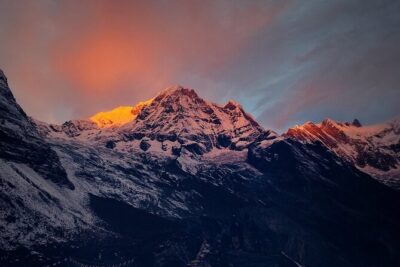
15-Day Private Annapurna Circuit Trek from Kathmandu
Read our review →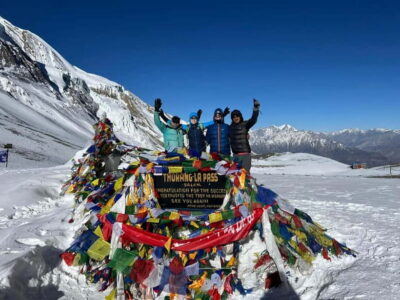
Annapurna Circuit Trek with Tilicho Lake (16 Days)
Read our review →Browse the lists this tour appears in