
Reviewed · ANNAPURNA BASE CAMP TREKS
Annapurna Base Camp Trek
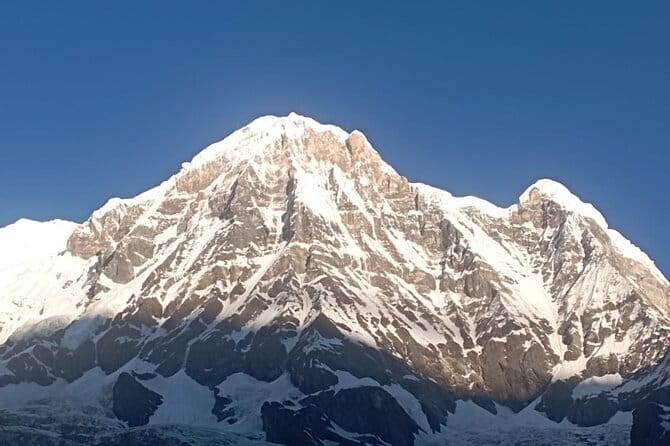
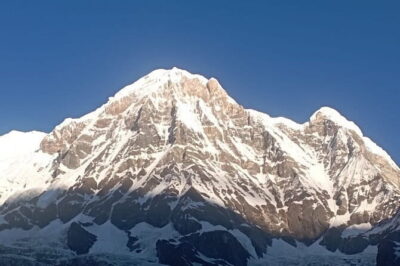
The Annapurna Base Camp Trek brings you into a mountain bowl surrounded by Annapurna South, Hiunchuli, Machhapuchhre, and glacier country. The real payoff comes at sunrise, when the peaks around base camp catch the first light and make the long walk feel worthwhile.
I like the full-service price, which covers meals, seven nights of trek accommodation, permits, transport, and a licensed mountain guide. I also like the human scale of the trip: it is a private outing for your group, and guides such as Suraj, Anos, and Laku have been praised for adjusting plans, keeping spirits up, and handling the daily details.
The main drawback is the pace. Seven days leaves little room for a slow acclimatization schedule, and some days are demanding, with steep climbs and long walking hours. You need moderate fitness, an early start, and a willingness to accept simple mountain lodging and extra charges for hot water, showers, charging, and bottled water.
Key points to know before you book
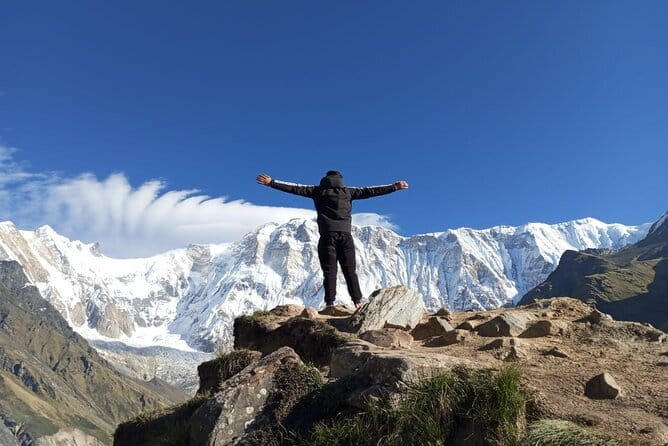
- Base camp sunrise is the central reward: You reach the Annapurna sanctuary, surrounded by Annapurna South, Hiunchuli, Machhapuchhre, and glaciers.
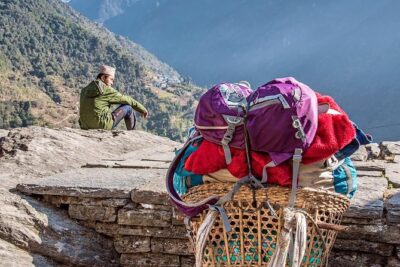
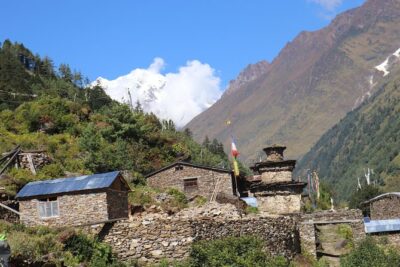
- Ghandruk gives the trek a strong opening: The route begins among terraced fields and Gurung village scenery instead of starting immediately in high mountain terrain.
- The package covers the costly basics: Meals, seven nights of accommodation, ACAP and TIMS permits, a guide, and ground transport are included.
- The route mixes forest and high mountain walking: Rhododendron woods, the Modi River gorge, Hinko Cave, Bamboo, and Jhinu Danda break up the ascent.
- The seven-day schedule is active: Some itinerary entries list very long walking periods, so ask the operator to confirm the exact daily distances and overnight stops.
- Guide quality matters here: Suraj, Anos, and Laku are named as guides who have provided strong support, but your assigned guide may differ.
Why this trek feels different from a quick mountain viewpoint
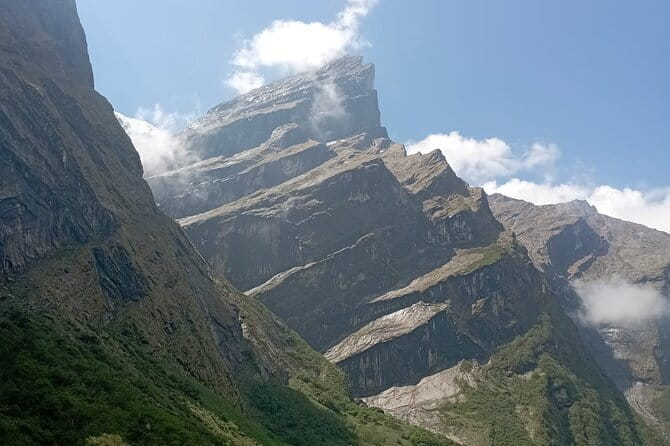
You do not simply drive to a lookout, snap a few pictures, and leave. The Annapurna Base Camp Trek carries you from warm farmland into cooler forests and then into the high sanctuary, where the mountains surround you on several sides.
The route begins after time in Pokhara, a useful staging point with views toward the Annapurna range and Machhapuchhre, often called Fish Tail. From there, you drive to the trailhead area near Nayapul and continue toward Ghandruk. This gives you a gradual change of scene, from roads and farm country to footpaths, stone steps, village lanes, and mountain lodges.
I like the route’s variety. One day you may walk beside terraced fields, and another may take you through thick forest near the Modi River gorge. The high point is not just a single photograph at base camp. It is the gradual change in air, vegetation, buildings, and mountain scale as you keep walking.
This is described as a moderate trekking region, but that word needs context. You do not need to be an elite mountaineer, yet you should be comfortable walking uphill for several hours and then doing it again the next day. The seven-day version is efficient rather than leisurely.
More Annapurna Base Camp Treks in Kathmandu
- Annapurna base camp trek 5 Days
★ 5.0 · 252 reviews - Annapurna Base Camp Trek
★ 5.0 · 111 reviews - Kathmandu to Annapurna Base Camp (ABC) 5-Day Trek
★ 5.0 · 102 reviews
Day 1: Ghandruk starts the trek with village views
After breakfast in Pokhara, you drive beyond the city toward the first walking section. The day finishes at Ghandruk, a Gurung village known for its mountain setting, terraced farmland, and views toward the Annapurna range.
The first walking period is listed at about four hours and ten minutes. That is a sensible introduction to the route because you get your legs moving without immediately facing the hardest high-altitude section.
Ghandruk is one of the most appealing overnight stops on this route. It gives you a cultural setting as well as a mountain one. You are not sleeping in an anonymous resort town. You are beginning among farm terraces and village homes, with the Himalaya visible beyond.
The driving portion is worth clarifying before departure. The package includes ground transportation from Pokhara to Syauli Bazar and from Samrung Khola back to Pokhara, but the exact transfer point can vary with the final route. Ask for the precise pickup location and road plan, especially since the listed start time is 4:45 am.
Day 2: Ghandruk to Chhomrong brings the first serious climbs
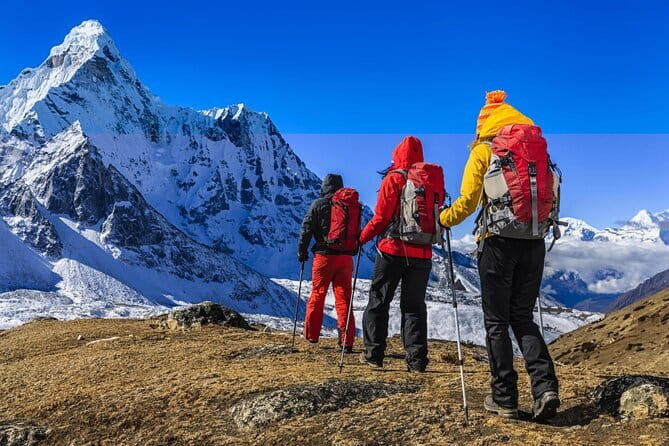
From Ghandruk, the path begins gradually, then climbs toward Kimrong Danda. A ridge walk here gives you a change in angle over the surrounding hills before the route drops through cooler forest toward the Kimrong River.
This is a good example of the Annapurna route’s rhythm. You do not simply climb all day. You gain height, descend, cross river country, and climb again toward a farm village. Those ups and downs can be harder than a steady slope, so save energy early.
The listed duration is about 15 hours, which is a striking figure for a single day and may include transport, stops, or an itinerary timing error. Do not assume you will be walking continuously for 15 hours. Confirm the actual walking time, overnight location, and expected arrival before you pay or set your return plans.
Chhomrong is an important point on the route. It sits on a hillside above the Modi River valley and serves as a gateway to the sanctuary. From here, the trail becomes more focused on the high mountain route, with forest, bridges, and long stair sections ahead.
Day 3: Chhomrong to Bamboo follows the Modi River gorge
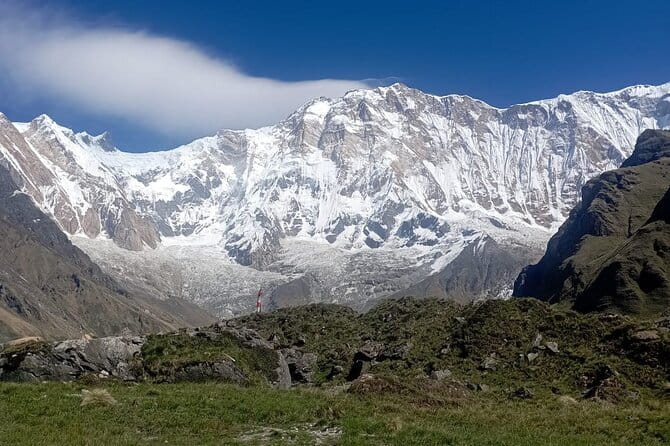
The trail leaves Chhomrong by descending toward a bridge, then climbs to Sinuwa Danda. This up and down pattern is a recurring feature of the trek, and it is where trekking poles can become especially useful, although poles are not listed as included.
After Sinuwa, you enter heavily forested ground. The path winds through trees and reaches Bamboo, a stop within the Modi River gorge. The woods offer shade and a cooler feel, but the trail still asks for steady effort. Do not mistake a forest day for an easy day.
The supplied schedule lists about 14 hours, another timing that needs confirmation. The included plan identifies Bamboo as the relevant stop, but the exact lodge and walking hours should be settled with the company. Clear communication before departure matters, and Anjan is specifically noted as a contact who handled pre-trip communication by email and WhatsApp.
This is also a day when a good guide earns the fee. A guide can set a sensible pace, keep the group together, and help with lodge arrangements. Guides named in the supplied information include Suraj, Anos, and Laku. You can request a particular guide in advance, but availability is not guaranteed.
Same mountains, a completely different kind of day:
- Everest Base Camp Trek – 14 Days
★ 5.0 · 1,499 reviews - Private Kathmandu Sightseeing Tour | UNESCO World Heritage sites
★ 5.0 · 756 reviews - Everest Base Camp Helicopter Tour landing at Everest View Hotel
★ 5.0 · 668 reviews - Half day cooking class in Thamel kathmandu
★ 5.0 · 607 reviews
Day 4: Hinko Cave and the approach to Annapurna Base Camp

The route continues through forest toward Himalaya Hotel, near the large Hinko Cave. This section brings you closer to the high peaks, with Annapurna South and Hiunchuli becoming more commanding.
The path then continues toward the sanctuary and the base camp area. The day is described as part of the main approach to the trek’s highlight, and it is listed at roughly 13 hours. Again, that duration may combine several portions of the schedule, so ask for a practical walking estimate.
The scenery changes as you gain height. Tall trees give way to more open ground, and the enclosing peaks become the main feature. You are walking into a natural amphitheater, with the route hemmed in by steep mountain walls.
This is where the route feels most remote and most rewarding. At the same time, conditions are more basic. The package covers accommodation and meals, but not hot showers, hot water, bottled water, laundry, phone calls, battery charging, or bar bills. Bring a power plan and budget for small daily extras.
Day 5: Annapurna Base Camp and the long return to Bamboo
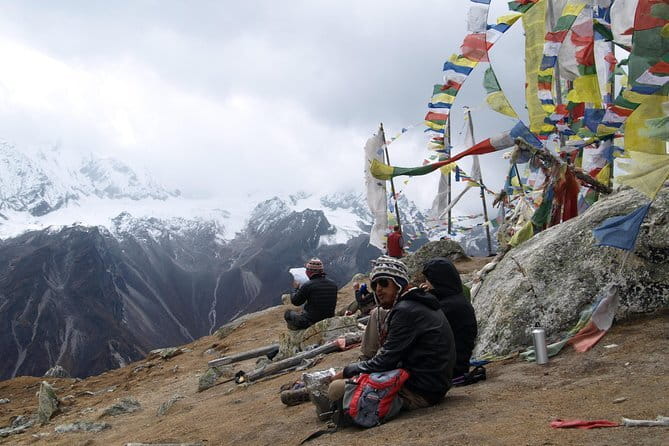
Base camp is the emotional center of the trip. You are surrounded by high peaks and glaciers, including views toward Annapurna South, Machhapuchhre, and Hiunchuli. The sunrise is a major reason to spend the night in the sanctuary rather than visiting only during the day.
The morning light matters here. At base camp, the mountain walls can look very different as the sun moves across them, so do not treat the viewpoint as a quick stop. Take time to look around, enjoy breakfast, and let the setting sink in before starting back down.
The return to Bamboo is described as a long downhill walk with occasional uphill sections. One schedule entry lists two hours, which does not fit the stated route and should be treated as an error or partial timing. The base camp return is clearly a substantial day, and you should be ready for tired legs.
Downhill walking is not automatically easier. It can be hard on knees and toes, particularly after several days on stone steps. A guide who pays attention to pace and group condition is valuable here. The package includes a government-licensed mountain guide, but tips are not included and are normally planned separately.
Day 6: Chhomrong and Jhinu Danda Hot Spring
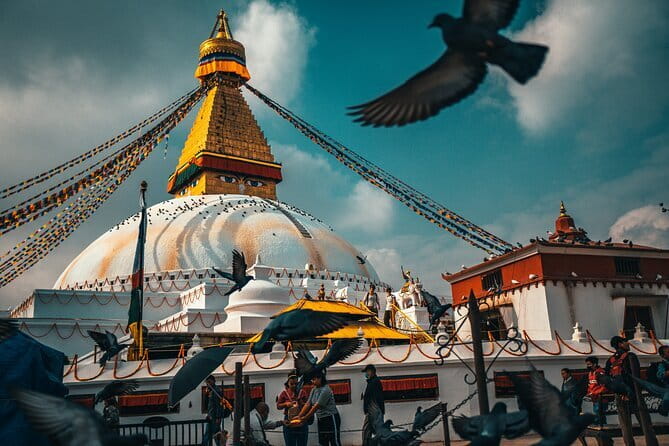
The return route takes you back toward Chhomrong through another series of climbs and descents. From the Chhomrong hilltop, the route branches toward Jhinu Danda, a pleasant village on a ridge with broad views.
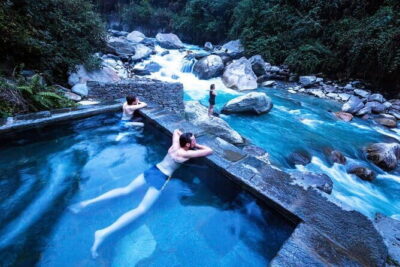
Jhinu Danda is a welcome change after the base camp section. Its hot spring is the day’s obvious attraction and gives you a chance to rest in warm water before the final walk and drive. The exact hot spring entry arrangement is not listed, so ask your guide what is covered and what you should carry.
The schedule lists two hours, but the route description includes the return to Chhomrong and the move to Jhinu Danda. Confirm the actual walking time and overnight plan. Small discrepancies matter on a trek because they affect meal times, lodge reservations, and how much daylight remains.
This is one of the route’s better design choices. The trek does not simply reverse every step from base camp. The Jhinu branch adds a different village and a chance to finish the mountain portion in a more relaxed setting.
Day 7: Siwai to Pokhara closes with a walk and road transfer
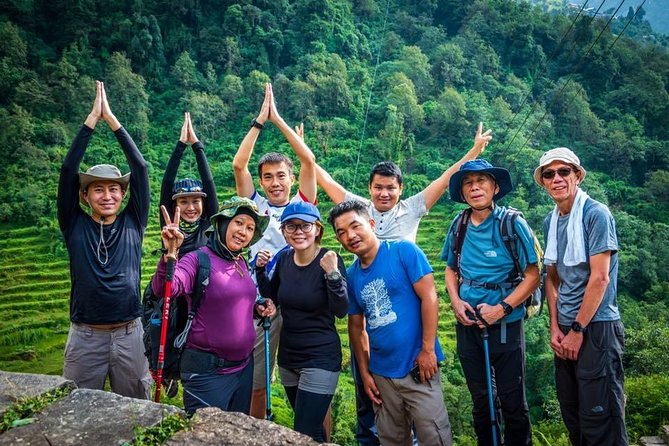
The final trekking section leads downhill through lower, warmer farm areas to Siwai. The walking time is listed at about four hours, followed by a roughly two-hour drive to Pokhara.
This last morning is less dramatic than base camp, but it helps you notice how far you have come. The vegetation and temperature shift as you lose height, and the path returns to farm country before the road takes over.
The package includes the ground transport from the return trail area to Pokhara. The final stop is associated with the Pokhara Museum, but the supplied schedule gives only about 30 minutes there. Treat this as a brief possible stop rather than a full museum visit, since the tour details do not explain what is included.
What the $699.67 price really covers
At $699.67 per person, the important question is not simply whether the trek is cheap. It is what you would otherwise need to arrange yourself.
The price includes:
- A government-licensed mountain guide
- Annapurna Conservation Area Permit and TIMS card
- Seven nights of accommodation during the trek
- Breakfast, lunch, and dinner
- Seasonal fruit
- Ground transport from Pokhara to Syauli Bazar
- Ground transport from the return point to Pokhara
That is a useful bundle. Permits, food, lodging, guide support, and transfers are the core pieces of a trek like this. Having them arranged also saves you from negotiating lodge rooms and transport while tired.
There are still costs to plan for. Bottled water, hot water, showers, laundry, phone calls, charging, bar bills, and tips are excluded. Travel and rescue insurance is also your responsibility, and the operator specifically requires you to have insurance for the trip. The price is strong value if you want a managed trek rather than a self-arranged route, but it is not an all-expenses-paid holiday.
The package also includes seven nights of accommodation, while the listed duration is approximately seven days. Ask how the nights are divided between Pokhara, Ghandruk, the sanctuary, and the return route. That detail is not fully clear, and it is worth settling before booking.
The guide can shape the whole experience
The strongest praise is directed at the guides. Suraj is repeatedly described as attentive to planning, meals, accommodation, and group energy. Anos is described as considerate, professional, and careful with details. Laku is noted for being friendly and helpful, while the porters Sonam and Necha are named for taking good care of their group.
You should not assume one of those people will lead your departure. Still, the names give you a practical way to discuss expectations. If a particular guide matters to you, request that person in advance, especially during the busy hiking season.
The private format is another advantage. Only your group participates, so the pace and small decisions can be handled more directly than on a large shared departure. One group also had its route adjusted after explaining its needs, which suggests that flexibility is possible. Confirm any changes in writing before the trek.
Food, lodging, and daily comfort
Three meals a day are included, along with seasonal fruit. That is valuable because food costs and availability can be less predictable higher on the route. Breakfast, lunch, and dinner are listed as included across the trek, with seven breakfasts, seven lunches, and six dinners specifically itemized.
The accommodation is mountain lodge style, but the details of room type and bathroom arrangements are not provided. Expect a functional overnight stop rather than city-hotel comfort. Ask whether rooms are private or shared, what bedding is supplied, and which nights have charging or hot-water access.
Battery charging is extra, as are showers and hot water. Those charges are common budget items on a trek, but they add up. Carry some local cash for these services and for tips, since the package does not include them.
Who should book this Annapurna trek
I would choose this trip if you want a relatively short route to Annapurna Base Camp with the main logistics handled. It suits someone who wants local guide support, included meals, permits, accommodation, and transport without arranging each piece separately.
It is also a good fit if you value village and forest scenery as much as the final mountain view. Ghandruk, Chhomrong, Bamboo, Hinko Cave, and Jhinu Danda give the route more variety than a simple out-and-back walk.
I would think twice if you want a slow schedule or have limited hiking experience. The listed timings contain several inconsistencies, and the seven-day plan can be demanding. Ask for a corrected day-by-day schedule before committing, and be honest about your fitness.
The tour allows service animals and is near public transportation, but the walking itself remains the key issue. The operator asks for moderate physical fitness, and that requirement should guide your decision more than the headline price.
Booking details worth confirming
Pickup is offered, but the meeting time is listed as 4:45 am. Confirm where you will be collected and whether that pickup is from a hotel, a fixed meeting point, or another location in Kathmandu or Pokhara.
The experience provider is Nepal High Trek & Expedition Pvt. Ltd. Confirmation is provided at booking, and the activity is private for your group. Because the trip depends on good weather and a minimum number of participants, a cancellation can lead to a different date, another experience, or a full refund.
You can cancel for a full refund up to 24 hours before the local start time. Changes made less than 24 hours ahead are not accepted, and late cancellations are not refunded.
Should you book it?
Book this Annapurna Base Camp Trek if you want a focused seven-day mountain journey with a local guide and most major costs folded into one price. The combination of Ghandruk village life, rhododendron forest, the Modi River gorge, Annapurna sanctuary views, and Jhinu Danda makes the route feel varied and worthwhile.
Before paying, get the daily walking hours corrected, confirm the pickup and overnight locations, and ask who will guide your group. If you can manage repeated uphill and downhill walking and accept extra charges for basic comforts, the package offers a practical way to reach one of Nepal’s most memorable base camps.
FAQ
Where does the Annapurna Base Camp Trek begin?
The walking route begins near Nayapul, after transport from Pokhara toward Syauli Bazar and the Ghandruk area.
How long does the trek last?
The experience lasts approximately seven days.
What time does the trek start?
The listed start time is 4:45 am.
Is transportation included?
Yes. Ground transportation from Pokhara to Syauli Bazar and from Samrung Khola to Pokhara is included.
Are meals included?
Yes. Breakfast, lunch, and dinner are included during the trek, along with seasonal fruit.
Is accommodation included?
Yes. Seven nights of trek accommodation are included.
Are permits included?
Yes. The Annapurna Conservation Area Permit and TIMS card are included.
Is a guide provided?
Yes. The package includes a government-licensed mountain guide.
What fitness level is required?
You should have a moderate level of physical fitness.
Is this a private tour?
Yes. Only your group participates in the activity.
What costs are not included?
Travel and rescue insurance, bar bills, phone calls, laundry, battery charging, bottled water, hot water, showers, and tips for the guide are not included.
Can I cancel for a full refund?
Yes. You can cancel at least 24 hours before the local start time for a full refund. Cancellations made later are not refunded.
More Hiking & Trekking in Kathmandu
- Everest Base Camp Trekking
★ 5.0 · 485 reviews - Nagarkot Sunrise View and Day Hiking from Kathmandu
★ 5.0 · 471 reviews - Annapurna Circuit Trek with Tilicho Lake
★ 5.0 · 368 reviews - Everest Base Camp Trekking – 13 Day
★ 5.0 · 365 reviews
Just added around Kathmandu
- Namobuddha Monastery Hiking Day Tour via Panauti from Kathmandu★ 5.0 · 15 reviews
- Private Half-Day Tour of Boudhanath and Pashupatinath Temples in Kathmandu★ 4.5 · 9 reviews
- Private Half-Day Tour of Kathmandu Durbar Square and Swayambhunath Temple★ 4.5 · 11 reviews
- Private Full-Day Kathmandu City Tour★ 5.0 · 9 reviews
- Private Day Tour in Kathmandu Valley Rim with Bhaktapur Sightseeing★ 5.0 · 3 reviews
- Private Half Day Budhanilkantha Tour★ 5.0 · 6 reviews
- Private Day Tour: Patan and Bhaktapur from Kathmandu★ 4.5 · 6 reviews
- Private Day Tour – Sacred Journey to Namo Buddha★ 5.0 · 5 reviews
Annapurna Base Camp Treks, compared.
Kathmandu to Annapurna Base Camp (ABC) 5-Day Trek
Read our review →
Kathmandu/Pokhara: 5-Day Annapurna Base Camp (ABC) Trek
Read our review →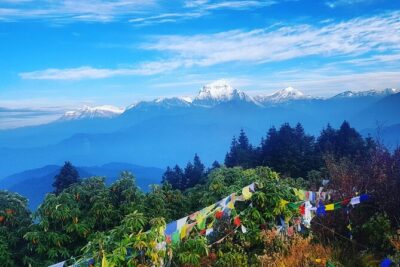
11-Day Hike Tour to Annapurna Base Camp Bliss in Kathmandu
Read our review →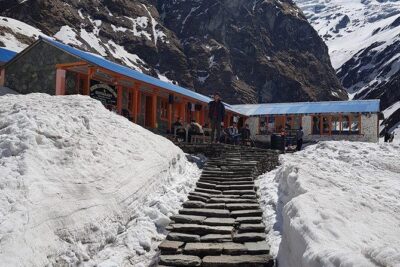
Browse the lists this tour appears in