
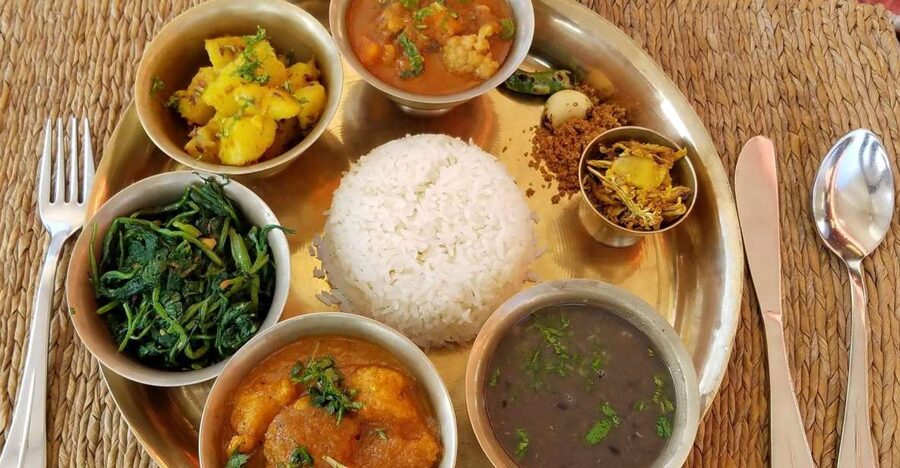
Reviewed · COOKING CLASSES
Kathmandu: 3-Hours of Cooking Class with Meals
Momos are the star here, but the real treat is learning how Nepali food comes together from fresh ingredients to hot meal. You choose from three menus, cook four traditional dishes step by step, and sit down to eat what you made.
I like the hands-on format, since you do more than watch a chef work. I also like the chance to adjust chili and other flavors to suit your taste, plus the included lunch and masala tea. The main thing to keep in mind is that the advertised three to four hours may not be a full four-hour cooking session, and a market visit can be canceled during festival periods.
- Momos are included: You get to prepare Nepal’s famous filled dumplings as part of the meal.
- Three menus offer choice: Each menu includes four traditional Nepali dishes.
- Fresh ingredients matter: When conditions allow, you visit local shops or a market to see what goes into the recipes.
- You cook and eat your own food: The class moves from preparation to a fresh meal, not just a demonstration.
- Pickup and lunch are included: Hotel transport, ingredients, equipment, a meal, and masala tea are covered.
- A gentle first cooking class: No previous kitchen skills are required, though the activity is not designed for children under five or people with mobility impairments.
Why This Kathmandu Class Is More Than a Restaurant Meal
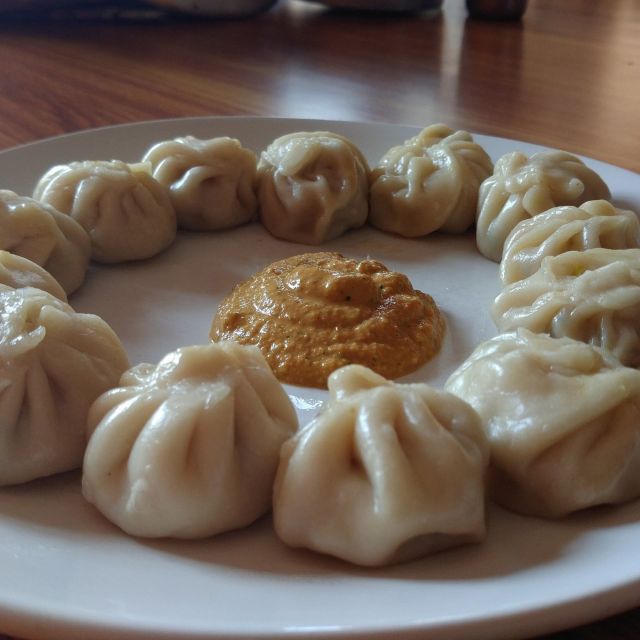
A restaurant gives you a plate. This class gives you the steps behind it.
That difference matters in Kathmandu, where food is closely tied to home cooking, family routines, local ingredients, and regional taste. You are not simply sampling a plate of Nepali food and moving on. You are handling ingredients, following the cooking process, making choices about spice, and eating the result while it is still fresh.
The class lasts about three to four hours, with the description also calling it a three-hour cooking session. I would plan for roughly half a day rather than schedule a tight afternoon appointment afterward. One past participant found that the actual cooking portion did not fill four hours, so the total time may include pickup, shopping, preparation, eating, and conversation.
That is not necessarily a problem. A cooking class should have breathing room. Still, you should book it for the food and cultural exchange, not because you need an exact four-hour lesson.
Choosing From Three Menus in Kathmandu
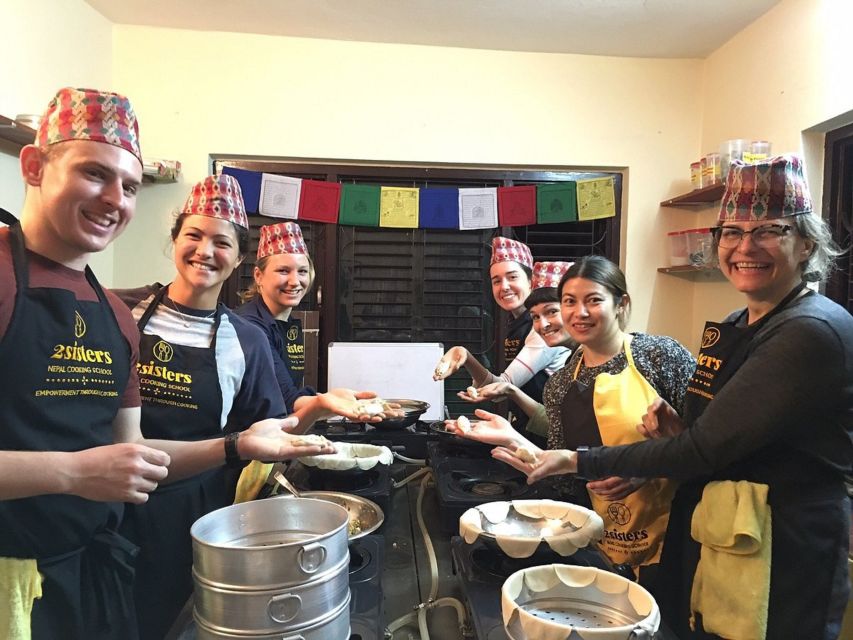
You begin by selecting one of three menus. Each contains four traditional Nepali dishes, giving you a reasonable amount of variety without turning the class into a long restaurant-style tasting session.
The specific dish list is not provided in advance, apart from momos, so you should ask for the available menu choices when booking if you have dietary concerns or strong preferences. The menu choice is useful because it lets you think about the kind of meal you want before the cooking starts. You may prefer a menu with more familiar flavors, or you may want to try something new.
The class is designed for beginners. The chef and assistant guide you through each dish instead of assuming you know how to chop, mix, fold, season, or cook Nepali food. That makes this a good choice for couples, families with older children, and solo visitors who want an activity with a clear purpose.
You should also expect some shared work. One of the appealing details is that the food is prepared together, rather than each person being isolated at a separate station. That can make the class more social, but it also means the experience may not feel like a private one-on-one lesson.
A few more Kathmandu trips to weigh up
- Half day cooking class in Thamel kathmandu
★ 5.0 · 607 reviews - Kathmandu: Local Women-Led Nepali Cooking & Momo Class
★ 4.9 · 360 reviews - Kathmandu: Local Lead Nepali Cooking & Momo-Making Class
★ 5.0 · 212 reviews
Fresh Ingredients and the Possible Market Visit
The ingredient-shopping part can be one of the most useful pieces of the experience. Seeing the fresh ingredients before they reach the cooking table helps you connect the finished dishes with everyday food in Kathmandu.
The available information says you may go to local shops to see the ingredients, while one booking took the group to the shops before cooking. That suggests the exact shopping stop can depend on the day and local conditions. During festival season, the market visit was not possible for one group.
I would treat this as a welcome extra, not a guaranteed part of the schedule. If it happens, you get a clearer sense of how the chef selects ingredients and how a simple meal begins. If it does not, the class still includes the food, equipment, instruction, and cooking itself.
Festival periods can bring changes to normal opening hours and local routines. That is a useful reminder to keep your expectations flexible. You are booking a cooking experience in Kathmandu, not a fixed museum tour with every minute locked in place.
Making Momos From Scratch
Momos are the dish many people will be waiting for. These Nepali dumplings are a familiar favorite, and including them gives the class an immediate connection to one of the country’s best-known foods.
The important point is that momos are not merely placed on your lunch plate. They are included in the hands-on cooking program. You learn by working through the preparation with the chef’s help, then eat them as part of the meal you have made.
For a first-time cook, folding dumplings can be the most memorable task of the day. It is practical, visual, and easy to understand once someone shows you the method. The class does not require previous cooking experience, so you do not need to arrive knowing anything about momo preparation.
Do not expect a professional culinary-school lesson. The emphasis is on making a traditional meal in a friendly setting. The chef guides you dish by dish, and the goal is food you can enjoy, not a formal exam in technique.
Adjusting Spice to Your Own Taste
Nepali food can be strongly seasoned, but not everyone wants the same amount of chili. This class lets you adjust the flavors as you cook. If you like heat, you can add more. If you prefer a mild meal, you can keep the seasoning lighter.
I consider this one of the class’s most practical features. You get to taste the food as it develops and understand how seasoning changes the final dish. That is more useful than being handed a fixed plate with no explanation.
It also makes the activity easier for a mixed group. One person can enjoy a hotter dish while another keeps things mild. Families and couples often have different spice limits, and a shared cooking table gives everyone some room to choose.
You should still tell the instructor about allergies or dietary restrictions before cooking begins. The information provided does not promise special menus, vegetarian substitutions, or allergy-free preparation, so you should confirm those details before paying.
Same mountains, a completely different kind of day:
- Everest Base Camp Trek – 14 Days
★ 5.0 · 1,499 reviews - Private Kathmandu Sightseeing Tour | UNESCO World Heritage sites
★ 5.0 · 756 reviews - Everest Base Camp Helicopter Tour landing at Everest View Hotel
★ 5.0 · 668 reviews - Everest Base Camp Trekking
★ 5.0 · 485 reviews
Cooking With an English or Hindi Speaking Instructor
Instruction is available in English and Hindi. The chef guides you through the dishes step by step, with an assistant also helping during the session.
That structure is important for beginners. You are not expected to understand a recipe from a written page and work alone. You can watch the technique, follow along, and ask questions as the meal takes shape.
The staff’s friendly and patient manner is one of the strongest parts of the experience. The group described the women leading the class as funny, kind, and helpful, and one participant singled out the teaching and the place as especially good. Another said the cooks and assistant did a wonderful job guiding the group through the ingredients and recipes.
No instructor names are supplied, so I cannot tell you who will lead your particular class. What you can count on is English or Hindi instruction and step-by-step help rather than a silent kitchen demonstration.
From Cooking Table to Fresh Lunch
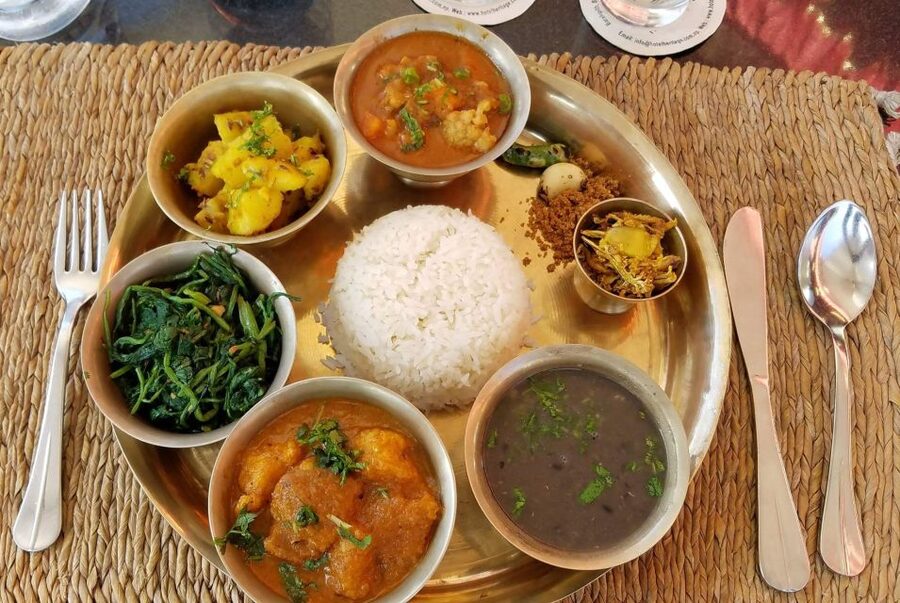
Once the food is ready, you sit down to eat the dishes you prepared. Lunch is included, along with masala tea.
That meal is the payoff, but it is also part of the lesson. You taste the results while the cooking process is still fresh in your mind. If you adjusted the seasoning yourself, you can immediately see how your choices affected the food.
The menu includes four traditional dishes, so lunch should offer more than a single sample. The precise dishes vary by menu, and the supplied information does not name them all. Momos are the one named inclusion.
Masala tea adds a simple but fitting finish. Cold drinks and alcoholic beverages are not included, so bring cash if you want to buy personal drinks or other extras. Personal expenses are also outside the price.
Come hungry. This is not a quick tasting with a few bites. You are preparing and eating a complete lunch, and the cooking itself takes time.
What the $2.15 Price Really Means
At the stated price of $2.15 per person, this is an unusually inexpensive half-day activity. The package includes hotel pickup and drop-off, an instructor, the class, ingredients, equipment, lunch, and masala tea. On paper, that is a lot for very little money.
Prices can change, so you should check the current amount when you book. If the listed price is still available, the value is excellent, especially for anyone who wants both a meal and a cultural activity rather than another restaurant visit.
The low price should not make you expect a polished professional cooking studio or a private lesson. The experience is about learning in a friendly group environment. You are paying for guidance, food, and access to a local cooking routine, not for a certificate or advanced chef training.
I would judge the value by asking one question: do you want to spend several hours actively preparing food? If yes, the included meal and transportation make the cost hard to beat. If you only want to eat Nepali dishes, a restaurant will be faster.
Pickup, Clothing, and What to Bring
Hotel pickup and drop-off are included, which removes some of the usual Kathmandu transport hassle. You should be ready in your hotel lobby five minutes before the scheduled pickup time so the representative can find you without delay.
Wear comfortable clothes. Cooking involves preparation and movement, and you will be more relaxed in clothing that lets you work easily. A camera is worth bringing if you want pictures of the ingredients, cooking process, or finished meal.
Bring some cash for personal expenses and drinks. Cold and alcoholic beverages are not included. Large bags and luggage are not allowed, so leave suitcases at your hotel and carry only what you need for the class.
The activity is not suitable for children under five or people with mobility impairments. If someone in your group has limited mobility, ask the provider about the physical setup before booking, since the experience includes moving through the cooking process and may include a shopping stop.
Who Will Get the Most From This Class
I would recommend this class most strongly to people who enjoy learning by doing. You do not need to be a serious cook. Curiosity is enough.
It suits:
- Couples looking for a shared activity with a meal at the end
- Solo visitors who want a social way to meet an English- or Hindi-speaking instructor
- Families with children over five who can take part safely
- Food lovers who want momos and other Nepali dishes prepared fresh
- First-time cooks who want clear guidance rather than a difficult lesson
- People with a free half day in Kathmandu
It is less suitable if you have limited time, dislike group activities, or need a guaranteed market visit. It is also not the right choice for anyone looking for advanced culinary training or a carefully timed four-hour professional course.
The class has received a perfect five-star average from ten ratings, with praise focused on the friendly team, good teaching, delicious food, and the chance to learn about Nepali culture through cooking. That pattern tells me the human side of the activity is as important as the recipes.
A Practical Way to Plan Your Half Day
Keep the rest of your schedule light. The stated duration is four hours, while the cooking portion is also described as three hours, and pickup or shopping can affect the timing.
If the market or shop visit is important to you, ask about it before the day of the class, especially during festival season. It may not be available, but the cooking session can still go ahead.
The cancellation policy is traveler-friendly: you can cancel up to 24 hours ahead for a full refund. You can also reserve now and pay later, which helps if your Kathmandu schedule is still changing.
The provider is Cordial Trek Pvt. Ltd. Pickup is included, and the meeting instruction is simple: wait in your hotel lobby five minutes before the scheduled time.
Should You Book This Kathmandu Cooking Class?
Book it if you want an affordable, friendly, hands-on introduction to Nepali food. The combination of momos, four-dish menus, flexible seasoning, lunch, masala tea, and hotel transport gives you real value.
I would book with two modest cautions. First, confirm the current price and exact timing, since the class may not occupy a full four hours. Second, treat the market visit as possible rather than guaranteed, particularly during festivals.
For most people, the strongest reason to go is simple: you do not just eat Nepali food, you learn how to make it. That makes this a useful choice for a free Kathmandu afternoon, especially if you want an experience you can remember and perhaps repeat in your own kitchen.
FAQ
How long does the Kathmandu cooking class last?
The activity lasts about four hours, while the cooking session is also described as three hours. Plan for a three to four-hour experience that may include pickup, shopping, cooking, and the meal.
What food will I cook?
You choose from three menus, and each menu includes four traditional Nepali dishes. Momos are included, but the full dish list is not provided.
Are momos included in the class?
Yes. Nepal’s famous momos are part of the hands-on cooking experience and the meal.
Is lunch included?
Yes. The meal you prepare is included as lunch.
Is masala tea included?
Yes. Masala tea is included. Cold beverages and alcoholic drinks are not included.
Do I need cooking experience?
No. The class is designed for beginners, and the chef guides you through each dish step by step.
Is hotel pickup available?
Yes. Hotel pickup and drop-off are included. You should wait in your hotel lobby five minutes before the scheduled pickup time.
What languages does the instructor speak?
Instruction is available in English and Hindi.
Can I visit a market or shop for ingredients?
A market or local shop visit may be included so you can see the fresh ingredients. It is not guaranteed, and one class could not include the visit during festival season.
Can children join the cooking class?
Children under five are not permitted. The activity is also not suitable for people with mobility impairments.
What should I bring?
Bring a camera, comfortable clothes, and cash for personal expenses. Large bags and luggage are not allowed.
Can I cancel my booking?
Yes. You can cancel up to 24 hours in advance for a full refund. The activity also offers a reserve-now, pay-later option.
Just added around Kathmandu
- Private Half-Day Tour of Boudhanath and Pashupatinath Temples in Kathmandu★ 4.5 · 9 reviews
- Private Half-Day Tour of Kathmandu Durbar Square and Swayambhunath Temple★ 4.5 · 11 reviews
- Namobuddha Monastery Hiking Day Tour via Panauti from Kathmandu★ 5.0 · 15 reviews
- Private Full-Day Kathmandu City Tour★ 5.0 · 9 reviews
- Private Day Tour in Kathmandu Valley Rim with Bhaktapur Sightseeing★ 5.0 · 3 reviews
- Private Half Day Budhanilkantha Tour★ 5.0 · 6 reviews
- Private Day Tour: Patan and Bhaktapur from Kathmandu★ 4.5 · 6 reviews
- Private Day Tour – Sacred Journey to Namo Buddha★ 5.0 · 5 reviews
Cooking Classes, compared.
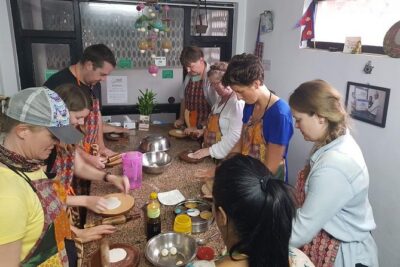
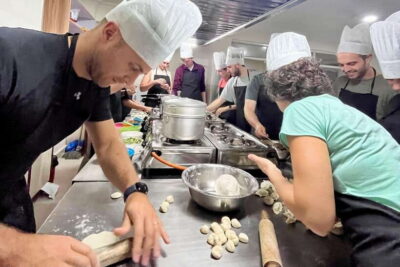
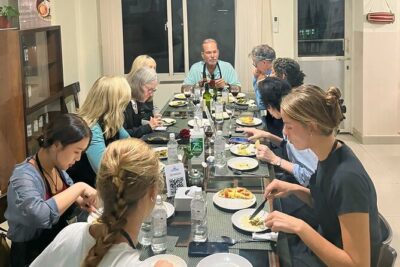
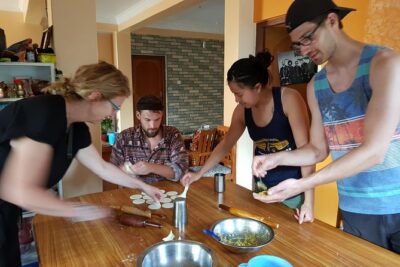
Nepalese Momos or Dal Bhat Cooking Class (Cook with Delight)
Read our review →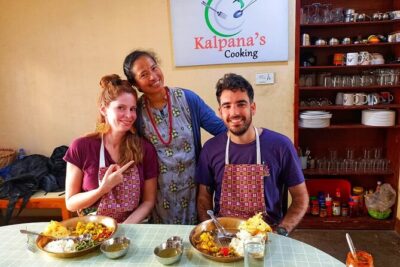
The best Private Nepali Cooking Class in Kathmandu
Read our review →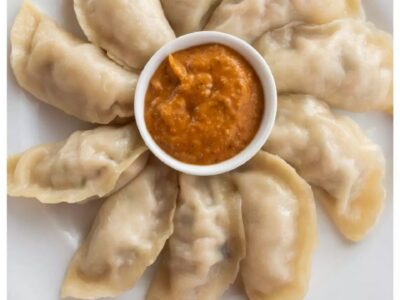
Nepalese Kitchen in Pokhara: Momos or Dal Bhat Cooking Class
Read our review →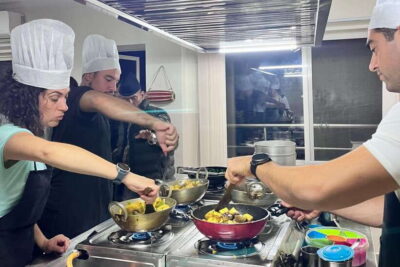
Browse the lists this tour appears in