
Reviewed · COOKING CLASSES
Kathmandu: Women-Led Cooking Class & Momo Making-Local Taste
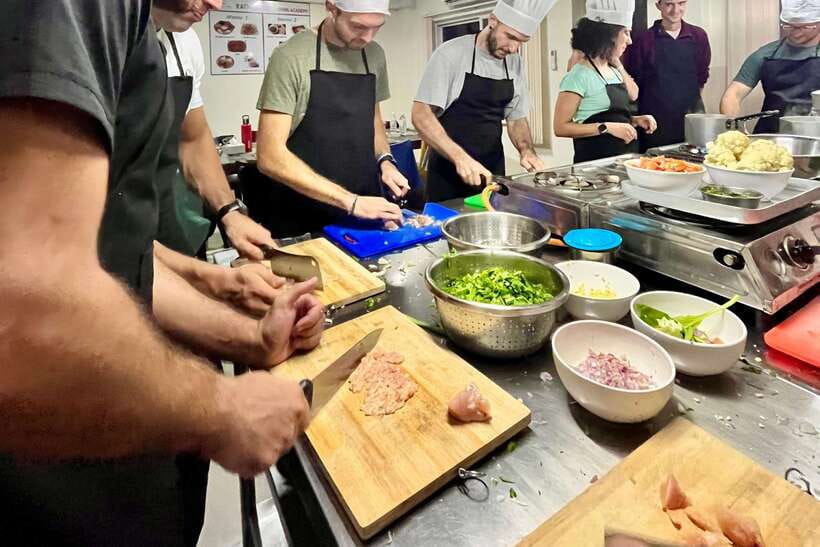
Kathmandu’s food story comes alive when you shop for ingredients, grind the spices, shape dumplings, and sit down to eat what you made. This women-led class takes you from a local market to a modern Nepali kitchen, with menus ranging from momo and chatamari to dal bhat, thukpa, and traditional sweets.
I like the small group size, limited to eight, and the practical market stop, since you see the vegetables, spices, and meat before they reach the cooking table. I also like the range of menus, including vegetarian and meat choices, plus masala tea during the lesson.
The main thing to consider is that dumpling folding can take patience. One participant found the chef less relaxed when the technique proved tricky, so this suits you best if you want instruction and practice rather than a completely casual social activity.
Key points at a glance
- Three Nepali menu sets: Choose among Bara with dal bhat and yomari, chatamari with momo and kheer, or aloo chop with thukpa and carrot halwa.
- Market shopping comes first: Visit a local market or shop to select vegetables, spices, and meat for the class.
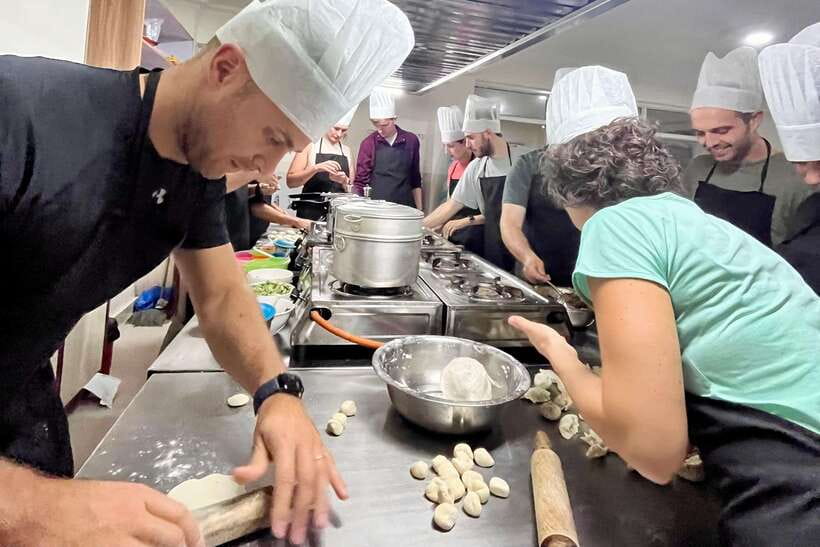
- Momo practice is hands-on: You prepare and fold the dumplings yourself, with the chance to make as many as you can eat.
- A true small-group lesson: The class accepts no more than eight people and runs in English.
- A meal and tea are included: Eat the dishes you prepare and sip Nepali masala tea during the session.
- Good value at $11: The price includes instruction, ingredients purchased for cooking, equipment, tasting, and the market visit.
From Kathmandu market to cooking table
The class lasts about two to three hours, and the market visit gives the session a useful beginning. Instead of meeting only in a kitchen and receiving ingredients already measured out, you get to look at the raw materials used in Nepali cooking.
You can expect to shop for vegetables, spices, and meat with the chef or instructor. The exact market route and ingredient list are not specified, so the visit may vary with the selected menu. That is worth remembering if you are hoping for a formal food tour with a long stop at many stalls. This is primarily a cooking lesson, with shopping built into the preparation.
I like this part because it gives you a better sense of how a Nepali meal starts. You see that dal bhat is not just rice and lentils on a plate. It depends on the supporting vegetables, curry, pickle, and seasoning. The same is true of momo, where the filling, spice mix, dough, and dipping accompaniment all matter.
The workshop is easily accessible from Thamel and other parts of the Kathmandu Valley, but the exact meeting point is not supplied until booking details are provided. Give yourself enough time to reach the location, especially if you are coming from across the valley.
A few more Kathmandu trips to weigh up
- Half day cooking class in Thamel kathmandu
★ 5.0 · 607 reviews - Kathmandu: Local Women-Led Nepali Cooking & Momo Class
★ 4.9 · 360 reviews - Kathmandu: Local Lead Nepali Cooking & Momo-Making Class
★ 5.0 · 212 reviews
Meeting the chef in a modern Nepali kitchen
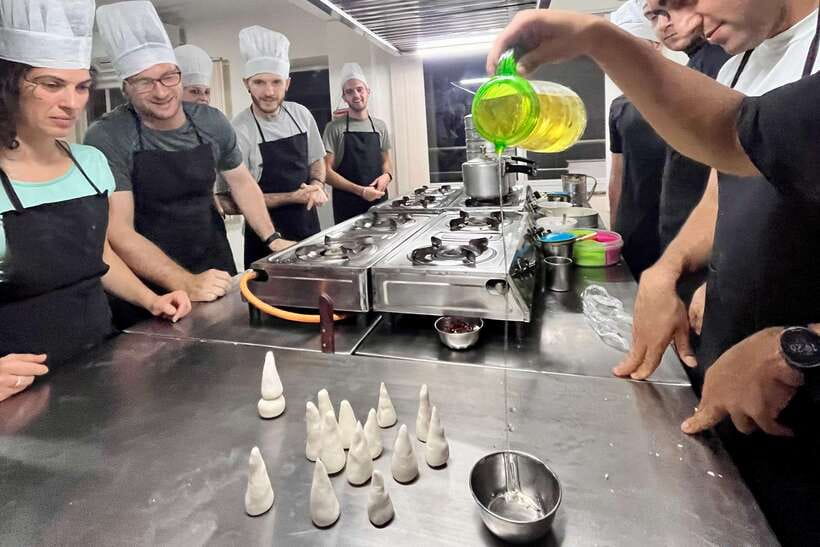
After shopping, you enter a modern Nepali kitchen and work with an English-speaking local chef. The cooking is taught step by step, with equipment and accessories supplied, so you do not need to bring cooking tools.
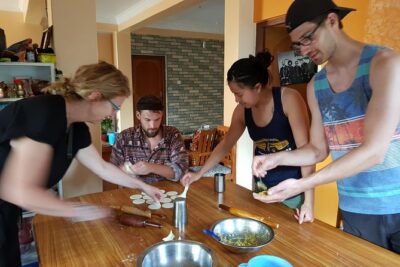
This is not presented as a demonstration where you simply watch a chef prepare lunch. You take part in the work. You handle ingredients, learn cooking methods, and prepare the dishes that you later eat. The chef also explains the cultural role of the food, which gives the class more meaning than a basic recipe lesson.
The women-led format adds a useful local perspective, though no individual chef names are provided. The available feedback points to a friendly, professional teaching style in several sessions, with patient explanations about ingredients and the spices used in Nepali cooking.
Still, the tone may depend on the group and the complexity of the dish. Folding momo neatly requires a little coordination. If you are new to it, your first few dumplings may look more like small purses than restaurant-quality parcels. That is normal, but you may want to ask the instructor to slow down if you need another demonstration.
Choosing from three Nepali menus
The class offers three set menus. Your choice affects the type of cooking you will do and how filling the final meal becomes.
Menu 1: Bara, dal bhat, and yomari
This menu gives you a strong introduction to Newari and everyday Nepali food.
Bara is a lentil pancake made from ground black gram batter and spices. It can be served plain or topped with egg, minced meat, or vegetables. The batter and cooking method make this a useful dish to learn because it is simple in concept but depends on getting the texture right.
Dal bhat pairs steamed rice with lentil soup. It is commonly served with vegetables, pickles, and curry, making it a balanced meal rather than a single dish. If you want the clearest introduction to a staple Nepali lunch or dinner, this is likely the menu to consider.
For dessert, yomari is a Newari rice flour dumpling filled with molasses and sesame, with coconut sometimes added. It gives you a sweet contrast to the savory lentils and vegetables.
Same mountains, a completely different kind of day:
- Everest Base Camp Trek – 14 Days
★ 5.0 · 1,499 reviews - Private Kathmandu Sightseeing Tour | UNESCO World Heritage sites
★ 5.0 · 756 reviews - Everest Base Camp Helicopter Tour landing at Everest View Hotel
★ 5.0 · 668 reviews - Everest Base Camp Trekking
★ 5.0 · 485 reviews
Menu 2: Chatamari, momo, and kheer
This is the menu to choose if momo is your main reason for booking.
Chatamari is a rice flour crepe often called Nepali pizza. It may be topped with egg, minced meat, vegetables, and spices. You learn how a thin rice batter becomes a base for a savory topping, which makes this dish quite different from wheat-based flatbreads.
Then comes momo, Nepal’s famous dumpling. The filling can use chicken, buff, pork, or vegetables, seasoned with spices and wrapped in thin dough. The key skill is folding, and you will likely need a few attempts before the shape looks tidy.
One especially appealing detail is that you can make enough momo to eat to your satisfaction. That makes this menu feel less like a tasting plate and more like a proper meal. If you are vegetarian, confirm the available filling and menu choice when booking.
Kheer, a creamy rice pudding flavored with milk, sugar, and cardamom, rounds out the meal. Nuts and raisins may be used as a garnish.
Menu 3: Aloo chop, thukpa, and carrot halwa
This menu leans toward snacks, soup, and dessert.
Aloo chop is made by mashing boiled potatoes with spices, shaping the mixture, and deep-frying it. It is crisp outside and soft inside, a straightforward dish with plenty of room for seasoning.
Thukpa is a Tibetan-Nepali noodle soup made with wheat or hand-pulled noodles, broth, vegetables, meat, and aromatic spices. Chicken, buff, or mutton may be used, along with vegetarian options. This is a useful choice if you want to learn a soup rather than a rice-based meal.
The dessert is carrot halwa, prepared by slow-cooking grated carrots with milk, sugar, ghee, and cardamom. Nuts and raisins may be added at the end. It takes more time than a quick pudding, so the class format is a good place to see how slow cooking changes the flavor and texture.
What the cooking lesson feels like
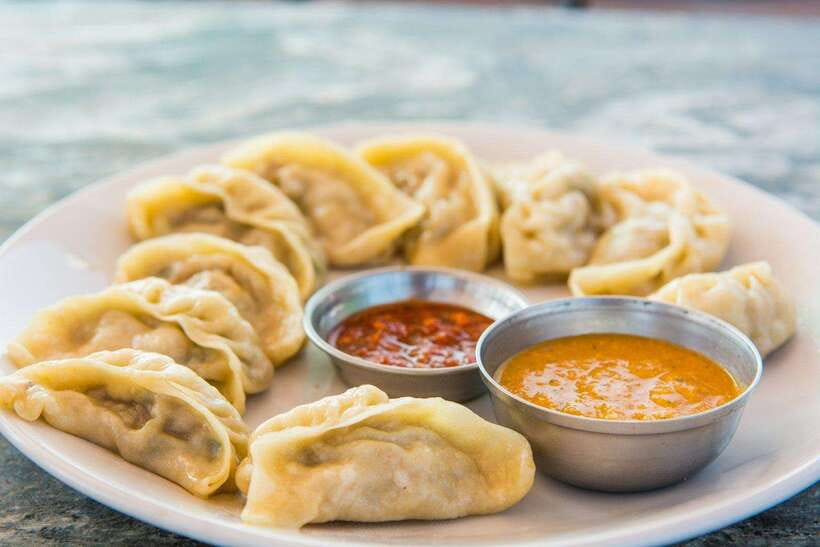
The class is designed for hands-on participation, not professional kitchen training. You receive step-by-step guidance from the chef, and the pace should suit beginners and experienced food lovers alike.
You will learn several methods across the menu options: mixing lentil batter, cooking rice and dal, preparing dough, shaping dumplings, making a crepe, simmering soup, or slow-cooking dessert. The exact techniques depend on your selected set, so this is not one fixed lesson for every booking.
I like that the food is prepared with fresh, locally purchased ingredients. It gives you a direct connection between the market and the finished plate. You can also ask about the spices and preparation methods as you work, which is often when the most useful food knowledge comes out.
The class is suitable for people aged eight and above who are interested in learning new dishes. Children can take part, but you should keep in mind that cooking may include hot pans, boiling liquid, knives, and deep-frying. The supplied information does not specify child-focused instruction, so younger participants will need close adult supervision.
Momo folding: the fun part and the test
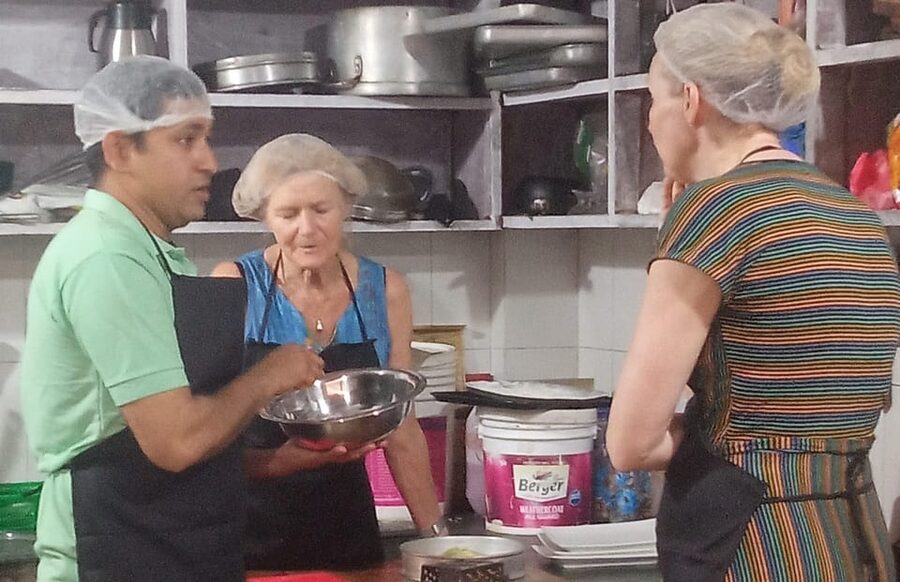
Momo deserves special attention because it is the dish many people most want to learn. The dough is rolled thin, the filling is placed in the center, and the edges are folded into shape before cooking.
The first dumplings can be awkward. That is part of the appeal, but it can also affect the mood of the class. One booking resulted in a less enjoyable experience because the participant struggled with the folding technique and felt the chef became irritated. Other feedback describes a warm atmosphere and a chef who answered questions patiently, so the teaching style may not feel identical in every session.
My advice is simple: treat the first few momo as practice, not a test. Ask for another demonstration, make one slowly, and expect imperfect shapes. The reward is a hot meal you helped prepare, and the class appears generous about letting you make plenty to eat.
Masala tea, sweets, and the meal you prepare
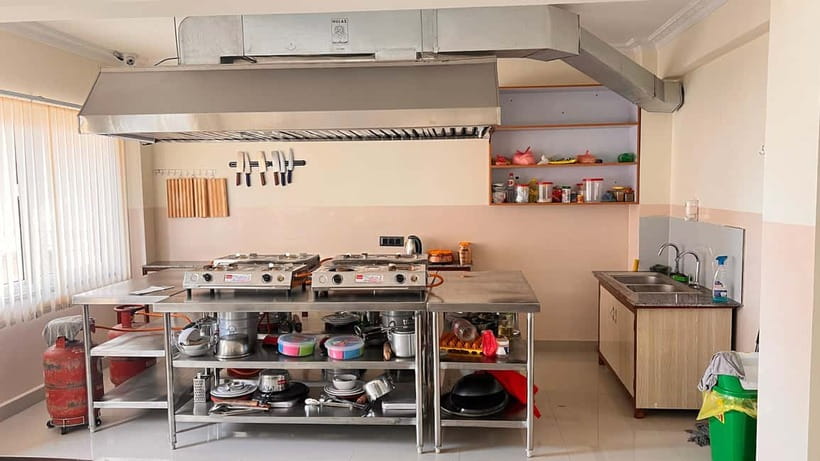
Nepali masala tea is included during the lesson. It combines black tea with aromatic spices and gives you a small but important taste of local daily life. Specialty drinks and alcoholic drinks are not included, so budget separately if you want anything beyond the supplied tea.
The final tasting is the payoff, but it also serves a practical purpose. You can judge the seasoning, texture, and balance of the dishes while the methods are still fresh in your mind. If you enjoy the meal, you leave with recipes and techniques you can try again at home, though the exact recipe handout is not specified.
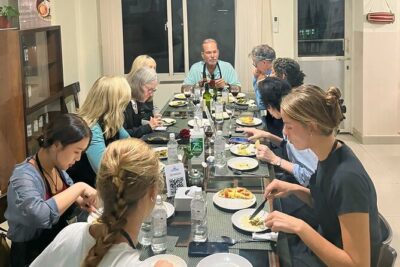
The food is described in the available feedback as fresh, flavorful, and authentic. The strongest praise focuses on the combination of learning and eating, as well as the chef’s explanations of spices and preparation. That is the right way to view the session: it is a meal with a lesson attached, not just a restaurant visit.
Is $11 good value?
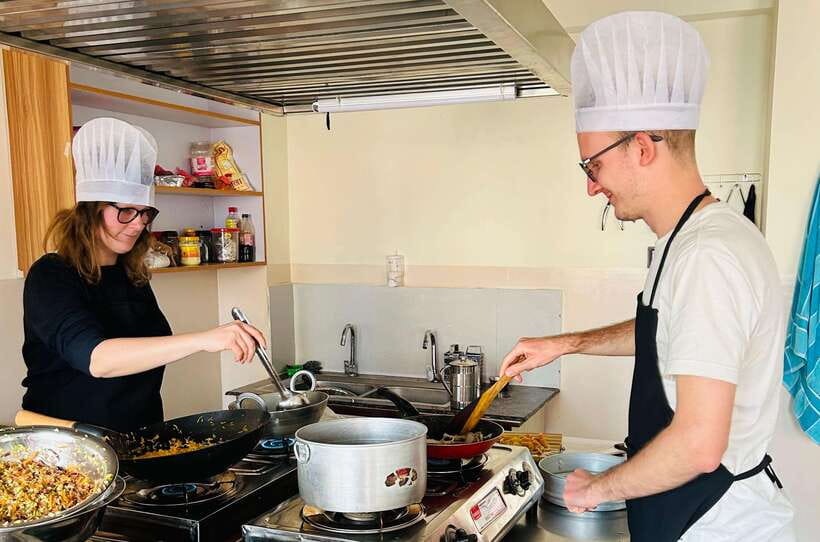
At $11 per person, this is an unusually affordable food activity in Kathmandu. The fee includes the cooking instruction, an experienced chef and instructor, the market or shop tour, cooking equipment, the hands-on lesson, the food you prepare, and masala tea.
You also receive more than one dish in the selected menu. Depending on your choice, that may include a main meal, a snack, a dessert, and several cooking techniques. The market visit adds useful context without requiring a separate food tour fee.
The price does have limits. Specialty and alcoholic drinks cost extra, and professional photographs or video are available only for an additional fee. If you want polished images of your cooking session, ask about the extra cost before arriving.
For budget-conscious visitors, the value is strongest if you eat the class as a substantial lunch or dinner and take the methods home with you. It is less compelling if you only want to watch a chef cook or if you expect a long, guided market tour with extensive historical explanation.
Group size, language, and timing
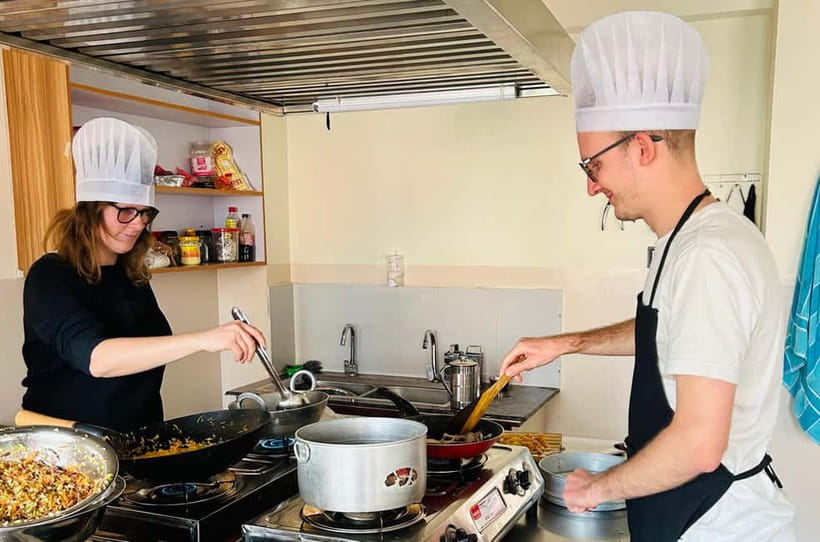
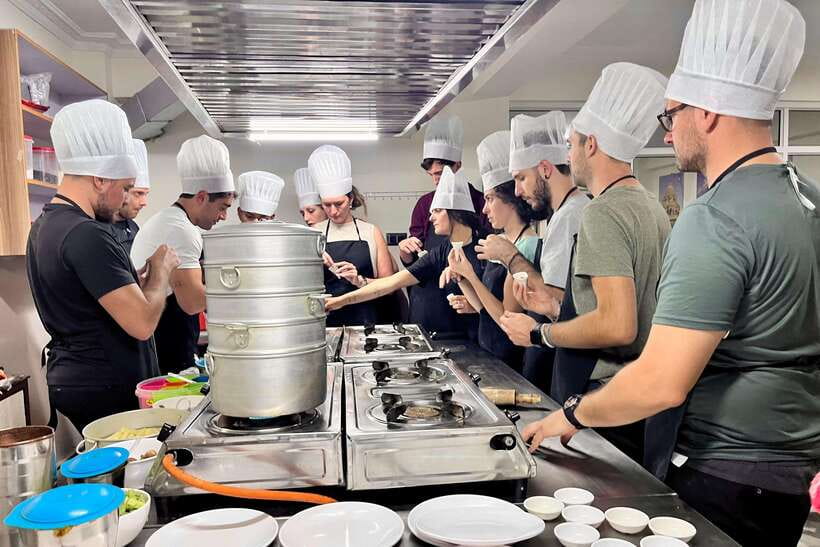
The small group is limited to eight people, which should give you more contact with the chef than a large cooking school. It also matters during momo practice, since a crowded table can make it hard to see the folding demonstration or ask questions.
Instruction is in English. No other teaching language is listed, so English ability is important if you want to follow recipe details and cultural explanations.
The session runs for two to three hours. That is enough time for a market stop, preparation, cooking, and eating, but the range allows for some variation. A menu involving slow-cooked carrot halwa or several separate dishes may take a different amount of time from a simpler session.
Starting times depend on availability. The class can be arranged for lunch or dinner, so it may fit neatly around sightseeing in Kathmandu. Check the start time and meeting instructions carefully, since the workshop is accessible from Thamel and the wider valley but no exact meeting address is given here.
Who should book this Kathmandu cooking class?
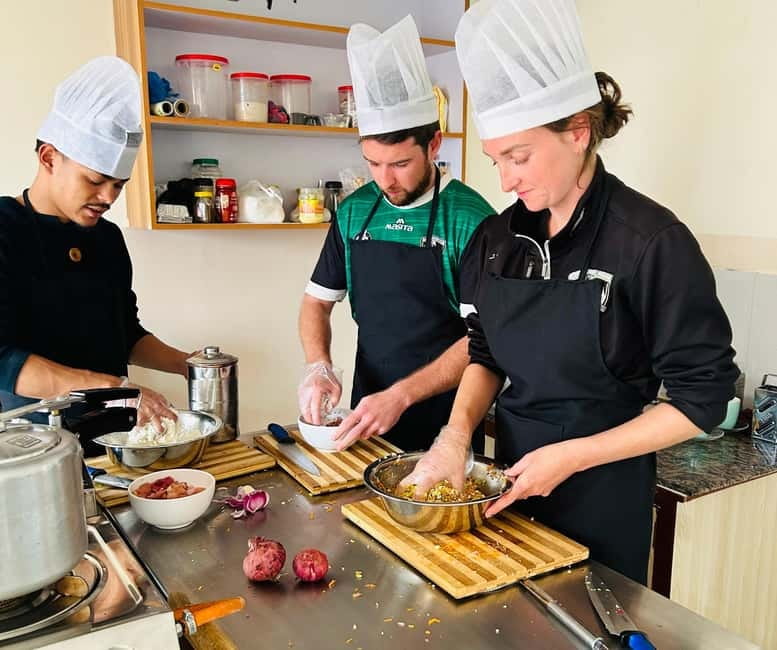
I would recommend it to you if you want to meet local cooks, learn several Nepali dishes, and eat a meal you made yourself. It is especially suitable for curious eaters who want more than a restaurant menu and for people who enjoy learning by doing.
The class is also a good choice for visitors who want a rainy-day activity, families with children over eight, and anyone interested in taking Nepali food skills home. Momo fans should look closely at Menu 2, while first-time visitors wanting a classic staple may prefer the dal bhat option.
You may want to skip it if you dislike group instruction, have very limited time, or want a relaxed demonstration with no practical work. It is also wise to manage expectations about the market stop. The experience includes shopping for ingredients, but it is not advertised as a full market sightseeing tour.
The overall rating is 4.8 from 15 bookings, with especially strong praise for the food, hospitality, chef’s explanations, and the chance to cook enough momo to satisfy your appetite. One less positive experience concerned the instructor’s response to folding problems, so a little patience and clear communication will help.
Should you book it?
Book this class if you want an inexpensive, active introduction to Nepali food and you are happy to get your hands messy. The $11 price covers a market visit, instruction, ingredients, equipment, tea, and a meal, making it a strong value for a two to three hour activity.
Choose your menu with care. Go for dal bhat and yomari for a classic Nepali meal, momo and chatamari for dumpling practice, or thukpa and carrot halwa for soup and dessert. If you expect a highly polished cooking school, ask questions and request slower demonstrations when needed. If you want fresh food, local context, and a useful memory from Kathmandu, this class earns a place on your short list.
FAQ
How much does the Kathmandu cooking class cost?
The class costs $11 per person.
How long does the cooking class last?
The activity lasts about two to three hours.
What food can I learn to cook?
The three menu sets include Bara, dal bhat, yomari, chatamari, momo, kheer, aloo chop, thukpa, and carrot halwa.
Are vegetarian options available?
Yes. The activity offers vegetarian and meat options. Specific choices depend on the menu and ingredients selected.
Is the market visit included?
Yes. The experience includes a market or shop tour to buy vegetables, spices, and meat for the cooking class.
Is masala tea included?
Yes. Nepali masala tea is included during the lesson. Specialty and alcoholic drinks are not included.
What language is the class taught in?
The instructor teaches in English.
How many people can join the class?
The class is limited to eight participants.
What is the minimum age?
The workshop is suitable for people aged above eight who are interested in learning to cook new dishes.
Just added around Kathmandu
- Private Half-Day Tour of Boudhanath and Pashupatinath Temples in Kathmandu★ 4.5 · 9 reviews
- Private Half-Day Tour of Kathmandu Durbar Square and Swayambhunath Temple★ 4.5 · 11 reviews
- Namobuddha Monastery Hiking Day Tour via Panauti from Kathmandu★ 5.0 · 15 reviews
- Private Full-Day Kathmandu City Tour★ 5.0 · 9 reviews
- Private Day Tour in Kathmandu Valley Rim with Bhaktapur Sightseeing★ 5.0 · 3 reviews
- Private Half Day Budhanilkantha Tour★ 5.0 · 6 reviews
- Private Day Tour: Patan and Bhaktapur from Kathmandu★ 4.5 · 6 reviews
- Private Day Tour – Sacred Journey to Namo Buddha★ 5.0 · 5 reviews
Cooking Classes, compared.
Nepalese Momos or Dal Bhat Cooking Class (Cook with Delight)
Read our review →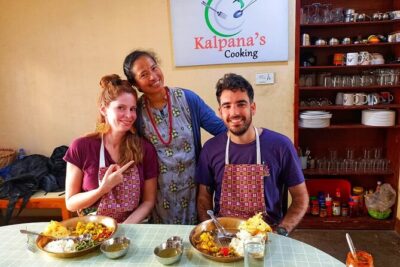
The best Private Nepali Cooking Class in Kathmandu
Read our review →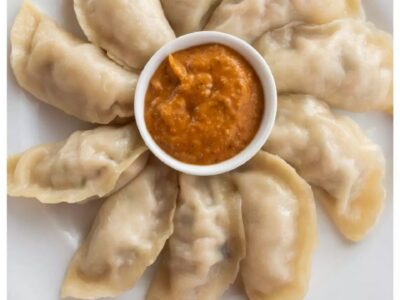
Nepalese Kitchen in Pokhara: Momos or Dal Bhat Cooking Class
Read our review →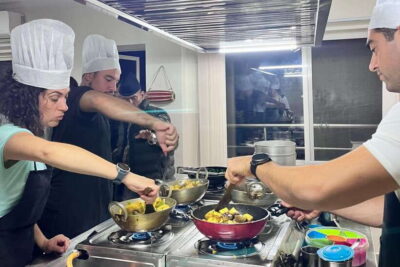
Browse the lists this tour appears in