
Reviewed · WORKSHOPS
Kathmandu: Momo Making Class with a Local Chef
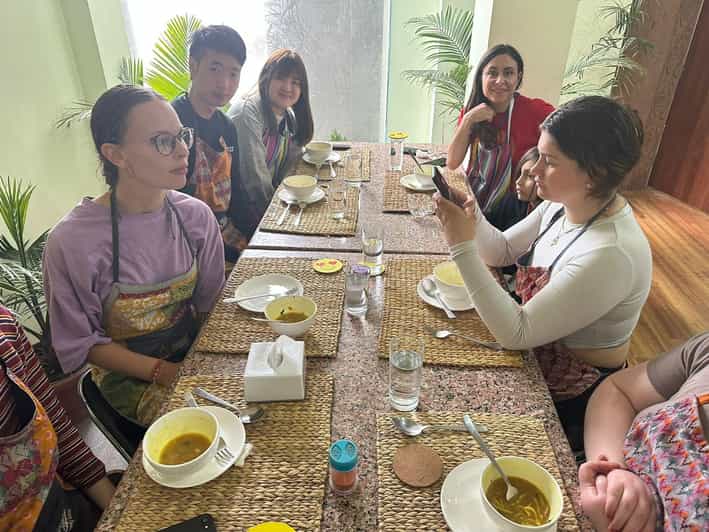
Momos are Nepal’s answer to comfort food: soft dumplings packed with seasoned filling, then cooked until tender. In this one-hour Thamel class, you do not just watch a chef fold them. You mix the dough, prepare the filling, shape each dumpling, and cook the batch yourself.
I like the hands-on format, especially for a short activity that fits neatly into a Kathmandu sightseeing day. I also like the small group limit of eight, plus the chance to sit down and eat what you have made. The main consideration is time: one hour gives you a useful introduction, but not a long lesson in regional cooking or several different momo styles.
Key points at a glance
- Make every part of the momo: Work through the dough, filling, folding, and cooking rather than watching from the sidelines.
- Cook in Thamel: The class takes place at Nepal Cooking School on Paknjaol Marg, opposite Ganesh Temple.
- Learn in English: An English-speaking chef or instructor leads the session.
- Eat your own work: The class ends with a meal featuring your momos, often with dipping sauces or side dishes.
- Keep the group small: A maximum of eight participants makes it easier to get help with tricky folds.
- Plan for practical clothing: Wear something comfortable that can handle flour, filling, and a little kitchen mess.
Why momos make a good Kathmandu cooking class
If you have spent even a little time in Nepal, you will soon notice momos on menus and street-food counters. They are also linked to Tibet and the wider Himalayan region, so learning to make them gives you a small connection to the food culture you are seeing around Kathmandu.
The appeal is partly practical. Dumplings are made from a few basic parts, but the finished result depends on details such as dough texture, filling balance, and the way you seal the edges. You can learn more from making one yourself than from simply ordering a plate in a restaurant.
I like that this class focuses on a food you can recognize immediately. You are not being asked to prepare an elaborate feast with a long list of unfamiliar dishes. Instead, you get one clear task and take it from raw ingredients to a meal in about an hour.
That short length matters in Thamel, where you may be fitting food activities between temples, shopping, walks, and day trips. You can take the class without giving up half a day. The tradeoff is that the lesson will move at a fairly brisk pace, so you should arrive ready to take part rather than expect a slow, highly detailed cooking seminar.
A few more Kathmandu trips to weigh up
- Half day cooking class in Thamel kathmandu
★ 5.0 · 607 reviews - Kathmandu: Local Women-Led Nepali Cooking & Momo Class
★ 4.9 · 360 reviews - Kathmandu: Local Lead Nepali Cooking & Momo-Making Class
★ 5.0 · 212 reviews
Finding Nepal Cooking School in Thamel
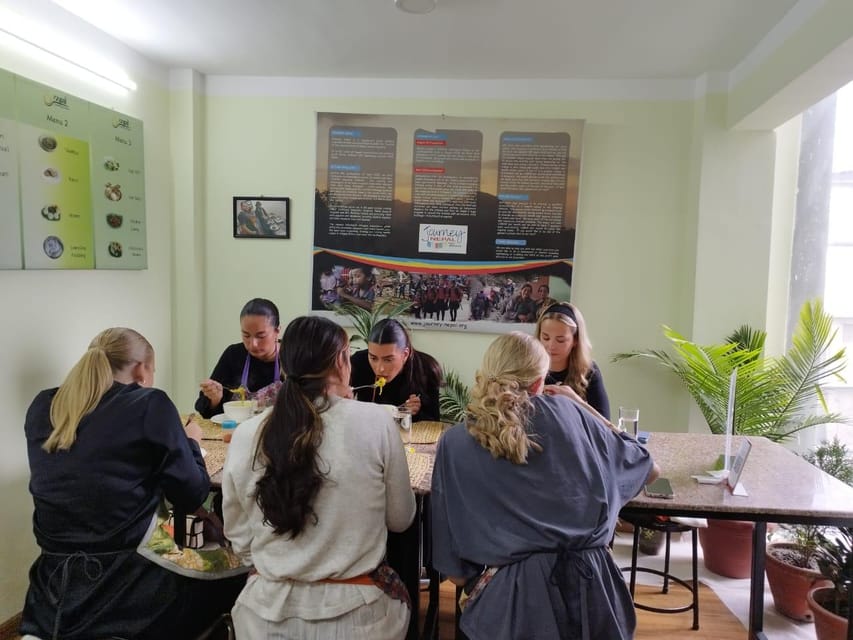
The meeting point is Nepal Cooking School on Paknjaol Marg, opposite the Ganesh Temple. The school is in the same building as Delicious Pizza, on the third floor.
That address is useful because Thamel has many small businesses packed into close streets, and a recognizable nearby landmark can save time. I would allow a few extra minutes to find the building and reach the third floor, especially if you are unfamiliar with the area.
Transportation to the class is not included, so you make your own way there. This is not a major burden if you are already staying or sightseeing in Thamel, but it is worth planning for if your hotel is elsewhere in Kathmandu. The experience begins at the cooking school, not with hotel pickup.
The location also makes the class easy to pair with other plans. You can schedule it before or after exploring Thamel, though you should avoid wearing clothing you want to keep spotless. The instructions specifically recommend comfortable clothes that can get dirty.
The first step: mixing the momo dough
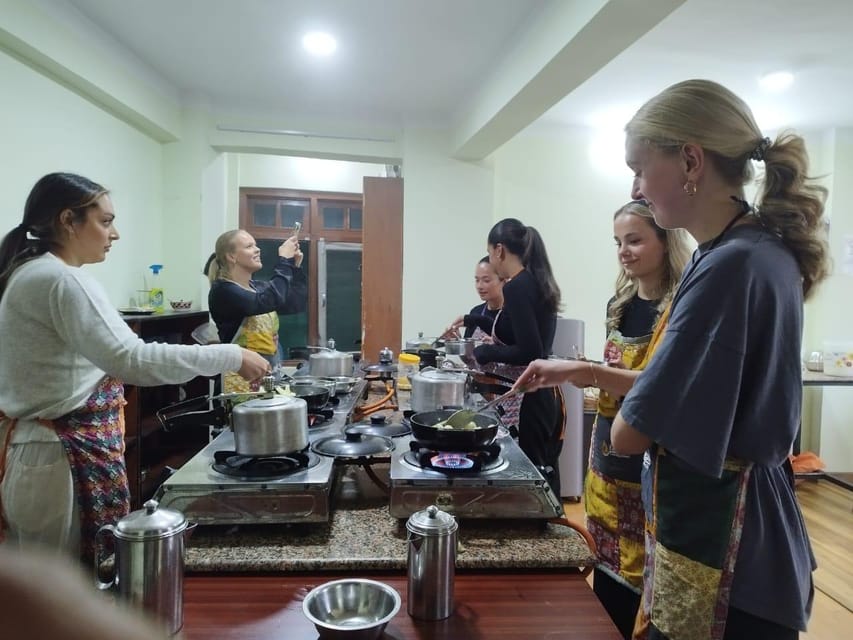
The class begins with the basic dough. You work with flour and water, mixing and preparing the dough that will later become the wrapper around each dumpling.
This part may seem simple, but it sets the tone for the whole experience. The dough has to be workable enough to roll and fold, yet firm enough to hold the filling during cooking. Getting your hands involved makes the process easier to understand than watching someone else perform it.
You will likely spend part of this opening stage following the chef’s instructions and adjusting the mixture as needed. The supplied details do not specify a particular dough recipe or special technique, so you should expect a practical introduction rather than a printed course in Nepalese baking.
For you, the value is in learning the basic sequence. Once you understand how the dough is prepared, you can see how the same idea might be repeated at home with ordinary kitchen ingredients.
Preparing a meat or vegetable filling
Next comes the filling. Common ingredients include ground meat if you choose a nonvegetarian version, vegetables, spices, and other seasonings. The available information does not identify one fixed recipe, so the exact filling may depend on the class setup and your chosen option.
That flexibility is useful. Momos are not limited to one filling, and a vegetarian participant can take part without treating the dish as an afterthought. If you eat meat, you should still confirm the available filling when booking or at the start of class, since the precise choices are not specified.
This is also the stage where the chef can explain how the ingredients work together. The preparation is hands-on, so you are not simply handed a ready-made mixture. You help make the filling that will go into your own dumplings.
An earlier participant, Tizia from Germany, specifically praised the chef’s explanations and helpful approach. That is a useful detail for anyone who worries about keeping up in a cooking class. The instructor is there to guide you through the work, not just demonstrate a finished plate.
Same mountains, a completely different kind of day:
- Everest Base Camp Trek – 14 Days
★ 5.0 · 1,499 reviews - Private Kathmandu Sightseeing Tour | UNESCO World Heritage sites
★ 5.0 · 756 reviews - Everest Base Camp Helicopter Tour landing at Everest View Hotel
★ 5.0 · 668 reviews - Everest Base Camp Trekking
★ 5.0 · 485 reviews
Folding the dumplings without giving up
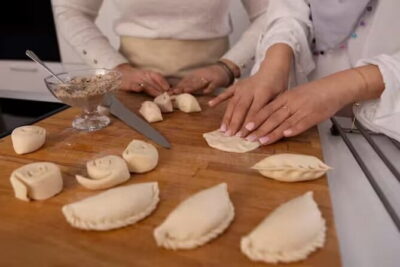
Shaping momos is likely to be the most enjoyable and most awkward part of the class. You portion the filling, place it on the dough, and fold the wrapper around it. The exact shape depends on the folding method, but the basic challenge is always the same: seal the dumpling well enough that the filling stays inside during cooking.
This is where a small group helps. With no more than eight participants, you have a better chance of getting individual help when the fold goes wrong or the dough refuses to cooperate. Do not worry if your first few momos look uneven. The point is to learn the movement and produce something you can cook and eat.
I like this part because it turns the class into a shared activity rather than a passive demonstration. You will be using your hands, repeating the fold, and gradually making a more regular dumpling. The experience is better suited to people who enjoy trying a task than to anyone hoping for a polished cooking show.
The instructions also warn you to bring clothes that can get dirty. Flour, filling, and seasoning are part of the fun, but this is not the place for your best outfit. Keep your belongings and clothing practical.
Cooking and eating the momos you made
After the dough and filling are ready, you cook the dumplings. The supplied details do not specify the cooking equipment or method, so you should not assume a particular style in advance. The important point is that cooking is part of the class, not something done entirely by the chef after you leave.
The session ends with a meal featuring the momos you prepared. They are often served with dipping sauces or side dishes, giving you a chance to taste the finished result while the work is still fresh in your mind.
This final meal adds real value to a short class. You are not paying only for a demonstration or a recipe explanation. You are also receiving the ingredients and eating a dish that you helped prepare from the beginning.
Tizia’s verified April 2024 booking gave the class a five-star rating and singled out two things: the chef explained a lot, and the momos tasted very good. Those comments match the strongest reason to book this activity. You get both instruction and a satisfying finish, rather than leaving with nothing but notes.
What the one-hour format does well
A one-hour class is easy to fit into a Kathmandu schedule. It works well for a morning or afternoon break, and it does not require the planning involved in a full-day food tour. If you are traveling with children, friends, or a partner, the clear start-to-finish task can also be easier to manage than a long cooking program.
Still, an hour has limits. You will learn the basic process, but you should not expect extensive discussion of Nepal’s food traditions, several types of fillings, or a long lesson on advanced folding. The available information also does not promise a recipe booklet, a market visit, or a take-home portion.
I would think of this as a compact practical lesson, not culinary training. It gives you a taste of the method and enough familiarity to understand what goes into a plate of momos. If you want a deeper class with many dishes, you should compare the duration and syllabus with longer options.
The English instruction is another practical advantage. You can ask questions and follow the chef’s directions without needing a translator. Since the instructor’s personal name is not provided, you should not expect to book a specific named chef.
Who will get the most from this class
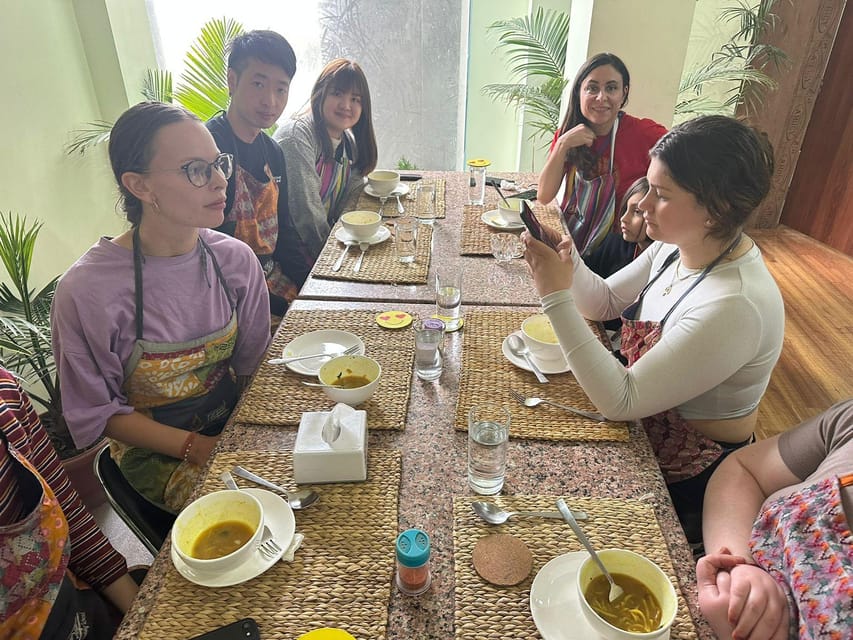
This experience suits you if you want a short, local food activity with real participation. It is especially useful for first-time visitors to Nepal who have eaten momos but want to understand how they are made.
It also suits people who prefer food activities to sightseeing alone. You get a chance to work with familiar ingredients in a Nepalese setting, then share the result with the group. The small size makes it a better choice than a large demonstration if you want to ask questions or receive help with folding.
Vegetarians should check the filling details before starting. The class description allows for ground meat if you are not vegetarian and also lists vegetables among the ingredients, but it does not state a fixed vegetarian menu.
You should think twice if you dislike hands-on cooking, have very little time between fixed plans, or want a highly detailed regional food lesson. The class is short, and the work is part of the experience. You will not simply sit down and receive a plate.
Practical details before you book
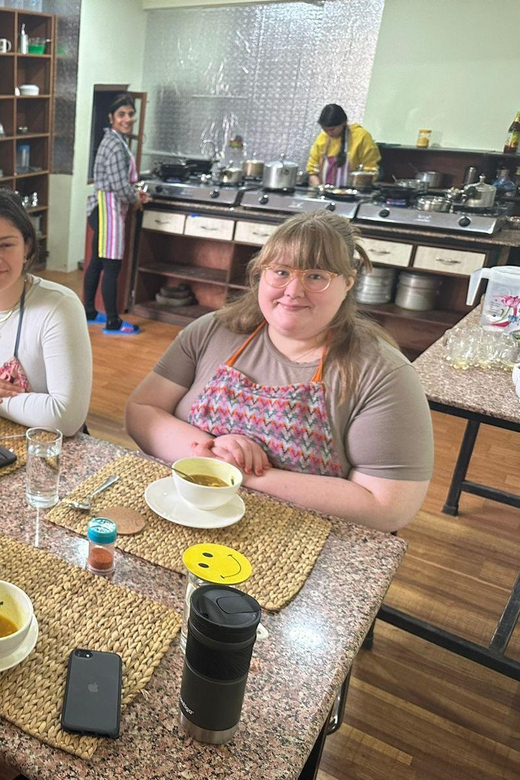
The class lasts one hour, with starting times available according to the schedule. The group is limited to eight participants, and instruction is in English.
Ingredients for preparing momos are included in the activity details. At the same time, the instructions for what to bring list ingredients, so I would confirm this point when you book rather than assume you need to arrive with a full supply. Comfortable clothing is essential, and clothes that can get dirty are the sensible choice.
Transportation and personal expenses are not included. The meeting point is the Nepal Cooking School building on Paknjaol Marg, opposite Ganesh Temple, on the third floor above Delicious Pizza.
You can cancel up to 24 hours in advance for a full refund, and the reserve-now, pay-later option lets you hold a place without paying at the time of booking. Check the current starting times and terms before you commit, since schedules can change.
Is the Kathmandu momo class worth booking?
I would book this class if you want a low-commitment food experience that gives you something to do with your hands and something to eat at the end. Its strongest points are the English-speaking instruction, the small group, the direct help from the chef, and the simple one-hour format.
The class is not designed for deep culinary study. It is best understood as a focused introduction to momo making, with enough explanation to make the process meaningful and enough cooking to keep you involved.
Book it if momos are already on your Kathmandu food list, if you are staying near Thamel, or if you want a break from sightseeing. Skip it if you are looking for hotel transport, an extensive Nepalese menu, or a long class covering many dishes.
FAQ
Where does the momo cooking class take place?
The class takes place at Nepal Cooking School on Paknjaol Marg in Thamel, opposite the Ganesh Temple. It is on the third floor of the building containing Delicious Pizza.
How long does the class last?
The class lasts one hour.
What will I make during the class?
You will prepare the momo dough, make the filling, shape the dumplings, and cook them.
Will I eat the momos I prepare?
Yes. The class includes the opportunity to taste your creations, with a meal featuring the momos you made. Dipping sauces or side dishes are often included with the meal.
Is the class taught in English?
Yes. The instructor language is English.
How many people can join the class?
The activity is offered as a small group, with a maximum of eight participants.
Are ingredients included?
Ingredients for momo preparation are included in the activity details. The instructions also list ingredients among the things to bring, so confirm the exact requirement before attending.
Is transportation to the cooking school included?
No. Transportation to and from the class location is not included.
Can I cancel for a full refund?
Yes. You can cancel up to 24 hours in advance for a full refund.
Just added around Kathmandu
- Private Half-Day Tour of Boudhanath and Pashupatinath Temples in Kathmandu★ 4.5 · 9 reviews
- Private Half-Day Tour of Kathmandu Durbar Square and Swayambhunath Temple★ 4.5 · 11 reviews
- Namobuddha Monastery Hiking Day Tour via Panauti from Kathmandu★ 5.0 · 15 reviews
- Private Full-Day Kathmandu City Tour★ 5.0 · 9 reviews
- Private Day Tour in Kathmandu Valley Rim with Bhaktapur Sightseeing★ 5.0 · 3 reviews
- Private Half Day Budhanilkantha Tour★ 5.0 · 6 reviews
- Private Day Tour: Patan and Bhaktapur from Kathmandu★ 4.5 · 6 reviews
- Private Day Tour – Sacred Journey to Namo Buddha★ 5.0 · 5 reviews
Workshops, compared.
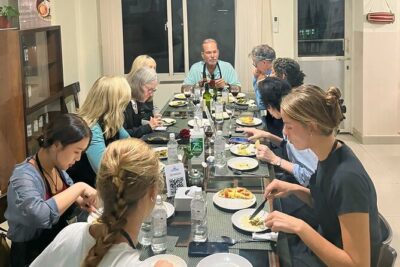
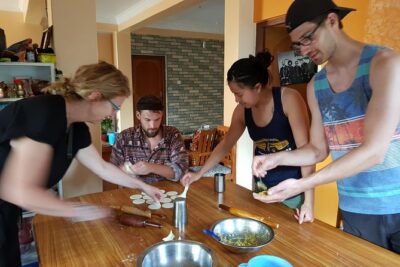
Nepalese Momos or Dal Bhat Cooking Class (Cook with Delight)
Read our review →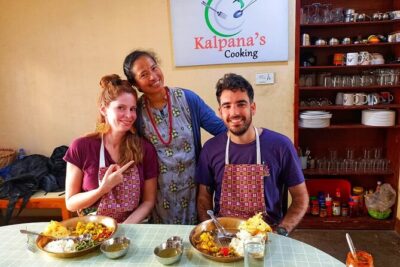
The best Private Nepali Cooking Class in Kathmandu
Read our review →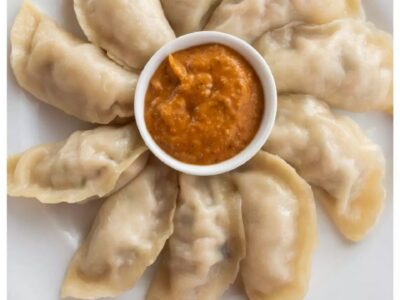
Nepalese Kitchen in Pokhara: Momos or Dal Bhat Cooking Class
Read our review →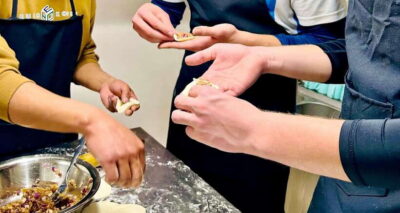
Browse the lists this tour appears in