
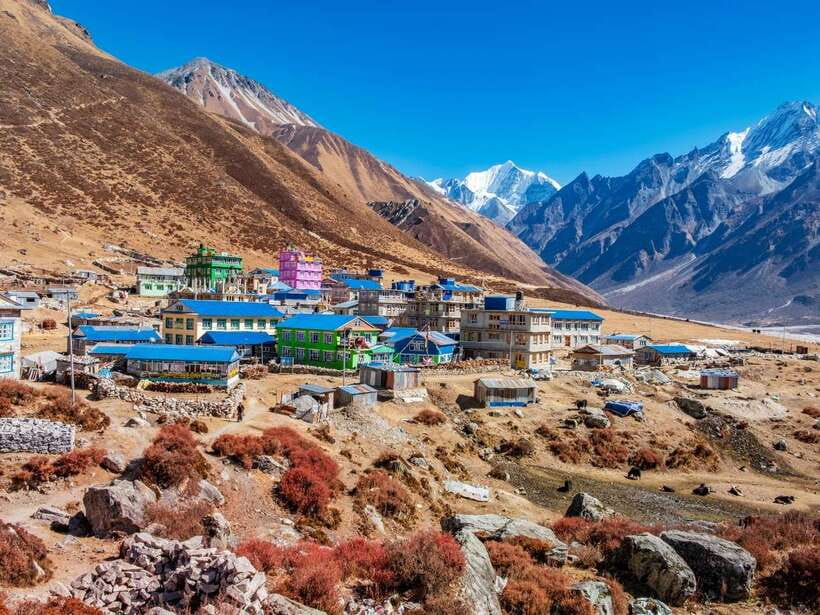
Reviewed · LANGTANG VALLEY TREKS
Kathmandu: 6 Days Langtang Valley Trek with Kyanjin Ri
Kyanjin Ri is the prize here: a hard morning climb to 4,770 meters, with wide views of snowy peaks and glacial valleys. The route also gives you Tamang village life and a visit to Kyanjin Gompa, so this is more than a mountain walk.
I like the careful guide service, especially the way guides such as Ghanshyam and Sudarshan adjust the pace and add breaks when needed. I also like the practical setup: permits, five nights of accommodation, transport, and staff costs are handled for you. The main caution is altitude. The schedule gains height quickly, and Kyanjin Ri is optional for good reason.
Key points to know before booking
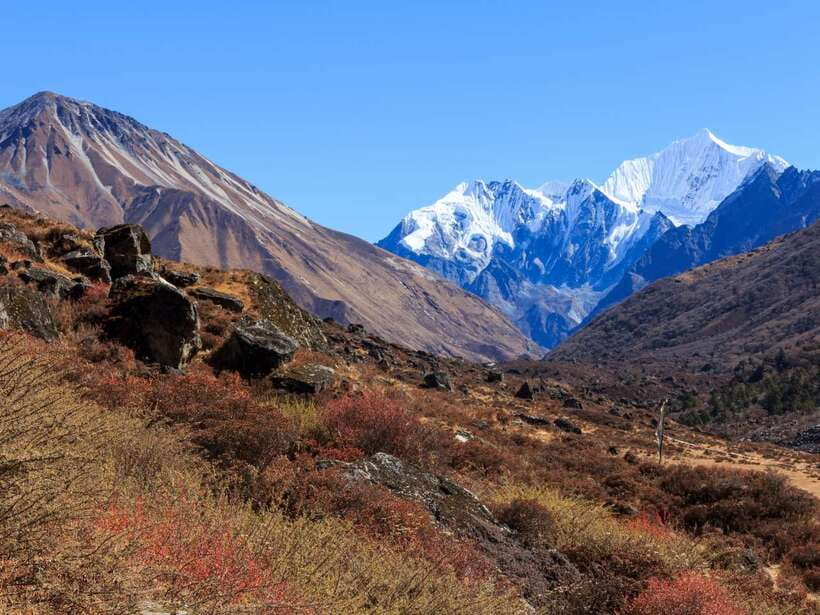
- Sunrise at Kyanjin Ri: The optional 4,770-meter climb is the trek’s biggest reward, especially in clear morning weather.
- Tamang culture: You pass through mountain villages, meet local residents, visit a monastery, and learn about life in the Langtang Valley.
- A short Himalayan trek: Six days gives you a real high-mountain experience without committing to a much longer route.
- Personal guide service: The trip is arranged as a private group, with English and Hindi available. Previous guides named Ghanshyam and Sudarshan were praised for patience and care.
- Cheese and monastery visit: Kyanjin Gompa combines a traditional religious site with a local cheese factory.
- Extra costs to plan for: Porter service, bottled or boiled water, showers, drinks, battery charging, insurance, and personal spending are not included.
What the Langtang Valley route feels like
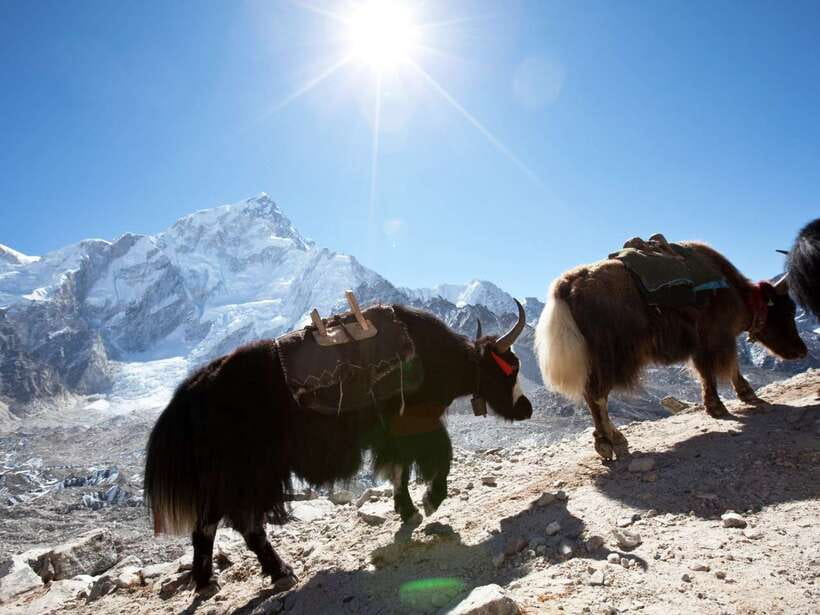
Langtang offers a pleasing mix of walking, village life, forest, and high Himalayan views. You are not simply driven to a viewpoint and brought back. The route gives you time to move through the valley on foot, with the scenery changing as you gain height.
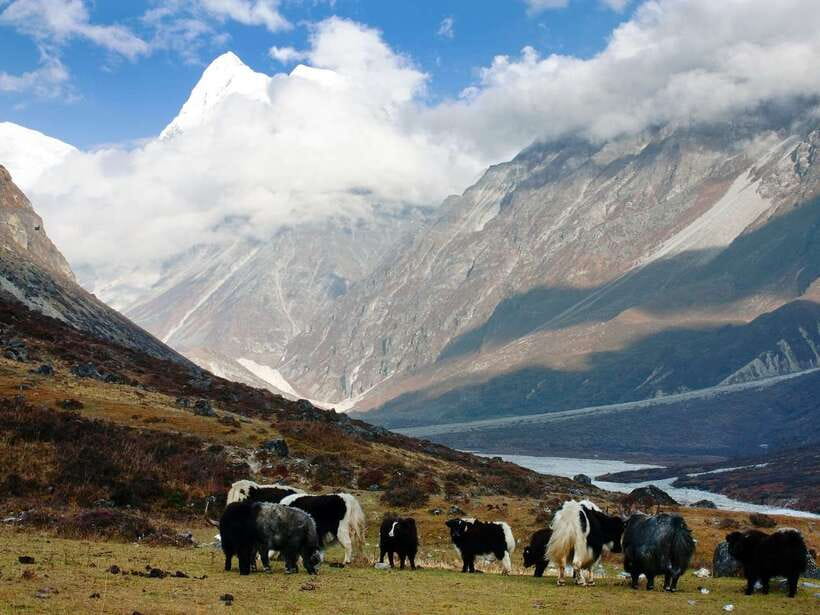
The trek starts near Syabrubesi and follows the Langtang River through forested trails and mountain settlements. Along the way, you can expect waterfalls, quiet paths, snow-covered peaks, and the welcoming atmosphere of Tamang communities.
That cultural side matters. The Langtang Valley is not just a backdrop for photographs. You pass through places where local people live and work, and the stop at Kyanjin Gompa gives the route a stronger sense of place. The pace also leaves room for conversation with your guide, who can explain what you are seeing.
At $179 per person, the price is attractive for a six-day guided trek, but you should read the inclusions carefully. The package covers permits, necessary paperwork, five nights of private accommodation, transport according to the schedule, and all staff expenses. Meals are included during the trek for the full-package option.
The price does not include a porter, drinks, insurance, bottled or boiled water, showers, laundry, phone calls, battery charging, or personal expenses. That makes the trip good value for a prepared hiker, but the final cost will be higher if you want a porter or regular paid services along the trail.
More Langtang Valley Treks in Kathmandu:
- Langtang Valley Trek
★ 5.0 · 140 reviews - Private 8 – Day Langtang Trekking
★ 5.0 · 29 reviews - Kathmandu: 6-Day Limitless Langtang Trek
★ 5.0 · 21 reviews
Day 1: Kathmandu to Syabrubesi, then Pahiro at 1,550 meters
Your first day begins with hotel pickup in Kathmandu and a drive to Syabrubesi. The vehicle follows mountain roads through villages and green hills before reaching the main gateway for the Langtang Valley trek.
The drive is an important part of the day, not just a transfer to forget. Mountain roads can make the journey feel long, and the condition of the road or weather may affect the timing. Shared transportation is listed according to the number of people, so confirm the exact vehicle arrangement before setting out.
After reaching Syabrubesi, you begin walking toward Pahiro. The trail follows the Langtang River and enters peaceful forest. This first walk is relatively short compared with the days ahead, but it gives you a gentle introduction to the route.
You sleep at Pahiro at 1,550 meters. Since you have already spent time in a vehicle and then start walking, keep your first day easy. The best use of the afternoon is to settle into the rhythm of the trek, check your gear, and drink enough water.
Day 2: Forest trails and waterfalls on the way to Ghoda Tabela
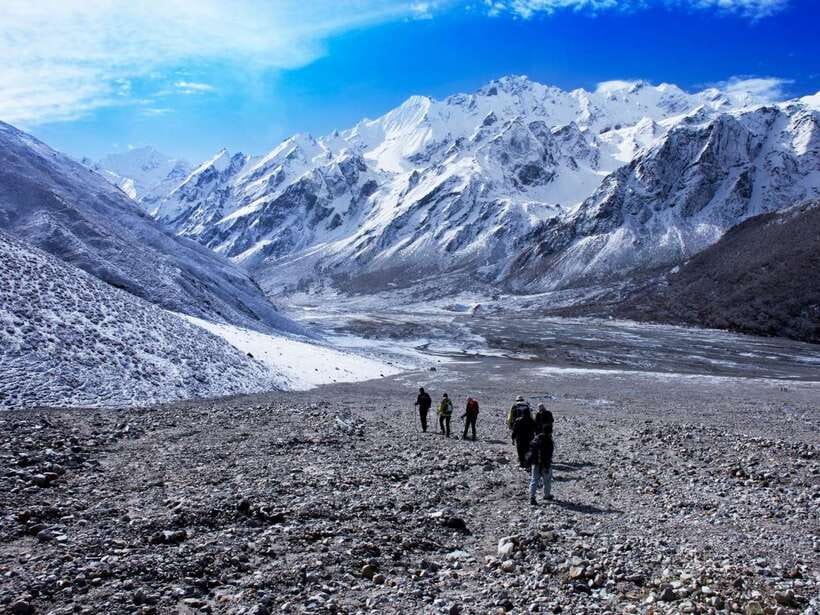
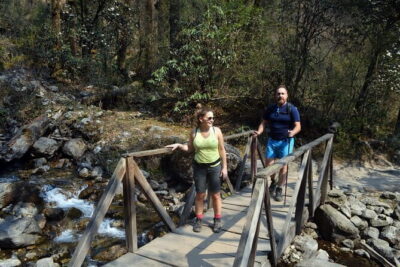
From Pahiro, the trail continues toward Ghoda Tabela at 2,900 meters. You walk through green forest, cross mountain villages, and pass waterfalls along the route.
This is one of the most scenic walking days because the trail changes often. The forest gives shade, while openings reveal mountain views and cascading water. The route feels more remote as you leave the lower settlements behind.
The elevation gain deserves attention. Going from 1,550 meters to 2,900 meters in one day is a meaningful rise, even for a fit person. Walk at a steady pace rather than trying to prove something in the first half of the day. Your guide should help set a sensible speed, and you should speak up if you feel unwell.
Ghoda Tabela is a useful stopping point because it places you higher in the valley before the push to Kyanjin Gompa. The schedule is compact, so this is a day to listen to your body. Headache, nausea, unusual tiredness, or loss of appetite can signal altitude problems. Do not hide symptoms from your guide.
Day 3: Reaching Kyanjin Gompa at 3,870 meters
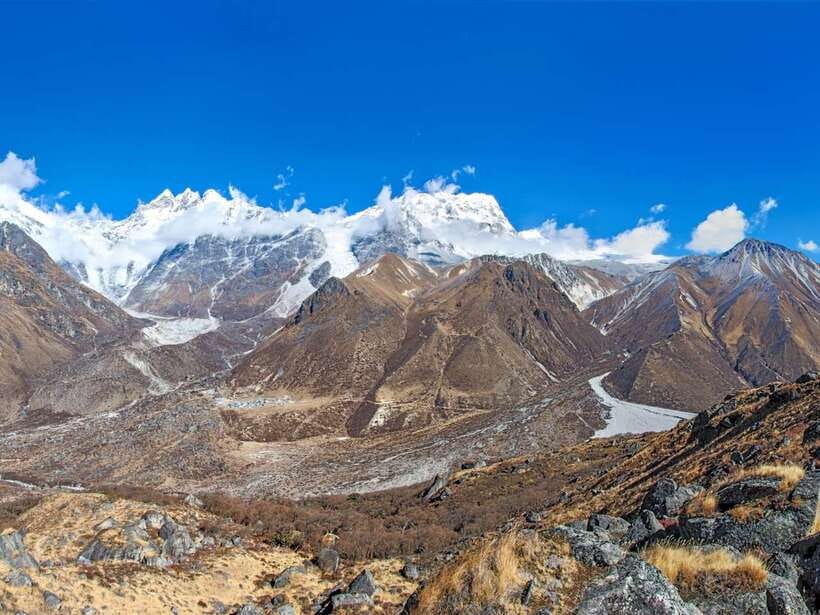
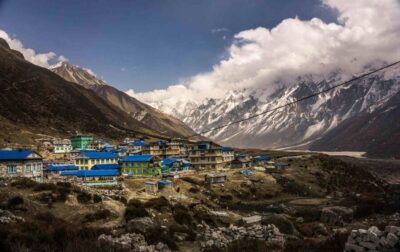
The third day takes you from Ghoda Tabela to Kyanjin Gompa, the cultural and scenic center of the trip. The trail continues through the valley toward a traditional mountain settlement surrounded by high peaks.
For many people, this is the day when the trek begins to feel properly Himalayan. You are higher, the air is thinner, and the mountain views become more commanding. The route also brings you closer to the Tamang communities that give the valley its distinct cultural character.
At Kyanjin Gompa, you can visit the historic monastery, meet local residents, and see the local cheese factory. The cheese stop is a welcome change from simply walking and taking photographs. It gives you a look at a local food tradition and a chance to enjoy something made in the valley.
The overnight height is 3,870 meters, so the evening is not the time for a long extra outing. Eat, rest, and prepare for the next morning. You may feel perfectly well on arrival, but altitude symptoms can appear later. The itinerary allows the next morning’s Kyanjin Ri climb to remain optional, which is sensible.
A few more Kathmandu trips to weigh up
- Everest Base Camp Trek – 14 Days
★ 5.0 · 1,499 reviews - Everest Base Camp Trekking
★ 5.0 · 485 reviews - Nagarkot Sunrise View and Day Hiking from Kathmandu
★ 5.0 · 471 reviews - Annapurna Circuit Trek with Tilicho Lake
★ 5.0 · 368 reviews
Day 4: Optional Kyanjin Ri at 4,770 meters, then Thangsyap
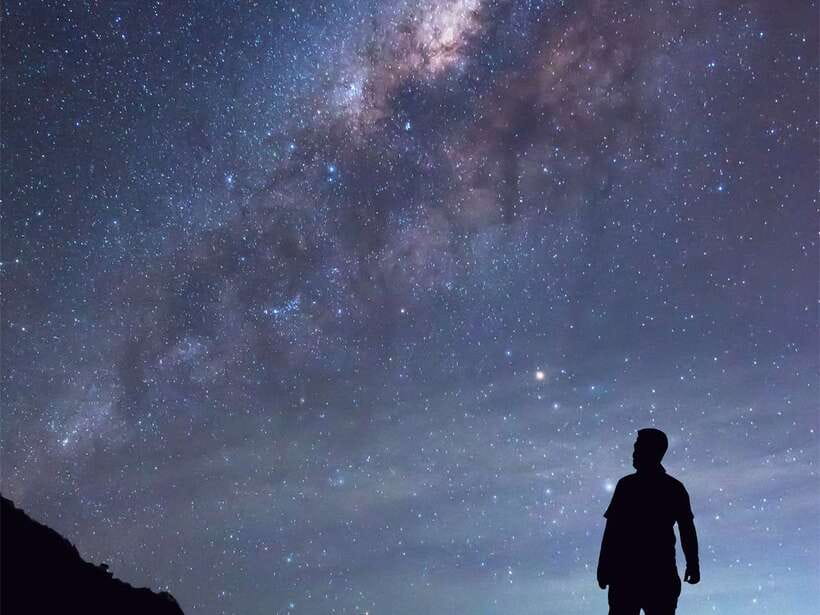
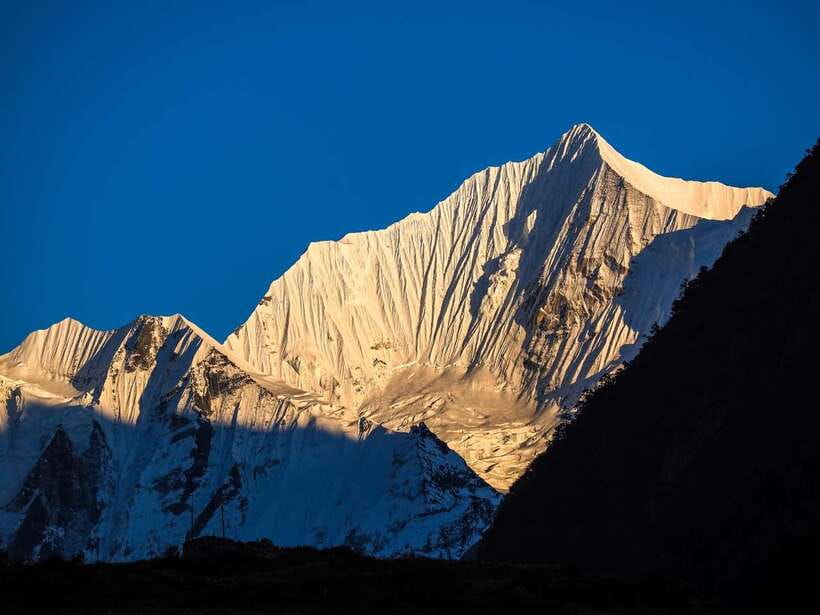
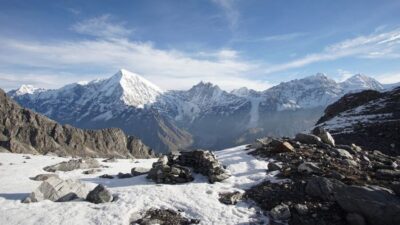
The fourth morning offers the trek’s biggest challenge: an optional climb to Kyanjin Ri at 4,770 meters. The reward is a broad view of snow-covered peaks and glacial valleys, but the climb is demanding and should not be treated as a casual walk.
An early start is the smart choice. One guide, Ghanshyam, has been specifically associated with a memorable morning climb, and another guide, Sudarshan, was praised for helping maintain a comfortable pace and arranging breaks. The exact start time can vary, so ask your guide the evening before.
Kyanjin Ri is not compulsory. If you have a headache, feel weak, or are struggling with the altitude, staying lower is the right decision. The point of the trek is to return safely, not to collect a summit story at any cost.
Clear weather makes a major difference. The high peaks and glacial valleys can be spectacular, while cloud can reduce the view. Wildlife sightings have also been noted along this morning route, though you should treat those as a possibility rather than a promise.
After the viewpoint, you retrace your steps and descend to Thangsyap at 3,200 meters. The descent is welcome after the high climb, but tired legs can make downhill walking uncomfortable. Use trekking poles if you have them, and keep your footwear secure.
Day 5: Returning to Syabrubesi beside the Langtang River
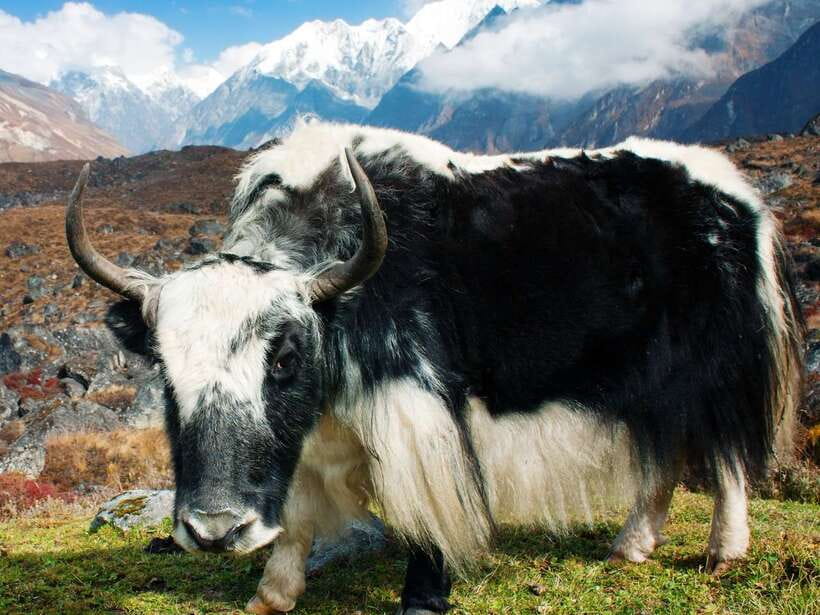
Day five takes you from Thangsyap back to Syabrubesi. You retrace sections of the route through forest and alongside the Langtang River, now seeing familiar places from a different direction.
This can be a relaxed day if your legs have recovered, but the distance still matters. After the Kyanjin Ri option, you may be carrying fatigue from the previous day. The guides have shown flexibility with walking speed and breaks, so use that support rather than rushing to the finish.
The return route gives you one last chance to notice details missed on the way up. Lower elevations bring back more forest and a different feel in the air. Syabrubesi is your final mountain overnight stop before the drive to Kathmandu.
A useful practical point: luggage storage is included, so you can leave nonessential items behind rather than carrying everything into the valley. Pack only what you need for the trek, but remember that porter service costs extra if you do not want to carry your own bag.
Day 6: The drive back to Kathmandu
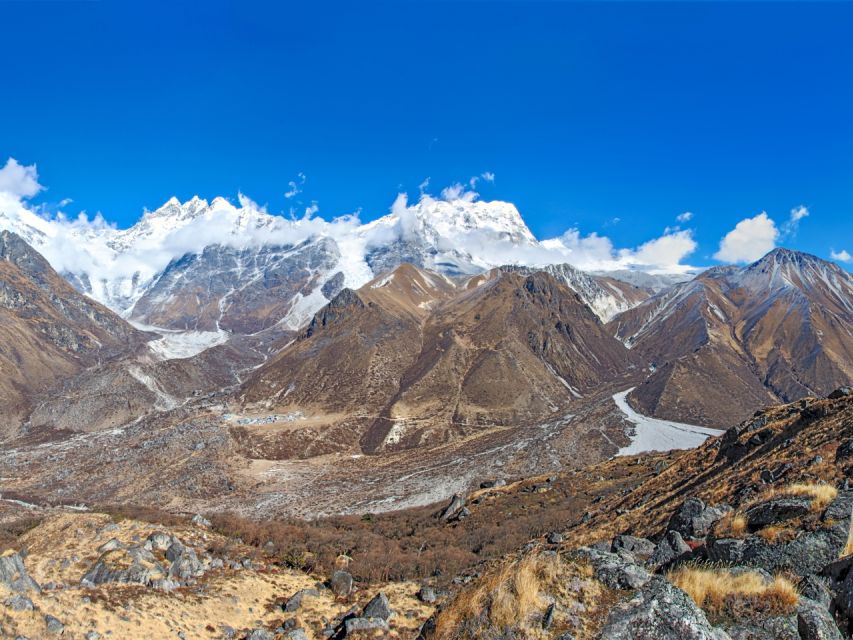
On the final morning, you leave Syabrubesi by road for Kathmandu. This is a return transfer, not another walking day, and the road conditions and traffic can affect the arrival time.
Keep some patience in reserve. The trip is sold as six days, but mountain transport rarely follows the minute-by-minute certainty of a city tour. Avoid scheduling an important international flight too tightly after the return unless you have a backup plan.
The drive also gives you time to think about the contrast between Kathmandu and the Langtang Valley. In less than a week, you move from a busy capital to forests, villages, monasteries, and a high viewpoint above the valley.
Guides, group size, and the level of support
This is arranged as a private group with an English or Hindi-speaking guide. That is useful on a route where pace and altitude can affect each person differently. You are not locked into the same speed as a large mixed group.
The strongest part of the guide service is personal care. Ghanshyam is named repeatedly in the supplied material, with particular praise for being friendly, attentive, funny, and careful about health. Sudarshan is also noted for adapting the walking pace and offering flexible breaks. Those details matter more than a polished speech because mountain days are easier when the guide watches how you are actually doing.
A porter is not included in the stated guide arrangement, and the information specifically notes that porter charges are extra. One previous participant found using a porter to be the right decision. If you are new to multi-day trekking, carrying a lighter daypack can make the uphill sections much more manageable.
The provider covers staff meals, accommodation, salary, equipment, insurance, and transport. That is a useful inclusion because it means you are not expected to sort out those costs on the trail.
Food, rooms, and what you still pay for
Private accommodation for five nights is included. The supplied information does not promise a particular room standard, bathroom setup, heating system, or Wi-Fi access, so you should not book this expecting hotel comforts in the mountains.
Meals are included for the full-package option, covering breakfast, lunch, and dinner during the trek. Food quality received positive attention, but you should still expect mountain lodge meals rather than a large city restaurant menu.
Bring money for drinks, water, showers, laundry, phone calls, and battery charging. Soft and hard drinks are excluded, as are bottled or boiled water. A refillable bottle and a water treatment plan can help control costs, but the exact water arrangements should be confirmed before departure.
You also need travel and rescue insurance. International flights, the Nepalese visa fee, and extra accommodation in Kathmandu or Pokhara caused by early arrival, late departure, or an unscheduled early return are outside the package.
Best seasons, weather, and altitude planning
The strongest trekking periods are mid-March to April and October to mid-November. These months generally bring clearer skies and warmer temperatures, though mountain weather remains changeable.
Autumn is described as less windy with higher temperatures. Late March and April can add rhododendron blooms at lower elevations, giving the forest sections extra color. The tradeoff is that no season guarantees clear views from Kyanjin Ri.
The itinerary can change because of weather or seasonal conditions. That flexibility is normal and necessary in the Himalayas. Your guide may adjust walking times, stops, or the Kyanjin Ri plan to protect the group.
Altitude is the serious issue. The route reaches Kyanjin Gompa at 3,870 meters and Kyanjin Ri at 4,770 meters. Symptoms can include headache, nausea, tiredness, and poor appetite. Feeling fine at first does not remove the risk, so ascend steadily, rest, and report symptoms early.
What to pack for this six-day trek
The required list is practical rather than extravagant. Bring your passport or ID card, sleeping bag, flashlight, sunscreen, hiking shoes, gloves, water, jacket, trekking gear, and sunglasses.
Your shoes should be comfortable and already used before the trip. The trail includes forest paths, village sections, climbs, and descents, so reliable footwear matters more than fashionable gear.
A warm jacket and gloves are especially important for the early morning Kyanjin Ri option. The temperature can feel very different from Kathmandu, and you may be standing still for part of the viewpoint stop.
Do not forget spare power arrangements if you rely on your phone. Battery charging is not included, and you may need to pay for it along the route. Alcohol and drugs are not allowed.
Who should book this trek?
I would recommend this trek to someone who wants a genuine Himalayan walking experience in six days rather than a long expedition. It suits you if you enjoy village trails, mountain scenery, cultural stops, and a guided schedule that takes care of permits and accommodation.
It can also suit a first-time trekker, provided you take the altitude seriously. The guide support has been especially strong for people new to long walks, with attention to pace, breaks, questions, and health.
I would be more cautious if you want a slow acclimatization program or a luxury trip. The schedule gains height briskly, and the included accommodation and meals are practical rather than high-end. The optional Kyanjin Ri climb adds real strain, even though you can skip it.
The perfect version of this trip is not necessarily the one where you reach every high point. It is the one where you enjoy the valley, stay healthy, and return to Kathmandu with enough energy to appreciate what you saw.
Should you book the Langtang Valley trek?
Book it if the combination of short duration, Tamang culture, mountain villages, and a high viewpoint matches what you want from Nepal. At $179 per person, the package covers several costly basics, including permits, five nights of accommodation, transport, and staff expenses.
Before paying, confirm whether you are choosing the full package with meals, ask about the extra porter charge, and budget for water, drinks, insurance, and personal costs. Also ask how the shared transport will work and what time you should expect to leave Kathmandu.
I like this trek because it gives you a real sense of the Langtang Valley without requiring a long holiday. Choose it with sensible expectations, respect the altitude, and treat Kyanjin Ri as an option, not an obligation.
FAQ
How long is the Langtang Valley trek from Kathmandu?
The experience lasts six days, including transport from Kathmandu to Syabrubesi, the trek through Langtang Valley, and the return drive to Kathmandu.
Is Kyanjin Ri included in the trek?
Kyanjin Ri is an optional hike on day four. The viewpoint reaches 4,770 meters and involves a challenging climb.
What languages does the guide speak?
Live guiding is available in English and Hindi.
Is this a private or shared trek?
The trek is arranged as a private group. Transportation is listed according to the number of people and may use shared transportation or a bus.
Are meals included?
Breakfast, lunch, and dinner during the trek are included for the full-package option. Soft drinks, alcoholic drinks, and other personal purchases are not included.
Is a porter included?
No. Porter service costs extra. Staff expenses listed in the package cover the guide and other included staff costs, but not the additional porter charge.
What are the best months for this trek?
The main trekking periods are mid-March to April and October to mid-November. Weather can still change, and the itinerary may be adjusted for seasonal or weather conditions.
More 6-Day Experiences in Kathmandu
- 6 Days Muktinath Tour Package in Nepal
★ 5.0 · 20 reviews - 6 Days Private Himalayan Dreams of Nepal
★ 5.0 · 6 reviews
Just added around Kathmandu
- Private Half-Day Tour of Boudhanath and Pashupatinath Temples in Kathmandu★ 4.5 · 9 reviews
- Private Half-Day Tour of Kathmandu Durbar Square and Swayambhunath Temple★ 4.5 · 11 reviews
- Namobuddha Monastery Hiking Day Tour via Panauti from Kathmandu★ 5.0 · 15 reviews
- Private Full-Day Kathmandu City Tour★ 5.0 · 9 reviews
- Private Day Tour in Kathmandu Valley Rim with Bhaktapur Sightseeing★ 5.0 · 3 reviews
- Private Half Day Budhanilkantha Tour★ 5.0 · 6 reviews
- Private Day Tour: Patan and Bhaktapur from Kathmandu★ 4.5 · 6 reviews
- Private Day Tour – Sacred Journey to Namo Buddha★ 5.0 · 5 reviews
Langtang Valley Treks, compared.
Browse the lists this tour appears in