
Reviewed · LANGTANG VALLEY TREKS
Kathmandu: 6-Day Limitless Langtang Trek
Langtang gives you a real Himalayan trek without requiring a long expedition. In six days, you travel from Kathmandu to Syabrubesi, walk beside the Langtang River, reach Kyanjin Gompa at 3,870 meters, and return through the same valley. The big reward is the quick change from city streets to quiet forests, high pasture, and snow-covered peaks.
I like the Tamang villages and local hospitality, which give the trek a human side beyond mountain views. I also like that Kyanjin Ri is optional, so strong hikers can aim for a high viewpoint while others can enjoy the village, monastery, and cheese factory at a gentler pace.
The main caution is the schedule. Some days can run to six or eight hours on steep trails, and the itinerary description has a few route and timing inconsistencies to confirm before departure. At this altitude, a six-day plan is rewarding but not especially relaxed.
Key points to know before you book
- Kyanjin Ri reaches 4,770 meters: The optional climb is the hardest part and offers wide Himalayan views.
- The trek begins with a long road journey: Day one includes about six hours by shared bus from Kathmandu.
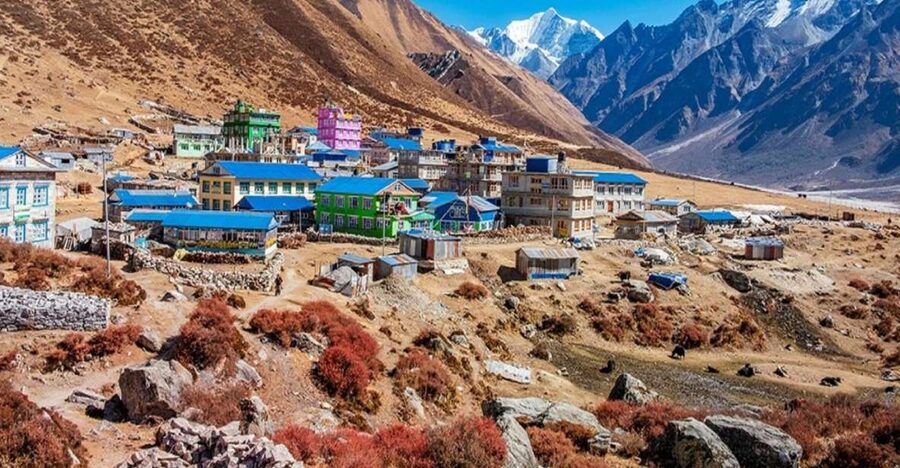
- Kyanjin Gompa is the cultural and scenic high point: You’ll find monasteries, a cheese factory, mountain views, and a quiet mountain village.
- Guides receive the strongest praise: Niraj, Mahesh Aryal, Bipin, Dipesh, and Ghanshyam are all noted for patience, safety checks, and practical help.
- A porter costs extra: The guide is included, but porter service is not part of the basic package.
- The $181 price can be good value: Permits, transport, guide costs, five nights of lodging, and meals on the Full Package are included.
Why Langtang works well for a short Nepal trek
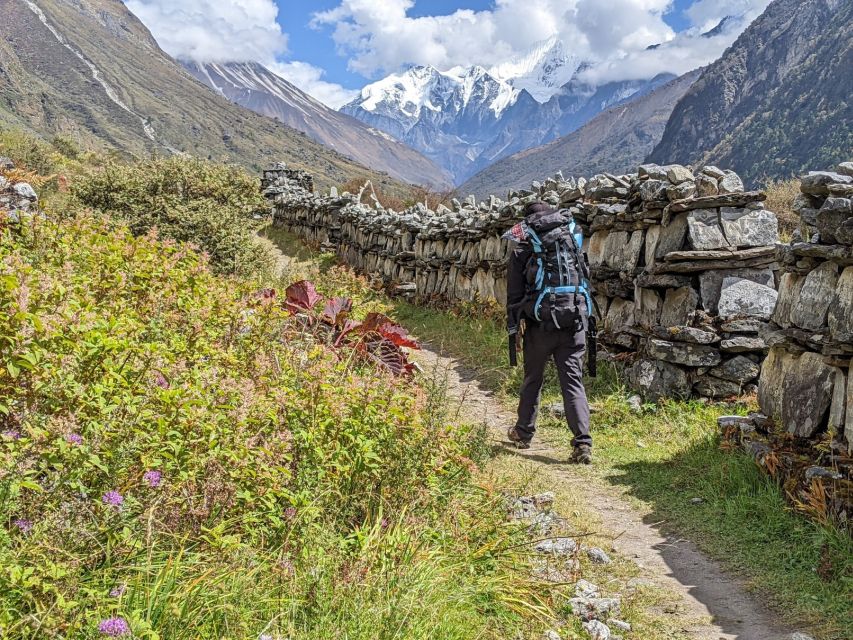
Langtang is a good choice when you want more than a day hike but cannot spare two weeks for a major Himalayan route. The six-day plan takes you deep enough into the valley to experience high-altitude scenery and mountain culture, yet it keeps the route simple by returning along the same trail.
You’ll pass through forest, river valleys, small settlements, and open mountain country. The scenery changes steadily, which helps the trek feel like a proper journey rather than a walk to one viewpoint and back.
I would describe the walking as moderate only if you already have reasonable fitness. The distance is not the whole story. The trail rises quickly, some sections are steep, and the altitude becomes a serious factor after Ghoda Tabela. The schedule can feel demanding for a first-time trekker, especially on the climb toward Kyanjin Gompa and the optional Kyanjin Ri summit.
This is best for someone who enjoys walking for several hours each day and accepts basic mountain accommodation. It can suit families, couples, and solo hikers, but children and less fit adults should discuss the pace with the operator before booking.
More Langtang Valley Treks in Kathmandu:
- Langtang Valley Trek
★ 5.0 · 140 reviews - Private 8 – Day Langtang Trekking
★ 5.0 · 29 reviews - Langtang Valley Trek
★ 5.0 · 20 reviews
Day 1: Kathmandu to Syabrubesi and the walk to Pahiro
Your first day starts with a long drive from Kathmandu to Syabrubesi, the roadhead for the Langtang Valley trek. The journey takes about six hours and follows winding mountain roads through rural scenery.
Shared transport keeps the price down, but it also means you should expect a road day rather than a smooth private transfer. The trip may feel tiring before you even start walking, particularly if you are not used to Nepal’s mountain roads.
From Syabrubesi, you walk for about two hours toward Pahiro. The trail follows the Langtang River and passes through forest. This first walk is useful because it lets you stretch your legs after the bus ride without adding a full day of hard climbing.
The overnight stop is listed as Pahiro at about 1,550 meters. One practical point needs clarification: the itinerary describes the first night at Pahiro, then says the second day begins from Pahiro, while another line refers to starting from Syabrubesi. Ask your guide to confirm the exact first-day walking section and overnight lodge.
Day 2: Forest, waterfalls, and Ghoda Tabela
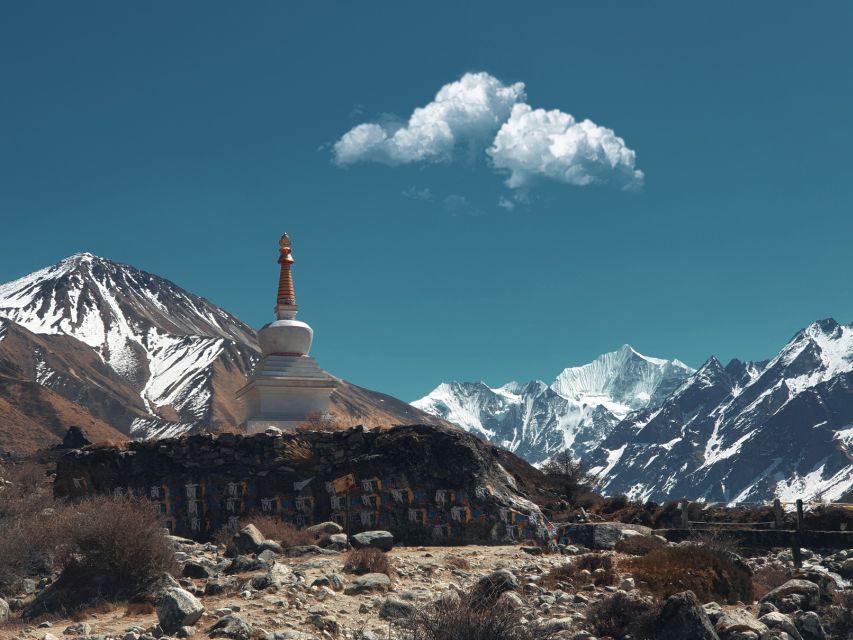
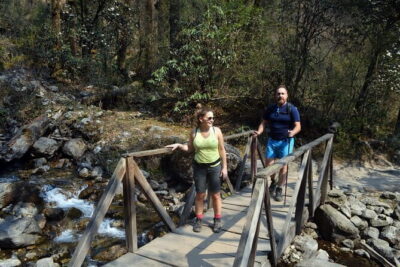
The route from Pahiro toward Ghoda Tabela takes about six hours on foot. You’ll move through green forest, pass waterfalls, and encounter small villages along the way.
This is the kind of day that shows why Langtang appeals to people who want more than grand mountain photos. The river, trees, water, and village life keep the walk varied. You are not simply climbing through bare rock.
Ghoda Tabela sits at about 2,900 meters, so this is also where altitude starts to matter more. Walk steadily and keep drinking water. The supplied information does not include a detailed acclimatization day, so your guide’s judgment and your own pace are important.
The stop itself is described as peaceful, but you should expect mountain lodging rather than hotel comfort. Five nights of private accommodation are included, although the exact standard of each lodge is not specified. Guides such as Mahesh Aryal are praised for explaining the next day’s plan, checking how hikers feel, and helping with food and lodge arrangements. That kind of support matters most on a tiring day like this.
Day 3: Reaching Kyanjin Gompa at 3,870 meters
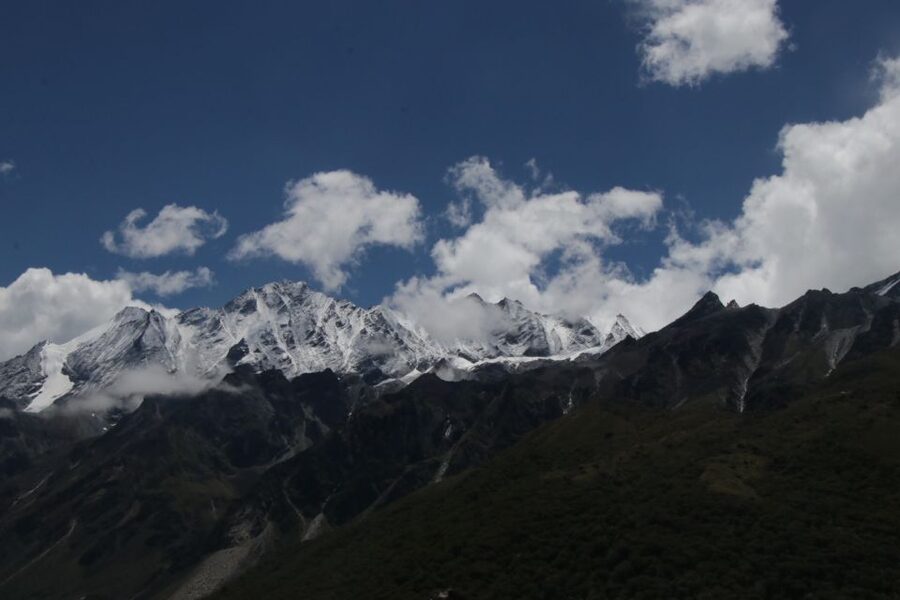
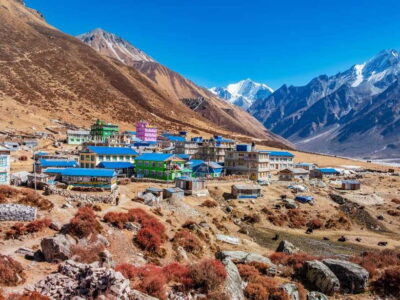
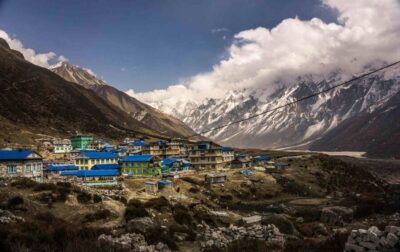
The walk to Kyanjin Gompa is the scenic heart of the trek. You’ll continue uphill through the Langtang Valley and gain much more open mountain scenery as you approach the high village.
At 3,870 meters, Kyanjin Gompa is high enough that you should not treat the arrival as an ordinary afternoon walk. Take your time, watch for signs that you are struggling, and tell your guide if you feel unwell. The itinerary presents the trek as moderate, but altitude affects people differently.
Kyanjin Gompa offers several worthwhile stops. You can explore the village, visit monasteries, see the cheese factory, and meet members of the Tamang community. These details give the high valley a sense of place. You are seeing how a mountain community lives, not just walking past a line of peaks.
The cultural side of the trek is one of its best features. The Tamang people have a distinct local identity, and the route’s monasteries and spiritual sites add a quieter mood to the mountain experience. Guides including Bipin and Mahesh are praised for answering questions about Nepal, the Himalayas, animals, yak keeping, and local life. If you are curious, ask questions as you walk. A good guide can turn a scenic trail into a more meaningful day.
A few more Kathmandu trips to weigh up
- Everest Base Camp Trek – 14 Days
★ 5.0 · 1,499 reviews - Everest Base Camp Trekking
★ 5.0 · 485 reviews - Nagarkot Sunrise View and Day Hiking from Kathmandu
★ 5.0 · 471 reviews - Annapurna Circuit Trek with Tilicho Lake
★ 5.0 · 368 reviews
Day 4: The optional Kyanjin Ri climb
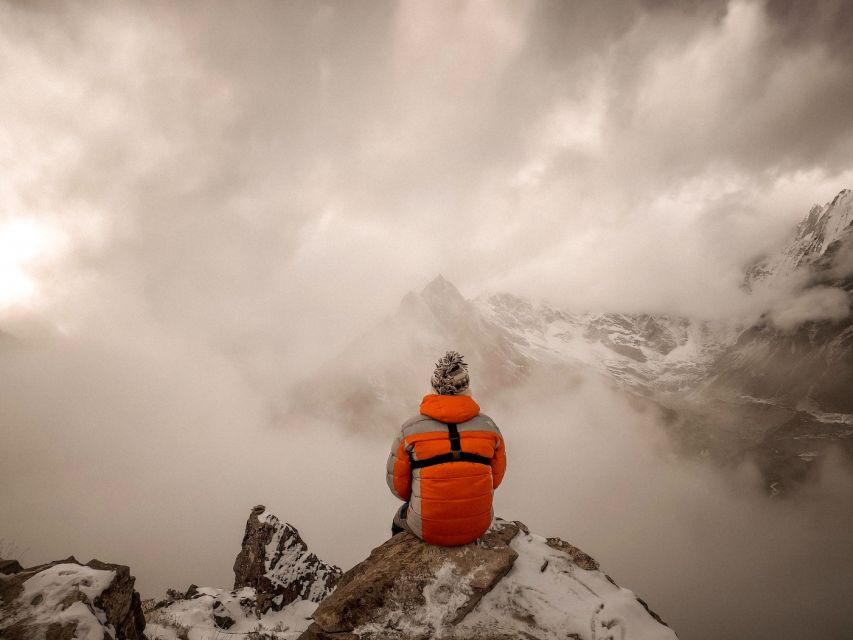
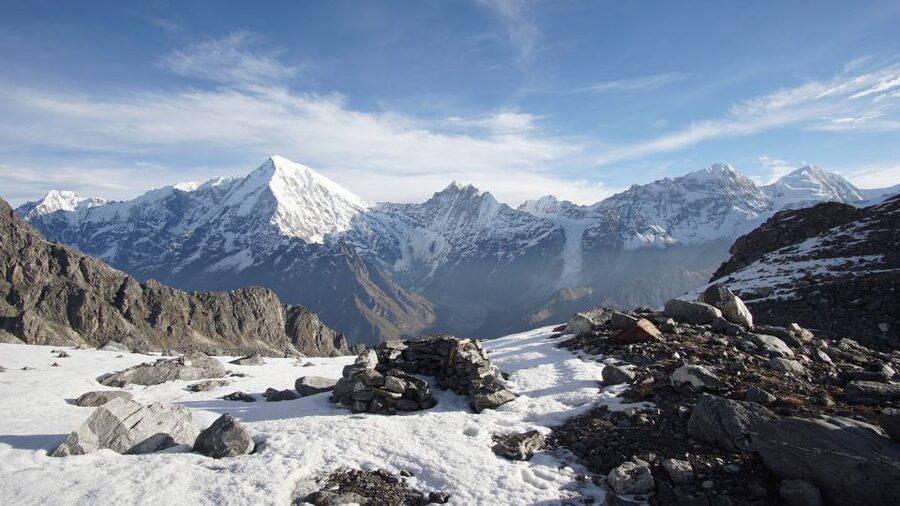
Day four is the most demanding and the most flexible. The planned highlight is an ascent of Kyanjin Ri, listed at 4,770 meters. From higher ground, you can look across snow-covered peaks and the glacial valley.
This climb is optional, and that is important. The ascent is steep and can be difficult even for fit hikers. You do not need to climb Kyanjin Ri to have a worthwhile trek. You can spend more time around Kyanjin Gompa, enjoy the views from lower ground, or rest before the return journey.
If you do attempt the summit, start with realistic expectations. The itinerary does not provide a precise walking time or sunrise departure, so confirm the plan with your guide. One hiker specifically valued reaching the peak for sunrise, while another extended the trek to eight days and reached about 4,700 meters with guide support. These examples show how much the day can change according to pace, weather, fitness, and guide advice.
The description for this day says you trek from Langtang Village to Kyanjin Ri and then retrace the route, with an overnight stay at Thangsyap. That wording is not perfectly clear, since Kyanjin Gompa is the stated high point on day three. Before you leave, ask exactly where you sleep on day four, how much of the route you repeat, and whether the summit attempt is included or treated as an optional addition.
Day 5: Descending beside the Langtang River
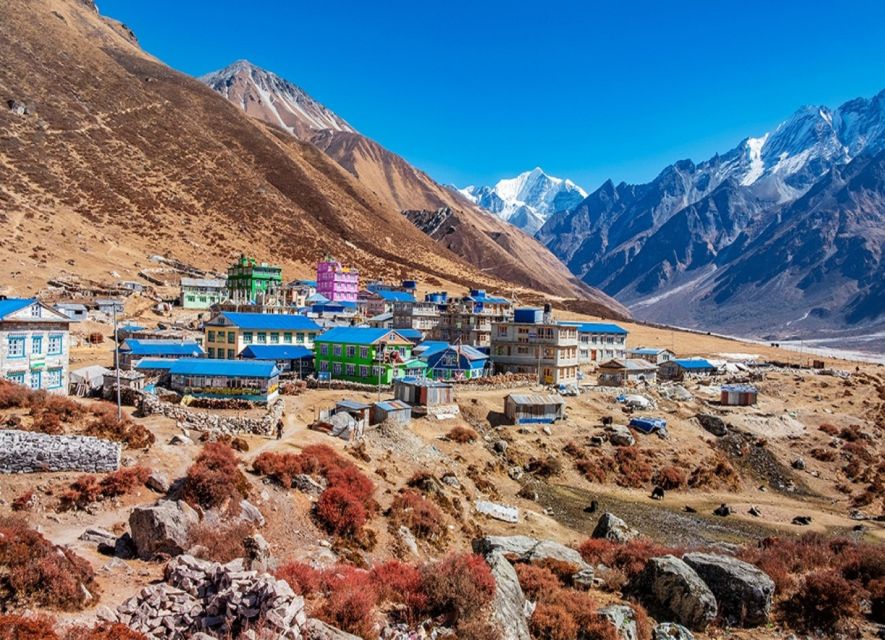
The fifth day takes you from Thangsyap back to Syabrubesi at about 1,550 meters. You’ll retrace the trail through the valley and descend beside the Langtang River.
Downhill walking is easier on your lungs but can be hard on knees and ankles. Trekking poles can help, although poles are not listed among the required items. The return route may feel familiar, but you’ll see the valley differently while descending, with more time to notice villages, waterfalls, forest sections, and the shape of the river corridor.
This is also a good day to slow down and enjoy the people you meet along the route. The trek is built around local lodges and mountain communities, not large resort facilities. Warm clothing is still useful at night, even after you have dropped to a lower altitude.
Day 6: The road back to Kathmandu
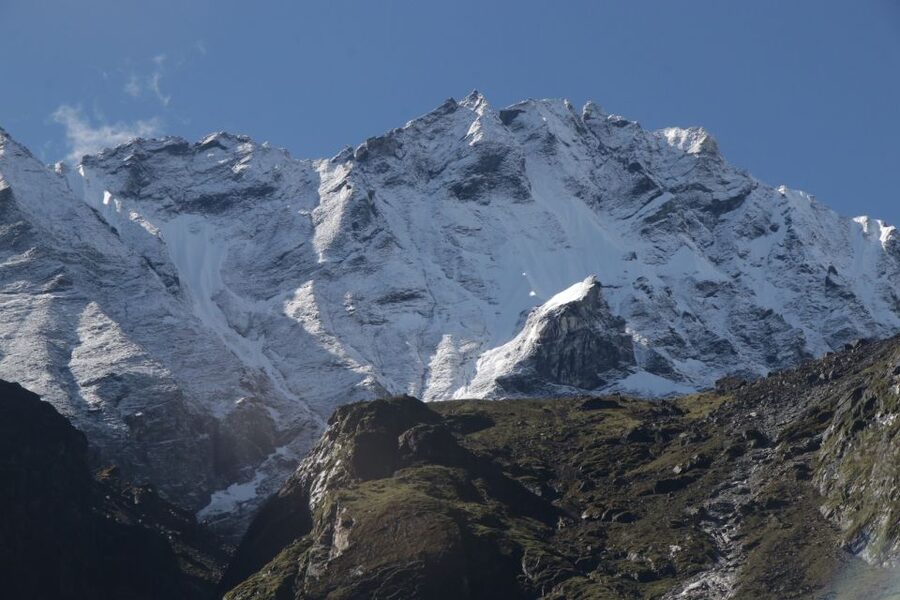
The final day is a shared bus journey from Syabrubesi to Kathmandu. There is no major hike listed, so the day gives you time to recover from the walking.
It is worth keeping your expectations clear. The package includes transportation according to the itinerary and number of people, using shared transport or a bus. That makes the trip more affordable, but it does not offer the privacy or flexibility of a private vehicle.
The drive also means your arrival time in Kathmandu may depend on road conditions and traffic. The operator does not include an extra Kathmandu or Pokhara night if you arrive early, depart late, or return early for reasons outside the scheduled plan. If your international flight is soon after the trek, leave a sensible cushion.
What the $181 price includes
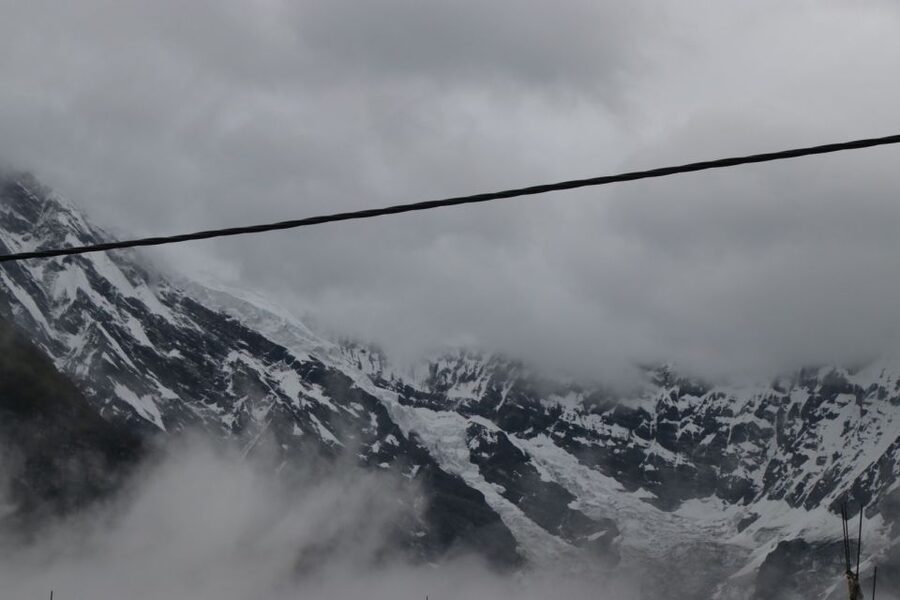
At $181 per person, the tour can represent strong value if you choose the Full Package. The listed inclusions cover hotel pickup and drop-off, shared transport, permits, paperwork, the Trekkers’ Information Management System fee, government tax, a guide, and five nights of private accommodation.
The Full Package also includes breakfast, lunch, and dinner during the trek. Check the exact package choice before paying, since the meal inclusion is specifically attached to the Full Package.
The operator also covers staff expenses such as meals, accommodation, salary, equipment, insurance, and transport. That is useful because guide and support costs can otherwise appear as extra charges.
The price does not cover a porter. Porter service received strong praise from one hiker, but you should arrange and budget for it separately if you do not want to carry your larger backpack. Extra costs can include bottled or boiled water, showers, battery charging, laundry, phone calls, drinks, bar bills, and personal items.
Travel insurance and rescue insurance are not included. You should treat that as an important gap, not a minor footnote. A Himalayan trek involves altitude and remote trails, so arrange suitable cover before you go.
Guides and the quality of support
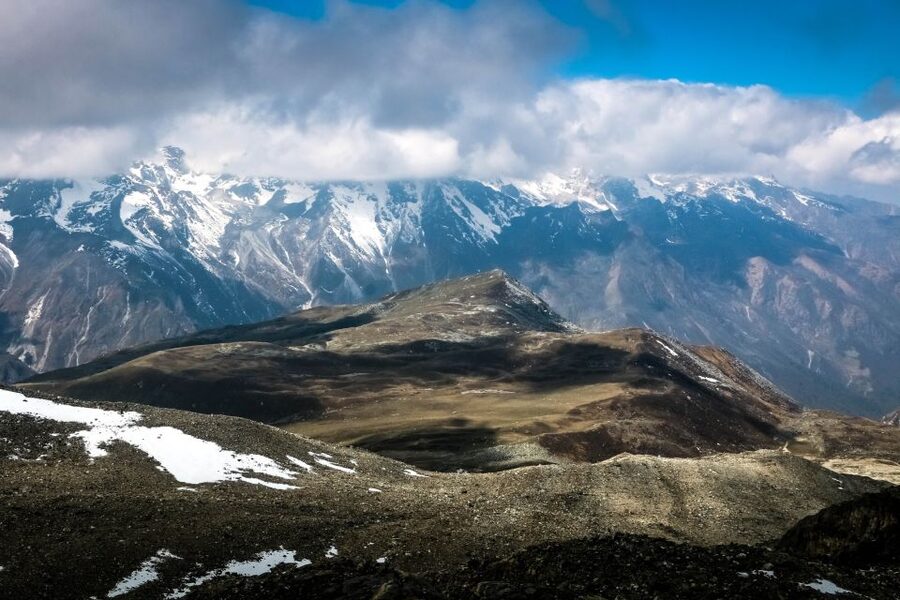
The guide may shape your experience more than any other part of the trip. Named guides connected with especially positive experiences include Niraj, Mahesh Aryal, Bipin, Dipesh, and Ghanshyam.
The most useful qualities are practical ones. Mahesh is praised for regular comfort checks, clear briefings, help with backpacks, and explanations of the route and local life. Bipin is noted for arranging food, showing hikers around lodges, and explaining the next day’s plan. Dipesh is described as patient with first-time hikers, while Ghanshyam helped a solo female hiker feel safe.
Niraj receives particular praise for support on a high-altitude summit attempt and for friendly, steady guidance. You cannot assume a specific guide until the company confirms your booking, but you can ask who will lead your group and request a guide with experience matching your goals.
The tour is listed as a private group, with English, Hindi, and Nepali available. That is a useful setup for a couple, family, or solo hiker who wants personal attention rather than being folded into a large group.
Accommodation, meals, and what to pack
Five nights of private accommodation are included, but the information does not promise a particular lodge category or room setup. Expect practical mountain lodging and bring a sleeping bag, since one is specifically listed among the things to bring.
Pack hiking shoes, a jacket, gloves, hat, sunglasses, sunscreen, a towel, and a flashlight. Warm clothing matters. A January hiker found the nights cold but the accommodation comfortable, with fires sometimes burning in dining areas. That is encouraging, but you should still prepare for low temperatures.
Water, showers, charging, and other comforts are personal expenses. Carry enough Nepalese cash for these extras if the operator advises it, since the supplied details do not promise payment facilities along the route.
Food is included only with the Full Package. Soft and hard drinks are extra, as are bottled or boiled water and bar bills. Ask before departure whether meals are fixed, selected at lodges, or covered up to a daily allowance.
Who should book this trek
I would recommend this route to you if you want a genuine Himalayan walking experience in less than a week. It suits people who value mountain scenery, local culture, monasteries, and small villages more than polished facilities.
It is also a good fit for a first trek if you are reasonably fit and willing to walk for several hours each day. The guides have a strong record of helping beginners, solo hikers, and people who need a slower pace.
I would hesitate if you dislike long bus journeys, basic lodging, steep trails, or cold nights. I would also think twice if you expect the six-day schedule to feel leisurely. Pregnant women should not book this activity, as it is specifically listed as unsuitable.
Free cancellation up to 24 hours before departure and reserve-now, pay-later booking provide useful flexibility. Still, those conveniences do not replace travel insurance, careful packing, and an honest assessment of your fitness.
Should you book the 6-day Langtang trek?
Book it if you want a compact route with a strong mix of nature, Tamang culture, and high mountain scenery. The $181 starting price is attractive because it can include permits, transport, a guide, accommodation, staff costs, and meals under the Full Package.
Before confirming, ask three questions: Which guide is assigned? Is porter service included in your package? What is the exact day-four plan for Kyanjin Ri and the overnight stop at Thangsyap?
If you accept the physical effort and prepare for cold nights and extra personal costs, this trek offers a lot in six days. Choose it for the valley, the people, and the chance to decide for yourself how far up Kyanjin Ri you want to go.
FAQ
How long is the Langtang trek?
The scheduled trek lasts six days, including transport from Kathmandu to Syabrubesi and the return drive to Kathmandu.
How much does the trek cost?
The listed price is $181 per person.
Is the trek suitable for first-time hikers?
It can suit first-time trekkers, families, couples, and solo adventurers, but you should be prepared for several hours of walking and steep sections.
What is the highest point on the itinerary?
The optional Kyanjin Ri climb is listed at 4,770 meters, or 15,649 feet.
Is the Kyanjin Ri climb required?
No. The climb is optional because it is steep and difficult for some hikers.
Is a guide included?
Yes. An authorized English-speaking guide is included. English, Hindi, and Nepali are available.
Is a porter included?
No. Porter service costs extra, so arrange it separately if you do not want to carry your larger backpack.
Are meals included?
Breakfast, lunch, and dinner are included during the trek with the Full Package.
What transport is used?
Transportation follows the itinerary and depends on the number of people. Shared transportation or a bus is used, including the road journeys between Kathmandu and Syabrubesi.
What is not included in the price?
Drinks, travel and rescue insurance, international flights, the Nepalese visa fee, personal expenses, extra porter service, bottled or boiled water, showers, laundry, phone calls, battery charging, and extra Kathmandu or Pokhara nights are not included.
More 6-Day Experiences in Kathmandu
- 6 Days Muktinath Tour Package in Nepal
★ 5.0 · 20 reviews - Kathmandu: 6 Days Langtang Valley Trek with Kyanjin Ri
★ 5.0 · 7 reviews - 6 Days Private Himalayan Dreams of Nepal
★ 5.0 · 6 reviews
Just added around Kathmandu
- Private Half-Day Tour of Kathmandu Durbar Square and Swayambhunath Temple★ 4.5 · 11 reviews
- Namobuddha Monastery Hiking Day Tour via Panauti from Kathmandu★ 5.0 · 15 reviews
- Private Half-Day Tour of Boudhanath and Pashupatinath Temples in Kathmandu★ 4.5 · 9 reviews
- Private Full-Day Kathmandu City Tour★ 5.0 · 9 reviews
- Private Day Tour in Kathmandu Valley Rim with Bhaktapur Sightseeing★ 5.0 · 3 reviews
- Private Half Day Budhanilkantha Tour★ 5.0 · 6 reviews
- Private Day Tour: Patan and Bhaktapur from Kathmandu★ 4.5 · 6 reviews
- Private Day Tour – Sacred Journey to Namo Buddha★ 5.0 · 5 reviews
Langtang Valley Treks, compared.
Browse the lists this tour appears in