
Reviewed · HISTORICAL TOURS
Morning Tibetan cultural tour to Tibetan settlements Pokhara
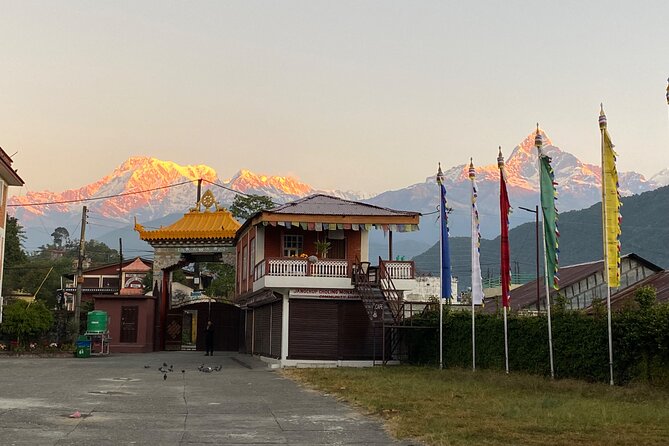
Pokhara’s Tibetan settlements offer something a lakeside stroll cannot: a direct look at how Tibetan culture, religion, food, and daily life continue in Nepal. With guide Thupten Gyatso, you visit monasteries, meet a young monk, share food in a Tibetan home, and walk through villages and schools.
I like the small-group format, capped at 15 people, and the chance to ask questions instead of simply passing through. I also like the food stops, especially momos and thukpa, because cuisine gives you a more ordinary and human connection to a community. The early 5:30 a.m. start and long eight to nine-hour day are the main drawbacks.
Key points to know before booking
- Start at 5:30 a.m. The early departure gives you a full morning and day, but it will not suit anyone who prefers a slow start.
- Meet guide Thupten Gyatso, who explains Tibetan culture, Buddhist teachings, and refugee life in Nepal.
- Visit four Buddhist monasteries, including Jangchub Choeling and Pema Ts’al Sakya Monastic Institute.
- Eat in a Tibetan home, with a taste of local food before later enjoying momos and thukpa.
- Walk through Tashi Ling Tibetan Village, with time set aside for daily life, schools, and community sights.
- Expect a maximum of 15 people, hotel pickup, mobile ticketing, and food options that include vegetarian and gluten-free meals.
Why this Pokhara tour feels different
Many Pokhara outings focus on mountains, boating, caves, or sunrise views. This one points you toward a living community. The purpose is not to collect photographs of monastery buildings. It is to help you understand Tibetan life in contemporary Nepal through places of worship, education, food, and family life.
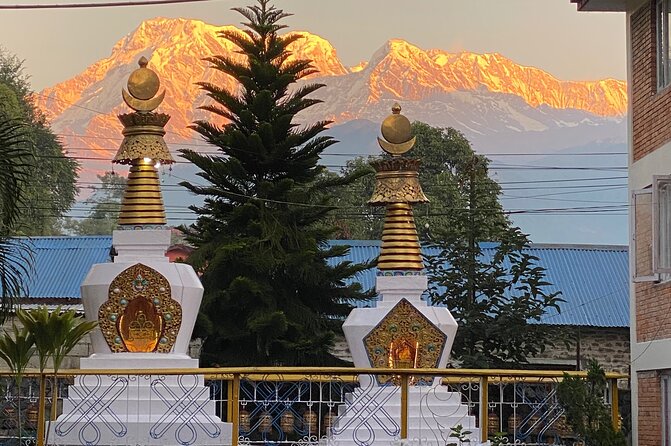
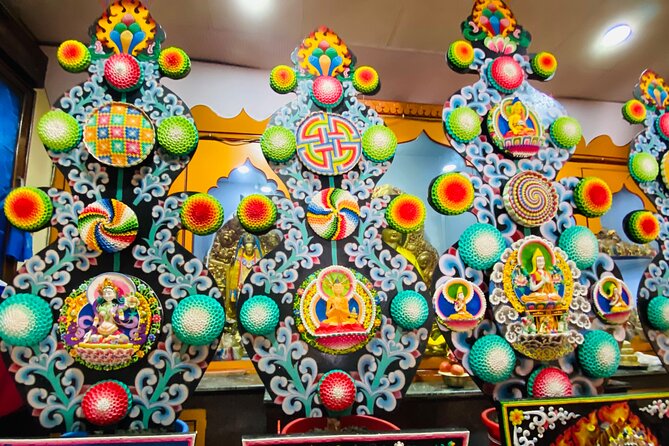
That difference matters. A monastery can look beautiful while remaining mysterious. Here, the guide explains the signs and objects you see, including prayer wheels, prayer flags, stupas, and other Buddhist symbols. You get a better sense of how religion fits into everyday routines rather than treating it as a backdrop.
The tour also brings in the refugee experience. Thupten Gyatso discusses Tibetan culture, religion, and refugee life in Nepal, giving the visit a modern social context. The exact amount of discussion will depend on your questions and the pace of the group, so come ready to ask rather than waiting for a long formal lecture.
At $85 per person, this is not the cheapest way to spend a day around Pokhara. It is a reasonable price if you value a private-feeling cultural introduction, hotel transfers, a full day of guiding, food experiences, and several monastery visits in one outing. You are paying for access and interpretation as much as transportation.
A few more Pokhara trips to weigh up
- Full-Day Tibetan Cultural Tour to Tibetan Settlements Pokhara
★ 5.0 · 184 reviews - Afternoon Tibetan Cultural Tour to Tibetan Settlements Pokhara
★ 5.0 · 106 reviews - Afternoon Tibetan cultural tour
★ 5.0 · 41 reviews
The 5:30 a.m. start and the first monastery
The day begins at 5:30 a.m., with pickup offered from your hotel. That timing is worth taking seriously. You will need to be ready before sunrise, and an early breakfast at your hotel may not be possible. On the other hand, an early start leaves room for a long cultural day without rushing every stop.
The first stop is Jangchub Choeling Tibetan Buddhist Monastery, where you spend about an hour. Admission is listed as free, but the value here comes from the explanation and setting rather than a ticketed attraction. Thupten introduces Tibetan culture, Buddhist religion, and the experience of Tibetan refugees living in Nepal.
This is a good place to settle into the subject. If Buddhism is unfamiliar to you, ask about the meaning of the objects and rituals you see. If you already know something about Tibetan traditions, ask how these practices are maintained in Nepal. The guide’s background makes the conversation more personal than a standard sightseeing script.
The tour is not designed as a quick photograph stop. Give yourself time to observe quietly and follow local customs. Because the information provided does not specify a dress code or photography rules, ask Thupten before taking pictures inside religious spaces.
Breakfast with a Tibetan family in Tashi Palkhel
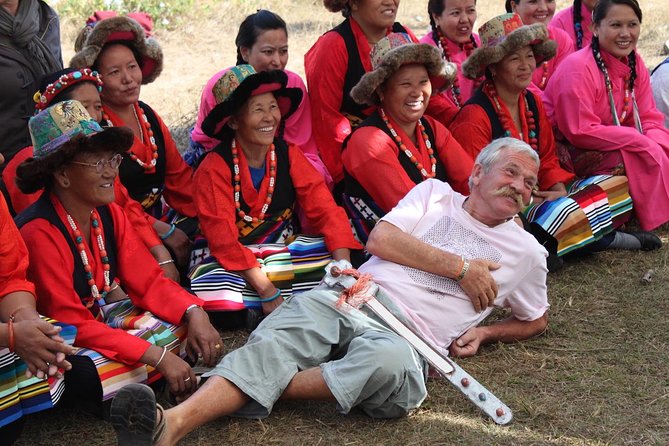
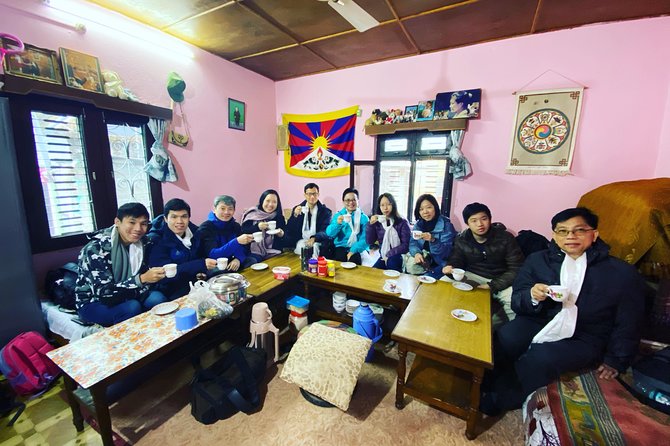
The second stop takes you to Tashi Palkhel Tibetan Settlement, where you visit a local Tibetan family and taste Tibetan food. The morning meal is described as breakfast in a Tibetan home, which gives this portion a more domestic feel than eating in a restaurant.
Food is one of the best ways to make a cultural visit feel real. You can learn names and customs from a guidebook, but sitting down to taste a family’s cooking gives you a more direct connection to daily life. The experience may also be a useful moment to ask about ingredients, eating habits, and how Tibetan traditions have adapted to Nepal.
You should keep an open mind about the pace and setting. This is a cultural visit, not a polished cooking show. The available information does not promise a cooking lesson or a fixed menu, so expect a simple taste of Tibetan food rather than a long demonstration.
The tour later includes lunch at a local restaurant, with momos and thukpa highlighted. Momos are dumplings, while thukpa is a noodle soup, both familiar across Himalayan food traditions. The combination makes sense after a morning of walking and visiting religious sites. Vegetarian, non-vegetarian, and gluten-free food can be served, which is helpful if you mention your needs when booking or before the meal.
Meeting a young monk at Pema Ts’al Sakya Monastic Institute
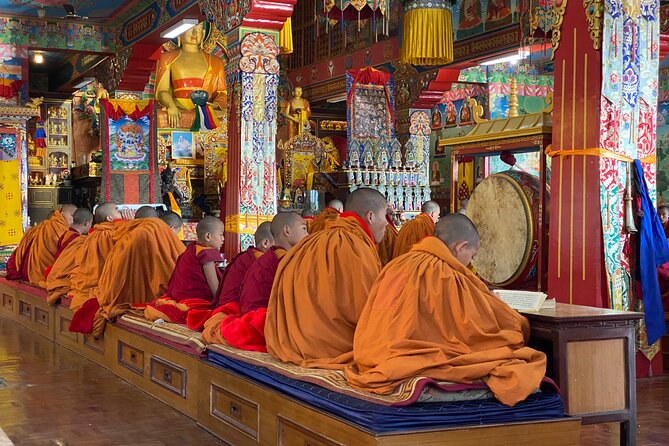
The third stop is Pema Ts’al Sakya Monastic Institute, another monastery with a different focus. Here you meet a young monk who can explain monastic life and education.
This stop should interest anyone curious about how young people study and live within a Buddhist institution. Instead of seeing only prayer halls and painted details, you get a chance to ask about learning, routine, and the role of the monastery. The experience is described as interactive, so prepare a few questions in advance.
Useful questions might cover what the monk studies, how education works, and what daily life is like. Keep them respectful and let the conversation develop naturally. The information does not state how long you will speak with the monk beyond the roughly one-hour stop, so the depth of the exchange may depend on the schedule and group participation.
A small group helps here. With no more than 15 people, you have a better chance of hearing the conversation and asking something yourself. A very large group would make this kind of meeting less personal.
Same mountains, a completely different kind of day:
- ZipFlyer Nepal – The World’s Steepest Zip-line
★ 5.0 · 608 reviews - Bungee Pokhara by HighGround Adventures
★ 5.0 · 366 reviews - From Pokhara: Sarangkot Sunrise Himalayas Tour
★ 4.7 · 218 reviews - ATV Adventure Tour in Pokhara, Nepal
★ 5.0 · 194 reviews
Buddhist symbols at Shree Gaden Dhargay Ling
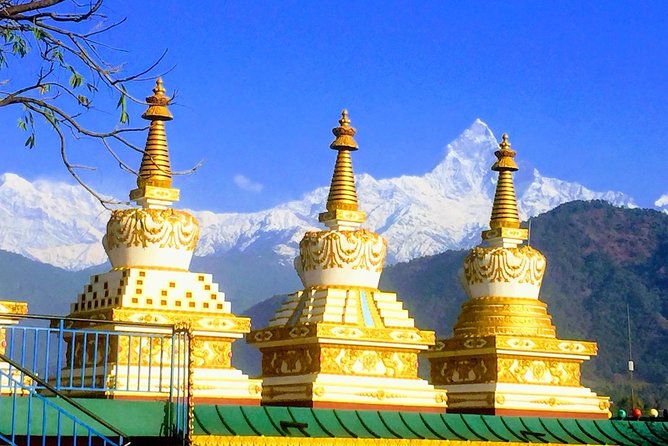
At Shree Gaden Dhargay Ling Monastery, you spend about 45 minutes learning the meanings of Buddhist signs and symbols. The stop includes prayer wheels, prayer flags, and stupas, all of which are important parts of Tibetan Buddhist practice.
This is a short visit, but it can sharpen your understanding of everything around you. Prayer wheels and flags are easy to photograph without knowing what they represent. Thupten’s explanations help you see them as active religious symbols rather than decoration.
The 45-minute schedule means you should focus your attention. Listen first, then take photos if permitted. The stop is likely to feel more instructional than leisurely, which is useful if you want context but less appealing if you prefer unstructured wandering.
The two monastery visits also add variety. Jangchub Choeling introduces the broad subject of Tibetan life and religion. Pema Ts’al gives you contact with monastic education. Shree Gaden Dhargay Ling focuses on symbols and practice. Together, they keep the morning from becoming a string of similar buildings.
Four hours in Tashi Ling Tibetan Village
The longest part of the day is a four-hour visit to Tashi Ling Tibetan Village. This is where the tour moves beyond individual monasteries and lets you see a wider community.
You walk around the village and observe how people live their daily lives. The visit also includes Tibetan schools and other community sights. Four hours is a substantial block of time, so this is not just a quick circuit before returning to Pokhara. It gives you room to walk, pause, ask questions, and absorb the surroundings.
The long village visit is likely to be the most rewarding part for anyone who wants ordinary life rather than only religious architecture. You can connect the morning’s discussions about identity, faith, and refugee life with the practical setting of homes, education, and community routines.
It is also the part most affected by weather and personal energy. The tour operates in all weather conditions, so dress appropriately. Comfortable walking clothes, protection from rain or sun, and shoes suited to village paths will make the day easier. Since the start is early and the full tour lasts eight to nine hours, bring patience as well as curiosity.
The available details do not specify the exact school schedule, village access rules, or amount of free time. Do not assume you can enter every building or photograph every person. Ask before taking pictures, particularly around homes, children, and religious spaces.
What Thupten Gyatso adds to the day
The guide is central to this experience. Thupten Gyatso explains Tibetan culture and history, Buddhist teachings, and refugee life in Nepal. One particularly praised aspect of the experience is his ability to share information in a way that makes the subject personal and accessible.
That matters because the tour covers several related topics in one day. Without interpretation, you might remember a monastery, a food stop, and a village walk as separate pieces. A good guide links them: religion to daily life, food to family customs, education to monastic practice, and settlement life to the wider story of Tibetans in Nepal.
I would make the most of Thupten’s presence by asking direct questions. You might ask how Tibetan communities preserve traditions in Nepal, how Buddhist teaching is reflected in daily life, or how young monks balance religious education with ordinary schooling. The supplied details confirm that he welcomes questions and shares Buddhist teachings, but they do not promise a formal lecture on every topic.
Because the tour is capped at 15 people, you should receive more attention than on a large bus excursion. Still, small group does not mean private tour. If you want extended one-to-one time with the guide, ask about the group size at booking.
Food, timing, and comfort
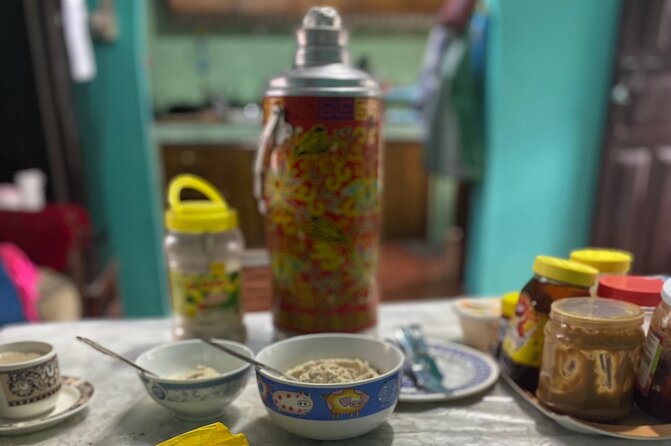
Food is built into the cultural experience rather than treated as an afterthought. You taste Tibetan food in a local home for breakfast, then have lunch at a restaurant with momos and thukpa. That gives you two different settings: family hospitality and a more conventional meal.
The availability of vegetarian, non-vegetarian, and gluten-free food is a practical plus. Tell the provider about dietary needs early, even though the tour says these options are served. The data does not list specific dishes for the home breakfast, so do not expect to choose from a full menu there.
The full outing lasts approximately eight to nine hours. The listed stops add up to a long day, especially with transport between sites. Hotel transfers remove one common worry, since you do not need to arrange your own way to the first meeting point or back afterward.
The tour operates in all weather. Pokhara weather can change, and the information does not provide a season-specific packing list, so dress in layers and carry suitable rain protection. You should also plan for a day that combines sitting, walking, monastery visits, meals, and village time.
Who should book this experience
I would choose this tour if you want culture and history to take center stage in Pokhara. It suits curious people who enjoy asking questions, listening to personal explanations, trying unfamiliar food, and seeing how religious traditions fit into ordinary life.
It is especially useful if you have limited time in Pokhara and want several Tibetan sites covered in one day. The hotel pickup, guide, meals, and small group make the arrangement simple. You do not have to piece together separate taxis, monastery visits, and food stops.
Families and mixed-age groups may also find the range of activities helpful, though the early start and long duration could be tiring for young children. The tour data says most people can participate, but it does not provide detailed mobility information for every stop. If you have specific walking or access concerns, ask the provider before booking.
I would not pick it if your main goal is a relaxed morning, a scenic drive, or a short cultural stop. The 5:30 a.m. departure is firm, and the four-hour village visit requires a willingness to spend much of the day with the subject. This is a people-focused outing, not a fast list of attractions.
Booking, cancellation, and practical details
The price is $85 per person, with group discounts available. Mobile ticketing and hotel pickup keep the practical side straightforward, while the maximum of 15 people helps prevent the experience from feeling like a crowded coach tour.
Confirmation is provided at booking. The tour is near public transportation, although hotel transfers are offered. Free cancellation is available if you cancel at least 24 hours before the local start time. Changes or cancellations made later are not accepted for a refund.
Since the tour is often booked about 32 days ahead, you may want to reserve before your Nepal trip is fully underway, particularly if your dates are fixed. The stated recommendation rate is 100 percent, and the rating is 5 out of 5 from 66 reviews, with the guide’s explanations and personal approach receiving especially strong praise. Those figures do not remove the early start or long-day drawbacks, but they do support the tour’s central promise: thoughtful contact with Tibetan culture led by someone who cares about the subject.
Should you book the Tibetan cultural tour?
Book it if you want a serious, friendly introduction to Tibetan life in and around Pokhara. The combination of four monasteries, a Tibetan family meal, a young monk, village walking, schools, local food, and Thupten Gyatso’s guidance gives the day real range.
Skip it if you dislike early departures, long cultural visits, or asking questions in community settings. At $85, it offers good value for a full day with transfers and meals, but its worth depends on your interest in people, religion, and history rather than scenery alone.
For the right visitor, this is one of the more meaningful ways to spend a day in Pokhara. Arrive ready to listen, eat momos and thukpa, respect local customs, and let the conversations shape the experience.
FAQ
What time does the tour depart?
The tour departs at 5:30 a.m.
How long does the Tibetan cultural tour last?
The experience lasts approximately eight to nine hours.
How many people can join the tour?
The maximum group size is 15 travelers.
Is hotel pickup available?
Yes. Hotel transfers are included for convenience.
What food is served?
The tour includes a taste of Tibetan food at a local family home and lunch at a local restaurant. Momos and thukpa are included among the highlighted dishes.
Can the tour accommodate dietary requirements?
Yes. Vegetarian, non-vegetarian, and gluten-free food options are available.
Just added around Pokhara
- Seti George and Thrilling Suspension Bridge Tour at Pokhara★ 4.5 · 3 reviews
- Tandem Paragliding in Pokhara★ 4.8 · 8 reviews
- Pokhara: Sunrise Tour to Sarangkot★ 5.0 · 3 reviews
- Pokhara: Suspension Bridge Private Tour- 30 Min Village Walk★ 4.8 · 9 reviews
- Pokhara: Visit Best Seven Tourist Destination by Sharing Bus★ 3.4 · 10 reviews
- Pokhara Sightseeing By Bus – Day Trip★ 3.2 · 8 reviews
- Pokhara Sightseeing By Bus: Day Trip★ 4.6 · 7 reviews
- Pokhara: Sarangkot Sunrise & Panoramic Annapurna View Tour★ 4.8 · 10 reviews
Historical Tours, compared.
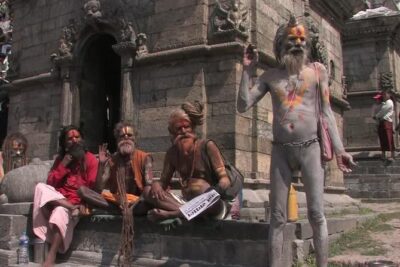
Private Kathmandu Sightseeing Tour | UNESCO World Heritage sites
Read our review →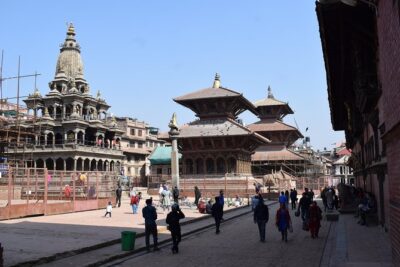
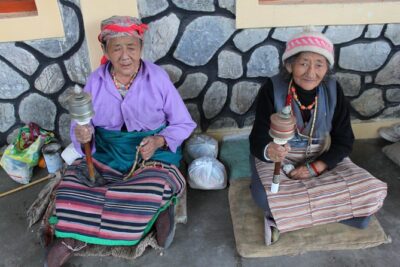
Full-Day Tibetan Cultural Tour to Tibetan Settlements Pokhara
Read our review →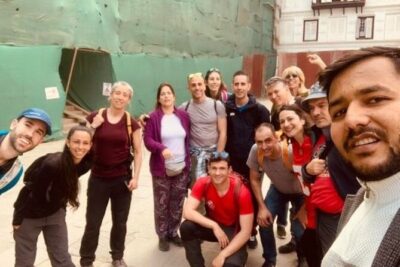
Kathmandu Private Sightseeing Tour | UNESCO World Heritage Sites
Read our review →
Afternoon Tibetan Cultural Tour to Tibetan Settlements Pokhara
Read our review →
Full Day Private Top 4 UNESCO Heritage Tour W/Lunch.
Read our review →
Nagarkot Sunrise & Bhaktapur UNESCO Heritage Private Tour
Read our review →Browse the lists this tour appears in