
Reviewed · HISTORICAL TOURS
Afternoon Tibetan cultural tour
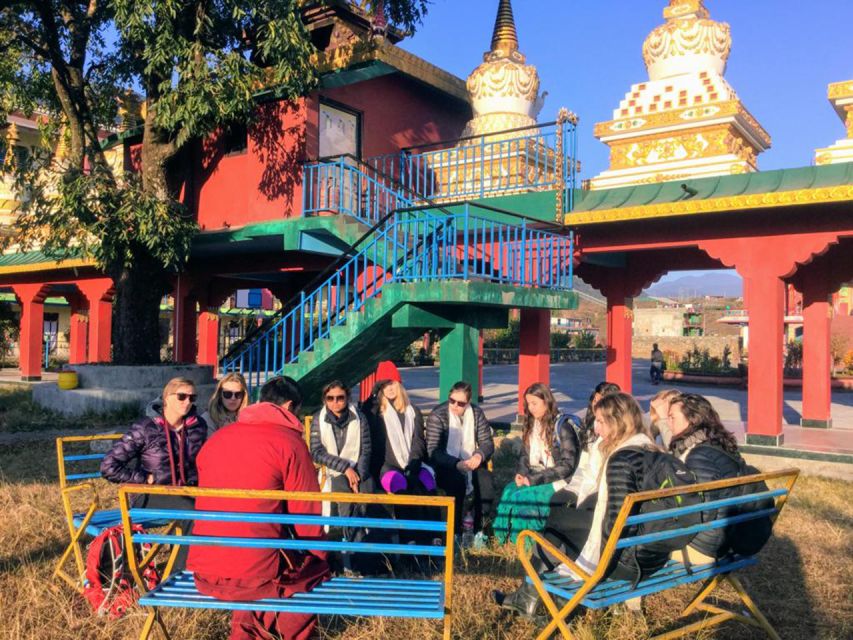
The most moving part of this Pokhara tour is the chance to meet Tibetan people in places where daily life, faith, education, and exile all meet. With guide Thupten Gyatso, you visit a monastery, speak with a young monk, walk through Tashi Palkhel Tibetan Settlement, and share food in a local home.
I especially like the open conversation with the monk and the simple tea visit with butter tea, tsampa, and Tibetan bread. You also get a clear explanation of prayer wheels, flags, stupas, and chanting, not just a quick photo stop. The main consideration is that this is a serious educational tour, not a light sightseeing outing, and four hours can feel short if you want a longer look at Tibetan life.
Key points at a glance
- A rare conversation with a young monk: Ask about monastic study, daily routines, vows, debate, and life inside the institute.
- Two very different monastery visits: See Pema Ts’al Sakya Monastic Institute, then attend afternoon prayer chanting at another monastery.
- Tashi Palkhel beyond the postcard view: Walk through a Tibetan settlement and learn how language, identity, and Buddhist customs continue in Nepal.
- Food with a story: Taste salted butter tea, tsampa, and Tibetan homemade bread in a local family home.
- Small-group attention: The group is limited to eight people, giving you more room to ask questions.
- Useful Pokhara timing: The four-hour afternoon schedule fits well around other activities based in Lakeside.
Why this four-hour tour feels different
Pokhara is often treated as a base for mountain views, boating, and treks. This experience gives you another way to understand the area. You are not simply looking at Buddhist buildings or spinning a prayer wheel for a photograph. You are learning what these objects mean, why they matter, and how Tibetan families and monks have carried their culture into Nepal.
Thupten Gyatso is central to the experience. He is Tibetan, lives in the region, and leads the tour in English. His role goes beyond pointing out buildings. He explains Tibetan history, refugee life, Buddhist ideas, education, the place of the Dalai Lama, and the practical challenge of preserving a culture far from its original home.
I like tours where the guide connects small details to larger questions. Here, a prayer flag can lead to a conversation about intention. A monastery can lead to a talk about study and discipline. A cup of salty tea can open a window onto family life and food traditions.
You should know what sort of afternoon you are booking. This is not a show built for quick entertainment. It asks you to listen, ask questions, and show respect in religious spaces. If you want cultural context and personal contact, the pace works well. If you prefer nonstop sights or a highly active outing, you may find it too talk-focused.
A few more Pokhara trips to weigh up
- Full-Day Tibetan Cultural Tour to Tibetan Settlements Pokhara
★ 5.0 · 184 reviews - Afternoon Tibetan Cultural Tour to Tibetan Settlements Pokhara
★ 5.0 · 106 reviews - Morning Tibetan cultural tour to Tibetan settlements Pokhara
★ 5.0 · 66 reviews
Leaving Lakeside for the monasteries
Pick-up and drop-off are included for hotels in the Lakeside area of Pokhara. That is useful because the tour runs for only four hours, and a long transfer from another part of the city could eat into your time. If your hotel is outside Lakeside, an extra transport charge applies based on its location.
The small-group limit is eight people. That matters here. Conversations with a monk and a family are more comfortable when the group does not crowd the room or dominate the discussion. It also gives you a better chance to ask about subjects that interest you, from Buddhist philosophy to the education of young monks.
The drive itself is part of the teaching. Thupten shares information about Tibet, Tibetan refugees in Nepal, Buddhism, and the settlements during the journey. Several people who took the tour found that these explanations helped them understand the stops before arriving, rather than receiving disconnected facts on site.
Pick-up is scheduled for the afternoon, but you need to check the available starting time when booking. The tour lasts four hours, so leave enough space afterward if you have dinner plans or another fixed activity.
Pema Ts’al Sakya Monastic Institute: symbols with meaning
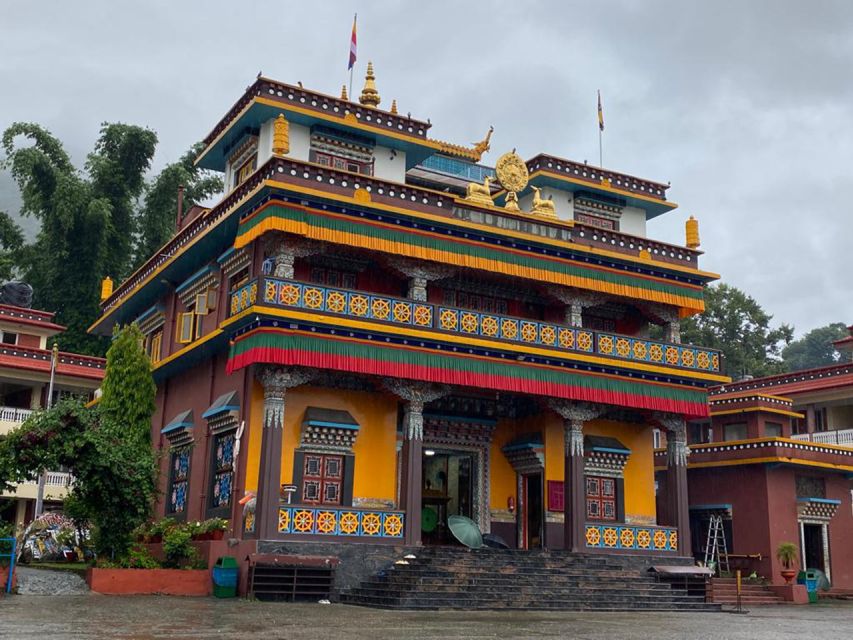
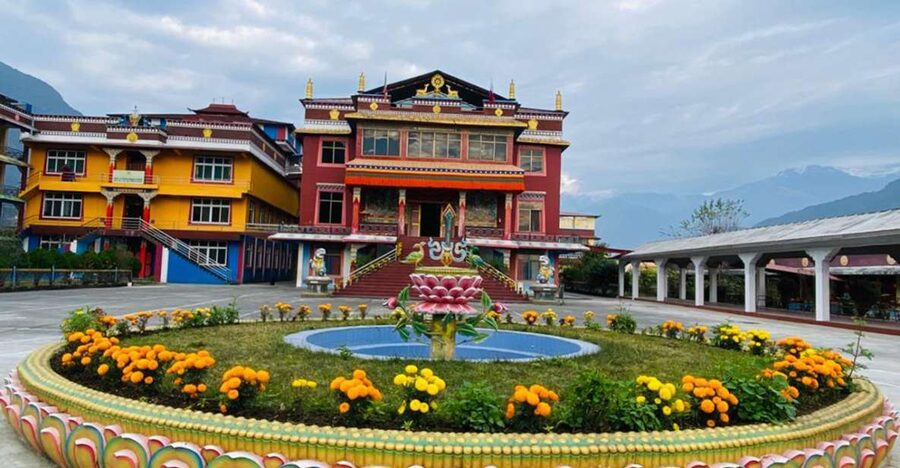
The first major stop is Pema Ts’al Sakya Monastic Institute. Allow about an hour here for a guided visit, walking, sightseeing, and photographs. The setting gives you an introduction to monastic life before you enter the settlement itself.
This is where Thupten explains the signs and objects that shape Tibetan Buddhist practice. Prayer wheels, prayer flags, stupas, and butter lamps are not random decoration. You learn how to approach them, why people move clockwise around certain sacred objects, and how these practices fit into ordinary life.
That explanation changes the way you see the buildings. Without a guide, you might notice bright colors, carved details, or rows of prayer wheels and move on. With context, the visit becomes a lesson in how religious belief is expressed through movement, sound, objects, and routine.
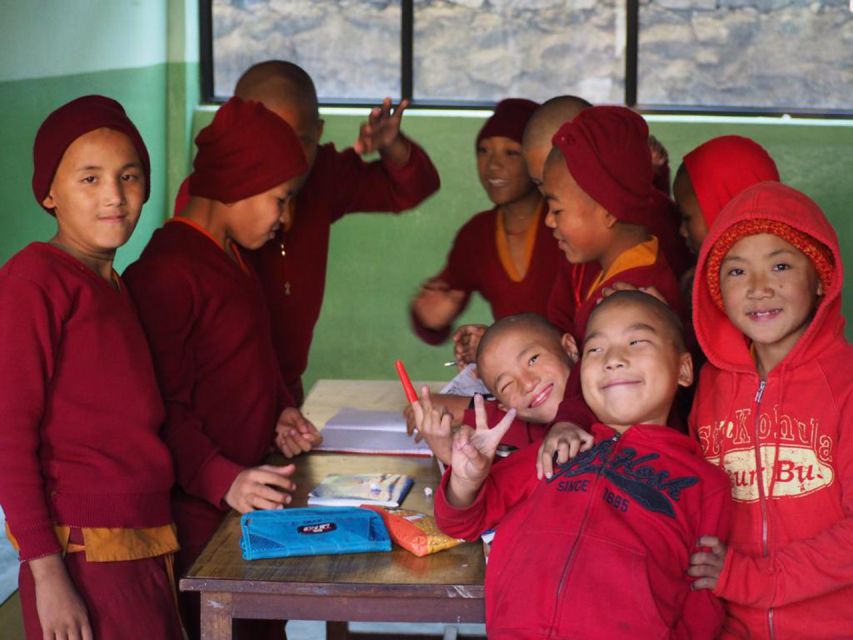
A highlight is the conversation with a young Buddhist monk. The discussion focuses on monastic life, studies, daily activities, and the experience of growing up in a monastic institute. You are encouraged to ask questions, and the conversation can move beyond basic facts into Buddhist philosophy and the purpose of debate in monastic education.
One particularly interesting point is that debating Buddhist philosophy is a favorite part of study for at least one of the young monks visitors meet. That detail helps correct the idea that monastery life is only silent meditation. Study, discussion, discipline, and intellectual training all have a place.
Be respectful with photographs and questions. The monk is not there as an oddity or a photo prop. The value of this stop comes from a genuine exchange, so thoughtful questions will give you more than a rushed list of prepared answers.
Tashi Palkhel and the work of preserving identity
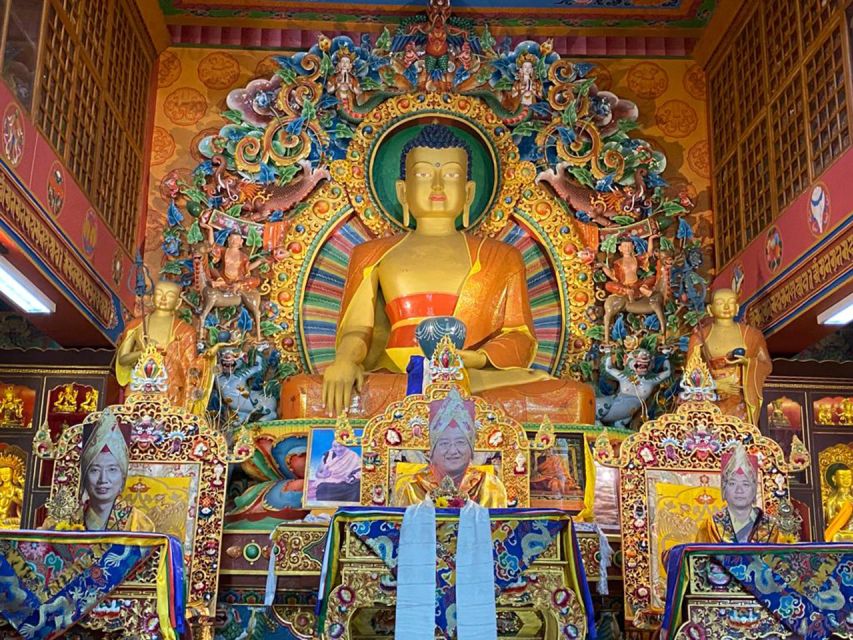
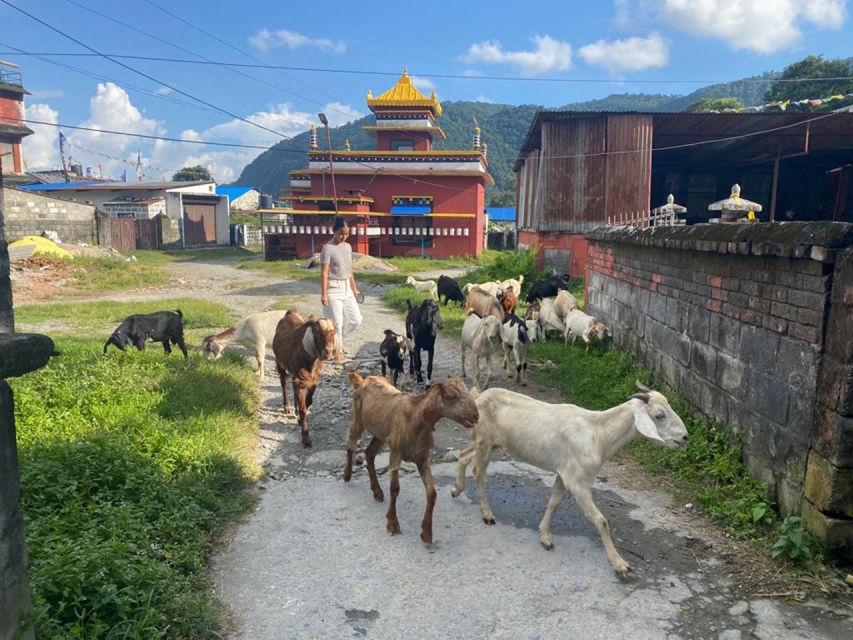
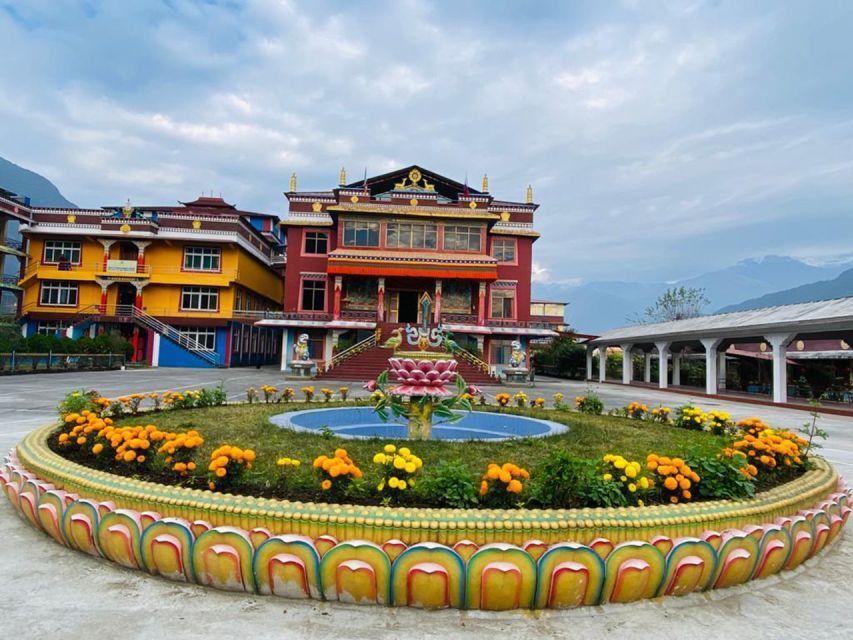
The tour then continues to Tashi Palkhel Tibetan Settlement, where you spend about two hours. This is the longest part of the afternoon and includes a walk, a guided visit, local snacks, food tasting, tea, and time to look at the settlement and its surroundings.
The central subject is continuity. Thupten explains how Tibetan people in Nepal have worked to maintain their language, Buddhist traditions, customs, and sense of identity. You also learn about the difficulties of adapting to life away from Tibet, including the challenge of building a home and community in a different country.
The settlement is not presented as a museum. It is a living place where families, religious institutions, and schools form part of the community. You learn about Tibetan schools and their education system, which adds an important layer to the visit. Preserving a culture depends not only on temples and ceremonies, but also on what children learn and which languages they use.
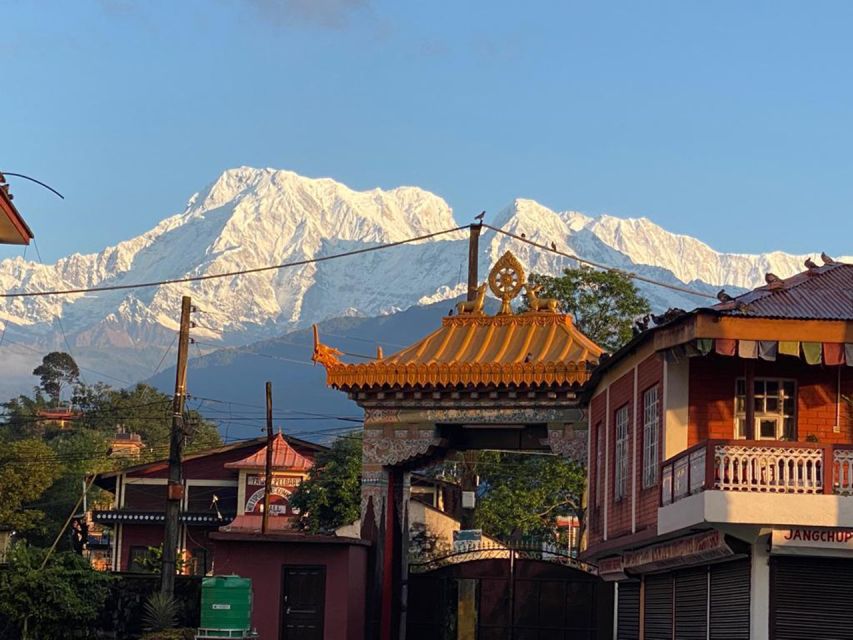
A walk through the settlement lets you see the setting at a human pace. Thupten points out details that would be easy to miss, including Buddhist signs and customary ways of moving through sacred areas. The information is practical and connected to what you are seeing, which makes it easier to remember.
The subject of exile is also handled directly. You hear about Tibetan refugees living in Nepal, the effort to preserve their heritage, and the importance of the Dalai Lama to Tibetan identity and public life. This can be an emotional part of the tour. It is worth arriving ready to listen rather than expecting a neutral sightseeing script with no difficult subjects.
Same mountains, a completely different kind of day:
- ZipFlyer Nepal – The World’s Steepest Zip-line
★ 5.0 · 608 reviews - Bungee Pokhara by HighGround Adventures
★ 5.0 · 366 reviews - From Pokhara: Sarangkot Sunrise Himalayas Tour
★ 4.7 · 218 reviews - ATV Adventure Tour in Pokhara, Nepal
★ 5.0 · 194 reviews
Afternoon prayers: sound, rhythm, and respect
At another monastery in the settlement, you attend afternoon group prayer chanting with the monks. You watch and listen rather than lead the ceremony. The prayers include several traditional instruments, and the combined chanting and sound create a very different experience from a standard temple visit.
This is one of the tour’s strongest moments because it gives you a sense of Buddhist practice as a group activity. The rhythm, voices, instruments, and physical setting all matter. You do not need prior knowledge of Buddhism to appreciate the atmosphere, but the earlier explanations make the ceremony easier to understand.
Your guide explains what is happening and how to behave. Follow his lead, keep your voice low, and treat the prayer period as a religious service rather than a performance. If photography is allowed, ask before taking pictures of people or the ceremony.
The timing can vary with monastery activity, festivals, and local events. Some people have arrived during a festival or New Year celebration, which added a special seasonal element. You should not book this tour expecting a particular festival, but the chance of encountering ordinary prayer or a local celebration is part of the appeal.
Butter tea in a Tibetan family home
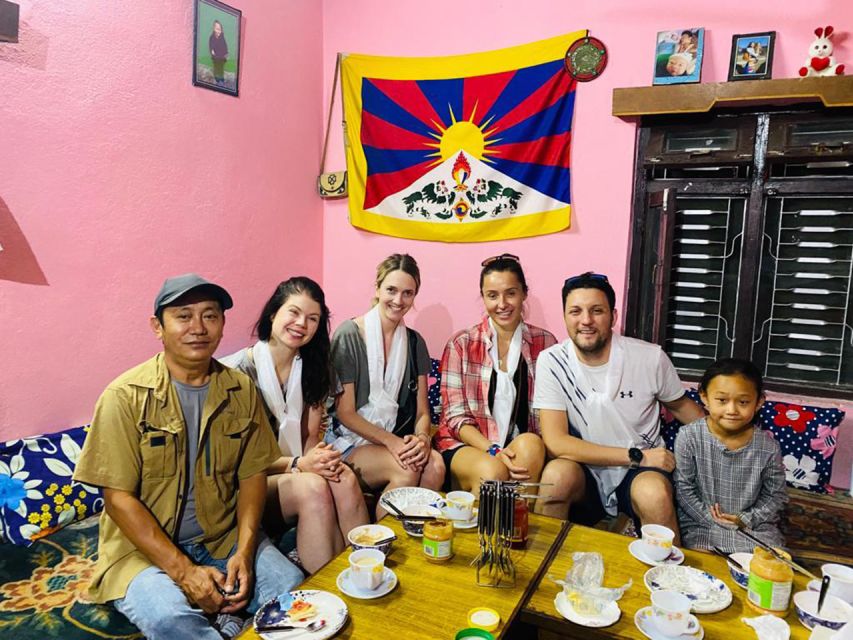
The final food stop is in a local Tibetan family home. This is not a restaurant tasting with a long menu. It is a small introduction to Tibetan food and hospitality, arranged as part of the visit to the settlement.
You taste traditional salted butter tea, tsampa made from roasted barley flour, and Tibetan homemade bread served with honey, butter, and peanut butter. Mineral water is also included. The food is simple, filling, and closely tied to Tibetan daily life.
Butter tea is the flavor that divides people most often. It is salty rather than sweet and has a buttery taste that may be new to you. Try it with an open mind, and take a small serving first if you are unsure. Tsampa can also be unfamiliar in texture, but Thupten explains how it fits into Tibetan food traditions.
The tea visit works because it is tied to conversation. You learn about food, family life, and the settlement while sitting in a home rather than standing beside a display. The setting is modest and personal, so you should act as you would in anyone’s home: listen, ask politely, and avoid treating the visit as a staged cultural exhibit.
Do not schedule a large meal immediately afterward. The tea, tsampa, and bread are substantial enough to count as an afternoon snack, and the experience is meant to be enjoyed slowly.
What the $56 price includes
At $56 per person, the tour is not the cheapest way to fill an afternoon in Pokhara. Its value comes from access and interpretation rather than from the number of sites. You receive transport around Lakeside, an English-speaking Tibetan guide, monastery visits, the monk conversation, settlement walk, prayer service, family-home visit, food tasting, and mineral water.
If you visited the monasteries independently, you could save money, but you would likely miss the connections between what you see and the wider story. The price also pays for a small group and for a guide who can explain Tibetan life from personal and cultural experience.
I see the price as fair for someone who wants a focused cultural experience. It is less attractive if your priority is simply taking photographs or finding a low-cost half-day outing. The tour earns its value through the time spent talking, not through a long list of attractions.
The provider offers free cancellation up to 24 hours before the start and lets you reserve now and pay later. Those terms are useful if your Pokhara plans may shift, especially during a longer Nepal trip.
Who should book this afternoon
I would choose this tour if you want to understand more about Tibetan Buddhism, refugee life, education, and cultural preservation. It suits curious adults, solo visitors, couples, and small groups who enjoy asking questions and listening to personal stories.
It is also a good choice if you have already seen Pokhara’s main sights and want an experience with more human contact. The four-hour schedule fits neatly into a busy visit, while the small group keeps the afternoon personal.
Families with very young children should note that children under five are not accepted. The tour is also not suitable for wheelchair users. Beyond those limits, the main question is your interest. You should book it if you want an educational experience that may challenge your assumptions and leave you thinking about culture, faith, and displacement.
Practical details to keep in mind
Wear comfortable shoes for walking around the settlement and monastery grounds. Dress and act respectfully in religious spaces, and follow instructions about photography and movement during prayer.
The tour is conducted in English. Thupten’s English is described as clear, and his storytelling style makes it easy to follow long explanations about Tibetan culture and Buddhism. Still, the amount of talking is part of the design, so this is not ideal for anyone who wants a quiet sightseeing loop.
Transport is included only from hotels in the Lakeside area. Confirm your hotel location and any extra transport cost before booking. The group can include up to eight participants, although the exact number may be smaller.
The experience lasts four hours and includes a monastery visit, a settlement visit, food tasting, and prayer chanting. Starting times depend on availability, so check the schedule for your date.
Should you book it?
Yes, if you want a thoughtful and personal look at Tibetan culture near Pokhara. The strongest reasons are the conversation with a young monk, Thupten Gyatso’s clear explanations, the prayer chanting, and the chance to share butter tea and Tibetan food in a family home.
Book it with realistic expectations. You are not getting a fast-moving sightseeing tour or a polished cultural show. You are getting a compact afternoon built around listening, questions, religious observation, and a direct look at how Tibetan people in Nepal preserve their traditions.
If four hours leaves you wanting more, that is a useful sign. The provider also offers a full-day option, and several aspects of this afternoon suggest that extra time would suit anyone who wants longer conversations and more context. For a first introduction, though, this half-day tour offers strong value and a memorable change of pace from Pokhara’s usual activities.
FAQ
Where does the Tibetan cultural tour start and finish?
Pick-up and drop-off are provided around the Lakeside area of Pokhara. The tour returns you to Lakeside at the end.
How long does the tour last?
The experience lasts four hours and takes place in the afternoon. Check availability for the exact starting time.
What places will I visit?
You visit Pema Ts’al Sakya Monastic Institute and Tashi Palkhel Tibetan Settlement. The settlement visit includes a monastery, a walk, a local Tibetan family home, and time for food tasting.
Will I speak with a Buddhist monk?
Yes. The tour includes a conversation with a young Buddhist monk about monastic life, studies, daily activities, and Buddhist ideas.
Can I attend Buddhist prayers?
Yes. You attend afternoon group prayer chanting with monks at a monastery. You observe the service and hear chanting and traditional instruments.
What food and drink are included?
You taste traditional salted butter tea, tsampa made from roasted barley flour, and Tibetan homemade bread served with honey, butter, and peanut butter. Mineral water is also included.
Is the tour suitable for everyone?
The tour is not suitable for children under five or wheelchair users. It is conducted in English and is designed for people interested in Tibetan culture, Buddhism, history, traditions, and refugee life.
Just added around Pokhara
- Seti George and Thrilling Suspension Bridge Tour at Pokhara★ 4.5 · 3 reviews
- Tandem Paragliding in Pokhara★ 4.8 · 8 reviews
- Pokhara: Sunrise Tour to Sarangkot★ 5.0 · 3 reviews
- Pokhara: Suspension Bridge Private Tour- 30 Min Village Walk★ 4.8 · 9 reviews
- Pokhara: Visit Best Seven Tourist Destination by Sharing Bus★ 3.4 · 10 reviews
- Pokhara Sightseeing By Bus: Day Trip★ 4.6 · 7 reviews
- Pokhara Sightseeing By Bus – Day Trip★ 3.2 · 8 reviews
- Pokhara: Seti River Rafting Adventure with Hotel Pickup★ 5.0 · 5 reviews
Historical Tours, compared.
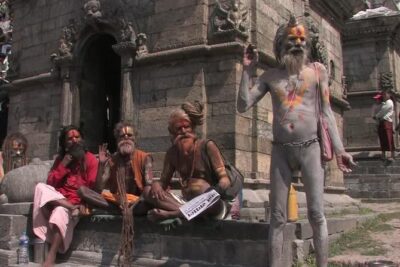
Private Kathmandu Sightseeing Tour | UNESCO World Heritage sites
Read our review →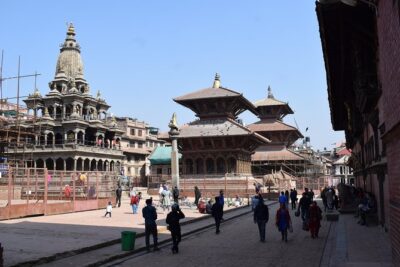
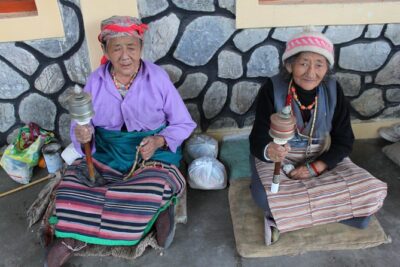
Full-Day Tibetan Cultural Tour to Tibetan Settlements Pokhara
Read our review →
Kathmandu Private Sightseeing Tour | UNESCO World Heritage Sites
Read our review →
Afternoon Tibetan Cultural Tour to Tibetan Settlements Pokhara
Read our review →
Full Day Private Top 4 UNESCO Heritage Tour W/Lunch.
Read our review →

Nagarkot Sunrise & Bhaktapur UNESCO Heritage Private Tour
Read our review →Browse the lists this tour appears in