
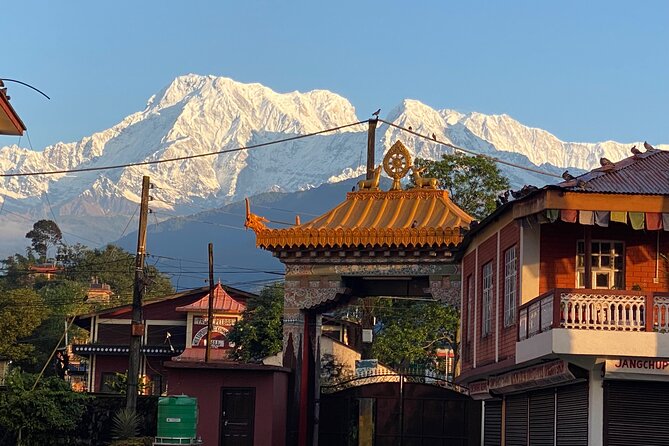
Reviewed · HISTORICAL TOURS
Afternoon Tibetan Cultural Tour to Tibetan Settlements Pokhara
Pokhara’s Tibetan settlements offer something you will not get from a standard sightseeing loop: direct contact with Tibetan religious life and a family living in exile. On this four-hour afternoon tour, guide Thupten Gyatso explains the culture, religion, and refugee experience before taking you into monasteries and a local home.
I like the personal scale and the chance to attend an afternoon prayer session with monks, complete with horns, drums, and conch shells. I also like the family visit, where butter tea and Tibetan bread turn a history lesson into a shared human moment. The main drawback is timing: this is an afternoon-only experience, and the $60 price may feel high if you want a quick monastery visit rather than a guided cultural program.
Key points to know before booking
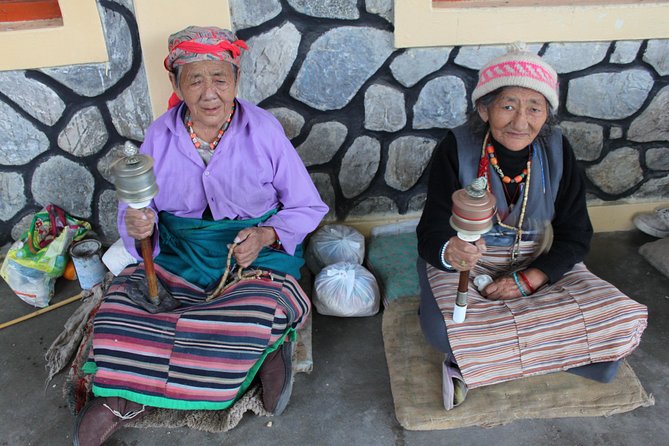
- Thupten Gyatso leads the tour: You receive explanations from a Tibetan guide with personal knowledge of the culture and refugee experience.
- Two monasteries give the tour religious depth: Pema Ts’al Sakya Monastic Institute and Jangchub Choeling Tibetan Monastery are both part of the afternoon.
- Prayer chanting is a central moment: At Jangchub Choeling, you may hear monks use horns, drums, and conch shells during afternoon prayers.
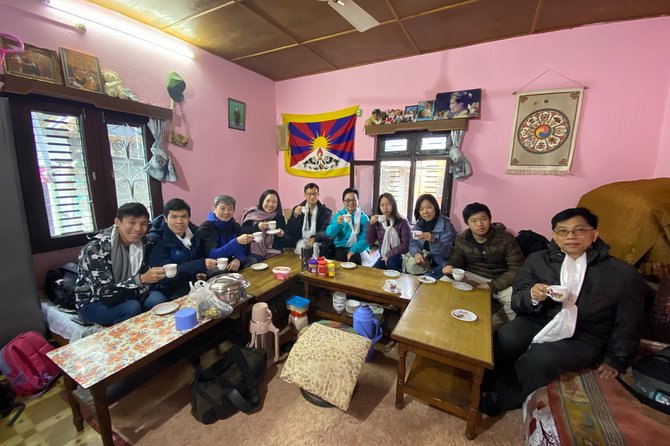
- The family visit is the most personal stop: At Tashi Palkhel, you share traditional Tibetan food in a family home.
- The four-hour schedule is easy to fit into a Pokhara day: Pickup begins around 2 pm, with return planned for about 6 pm.
- Dietary needs can be handled: Vegetarian food is available, and plain rice with vegetable or non-vegetable curry can be provided as a gluten-free choice.
Why Pokhara’s Tibetan settlements are worth your afternoon
Pokhara is often treated as a base for mountain views, boating, and short hikes. Those sights have their place, but the Tibetan settlements show another side of the city: communities shaped by displacement, Buddhist practice, work, family life, and the effort to preserve identity in Nepal.
I like this tour because it connects those subjects instead of presenting Tibetan culture as a collection of costumes, souvenirs, and photo stops. You hear about religion at a monastery, community life in a settlement, and food at a family home. Each part gives the next one more meaning.
The afternoon departure is practical. You begin at 2 pm and return around 6 pm, leaving your morning free for other Pokhara plans. Hotel pickup and drop-off are included, which matters in a city where finding the right settlement or monastery on your own may take extra time.
The experience is offered as a small-group walking tour, with a maximum of 15 people. That is not a private tour by definition, but it is small enough to allow questions and personal conversation. If fewer people book on your date, the attention can feel especially personal.
A few more Pokhara trips to weigh up
- Full-Day Tibetan Cultural Tour to Tibetan Settlements Pokhara
★ 5.0 · 184 reviews - Morning Tibetan cultural tour to Tibetan settlements Pokhara
★ 5.0 · 66 reviews - Afternoon Tibetan cultural tour
★ 5.0 · 41 reviews
Meeting Thupten Gyatso, your Tibetan guide
The guide is a major part of this experience. Thupten Gyatso leads the tour and explains Tibetan culture, Buddhism, history, and the lives of Tibetan refugees in Nepal. His English is described as very good, an important point when the subject includes religious terms and painful chapters of modern history.
I would choose this tour mainly for the guide, not simply for the buildings. A monastery can be beautiful, but without context you may miss the meaning of the images, sounds, rituals, and daily routines taking place there. Thupten’s role is to connect what you see with the people and traditions behind it.
The strongest part of his approach appears to be the mix of formal information and personal storytelling. That gives you room to learn about broad themes while also hearing how Tibetan identity is understood by someone from the community.
You should still arrive ready to ask questions. A small group and a Tibetan guide create a good setting for conversation, so think in advance about what you want to understand: refugee life, Buddhist practice, food, education, family traditions, or the future of Tibetan communities in Nepal.
Pema Ts’al Sakya Monastic Institute: the opening lesson
The first stop is Pema Ts’al Sakya Monastic Institute. The schedule allows about one hour here, with admission included at no extra charge.
This opening visit sets the tone. Rather than rushing through a monument, you begin with an introduction to Tibetan religion and community life. Thupten can explain what the institute represents and help you read the setting through a Tibetan perspective.
The stop is best for people who want background before seeing a live prayer service later in the afternoon. You can use this time to ask about Buddhist teachings, monastic life, and the place of religious institutions within Tibetan settlements.
The practical point is that the tour focuses on learning, not on ticking off a famous landmark. If you want extensive architectural detail or a long period for independent photography, this may feel limited. The one-hour visit is part of a wider program, so the emphasis stays on interpretation and conversation.
Jangchub Choeling Monastery and the sound of prayer
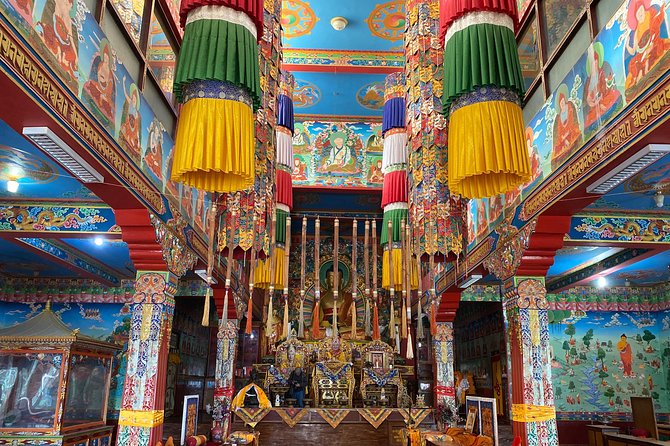
The second stop is Jangchub Choeling Tibetan Monastery, located inside a Tibetan village. The planned visit lasts about one hour and includes the chance to attend afternoon prayer chanting with monks.
This is likely to be the most atmospheric part of the tour. The service may include horns, drums, conch shells, and the voices of the monks. Those sounds give you a direct sense of Buddhist practice that a quiet walk around monastery grounds cannot provide.
I like the way this stop puts religion into action. You are not simply looking at painted walls or statues. You are hearing a ritual in progress and learning how worship fits into the daily rhythm of the community.
You should approach the prayer session respectfully. The information provided does not promise a private ceremony or a special performance, so treat it as an opportunity to observe an existing religious practice. Timing can also matter, since prayer services follow their own schedule. The advertised afternoon visit gives you a clear plan, but the exact feel of the service may vary.
For anyone interested in Buddhism, sound, ritual, or living religious traditions, this is a stronger reason to book than the monastery visit alone. It offers an experience that is difficult to recreate through independent sightseeing.
Same mountains, a completely different kind of day:
- ZipFlyer Nepal – The World’s Steepest Zip-line
★ 5.0 · 608 reviews - Bungee Pokhara by HighGround Adventures
★ 5.0 · 366 reviews - From Pokhara: Sarangkot Sunrise Himalayas Tour
★ 4.7 · 218 reviews - ATV Adventure Tour in Pokhara, Nepal
★ 5.0 · 194 reviews
Tashi Palkhel: food and family life
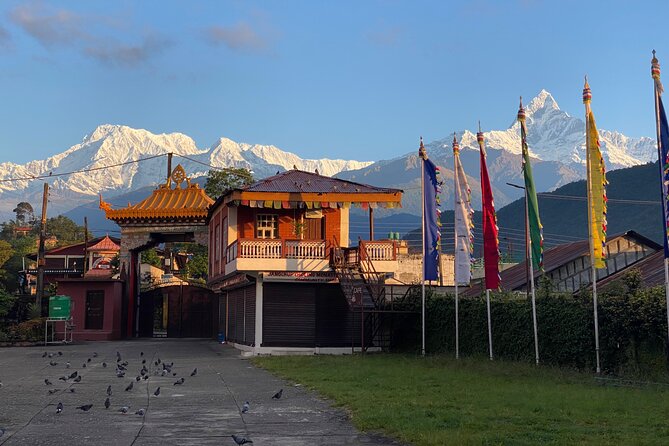
The third stop is Tashi Palkhel Tibetan Settlement. Here, you visit a Tibetan family home and share traditional food. The planned time is about one hour.
This is where the tour becomes most personal. Monasteries can teach you about public religious life, but a meal shows how culture appears in ordinary routines. Food opens an easy path into conversation, and Thupten introduces the dishes while explaining their background.
The menu includes Tibetan bread and butter tea, with snacks and tea included in the overall experience. You should not think of this as a full lunch. Lunch is not included, and the afternoon visit is better understood as a tasting and family welcome rather than a substantial meal.
Vegetarian food is available if you request it when booking. Gluten-free food can also be arranged in the form of plain rice with vegetable or non-vegetable curries. This is useful, though you should state your needs in advance rather than waiting until pickup.
I especially like that the family visit is not treated as a quick photo opportunity. The point is to learn about daily life and the history of Tibetan food. Still, cultural visits to private homes require courtesy. Listen carefully, ask before taking photographs, and let the family set the pace of the interaction.
What the four-hour schedule feels like
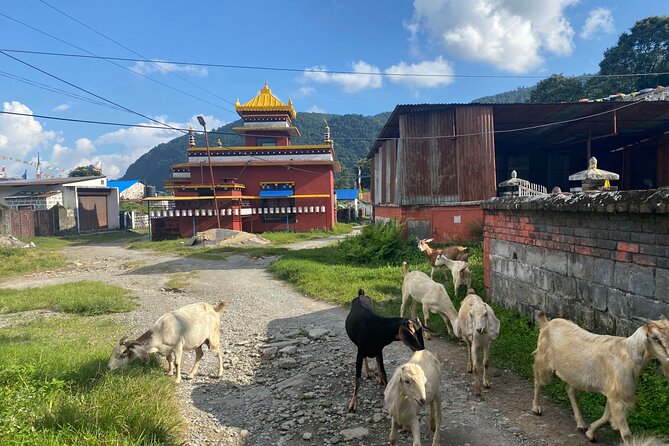
The stated schedule is simple: pickup at about 2 pm and return around 6 pm. The tour has three main stops, each planned for roughly one hour, with travel and transitions making up the remaining time.
That structure gives you enough time to understand each place without turning the afternoon into a long lecture. It also means the tour keeps moving. If you prefer slow, unstructured exploration, you may find the schedule a little directed.
Hotel pickup and drop-off are included. This adds real value because you do not need to arrange separate transport to the settlements or work out the return journey after the family visit. The tour also includes a driver and guide, bottled water, afternoon tea, coffee or tea, and snacks.
The group can reach a maximum of 15 people. The experience is described as small-group, but you should read that in practical terms: it offers more personal attention than a large coach tour, yet it may not provide the quiet, flexible pace of a private outing.
The mobile ticket is useful for a quick start, and confirmation is provided when you book. Most people can participate, although the activity is described as a walking tour, so anyone concerned about walking should ask the operator for more detail before reserving.
Is $60 a fair price in Pokhara?
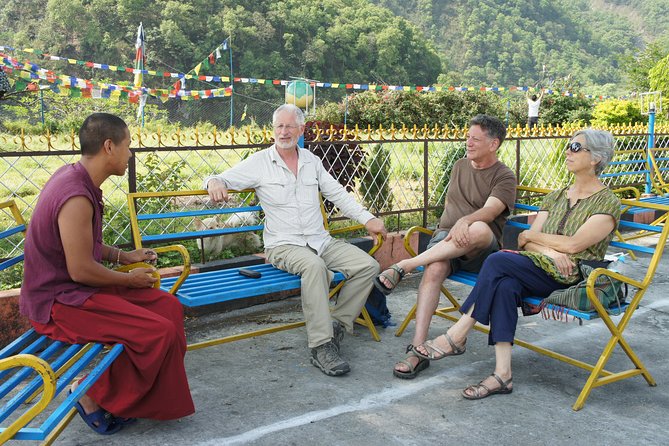
At $60 per person, this is not the cheapest way to see a monastery in Pokhara. If your goal is simply to visit a Buddhist site, you can likely find a less expensive arrangement. This tour earns its price through access, guiding, transport, and the family meal rather than through admission fees.
You are paying for a four-hour program with hotel transfers, a professional Tibetan guide, two monastery visits, a prayer session, and a family food experience. The free admission at the monasteries does not reduce the value of the guide’s time or the practical work of organizing the route.
The price makes the most sense if you value explanation and conversation. It is also more attractive if you are traveling alone, since a structured small-group tour can provide the company and context that are harder to arrange independently. A solo booking may sometimes feel close to a private experience, depending on the group size that day, but that is not guaranteed.
Group discounts are offered, which may improve the value for couples, families, or friends booking together. The tour also has a 99 percent recommendation rate and a five-star rating from 106 reviews, useful signs that the format has worked well for many people. I would still judge it by your interests: the price is easier to justify for cultural learning than for casual sightseeing.
What I like most, and what may not suit you
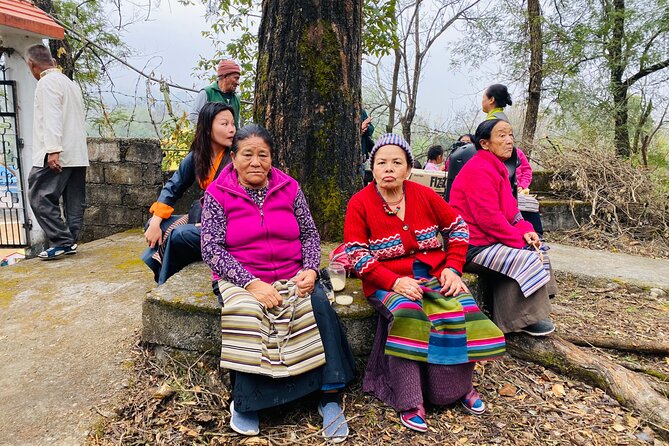
The best feature is the guide’s perspective. Thupten does not just point out buildings. He explains Tibetan religion, culture, history, and refugee life in a way that links the sites together.
The second strong point is the mix of experiences. You get formal religious settings, a live prayer service, and a family home. That range keeps the half-day from feeling repetitive.
The food stop is another plus. Butter tea and Tibetan bread give you a taste of daily culture, while the family setting helps you understand the social side of the settlement. Dietary alternatives are available, which makes the visit more practical for many people.
The main limitation is the fixed afternoon format. You cannot choose a morning start, and the four-hour plan leaves limited time at each stop. If your Pokhara schedule is packed, the 2 pm departure may also conflict with another activity.
The second consideration is that this is not a meal-focused tour. Snacks, tea, and traditional food are included, but lunch is not. Eat beforehand if you need a full meal.
Finally, the subject can be serious. Learning about Tibetan refugee life is meaningful, but it is not light entertainment from start to finish. You will get more from the visit if you approach it with patience and respect.
Who should book this cultural tour?
I would recommend it to you if you want to understand Tibetan life in Nepal through people, religion, and food. It suits first-time visitors who want a guided introduction, as well as returning visitors who have already seen Pokhara’s better-known sights.
It is a good match for solo visitors, couples, families with older children, and anyone interested in Buddhism or modern Tibetan history. The maximum group size of 15 keeps it manageable, and the option of vegetarian or gluten-free food helps with common dietary needs.
You may want to skip it if you only have a short time in Pokhara and want dramatic mountain scenery, outdoor adventure, or a full meal. You may also prefer independent sightseeing if you dislike fixed schedules or guided interpretation.
Book at least 24 hours before the start if you want the option of a full refund. Cancellations made less than 24 hours before the 2 pm start are not refundable, and changes inside that window are not accepted.
My verdict on the Tibetan Cultural Tour
I would book this tour if I wanted a thoughtful afternoon in Pokhara that went beyond temples and photographs. The combination of Thupten Gyatso’s guidance, monastery prayer, and a family food visit gives you three useful ways to understand Tibetan life.
The $60 cost is fair for the complete package, though it is not a bargain sightseeing ticket. You are paying for access and context, with transport included, so the value depends on how much you want to learn.
Choose it for the stories, sounds, and personal contact. Skip it if you want a quick, low-cost visit with lots of free time. For anyone curious about Tibetan culture and the lives of refugees in Nepal, this is one of the more meaningful half-day choices around Pokhara.
FAQ
What time does the Tibetan Cultural Tour start and end?
The tour starts at 2:00 pm and is scheduled to return at about 6:00 pm. It lasts approximately four hours.
Is hotel pickup and drop-off included?
Yes. Hotel pickup and drop-off are included in the tour price, along with a driver and guide.
Which places does the tour visit?
The tour visits Pema Ts’al Sakya Monastic Institute, Jangchub Choeling Tibetan Monastery, and Tashi Palkhel Tibetan Settlement.
Will I attend a Buddhist prayer service?
The visit to Jangchub Choeling Tibetan Monastery includes attendance at afternoon prayer chanting with the monks. You may hear horns, drums, and conch shells.
Is food included, and are vegetarian or gluten-free options available?
Afternoon tea, snacks, bottled water, coffee or tea, Tibetan food, butter tea, and Tibetan bread are included. Vegetarian food is available, and gluten-free food such as plain rice with vegetable or non-vegetable curry can be provided if requested at booking. Lunch is not included.
How large is the group, and can I cancel for a refund?
The group has a maximum of 15 people. You can cancel at least 24 hours before the start time for a full refund. Cancellations or changes made less than 24 hours before the start are not accepted.
Just added around Pokhara
- Seti George and Thrilling Suspension Bridge Tour at Pokhara★ 4.5 · 3 reviews
- Tandem Paragliding in Pokhara★ 4.8 · 8 reviews
- Pokhara: Suspension Bridge Private Tour- 30 Min Village Walk★ 4.8 · 9 reviews
- Pokhara: Visit Best Seven Tourist Destination by Sharing Bus★ 3.4 · 10 reviews
- Pokhara: Sunrise Tour to Sarangkot★ 5.0 · 3 reviews
- Pokhara Sightseeing By Bus: Day Trip★ 4.6 · 7 reviews
- Pokhara Sightseeing By Bus – Day Trip★ 3.2 · 8 reviews
- Pokhara: Sarangkot Sunrise & Panoramic Annapurna View Tour★ 4.8 · 10 reviews
Historical Tours, compared.
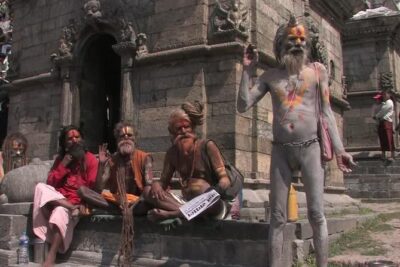
Private Kathmandu Sightseeing Tour | UNESCO World Heritage sites
Read our review →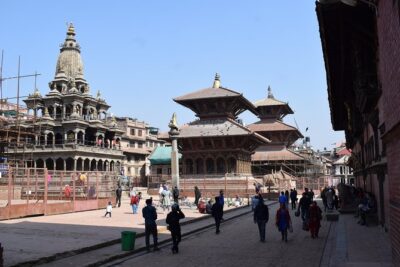
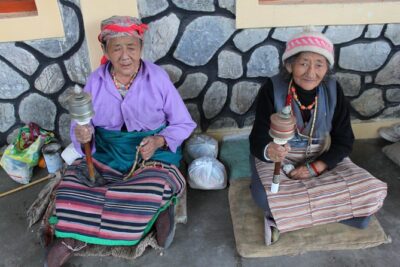
Full-Day Tibetan Cultural Tour to Tibetan Settlements Pokhara
Read our review →
Kathmandu Private Sightseeing Tour | UNESCO World Heritage Sites
Read our review →
Full Day Private Top 4 UNESCO Heritage Tour W/Lunch.
Read our review →
Nagarkot Sunrise & Bhaktapur UNESCO Heritage Private Tour
Read our review →
Morning Tibetan cultural tour to Tibetan settlements Pokhara
Read our review →Browse the lists this tour appears in