
Reviewed · COOKING CLASSES
Women Empowerment Project(Nepali cooking class & jewelry workshop
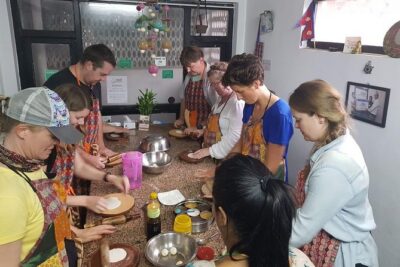
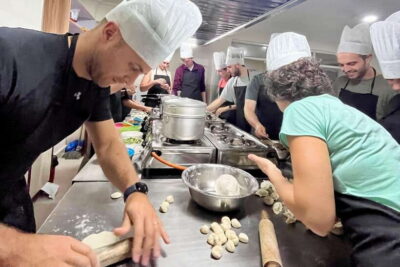
The best part of this Kathmandu experience is its simple rhythm: make food with local teachers, then sit down and eat what you made. You learn masala chai, pakoda, and momos rather than just watching a demonstration, and the cooking session ends with lunch shared with project members and volunteers.
I like two things in particular. First, the momo lesson gives you a real Nepali kitchen skill you can take home. Second, the jewelry workshop adds a creative second day and lets you meet people in a relaxed setting, even if you are not naturally outgoing.
The main catch is the schedule. It is described as a two-day activity, but the published times contain confusing entries such as 11:00 pm and 12:00 pm. Confirm the exact start time before you go, and note that the listed operating days are Monday through Wednesday.
Key points at a glance
- Two separate three-hour sessions: Cook on the first day and make jewelry on the second.
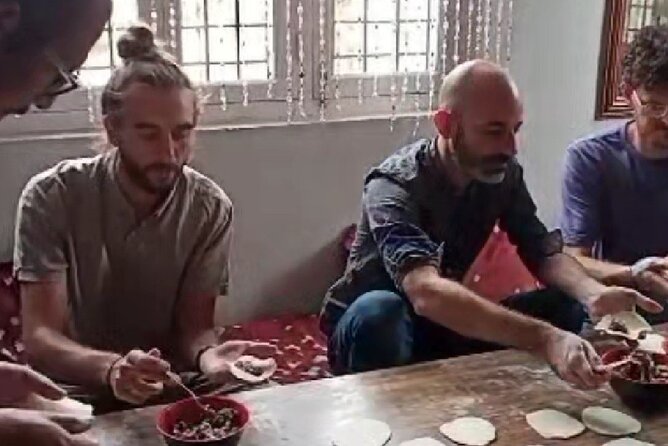
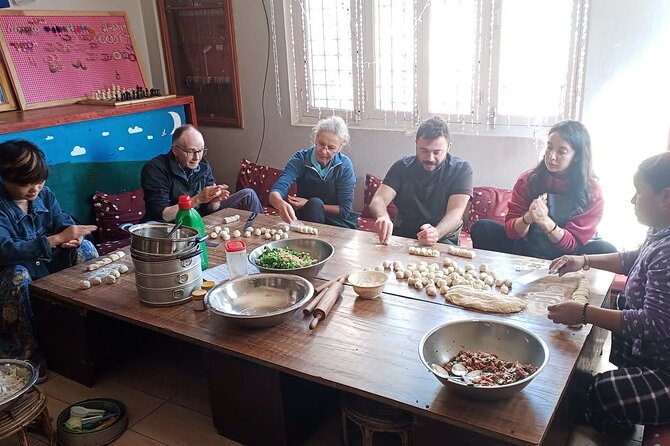
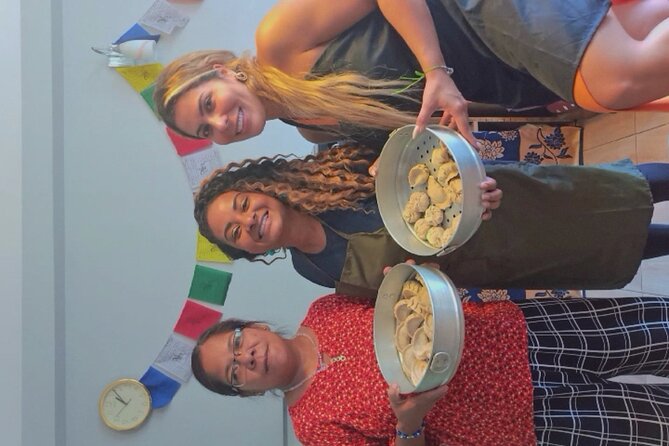
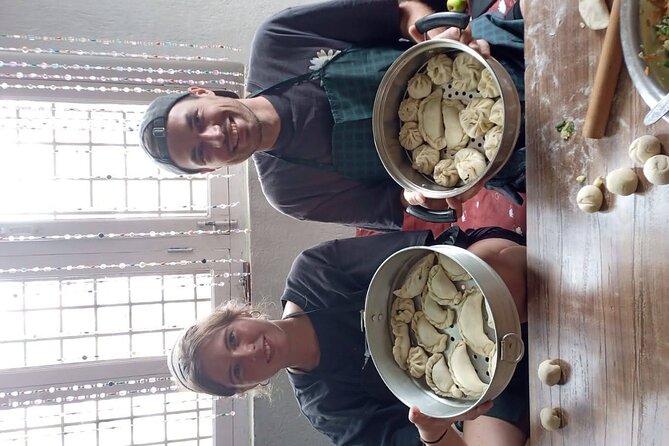
- Momo making is the centerpiece: Prepare buff momos and vegetarian versions, with potato and vegetable fillings mentioned in the class.
- Aastha and Syanbi may lead the kitchen: Syanbi is known within the project as the Momo Queen, while Buddha and Tara have also guided cooking sessions.
- Lunch is part of the lesson: You eat the food prepared during class, including momos and pakoda.
- The activity supports a local women-focused project: Your booking helps fund the Human Welfare Committee and its work with women and children.
- Private booking with a mobile ticket: Only your group participates, and admission is included.
What this Kathmandu workshop is really about
This is not a sightseeing tour with a cooking demonstration tacked on. It is a small cultural activity built around participation, conversation, and support for the Human Welfare Committee in Kathmandu.
You spend the first day in the kitchen and the second day at a jewelry workshop. That two-part design gives the activity more substance than a one-off meal class. You get food, craft, and time with people connected to the project.
The setting is at We handicraft, Paknajol, Kathmandu 44600. The meeting point is also the end point, so you do not have to arrange a second pickup or find your way across town after the class.
The price is $50 per person for the two-day experience, as described. That is a fair amount if you want both sessions and value the project behind them. You are paying for roughly six hours of guided activity, ingredients for the food lesson, lunch, the jewelry workshop, and support for a community organization.
Still, compare the price with your plans. If you only want to learn momos, a two-day booking may feel like more than you need. If you like hands-on activities and want an activity with a social purpose, the second day makes the cost easier to justify.
A few more Kathmandu trips to weigh up
- Half day cooking class in Thamel kathmandu
★ 5.0 · 607 reviews - Kathmandu: Local Women-Led Nepali Cooking & Momo Class
★ 4.9 · 360 reviews - Kathmandu: Local Lead Nepali Cooking & Momo-Making Class
★ 5.0 · 212 reviews
Day one: masala chai, pakoda, and momos
The cooking session begins with an introduction at the Human Welfare Committee. This opening matters because the class is tied to a women empowerment project rather than being only a commercial kitchen lesson.
The available schedule places the introduction at 11:00, followed by cooking at 11:30. The time is written inconsistently in the supplied details, with one entry showing 11:00 pm and another showing 12:00 pm for the pakoda lesson. I would not rely on those labels. Ask for the precise local start time after booking.
Starting with masala chai
The first kitchen task is masala chai. This is a good choice for a class opener because it is familiar, practical, and not too demanding. You begin with a drink while getting used to the teachers, the kitchen, and the other people in your group.
You should expect a guided preparation rather than a passive tasting. The point is to learn how traditional Nepali chai is put together, then enjoy it as part of the session.
The class has been led by several project members, including Aastha, Syanbi, Buddha, and Tara. Names and assignments may vary, but the teaching style described in the supplied details is patient and clear. Syanbi is referred to as the Momo Queen, which tells you where the session’s main focus lies.
Making pakoda
Next comes pakoda, a Nepali snack with a crisp, fried texture. The schedule sets aside about half an hour for this step, from 12:00 to 12:30 as written.
Pakoda gives the class a useful change of pace. You are not spending the whole session folding dumplings, and you get a snack to eat with the chai and later lunch. The exact ingredients and recipe variations are not provided, so you should ask the teacher about the spices and substitutions if you plan to recreate it at home.
Several people who took the class found the pakoda especially easy to repeat at home. That is one reason I like this lesson: it includes a quick snack as well as the more famous momo.
Same mountains, a completely different kind of day:
- Everest Base Camp Trek – 14 Days
★ 5.0 · 1,499 reviews - Private Kathmandu Sightseeing Tour | UNESCO World Heritage sites
★ 5.0 · 756 reviews - Everest Base Camp Helicopter Tour landing at Everest View Hotel
★ 5.0 · 668 reviews - Everest Base Camp Trekking
★ 5.0 · 485 reviews
Folding buff and vegetable momos
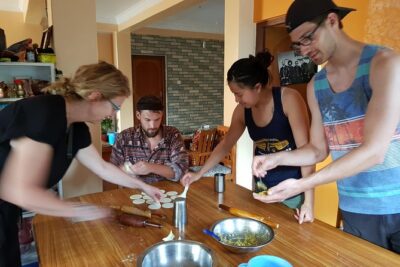
Momos are the main event. The class covers buff momos and vegetarian momos, with potato and vegetable versions also mentioned. Buff means water buffalo, a common meat choice in Nepal, but you can focus on the vegetarian preparation if you do not eat meat.
The practical value here is in the hands-on folding. A skilled teacher can make momo shaping look effortless, so pay close attention to the filling amount, the dough edge, and the final seal. The teachers are there to make the process manageable, not to show off a perfect technique and leave you behind.
You may make several styles during the session. The exact number depends on the class, but the available details mention three kinds of momos in one session. Bring patience rather than artistic confidence. Your first dumpling may look uneven, and that is part of the fun.
The guides’ patient approach is important for beginners. Even people who felt shy about joining a group found the workshop easy to enter because the work gives everyone something to do. You can talk while chopping, folding, and cooking, without having to force conversation.
Lunch makes the first day feel complete
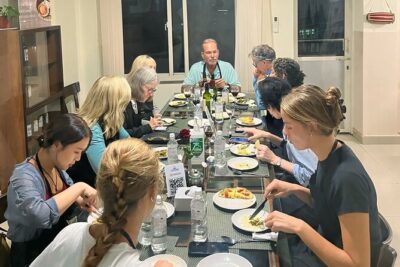
At about 1:30, you sit down for lunch. This is not a token sample handed to you at the end. You eat the momos and pakoda prepared during the class, along with the other participants, volunteers, and project members.
I like this part because it closes the loop. You see the ingredients become food, learn the method, and then share the result. The meal also creates the most natural time for conversation about the project and local life.
Expect the food to be the reward for your work, not a restaurant-style tasting menu. Portions and side dishes are not specified, so do not book this as a grand culinary feast. Book it to learn a few Nepali staples and enjoy a communal lunch made by the group.
If you have dietary restrictions, ask before the session. The class includes vegetarian momos, but the supplied information does not explain how meat, dairy, gluten, or other ingredients are handled.
Day two: a guided jewelry workshop
The second session returns to the Human Welfare Committee for a jewelry workshop. The published description says you can create your own jewelry with guidance, both as a beginner and as someone who wants to improve existing skills.
That broad promise makes the class suitable for different ability levels. You do not need prior craft experience, while people who already enjoy making jewelry can use the session to refine their technique.
The details do not specify the jewelry type, materials, finished item, or exact sequence of the lesson. I would ask those questions before booking if the craft itself is your main reason for going.
What the second day does offer is time for a slower, more social activity. Cooking has a clear timetable and a meal at the end. Jewelry making gives you space to work at your own pace and talk with the people around you.
This can be especially helpful if you are traveling alone or do not usually join group activities. One of the strongest themes in the supplied comments is that shy participants found the workshop friendly and easy to join. The shared task takes pressure off conversation.
The second day also gives the experience a stronger connection to the project’s women-focused purpose. You are not simply buying a finished souvenir. You are learning a skill in a setting designed to support local women and the organization’s work with children and families.
The teachers are central to the experience
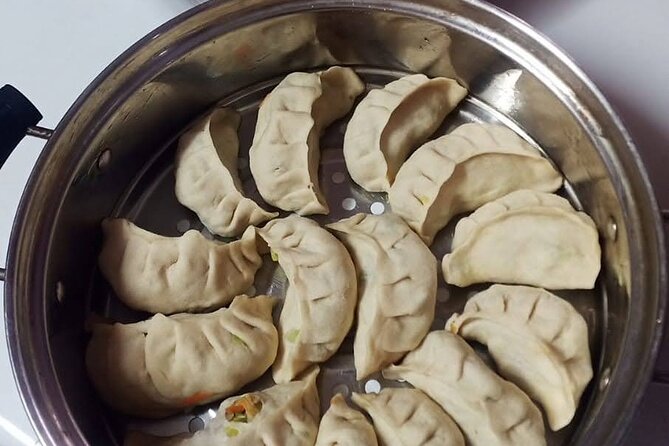
The food is important, but the people teaching it shape the day. Aastha and Syanbi are associated with the momo class, while Buddha and Tara have also guided participants through masala chai and several kinds of momos.
Syanbi’s Momo Queen nickname is more than a catchy label. The cooking session depends on someone who can explain the folding method clearly and help you fix mistakes without slowing the class to a crawl.
The available comments also point to a warm teaching style. That does not mean the class will feel polished like a television cooking show. It means you should expect direct help, friendly conversation, and room to learn by trying.
Since this is a private activity, only your group participates. That is a useful feature if you prefer a quieter class or want to ask more questions. It may also mean the social energy depends on the size and mood of your own group. A private booking is not automatically a lively group event.
Why the women empowerment element matters
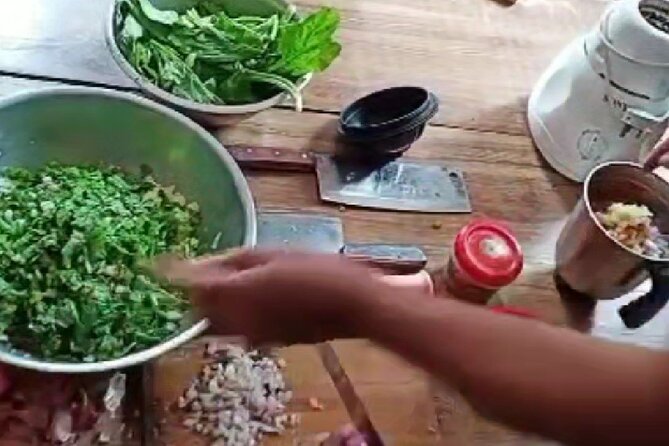
The project gives the activity a purpose beyond eating and crafting. Your participation helps fund the Human Welfare Committee, which is described as working with women and children.
You should keep your expectations realistic. The supplied information does not explain the organization’s full program, how the $50 is divided, or which specific services your payment supports. What you can say with confidence is that the cooking class and jewelry workshop are part of a women-focused community project, and booking helps fund the organization.
That distinction matters. This is not a substitute for learning about Nepal’s social issues, and it is not a formal volunteer placement. You are taking a class and supporting a local project through that purchase.
For me, that is the right scale of responsible tourism. You get a useful activity, meet project members, and contribute money without pretending that a short visit solves a large problem.
Timing, meeting point, and practical planning
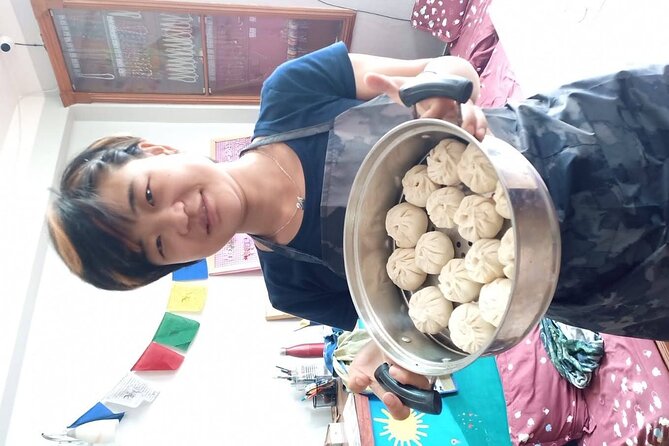
The meeting point is We handicraft at Paknajol, Kathmandu 44600. The activity ends back at the same place, and the site is near public transportation.
The listed opening period runs from January 15, 2023, through December 8, 2026, with hours of 10:00 am to 6:00 pm from Monday through Wednesday. Since the cooking schedule lists a start around 11:00, the class fits within those hours, but the conflicting am and pm entries need checking.
You receive confirmation at booking, and a mobile ticket is accepted. Keep the confirmation available on your phone, especially if you are navigating to the meeting point yourself.
Each day lasts about three hours. Set aside the full day around the appointment, though, since Kathmandu traffic and finding a central address can take time. The supplied information does not include hotel pickup, so plan to reach Paknajol independently.
The tour is described as suitable for most participants. No special accessibility details are provided, so contact the organizer if you need specific assistance.
Free cancellation is available if you cancel at least 24 hours before the start time. Changes or cancellations made inside that window are not accepted for a refund, and cut-off times use Kathmandu local time.
Who should book the two-day format
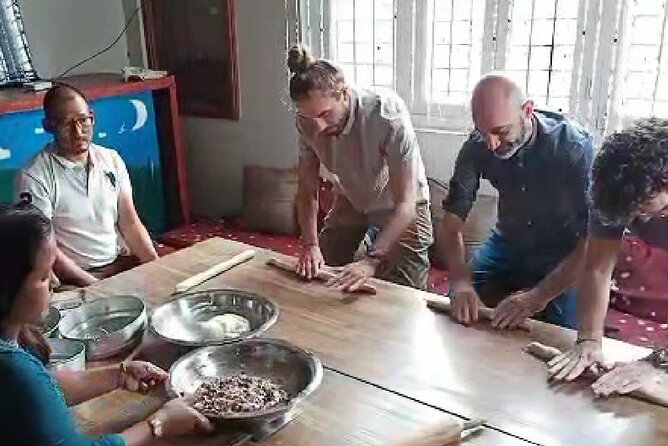
I would choose this experience if you want to do something active between temple visits and city walks. It gives you a local food lesson, a creative workshop, and a chance to support a community project without committing to a long volunteer program.
It is a strong fit for:
- First-time cooks: The teachers guide you through approachable Nepali dishes.
- Momo fans: You learn both meat and vegetarian versions rather than simply ordering dumplings.
- Solo visitors: The shared work makes conversation easier.
- Families and mixed-age groups: Most people can participate, though the organizer should answer any specific mobility or dietary questions.
- Craft lovers: The jewelry session offers a second hands-on activity.
- Visitors seeking a meaningful purchase: Your fee helps fund the Human Welfare Committee’s work.
I would think twice if you have only one free afternoon, dislike cooking, or want a detailed jewelry lesson with named materials and a guaranteed finished design. The available description does not provide enough craft detail for that kind of specialist decision.
Is $50 a good value?
At $50 per person, the value rests on using both days. Six hours of instruction, food, lunch, and a jewelry session is a reasonable package, especially for a private activity.
The social purpose adds value, but I would not judge the price only by the charitable element. Ask what is included in the jewelry workshop, and confirm that the $50 covers both sessions, before paying.
Compared with a short cooking class, this costs more. Compared with two separate cultural activities plus a meal, it may be quite reasonable. The strongest value comes from the combination of instruction and personal contact, not from luxury facilities or a long list of attractions.
Should you book the Women Empowerment Project?
Book it if you want a practical taste of Nepali culture, especially if momos are high on your list. The cooking class is the safer reason to choose this activity because its sequence is clear: masala chai, pakoda, buff and vegetable momos, then lunch.
The jewelry day is a good bonus for creative people, but ask for more details if the craft is your main goal. Before confirming, also verify the start times, the exact two-day schedule, and any food requirements.
For a visitor who values local contact over polished tourism, I would put this on the shortlist. You leave with cooking skills, a handmade piece from the second session, and a better sense of the people behind the project. Just go in knowing that the schedule needs clarification and the experience is about participation, not luxury.
FAQ
How long does the experience last?
It is a two-day activity, with approximately three hours on each day.
What food will I learn to prepare?
The first day covers traditional masala chai, pakoda, buff momos, and vegetarian momos. Potato momos are also mentioned as one of the possible preparations.
Is lunch included?
Yes. The first day ends with lunch made from the food prepared during the cooking class.
Where does the activity start and finish?
It starts at We handicraft, Paknajol, Kathmandu 44600, Nepal, and ends back at the same meeting point.
Is this a private activity?
Yes. Only your group participates.
Can I cancel for a full refund?
Yes, if you cancel at least 24 hours before the experience start time. Cancellations or changes made less than 24 hours before the start time are not accepted for a refund.
Just added around Kathmandu
- Traditional Momo Making Class★ 5.0 · 10 reviews
- Kathmandu to Pokhara Premium sofa bus ticket★ 4.0 · 17 reviews
- Walking tour of Kathmandu with awesome local guides★ 5.0 · 4 reviews
- Wildlife Adventure in Chitwan Nepal★ 4.0 · 4 reviews
- Kathmandu 2 Nights 3 Days Chitwan Jungle Safari Tour★ 5.0 · 9 reviews
- Kathmandu Street Food Walking Tour – Eat Like a Local★ 5.0 · 3 reviews
- Walking tour of real Kathmandu through back streets.★ 5.0 · 3 reviews
- Upper Mustang Trekking★ 5.0 · 4 reviews
Cooking Classes, compared.
Nepalese Momos or Dal Bhat Cooking Class (Cook with Delight)
Read our review →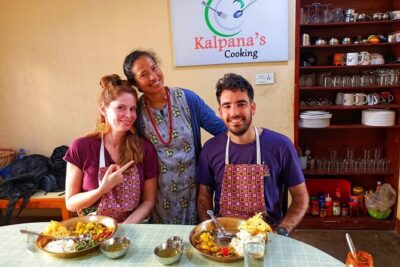
The best Private Nepali Cooking Class in Kathmandu
Read our review →
Nepalese Kitchen in Pokhara: Momos or Dal Bhat Cooking Class
Read our review →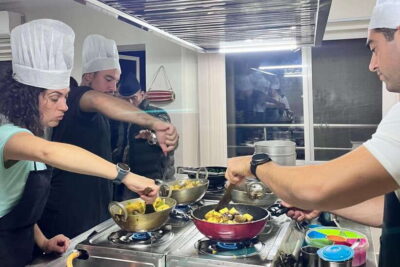
Browse the lists this tour appears in