
Reviewed · WORKSHOPS
Traditional Nepali Momo Making Classes
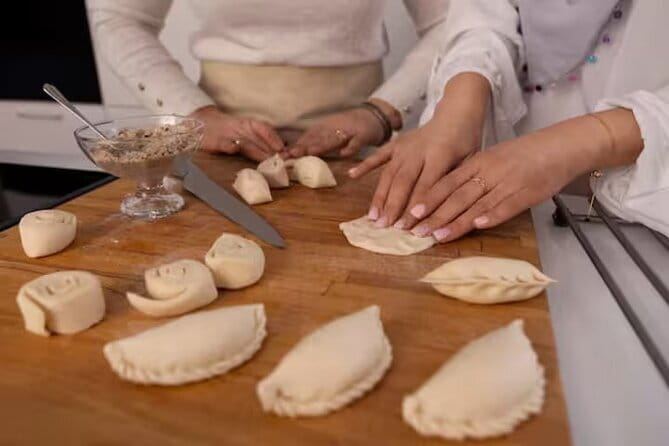
The best part of this Kathmandu class is that you do not just order a plate of momos. You make the dough, prepare the filling, learn several folding styles, and then sit down to eat what you cooked. I like the women-led school and its use of ingredients sourced from local farmers. I also like the opening cup of masala chai, a small but meaningful taste of Nepali hospitality.
The main consideration is time. At about 90 minutes, this is a compact introduction rather than a full survey of Nepali cooking. The class also requires good weather and a minimum number of bookings, so keep a little flexibility in your Kathmandu plans.
Key points before you book
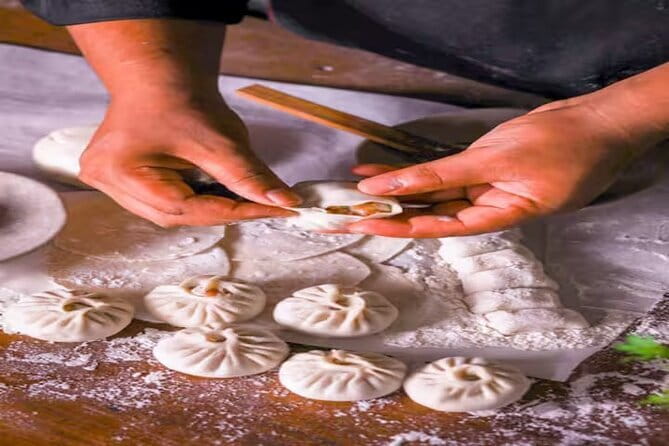
- Make momos from scratch: Prepare dough and filling, then learn how to shape the dumplings by hand.
- Begin with masala chai: The welcome drink gives the class a friendly Nepali start.
- Learn about local spices: The introduction explains the flavors used in Nepali momo cooking.
- Eat lunch that you helped prepare: The finished momos are included, so this replaces a restaurant meal.
- Meet patient local teachers: Sushila and Sabita are named among the hosts and teachers connected with the class.
- Take home the recipe book: You receive a Namaste Cooking School recipe book for cooking momos later.
Why momo making works so well in Kathmandu
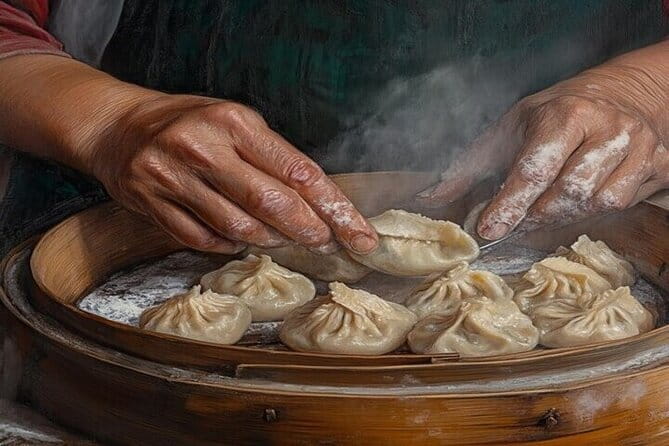
Momos are one of Nepal’s most useful foods for a short cooking class. The basic idea is easy to understand, but the finished dumpling depends on small skills: getting the dough thin enough, balancing the filling, sealing the edges, and knowing how much food to place inside.
That makes this class active from the start. You are not sitting at a counter watching a chef do everything. You handle the ingredients and repeat the steps yourself. If your first momo looks a little lopsided, that is part of the fun. By the end, you should have a better feel for the process and a meal in front of you.
I also like the cultural setting. Namaste Cooking School focuses on Nepal’s indigenous food traditions and works with local farmers for ingredients. That matters because the class is not simply teaching a generic dumpling recipe. It connects the dish with the spices, produce, and home-style cooking practices of Nepal.
The school is in Bhagwati Marg, in the heart of Thamel. That central location is practical if you are staying in the area or using Kathmandu’s public transport. You do not need to set aside half a day for a distant transfer. Start time is 12:30 pm, and the activity ends back at the meeting point.
A few more Kathmandu trips to weigh up
- Half day cooking class in Thamel kathmandu
★ 5.0 · 607 reviews - Kathmandu: Local Women-Led Nepali Cooking & Momo Class
★ 4.9 · 360 reviews - Kathmandu: Local Lead Nepali Cooking & Momo-Making Class
★ 5.0 · 212 reviews
A masala chai welcome at 12:30 pm
The session begins with a warm welcome and a cup of masala chai. In Nepal, offering tea is a familiar gesture of hospitality, and it sets the tone better than a rushed introduction would.
The chai itself has earned plenty of praise, and it is part of what makes the experience feel like lunch with a local cooking group rather than a technical lesson. If you do not drink masala chai, one participant was offered ginger and lemon tea instead. That suggests the team can respond to simple preferences, though you should still mention dietary needs and allergies when you arrive or when booking.
This opening is also a useful pause before the hands-on work. You can settle in, meet the teachers, and ask questions about the menu. The class is offered in English, so you can follow the explanations without needing a translator.
Choosing your momo menu
After the welcome, you select from the available menus for the momo session. The school also asks about allergies and dietary restrictions at this point. That is important because the filling can shape the entire meal.
Vegetable momo preparation is specifically described in the experience, and it has been used successfully in a private class. Other menu options may be available, but the exact choices are not given, so do not assume you will have unlimited alternatives. State your needs clearly before the cooking begins.
This menu step gives you a little control over the class. It can be useful for couples, families, or small groups with different tastes. It also helps you understand what is going into the food before you begin mixing and shaping.
The spice lesson adds context
Before making the momos, you receive an introduction to regional Nepali spices. This is one of the more valuable parts of the experience because it explains why Nepali momos do not taste like every other dumpling served around the world.
The class focuses on indigenous ingredients and local sourcing. You should expect an introduction to flavor rather than a long lecture on Nepalese food history. The aim is practical: recognize the spices, understand how they work in the filling, and use them under guidance.
I like this approach because it gives you something to remember beyond the folding technique. A recipe can tell you how much of an ingredient to add, but a spice lesson helps you understand the flavor you are trying to create.
Same mountains, a completely different kind of day:
- Everest Base Camp Trek – 14 Days
★ 5.0 · 1,499 reviews - Private Kathmandu Sightseeing Tour | UNESCO World Heritage sites
★ 5.0 · 756 reviews - Everest Base Camp Helicopter Tour landing at Everest View Hotel
★ 5.0 · 668 reviews - Everest Base Camp Trekking
★ 5.0 · 485 reviews
Rolling dough, filling wrappers, and folding momos
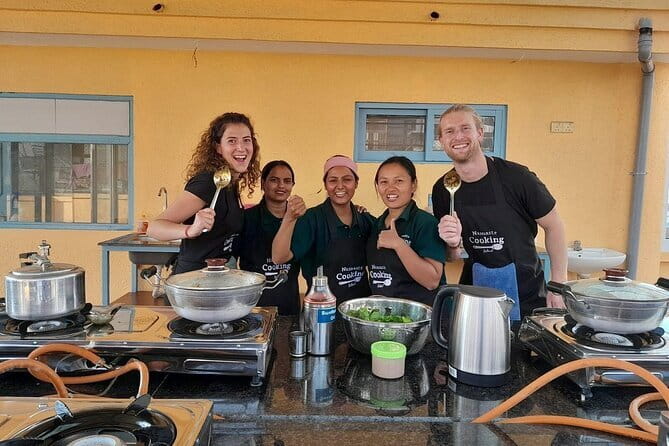
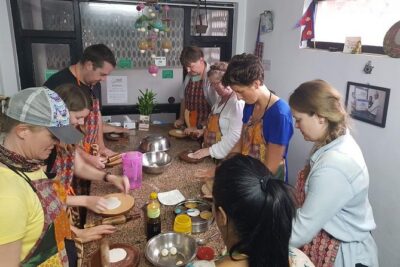
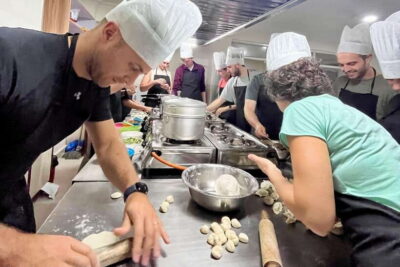
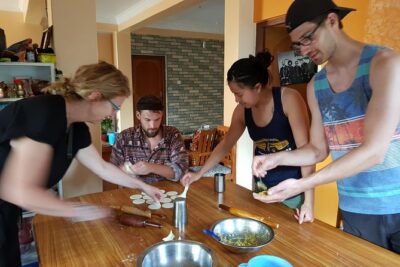
The main part of the class is hands-on. You make the dough and filling, then learn how to turn them into momos. The instructors demonstrate the technique and guide you as you work.
One especially useful detail is the chance to learn different ways to shape the dumplings. Folding is often the part that looks simple until you try it. The teachers are described as patient, kind, and willing to help, which is helpful for first-time cooks and children.
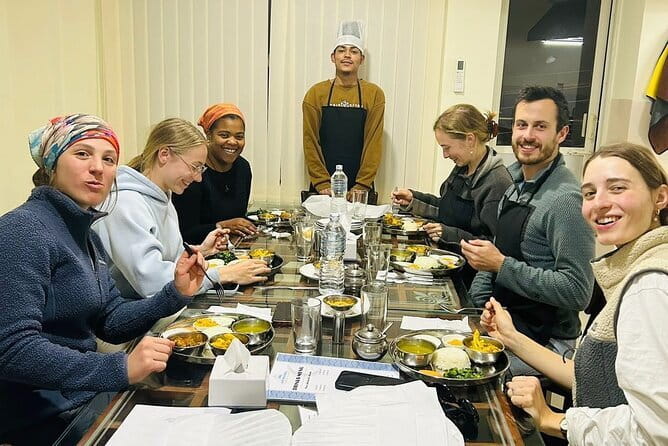
You should expect a social class rather than a silent cooking demonstration. The cooking is interactive, and some sessions have included teachers who sing and dance as well as teach. Sushila and Sabita are specifically named as talented teachers and hosts. Their friendly style appears to be a major part of the experience.
Families should take note. An eight-year-old who initially did not want to join ended up enjoying the class, according to the supplied account. That does not guarantee every child will love it, but the short length and simple handwork make it more suitable for children than a long formal cooking course.
The class can hold up to 16 people. That is small enough to feel manageable, though it may not feel private unless you book a private session. If you want one-on-one attention, ask about a private booking rather than assuming the standard class will be individual.
Lunch is the reward for the work
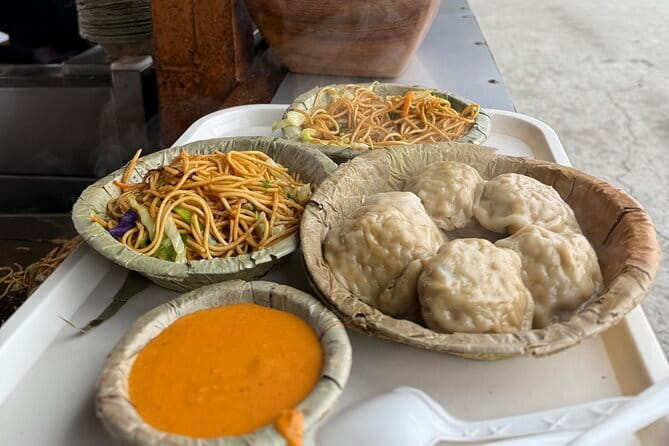
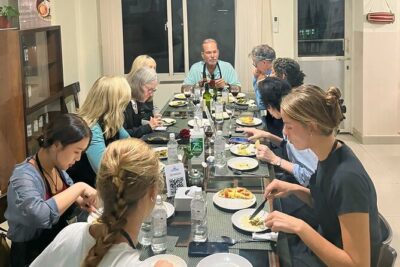
Once the momos are shaped and cooked, you eat them for lunch. This is a smart use of the midday schedule. Instead of paying for a separate restaurant meal, you spend about 90 minutes preparing food and then sit down to enjoy it.
The finished momos have been described as plentiful enough to make a full meal. That makes the $18 price especially appealing. You receive instruction, ingredients, tea, lunch, and a recipe book, all in one short activity.
Still, value depends on what you want. If your goal is simply to eat the cheapest possible lunch in Thamel, a cooking class will not be the fastest option. If you want lunch plus a skill and a local social experience, the price is very reasonable.
The meal also gives you a chance to judge your own progress. The first dumplings may not be perfectly shaped, but they should taste better because you know the work behind them. That connection is one of the class’s strongest points.
The recipe book helps after Kathmandu
At the end, you receive a Namaste Cooking School recipe book. This is more useful than a small souvenir that sits in a drawer because it gives you a way to repeat the experience at home.
You can use it to practice the dough, filling, and folding methods you learned in class. It also helps preserve the memory of the meal in a practical way. Momo making is a good group activity at home, especially if you have children or friends willing to take turns filling and folding.
The recipe book will not replace the teacher’s hand guidance. You may still need to adjust the dough or filling through practice. But having written instructions makes the $18 fee feel less like payment for a single lunch and more like payment for a reusable cooking lesson.
The Thamel location keeps the commitment short
The meeting point on Bhagwati Marg puts the school in central Thamel. This is one of the strongest logistical advantages. If you are already exploring Thamel, the class is easy to add without arranging a long ride across Kathmandu.
The experience lasts about one hour and 30 minutes. That leaves room for sightseeing before or after, though you should allow extra time to locate the meeting point and get settled. The listed start time is 12:30 pm, and the activity returns to the same meeting point.
Mobile tickets make entry simple. Confirmation is provided at booking, and the school is near public transportation. The maximum group size is 16, so the standard session has a clear limit rather than an open-ended crowd.
One unusual detail is that the class has also been held in a rooftop setting with panoramic views of Kathmandu. Treat that as a possible feature rather than a guarantee for every departure. The exact setting may vary, but the central Thamel location remains the reliable point.
What the class does especially well
The strongest praise centers on the teachers. Their patience, humor, kindness, and hospitality come up repeatedly in the supplied feedback. That matters in a cooking class because the food is only half the experience. A rushed or distant instructor can make simple steps frustrating, while a patient teacher lets you improve without embarrassment.
The second major strength is the food itself. The momos are made fresh during the session, and the ingredients are tied to local farmers and Nepali cooking traditions. You can expect the meal to be more satisfying because you helped prepare it.
The class also earns credit for being informative without becoming too long. You learn about spices, menu choices, dough, filling, and folding in a single sitting. That makes it a good fit for a first day in Kathmandu, a family afternoon, or a break from temple visits and street wandering.
Limits to keep in mind
This is a momo class, not a broad Nepali cooking course. If you want to learn dal bhat, curry, pickles, or several regional dishes, this session may feel narrow. Its focus is the advantage if you love dumplings, but it is also the limitation.
The 90-minute format leaves little room for extended cultural discussion or repeated practice. You will learn by doing, but you may not master every folding style in one visit. The recipe book helps you continue at home.
Weather can also affect the booking. The experience requires good weather, and it may be canceled if conditions are poor. A different date or a full refund is offered in that case. The same applies if the minimum number of participants is not reached.
For standard bookings, cancellation is free up to 24 hours before the start time. Cancellations or changes made less than 24 hours ahead are not refunded or accepted. Keep that rule in mind if your Kathmandu schedule is still shifting.
Who should book the momo class
I would recommend this experience to first-time visitors who want a friendly introduction to Nepali food without spending an entire day in a kitchen. It also suits couples, families, solo visitors who enjoy meeting people, and anyone who would rather make lunch than simply order it.
Children may enjoy the shaping and folding, especially because the class is short. People with allergies or dietary restrictions should give clear information before cooking so the menu can be handled safely.
You may want to skip it if you dislike group activities, want a private chef-led lesson by default, or already know how to make momos and are seeking advanced instruction. A private class is available in at least some cases, but you should arrange that specifically.
Should you book it?
At $18, this is a strong-value Kathmandu experience. You get masala chai, spice instruction, hands-on cooking, lunch, English guidance, and a recipe book in about 90 minutes. The women-led setting and local ingredient focus add more meaning than a standard tourist cooking demonstration.
Book it if you want to understand how momos are made and meet warm, patient teachers such as Sushila and Sabita. Just remember that it is a focused, compact class, not a complete course in Nepali cuisine, and leave room in your schedule for weather or minimum-booking changes.
FAQ
Where does the momo cooking class take place?
The class meets at Bhagwati Marg, Kathmandu 44600, Nepal, in the heart of Thamel.
What time does the class start?
The listed start time is 12:30 pm.
How long does the experience last?
The cooking class lasts approximately one hour and 30 minutes.
Is lunch included?
Yes. Lunch is included, and you eat the momos prepared during the class.
What language is the class offered in?
English instruction is offered.
How many people can join the class?
The activity has a maximum of 16 participants.
What do I receive at the end?
You receive a Namaste Cooking School recipe book to help you recreate the dishes at home.
Can I cancel for a full refund?
Yes. You can cancel at least 24 hours before the start time for a full refund. Cancellations made less than 24 hours in advance are not refunded. If poor weather or an insufficient number of participants causes the activity to be canceled, you are offered another date or a full refund.
Just added around Kathmandu
- Private Half-Day Tour of Boudhanath and Pashupatinath Temples in Kathmandu★ 4.5 · 9 reviews
- Private Half-Day Tour of Kathmandu Durbar Square and Swayambhunath Temple★ 4.5 · 11 reviews
- Namobuddha Monastery Hiking Day Tour via Panauti from Kathmandu★ 5.0 · 15 reviews
- Private Full-Day Kathmandu City Tour★ 5.0 · 9 reviews
- Private Day Tour in Kathmandu Valley Rim with Bhaktapur Sightseeing★ 5.0 · 3 reviews
- Private Half Day Budhanilkantha Tour★ 5.0 · 6 reviews
- Private Day Tour: Patan and Bhaktapur from Kathmandu★ 4.5 · 6 reviews
- Private Day Tour – Sacred Journey to Namo Buddha★ 5.0 · 5 reviews
Workshops, compared.
Nepalese Momos or Dal Bhat Cooking Class (Cook with Delight)
Read our review →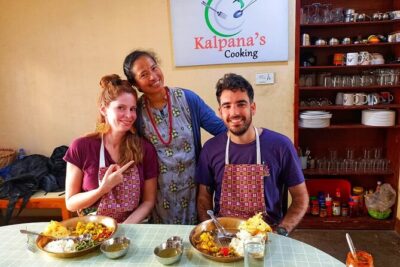
The best Private Nepali Cooking Class in Kathmandu
Read our review →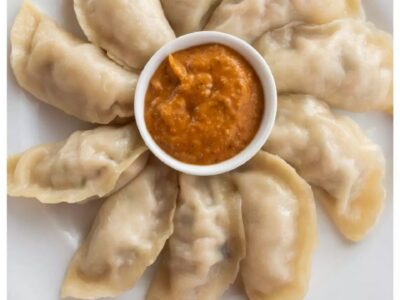
Nepalese Kitchen in Pokhara: Momos or Dal Bhat Cooking Class
Read our review →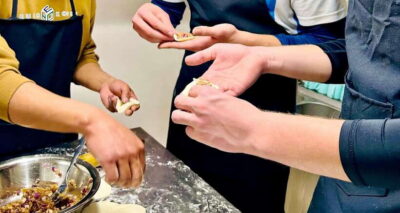
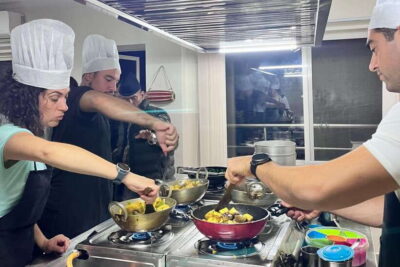
Browse the lists this tour appears in