
Reviewed · COOKING CLASSES
The best Private Nepali Cooking Class in Kathmandu
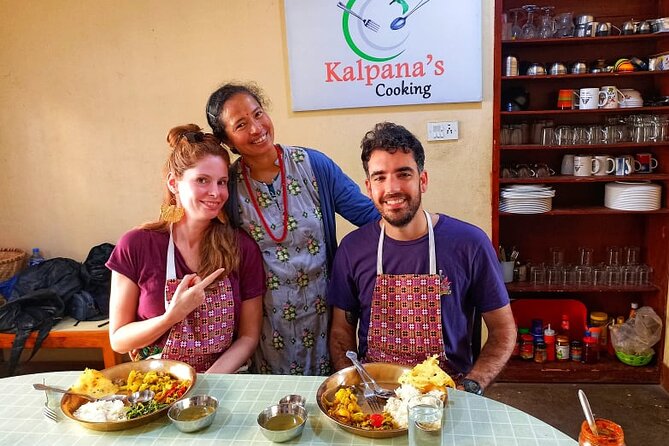
The most rewarding part of this Kathmandu cooking class is that it takes you beyond a restaurant table and into Kalpana’s family home and garden. You choose ingredients, grind spices, prepare the meal yourself, and sit down to eat what you made.
I like the personal welcome, which begins with homemade masala tea or coffee, and I like the practical teaching style. Kalpana shows you each task, explains why it matters, then lets you handle the work. The main consideration is that traditional Nepali cooking takes time and effort, especially grinding spices, chopping vegetables, and folding large batches of momos.
Key Points
- Cook in a real family home: This is a private class hosted by Kalpana and her family, not a large demonstration kitchen.
- Begin with local ingredients: You may visit a local market and private organic farm or garden to help choose what goes into the meal.
- Prepare classic Nepali dishes: The menu can include dal bhat, momos, sel roti, rice, dal soup, seasonal vegetables, spinach, chicken, pickle, and fried papad.
- Hotel pickup and drop-off included: Private vehicle transport makes the trip out of central Kathmandu easier.
- Good for dietary needs: Vegetarian meals and other dietary requests can be arranged if you advise the provider when booking.
- Take the lesson home: PDF recipes are provided so you can try the dishes again after Nepal.
Why This Class Feels Different From a Restaurant Meal
Kathmandu gives you plenty of chances to eat Nepali food. A cooking class gives you the missing part: an understanding of how that food reaches the table.
Here, the meal begins before the stove is lit. You help choose ingredients from a local market and a private organic farm or garden. The garden setting matters because you see the link between daily cooking and home-grown produce rather than treating each dish as an isolated recipe.
Kalpana hosts the class with help from members of her family, including her son and daughter. The setting is described as calm, with a garden and a home outside the most intense part of the city. That change of pace is useful after time in central Kathmandu, especially if you want a cultural activity that feels less formal than a museum or guided city tour.
The class is private, so only your own group participates. That gives you room to ask questions, work at your own speed, and request changes to the menu. It also means the experience depends on how actively you take part. This is not a show where you sit back and watch someone else cook.
A few more Kathmandu trips to weigh up
- Half day cooking class in Thamel kathmandu
★ 5.0 · 607 reviews - Kathmandu: Local Women-Led Nepali Cooking & Momo Class
★ 4.9 · 360 reviews - Kathmandu: Local Lead Nepali Cooking & Momo-Making Class
★ 5.0 · 212 reviews
Hotel Pickup Makes the Half-Day Easier
The experience lasts about four and a half hours. Hotel or homestay pickup and drop-off are included, along with transport by private vehicle.
That detail has real value in Kathmandu. You do not need to work out a separate taxi ride to a home in the suburbs, and you can spend your attention on the class rather than on finding the right road. The drive also takes you away from the city center toward a quieter setting with cultivated land and a family garden.
The exact timing of the cooking stages can vary. Some groups prepare dal bhat first, take a short break, then make momos. Others may spend more time on the full set meal. Plan to treat the four-and-a-half-hour schedule as a relaxed half-day rather than a tightly timed lesson.
One useful tip: do not eat a large breakfast before arriving. The experience includes morning tea or coffee and lunch, and the meal can be generous. You will be preparing enough food to make the cooking worthwhile, not just a small sample for tasting.
Tea, Garden Ingredients, and the First Lesson
The welcome begins with homemade masala tea or coffee. This is a small touch, but it sets the tone. You have time to settle in, meet the family, and ask questions before the practical work starts.
Ingredient selection follows. The experience description includes a visit to a local market and private organic farm, while the home-based portion focuses on seasonal vegetables from the family garden. The precise mix may depend on the day, but the purpose is clear: you get to see and choose ingredients before cooking them.
This is also a good time to ask about unfamiliar vegetables, spice mixes, and the role of each dish in a Nepali meal. Kalpana’s teaching style includes practical explanations, not just instructions. You are shown what to do, then asked to do it yourself.
The garden adds a pleasant visual break from kitchen work. It also gives you a better sense of how household cooking uses what is available in season. Do not expect a polished food-production tour. The appeal is its everyday, family-run character.
Grinding Masala Is Part of the Work
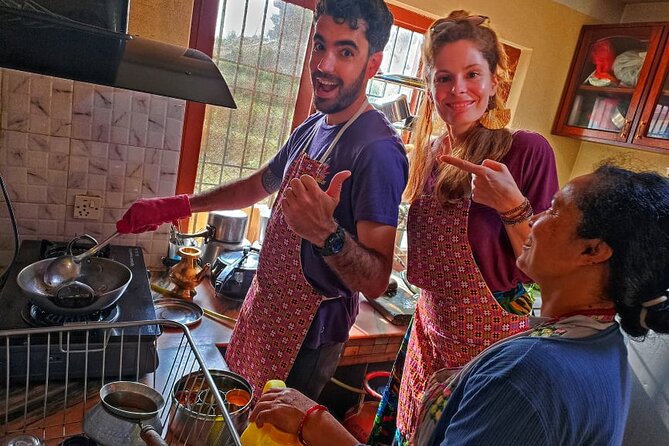
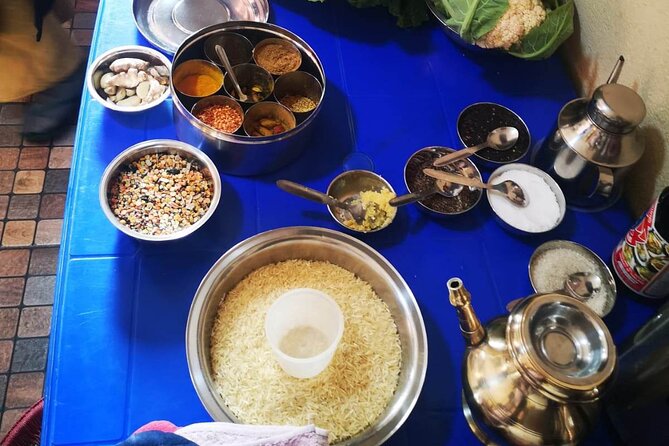
The most hands-on part of the class is preparing the masala. You chop vegetables, grind whole spices, and pound fresh ginger and garlic.
This work takes longer than opening a jar or reaching for a pre-mixed powder. That is the point. You learn how aroma and flavor are built at the start of a dish, and you see why traditional Nepali cooking can be labor-intensive.
The class is active, but it is not meant to be stressful. Kalpana guides you through the steps and explains the reason behind them. Her son has even become known for encouraging people to grind a little bit more, a friendly reminder that the paste needs proper preparation.
If you have limited mobility or dislike repetitive kitchen work, this is worth considering before you book. The class is designed around participation, and the preparation is a real part of the lesson. If you enjoy working with your hands, it is one of the strongest parts of the experience.
Same mountains, a completely different kind of day:
- Everest Base Camp Trek – 14 Days
★ 5.0 · 1,499 reviews - Private Kathmandu Sightseeing Tour | UNESCO World Heritage sites
★ 5.0 · 756 reviews - Everest Base Camp Helicopter Tour landing at Everest View Hotel
★ 5.0 · 668 reviews - Everest Base Camp Trekking
★ 5.0 · 485 reviews
What You Prepare During the Four-Hour Lesson
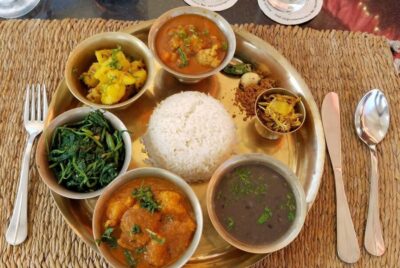
The listed set meal includes plain rice, dal soup, seasonal vegetables, spinach, chicken, pickle, and fried papad. The broader cooking experience can also include dal bhat, momos, and sel roti.
Dal bhat is the essential lesson. The name refers to rice and lentils, but the meal is more than two items. It is commonly served with vegetables, greens, pickle, and other accompaniments. Preparing it helps you understand the balance of a typical Nepali home meal.
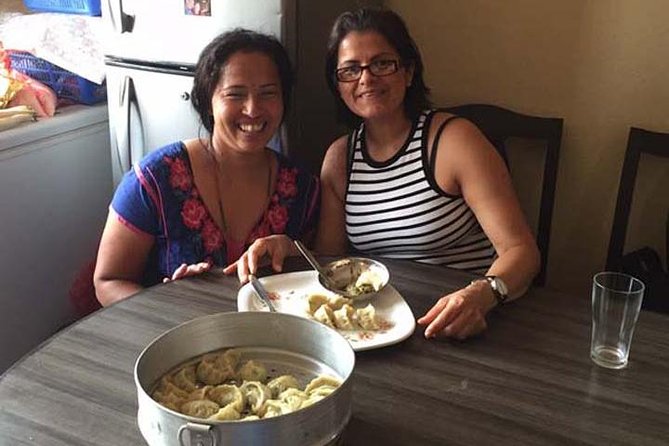
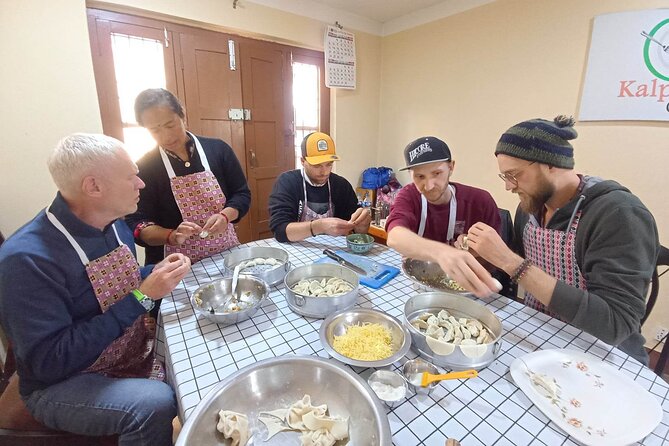
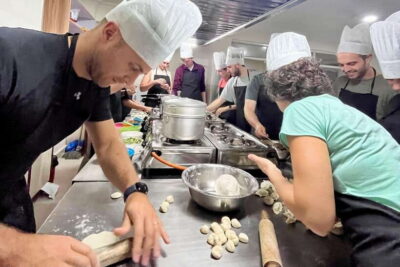
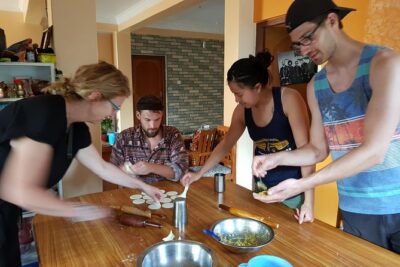
Momos bring a different kind of work. You prepare the filling, handle the wrappers, fold the dumplings, and steam them. Folding looks simple until you need to make a large batch. Groups have made enough momos to feed far more people than expected, so you should be ready for a generous amount of repetition.
Sel roti, a sweet fried bread, may also feature in the cooking program. It adds a traditional snack or breakfast item to the savory dishes, though the exact menu should be confirmed if sel roti is the main reason you want to attend.
Chicken appears in the standard set meal, but vegetarian cooking is available. You should state your dietary needs when booking. The host can adjust the menu for preferences, but last-minute changes may not be accepted.
Lunch Is the Reward, Not Just a Tasting
After the cooking, you eat the meal you prepared. Lunch is included in the price, along with the morning drink.
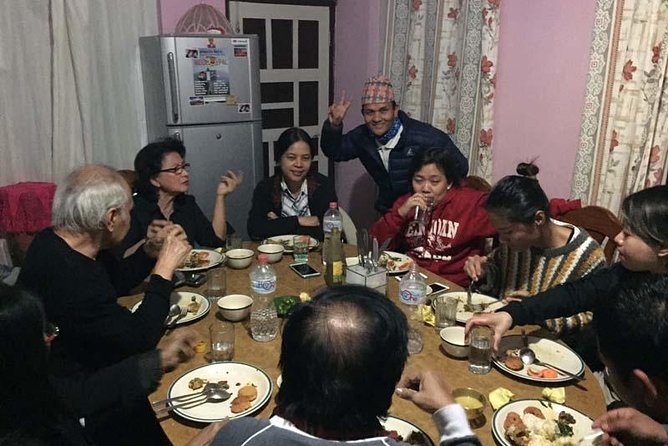
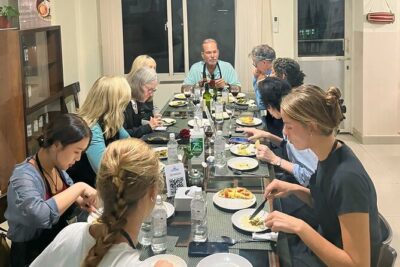
This shared meal is where the class becomes a social experience. You are not simply handed a finished plate. You have chopped, pounded, mixed, folded, and waited for the food to cook. That makes the final meal more satisfying and helps you remember the recipes.
The portions can be substantial, especially if dal bhat and momos are both on the menu. If you are attending early in your Nepal trip, this is a useful introduction to flavors and meal customs. You can ask which dishes are everyday staples and which are more often made for special occasions.
The family setting also allows the conversation to move beyond food. Past participants have learned about Nepali culture, meal habits, and appropriate ways to behave in local settings. That kind of advice can help you make better choices during the rest of your stay.
Kalpana’s Teaching Style and Family Welcome
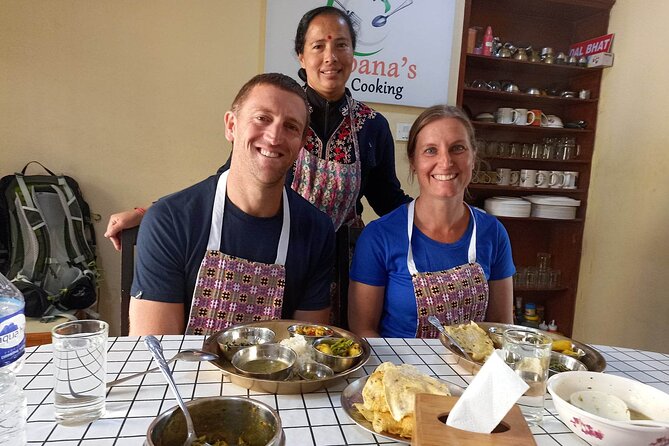
Kalpana is the central host, and the experience is strengthened by the involvement of her family. Her son and daughter may help with cooking and conversation, giving the class a relaxed household feel.
The teaching is practical. Kalpana demonstrates a task, explains the reason for it, and has you repeat it. You are encouraged to ask questions, take photographs, and record parts of the process for your own memory.
The warm hospitality is one of the clearest reasons to choose this class. The atmosphere is described as kind, comfortable, and welcoming, with a peaceful home and garden. Some people have even stayed in touch with the family after the class, though you should view that as a personal possibility rather than part of the scheduled activity.
The private format suits couples, families, and small groups. Children who enjoy helping in the kitchen can take part, though the adults in the group should be prepared for the length of the preparation. Group discounts may be available, which can make the per-person cost more attractive for a family or small party.
Is $24 Good Value?
At $24 per person, this is a strong-value half-day experience if you want more than a meal. You receive private transport, hotel pickup and drop-off, tea or coffee, instruction, ingredients, and lunch.
The value is especially good because the class combines several elements that would otherwise cost money separately: a local food lesson, a family visit, a garden or farm connection, and a prepared meal. You also receive PDF recipes, which gives the experience some use after your trip.
The price does not mean this is a luxury cooking studio. The appeal is the home setting and personal attention, not professional kitchen equipment or a polished performance. If you want precise restaurant-style instruction with formal measurements and a fixed menu, this may feel informal.
You should also allow for the time involved. Four and a half hours is a good portion of a day. That is worthwhile if the activity matters to you, but it may not fit well beside a packed sightseeing schedule.
Who Should Book This Experience?
I would choose this class if you want direct contact with local life and enjoy doing rather than watching. It suits people who are curious about how Nepali families cook at home, especially those interested in dal bhat and momos.
It is also a good choice early in your visit. The food guidance and cultural advice can help you order meals with more confidence later. If you have just finished trekking or have a free morning in Kathmandu, the class offers a slower change of pace.
Families can benefit from the private format, and vegetarian diners can request a suitable menu. People with specific allergies or restrictions should give clear details at booking so the host has time to plan.
You may want to skip it if you dislike cooking, have very little free time, or expect a quick demonstration with minimal effort. Traditional preparation includes chopping, grinding, folding, and waiting. The work is part of the experience, not an inconvenience added around the edges.
Booking and Cancellation Details
The activity is often booked about 18 days ahead, so reserving early is sensible if your Kathmandu dates are fixed. Confirmation is provided at booking, and the experience is offered as a private activity for your group alone.
Free cancellation is available if you cancel at least 24 hours before the local start time. Cancellations made within 24 hours are not refunded, and changes inside that period are not accepted.
The class requires good weather. If poor weather causes a cancellation, you will be offered another date or a full refund. This matters because the plan includes transport and time around a garden or farm, not only indoor cooking.
Should You Book Kalpana’s Cooking Class?
Book it if you want to learn Nepali food in the place where it is actually made: a family home, with family guidance, garden ingredients, and a meal at the end.
The strongest reasons are the personal welcome, the private format, the amount of hands-on work, and the chance to learn dishes you can repeat at home. The main trade-off is that the work is real and can be slow. You will not simply watch someone make perfect momos while you take notes.
For $24, with transport, food, and recipes included, I consider this one of Kathmandu’s better food experiences for anyone who values local contact over polish. Arrive hungry, allow the full half-day, tell Kalpana about dietary needs in advance, and be ready to grind the masala yourself.
FAQ
Where does the cooking class take place?
The class takes place in a local family home near Kathmandu, with a garden setting outside the most intense part of the city.
How long does the experience last?
The experience lasts approximately four hours and 30 minutes.
Is hotel transportation included?
Yes. Hotel or homestay pickup and drop-off are included, with transportation provided by a private vehicle.
What food will I learn to cook?
The set meal can include plain rice, dal soup, seasonal vegetables, spinach, chicken, pickle, and fried papad. The experience can also include dal bhat, momos, and sel roti.
Is lunch included?
Yes. Lunch is included, along with morning tea or coffee.
Can I request vegetarian food?
Yes. A vegetarian option is available. You should advise the provider when booking.
Can the class accommodate other dietary requirements?
Yes. The class can cater to specific dietary requirements if you provide the details at the time of booking.
Will I receive the recipes?
Yes. PDF recipes are provided at the end of the experience.
What is the cancellation policy?
You can cancel at least 24 hours before the local start time for a full refund. Cancellations or changes made less than 24 hours in advance are not refunded or accepted. If poor weather forces cancellation, you will be offered another date or a full refund.
Just added around Kathmandu
- Private Half-Day Tour of Boudhanath and Pashupatinath Temples in Kathmandu★ 4.5 · 9 reviews
- Private Half-Day Tour of Kathmandu Durbar Square and Swayambhunath Temple★ 4.5 · 11 reviews
- Namobuddha Monastery Hiking Day Tour via Panauti from Kathmandu★ 5.0 · 15 reviews
- Private Full-Day Kathmandu City Tour★ 5.0 · 9 reviews
- Private Day Tour in Kathmandu Valley Rim with Bhaktapur Sightseeing★ 5.0 · 3 reviews
- Private Half Day Budhanilkantha Tour★ 5.0 · 6 reviews
- Private Day Tour: Patan and Bhaktapur from Kathmandu★ 4.5 · 6 reviews
- Private Day Tour – Sacred Journey to Namo Buddha★ 5.0 · 5 reviews
Cooking Classes, compared.
Nepalese Momos or Dal Bhat Cooking Class (Cook with Delight)
Read our review →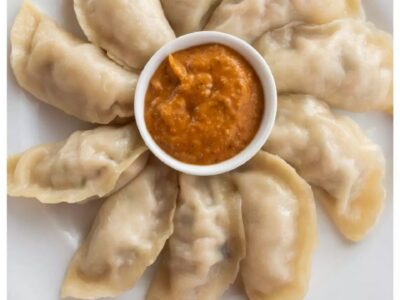
Nepalese Kitchen in Pokhara: Momos or Dal Bhat Cooking Class
Read our review →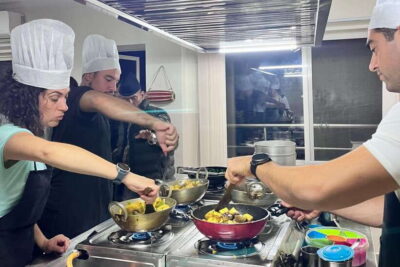
MoMo or Dal Bhat Cooking Class at Aama Kitchen in Pokhara
Read our review →Browse the lists this tour appears in