
Reviewed · MANASLU CIRCUIT TREKS
Manaslu Circuit Trek – 14 days of Himalayan Adventure
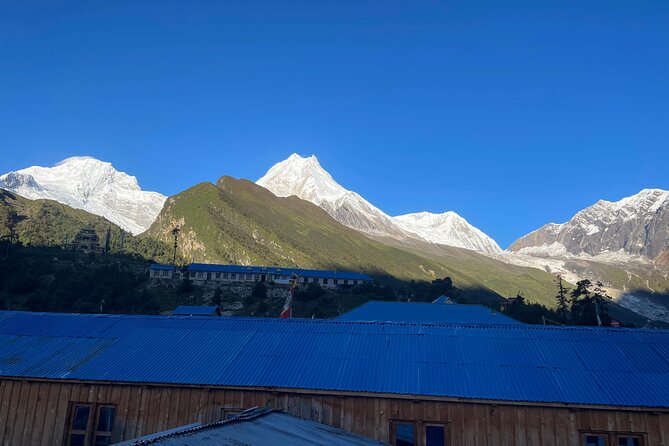
The best part of this trek is the change in scenery and culture as you move from river valleys to high Himalayan country. You begin near the Budhi Gandaki River, pass through Tibetan-influenced villages, and finish with the demanding crossing of Larkya La Pass before descending toward Bhimtang.
I like the strong mountain focus, especially the close views of Mt. Manaslu, the world’s eighth-highest mountain. I also like the practical package: permits, a licensed guide, porters, meals, public transport, a sleeping bag, walking poles, and an acclimatization day are included.
The main catch is the transport and the pace. Day 2 is a long drive to Maccha Khola, Day 13 is another long return by jeep and bus, and the pass day involves several hours of uphill walking followed by a long descent. Moderate fitness is required, and this is not a relaxed sightseeing holiday.
Key points to know before booking
- Manaslu views arrive in stages: River valleys, forests, alpine ridges, and high pass country each offer a different side of the mountain.
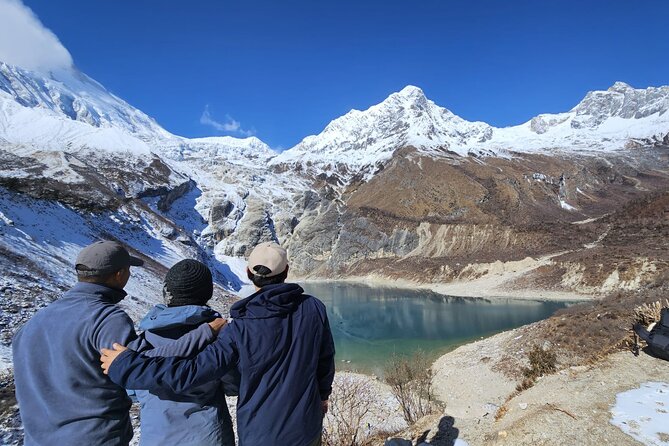
- Sama Gaon provides the key rest day: You will hike to Birendra Taal and may visit Labrang Gompa or Kargya Chholing monastery.
- Larkya La is the physical high point: The pass crossing is followed by four to five hours of downhill walking to Bhimtang.
- Tibetan culture shapes the middle section: Mani walls, chortens, prayer flags, Buddhist monasteries, and village life become more visible above Deng.
- The $1,099 price covers major basics: Transport, conservation and restricted-area permits, guide, meals, sleeping bag, poles, and route map are included.
- Guide care is a real part of the value: Guides named Santosh and Pradip received especially warm praise for patience, safety, and looking after people who fell behind.
Why the Manaslu Circuit feels different
The Manaslu Circuit is a 14-day Himalayan trek around Mt. Manaslu, which rises to 8,163 meters. The route begins in the lower Budhi Gandaki valley and gradually climbs toward high mountain settlements before crossing Larkya La Pass and dropping into the Bhimtang area.
That gradual change is the trek’s main appeal. You are not simply walking toward one viewpoint. You pass through subtropical forest, rushing rivers, suspension bridges, rhododendron and pine woodland, open alpine country, glacial scenery, and high rocky trails.
The Manaslu Conservation Area adds another layer. The route is known for Himalayan tahrs, blue sheep, and the possibility of snow leopard habitat, although wildlife sightings are never promised. You also pass through villages shaped by Tibetan Buddhist traditions, with monasteries, mani walls, chortens, prayer flags, and local customs along the way.
The route has become more popular since opening to international trekking in 1991, but it is still presented as one of Nepal’s less crowded major circuits. That matters if you want a quieter mountain journey rather than a packed trail.
More Manaslu Circuit Treks in Kathmandu:
- Manaslu Circuit Trek (15 Days)
★ 5.0 · 50 reviews - 16 Day Private Manaslu Circuit Trek from Kathmandu
★ 5.0 · 42 reviews - 10 Days Manaslu Circuit Trek in Larke La Pass
★ 5.0 · 30 reviews
Day 1: Kathmandu arrival and a simple start
Your first day is built around arrival at Tribhuvan International Airport. A Wonder Himalaya representative meets you with a sign carrying your name or the company name, then arranges your transfer.
This is a useful service after a long flight. You do not need to work out your first Kathmandu transfer alone, and the airport pickup is included as part of the arrival support.
The day itself is not a sightseeing day. Use it to settle in, check your trekking equipment, and prepare for an early start. The package includes a down sleeping bag, walking poles, and a route map, but you should still check what personal clothing and other supplies you need before leaving Kathmandu.
Day 2: The long road to Maccha Khola
The trek begins with an early breakfast and a scenic drive toward Maccha Khola. The route follows views of the Trishuli and Budhi Gandaki rivers and passes through changing rural scenery before reaching the starting area.
This is one of the less glamorous but necessary parts of the trip. The road journey takes you deep into the route, saving several days of walking through lower country. At the same time, a long drive on public transport can be tiring, especially after arriving in Nepal only the day before.
I would treat Day 2 as a full travel day, not a light warm-up. Keep water and snacks accessible. Bottled water and snacks are not included, and the road portion may feel rougher than the cost of the trek suggests.
Day 3: Maccha Khola to Jagat beside the Budhi Gandaki
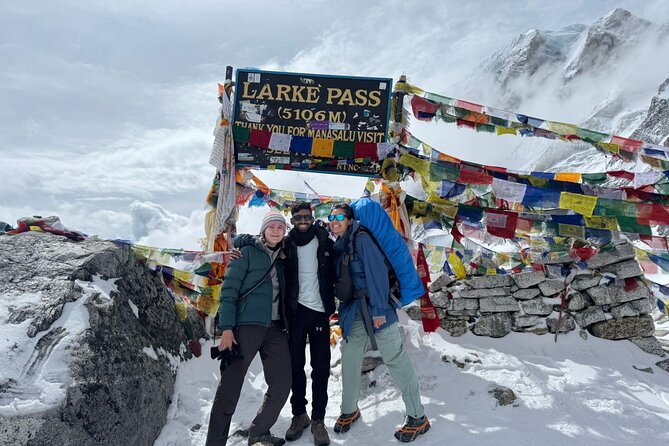
After breakfast, you begin walking toward Jagat through lush subtropical forest and along the Budhi Gandaki River. This is your first proper trekking day, and the river provides a steady companion as the route begins to narrow and climb.
The lower valley offers a softer introduction than the high sections later on. You will see dense vegetation, river crossings, and village life before the route becomes more alpine. The setting also gives you an early sense of how much the trail will change during the coming week.
The details do not specify a fixed walking time for this day, so your guide will set the pace around the group. That is one reason the private format is useful: your group is not combined with strangers, and the guide can pay attention to individual speed.
A few more Kathmandu trips to weigh up
- Everest Base Camp Trek – 14 Days
★ 5.0 · 1,499 reviews - Everest Base Camp Trekking
★ 5.0 · 485 reviews - Nagarkot Sunrise View and Day Hiking from Kathmandu
★ 5.0 · 471 reviews - Annapurna Circuit Trek with Tilicho Lake
★ 5.0 · 368 reviews
Day 4: Forest, suspension bridges, and rising valleys
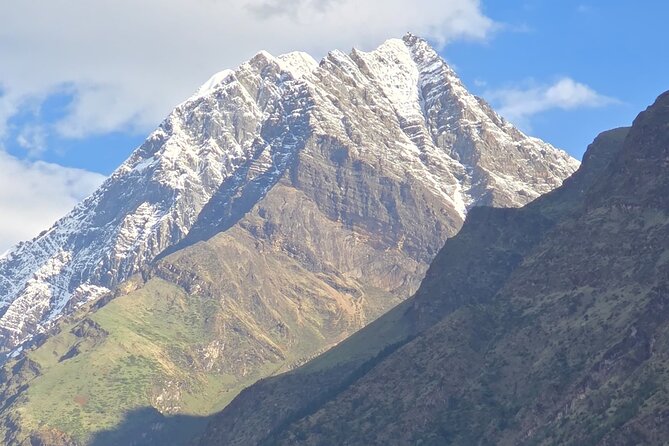
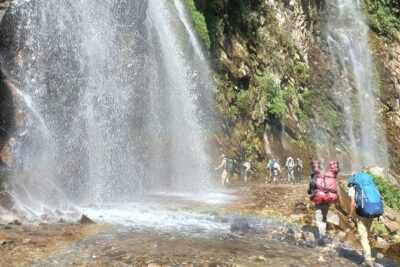
Leaving Jagat, the trail enters dense forest with tall trees and colorful rhododendron. Several suspension bridges cross rushing rivers and streams, adding variety and a little drama to the walking.
These bridges are not just scenic stops. They are part of how people move through the steep river valleys, and crossing them gives you a direct feel for the terrain. Expect the route to involve repeated ups and downs rather than one steady climb.
The forest section is also a good reminder that Manaslu is not only about snow peaks. At this point, the trek is green, warm enough for woodland, and closely tied to the river below. It is a rewarding contrast to the stark high country still ahead.
Day 5: Deng to Namrung and the first clear Tibetan influence
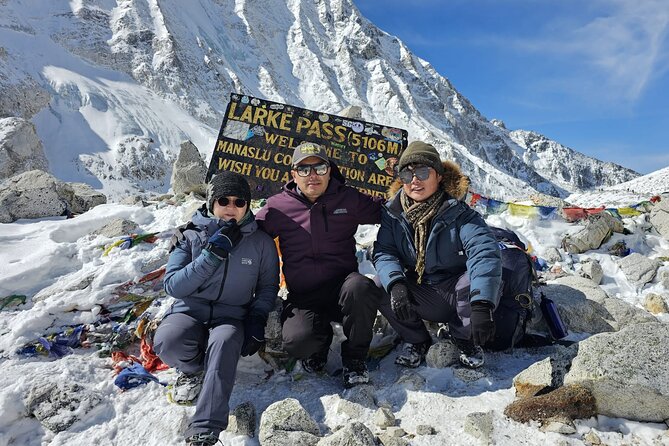
From Deng, you walk toward Namrung through Bihi Phedi and Bihi. These villages are noted for their Tibetan influence, and the cultural character of the route becomes easier to notice here.
The trail continues through forest, but the sense of altitude and mountain country begins to grow. You will encounter more Buddhist features and a stronger link between architecture, religion, and daily village life.
Namrung is an important transition point in the trek. The route is moving away from the lower river environment and toward the high Manaslu massif. Take time to watch the change rather than rushing through each stop for photographs.
Day 6: Namrung to Shyala beneath the Manaslu massif
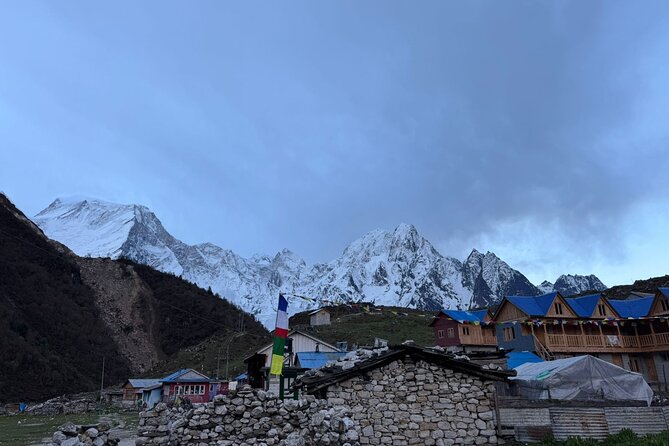
The trail from Namrung to Shyala climbs through rhododendron and pine forest. Along the way, you pass traditional Buddhist mani walls and chortens, with the mountain views becoming more impressive as the route rises.
A mani wall is built from carved prayer stones, while a chorten is a Buddhist religious monument. These are not decorative additions placed for a trekking route. They are part of the local spiritual setting, so your guide can help explain what you are seeing and how to behave respectfully.
Shyala is one of the places where the mountain setting takes over. The day combines forest, Buddhist culture, and increasingly open views, making it one of the more satisfying stages before the acclimatization break.
Day 7: Shyala to Sama Gaon, the heart of the high route
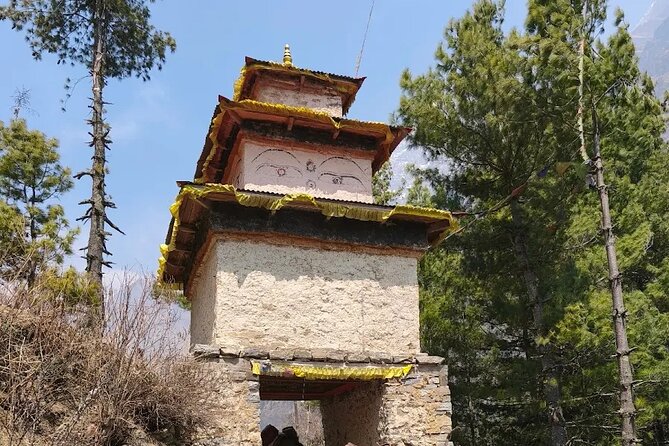
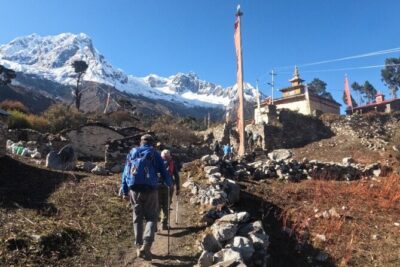
From Shyala, you walk through alpine forest and open ridges toward Sama Gaon. The Manaslu massif surrounds the route, and the scenery becomes broader and more exposed.
You will also encounter traditional mani walls and other Buddhist features as the trail approaches Sama Gaon. The village is a natural base for slowing down before the route climbs higher toward Samdo and the pass.
This is a day for looking around, not only looking up. The combination of mountain views and local culture is what gives the Manaslu Circuit more depth than a straightforward peak-viewing walk.
Day 8: Acclimatization at Sama Gaon
Day 8 is set aside for rest and acclimatization, with a short hike to Birendra Taal. The lake is named after the late King Birendra of Nepal, and the outing takes about two hours.
The program also includes a visit to Labrang Gompa or Kargya Chholing monastery, where monks may conduct blessing ceremonies. The description does not guarantee a particular ceremony time, so consider the monastery visit an opportunity rather than a fixed performance.
This rest day is essential. You gain altitude again on the following days, and a short outing is better preparation than spending the entire day inactive. If you feel tired, keep the walk easy and tell your guide. The included oximeter allows the crew to check heart rate and oxygen saturation, but it does not replace proper medical judgment or travel insurance.
Day 9: Sama Gaon to Samdo
After resting at Sama Gaon, the route climbs toward Samdo, with Manaslu watching over the valley. The terrain becomes more open and higher, and the tree cover begins to thin.
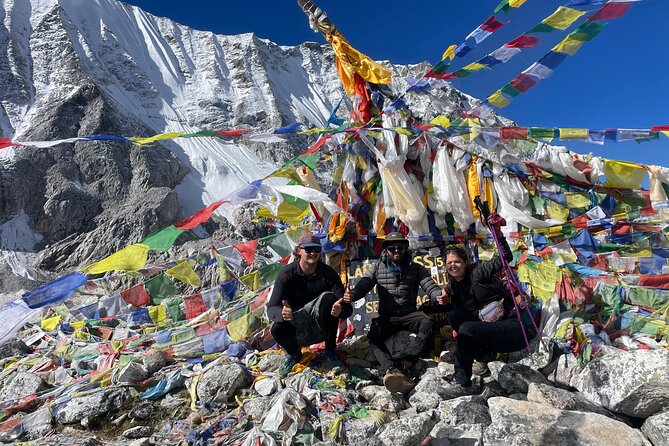
Samdo marks another clear shift in the trek. You are now moving into a colder, rockier setting, where the trail and weather matter more than forest shade. Prayer flags and mountain views add color to an otherwise stark environment.
This is a day when steady pacing matters. You should not race uphill simply because the distance looks manageable. Let the guide set a rhythm that keeps the group together and leaves energy for the pass crossing.
Day 10: Higher trails and preparation for Larkya La
The trail climbs higher through rockier ground, with views of Manaslu and nearby peaks. Prayer flags flutter along the route, giving the high country a clear Buddhist character.
The supplied schedule gives less detail about this day than the pass day, but its role is clear: you are moving into the final high section before Larkya La. Expect less vegetation, more exposure, and a stronger sense that weather and fitness will shape the day.
Your down sleeping bag and walking poles are useful here. Electronic device charging is not included, so do not count on keeping cameras or phones powered without paying local charging costs. Carry spare battery power if photography matters to you.
Day 11: Larkya La Pass and the descent to Bhimtang
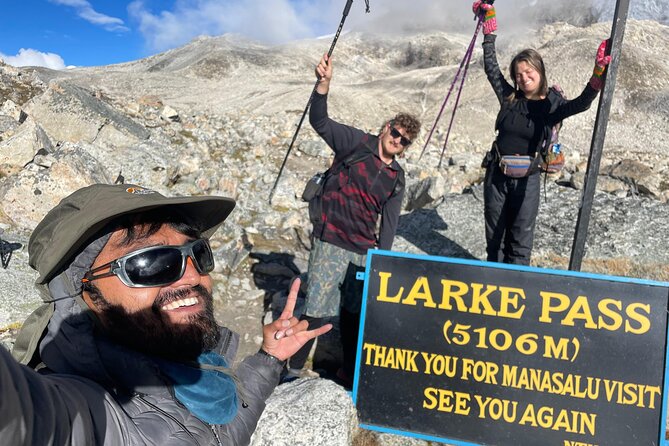
This is the trek’s biggest day. You leave early after breakfast and cross Larkya La Pass, walking over rocky terrain and crossing small streams before reaching the high point.
The initial climb to the pass takes around two to three hours, followed by a downhill stretch of four to five hours through rocky paths and open valleys to Bhimtang. That makes this a demanding day even for a fit trekker. The pass is not the end of the effort. The long descent can be hard on knees and tired legs.
The reward is the change in scale. From the high pass, you get wide mountain views before dropping into Bhimtang, where snowcapped peaks provide a dramatic end to the day.
Plan your clothing in layers, keep water and snacks within reach, and follow your guide’s advice. Travel insurance and medical evacuation are not included, and they are especially important for a trek that reaches high altitude and includes a remote pass crossing.
Day 12: Bhimtang into pine and rhododendron forest
From Bhimtang, you descend toward lower elevations through pine and rhododendron forest. The route offers occasional glimpses of distant mountains, but the main pleasure is the return to thicker vegetation.
After the pass, this descent should feel like a release, though it can still be long and tiring. Forest shade, lower altitude, and a softer setting make a sharp contrast with the exposed trail of the previous day.
This is also where the circuit feels complete. You have crossed from river valleys to high mountains and now begin moving back toward settled, greener country.
Day 13: Tilche to Besisahar, then back to Kathmandu
The return begins with a jeep ride from Tilche to Besisahar, followed by public transport to Kathmandu. The drive through rough roads takes around two to three hours to reach Besisahar, then the journey continues toward the capital.
Do not underestimate this day. After nearly two weeks on foot, a long road journey can be as tiring as a walking day. The included transport keeps the price down, but private transport is available at an extra cost if you want more control over the ride.
The advantage of the public option is value. You are not paying for a private vehicle throughout the trip, and the package still covers the necessary transfers. The tradeoff is comfort and flexibility.
Day 14: Airport transfer and departure
The final day is for saying goodbye and transferring you to Tribhuvan International Airport. Pack carefully the night before, especially if you have borrowed the sleeping bag or walking poles.
The airport transfer is a small but useful service at the end of a tiring journey. The experience is private, meaning only your group participates, so the farewell and transport arrangements are handled around your departure rather than a large shared group.
What the $1,099 price really covers
At $1,099 per person, the package offers solid value if you want the main logistics handled in one booking. The price includes:
- Public transport from Kathmandu to Maccha Khola
- Jeep and public transport from Tilche through Besisahar to Kathmandu
- Manaslu Conservation Area Permit
- Annapurna Conservation Area Permit
- Restricted Area Permit
- Government-registered trekking guide
- Meals listed as 13 breakfasts, 11 lunches, and 11 dinners
- Down sleeping bag and walking poles
- Oximeter checks
- Trekking route map
That is a useful bundle for a restricted-area trek. Permits alone can be awkward to arrange, and having a registered guide matters on a route where altitude, weather, and remote terrain can affect the plan.
You still pay for coffee and tea, alcohol, bottled water, snacks, personal expenses, and electronic charging. Travel insurance and medical evacuation are also excluded. Add those costs before deciding that the advertised price is your full budget.
The package uses public transportation for important road sections. I see that as a reasonable choice for a lower price, but not the best choice if your priority is a smooth, private ride.
Guides, group style, and personal support
The tour is private, so only your own group participates. That is a strong advantage on a physically uneven route. You can ask the guide to adjust the walking rhythm, stop when needed, and explain cultural details without being tied to a large group schedule.
Guides named in the available feedback include Santosh and Pradip. Santosh was especially praised for staying attentive to the whole group, waiting for people who fell behind, and going to look for anyone who was missing. Pradip was credited with making the trip feel smooth and safe.
Guide availability is not guaranteed, so treat those names as examples rather than promises. The broader point is worth noting: guide care is one of the most important parts of this trek, and the company’s strongest praise centers on patience, safety, and personal attention.
Porters and support crew are also part of the advertised service. Their work makes a major difference on the pass day, though the provided details do not specify individual porter arrangements or baggage limits.
Who should book this trek
I would recommend it to you if you want a serious Himalayan route with a mix of mountain views, Buddhist culture, village life, and a major pass crossing. It suits people with moderate physical fitness who are comfortable with long walking days and basic mountain logistics.
It is also a good fit if you value a private group and prefer having permits, a guide, meals, and transport organized in advance. The Manaslu Circuit gives you more than a single mountain panorama, and the less crowded character may appeal if you want a quieter route.
I would hesitate if you dislike rough road travel, need private transport throughout, or want a gentle holiday. The long drives, altitude gain, rocky trails, and Larkya La descent are real demands, not fine print.
Free cancellation is available if you cancel at least 24 hours before the start time. Changes or cancellations inside that window are not accepted and are not refunded.
Should you book the Manaslu Circuit Trek?
Book it if the combination of Manaslu views, Tibetan Buddhist culture, and Larkya La Pass is exactly what you want. The included permits, guide, meals, gear, and transport make $1,099 a competitive starting price, especially for a private 14-day arrangement.
Before paying, confirm the guide assigned to your group, the exact transport plan, what personal gear you must bring, and the expected walking pace on Day 11. If you accept the rough roads and demanding pass day, Wonder Himalaya’s package offers a practical way to experience one of Nepal’s most varied high mountain circuits.
FAQ
How long is the Manaslu Circuit Trek?
The trek lasts approximately 14 days, beginning with airport pickup in Kathmandu and ending with an airport transfer on the final day.
What level of fitness is needed?
A moderate level of physical fitness is required. The route includes forest trails, suspension bridges, rocky high-altitude paths, long descents, and the crossing of Larkya La Pass.
Is transportation included?
Yes. The package includes public transportation from Kathmandu to Maccha Khola, transport from Tilche to Besisahar, and public transportation from Besisahar back to Kathmandu. Private transport costs extra.
Which permits are included?
The price includes the Manaslu Conservation Area Permit, Annapurna Conservation Area Permit, and Restricted Area Permit.
Is there an acclimatization day?
Yes. Day 8 is an acclimatization and rest day in Sama Gaon, with a short hike to Birendra Taal and a possible visit to Labrang Gompa or Kargya Chholing monastery.
Are meals included?
The package includes 13 breakfasts, 11 lunches, and 11 dinners. Coffee, tea, alcohol, bottled water, snacks, and personal expenses are not included.
Just added around Kathmandu
- Private Half-Day Tour of Boudhanath and Pashupatinath Temples in Kathmandu★ 4.5 · 9 reviews
- Private Half-Day Tour of Kathmandu Durbar Square and Swayambhunath Temple★ 4.5 · 11 reviews
- Namobuddha Monastery Hiking Day Tour via Panauti from Kathmandu★ 5.0 · 15 reviews
- Private Full-Day Kathmandu City Tour★ 5.0 · 9 reviews
- Private Day Tour in Kathmandu Valley Rim with Bhaktapur Sightseeing★ 5.0 · 3 reviews
- Private Half Day Budhanilkantha Tour★ 5.0 · 6 reviews
- Private Day Tour: Patan and Bhaktapur from Kathmandu★ 4.5 · 6 reviews
- Private Day Tour – Sacred Journey to Namo Buddha★ 5.0 · 5 reviews
Manaslu Circuit Treks, compared.
16 Day Private Manaslu Circuit Trek from Kathmandu
Read our review →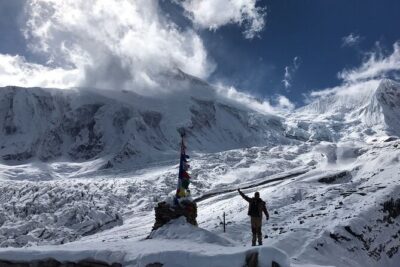
10 Days Manaslu Circuit Trek in Larke La Pass
Read our review →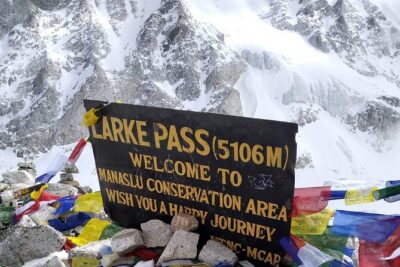
Manaslu Circuit Trek 8th Highest in the World
Read our review →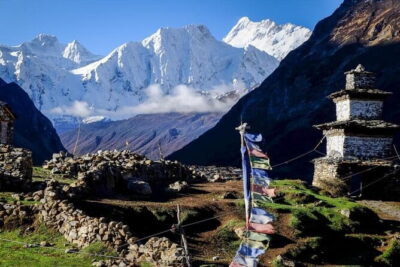
Manaslu Circuit Trek to the Beauty of 8th Highest Mountain
Read our review →Browse the lists this tour appears in