
Reviewed · COOKING CLASSES
Kathmandu: Local Lead Nepali Cooking & Momo-Making Class
Kathmandu’s best food lesson may begin before the stove is lit. You start with Nepali masala tea, then head to a nearby market or shop to choose the ingredients that will become momos, dal bhat, and dessert. That simple shopping trip gives the meal a useful local setting instead of treating Nepali food as a list of recipes.
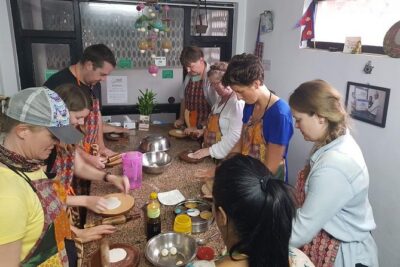
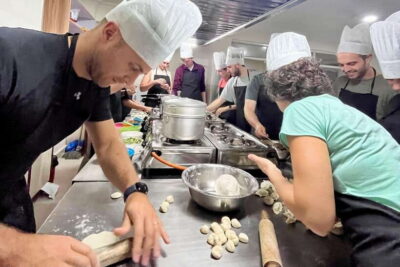
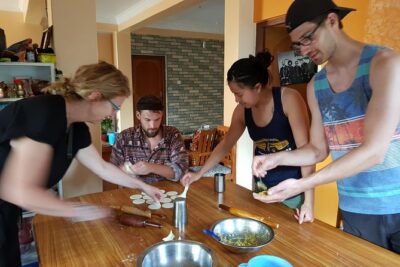
I like two things here: the class is genuinely hands-on, and the small maximum of 12 people keeps it personal. You shape the dumplings yourself, cook with traditional utensils, and eat what you make. The main consideration is time: at three and a half hours, this is a substantial afternoon or morning activity, not a quick momo demonstration.
Key points at a glance
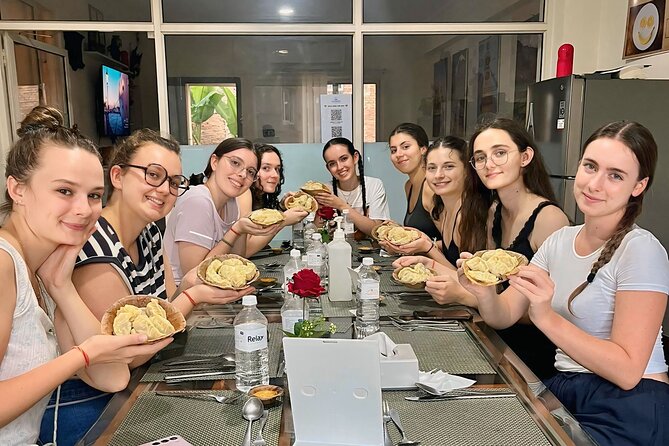
- Momo-making is the centerpiece: Prepare Nepali dumplings by hand, with a vegetarian or chicken filling.
- The market visit adds context: Shop for key ingredients before returning to the academy kitchen.
- Three traditional dishes are included: The menu covers an entrée, main course, and dessert, with choices drawn from Nepali cooking.
- Masala tea starts the lesson: You receive a traditional cup during the welcome and cooking session.
- The class suits solo visitors: A shared kitchen and meal make it easy to meet people while doing something practical.
- Recipes can continue at home: A detailed cookbook or PDF recipes are provided, so the class need not end at the dining table.
Why momo-making is the heart of the class
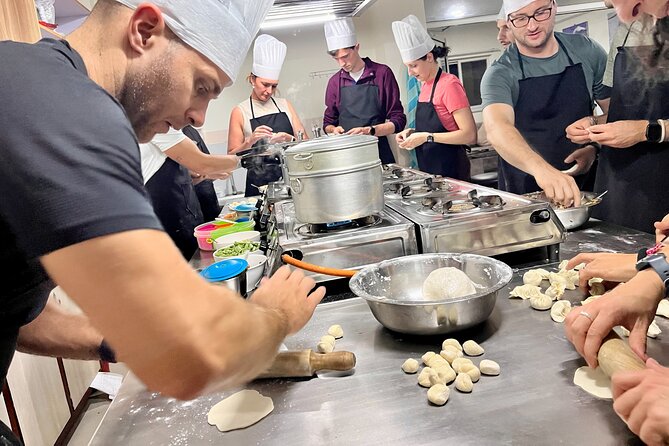
Momos are Nepal’s most recognizable comfort food, and this class gives them the attention they deserve. You do not simply watch a chef fold a dumpling and then receive a plate. You learn the process step by step, from preparing ingredients to shaping the dough and filling the dumplings.
The class offers either vegetarian or chicken momos. That choice matters if you have a preference, though the available information does not specify how far in advance you need to request it. I would clarify your choice when booking, especially if you have dietary restrictions.
The folding stage is where the fun begins. Your dumplings may not look exactly like the instructor’s first time around, and that is part of the point. You get a practical feel for the dough and filling rather than a polished restaurant version that hides the work.
The class is designed for beginners, but experienced home cooks can still enjoy the pace. The chef explains each stage in clear, simple English, and the atmosphere is described as patient and playful. You should expect some laughter when your first momos take on shapes of their own.
A few more Kathmandu trips to weigh up
- Half day cooking class in Thamel kathmandu
★ 5.0 · 607 reviews - Kathmandu: Local Women-Led Nepali Cooking & Momo Class
★ 4.9 · 360 reviews - The best Private Nepali Cooking Class in Kathmandu
★ 5.0 · 83 reviews
Starting with tea and a short food shop
Your welcome begins at Kathmandu Cooking Academy on Yapikhya Marg, Kathmandu 44600. The school is around a 10-minute walk from Thamel, according to the practical directions provided for the experience, so you may be able to reach it on foot from a nearby hotel.
The first cup of Nepali masala tea sets the tone. This is not just a drink to keep your hands warm while you wait. Tea is part of daily life across Nepal, and beginning with a homemade cup gives you an easy introduction to the food culture before the work starts.
Next comes a short market or shop visit. You help buy the ingredients needed for the lesson, rather than finding every item already measured and arranged. That makes the class more useful because you see what goes into the dishes and how a Nepali meal begins with ordinary shopping.
The visit is not presented as a full market tour, so keep your expectations in check. It is a practical stop tied to the cooking session. Its value lies in connecting the ingredients to the finished dishes, not in providing a separate sightseeing attraction.
Three Nepali dishes, not just a plate of momos
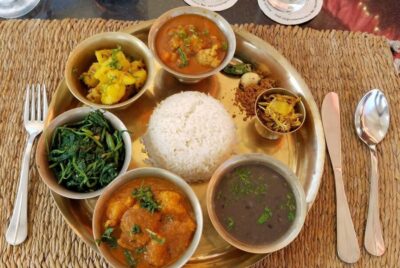
The class teaches three authentic Nepali dishes: one entrée, one main course, and one dessert. The exact selection comes from a broader traditional menu, so the dishes may vary. The examples connected with the class include bara, momos, dal bhat, and several dessert types.
Dal bhat is especially useful to learn because it is one of Nepal’s best-known everyday meals. It usually brings together lentils, rice, and accompanying items, giving you a better sense of a complete Nepali plate than a single snack would.
Bara offers another side of the cuisine. This traditional lentil-based dish helps show that Nepali cooking is not only about rice and dumplings. Learning a dish such as bara also gives you something less familiar to recreate at home.
Dessert rounds out the lesson, and the menu can include yomari. This Newari sweet is made for special occasions and gives the class a direct link to Kathmandu Valley food traditions. Since the exact dessert is not fixed in the information provided, ask what is planned on your date if yomari is a priority.
The menu structure is one of the class’s strengths. You are not spending three hours on one technique. Instead, you get a broad taste of Nepali cooking, with enough variety to understand how a meal moves from savory dishes to sweets.
Cooking with local tools and patient instruction
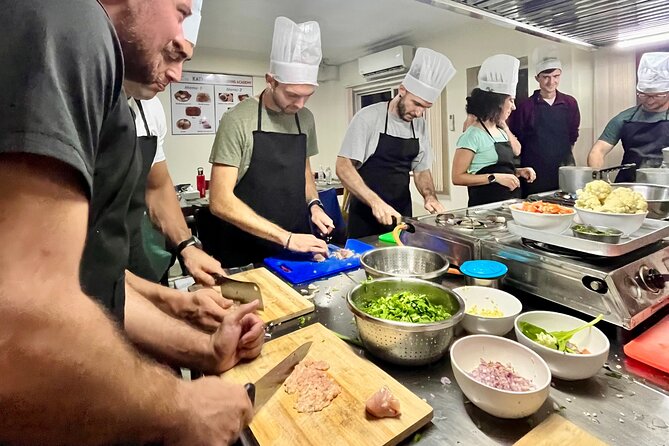
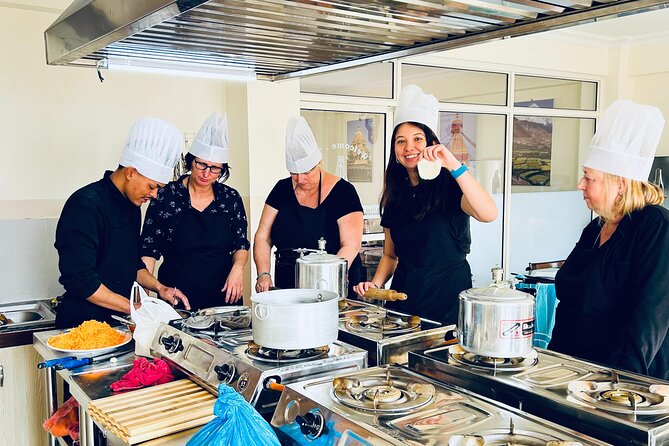
Back at the academy, the chef takes you through the recipes in a clear sequence. You use the cooking equipment and accessories provided, along with traditional utensils. That matters because the tools affect how food is prepared, shaped, and served.
The instructor’s role is practical rather than theatrical. You chop, mix, fold, cook, and taste with guidance close at hand. The English instruction is described as easy to follow, which helps if you are new to Nepali cooking terms.
I especially like the way this format gives you room to make mistakes. A cooking class should not feel like a test, and the reported atmosphere is friendly and relaxed. The chef is patient, and the group setting adds a social element without turning the event into a loud performance.
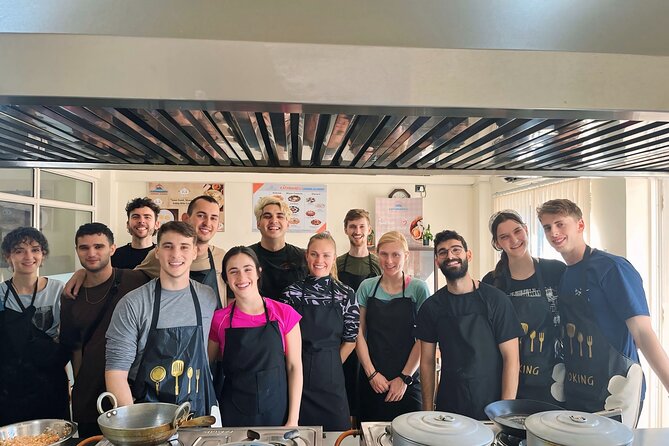
The maximum group size is 12 people. That is small enough for an instructor to watch your technique, though the exact feel will depend on how many people book your session. If you want a private lesson, this is not advertised as one. You are joining a shared class.
Same mountains, a completely different kind of day:
- Everest Base Camp Trek – 14 Days
★ 5.0 · 1,499 reviews - Private Kathmandu Sightseeing Tour | UNESCO World Heritage sites
★ 5.0 · 756 reviews - Everest Base Camp Helicopter Tour landing at Everest View Hotel
★ 5.0 · 668 reviews - Everest Base Camp Trekking
★ 5.0 · 485 reviews
The final meal is part of the lesson
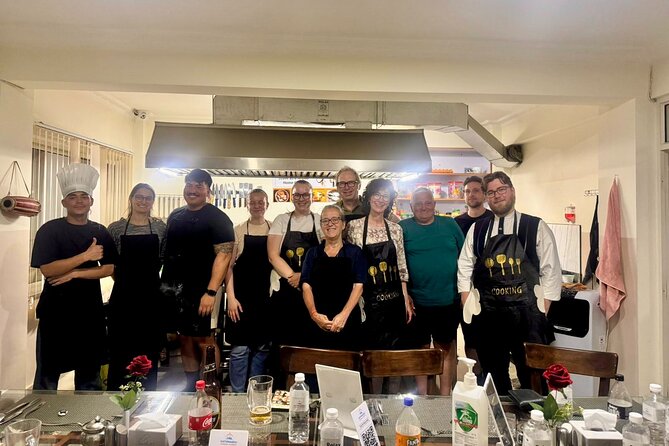
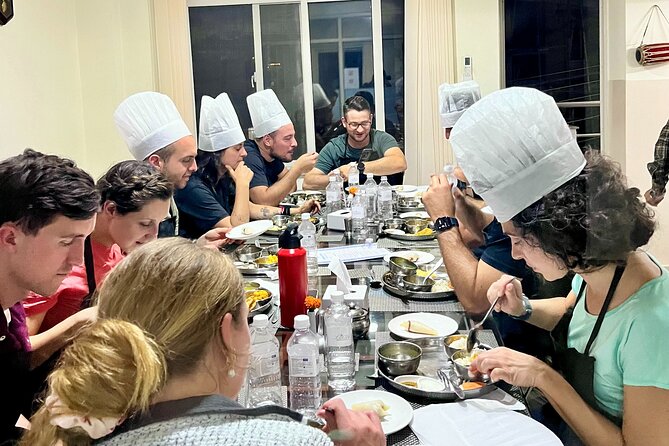
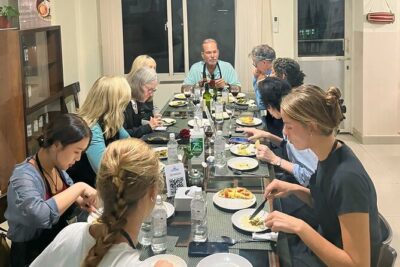
Once the cooking is finished, you sit down to taste what you prepared. This is more than a reward after the work. Eating the dishes helps you understand how the flavors fit together and shows you the difference between a recipe on paper and a complete Nepali meal.
The food you make is the food you eat, so the tasting session has a direct connection to the lesson. You can see which momo folds held together, how the seasoning came through, and how the different dishes balance each other.
The class also includes Nepali masala tea during the lesson. Specialty drinks and alcohol are not included, so plan to pay separately if you want anything beyond what the class provides. Tips are also not included.
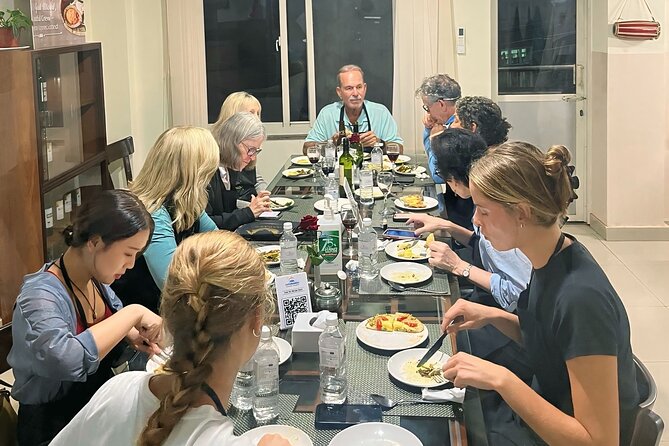
For many people, the shared meal will be the social high point. You can meet classmates while eating, which makes the activity a good option if you are exploring Kathmandu on your own. It also works well for couples, families, and small groups who want something more active than another restaurant meal.
What the $5 price means for your trip budget
At $5 per person, the stated price is remarkably low for a three-and-a-half-hour class that includes ingredients, instruction, tea, equipment, and a meal. On value alone, it is hard to find much fault, assuming the selected booking option includes everything described.
Hotel pickup and drop-off are available only if you choose that option. If you do not select transport, the academy is near public transportation and within walking distance of Thamel, making the meeting point fairly practical.
Group discounts are also available. That could make the class especially attractive for families or friends booking together, but the final savings depend on the group size and booking terms.
The low headline price means you should read the options carefully before paying. Confirm if pickup is selected, check the start time, and make sure the listed menu suits you. The class itself returns to the same meeting point, so you do not need to arrange a separate end location.
Who will enjoy this Kathmandu cooking class
I would recommend this class most strongly to you if you want an activity that combines food, local contact, and a useful skill. It gives you a better connection to Nepali cuisine than simply ordering momos at a restaurant.
It is also a good fit for solo visitors. The shared class gives you a natural reason to talk to other people, and the meal provides time to sit together after the cooking. You do not need to arrive with a companion to enjoy the format.
First-time cooks should feel comfortable here. The instructions are step by step, and the chef is described as patient. You do not need professional kitchen experience to take part.
Experienced cooks may enjoy the cultural side more than the basic instruction. Traditional utensils, local ingredients, and dishes such as bara and yomari offer material beyond the usual tourist cooking lesson.
Families and small groups should consider the three-and-a-half-hour duration. Children may enjoy shaping momos, but the supplied details do not state a minimum age or special arrangements for young children. Ask before booking if that affects your plans.
This is less suitable if you want a tightly timed activity between several major sights. The market stop, cooking, and meal require a generous block of your day. It also may not suit you if you prefer a private experience or need a guaranteed fixed menu.
Useful details before you book
The activity begins and ends at Kathmandu Cooking Academy, located on Yapikhya Marg. Pickup and drop-off are offered only with the appropriate option, so do not assume hotel transport is included in the base booking.
You receive confirmation at the time of booking, and the class accepts a mobile ticket. The academy is near public transportation, which gives you a backup if walking from Thamel is not convenient.
The experience has a maximum of 12 people. That number is worth noting because it sets a reasonable expectation for the class. It should feel more manageable than a large demonstration, though it is still a group activity.
Free cancellation is available if you cancel at least 24 hours before the start time. Cancellations made within 24 hours are not refunded, and changes inside that period are not accepted. The cut-off follows Kathmandu local time.
The recipes are a valuable extra. The material is provided as a detailed cookbook or PDF, giving you a way to repeat the dishes at home. That turns the class into more than a one-time meal, especially if you can find the spices and other ingredients after returning home.
Should you book the Kathmandu Cooking Academy class?
Book it if you want to cook, not just watch. The strongest parts are the market ingredient stop, hands-on momo-making, the range of three dishes, and the shared tasting session. At the stated $5 price, it offers unusually strong value.
I would also choose it for a solo afternoon in Kathmandu, or early in your visit if you want a friendly introduction to local food. You can learn what goes into familiar dishes, pick up recipes, and gain confidence ordering Nepali meals later.
Pause before booking if you need a private class, a guaranteed dish list, or a very short activity. The exact menu is not fixed in the details provided, and the full session takes about three and a half hours.
For most people who enjoy food and practical cultural experiences, this is an easy recommendation. Bring an appetite, accept that your first momo may look a little odd, and treat the class as both a meal and a lesson.
FAQ
Where does the cooking class begin and end?
The class begins at Kathmandu Cooking Academy on Yapikhya Marg in Kathmandu. It ends back at the same meeting point.
How long does the experience last?
The cooking class lasts approximately three hours and 30 minutes.
Is hotel pickup included?
Hotel pickup and drop-off are included only if you select that option when booking. Otherwise, you can reach the academy near public transportation, and it is described as about a 10-minute walk from Thamel.
What food will I learn to prepare?
You will prepare three traditional Nepali dishes: one entrée, one main course, and one dessert. Momo-making is included, with a vegetarian or chicken option. Examples associated with the menu include bara, dal bhat, and yomari, but the exact selection can vary.
Is the class suitable for beginners?
Yes. The class provides step-by-step instruction with an experienced chef and instructor. Cooking equipment and accessories are supplied, and the instruction is described as clear and easy to follow.
What is included in the price?
The class includes the cooking lesson, a market or shop visit for ingredients, Nepali masala tea during the lesson, use of cooking equipment, hands-on preparation of Nepali meals, and a tasting session. Specialty drinks, alcohol, and tips are not included.
Just added around Kathmandu
- Private Half-Day Tour of Boudhanath and Pashupatinath Temples in Kathmandu★ 4.5 · 9 reviews
- Private Half-Day Tour of Kathmandu Durbar Square and Swayambhunath Temple★ 4.5 · 11 reviews
- Namobuddha Monastery Hiking Day Tour via Panauti from Kathmandu★ 5.0 · 15 reviews
- Private Day Tour in Kathmandu Valley Rim with Bhaktapur Sightseeing★ 5.0 · 3 reviews
- Private Half Day Budhanilkantha Tour★ 5.0 · 6 reviews
- Private Full-Day Kathmandu City Tour★ 5.0 · 9 reviews
- Private Day Tour: Patan and Bhaktapur from Kathmandu★ 4.5 · 6 reviews
- Private Day Tour – Sacred Journey to Namo Buddha★ 5.0 · 5 reviews
Cooking Classes, compared.
Nepalese Momos or Dal Bhat Cooking Class (Cook with Delight)
Read our review →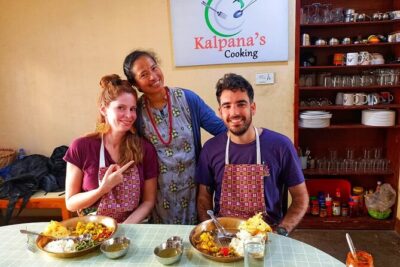
The best Private Nepali Cooking Class in Kathmandu
Read our review →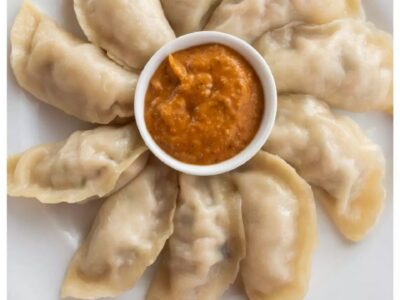
Nepalese Kitchen in Pokhara: Momos or Dal Bhat Cooking Class
Read our review →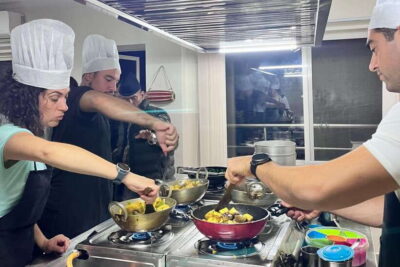
MoMo or Dal Bhat Cooking Class at Aama Kitchen in Pokhara
Read our review →Browse the lists this tour appears in