
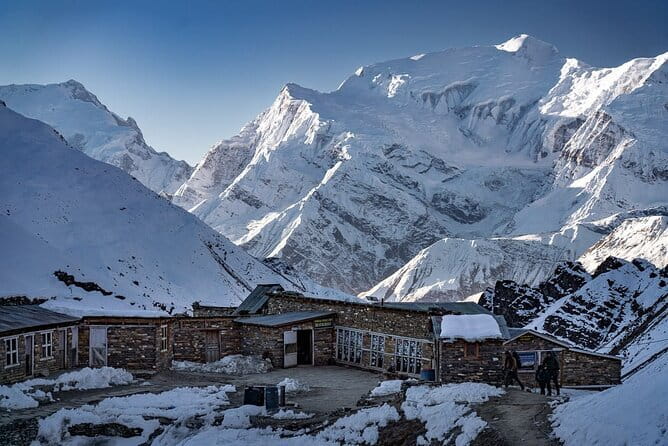
Reviewed · ANNAPURNA CIRCUIT TREKS
13 Days Trekking in Annapurna Circuit
The big draw here is Thorong La Pass, a 5,416-meter crossing that links the Marsyangdi Valley with the dry, high country beyond. Over 13 days, you walk from subtropical hills and rice terraces into pine forests, Tibetan-style villages, and stark Himalayan country, sleeping in simple tea houses along the way.
I like the slow change in scenery, from village paths near Bulbule to the huge views around Manang. I also like the practical package: meals, tea-house rooms, permits, a licensed guide, and transport are included, which keeps the planning load low. The main caution is altitude. The pass day is hard, and the itinerary gives you only one full acclimatization day in Manang.
Key points at a glance
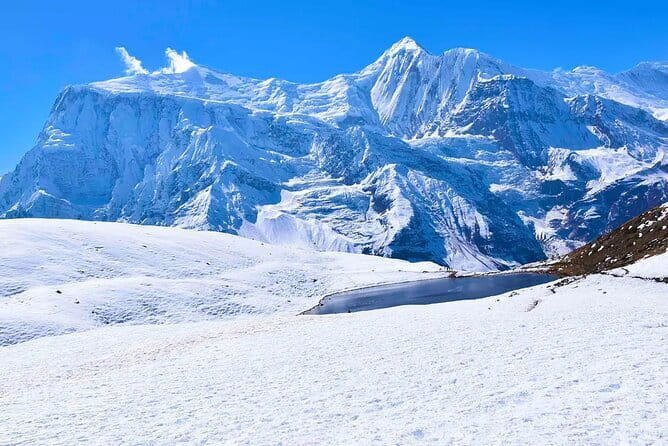
- Thorong La at 5,416 meters: The trip’s major test and its finest viewpoint.
- A full change of scenery: Walk from terraced foothills to dry, high-altitude valleys and Buddhist villages.
- Manang acclimatization day: Use the rest day for Gangapurna Lake or Praken Monastery.
- Tea-house trekking: You sleep along the route rather than camping, with breakfast, lunch, and dinner included.
- Private group format: Only your group participates, with a government-licensed guide.
- $809.10 package value: A useful price for the included lodging, food, permits, guide, and transport, but check porter and return transport costs before booking.
From Kathmandu to Bulbule: a long first day
Your trip begins with an early departure from Kathmandu and a long road journey toward the Annapurna region. The drive to the Bulbule area takes roughly nine hours in the itinerary description, although another timing shown for the first day lists six hours. Treat this as a full travel day and confirm the exact pickup and road schedule before you set out.
The route passes small villages, terraced fields, river valleys, and views toward the lower Himalayas. It is not a glamorous start. Public bus transport is included from Kathmandu toward Besisahar, followed by shared transport to Nyadi, so you should expect a local, practical ride rather than a private luxury transfer.
The first overnight stop is around Bulbule at about 820 meters. This low elevation is useful because your body begins adjusting gradually instead of being pushed straight into the high mountains.
There is a small itinerary wrinkle worth clearing up. The day heading refers to Besisahar, while the description says the drive continues to Bulbule. Ask the operator exactly where the first night is planned and which sections use the bus or shared vehicle.
More Annapurna Circuit Treks in Kathmandu
- Annapurna Circuit Trek with Tilicho Lake
★ 5.0 · 368 reviews - Annapurna Circuit Trek
★ 5.0 · 94 reviews - Annapurna Circuit Trek
★ 5.0 · 35 reviews
Bulbule to Bahundanda: terraces and village paths
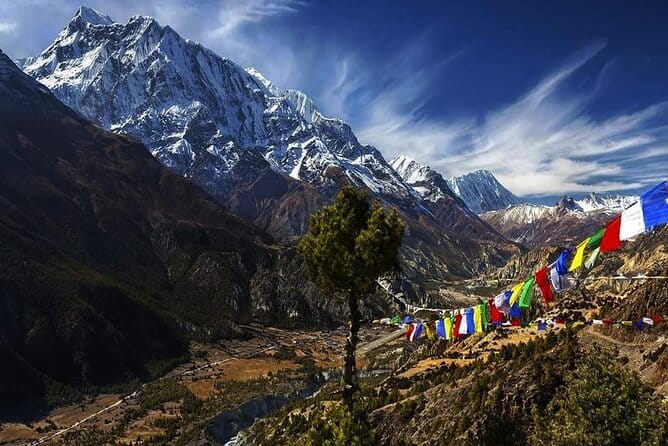
On the second day, you begin walking through green hills and cultivated slopes toward Bahundanda. The trail passes local villages and terraced fields, with the mountains appearing in the distance as you gain height.
This is a good opening walking day because the route builds slowly. You get a feel for the pace, the guide’s style, and the tea-house routine before the trail reaches the high country.
The accommodation is in a simple tea house. These lodges are part of the Annapurna Circuit’s appeal, but they are not hotel rooms in the usual sense. The package includes tea-house accommodation, yet room standards can vary along a mountain route. Pack with the expectation of basic comfort.
Chamche and the Marsyangdi River
The next stage takes you through thick forest, across suspension bridges, and along the Marsyangdi River and its tributaries. You descend in places, then climb again toward Chamche, so the day is not a simple uphill march.
The river gives this section much of its character. Water, forest, footbridges, and scattered settlements make a pleasing contrast with the dry heights to come. You also begin to see how the route changes from one valley zone to another.
Suspension bridges are common features of Himalayan trekking, but they can still feel exposed if you are not used to them. Take your time, follow the guide’s instructions, and keep your daypack secure.
Dharapani and the shift toward the high country
Walking toward Dharapani, you pass Gurung and Manangi villages. This is one of the more rewarding cultural parts of the trek because the route is not only about mountain views. You see different village traditions and meet people whose daily life is tied to these steep valleys.
The scenery changes as you climb. Subtropical vegetation gives way to more alpine country, and the air begins to feel cooler. Dharapani is an important point in the route because the trek starts to feel less like a walk through foothills and more like a serious Himalayan journey.
Your guide matters here. The company uses government-licensed guides, and recent departures were led by guides named Ravi and Sandip. The information does not confirm which guide you will receive, so ask when booking. One recent account also praised an English-speaking guide and porter, but the published package lists a porter as an extra cost. Confirm if porter service is included in your specific booking.
Same mountains, a completely different kind of day:
- Everest Base Camp Trek – 14 Days
★ 5.0 · 1,499 reviews - Private Kathmandu Sightseeing Tour | UNESCO World Heritage sites
★ 5.0 · 756 reviews - Everest Base Camp Helicopter Tour landing at Everest View Hotel
★ 5.0 · 668 reviews - Half day cooking class in Thamel kathmandu
★ 5.0 · 607 reviews
Chame: pine forest and first giant peaks
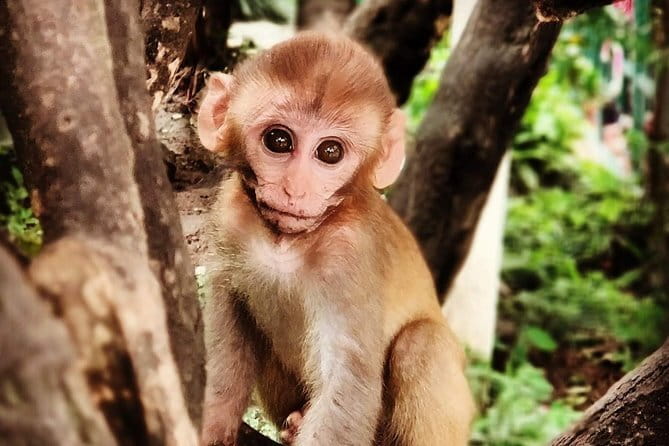
From Dharapani, you continue toward Chame, the administrative center of Manang District. Pine forest becomes more common, and the views toward Lamjung Himal and Annapurna II grow stronger.
Chame is more than a place to sleep. It is a useful stopping point before the route reaches the more exposed high valley. You can take stock of your gear, charge devices if possible, and prepare for colder nights and thinner air.
The route still includes village walking and forest, but the scale of the mountains begins to take over. This is where you start seeing why the Annapurna Circuit remains such a classic route: the scenery changes steadily, rather than delivering one identical mountain view every day.
Lower Pisang and the Manangi valley
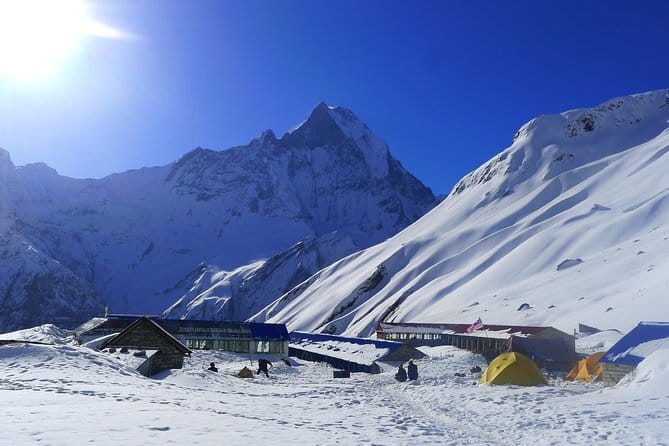
The walk from Chame to Lower Pisang continues through forest and small settlements. Annapurna II, III, and IV become more prominent as you approach Pisang, a traditional Manangi village.
The itinerary specifies Lower Pisang, not the higher alternative route. That distinction matters because the Annapurna Circuit has different trail choices in places, and the higher paths often offer more dramatic views but require more effort. You should ask your guide what exact route is planned if choosing between Upper and Lower Pisang is important to you.
Pisang marks a clear cultural shift. You are moving into a valley influenced by Tibetan Buddhism, with village architecture and monasteries that feel different from the lower sections.
Manang: the best place to slow down
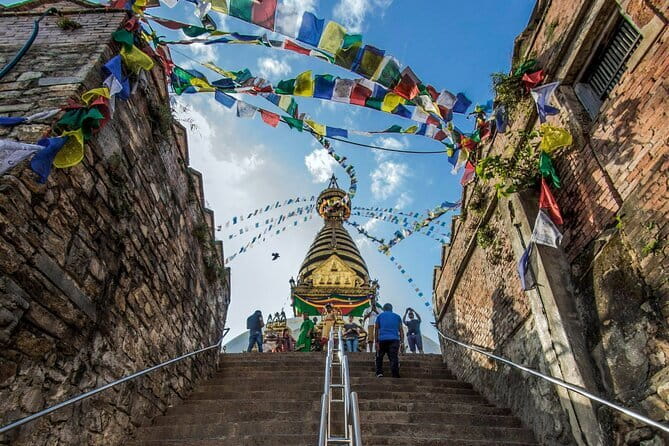
The route continues to Manang, a large village known for Tibetan culture and Buddhist monasteries. At this point, the trip becomes less about covering distance and more about preparing your body for the pass.
I especially like the inclusion of a full acclimatization day here. Many rushed mountain itineraries treat rest as wasted time. That is poor thinking at altitude. A slower day gives you a better chance of continuing safely and enjoying the sections ahead.
You can use the day for a hike to Gangapurna Lake or a shorter walk to Praken Monastery. The monastery route provides broad views toward Gangapurna, Annapurna III, and Himalchuli. These are optional outings within the rest day, so choose the one that fits your energy.
The itinerary says Manang is a good place to rest and acclimatize, but one day does not remove altitude risk. Watch how you feel, drink enough, and tell your guide if you develop symptoms. The provided first-aid kit includes an oximeter and normal medical supplies, but equipment is not a substitute for judgment.
Yakkharka and the thin-air section
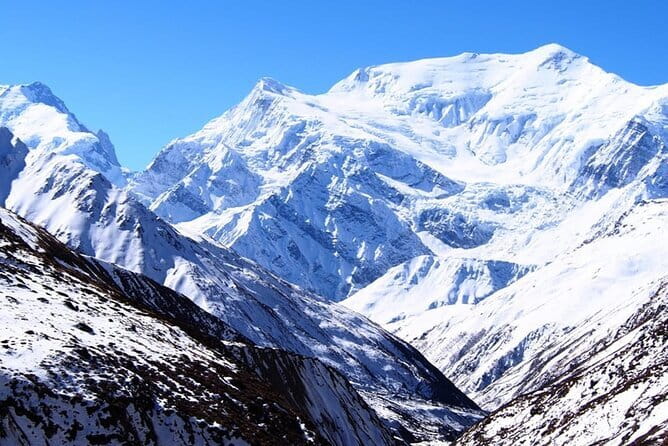
After Manang, the route climbs toward Yakkharka through sparse forest and high-altitude country. The surroundings become more open and severe, with fewer trees and a stronger sense that you are entering the pass zone.
Views toward Annapurna II and Gangapurna remain a major reward. At the same time, every uphill section feels harder at this height. Walk steadily, keep your pace comfortable, and avoid treating the day as a race.
Yakkharka is an overnight stop before Thorong Phedi. The simple rhythm of breakfast, walking, lunch, and tea-house dinner becomes especially useful here. Your guide can help judge how you are adapting, but you still need to speak up about headaches, nausea, unusual tiredness, or other problems.
Thorong Phedi: the final preparation
The next day brings you to Thorong Phedi, the base area for Thorong La Pass. The trail becomes steeper and the air thinner as you climb.
This is a short-sounding stage with an important purpose. You are positioning yourself for an early start and the pass crossing. Use the afternoon to rest, organize layers, fill water bottles, and keep your pack light.
Thorong Phedi is not the place to discover that your gloves are buried at the bottom of your bag. Conditions at 5,416 meters can be cold and demanding, so keep essential clothing and personal items easy to reach.
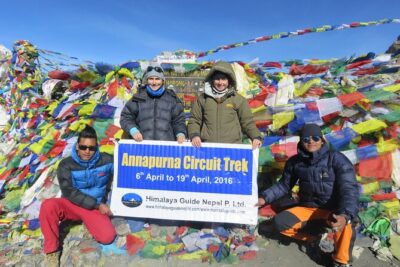
Thorong La Pass at 5,416 meters
Day 11 is the hardest and most memorable part of the route. You start early and climb to Thorong La, the highest point of the Annapurna Circuit.
The ascent is demanding because of both the steep trail and the altitude. You need patience here. A slow pace is not a sign of failure; it is the sensible way to reach the top with enough energy to continue.
At the pass, the route provides broad Himalayan views in every direction. The high point is impressive, but do not let the excitement push you into lingering too long if you are cold, exhausted, or feeling unwell.
The information provided does not spell out the exact descent route or overnight stop after the pass. Ask for that detail before departure. The route’s high point is clear, but the practical plan beyond Thorong La affects how long the day feels and what you should carry.
Ending in Pokhara
After the trekking section, you travel by bus to Pokhara. The package includes private transport from the trek ending point to Pokhara and one night in a standard twin-sharing hotel with breakfast.
The schedule also calls for a team dinner in Pokhara. That gives the group a chance to finish the trek together before separating for the next part of the trip.
The move from a high mountain trail to Pokhara is a sharp change. Pokhara works well as a recovery stop, but this package only includes one hotel night. Extra nights and activities in Pokhara or Kathmandu cost more, and transport back to Kathmandu is not included.
Day 13 is intentionally open. You can remain in Pokhara, continue to Chitwan National Park, drive to Kathmandu, or arrange another destination. That flexibility is useful, but it also means you need to plan your onward transport yourself.
What the $809.10 price really covers
At $809.10 per person, this is a solid value if you want a guided, lodge-based trek with the main fixed costs bundled together. You receive airport pickup if required, Kathmandu to Besisahar public transport, shared transport toward Nyadi, tea-house lodging, all standard meals during the trek, breakfast tea or coffee, a licensed guide, permits, TIMS registration, a route map, first-aid supplies, taxes, and office charges.
The meal arrangement is unusually clear: breakfast, lunch, and dinner are listed for all 12 meal occasions provided. That can make budgeting easier, especially in the higher villages where food prices often rise.
The price does not cover personal expenses, Nepal entry visa fees, extra hotel nights, activities, transport during the trek beyond the stated arrangements, transport back to Kathmandu, or a porter for your baggage. The porter point deserves special attention because one account describes a porter accompanying the group, while the package itself lists porter service as optional. Get a written answer before paying.
The tour is private, so only your own group participates. That gives you more control than a large group departure, although the exact group size is not stated. It also means the quoted price is per person, not necessarily the total cost for your party.
Who should choose this trek
This route suits you if you want a classic Himalayan crossing without arranging every permit, lodge, meal, and transfer yourself. You should have a moderate physical fitness level and be comfortable walking for several days in changing conditions.
It is a good fit for someone who values a guide, local tea-house stays, and a clear route through several climate zones. It also suits first-time trekkers who want support, though first-time trekkers should not mistake organized logistics for an easy walk.
You may want a different plan if you prefer a relaxed holiday, dislike basic lodging, or have limited time for altitude adjustment. The 13-day schedule is efficient, and the Thorong La day requires real effort.
Blissful Himalayas has received top ratings across four listed reviews, with particular praise for guide care, organization, food, accommodation choices, and attention to comfort. Ravi and Sandip are two guide names connected with recent trips, but you should confirm your own guide before departure.
Practical details before you book
Pickup from the airport is available by private vehicle if required. The listed meeting windows are early, from 6:15 to 7:15 in the morning and again from 8:15 to 9:15, Monday through Sunday, for the stated operating period.
Confirmation is provided at booking. The activity offers free cancellation if you cancel at least 24 hours before the local start time. Cancellations or changes made within 24 hours are not accepted for a refund.
Bring enough money for personal expenses and make a clear plan for your visa. The Nepal entry visa and arrival form are not included, and the information advises applying within 15 days of arrival.
Should you book the Annapurna Circuit trek?
I would book this trip if I wanted the full Annapurna Circuit in a guided, tea-house format and valued having meals, permits, and much of the transport handled in advance. The inclusion of a Manang acclimatization day, plus the licensed guide and first-aid kit, adds useful structure.
I would not book without first confirming the Bulbule, Besisahar, and Nyadi transport details, the post-pass overnight plan, and the porter cost. If those points are clear, $809.10 is a sensible price for a demanding but rewarding Himalayan route. Just arrive ready to walk, not simply sightsee.
FAQ
How long is the Annapurna Circuit trek?
The experience lasts approximately 13 days, including transport from Kathmandu, the trekking route, the drive to Pokhara, and the final open day.
What is the highest point of the trek?
The highest point is Thorong La Pass at 5,416 meters.
Is airport pickup included?
Airport pickup by private vehicle is included if required.
Are meals included during the trek?
Yes. Breakfast, lunch, and dinner are included during the trek, along with a cup of tea or coffee at breakfast.
Where do you sleep during the trek?
You stay in tea-house accommodations along the route. One standard twin-sharing hotel night in Pokhara is also included.
Is a guide included?
Yes. The package includes a government-licensed, experienced guide, including the guide’s food and accommodation.
Is a porter included?
The package lists a porter carrier as an extra cost if needed. Confirm the porter arrangement for your booking because a recent trip description included a porter.
Is transport back to Kathmandu included?
No. Transport back to Kathmandu is not included. Day 13 is open for arranging your next destination, which may include Kathmandu, Chitwan National Park, or additional time in Pokhara.
Can I cancel for a full refund?
Yes, if you cancel at least 24 hours before the experience start time. Cancellations or changes made less than 24 hours before the start are not refundable.
More Hiking & Trekking in Kathmandu
- Everest Base Camp Trekking
★ 5.0 · 485 reviews - Nagarkot Sunrise View and Day Hiking from Kathmandu
★ 5.0 · 471 reviews - Everest Base Camp Trekking – 13 Day
★ 5.0 · 365 reviews - Everest Base Camp Trek -14 Days
★ 5.0 · 321 reviews
Just added around Kathmandu
- Private Half-Day Tour of Boudhanath and Pashupatinath Temples in Kathmandu★ 4.5 · 9 reviews
- Private Half-Day Tour of Kathmandu Durbar Square and Swayambhunath Temple★ 4.5 · 11 reviews
- Namobuddha Monastery Hiking Day Tour via Panauti from Kathmandu★ 5.0 · 15 reviews
- Private Full-Day Kathmandu City Tour★ 5.0 · 9 reviews
- Private Day Tour in Kathmandu Valley Rim with Bhaktapur Sightseeing★ 5.0 · 3 reviews
- Private Half Day Budhanilkantha Tour★ 5.0 · 6 reviews
- Private Day Tour: Patan and Bhaktapur from Kathmandu★ 4.5 · 6 reviews
- Private Day Tour – Sacred Journey to Namo Buddha★ 5.0 · 5 reviews
Annapurna Circuit Treks, compared.
15-Day Private Annapurna Circuit Trek from Kathmandu
Read our review →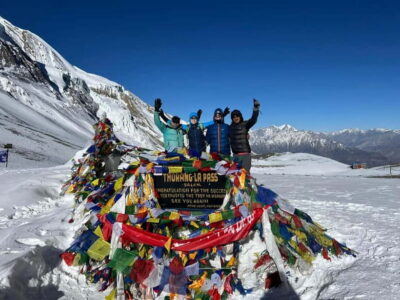
Browse the lists this tour appears in