
Reviewed · UNESCO WORLD HERITAGE TOURS
Sacred Pashupatinath: Aarati,Cremation Rites & Boudha Stupa
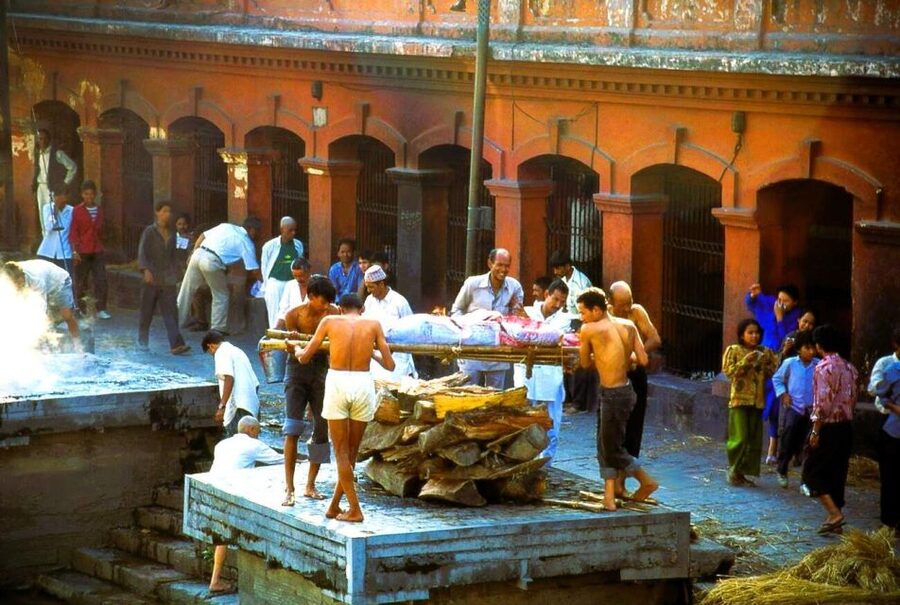
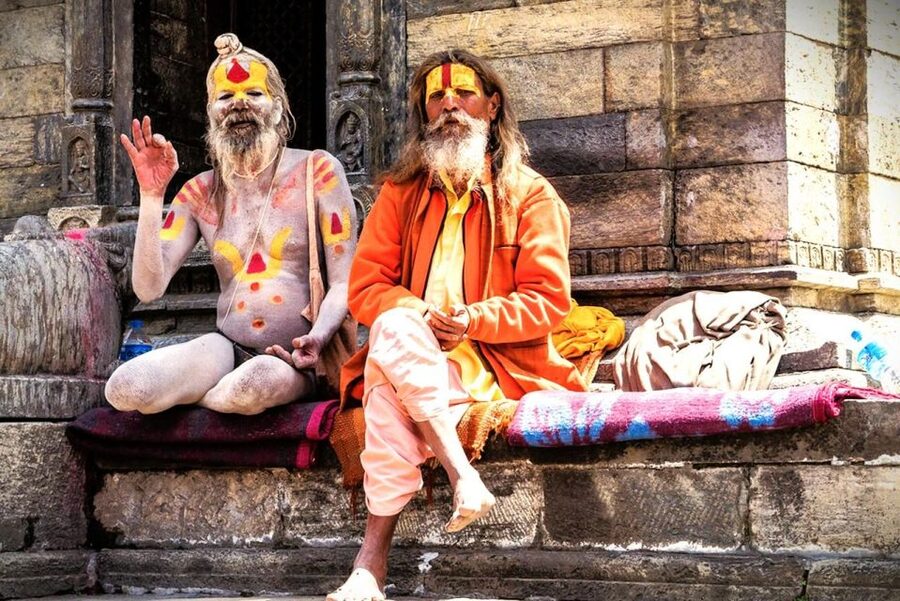
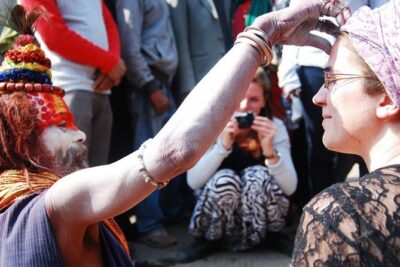
Pashupatinath is the reason to book this outing. Along the Bagmati River, Hindu cremation rites take place in public, while bells, conch shells, priests, sadhus, and evening fire prayers create an experience that is powerful and sometimes hard to watch. At Boudhanath, the mood shifts to calm as you walk the sacred kora around the great white stupa.
I like the pairing of these two sites because you see two living traditions in one short tour. I also like the local guides, especially Razz, Pranav, Karma, and Anish, who are praised for clear English and careful explanations. The main consideration is emotional: the cremation ghats and Aarati ceremony may feel intense, and children under 12 or people with respiratory issues should not book.
Key points before you book
- Two major sacred sites in one outing: Visit Boudhanath Stupa and Pashupatinath Temple in roughly two to five hours.
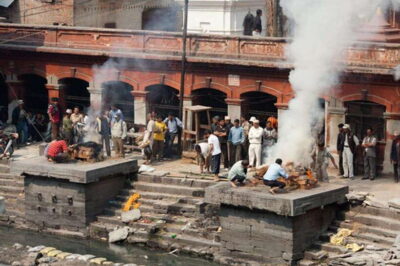
- The Bagmati cremation ghats: Watch Hindu funeral rites from the temple area while your guide explains their meaning and customs.
- A genuine Buddhist ritual: Walk the kora, spin prayer wheels, see monasteries, and watch daily worship around Boudhanath.
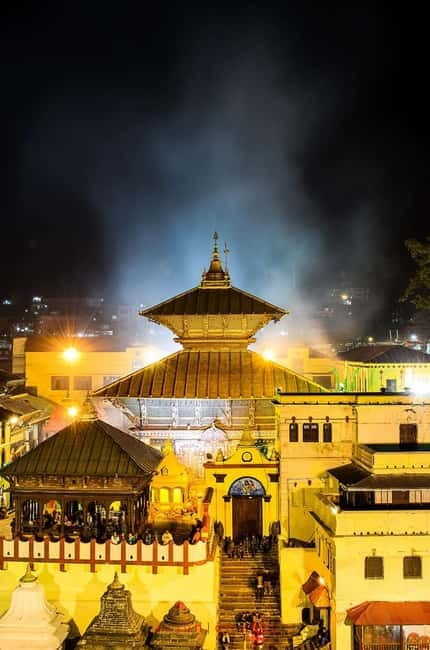
- Aarati at Pashupatinath: Evening chants, lamps, bells, and conch shells bring the riverbank to life.
- Guides make the difference: Razz, Pranav, Karma, Anish, and Sudhir are among the guides named in the feedback, with repeated praise for their explanations and English.
- Budget-friendly, but not all-inclusive: The tour costs $11 per person, while entrance fees, transport in some options, food, and purchases cost extra.
Why this Kathmandu pairing works so well
Kathmandu can feel noisy and crowded, yet its most important religious sites are woven right into ordinary city life. This tour gives you a clear route through that spiritual center without asking you to work out the customs on your own.
The two stops also balance each other. Boudhanath offers a slow circular walk, prayer flags, monasteries, and the steady rhythm of Buddhist devotion. Pashupatinath is more confronting. Here, death is not hidden away. Cremations happen beside the Bagmati River, and the temple complex remains an active place of worship rather than a silent monument.
I see this as a cultural tour first and a sightseeing tour second. You will take photographs, but the best part is understanding what you are seeing. A good guide can explain why people walk clockwise around the stupa, what the cremation fire represents, and how Aarati fits into Hindu worship.
The advertised price is only $11 per person, which makes the experience good value if you want an introduction to both sites. Check the selected option carefully. Hotel pickup, drop-off, and a full guided visit to Boudhanath are included only when stated in that option. Entrance fees are separate: NRs 1,000 at Pashupatinath and NRs 400 at Boudhanath.
More UNESCO World Heritage Tours in Kathmandu:
- Private Kathmandu Sightseeing Tour | UNESCO World Heritage sites
★ 5.0 · 756 reviews - Kathmandu: Full Day 7 UNESCO Tour with Lunch – Private/Group
★ 5.0 · 415 reviews - Kathmandu: Full Day Top 4 UNESCO Tour with Lunch – Private/Group
★ 5.0 · 269 reviews
Boudhanath Stupa and the slow rhythm of the kora
Boudhanath is one of the world’s largest stupas and a central place for Tibetan Buddhism in Nepal. Its white dome and golden spire are easy to spot as you approach, but the real pleasure comes after you enter the circular area around it.
Your guide can point out the religious symbols, prayer wheels, monasteries, and ritual details that are easy to miss on your own. You will see people making the kora, or clockwise walk around the stupa, often turning prayer wheels as they go. This is not a staged performance for visitors. It is part of the daily life of the site.
Give yourself time to slow down here. The planned visit lasts about an hour, with time for a short break, photographs, walking, and views of the stupa. That is enough for an introduction, but not enough for a long meditation session or a full study of the surrounding monasteries.
The area around the stupa also has shops selling religious objects, artwork, and souvenirs. One particularly useful detail from the experience is the chance to see artists working on traditional Thangka paintings. You may also encounter a short singing bowl meditation or massage demonstration, depending on the route and timing.
You should expect shopkeepers to offer goods. That can be part of the local experience, but you are not required to buy anything. A polite no is enough, and the feedback indicates that sellers generally accept it respectfully.
A rooftop café can be a pleasant place to pause with tea and watch the stupa from above. Food and drinks are not included, so this is an optional personal expense. I would treat it as a worthwhile break if your tour gives you enough time, especially after the more serious visit to Pashupatinath.
What makes Boudhanath more than a photo stop
The stupa’s great value is not only its size or appearance. It gives you a visible introduction to Tibetan Buddhist practice in Nepal. You can watch prayer, movement, trade, and social life happen in the same compact setting.
Ask your guide about the painted eyes, the prayer wheels, the flags, and the meaning of the circular route. The guide’s explanations are important because the site can otherwise become a quick photograph followed by a quick departure.
The stop may feel too short if you want to visit a monastery interior or spend a long time in quiet thought. One past visit also found a monastery closed, so access to every religious building is not guaranteed. Keep your expectations sensible: this is an efficient guided introduction, not a full day of Buddhist study.
Entering the Pashupatinath temple complex
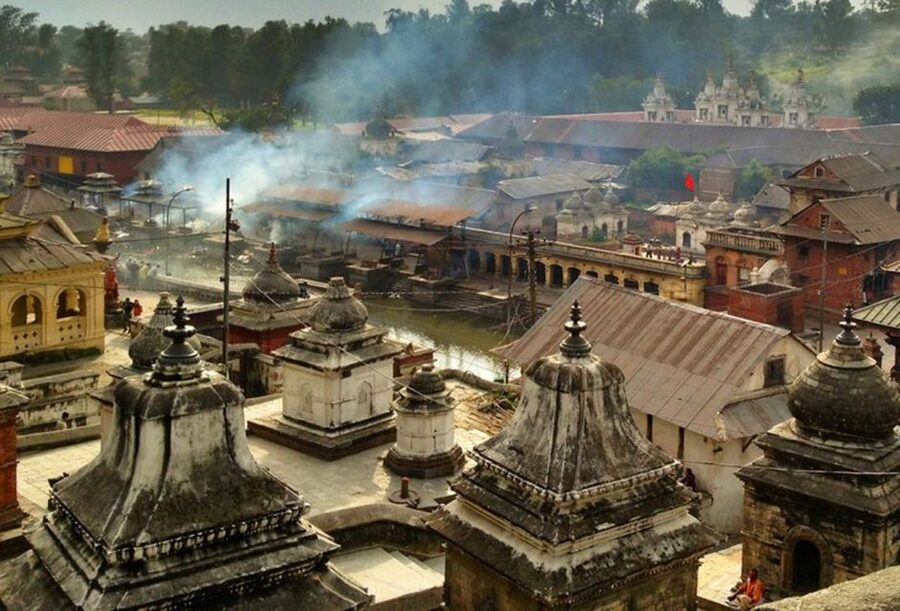
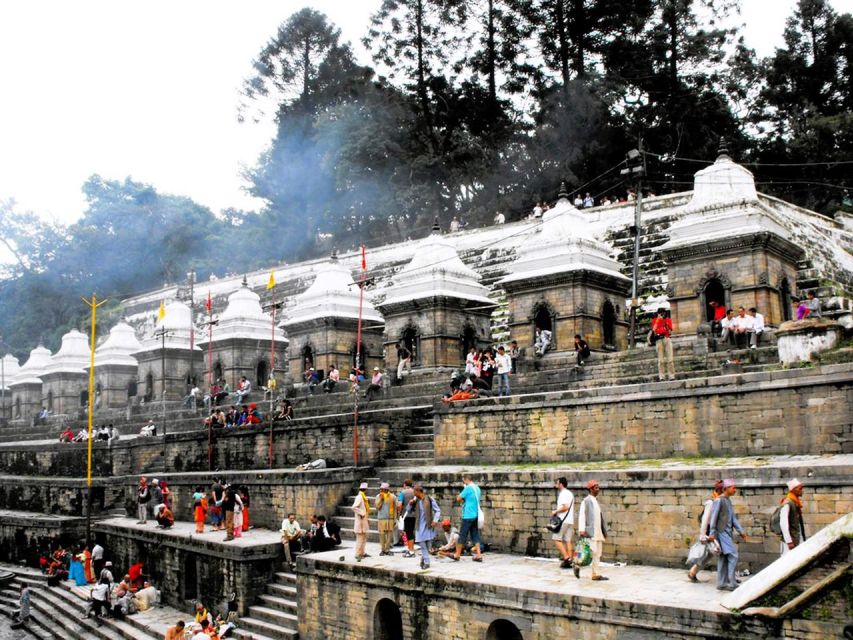
Pashupatinath is Nepal’s holiest Hindu shrine and one of the most important Shiva temples in the world. It sits along the Bagmati River, and the complex includes shrines, statues, courtyards, temple buildings, holy men, and busy pedestrian paths.
Non-Hindus cannot enter the main sanctum. You can still see much of the outer complex, and this is where a guide adds real value. Guides named in the feedback, including Pranav, Razz, Karma, and Anish, are praised for explaining the site’s customs, architecture, and religious meaning in clear English.
The visit usually includes a guided walk, a photo stop, free time, and some opportunity to browse nearby arts and crafts stalls. The listed timing is about one hour, though the whole outing may last two to five hours depending on the start time, transport, and selected option.
Wear clothing that shows respect for an active place of worship. The supplied rules prohibit large bags, drones, alcohol, drugs, and nudity. Bring a passport or identity card, though a copy is accepted.
Same mountains, a completely different kind of day:
- Everest Base Camp Trek – 14 Days
★ 5.0 · 1,499 reviews - Everest Base Camp Helicopter Tour landing at Everest View Hotel
★ 5.0 · 668 reviews - Half day cooking class in Thamel kathmandu
★ 5.0 · 607 reviews - Everest Base Camp Trekking
★ 5.0 · 485 reviews
Seeing cremation rites beside the Bagmati River
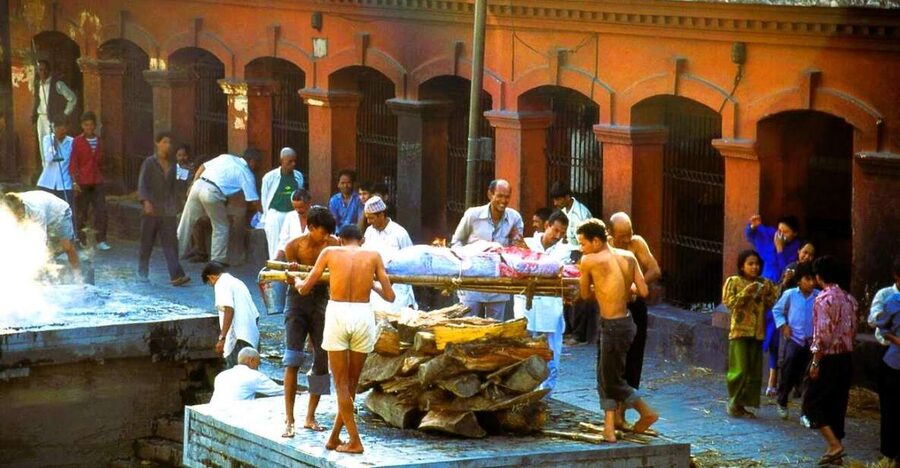
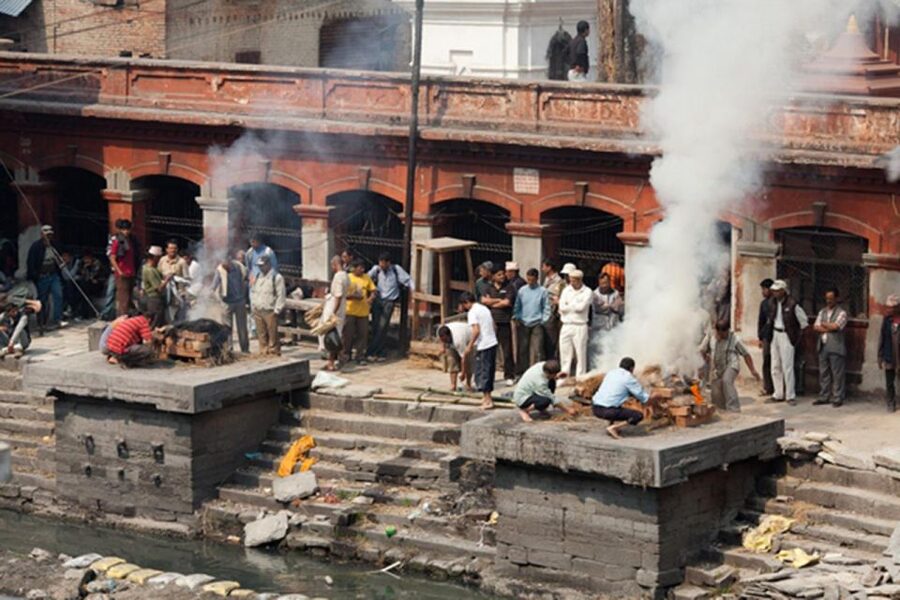
The cremation ghats are the most serious part of the outing. Hindu cremation rites take place in the open beside the Bagmati, and you may see a funeral ceremony while you are there.
Your guide explains the role of the sacred fire, the river, and the rituals connected with the soul’s passage. That context matters. Without it, the scene can seem confusing or intrusive. With a careful guide, you have a better chance of watching quietly and understanding that this is a family’s religious ceremony, not a show arranged for visitors.
You should not treat the ghats like a normal sightseeing stop. Keep your voice low, follow your guide’s instructions, and avoid turning grief into a photograph. The feedback includes a visitor who was allowed to remain and watch a cremation respectfully, but that does not mean every ceremony will be open to the same level of viewing.
Some people find this part moving. Others may find it dark or emotionally difficult. One direct description calls the Aarati ceremony beautiful but hard to watch, and that is a fair warning for the whole Pashupatinath visit. I would not book this tour if you want only light, cheerful sightseeing.
The river itself is central to the religious setting, but you should not expect a polished riverside attraction. Pashupatinath is a working sacred complex, and its intensity is part of its meaning.
Aarati, lamps, bells, and the evening change
As daylight fades, Pashupatinath takes on a different mood. Chants, bells, conch shells, and fire lamps form the setting for Aarati, a Hindu ritual of offering light.
The ceremony is one of the main reasons to choose a late-day start. Your guide can help you find a suitable viewing place and explain the order of the ritual. Pranav is specifically praised for explaining each step and helping secure a good view.
Aarati is not simply a performance. It is a prayer carried out with music, light, movement, and devotion. You may find the atmosphere absorbing, but it can also feel intense after seeing the cremation ghats. The shift from funeral rites to public worship is precisely what makes Pashupatinath so thought-provoking.
Check the available starting times before booking. The experience description gives a duration range of two to five hours, and the right schedule depends on whether you want the daytime temple visit, the evening Aarati, or both.
Guides who shape the experience
This tour depends heavily on the person leading it. The names attached to individual visits include Razz, Pranav, Karma, Anish, and Sudhir.
Razz is praised for explaining the site well and for speaking English clearly. Pranav receives repeated praise for his explanations at Pashupatinath and for guiding people through the Aarati. Karma is described as friendly and ready to answer questions, while Anish is praised for his polite manner and explanations of both religious sites. Sudhir is also described as friendly and professional.
Guide assignments can change, so you cannot assume you will receive one particular person. Still, the repeated pattern is useful: ask questions, especially at Boudhanath, where symbols and rituals may otherwise pass too quickly.
You can choose a private or small-group format. A private visit should give you more freedom to ask questions and set the pace, while a small group may keep the cost low. The $11 rate is attractive, but confirm exactly what the selected option includes before payment.
Timing, transport, and extra costs
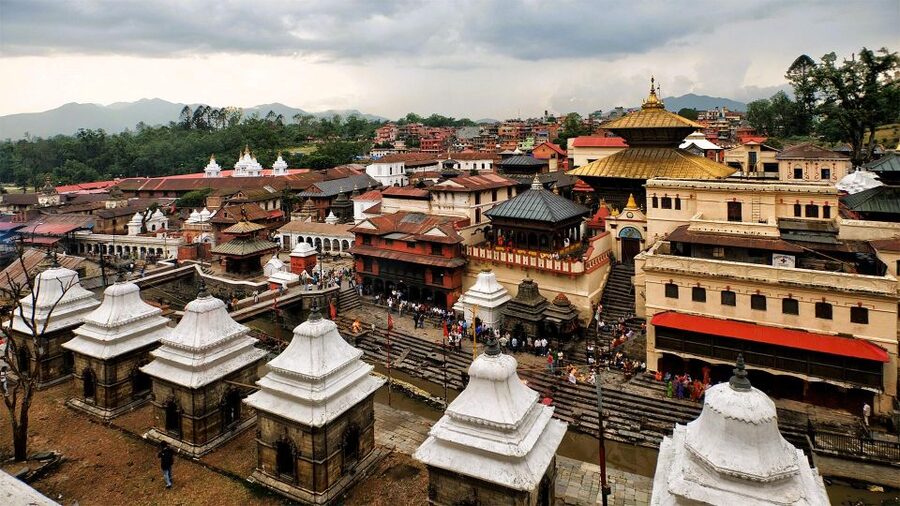
The meeting instructions say the guide meets you at the Pashupatinath ticket counter and takes you through the temple visit and Aarati. Some options include hotel pickup and drop-off, with return to Kathmandu or Thamel.
Other options require you to arrange transport yourself, though transport can be purchased from the agency at a reasonable rate. This is the most important practical point to clarify before booking. Do not assume the basic $11 option includes a vehicle.
Entrance fees are not included:
- Pashupatinath Temple: NRs 1,000
- Boudhanath Stupa: NRs 400
You also pay for food, drinks, market purchases, and optional items from the shops. Carry a passport or copy, but leave large luggage at your accommodation. The rules also prohibit drones and several other items.
Free cancellation is available up to 24 hours before the activity for a full refund, and you can reserve now and pay later. These terms are useful if your Kathmandu schedule is still changing.
Who should book this experience
I would recommend this tour to first-time visitors who want a short introduction to Kathmandu’s religious life. It suits you especially well if you want a guide to explain customs rather than simply point out buildings.
It is also a good fit if you are interested in photography, architecture, Buddhist practice, Hindu ritual, or the way religion shapes ordinary city life. The pairing gives you plenty to think about without requiring a full day.
I would choose a private or small-group option if you want time for questions or have strong feelings about the cremation rites. A larger group may feel less personal at the river ghats.
This is not a family-friendly choice for young children. The activity is not suitable for children under 12, and it is also not suitable for people with respiratory issues. The smoke, emotional weight, and serious subject matter require a certain level of comfort.
Should you book Pashupatinath and Boudhanath?
Book it if you want to see Kathmandu’s religious life directly, with enough explanation to understand what is happening. The low price makes the tour appealing, but remember to add the two entrance fees and possible transport costs.
Choose it for the cremation ghats and Aarati, not just for temple photographs. Boudhanath provides the calmer counterpoint, with its kora, prayer wheels, monasteries, flags, and tea stops. Pashupatinath is the stronger and more demanding visit.
If you prefer a relaxed sightseeing trip with no difficult subject matter, skip this one. If you can watch respectfully and listen carefully, this short outing can give you a far more honest sense of Kathmandu than a simple monument tour.
FAQ
How long does the tour last?
The activity lasts between two and five hours. Starting times vary, so check availability when booking.
What sites does the tour visit?
It visits Boudhanath Stupa and Pashupatinath Temple in Kathmandu.
Can non-Hindus enter Pashupatinath Temple?
Non-Hindus cannot enter the main sanctum, but they can explore the outer temple complex with a guide.
Are the entrance fees included?
No. The stated fees are NRs 1,000 for Pashupatinath and NRs 400 for Boudhanath.
Is hotel pickup available?
Pickup is available only with selected options. Some options require you to arrange your own transport, or you can purchase transport from the agency.
Where does the guide meet me?
The guide meets you at the ticket counter of Pashupatinath Temple for the temple visit and Aarati.
What languages are available?
Guides are available in English, Chinese, Hindi, and Russian.
Can I book a private tour?
Yes. Private and small-group options are available.
What should I bring?
Bring a passport or identity card. A copy is accepted. Do not bring large bags, drones, alcohol, or drugs.
Just added around Kathmandu
- Private Half-Day Tour of Boudhanath and Pashupatinath Temples in Kathmandu★ 4.5 · 9 reviews
- Private Half-Day Tour of Kathmandu Durbar Square and Swayambhunath Temple★ 4.5 · 11 reviews
- Namobuddha Monastery Hiking Day Tour via Panauti from Kathmandu★ 5.0 · 15 reviews
- Private Full-Day Kathmandu City Tour★ 5.0 · 9 reviews
- Private Day Tour in Kathmandu Valley Rim with Bhaktapur Sightseeing★ 5.0 · 3 reviews
- Private Half Day Budhanilkantha Tour★ 5.0 · 6 reviews
- Private Day Tour: Patan and Bhaktapur from Kathmandu★ 4.5 · 6 reviews
- Private Day Tour – Sacred Journey to Namo Buddha★ 5.0 · 5 reviews
UNESCO World Heritage Tours, compared.
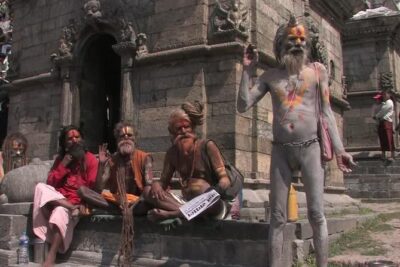
Private Kathmandu Sightseeing Tour | UNESCO World Heritage sites
Read our review →
Full Day 7 UNESCO Tour with Lunch – Private/Group
Read our review →
Full Day Top 4 UNESCO Tour with Lunch – Private/Group
Read our review →
Kathmandu Spiritual Sites: Bodhnath & Pashupatinath Tour
Read our review →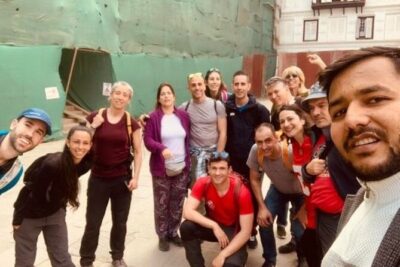
Kathmandu Private Sightseeing Tour | UNESCO World Heritage Sites
Read our review →Full Day 7 UNESCO Tour with Lunch – Private/Group
Read our review →Browse the lists this tour appears in