
Reviewed · PRIVATE
Private Tour Local Culture and The View of Mohare Danda
The best part of this five-day trek is its close contact with village life. You leave Pokhara for the Kali Gandaki valley, walk through farming communities, sleep in lodges run by local people, and reach Mohare Danda for broad Himalayan views without following Nepal’s busiest trekking routes. Chitra and Lukesh are named as the main guides, and their friendly ties with villagers add a human touch to the route.
I like two things here. First, your spending supports community-run lodges and local jobs, with funds directed toward schools, health care, and village improvements. Second, the route brings together big mountain scenery and small cultural moments: Brahman settlements, traditional houses, Lokta paper, wood-fired dining, sacred riverbanks, and rhododendron trails. The main consideration is physical effort. Five days of walking, including sections of about seven hours, requires a moderate fitness level, and bad weather can affect the plan.
Key points to know before booking
- Mohare Danda keeps you away from the busiest trekking routes, with views toward Dhaulagiri, Annapurna, and Manaslu.
- Community lodges give the trip a clear local benefit, supporting education, health, infrastructure, and village employment.
- Chitra and Lukesh provide the personal side of the trek, with local connections and practical help when conditions get difficult.
- The package covers the major daily needs, including private transport, porters, guide, four breakfasts, five lunches, four dinners, tea or coffee, and hot showers.
- The walking is real mountain walking, with days listed at roughly five to seven hours and a moderate fitness requirement.
- The $315 price is attractive for a private five-day trip, but you should budget separately for drinks, alcohol, and the optional Pun Magar Traditional Cultural Program.
Why Mohare Danda is a different kind of Nepal trek
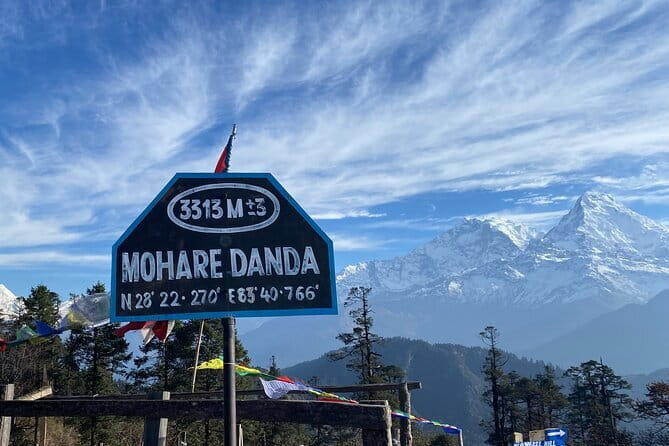
Mohare Danda is appealing because it combines mountain views with village life instead of treating the Himalayas as a series of viewpoints. You spend time on foot, but the route also makes room for conversations, local meals, farming areas, handmade goods, and religious traditions connected to the Kali Gandaki River.
The community focus matters. Local people run the lodges, while porters and guides come from trekking areas. That gives your money a more direct path into the villages. You are not simply passing through and paying for a bed. Your visit helps support jobs and local services, including education, health, and infrastructure work.
The route is also described as off the beaten path. That does not mean empty or untouched. You will still pass through settlements and use established lodges. It means the experience leans more toward quiet paths and local contact than large trekking crowds.
I would choose this trip if you want scenery but do not want every hour organized around famous trail stops. You should also be comfortable with a basic trekking rhythm: walk, eat, rest, repeat, with mountain weather always having a vote.
A few more Pokhara trips to weigh up
- Pokhara: Full-Day Private Tour on 7 Iconic Destination
★ 4.8 · 108 reviews - The Best of Pokhara: Full-Day Private Tour with Sarangkot Sunrise
★ 5.0 · 66 reviews - 4-Day Private Poon Hill Trekking Tour
★ 5.0 · 58 reviews
From Pokhara to Banskharka through the Kali Gandaki valley
The first day begins with private transport from Pokhara toward Beni, following the Kali Gandaki River. The drive itself is part of the experience. The river is one of Nepal’s important natural and religious features, and the valley gives you an early sense of how roads, villages, farms, and mountains fit together.
After lunch in Beni, you begin walking toward Banskharka village. The first day includes about five hours of activity, so you get a useful introduction without being thrown straight into the longest walking day.
Along the way, you pass Mallaj village, where Brahman settlements and cultivated land provide a look at rural life in the Annapurna region. This is the kind of detail that makes the route feel grounded. You are not only looking at peaks in the distance. You are seeing the fields and homes that support daily life below them.
The approach to Banskharka brings the first real taste of village trekking. The route may feel demanding after the drive and lunch, so wear shoes you trust and keep water easy to reach. The tour requires moderate physical fitness, and the first day is a good reminder that walking in Nepal often includes uneven ground and changing gradients.
Dhaulagiri views, farm country, and Lokta paper on day two
The second day is built around Dhaulagiri, Nepal’s seventh-highest mountain. The tour promises an outdoor lunch with views of the Dhaulagiri range, along with traditional houses and farming land. That combination is important. The mountain is the headline, but the village setting gives the view its meaning.
You also have the chance to buy handmade Lokta paper and related handicrafts. Lokta paper is a traditional Nepali product made from the bark of the lokta plant. The supplied details do not specify exactly which items will be available, so think of this as a chance to look for locally made souvenirs rather than a guaranteed shopping stop.
This five-hour day appears manageable compared with the longer sections later in the trek. Still, an outdoor lunch depends on conditions, and mountain weather can shift quickly. The operator states that the experience requires good weather, so keep your schedule flexible.
I like this part of the route because it avoids a common trekking mistake: rushing past working villages in search of the next viewpoint. The farming areas and handmade paper connect the scenery to local skills and income. If you want a trip with some cultural substance, this is one of the stronger features.
Sunrise over Annapurna, Dhaulagiri, and Manaslu
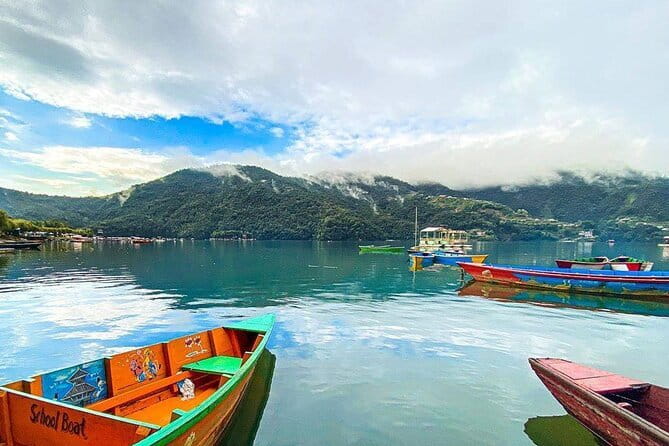
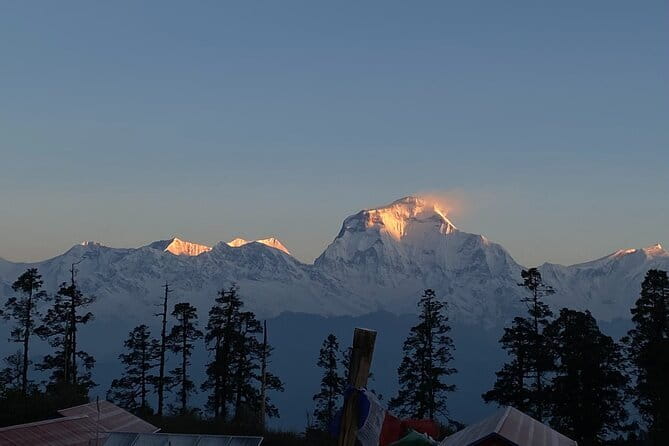
Day three is the visual high point. The schedule lists about seven hours and includes sunrise views of the Annapurna, Dhaulagiri, and Manaslu ranges. Seeing all three mountain groups from one route is a major reason to choose Mohare Danda.
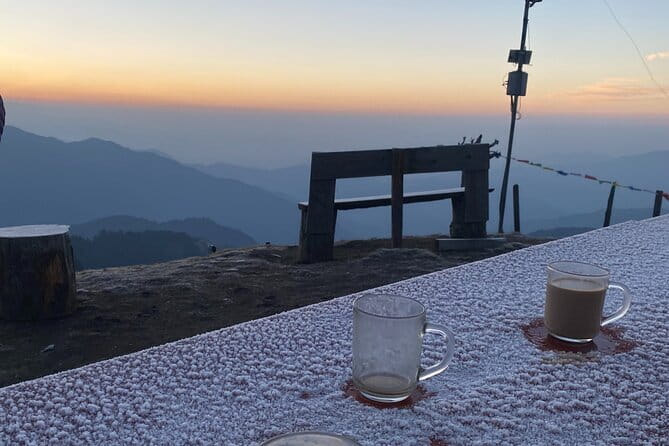
The morning setting sounds especially appealing: a cozy dining area with a firewood chimney and free internet access. The chimney matters more than the internet. At mountain elevations, a warm shared room after an early start can turn a cold viewing session into a pleasant one. The internet is useful, but do not make it the reason you book a Himalayan trek.
The schedule lists separate stops for the Annapurna range, Dhaulagiri, and Mount Manaslu. Manaslu rises to 8,163 meters and is the eighth-highest mountain in the world. The precise visibility will depend on clouds and light, but the chance to see these major ranges together gives the day real weight.
Sunrise also means an early start. The tour information does not give a specific wake-up time, so ask the operator before departure. You will want to know how much walking comes before the viewpoint and how long you will spend outside.
This is where Chitra and Lukesh can make a practical difference. Their role is not just to point at mountains. Guides help keep the group moving, explain what you are seeing, and respond when weather or trail conditions change. The strongest feedback about the team focuses on care, safety, humor, and their local connections.
Same mountains, a completely different kind of day:
- ZipFlyer Nepal – The World’s Steepest Zip-line
★ 5.0 · 608 reviews - Bungee Pokhara by HighGround Adventures
★ 5.0 · 366 reviews - From Pokhara: Sarangkot Sunrise Himalayas Tour
★ 4.7 · 218 reviews - ATV Adventure Tour in Pokhara, Nepal
★ 5.0 · 194 reviews
Kali Daha Lake and the rhododendron trail
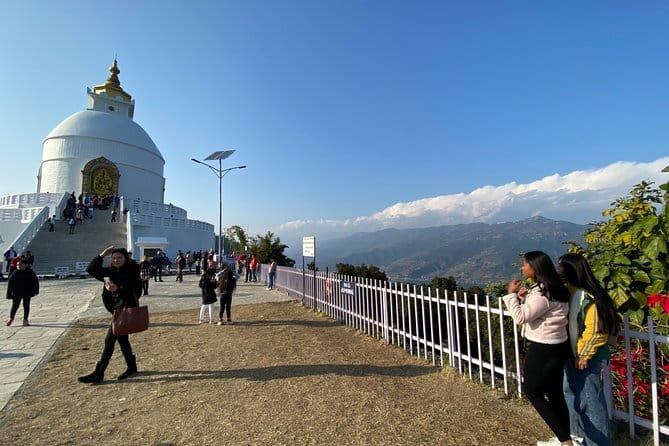
Day four brings a change of mood. Kali Daha Lake is described as a quiet body of water reflecting the Annapurna peaks, especially at sunrise. The image is compelling, but the reflection will depend on wind, cloud, and light. Treat it as a scenic possibility, not a guaranteed postcard.
The day also takes you through trails lined with rhododendron bushes. Rhododendron is Nepal’s national flower and has cultural importance in the country. During the right season, the flowers add color to the walk, but the tour information does not give exact bloom dates. Ask when booking if the flowers are important to you.
The listed activity time is about seven hours. That is a full day on foot, especially after the earlier mountain-viewing day. The route may be beautiful, but beauty does not shorten a descent or soften a wet trail. Bring layers, rain protection, and a small day bag for items you need while porters carry your main luggage.
Another notable feature is the Kali Gandaki gorge. The river separates Dhaulagiri and Annapurna, two of the world’s highest mountains. Measured from the top of Dhaulagiri to the riverbed, the vertical difference is about 5.5 kilometers, making this one of the deepest gorges in the world by that measure.
That fact helps explain the dramatic changes in scenery along the route. You are moving through a valley system shaped by a powerful river, with high peaks rising sharply above it. The gorge is not presented as a single formal attraction with a ticket booth. It is part of the setting you experience while moving through the region.
The sacred Kali Gandaki River and the return journey
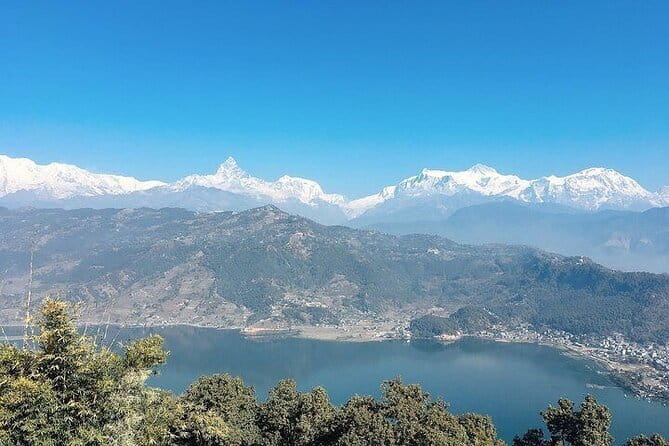
Day five returns your attention to the Kali Gandaki River. The river is sacred in both Hindu and Buddhist beliefs, and religious ceremonies take place along its banks. Pilgrims may bathe in the water as an act of purification.
This is a place for respectful observation. You may see religious activity, but the tour details do not promise a scheduled ceremony or a specific ritual. Follow your guide’s advice and avoid treating sacred spaces as photo props.
The final day is listed at about seven hours. The information does not spell out every transfer and walking segment, so ask how the final return to Pokhara is arranged. Private transportation is included, which should make the end of the trip easier than arranging separate local transport yourself.
One useful point comes from the experience’s flexible handling of difficult conditions. A member of one group needed help on the descent from Mohare Danda, and the guides arranged cars to take people down the mountain. This was not listed as a standard inclusion, so you should not assume a vehicle will always be available. It does show that the team can use local connections when safety or injury becomes a concern.
What the $315 price really covers
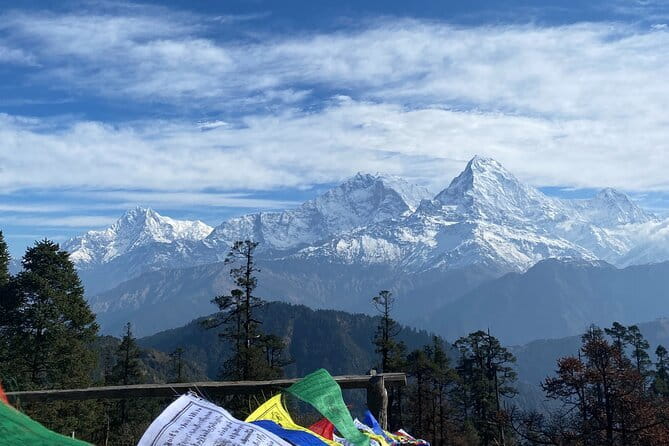
At $315, this is not just a guided walk. It includes private transportation in an air-conditioned vehicle, a licensed or certified in-person guide, local professional porters, tea and coffee, hot showers, five lunches, four breakfasts, and four dinners.
That is a strong package for a private five-day experience. The food coverage removes much of the daily planning, while porters mean you do not need to carry your full luggage between destinations. Private transport also matters in Nepal, where coordinating transfers can take time and create uncertainty.
The package does not list accommodation as a separate inclusion, but the route description says local communities run the lodges. Confirm the exact lodging arrangements before paying, including room style, bathroom access, and how hot showers are provided. These details can vary in mountain areas.
Alcohol, wine, soft drinks, and the optional Pun Magar Traditional Cultural Program are extra. The cultural program costs $48 in total if you request it. Tea and coffee are included, but soft drinks are not, so bring a little extra money for purchases along the way.
Dietary needs can be noted when booking. Do this early and clearly. The tour includes four breakfasts, five lunches, and four dinners, giving you a predictable meal structure throughout the trek.
Guides, safety, and the human side of the trek
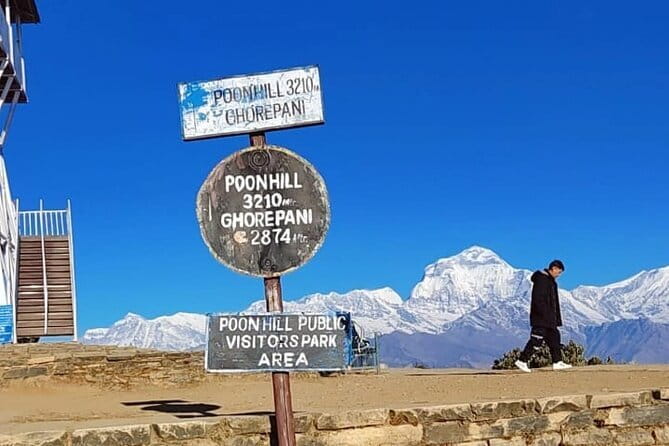
Chitra and Lukesh receive the strongest praise in the available feedback. The useful details are not just that they guide the route. They are described as warm, funny, protective, and well connected with people encountered in the villages.
That local connection can change the feel of a trek. You may get more context about homes, farms, and traditions, and problems may be easier to solve when guides know the area. One group also felt well cared for during heavy rain and hail, though no guide can control mountain weather.
Safety still depends partly on your own preparation. You need moderate fitness, suitable walking shoes, weatherproof layers, and a willingness to follow instructions. The tour is private, meaning only your group takes part, so you avoid being matched with strangers and can discuss your pace with the operator.
The private format can be especially useful for friends, families, or study groups. Group discounts are available, though the exact discount is not stated. Ask for the total price based on your group size.
Timing, weather, and practical concerns
The listed opening hours run daily from 8:00 AM to 11:30 PM during the stated operating period. Confirmation is received at booking, and pickup is offered. The tour is also near public transportation, though private transport is included.
Weather is the main uncertainty. If poor weather forces cancellation, you are offered another date or a full refund. The same applies if the minimum number of participants is not met. You can cancel for a full refund up to 24 hours before the start time, but changes or cancellations inside that window are not accepted.
I would contact the operator before departure to confirm four things: the pickup location in Pokhara, the exact accommodation, the start time for the first day, and the walking route on each day. The supplied schedule gives useful highlights but does not provide elevation figures or precise distances.
Who should book this Mohare Danda trek?
This trip suits you if you want a private Himalayan route with strong local involvement, full meal coverage, porters, and a guide team that can handle practical problems. It is a good match for people who care about where their money goes and who prefer village contact to a heavily trafficked trail.
It also suits first-time Nepal trekkers who want support. You still need a moderate fitness level, but the included transport, porters, meals, and guide reduce the number of details you must manage alone.
I would think twice if you want a relaxed sightseeing holiday with little walking. The seven-hour days, mountain weather, and changing trail conditions are central to the experience, not minor side notes. You should also confirm accommodation details before booking, since the supplied information does not spell them out fully.
Should you book it?
Book this trek if the idea of waking to three major Himalayan ranges, walking through farming villages, and supporting community-run lodges appeals to you more than staying on a famous, crowded route. The $315 cost is good value for private transport, porters, a licensed guide, most meals, tea and coffee, and hot showers, provided the lodging arrangements meet your expectations.
Do not book it simply for guaranteed mountain photographs. Clouds, rain, and hail are part of Nepal’s mountain reality. Book it for the mix of scenery, local contact, cultural detail, and the personal care provided by Chitra, Lukesh, and their team.
FAQ
How long is the Mohare Danda experience?
The experience lasts approximately five days.
Where does the tour begin?
The tour is based in Pokhara, Nepal, with pickup offered. The first route section travels from Pokhara toward Beni by private transport.
Is this a private tour?
Yes. Only your group participates in the activity.
What level of fitness do I need?
You should have a moderate level of physical fitness. The listed walking or activity times range from about five to seven hours.
Are meals included?
Yes. The package includes five lunches, four breakfasts, and four dinners. Tea and coffee are also included.
Are porters included?
Yes. Local professional porters transport your luggage between destinations.
Is transportation included?
Yes. Private transportation in an air-conditioned vehicle is included.
What costs extra?
Wine, alcohol, and soft drinks are not included. The optional Pun Magar Traditional Cultural Program costs $48 in total if you request it.
Just added around Pokhara
- Pokhara: Pokhara Highlights Tour by Bus★ 3.6 · 10 reviews
- Pokhara in 5 Hours: Lake, Museum, Cave, Falls & Pagoda Hill★ 4.5 · 16 reviews
- Discover Pokhara in Style: Private Vehicle Service with Driver★ 5.0 · 5 reviews
- Annapurna Base Camp Trek from Pokhara and Kathmandu★ 5.0 · 7 reviews
- 4 Day Mardi Himal Base Camp Trek from Pokhara★ 5.0 · 18 reviews
- 7-Day Trek to Annapurna Base Camp from Pokhara★ 5.0 · 12 reviews
- Beautiful Sarankot Sunrise with Full Day Sightseeing in Pokhara★ 4.5 · 3 reviews
- 6 days Annapurna Basecamp Trek★ 5.0 · 16 reviews
Private, compared.
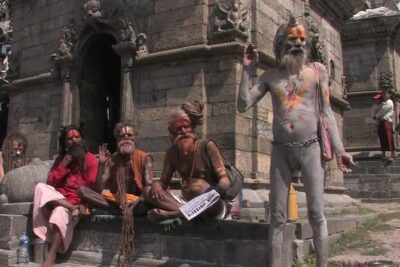
Private Kathmandu Sightseeing Tour | UNESCO World Heritage sites
Read our review →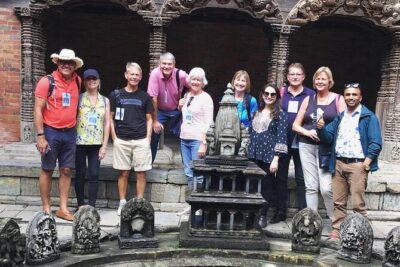
Full Day 7 UNESCO Tour with Lunch – Private/Group
Read our review →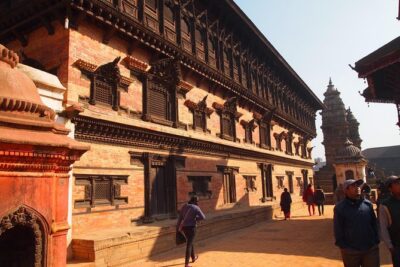
Private Bhaktapur and Nagarkot Day Tour From Kathmandu
Read our review →
Full Day Top 4 UNESCO Tour with Lunch – Private/Group
Read our review →
Private Half-Day Chandragiri Cable Car Tour in Kathmandu
Read our review →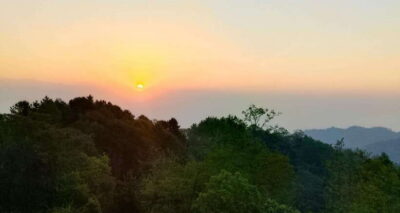
Nagarkot Sunrise & Hike with Lunch -Private/Group
Read our review →Browse the lists this tour appears in