
Reviewed · FOOD & DRINK
Private Half Day Kirtipur Trip With Newari Food Tasting
Kirtipur gives you a quick look at old Kathmandu Valley life without sending you far from the capital. On this private half-day trip, you walk through brick lanes, visit important Newari shrines, and finish with a proper Newari meal. The hilltop setting also brings broad views over Kathmandu and Patan.
I like the mix of culture and food. You are not simply driven to a viewpoint, then driven back. You get a walking tour through one of the valley’s oldest settlements, with its carved doors, pagoda roofs, and winding streets. I also like that the price includes private transport, entrance fees, a guide, and lunch, so the main costs are clear from the start.
The main caution is the guide. One verified booking praised the driver, the pickup, the views, and the food, but found the guide repetitive and dull. A private tour gives you flexibility, yet its quality depends heavily on how well your guide tells Kirtipur’s story.
Key points to know before booking
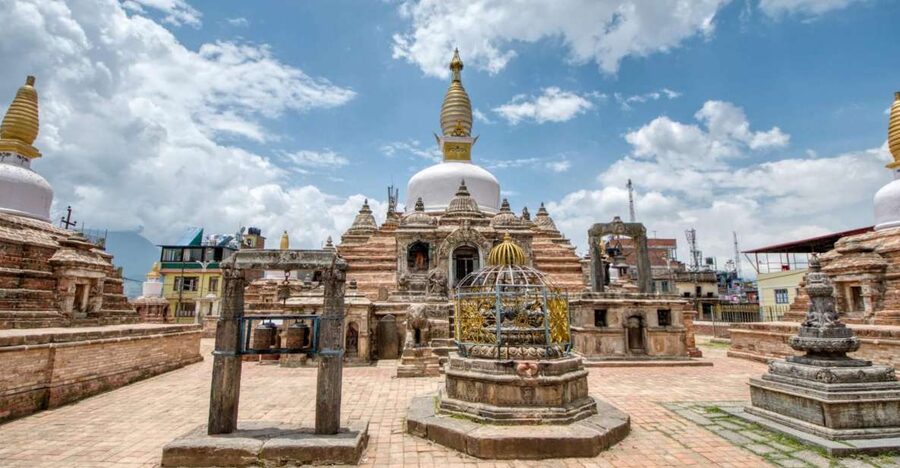
- Kirtipur’s hilltop setting gives you sweeping views of Kathmandu, Patan, and the hills beyond.
- Four major stops are included: Bagh Bhairab Temple, Chilancho Stupa, Uma Maheshwar Temple, and a Theravada Buddhist monastery.
- A traditional Newari lunch is part of the tour, though the food can be spicy and drinks cost extra.
- Private transport and hotel pickup make this a simple outing from Kathmandu’s city area.
- The walking is cultural rather than strenuous, but comfortable shoes are still important for cobbled streets and hillside paths.
- Guide quality matters, since one booking praised the driver but found the commentary repetitive.
Why Kirtipur is worth four hours
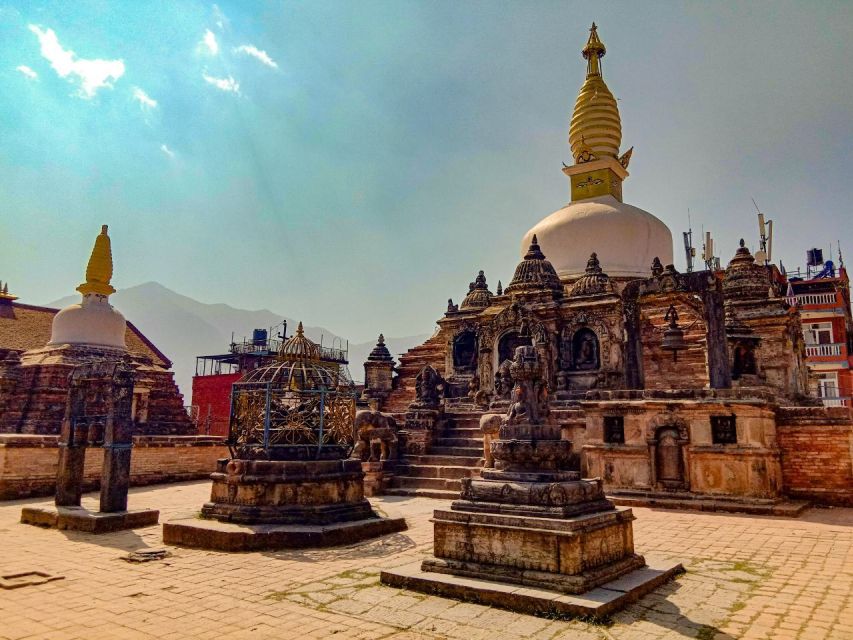
Kirtipur is one of the ancient settlements that once formed separate kingdoms in the Kathmandu Valley. Today it is part of greater Kathmandu, but the old core still feels distinct from the capital’s busier streets.
I like Kirtipur because it gives you a sense of the Newar people in their own historic setting. The Newars are one of Nepal’s many distinct ethnic groups and the original inhabitants of the Kathmandu Valley. Their influence appears in the town’s architecture, religious buildings, streets, and food.
The appeal is not based on a single grand monument. Instead, you get a series of smaller moments: an old brick house with carved window frames, a narrow lane opening toward a temple courtyard, a pagoda roof above the rooftops, and a sudden view across the valley.
That makes the guided walk useful. A guide can explain why Newari homes and temples look different from newer Kathmandu buildings, and can help you understand the links between Hindu and Buddhist traditions in the town. Still, do not expect a long academic lecture. This is a compact sightseeing visit, and the guide’s ability to keep the explanation lively will shape your experience.
A few more Kathmandu trips to weigh up
- Kathmandu Food and Drink Walking Tour
★ 5.0 · 266 reviews - Kathmandu: Food and Drink Walking Tour
★ 4.9 · 119 reviews - Walking Street Food Tour in Kathmandu
★ 5.0 · 111 reviews
Starting from Kathmandu and reaching the hill
Pickup and drop-off are offered from hotels inside Kathmandu’s ring road. You need to provide your hotel name when booking. That boundary matters, since a hotel outside the city pickup area may require separate transport arrangements.
The private transfer is one of the tour’s practical advantages. You do not need to negotiate a taxi, find the right road into Kirtipur, or arrange a return ride after lunch. A previous booking specifically praised the driver and the way the pickup was handled, which is useful reassurance for an early or tightly planned day.
The tour lasts four hours, including sightseeing, walking, free time, lunch, and the return to Kathmandu. That is enough for a focused introduction, not enough for a slow photographic study of every shrine and lane.
Bring your passport or another form of identification, comfortable shoes, sunglasses, and a sun hat. Large bags and luggage are not allowed, so this works best as an outing between hotel stays rather than as a transfer with baggage.
Walking Kirtipur’s old brick lanes
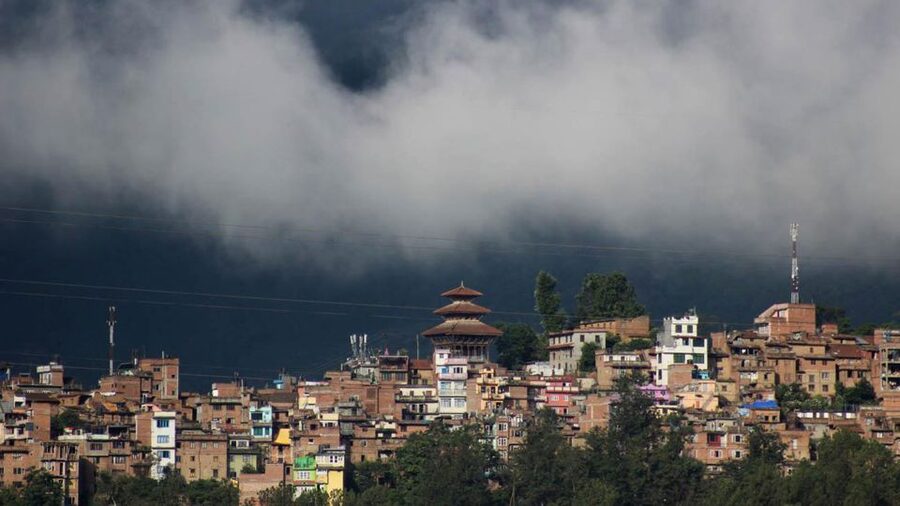
The town’s winding streets are a major part of the experience. You might find cobbled surfaces, old brick houses, carved wooden door and window frames, and pagoda-style temples close together. The streets help you picture Kirtipur as an old settlement rather than just another viewpoint above Kathmandu.
The walking also gives the tour a more personal scale. From inside a vehicle, you see the town as a stop on a route. On foot, you notice the details that make the place Newari: the brickwork, the carved wood, the compact lanes, and the religious shrines woven into daily life.
You should expect some uneven ground and gentle uphill walking. The experience is not suitable for wheelchair users, and comfortable footwear is more important here than fashionable footwear. A hat and sunglasses will help on sunny sections, especially when you pause for views.
The free time is useful, but keep your expectations sensible. Four hours must cover several religious sites, lunch, transport, and sightseeing. You will have room to look around, but not unlimited time to wander far from the planned route.
Bagh Bhairab Temple and Kirtipur’s religious life
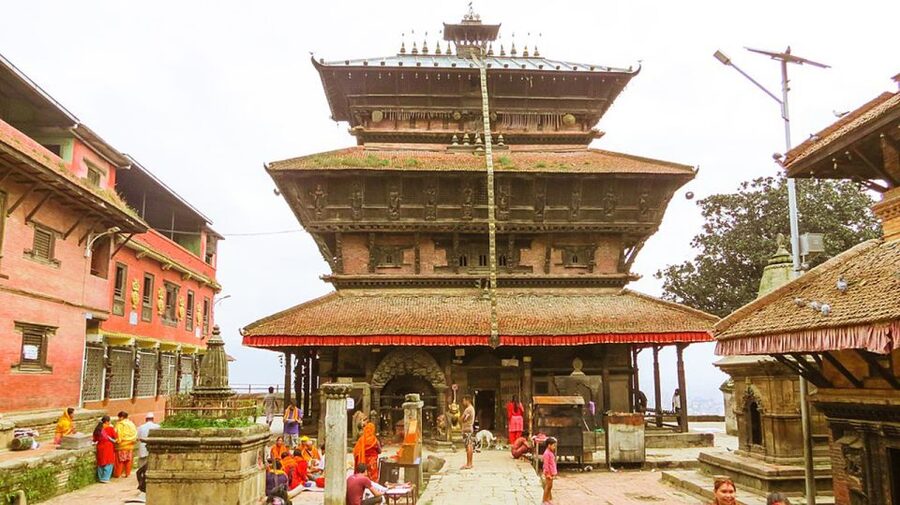
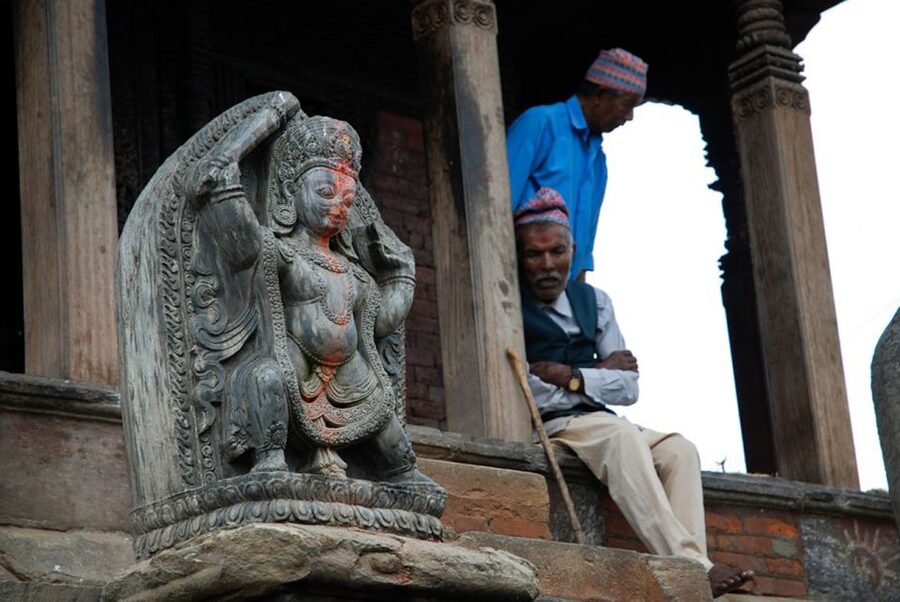
Bagh Bhairab Temple is one of the main stops on the walk. It introduces you to the strong religious character of Kirtipur, where temples are not isolated museum pieces but part of the town’s identity.
The name refers to Bhairab, a fierce form of Shiva. The tour information does not specify the temple’s interior arrangements or every ritual detail, so your guide’s explanation will be important. Ask questions if you want more context about the shrine, its role in the town, or the relationship between local worship and Newari culture.
For you, the value of the stop is its setting within the old settlement. You are seeing a place of worship as part of Kirtipur’s street life, not simply ticking off another monument. The temple also gives the guide a natural point for explaining why Hindu and Buddhist traditions are so closely connected throughout the Kathmandu Valley.
Same mountains, a completely different kind of day:
- Everest Base Camp Trek – 14 Days
★ 5.0 · 1,499 reviews - Private Kathmandu Sightseeing Tour | UNESCO World Heritage sites
★ 5.0 · 756 reviews - Everest Base Camp Helicopter Tour landing at Everest View Hotel
★ 5.0 · 668 reviews - Half day cooking class in Thamel kathmandu
★ 5.0 · 607 reviews
Chilancho Stupa, a distinctive Buddhist stop
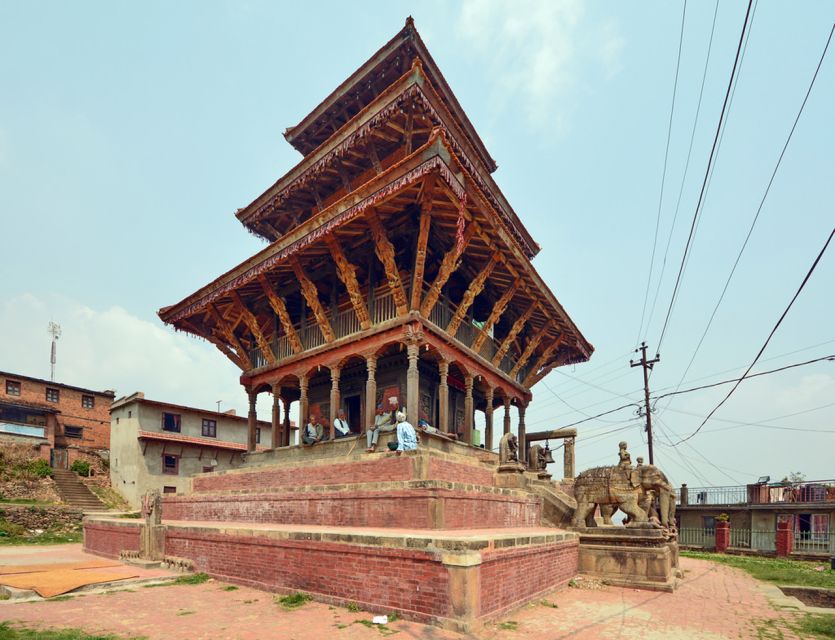
The Chilancho Stupa shrine brings a Buddhist element to the tour. It is described as a unique stupa, making it one of the stops that gives the route more variety than a temple-only visit.
A stupa is a Buddhist shrine form associated with devotion, remembrance, and circumambulation. The supplied details do not give a precise architectural description of Chilancho, so avoid booking this expecting a large landmark on the scale of Nepal’s best-known stupas. Its value is in the local setting and in the chance to see another part of Kirtipur’s religious life.
I like this pairing of Bagh Bhairab and Chilancho. Together, they show that Kirtipur cannot be reduced to one faith or one style of worship. The tour lets you move between Hindu and Buddhist sites while remaining within the same old hill town.
Uma Maheshwar Temple above the valley
Uma Maheshwar Temple is another hilltop shrine and an important stop for the views. From Kirtipur’s elevated position, you can look across Kathmandu and Patan, with hills and, on clear days, mountains farther away.
The view is one of the most praised parts of the outing. A previous booking called the Kathmandu Valley view from Kirtipur excellent, and that is a fair reason to keep this trip on your list. Kathmandu can feel crowded and enclosed at street level. From the hill, its wide spread becomes easier to understand.
The view depends on weather and air quality, of course. Do not treat mountain scenery as guaranteed. Even when distant peaks are hidden, the sight of Kathmandu and Patan from above still gives you a useful sense of the valley’s scale.
Uma Maheshwar also adds another architectural and religious layer to the walk. The tour is not only about looking outward. You get a temple visit, then a chance to connect the town’s sacred places with its position above the valley.
A Theravada Buddhist monastery
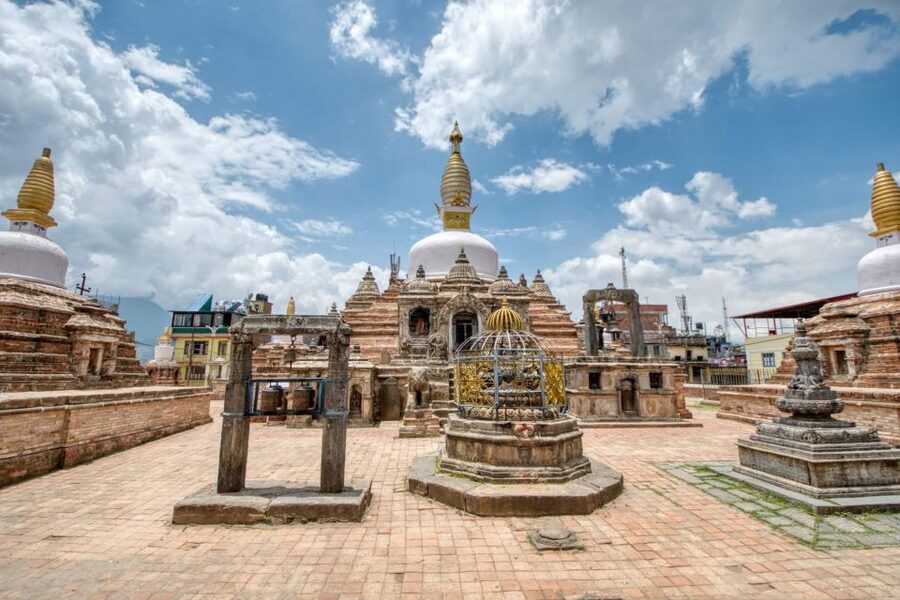
The Theravada Buddhist monastery rounds out the religious stops. It gives you a chance to see a Buddhist institution in Kirtipur rather than only a shrine or stupa.
The tour details do not promise a particular ceremony, meeting with monks, or special event. You should expect a visit as part of the guided sightseeing route. Dress and behave respectfully at all religious sites, and follow your guide’s instructions about where you may walk or take photographs.
This stop is valuable because it broadens the picture of Buddhism in Nepal. The Kathmandu Valley is home to several Buddhist traditions, and this monastery adds a different setting to the older local shrine at Chilancho.
The Newari lunch is more than a quick meal
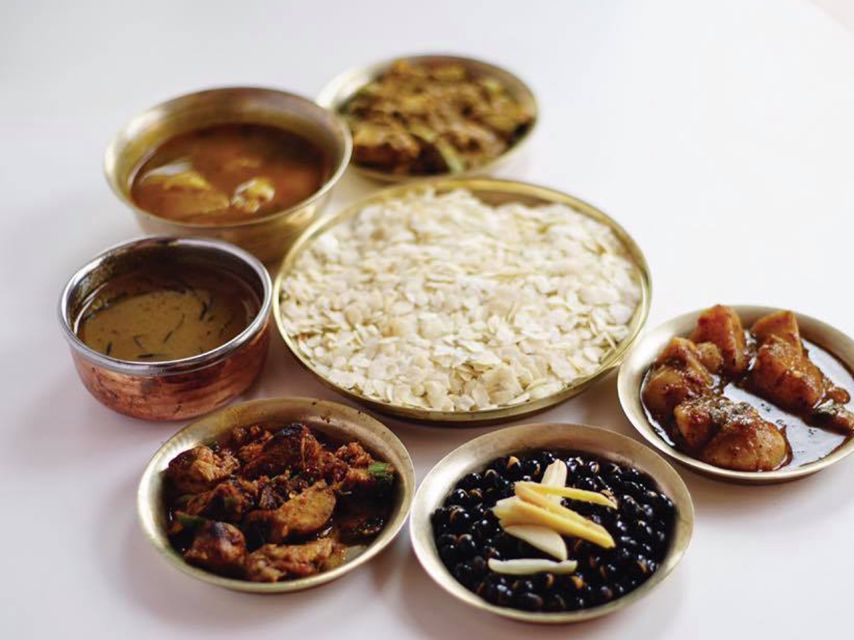
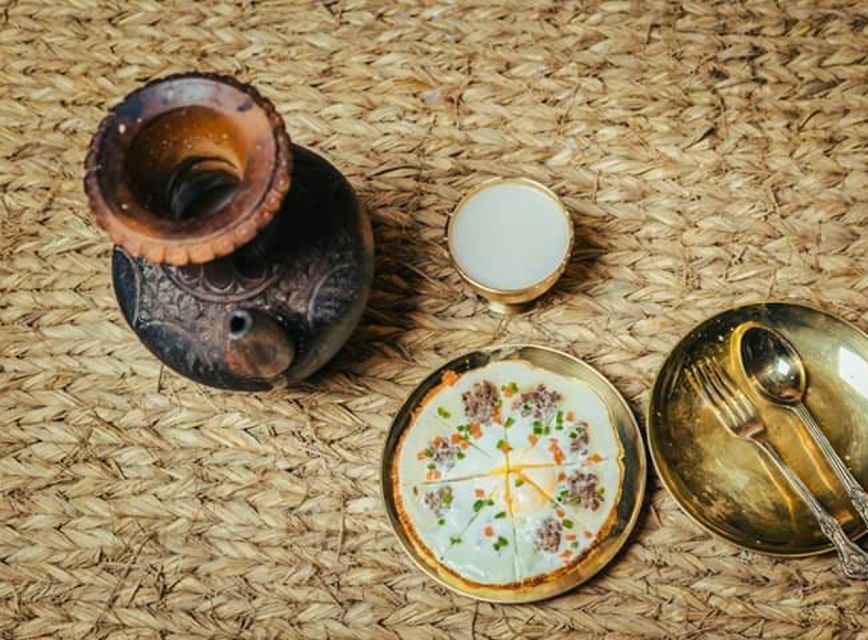
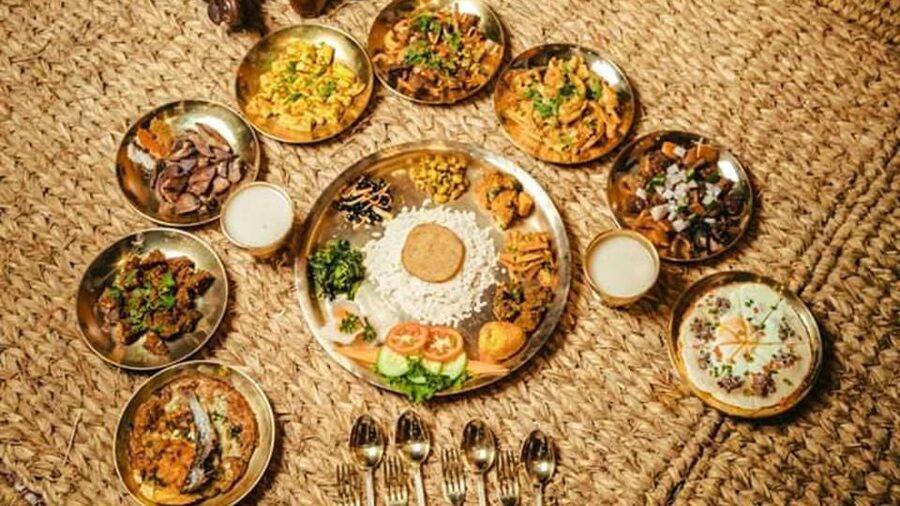
Food is the other major reason to book this outing. A traditional Newari feast is included before you return to Kathmandu, giving you a chance to try one of Nepal’s most distinctive cuisines rather than settling for a familiar tourist meal.
Newari food is known for strong flavors, varied small dishes, and a generous spread. The exact menu is not specified, so you should not book this expecting particular dishes. What you can count on is a Newari lunch as part of the experience, with drinks excluded.
The food can be spicy. If you are sensitive to heat, tell the guide or restaurant staff before eating. It is also wise to carry water or budget for a drink, since beverages are not included in the price.
I like that lunch comes after the walking portion. You have time to see the temples and streets first, then sit down and focus on the food. It gives the outing a clear rhythm: transport, walking, sacred sites, views, and a meal.
A previous booking praised the Newari food, which fits the tour’s strongest idea. Kirtipur is not just a place to look at. The meal connects the town’s cultural identity to something you can taste.
What $120 per person buys you
The price is $120 per person. That is not the cheapest way to reach Kirtipur, especially if you are comfortable hiring a taxi and exploring independently. One booking made exactly that point, suggesting that a taxi could be better value for someone who mainly wants the views and lunch.
The comparison changes if you value convenience and structure. Your price includes private transfer, entrance fees, guide service, and Newari lunch. You do not need to divide taxi costs, search for each entrance, or arrange a restaurant stop yourself.
The private format can also suit couples, families, or small groups who prefer not to follow a large party. You get pickup from your Kathmandu hotel, a planned route, and a return ride within a four-hour window.
Still, the value depends on your priorities. Book it if you want the cultural explanation and the ease of having the day organized. Skip it and take a taxi if you mainly want to reach Kirtipur, see the views, and set your own pace.
One important point: a private group does not guarantee a sparkling guide. Since one booking found the guide repetitive, I would ask focused questions early in the tour. Ask about Newar history, the temples, the food, or the Hindu and Buddhist traditions. That may help turn a flat commentary into a more useful conversation.
Who should book this Kirtipur outing
This tour suits you if you have limited time in Kathmandu and want to add a cultural half-day without arranging every detail. It also works well if you want a private vehicle, a fixed four-hour schedule, and a meal included.
Food-minded visitors will find the Newari lunch especially appealing. The tour is also a good match for anyone interested in architecture, local religious traditions, and old urban settlements rather than only Nepal’s major mountain routes.
You should think twice if you dislike spicy food, have difficulty walking on uneven streets, or want a fully flexible day. It is not suitable for wheelchair users, and large luggage is not allowed.
The language options are English and Japanese. If you need another language, the supplied information does not confirm that it is available.
Free cancellation is offered up to 24 hours before the start time, and you can reserve now and pay later. Those terms help if your Kathmandu schedule may change, but they do not solve the main question: will you value a guided cultural route more than a cheaper independent visit?
Should you book the private Kirtipur trip?
Book this tour if you want an easy introduction to Newari culture, a hilltop walk, four notable religious sites, and a traditional lunch in one compact outing. The valley views and food are the clear strengths, and private transport removes much of the friction.
I would not book it solely for the guide commentary without first confirming what kind of guiding style you prefer. The mixed experience with repetitive explanations is a real consideration. If you are happy to ask questions and mainly want the route, driver, lunch, and views, the package can work well.
For independent visitors, a taxi and self-guided walk may cost less and allow more time. For first-time visitors with only half a day, the $120 price buys convenience and a complete plan. That is the choice in plain terms: pay for ease and a guided cultural overview, or save money and make Kirtipur your own.
FAQ
Where does the Kirtipur tour begin and end?
Pickup and drop-off are offered from hotels inside Kathmandu’s city ring road. The tour returns you to Kathmandu after the Kirtipur visit and lunch.
How long does the experience last?
The tour lasts four hours, including transport, guided sightseeing, walking, free time, and lunch.
What sites are visited in Kirtipur?
The route includes Bagh Bhairab Temple, Chilancho Stupa shrine, Uma Maheshwar Temple, and a Theravada Buddhist monastery.
Is lunch included?
Yes. A traditional Newari lunch is included in the tour price.
Are drinks included with lunch?
No. Drinks are not included, so you should budget separately for beverages.
Can I choose an English-speaking guide?
English-speaking guides are available. Japanese is also listed as an available tour language.
Is the tour private?
Yes. This is a private group experience rather than a shared group tour.
Is the tour suitable for wheelchair users?
No. The activity is not suitable for wheelchair users.
What should I bring?
Bring a passport or ID card, comfortable shoes, sunglasses, and a sun hat. Large bags and luggage are not allowed.
Just added around Kathmandu
- Private Half-Day Tour of Boudhanath and Pashupatinath Temples in Kathmandu★ 4.5 · 9 reviews
- Private Half-Day Tour of Kathmandu Durbar Square and Swayambhunath Temple★ 4.5 · 11 reviews
- Namobuddha Monastery Hiking Day Tour via Panauti from Kathmandu★ 5.0 · 15 reviews
- Private Full-Day Kathmandu City Tour★ 5.0 · 9 reviews
- Private Day Tour in Kathmandu Valley Rim with Bhaktapur Sightseeing★ 5.0 · 3 reviews
- Private Half Day Budhanilkantha Tour★ 5.0 · 6 reviews
- Private Day Tour: Patan and Bhaktapur from Kathmandu★ 4.5 · 6 reviews
- Private Day Tour – Sacred Journey to Namo Buddha★ 5.0 · 5 reviews
Food & Drink, compared.
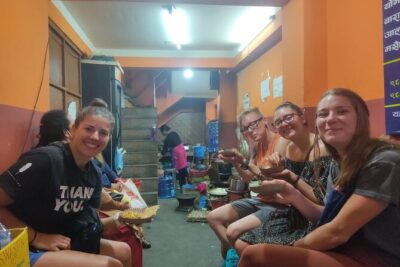
Secret Food Tour – Food Bites and Sights Kathmandu 14+ Testings
Read our review →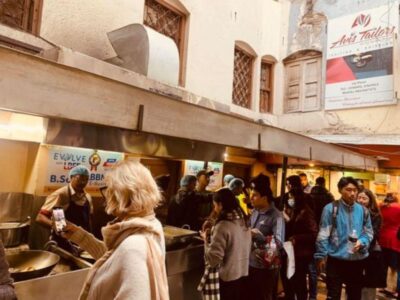
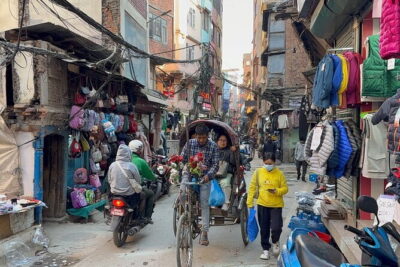
Kathmandu Food & Drink and Shopping Rickshaw Tour
Read our review →
Walking Food Tour in Hidden Local Eateries of Kathmandu
Read our review →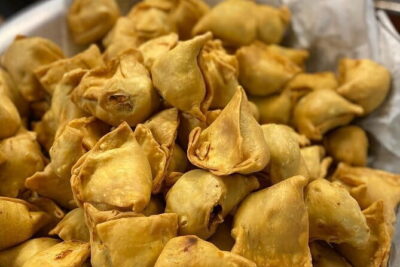
Browse the lists this tour appears in