
Reviewed · FOOD & DRINK
Kathmandu: Food and Drink Walking Tour
Kathmandu is easiest to understand with something warm, spicy, or sweet in your hand. This three-hour walk takes you from one carefully chosen local eatery to the next, with at least nine tastings ranging from momos and noodle soup to panipuri, chhatamari, sweets, and drinks. I like the way Deepak makes unfamiliar shops feel easy to enter, and I like that the food comes with useful context about Newari and Nepali customs. The main drawback is simple: the portions add up fast, so arriving after a full meal would be a mistake.
I also like the tour as a first-night activity. You get a practical introduction to Kathmandu, learn your way around parts of Thamel, and find places you may not choose on your own. If you dislike fried food, eat little meat, or have a restricted diet, tell the guide in advance so the tasting mix can suit you better.
Key points at a glance
- At least nine tastings: The route includes Nepali food, Newari dishes, noodles, dumplings, snacks, desserts, tea, coffee, and other drinks.
- Deepak leads the walk: He explains how dishes are made, where they come from, and what they mean in Nepalese life.
- Thamel is part of the setting: You move through local restaurants, stalls, side streets, and food stops in central Kathmandu.
- A full meal in tasting form: Several people found the quantity large enough to replace dinner, so arrive hungry.
- Good for cautious eaters: The food stops are selected for cleanliness and safety, including places serving street food.
- Useful for solo visitors: The walk is social, but solo bookings can still go ahead, with a guide who keeps the experience comfortable and safe.
Why this Kathmandu food walk works so well
The best part of a food tour is not simply eating dishes you could order from a menu. It is having someone explain what you are looking at, how to eat it, and why it belongs in Kathmandu’s food culture.
That is the role Deepak fills here. He is presented as a local foodie, and his strongest contribution is the running explanation between stops. You can ask about ingredients, preparation, regional differences, and everyday customs rather than receiving a quick name and moving on.
The food also gives you a useful map of Nepal. You may taste familiar South Asian flavors alongside dishes tied more closely to the Kathmandu Valley and Newar communities. That makes the walk more than a restaurant crawl. It is an introduction to how geography, community, and family traditions shape what appears on the plate.
I would book this near the start of a Kathmandu stay. You can return to a favorite place later, recognize dishes on menus, and feel less unsure when you walk into a small local shop by yourself.
A few more Kathmandu trips to weigh up
- Kathmandu Food and Drink Walking Tour
★ 5.0 · 266 reviews - Walking Street Food Tour in Kathmandu
★ 5.0 · 111 reviews - Secret Food Tour – Food Bites and Sights Kathmandu 14+ Testings
★ 5.0 · 82 reviews
Meeting at Kaiser Library and setting out
The stated meeting and drop-off point is Kaiser Library in Kathmandu, with two pickup options shown for the activity. The tour does not include transport to or from the meeting point, so you need to arrange your own way there.
From the information available, much of the route takes place around Thamel. That is useful because Thamel is easy to reach for many people staying in central Kathmandu, but it also means this is not a citywide food expedition. You are exploring a concentrated part of the city on foot, using food stops to look more closely at the streets around you.
The walk can run in the evening, and the departure time is selected when you check availability. An evening route gives Thamel a different feel, with bright signs, busy streets, and food shops operating at full pace. Daytime departures may give you more opportunity to notice temples, shopfronts, and street details.
The walking itself matters. You are not sealed inside a vehicle, rushing between restaurants. You have time to see the transitions between tourist-oriented streets and more local food businesses. Wear comfortable shoes and keep your appetite available for the later stops.
Nine or more tastings, from noodles to momos
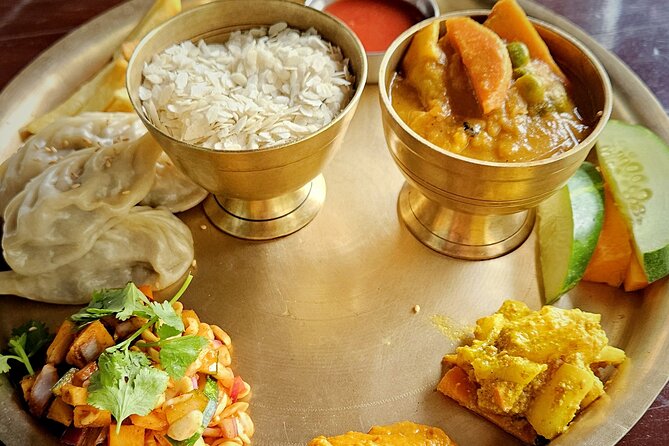
The advertised minimum is nine samplings, but the exact lineup can vary. The food list includes local Nepali dishes, noodles with soup, Nepali momo, pancakes, cookies, donuts, snacks, drinks, tea or coffee, and desserts.
Momos are one of the safest introductions to Nepali food. These savory dumplings are familiar enough for first-time visitors, yet the fillings, sauces, and cooking methods can differ from what you may have eaten elsewhere. One stop may also include paneer momos, giving vegetarians a substantial choice.
The noodle course can be more distinctive. The tour has included buffalo noodles with soup, a useful reminder that Kathmandu food is not limited to the dishes most commonly exported abroad. If you do not eat buffalo or meat, say so before the first tasting.
Chhatamari is another particularly interesting possibility. Often described as a rice pancake, it is closely linked with Newari cooking and can be served with savory toppings. It gives you a sense of the Kathmandu Valley’s own food traditions rather than only the broadly familiar category of curry and rice.
Panipuri brings a different kind of fun. It is a small, crisp snack filled with flavored liquid and other ingredients, usually eaten quickly. It may not suit every palate, but it is exactly the sort of food that can be difficult to order confidently when you are alone and unfamiliar with the shop.
The sweets and small baked items keep the route from becoming one long savory meal. Cookies, donuts, pancakes, and dessert tastings provide changes in texture and flavor. Tea or coffee, lassi, sugar cane juice with lemon, and other drinks add another layer to the route.
Do not assume that nine tastings means nine tiny bites. The supplied details repeatedly describe the food as plentiful, with some people unable to finish every serving. Think of this as a progressive meal spread across several stops, not a few polite samples before dinner.
What makes the local restaurants useful
The food stops are selected from clean and safe restaurants and stalls. That point matters in Kathmandu, where a first-time visitor may hesitate before entering a very local-looking shop or trying street food.
The tour gives you a filter. You do not have to make every decision from a menu, judge hygiene from a doorway, or wonder if you have chosen the right dish. Deepak can explain the food and guide you toward places that fit the route and the group.
That does not mean every bite will suit you. One person may love a rice pancake and yogurt drink but care less for fried street food. Another may prefer the dumplings or noodles. A good food walk should expose you to a range, and this one does. The benefit is discovery, not a promise that every dish will become your favorite.
The restaurants are also part of the experience. Some are described as small and full of character, and several stops are places you might pass without entering by yourself. That is a real advantage over simply booking a meal at a polished restaurant, where the food may be excellent but the sense of place is thinner.
Same mountains, a completely different kind of day:
- Everest Base Camp Trek – 14 Days
★ 5.0 · 1,499 reviews - Private Kathmandu Sightseeing Tour | UNESCO World Heritage sites
★ 5.0 · 756 reviews - Everest Base Camp Helicopter Tour landing at Everest View Hotel
★ 5.0 · 668 reviews - Half day cooking class in Thamel kathmandu
★ 5.0 · 607 reviews
Stories about Newari and Nepali food
Deepak’s explanations are a major reason to choose this tour instead of following a self-guided food list. He talks about the origin of dishes, the way they are prepared, and the people and traditions connected with them.
You can expect the conversation to reach beyond food. The walk may include discussion of Nepalese culture, Kathmandu, local customs, and daily life. That broader talk gives the dishes a setting. A pancake is no longer just a pancake when you understand why it appears in a particular culinary tradition.
Newari food deserves special attention here. The Kathmandu Valley has its own food identity, and dishes such as chhatamari and other regional snacks help you see that Nepal is not one single flavor profile. If you are interested in local culture, ask Deepak to compare Newari cooking with other Nepali traditions.
He also appears comfortable speaking with an international group. The activity lists English, Nepali, Chinese, Hindi, French, Japanese, Russian, German, Korean, and Spanish as available guide languages, though you should confirm your preferred language when booking.
A social walk that can still work for solo visitors
This is designed as a fun, social outing, but it does not depend on arriving with a large group. A solo visitor can still take part, and the guide remains the person connecting you with the food and the city.
That is particularly helpful for people who feel awkward eating alone in a small local restaurant. You can ask questions, share the tasting, and let the guide handle the ordering and explanation. One solo participant on an evening departure felt safe walking through the busy streets with Deepak, which is a useful consideration if you are new to Kathmandu.
The social side is not forced. You may meet people from different countries, but the format leaves room for conversation with the guide as well. Deepak is often described as warm, easy to talk to, and happy to share personal stories. That can make the evening feel more like being shown around by a local acquaintance than attending a formal lecture.
The route has also worked for couples, families, and small groups. If one person has dietary restrictions, mention them clearly. Vegetarian choices are available, and the tasting selection can include meat-free dishes, but the published information does not promise a fully vegetarian or vegan itinerary.
How much food do you really get?
Come hungry is not polite advertising here. It is practical advice.
The combination of nine or more tastings, drinks, sweets, and several substantial dishes can easily cover lunch or dinner. People have described leaving very full and taking a long walk afterward. I would avoid breakfast before a morning departure or keep lunch light before an evening tour.
Pacing helps. Do not rush through the first stop because you are excited. Small restaurants often make food fresh, and you may need room for a noodle dish, dumplings, a rice pancake, snacks, dessert, and drinks still to come.
You can also tell Deepak when you have had enough. The route is meant to be enjoyable, not a contest. If you are not accustomed to large meals, ask for smaller portions where possible and focus on tasting rather than finishing everything.
Because food is central to the experience, this is not the best pick if you want a short sightseeing walk with only one snack. It is also not ideal for someone who prefers to control every ingredient and meal choice. For an adventurous eater who wants a wide sample in one evening, the generous portions are a good value.
Is $28 a fair price?
At $28 per person, this tour sits in the affordable range for a three-hour guided activity, especially since the price includes at least nine food and drink samplings plus a local guide.
The value comes from the combination. If you paid separately for every dish, drink, and dessert, the bill would not be the only cost. You would also spend time choosing restaurants, finding unfamiliar addresses, deciding what to order, and possibly avoiding places that do not feel comfortable.
You are paying for access and interpretation as much as for calories. Deepak helps you cross the gap between seeing a local shop and actually walking in, ordering, and understanding what arrives. For a first visit, that can be worth more than a standard dinner.
Still, keep personal spending separate. Transport to and from the meeting point is not included, and personal expenses are extra. The activity is good value if you want a substantial meal plus cultural explanation. If you are mainly looking for the cheapest way to eat in Kathmandu, eating independently will cost less.
The free cancellation policy allows cancellation up to 24 hours before the activity for a full refund. You can also reserve and pay later, which helps if your Kathmandu schedule depends on flights, trekking plans, or weather.
Timing, walking, and practical comfort
The experience lasts three hours, while the food and walking portion is described as about two and a half hours. Treat the full three hours as the useful planning figure, especially if you have a flight, a show, or a fixed dinner reservation afterward.
You move between stops on foot, so comfortable shoes are more important than smart clothes. Kathmandu streets can be busy, and an evening route may be lively. Stay close to the guide when crossing streets and moving through crowded areas.
Pickup instructions ask you to watch for phone calls, messages, or emails. Keep your contact details current after booking. The tour is listed as wheelchair accessible, but the route passes through streets and food businesses, so it is sensible to confirm the exact meeting and route arrangements if you use a wheelchair.
Rain does not necessarily ruin the experience. The walk has gone ahead in wet weather, with the guide adjusting when a planned place was unexpectedly closed. That flexibility is helpful, though you should still carry suitable rain protection when the forecast looks poor.
Who should book this Kathmandu tour?
I would recommend it to you if you:
- Want a first taste of Nepali and Newari food without guessing what to order.
- Are staying near Thamel and want to learn the area through local eateries.
- Prefer a guided introduction to street food rather than eating from a list alone.
- Enjoy asking questions about culture, ingredients, and daily life.
- Are traveling solo and want a friendly, structured evening.
- Want enough food to replace a meal.
I would be more cautious if you have a severe allergy, a highly restricted diet, or little interest in trying unfamiliar textures. The published information confirms vegetarian options, but it does not provide a complete allergen guide or a fixed menu.
This is also not a sightseeing tour built around major monuments. You may pass temples, markets, shops, and interesting streets, but the food is the main event. Choose it for eating and local conversation, not for a full survey of Kathmandu’s attractions.
My verdict: book it early in your Kathmandu stay
I would book the Kathmandu Food and Drink Walking Tour early, ideally on your first or second day in the city. The mix of food, orientation, and local conversation gives you a helpful start, and you can return to the places you like later.
Deepak is the key part of the experience. His warmth, food knowledge, language skills, and willingness to explain unfamiliar dishes turn a series of restaurant stops into a connected evening. The route is generous, the selected eateries remove some of the worry around street food, and the price is reasonable for a meal-sized tasting tour.
Book it if you want to eat broadly and learn as you go. Skip it if you need a tightly fixed menu, dislike walking between several food stops, or plan to eat a large dinner beforehand.
FAQ
How long does the Kathmandu food tour last?
The activity lasts three hours. The main walking and food portion is described as approximately two and a half hours.
How many tastings are included?
At least nine tastings are included. The selection can include Nepali food, Newari dishes, momos, noodles, pancakes, snacks, sweets, tea, coffee, and other drinks.
Where does the tour meet?
The listed meeting and drop-off point is Kaiser Library in Kathmandu. The activity shows two pickup options, so check the final booking message for your assigned arrangement.
Is transportation included?
No. Transportation to and from the meeting point is not included.
Does the tour include dinner?
The tastings are substantial enough to serve as a full lunch or dinner for many people. You should arrive hungry rather than eating a full meal beforehand.
Is vegetarian food available?
Vegetarian options are available. The published information does not promise that the entire itinerary is vegetarian, so tell the provider about your diet before the tour.
Are the food stops considered safe?
The restaurants are carefully chosen, and the activity states that the food is clean and safe. Some stops may include local restaurants or street food places.
Which languages are available?
Guides may be available in English, Nepali, Chinese, Hindi, French, Japanese, Russian, German, Korean, and Spanish. Confirm your preferred language when booking.
Can I cancel or pay later?
You can cancel up to 24 hours in advance for a full refund. The reserve-now, pay-later option lets you hold a place without paying immediately.
More Walking Tours in Kathmandu
- Walking Food Tour in Hidden Local Eateries of Kathmandu
★ 5.0 · 40 reviews - Kathmandu Walking Tour
★ 5.0 · 36 reviews - Old Kathmandu Walking Tour, Historic World Heritage Durbar Square
★ 5.0 · 22 reviews - Kathmandu: Guided Walking Tour with Monkey Temple
★ 5.0 · 18 reviews
Just added around Kathmandu
- Private Half-Day Tour of Boudhanath and Pashupatinath Temples in Kathmandu★ 4.5 · 9 reviews
- Private Half-Day Tour of Kathmandu Durbar Square and Swayambhunath Temple★ 4.5 · 11 reviews
- Namobuddha Monastery Hiking Day Tour via Panauti from Kathmandu★ 5.0 · 15 reviews
- Private Full-Day Kathmandu City Tour★ 5.0 · 9 reviews
- Private Day Tour in Kathmandu Valley Rim with Bhaktapur Sightseeing★ 5.0 · 3 reviews
- Private Half Day Budhanilkantha Tour★ 5.0 · 6 reviews
- Private Day Tour: Patan and Bhaktapur from Kathmandu★ 4.5 · 6 reviews
- Private Day Tour – Sacred Journey to Namo Buddha★ 5.0 · 5 reviews
Food & Drink, compared.
Secret Food Tour – Food Bites and Sights Kathmandu 14+ Testings
Read our review →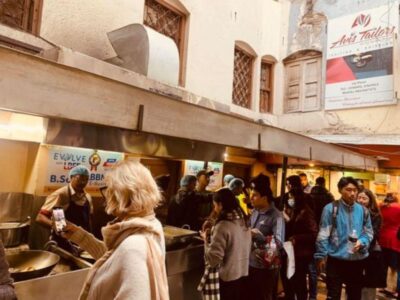
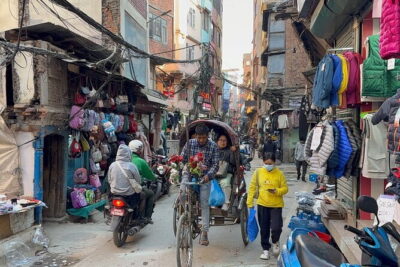
Kathmandu Food & Drink and Shopping Rickshaw Tour
Read our review →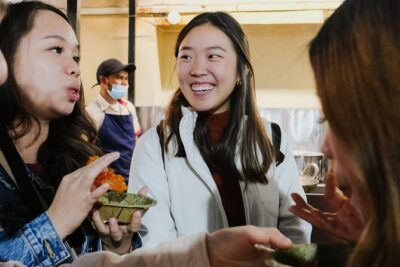
Walking Food Tour in Hidden Local Eateries of Kathmandu
Read our review →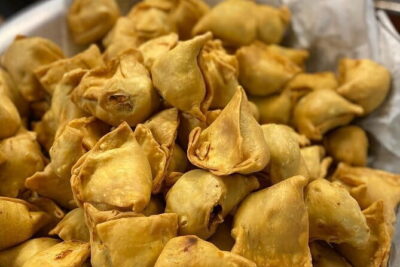
Browse the lists this tour appears in