
Reviewed · FOOD & DRINK
Kathmandu Food and Drink Walking Tour
Kathmandu’s best food often hides behind plain doors, down narrow lanes, or at stalls that can look a little uncertain at first glance. This three-hour walk with Deepak Kushwaha takes you through Thamel, Asan, Jyatha, and Chhetrapati, pairing local dishes with stories about Nepalese culture, religion, history, and daily life.
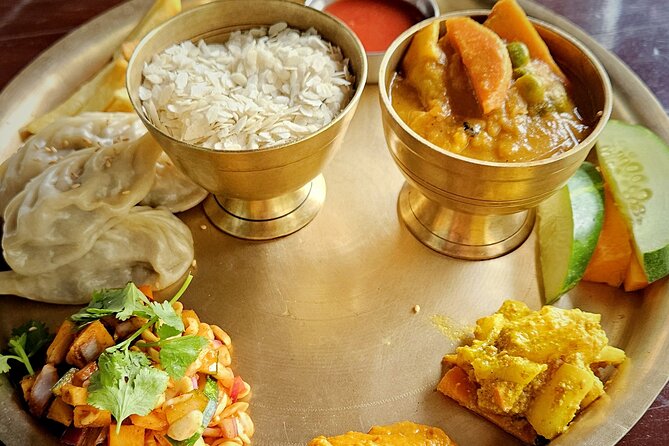
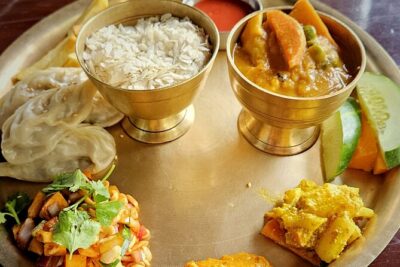
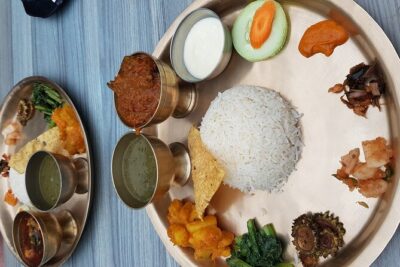
I like two things right away: the generous amount of food, and the mix of street stalls and sit-down eateries. You may try Newari food, momos, noodle soup, pancakes, lassi, sugar cane juice, masala tea, and dessert. The main caution is simple: this is a walking tour through tight lanes and narrow staircases, not an easy stroll for anyone with mobility limits.
Key points to know before booking
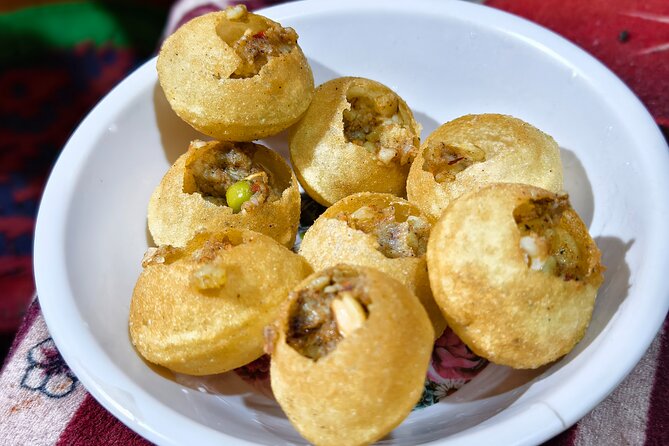
- Expect a full meal, not a few token bites: Some departures include around seven stops and nine dishes, so arrive genuinely hungry.
- Deepak is the central strength: He explains what you are eating, where it comes from, and how it connects to Nepali life.
- The route covers four central Kathmandu areas: Thamel, Asan, Jyatha, and Chhetrapati each bring a different feel and food setting.
- Vegetarians are catered for: Vegetarian options are available at all the reported food stops.
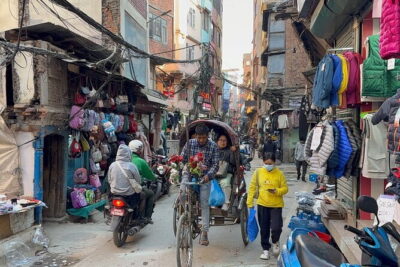
- The setting is practical and local: You walk through crowded streets, narrow lanes, markets, restaurants, and street-food areas rather than polished dining rooms only.
- The price is $36.21 per person: With food, drinks, and a three-hour guided route included, it offers good value if you want both dinner and orientation in one outing.
A food tour that teaches you how Kathmandu eats
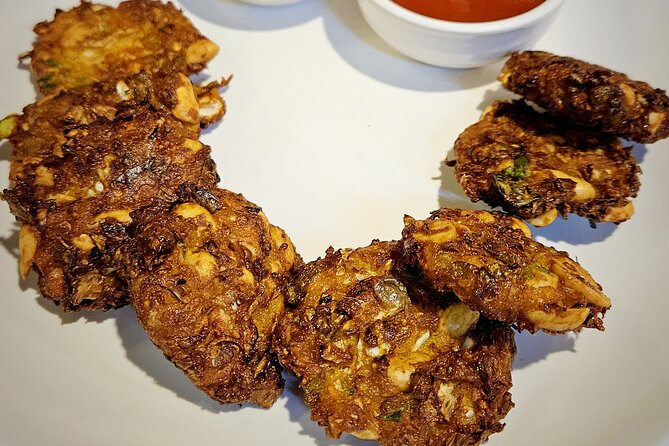
I like food tours best at the start of a trip, before I have formed bad restaurant habits. This one gives you a useful first look at Nepalese cooking while also helping you understand the city’s central neighborhoods.
Deepak does more than point at a plate and name the dish. He explains ingredients, regional differences, food traditions, health benefits, festivals, and the way certain Nepalese foods compare with dishes from other countries. He also welcomes questions about Nepalese politics, religions, culture, and history, so the walk can become a broad introduction to the country.
The food is the main event, but the walking matters. Kathmandu’s central streets can feel chaotic, especially around market areas. A local guide helps you move through them and choose places that may not be obvious to a first-time visitor.
You should not expect luxury. You will walk quite a bit, and some stops are reached through narrow lanes or tight staircases. That rough edge is part of the appeal, but it also makes the tour less suitable for anyone who needs step-free access.
A few more Kathmandu trips to weigh up
- Kathmandu: Food and Drink Walking Tour
★ 4.9 · 119 reviews - Walking Street Food Tour in Kathmandu
★ 5.0 · 111 reviews - Secret Food Tour – Food Bites and Sights Kathmandu 14+ Testings
★ 5.0 · 82 reviews
Starting in Thamel, Kathmandu’s easiest introduction
The tour begins at Kaiser Library on Kanti Path and then heads toward Thamel. Thamel is one of Kathmandu’s busiest visitor areas, packed with shops, cafés, restaurants, travel offices, and narrow side streets.
The food walk gives you a reason to look beyond the trekking shops and souvenir stalls. Deepak leads you toward places you might not notice on your own, explaining how the food fits into the neighborhood and the wider city.
The exact dishes can vary, but the route has included local specialties, street food, and drinks. One particularly useful feature is the chance to compare food served in restaurants with food prepared at smaller street-side spots. You are not simply eating one large meal in one dining room.
Allow about an hour for this part of the route. It is a good length because you have time to eat, ask questions, and get oriented without rushing from one stop to the next.
Thamel is also a practical place to begin a Kathmandu visit. After this stop, you will know the area better and have food ideas to revisit later. The drawback is the traffic and crowds. Streets can be noisy and hard to cross, so stay close to the guide and wear comfortable shoes.
Asan brings markets, spices, and everyday Kathmandu
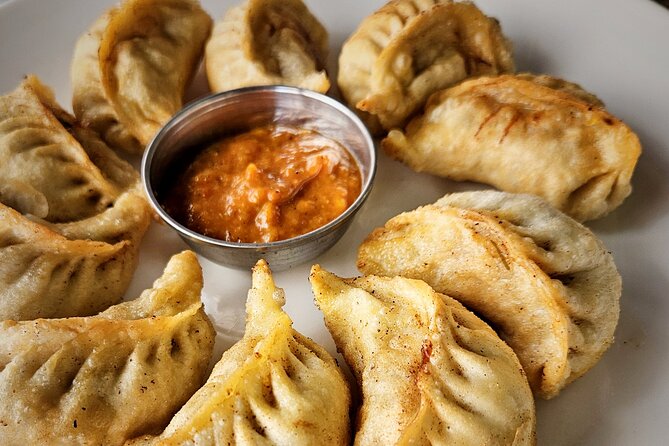
From Thamel, the route continues to Asan, with about 30 minutes assigned to the stop. Asan is known for its market activity, and this is where the tour’s food-and-city connection becomes especially clear.
You may see spices, produce, grains, and other goods moving through the area. The point is not just to taste a finished dish. You get a glimpse of the ingredients and trade that support Kathmandu’s cooking.
Asan helps explain why food in Nepal is not one single cuisine. Kathmandu sits at a meeting point of communities and traditions, and the dishes served around the city reflect that mix. Deepak uses the food as a way to discuss regional cooking and cultural practice.
This section is short, so do not expect a long market lecture or a full shopping excursion. It works better as a compact stop between tastings. You will be walking through active streets rather than browsing a quiet market designed for visitors.
If you are taking the tour during the rainy season, carry suitable rain protection. The route can still work in wet weather, but poor weather may lead to cancellation, with a different date or a full refund offered.
Jyatha adds local flavor away from the main flow

The Jyatha stop lasts about 30 minutes and continues the food focus through another central Kathmandu area. Here, Deepak guides you through the local food scene and points out places you would be unlikely to choose without a local connection.
This is one of the strongest reasons to book a guided food walk rather than simply follow a restaurant list. A first-time visitor may hesitate at a plain entrance or a crowded counter. With Deepak, you can focus on tasting and learning instead of wondering if you have chosen the right place.
The route has included both traditional dishes and drinks. Examples from past menus include momos, noodle soup, pancakes, lassi, sugar cane juice, and masala tea. You may also encounter regional dishes that are unfamiliar even if you have already spent time in Nepal.
The portions are not always tiny. One departure included enough food across several stops to leave the participant needing a long nap afterward. That makes the tour excellent value for a hungry eater, but less appealing if you prefer a light tasting menu.
A small criticism is worth noting. At least one departure served three dishes at the same venue, and one person felt the experience would have been better with each dish served at a different stop. That is a fair point. The route is varied overall, but you should not assume every plate comes from a new restaurant.
Same mountains, a completely different kind of day:
- Everest Base Camp Trek – 14 Days
★ 5.0 · 1,499 reviews - Private Kathmandu Sightseeing Tour | UNESCO World Heritage sites
★ 5.0 · 756 reviews - Everest Base Camp Helicopter Tour landing at Everest View Hotel
★ 5.0 · 668 reviews - Half day cooking class in Thamel kathmandu
★ 5.0 · 607 reviews
Chhetrapati finishes with a long final food stretch
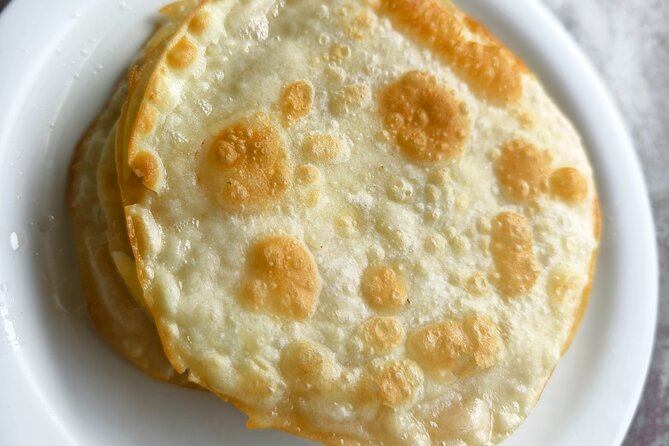
Chhetrapati receives about an hour, making it the longest named stop on the route. This historic neighborhood is made up of narrow streets and older alleyways, with food traditions meeting the modern city around them.
The final section gives you time to slow down and eat properly. The tour may finish with a dessert, and food examples have ranged from savory Newari dishes to sweets and drinks. A dessert ending is useful because the meal feels complete rather than like a series of disconnected samples.
This is also where the walking earns its keep. Several substantial tastings can be a lot in three hours, so the route between stops gives you time to digest. Think of the tour as a moving meal, not a quick snack crawl.
The exact total depends on the departure, but past experiences have included five to seven places and roughly nine dishes. Vegetarian eaters have been well served, with suitable choices at each stop. If you have other dietary needs, the provided information does not promise specific alternatives, so ask before booking.
The tour returns to the starting point at Kaiser Library. That makes planning easy, especially if you are staying in or near central Kathmandu. Private pickup and drop-off transportation is not included, even though pickup is listed as offered, so confirm the arrangement rather than assuming a private vehicle will collect you.
What you may eat and drink
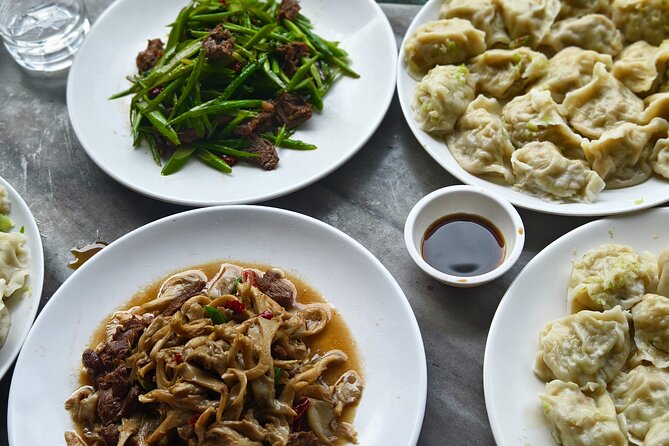
The experience does not present a fixed menu in the supplied details, and food can change. Still, the examples give you a clear idea of the range.
You may encounter:
- Newari specialties
- Momos
- Noodle soup
- Pancakes
- Lassi
- Sugar cane juice
- Masala tea
- Coffee or tea
- Snacks and dessert
This range is more useful than a narrow momo-only tour. Momos are essential, of course, but Nepalese food has much more to offer. Newari dishes in particular help show the distinct food culture of the Kathmandu Valley.
The drinks are not an afterthought. Lassi adds a cool, creamy contrast to savory food, while sugar cane juice and masala tea bring different textures and flavors. Coffee and tea are also listed among the inclusions.
Come hungry, but do not arrive after a huge breakfast or lunch. The best plan is a modest meal earlier in the day, then leave room for the route. The food is included, and the portions can be substantial enough to replace a full meal.
Why Deepak makes the route more useful
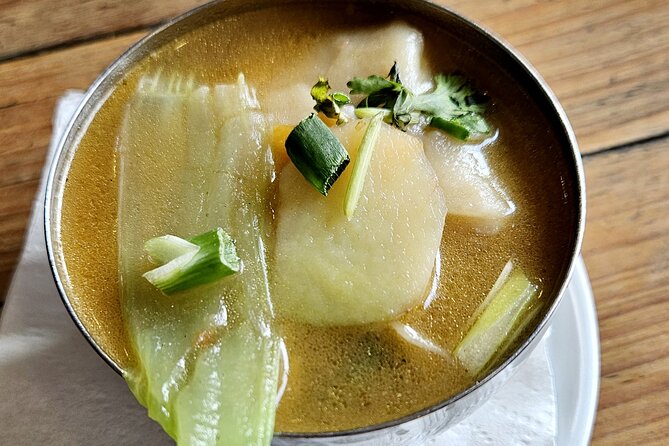
Deepak’s role is not just to lead you from one restaurant to the next. He provides context, keeps the group moving through difficult streets, and helps you understand what is on the plate.
He is described as warm, funny, communicative, and easy to talk with. He has also shared photographs and a list of dishes with descriptions after the tour, which is a practical extra if you want to remember what you ate or find similar food later.
His personal food choices are another advantage. The route includes places that many visitors would pass by, and the food is not limited to the most obvious tourist dishes. If you have already spent several weeks in Nepal, you may still find something new.
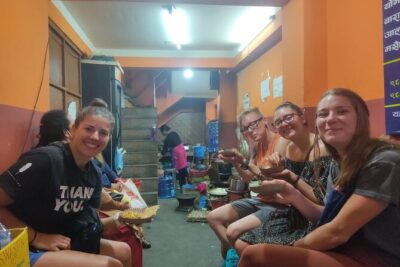
The guide also adjusts the pace to the group. That matters on a food tour because rushing makes it hard to ask questions or enjoy a dish. At the same time, do not expect a private tour unless your booking specifically says so. The maximum group size is listed as 100 people, so check the expected group arrangement if a small group is important to you.
Price, timing, and what the $36.21 covers
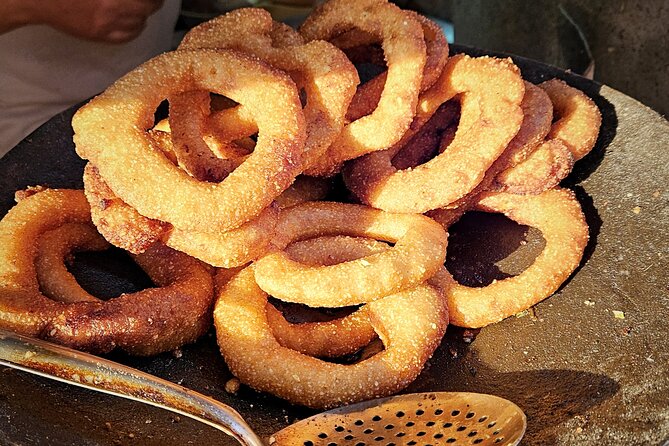
At $36.21 per person, the tour is priced as a meal, a walking route, and a local guide in one package. That is good value if you would otherwise pay separately for several dishes, drinks, and an evening meal.
Included items cover coffee or tea, brunch, dinner, snacks, lunch, and bottled water. The wording is broad, but the practical meaning is clear: you should not need to buy the planned food and drinks along the route.
Personal expenses and tips are not included. Bring some money for anything outside the planned tastings, and budget separately for a gratuity if Deepak’s service meets your expectations.
The activity lasts about three hours. It is long enough to provide a serious introduction to Kathmandu food without taking an entire day away from sightseeing. It can fit well on your first or second day, when you still want help finding your way around the center.
The meeting point is Kaiser Library, P878+H4G, Kanti Path, Kathmandu 44600. The activity ends back there, so you can plan your next stop from the same central area.
Who will enjoy this Kathmandu food walk
I would recommend this experience most strongly if you:
- Want an introduction to Nepalese food early in your visit
- Like eating several dishes rather than ordering one meal
- Prefer local eateries and street food to formal dining
- Enjoy learning about culture while you eat
- Want a guide to handle confusing central streets
- Eat vegetarian food
- Have enough mobility for extended walking, narrow lanes, and stairs
It is less suitable if you want a polished culinary class, a luxury restaurant tour, or a carefully controlled tasting menu. It may also be tiring for anyone with mobility issues because of tight staircases and uneven, crowded routes.
Service animals are allowed, and the meeting area is near public transportation. Most people can participate, but the walking conditions deserve more attention than the general participation note suggests.
Cancellation and weather details to keep in mind
You can cancel up to 24 hours before the start time for a full refund. Changes or cancellations made within 24 hours are not accepted for a refund.
The experience requires good weather. If poor weather causes cancellation, you are offered another date or a full refund. This is especially relevant during monsoon season, when rain can affect walking conditions even if the food stops remain open.
Should you book the Kathmandu Food and Drink Walking Tour?
Yes, if you want a filling, informal introduction to Kathmandu food and culture for $36.21. The strongest reasons are the variety of dishes, the mix of restaurants and street food, and Deepak’s ability to explain both the meal and the city around it.
Book it near the beginning of your stay so you can use the restaurant suggestions afterward. Arrive hungry, wear shoes suited to narrow streets, and expect a real meal rather than a handful of samples.
Skip it if you need step-free access, dislike crowded streets, or want a short, refined tasting. For most curious eaters who can handle the walking, this is a practical way to get past the familiar momo stereotype and taste a wider slice of Nepal.
FAQ
How long does the Kathmandu Food and Drink Walking Tour last?
The tour lasts approximately three hours.
Where does the tour begin?
It begins at Kaiser Library, P878+H4G, Kanti Path, Kathmandu 44600, Nepal.
Where does the tour end?
The activity ends back at the meeting point at Kaiser Library.
What neighborhoods does the tour visit?
The named stops are Thamel, Asan, Jyatha, and Chhetrapati.
What food and drinks are included?
Included items are coffee or tea, brunch, dinner, snacks, lunch, and bottled water. Food examples associated with the experience include Newari dishes, momos, noodle soup, pancakes, lassi, sugar cane juice, masala tea, and dessert.
Is the tour suitable for vegetarians?
Yes. Vegetarian options are available at all reported food stops.
Is transportation included?
Private transportation for pickup and drop-off is not included. Pickup is offered, but you should confirm the arrangement when booking.
What is the cancellation policy?
You receive a full refund if you cancel at least 24 hours before the start time. Cancellations or changes within 24 hours are not refunded. If poor weather causes the tour to be canceled, you are offered a different date or a full refund.
More Walking Tours in Kathmandu
- Walking Food Tour in Hidden Local Eateries of Kathmandu
★ 5.0 · 40 reviews - Kathmandu Walking Tour
★ 5.0 · 36 reviews - Old Kathmandu Walking Tour, Historic World Heritage Durbar Square
★ 5.0 · 22 reviews - Kathmandu: Guided Walking Tour with Monkey Temple
★ 5.0 · 18 reviews
Just added around Kathmandu
- Namobuddha Monastery Hiking Day Tour via Panauti from Kathmandu★ 5.0 · 15 reviews
- Private Half-Day Tour of Boudhanath and Pashupatinath Temples in Kathmandu★ 4.5 · 9 reviews
- Private Half-Day Tour of Kathmandu Durbar Square and Swayambhunath Temple★ 4.5 · 11 reviews
- Private Full-Day Kathmandu City Tour★ 5.0 · 9 reviews
- Private Day Tour in Kathmandu Valley Rim with Bhaktapur Sightseeing★ 5.0 · 3 reviews
- Private Half Day Budhanilkantha Tour★ 5.0 · 6 reviews
- Private Day Tour: Patan and Bhaktapur from Kathmandu★ 4.5 · 6 reviews
- Private Day Tour – Sacred Journey to Namo Buddha★ 5.0 · 5 reviews
Food & Drink, compared.
Secret Food Tour – Food Bites and Sights Kathmandu 14+ Testings
Read our review →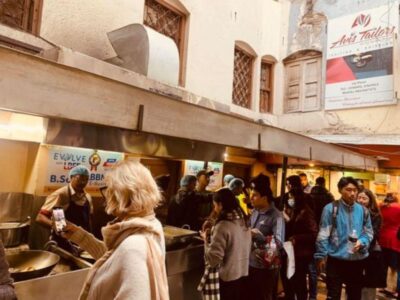
Kathmandu Food & Drink and Shopping Rickshaw Tour
Read our review →
Walking Food Tour in Hidden Local Eateries of Kathmandu
Read our review →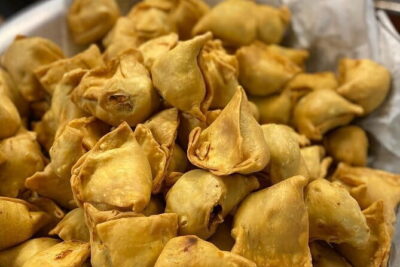
Browse the lists this tour appears in