
Reviewed · WALKING TOURS
Oldest Local Market Walking Tour With Living Goddess Kumari
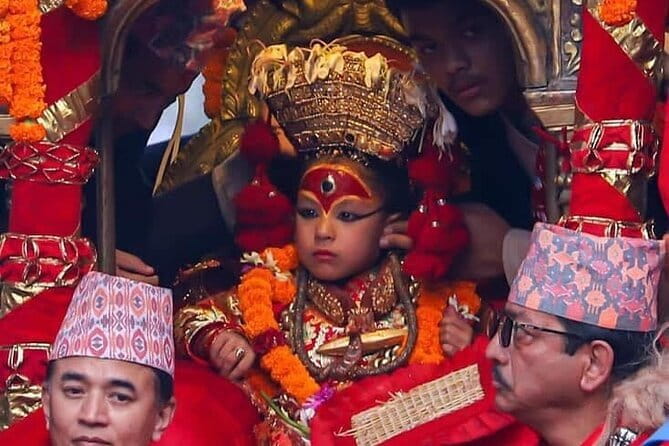
The most unusual part of this Kathmandu walk is the chance to see the Kumari, a young girl honored as the living form of the goddess Taleju. Her home, Kumari Ghar, sits within Kathmandu Durbar Square, so the visit joins a major historic site with a living religious tradition that is still part of daily life.
I like the way this tour links two very different sides of Kathmandu: Ason market, where people shop for spices, cloth, and everyday goods, and the royal square, where temples, courtyards, and palace buildings tell a much older story. I also like the compact two-hour format and the English-speaking guide, especially if you want a first look at the city without committing to a full-day outing.
The main consideration is the extra Kathmandu Durbar Square entry fee of 1,000 Nepalese rupees. The $39 price covers the guide, taxes, and bottled water, but not food, drinks, personal purchases, or admission. The walk also packs a lot into two hours, so you should expect a focused introduction rather than a slow, detailed study of every corner.
Key points at a glance
- Meet at Chhaya Devi Complex: The walk begins at the main gate on the Thamel side, making it practical for visitors staying in or near Thamel.
- Shop and watch daily life in Ason: The old market area offers spices, textiles, souvenirs, shops, stalls, and traditional buildings.
- See Kathmandu Durbar Square: Palaces, temples, and courtyards provide the setting for the tour’s historical and religious focus.
- Look for the Kumari: Kumari Ghar is associated with the prepubescent girl regarded as the living embodiment of Taleju.
- Learn about two faiths: The guide explains elements of Hinduism and Buddhism as you move through central Kathmandu.
- Keep the plan simple: The two-hour route returns to Chhaya Center and includes an English-speaking guide and bottled mineral water.
Starting from Chhaya Center in Thamel
Your meeting point is the main gate side of Chhaya Devi Complex at Thamel’s Chhaya Center. That is a useful starting place because Thamel is one of Kathmandu’s main visitor areas, and many hotels, restaurants, and shops are nearby.
The tour does not list private transport, so plan on a walking experience from the start. Wear shoes that feel good on city streets, and keep your belongings secure in crowded market areas. You are not being driven from sight to sight. The point is to move through central Kathmandu at street level, where the change from tourist quarter to working market becomes part of the experience.
The tour lasts two hours and begins and ends at Chhaya Center. That makes it easy to fit around a morning arrival, an afternoon plan, or an evening meal. It also limits the amount of time available for long stops, so I would treat this as a well-focused orientation rather than a leisurely photography walk.
An English-speaking guide leads the experience. Santos is one guide connected with the tour, and a past guest specifically praised his clear communication and detailed explanations. The available feedback also points to an informative style, which matters here because Ason and Durbar Square can be confusing without someone to explain what you are seeing.
A few more Kathmandu trips to weigh up
- Kathmandu Secret Food Crawl & Local Market Tour
★ 4.7 · 54 reviews - Kathmandu Food Crawl & Market Tour
★ 5.0 · 26 reviews - Best Nepali Cooking Class in Thamel with Local Market Trip
★ 5.0 · 26 reviews
Ason market, Kathmandu’s street-level introduction
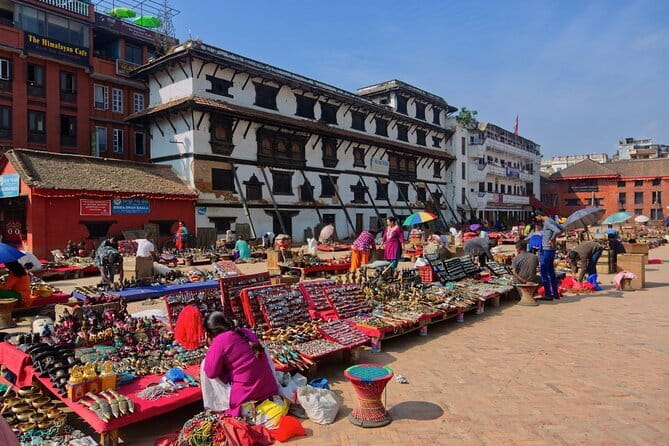
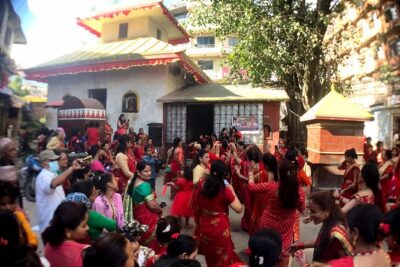
Ason is described as Kathmandu’s oldest local market area. Its appeal is not one single monument. It is the mix of shops, stalls, traditional architecture, and ordinary buying and selling that gives the area its character.
You can expect to find goods such as spices, textiles, and souvenirs. That makes Ason a useful place to begin if you want to understand Kathmandu beyond its postcard buildings. The market shows how religion, commerce, and city life sit close together. A shop selling household goods may be only a short walk from a shrine or an old temple facade.
I like this part of the route because it gives you something active to watch. You can look at the colors and textures of the goods, note the narrow streets, and see how local shopping works. It is also a better setting for learning about Kathmandu’s daily rhythm than a quiet monument visited in isolation.
You should keep your expectations practical. The tour does not include a food tasting or a shopping allowance, and meals and beverages are not included. You can enjoy the market without buying anything, but bring money if you want spices, cloth, souvenirs, or other personal items. Since the walk is guided and only two hours long, this is not designed as a dedicated shopping excursion.
The market also sets up the religious part of the tour. Kathmandu is not divided neatly into separate Hindu and Buddhist zones. The route gives you a chance to see how both traditions shape the city’s public spaces and historic buildings. Your guide’s explanations are likely to be most useful here, since the meaning of a shrine or symbol may not be clear from its appearance alone.
Reaching Kathmandu Durbar Square
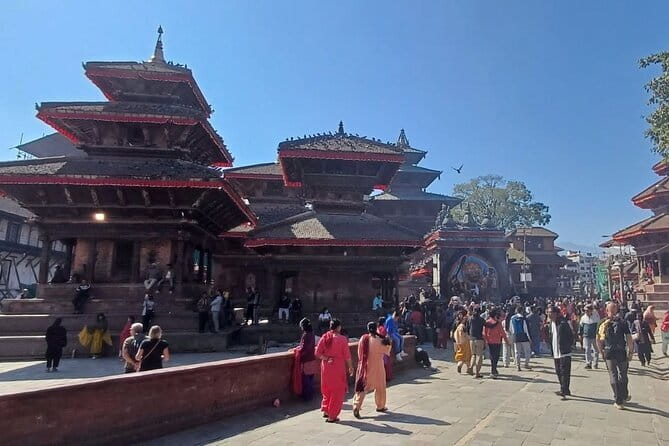
The walk continues to Kathmandu Durbar Square, one of the major historic places in Kathmandu. The square contains palaces, temples, and courtyards, with architecture that reflects the long story of the Kathmandu Valley.
This is the grander section of the tour. Ason gives you the feel of a working market, while Durbar Square gathers royal and religious buildings into one concentrated area. The contrast helps you understand the city: Kathmandu is not only a collection of old monuments, and it is not only a busy modern capital. Both sides appear within the same short route.
The square is also where the tour’s religious focus becomes clearest. The guide explains Hinduism and Buddhism as part of the visit, helping you read the space with more care. You may see buildings that serve as historic landmarks, active religious settings, or both. The experience is more rewarding if you listen closely instead of treating the square as a backdrop for quick photographs.
Admission to Kathmandu Durbar Square costs 1,000 Nepalese rupees and is not included in the $39 tour price. This is the most important cost to add when comparing the experience with other Kathmandu walks. The tour covers an English-speaking guide, government taxes and VAT, and one bottle of mineral water, but you pay the site fee separately.
The square deserves time, yet the full experience lasts only two hours and includes Ason. That means the guide has to keep the route moving. If you want a slow inspection of every temple, palace, and courtyard, you may prefer to return on your own for a longer visit. If you want a compact first introduction with a guide, the pace should suit you better.
The Kumari and Kumari Ghar
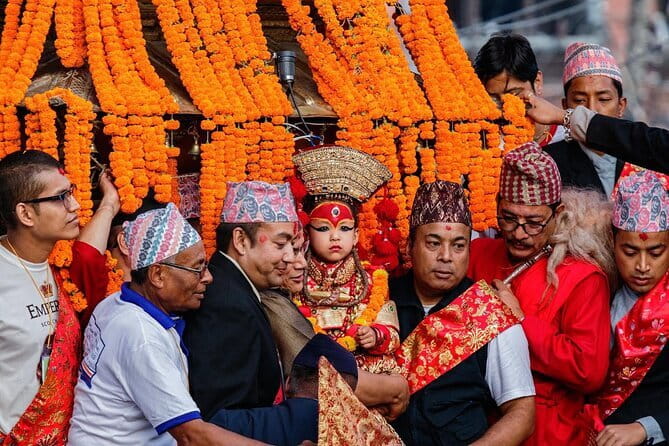
The central reason many people choose this walk is the chance to see the Kumari, commonly called Nepal’s living goddess. In Nepalese tradition, the Kumari is a prepubescent girl regarded as the living embodiment of Taleju, a goddess with an important place in the country’s religious beliefs.
She resides in Kumari Ghar in Kathmandu Durbar Square. The building is therefore more than a stop on a sightseeing route. It connects the architecture of the square with a tradition that remains meaningful to Nepalese culture.
For you, the visit may be brief, and the setting calls for respect. The Kumari is not a performer waiting to entertain a tour group. Approach the experience as a religious encounter, not a theatrical attraction. Listen to your guide about local customs and follow any instructions about photography, noise, or where to stand.
One past visitor described the Kumari’s gaze as impressive and felt honored by the visit. That reaction captures the unusual nature of the stop: the experience is less about a long activity and more about a striking moment within a place of worship and tradition.
The tour description centers on witnessing the Living Goddess, but it does not promise a long appearance or explain the exact viewing conditions. For that reason, I would choose this tour if you value the chance to encounter the tradition, not if you need a guaranteed, extended presentation. The cultural importance is in the setting and the belief itself, even if the actual moment is short.
Same mountains, a completely different kind of day:
- Everest Base Camp Trek – 14 Days
★ 5.0 · 1,499 reviews - Private Kathmandu Sightseeing Tour | UNESCO World Heritage sites
★ 5.0 · 756 reviews - Everest Base Camp Helicopter Tour landing at Everest View Hotel
★ 5.0 · 668 reviews - Half day cooking class in Thamel kathmandu
★ 5.0 · 607 reviews
Hindu and Buddhist traditions in one walk
A major strength of this experience is the chance to learn about Hinduism and Buddhism together. Kathmandu’s religious life cannot always be understood through a simple division between the two faiths. Historic squares, shrines, temples, and courtyards may carry layers of meaning that are easy to miss when you explore alone.
A guide gives you a frame for what you see. Instead of only noticing carved doors or old roofs, you can ask what a building is used for, which tradition it relates to, and how the Kumari fits into the wider religious life of the city.
This is where the quality of communication matters most. The available feedback includes strong praise for the guide’s detailed explanations and clear manner. Santos is specifically associated with one highly rated tour, while the experience is presented as an English-language guided walk rather than a self-guided audio route.
Still, keep the scope in mind. Two hours is enough for an introduction, not a full course in Nepalese religion. The value comes from getting the key ideas in the right places, then having enough context to explore further on your own.
What the $39 price really covers
At $39 per person, the tour sits in the moderate price range for a short guided city walk. Its value depends on what you want from your time in Kathmandu.
You are paying for an English-speaking guide, government taxes and VAT, and bottled mineral water. You are also paying for a planned route that combines Ason, Kathmandu Durbar Square, and the Kumari tradition. For a first visit, that combination gives you several different experiences without requiring you to arrange each stop yourself.
The price does not include the 1,000 Nepalese rupee Durbar Square admission fee. Meals, beverages, and personal expenses are also separate. If you plan to shop in Ason, your spending can rise beyond the advertised tour price.
I think the price makes the most sense for solo visitors, couples, and small groups who want interpretation rather than only directions. If you are comfortable navigating Kathmandu alone and mainly want to see the square, you could save money by visiting independently. You would, however, lose the guide’s explanations about the market, Hinduism, Buddhism, and the Kumari.
The reserve-now-and-pay-later option also gives you some planning flexibility. You can hold a place without paying immediately, and cancellation is allowed up to 24 hours before the activity for a full refund. Check the available starting times before booking, since the exact departure time is not fixed in the information provided.
Who will enjoy this two-hour route
I would recommend this walk to first-time visitors who want a clear introduction to central Kathmandu. It suits you if you like history, religious traditions, markets, and walking at a purposeful pace.
It is also a good match if the Kumari is high on your Nepal wish list. The tour puts that visit at the heart of a broader route, so you get more than a single stop at Kumari Ghar.
You may also enjoy it if you want to understand the city before taking on longer outings. Ason gives you a useful sense of everyday Kathmandu, while Durbar Square provides the major historic setting. Together, they help you decide what deserves more of your own time later.
This tour may be less suitable if you want a food tour, a long shopping session, or a full architectural study. Nothing in the package covers meals or drinks, and two hours is not enough for an unhurried examination of every structure in the square. It is also not the right choice if you prefer a private vehicle, since the experience is presented as a walking tour beginning and ending at Chhaya Center.
Practical tips for a smoother visit
Arrive at the main gate side of Chhaya Devi Complex with enough time to find the meeting point. The tour starts and ends there, so note the location before you set out.
Wear comfortable walking shoes. The tour moves between a market and a historic square, and its value comes from seeing the streets along the way rather than rushing directly between attractions.
Bring water if you prefer more than the one included bottle. Since meals and beverages are not covered, plan food before or after the walk.
Keep 1,000 Nepalese rupees available for Kathmandu Durbar Square admission. That fee is separate from the tour price and should be part of your budget from the start.
Bring a respectful attitude to Kumari Ghar. Listen to the guide’s instructions and avoid treating the Kumari as a photo opportunity. The visit is tied to religious belief and should be approached with care.
If you want to buy spices, textiles, or souvenirs in Ason, set aside a little extra time or money. The guided portion may not allow for extended browsing at every stall.
How the experience compares with a self-guided visit
You can certainly walk through Ason and Kathmandu Durbar Square without a guide. The advantage of this tour is not simply reaching the places. It is having someone explain how the market, royal square, Hindu traditions, Buddhist traditions, and Kumari Ghar connect.
A self-guided visit gives you more freedom to stop, shop, photograph, or return to a favorite building. The guided route gives you structure and saves the work of deciding where to go first. For many first-time visitors, that structure is worth paying for.
The tradeoff is time. A guide-led route covering several major subjects in two hours will feel efficient. It will not give you unlimited time at the market or square. I would use this tour as an opening chapter, then return independently if one part catches your interest.
Should you book the Kumari and Ason walk?
Book it if you want a short, guided introduction to Kathmandu that combines daily market life with living religious tradition. The route is especially appealing if seeing the Kumari matters to you and you want context rather than a quick, unexplained stop.
The guide’s role is central, and the available feedback gives particular weight to clear, detailed communication, with Santos receiving specific praise. Add the 1,000 rupee entry fee to your budget, accept that the schedule is compact, and treat the Kumari visit with respect.
Skip it if you want a relaxed shopping tour, a meal-based experience, or several hours inside Durbar Square. For everyone else, the $39 fee offers a sensible way to meet Kathmandu through its streets, sacred places, and one of Nepal’s most distinctive living traditions.
FAQ
Where does the tour begin?
The tour begins at the main gate side of Chhaya Devi Complex at Thamel, Kathmandu.
Where does the tour end?
The walk returns to Chhaya Center.
How long does the experience last?
The tour lasts two hours. Starting times depend on availability.
Is an English-speaking guide included?
Yes. An English-speaking live tour guide is included.
Is the Kathmandu Durbar Square entry fee included?
No. Kathmandu Durbar Square admission costs 1,000 Nepalese rupees and is paid separately.
What is included in the $39 price?
The price includes an English-speaking tour guide, government taxes and VAT, and one bottle of mineral water.
Can I cancel for a full refund?
Yes. You can cancel up to 24 hours in advance for a full refund. You can also reserve now and pay later.
More Walking Tours in Kathmandu
- Kathmandu Food and Drink Walking Tour
★ 5.0 · 266 reviews - Kathmandu: Food and Drink Walking Tour
★ 4.9 · 119 reviews - Walking Street Food Tour in Kathmandu
★ 5.0 · 111 reviews - Walking Food Tour in Hidden Local Eateries of Kathmandu
★ 5.0 · 40 reviews
Just added around Kathmandu
- Private Half-Day Tour of Boudhanath and Pashupatinath Temples in Kathmandu★ 4.5 · 9 reviews
- Private Half-Day Tour of Kathmandu Durbar Square and Swayambhunath Temple★ 4.5 · 11 reviews
- Namobuddha Monastery Hiking Day Tour via Panauti from Kathmandu★ 5.0 · 15 reviews
- Private Full-Day Kathmandu City Tour★ 5.0 · 9 reviews
- Private Day Tour in Kathmandu Valley Rim with Bhaktapur Sightseeing★ 5.0 · 3 reviews
- Private Half Day Budhanilkantha Tour★ 5.0 · 6 reviews
- Private Day Tour: Patan and Bhaktapur from Kathmandu★ 4.5 · 6 reviews
- Private Day Tour – Sacred Journey to Namo Buddha★ 5.0 · 5 reviews
Walking Tours, compared.
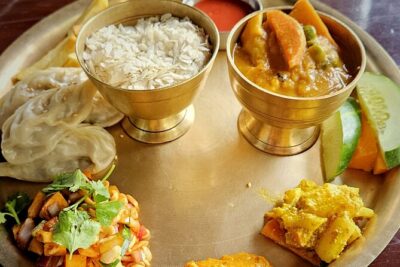
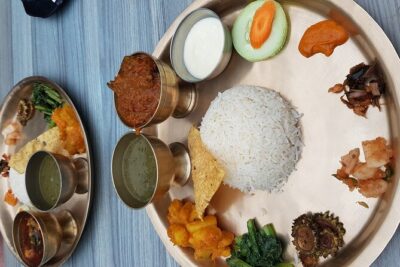

Walking Food Tour in Hidden Local Eateries of Kathmandu
Read our review →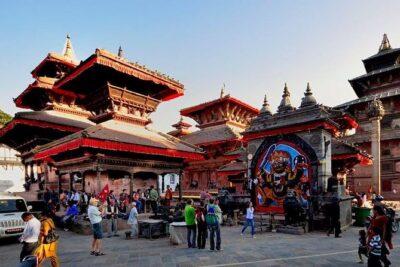
Old Kathmandu Walking Tour, Historic World Heritage Durbar Square
Read our review →

Full-Day Safari Canoeing and Jungle Walk and Jeep
Read our review →Browse the lists this tour appears in