
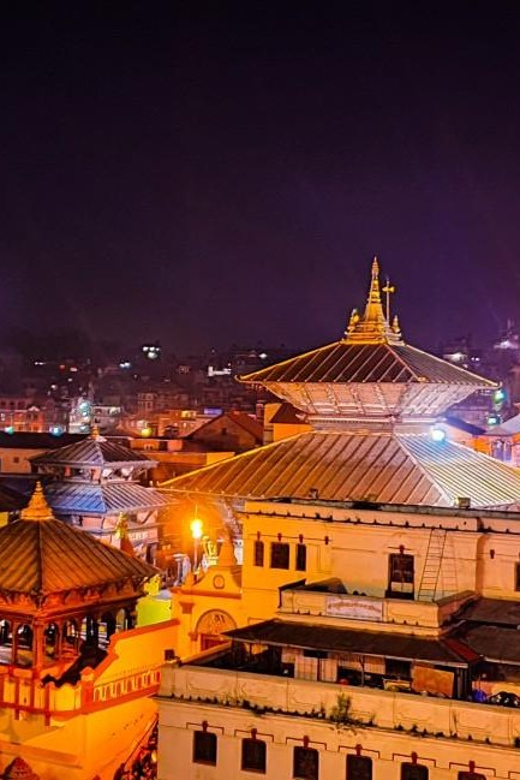
Reviewed · UNESCO WORLD HERITAGE TOURS
Kathmandu: Pashupatinath Temple Evening Aarati Tour
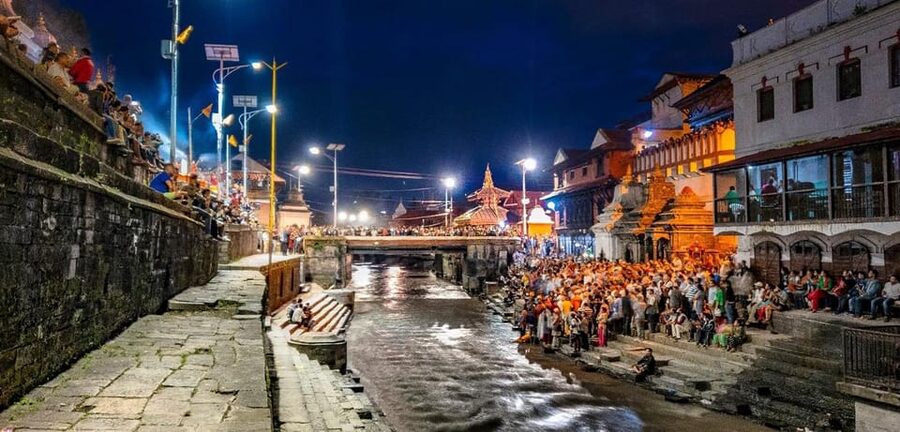
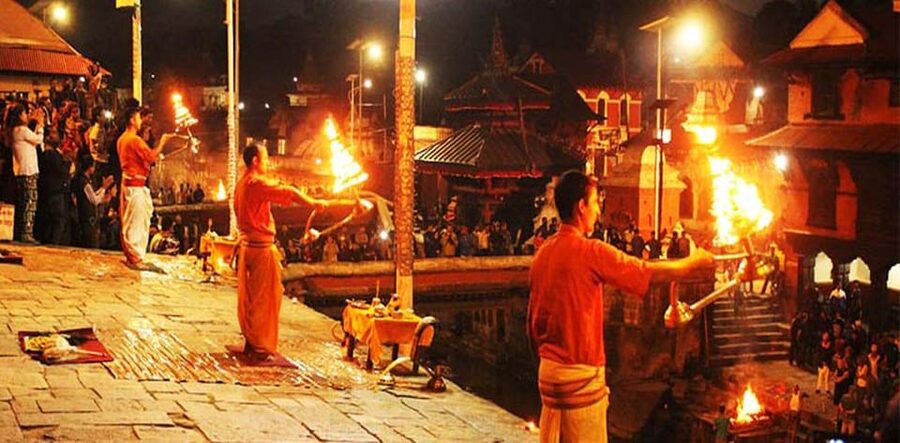
The main event is the Bagmati Aarati, a Hindu prayer ceremony held beside Kathmandu’s sacred river. Priests raise oil lamps in slow circles while chants, bhajans, incense, and the glow of evening gather around the temple complex. I like the direct view of a living religious tradition, and I like that a guide can explain the symbols instead of leaving you to guess. The main consideration is that non-Hindus cannot enter the inner temple, so you watch the Aarati from the riverbank.
I also like the hotel pickup and private car, especially in Kathmandu’s evening traffic. Guides including Razz and Shankar have earned strong praise for clear explanations and good positioning in crowded conditions. One serious warning: do not feel pressured into buying religious items near the temple, and confirm prices before purchasing.
Key points to know before booking
- The Aarati begins around 6:00 to 6:30 PM, with timing changing by season.
- You watch from the Bagmati River banks if you are not Hindu, rather than entering the main temple.
- Razz and Shankar are praised for clear explanations, while Ravi handles driving on some departures.
- The NPR 1,000 monument fee is extra, so the advertised $22 price is not the full cost.
- A private air-conditioned vehicle picks you up and returns you to Kathmandu, Thamel, or Boudhha.
- Crowds can be heavy, particularly on weekends, Mondays, holidays, and festival dates.
Why the Bagmati Aarati is the heart of the evening
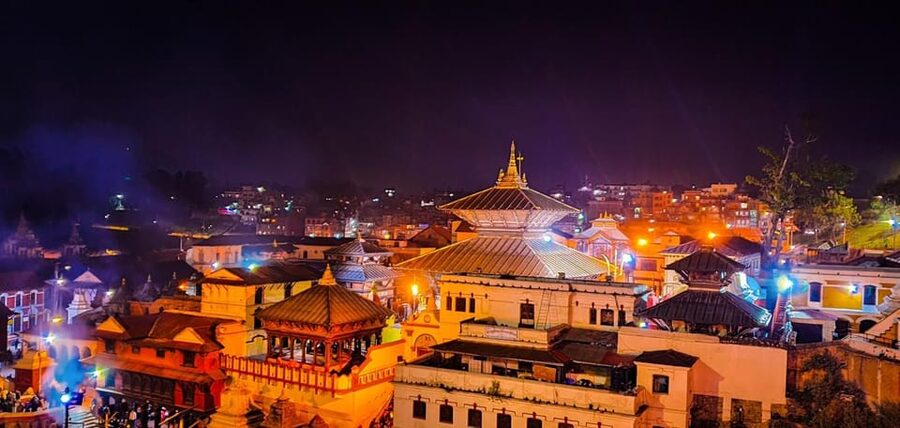
Pashupatinath is one of Nepal’s most important Hindu temple sites, and the evening Aarati gives you a way to see its religious life without simply walking through a monument. The ceremony honors the Bagmati River and Lord Shiva, known here as Pashupati, while offering prayers for the well-being of all souls.
The priests use oil lamps, chanting, and circular movements to express devotion. Worshippers join with bhajans, or devotional songs, and the ceremony may include a Tandav dance connected with Lord Shiva. You do not need to know Hindu theology to appreciate the scene, but the guide’s explanations can help you understand why the river, fire, music, and movement belong together.
The Bagmati Aarati began in 2000 and became a regular tradition in 2006. It now draws large crowds, which changes the mood from quiet riverside prayer to a shared public gathering. That is part of its appeal, but it also means you should not expect a private or perfectly calm ritual.
The ceremony is scheduled for the evening, usually around 6:00 to 6:30 PM. Seasonal timing can shift, so your exact pickup time matters. Arriving early is sensible if you want a good place to sit, particularly on a Saturday night or during a major Hindu festival.
More UNESCO World Heritage Tours in Kathmandu:
- Private Kathmandu Sightseeing Tour | UNESCO World Heritage sites
★ 5.0 · 756 reviews - Kathmandu: Full Day 7 UNESCO Tour with Lunch – Private/Group
★ 5.0 · 415 reviews - Kathmandu: Full Day Top 4 UNESCO Tour with Lunch – Private/Group
★ 5.0 · 269 reviews
Your three-hour route from hotel to riverbank
The tour begins with pickup from a hotel in central Kathmandu. The listed pickup areas are Boudhha, Thamel, and Kathmandu, with matching drop-off options at the end. Hotels outside the city center may require an additional charge, so check this before booking.
The private, air-conditioned vehicle is a useful part of the package. Kathmandu traffic can make short distances feel long, and having a driver collect you means you do not need to find a taxi at dusk. The drive itself is not the attraction, but it removes some practical hassle from an evening outing.
Once you reach Pashupatinath, the guide leads you through the temple area and explains what you are seeing. The advertised visit lasts about three hours, giving enough time for the temple surroundings, cultural context, and the Aarati itself. The exact balance can vary with traffic, crowd size, and the ceremony schedule.
A strong guide can make a real difference here. Razz is praised for explaining Hindu and Buddhist traditions in clear English, while Shankar has been singled out for discussing the gods, religious customs, and cremation process. Some departures are supported by Ravi as driver. Guide assignments can change, so book for the structure of the tour rather than expecting one particular person.
Seeing Pashupatinath when the temple is off limits
The Pashupatinath complex is an active Hindu place of worship, not a museum arranged for sightseeing. Non-Hindus are not permitted inside the main temple, but you can watch the Aarati from the Bagmati River banks. This is important to understand before paying for the tour.
The restriction does not make the visit pointless. In fact, the riverbank is where the public Aarati takes place, and the ceremony can be seen from there. Your guide can help you follow the action, explain the prayers, and point out the connection between the temple and the river.
Dress modestly. Cover your shoulders and knees, and treat the site as a place of worship rather than a stage. Photography is generally allowed, but keep your camera use quiet and respectful during prayers. Incense smoke, chanting, and close crowds are normal parts of the setting, so this is not the right outing if you want a polished, silent show.
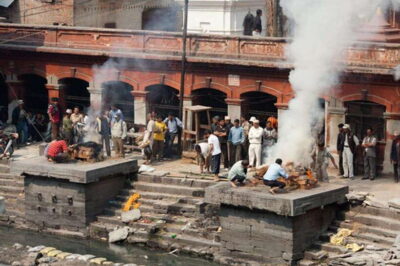
The Bagmati is regarded as holy, and Hindu belief holds that bathing in it can wash away sins. The river also carries difficult realities of Kathmandu’s religious life. Depending on the route and conditions, you may have the chance to see cremation activity, an experience that can feel confronting but offers direct insight into Hindu funeral customs. It is not wise to treat this as entertainment, and you should follow your guide’s instructions about distance and photography.
What the guide adds to the ceremony
I would not book this outing only for transport. The best reason to choose it is the guide’s interpretation.
Aarati can look simple from a distance: lamps move, priests chant, and people sing. In fact, every part carries meaning. The lamps symbolize devotion to the divine, the river represents a sacred force, and the collective prayers turn the ceremony toward the welfare of all living beings. A good explanation lets you notice those links while the ritual is happening.
The strongest feedback centers on guides who explain rather than lecture. Razz is described as caring and easy to understand, with explanations covering both Hinduism and Buddhism. Shankar has been praised for putting the cremation process and the final Aarati into a wider religious setting. Those details matter because Pashupatinath can otherwise feel like a confusing mix of shrines, smoke, crowds, and chanting.
There is also a practical benefit. On busy nights, the guide may help you find a reasonable place to sit or stand. Razz was specifically praised for finding a good sitting position on a crowded Saturday evening. That is a small service, but it can make the difference between watching the lamps clearly and seeing only the backs of heads.
Still, guide quality is not guaranteed to be identical on every departure. Most available feedback is very positive, but one serious complaint involved a guide allegedly directing a customer toward an overpriced rudraksha purchase for commission. I cannot verify the accusation, but the warning is useful: avoid unsolicited shopping pressure, ask the price before buying, and remember that shopping is not part of the stated value of this tour.
A few more Kathmandu trips to weigh up
- Kathmandu Sunset Tour by Rickshaw Including Durbar Square Visit
★ 5.0 · 73 reviews - 3 Nights 4 Days Chitwan National Park with Tower Night Stay
★ 5.0 · 41 reviews - 3 night 4 Day Yoga & Ayurveda Retreat to Detox the Body & Mind, Nepal
★ 5.0 · 37 reviews - Kathmandu: Pashupatinath Temple Evening Aarati Tour
★ 5.0 · 36 reviews
Is $22 a fair price?
At $22 per person, the tour is reasonably priced if you value private transport and interpretation. You receive hotel pickup and drop-off, an English-speaking guide, air-conditioned transportation, and taxes. You do not have to arrange a return ride after the ceremony, when traffic and crowds may make taxis less convenient.
The key extra cost is the monument entrance fee of NPR 1,000 per person. Meals, drinks, and personal purchases are also excluded. That means you should budget for the entry charge rather than treating $22 as the final amount.
The value is strongest for a first visit to Kathmandu, especially if you are staying in Thamel or Boudhha and want a structured evening. A private vehicle also suits couples, families, or small parties that prefer not to negotiate local transport after dark.
The value is weaker if you already know Pashupatinath, are comfortable arranging your own taxi, or only want to watch the Aarati without explanation. In that case, the guide and vehicle may feel like extras. The tour earns its price through convenience and context, not through exclusive access.
The best and hardest times to go
The Aarati takes place every evening, but the atmosphere changes with the calendar. Mondays, holidays, and major festivals such as Maha Shivaratri and Haritalika Teej can bring especially large crowds. These dates offer more energy and a stronger sense of public devotion, but they also make movement and seating harder.
A regular weekday may be easier if you prefer to see the ritual without being pressed into a dense crowd. Weekend evenings can be busy too. The start time is generally 6:00 to 6:30 PM, and the tour lasts three hours, but seasonal changes and road traffic can affect the rhythm.
I would choose an earlier pickup when possible. The guide needs time to get you into the complex, explain the setting, and find a viewing place before the lamps rise. Arriving at the last minute may still work, but you lose the chance to settle in.
Wear clothing that covers shoulders and knees, and choose comfortable shoes. The site can be crowded, smoky, and active underfoot. Bring patience, not a rigid schedule for the rest of the night.
Who should book this evening tour?
This experience suits you if you want a meaningful introduction to Hindu worship and prefer someone to explain what you are seeing. It is particularly useful for first-time visitors who do not want to manage Kathmandu transport or arrive without knowing where to stand.
It also works well for anyone interested in the connection between religious ceremony and daily life. The river, temple, devotional music, cremation customs, and public prayers all meet in one place. That combination can be powerful, though it is not light sightseeing.
You may want to skip it if you require guaranteed temple access, dislike incense and crowds, or want a quiet photographic outing. Non-Hindus cannot enter the main temple, and the ceremony is communal rather than staged for a tour group.
The 4.7 rating from 11 listed ratings reflects a very strong response overall, with repeated praise for Razz, Shankar, clear English, hotel pickup, and the emotional force of the Aarati. The one complaint about shopping pressure is worth taking seriously, even though it does not define the whole experience.
Booking details worth keeping in mind
The tour offers free cancellation up to 24 hours before departure and allows you to reserve without paying immediately. Pickup is included from central Kathmandu, Thamel, and Boudhha, while outlying locations may cost more.
The tour is offered in English with a live guide. Entry fees are paid separately on the day. Since the ceremony timing can vary by season, confirm the departure time and do not assume that every evening begins at exactly 6:00 PM.
Should you book the Pashupatinath Aarati Tour?
I would book this tour if you want the ceremony explained, need dependable evening transport, and are prepared for a crowded sacred site rather than a standard temple visit. The Aarati is the real reason to go, and the private car and guide make the experience easier to manage.
I would not book it for inner-temple access, a shopping stop, or a guaranteed quiet atmosphere. Keep purchases separate from the tour, dress respectfully, arrive early, and treat the riverbank ceremony with care. Done on those terms, this is a good-value way to encounter one of Kathmandu’s most serious and memorable religious gatherings.
FAQ
When does the Pashupatinath Aarati begin?
The evening Aarati usually starts around 6:00 to 6:30 PM. The exact time can change with the season.
How long does the tour last?
The experience lasts about three hours, including the guided visit to Pashupatinath Temple and the evening Aarati.
Can non-Hindus enter Pashupatinath Temple?
No. Non-Hindus are not permitted inside the main temple, but they can watch the Aarati from the Bagmati River banks.
Is hotel pickup included?
Yes. Pickup and drop-off are included from central Kathmandu, Thamel, and Boudhha. An extra charge may apply for hotels outside the city center.
Is the monument entrance fee included?
No. The monument fee is NPR 1,000 per person and must be paid separately on the day.
Is photography allowed during the Aarati?
Photography is generally allowed, but you should remain respectful during the ritual and follow any instructions given at the site.
What should I wear?
Cover your shoulders and knees because Pashupatinath is a sacred Hindu site. You should also be ready for incense smoke, chanting, and large crowds.
Just added around Kathmandu
- Private Half-Day Tour of Boudhanath and Pashupatinath Temples in Kathmandu★ 4.5 · 9 reviews
- Private Half-Day Tour of Kathmandu Durbar Square and Swayambhunath Temple★ 4.5 · 11 reviews
- Namobuddha Monastery Hiking Day Tour via Panauti from Kathmandu★ 5.0 · 15 reviews
- Private Full-Day Kathmandu City Tour★ 5.0 · 9 reviews
- Private Day Tour in Kathmandu Valley Rim with Bhaktapur Sightseeing★ 5.0 · 3 reviews
- Private Half Day Budhanilkantha Tour★ 5.0 · 6 reviews
- Private Day Tour: Patan and Bhaktapur from Kathmandu★ 4.5 · 6 reviews
- Private Day Tour – Sacred Journey to Namo Buddha★ 5.0 · 5 reviews
UNESCO World Heritage Tours, compared.
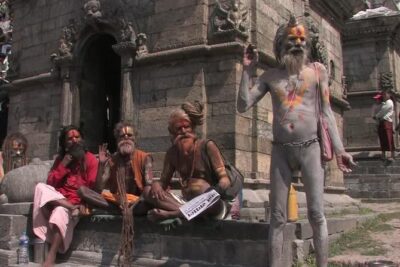
Private Kathmandu Sightseeing Tour | UNESCO World Heritage sites
Read our review →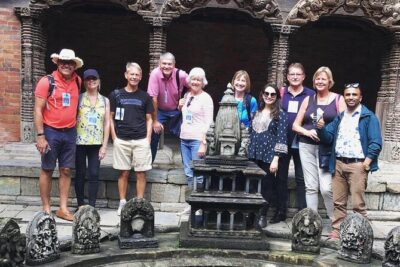
Full Day 7 UNESCO Tour with Lunch – Private/Group
Read our review →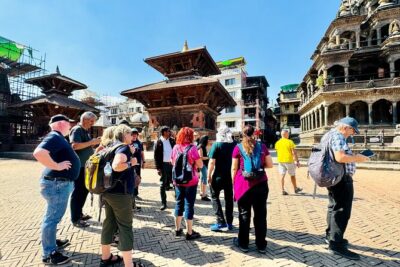
Full Day Top 4 UNESCO Tour with Lunch – Private/Group
Read our review →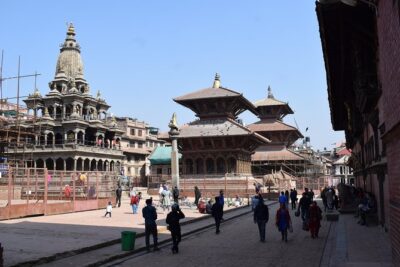

Kathmandu Spiritual Sites: Bodhnath & Pashupatinath Tour
Read our review →
Kathmandu Private Sightseeing Tour | UNESCO World Heritage Sites
Read our review →Full Day 7 UNESCO Tour with Lunch – Private/Group
Read our review →Browse the lists this tour appears in