
Reviewed · HISTORICAL TOURS
Half day Tibetan cultural tour
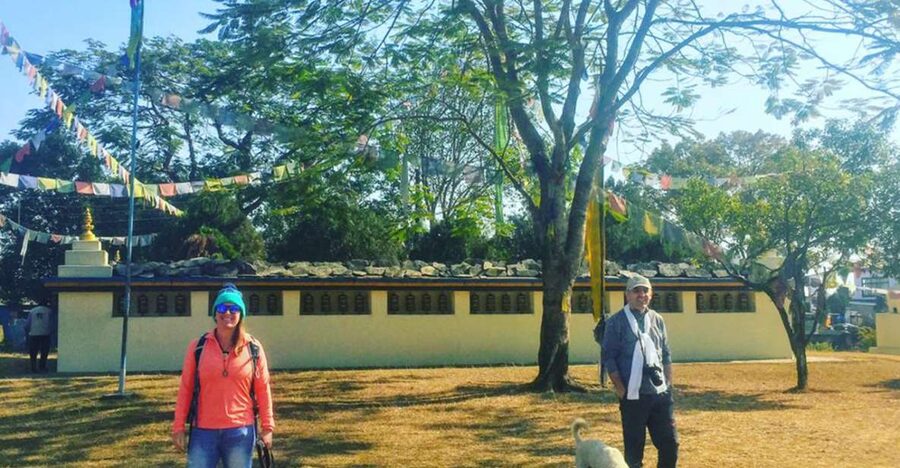
The most worthwhile part of this Pokhara tour is the chance to meet Tibetan people in places connected to everyday life, not just admire Buddhist buildings from a road. You visit a Tibetan refugee settlement, a school, monastery, carpet workshop, photo gallery, and medical center with guide Mr. Thupten Gyatso, a Tibetan native who explains what you are seeing.
I like the clear human focus, especially the look at how Tibetan language and culture have been maintained in Nepal. I also like that the tour ends with momos and thenthuk, so food becomes part of the lesson rather than a rushed afterthought.
The main consideration is its short four-and-a-half-hour schedule. You get a well-packed introduction, but not a slow, open-ended visit to every part of the settlement. Pickup is included only around Lakeside, and children under five and wheelchair users cannot join.
Key points to know before booking
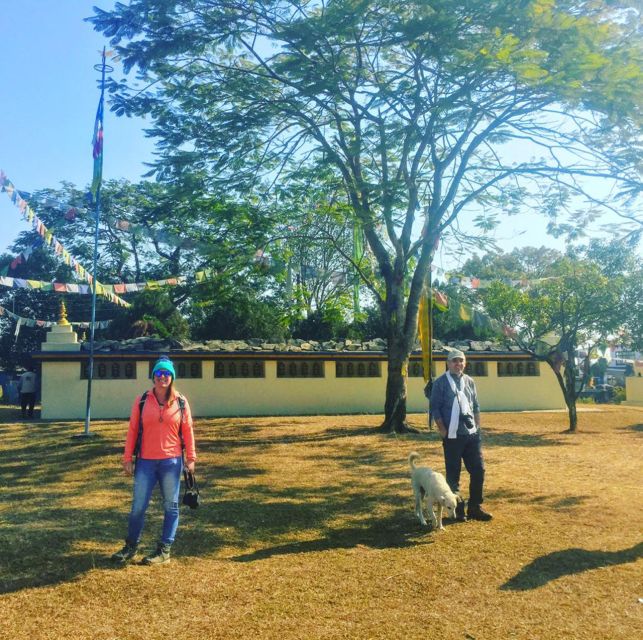
- Meet Tibetan guide Mr. Thupten Gyatso: He leads the tour in English and explains the culture through personal connection and local visits.
- See daily life in a refugee settlement: The focus is on language, identity, education, religion, and life in Nepal.
- Watch carpets being made by hand: A workshop visit shows the process before you see finished designs in the showroom.
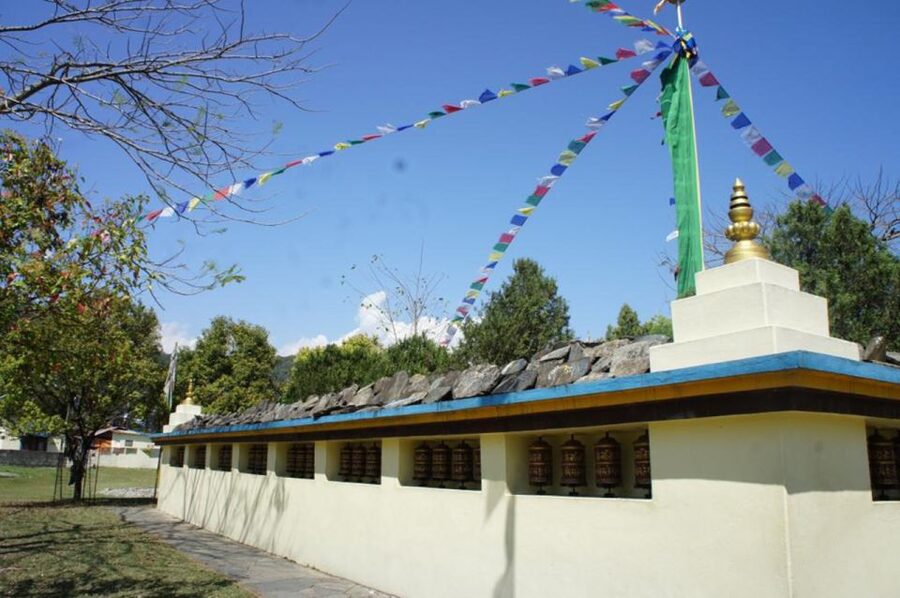
- Learn Buddhist symbols in context: Prayer wheels, prayer flags, stupas, and monastery life are explained as parts of daily practice.
- Try Tibetan food at lunch: Momos and thenthuk are available with vegetarian and non-vegetarian choices, plus gluten-free options.
- Keep the group small: The tour is limited to eight people, which gives you a better chance to ask questions.
A closer look at Tibetan life near Pokhara
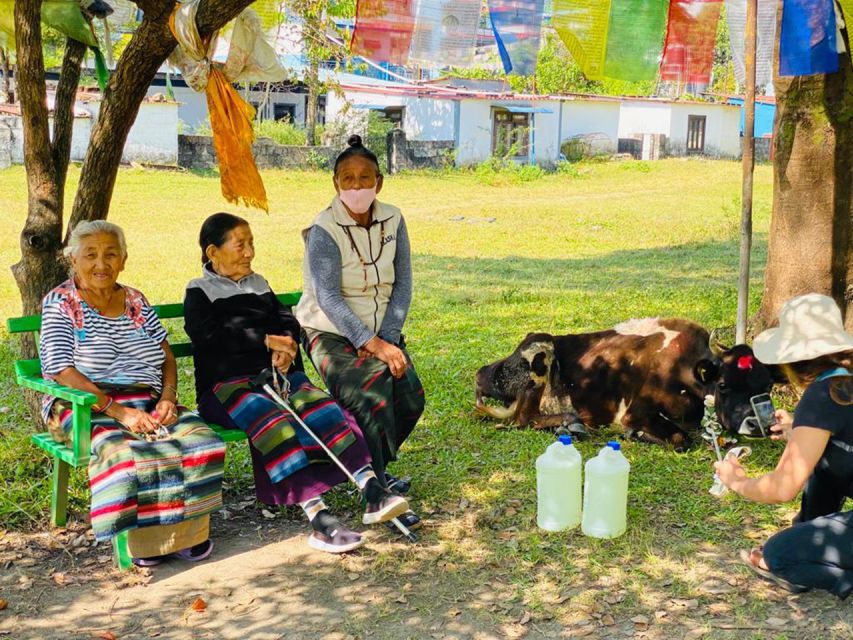
Pokhara is best known for mountain views, lake walks, and access to trekking routes. This tour points you toward a different side of the valley. At a Tibetan settlement, you learn how displaced Tibetans have kept their language, religious customs, and identity alive while living in Nepal.
That subject can easily become a dry history lesson. Here, it is tied to real places and people. You visit a school, see a monastery, inspect handwoven carpets, look at photographs from the early 1960s, and speak with a Tibetan doctor. Each stop adds another piece to the story.
I would choose this tour if you want context rather than a quick photo stop. It is especially useful early in a Pokhara stay, since Mr. Thupten can help you understand Buddhist signs, Tibetan food, and customs you may see elsewhere in Nepal.
The tour begins with pickup from your hotel in the Lakeside area. If your hotel is outside Lakeside, an extra transport charge applies, based on its location. Confirm that point before booking so the price is clear.
A few more Pokhara trips to weigh up
- Full-Day Tibetan Cultural Tour to Tibetan Settlements Pokhara
★ 5.0 · 184 reviews - Afternoon Tibetan Cultural Tour to Tibetan Settlements Pokhara
★ 5.0 · 106 reviews - Morning Tibetan cultural tour to Tibetan settlements Pokhara
★ 5.0 · 66 reviews
Tashiling Tibetan settlement and the story of exile
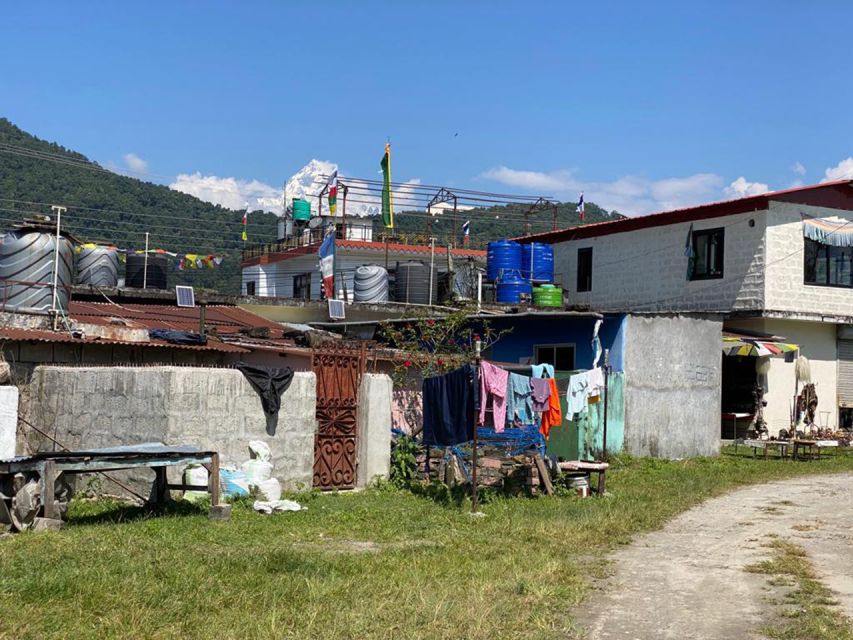
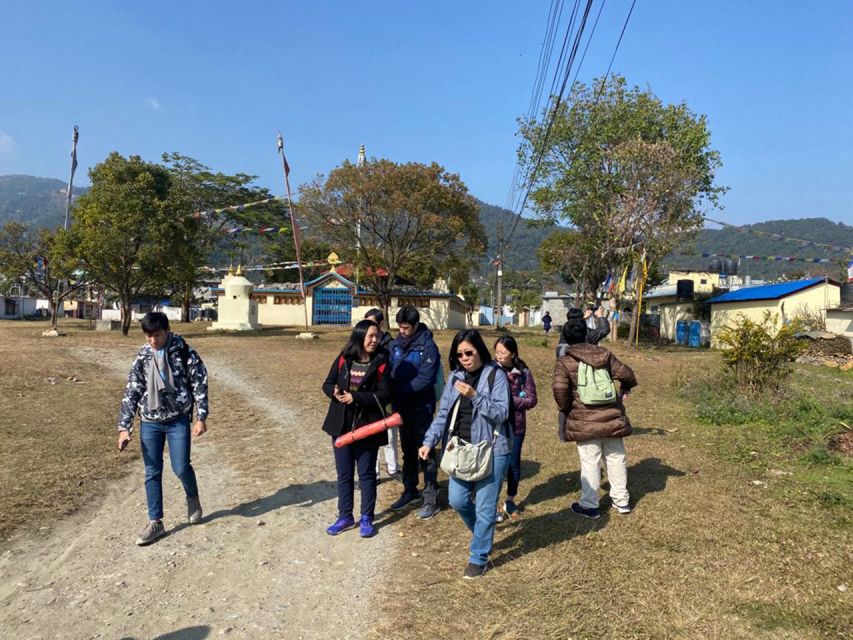
The main visit takes place at Tashiling Tibetan settlement near Pokhara valley. This is where the tour feels most personal. You walk through a community that has preserved its cultural identity in Nepal, then learn how Tibetan people have built institutions for education, religion, medicine, and work.
The photo gallery provides the historical frame. Images of Tibetan settlements in the early 1960s help explain the difficult beginning of life in exile and the effort required to establish a permanent community. You are not simply looking at old pictures. You are seeing evidence of how language, customs, and religious practice were protected over many years.
The tour also addresses education. At a Tibetan school, you learn about the school system in the settlements and the role of education in preserving Tibetan language and identity. The available details do not promise a classroom lesson or a chance to attend a class, so think of this as an educational visit and explanation rather than a school performance.
That distinction matters. The strength of this stop is understanding why a school serves more than an academic purpose. It supports cultural continuity. For anyone interested in minority communities, migration, or the practical work of maintaining a national identity away from home, this is one of the most meaningful parts of the morning.
Monastery symbols that you can recognize later
The monastery visit gives you a useful key to Buddhist imagery. Mr. Thupten explains the purpose and meaning of prayer wheels, prayer flags, stupas, and other signs that appear throughout Tibetan Buddhist communities.
This is practical sightseeing knowledge. Once you understand what prayer wheels and flags represent, you will look at them differently in Pokhara, Kathmandu, and other Himalayan destinations. The tour connects these objects with daily religious life rather than presenting them as decoration.
You also learn about monks and monastery life. The visit is not described as a long religious ceremony, so do not book it expecting a full worship service. Instead, expect an explanation of how the monastery fits into the settlement and why Buddhist practice remains central to Tibetan life.
A little respect goes a long way here. Dress and behave as you would at any religious site, follow instructions about photography, and listen before touching or turning anything. The tour gives you the background, but your conduct still matters.
From raw wool to finished Tibetan carpets
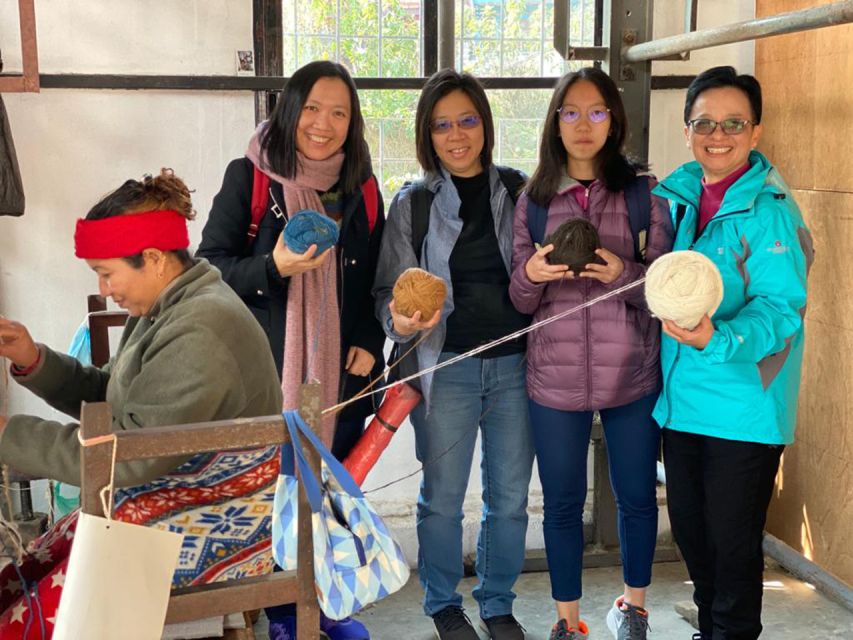
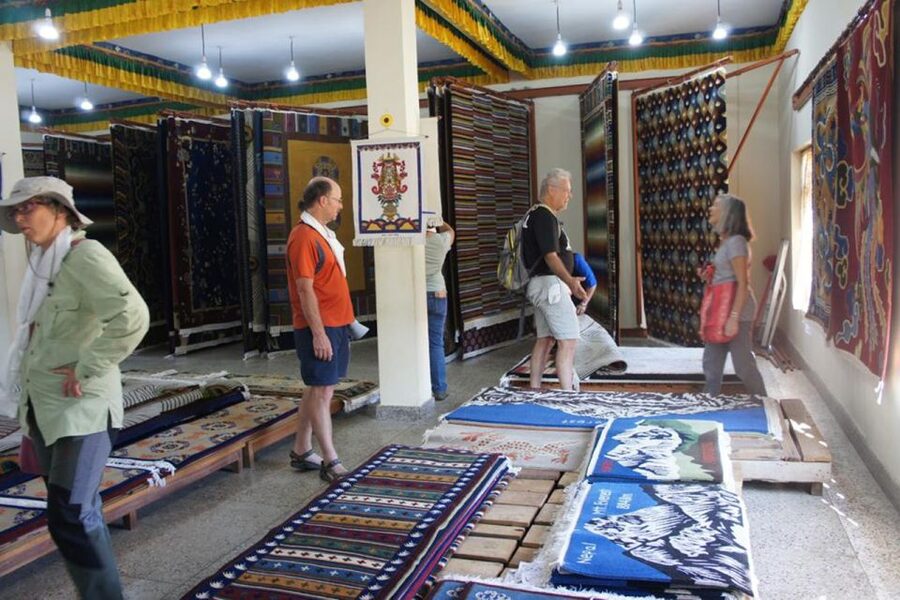
The carpet workshop is one of the tour’s most concrete stops. You see how Tibetan carpets are made by hand, with Mr. Thupten explaining the process as you go.
This visit helps you understand the work behind a finished carpet. A showroom can make handmade goods look simple and effortless. Watching the process gives you a better sense of the time, skill, and pattern work involved.
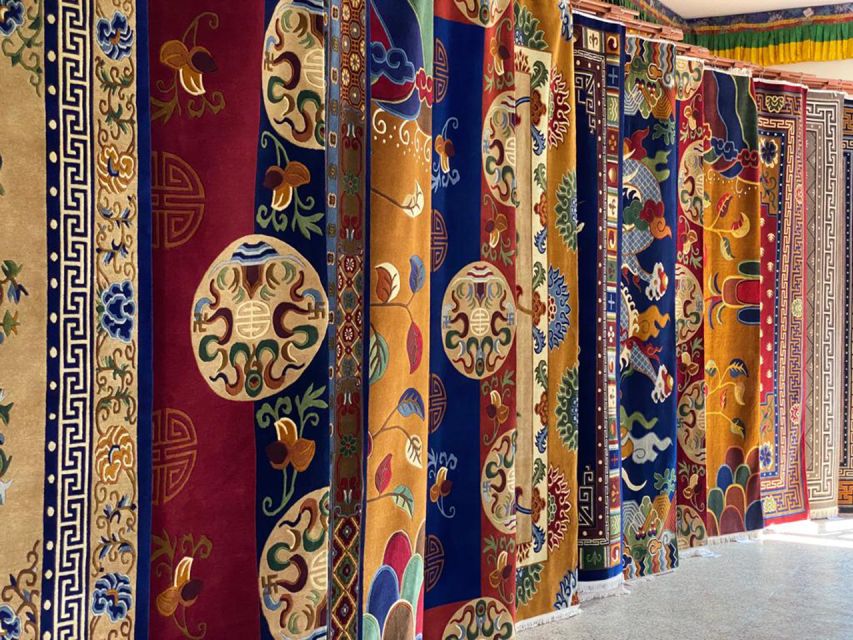
After the workshop, you visit a carpet showroom with different designs and colors. This part may be more commercial than the monastery or photo gallery, but it has a clear purpose. You can compare finished pieces after seeing how they are produced.
You are not required to buy a carpet based on the information provided. If you are interested in purchasing one, use the workshop visit to ask about handmade methods, design details, and care. If you are not shopping, you can still treat the showroom as the final stage of the craft demonstration.
For me, this pairing of workshop and showroom is better than visiting a shop alone. You see the labor first, then the product. That gives you a fairer basis for deciding if a design or price feels worthwhile.
Same mountains, a completely different kind of day:
- ZipFlyer Nepal – The World’s Steepest Zip-line
★ 5.0 · 608 reviews - Bungee Pokhara by HighGround Adventures
★ 5.0 · 366 reviews - From Pokhara: Sarangkot Sunrise Himalayas Tour
★ 4.7 · 218 reviews - ATV Adventure Tour in Pokhara, Nepal
★ 5.0 · 194 reviews
A visit to Tibetan medicine and a consultation
The Tibetan medical center adds a different view of the community. You meet a Tibetan doctor, learn basic ideas about Tibetan traditional medicine, and receive a medical consultation.
The consultation is a distinctive feature, but you should keep your expectations sensible. The information describes basic knowledge and a first-hand check-up, not a full hospital examination or a substitute for modern medical care. If you have a serious health concern, use a qualified medical service for proper diagnosis and treatment.
Still, this can be a useful cultural exchange. Medicine reflects a society’s understanding of the body, illness, diet, and care. Mr. Thupten helps explain the system so you can treat the visit as both a cultural lesson and a personal encounter.
Because the group is capped at eight, you should have a better chance to hear the explanation and ask a question. The actual amount of time with the doctor is not specified, so do not assume the consultation will be lengthy.
Tibetan lunch: momos, thenthuk, and gluten-free choices
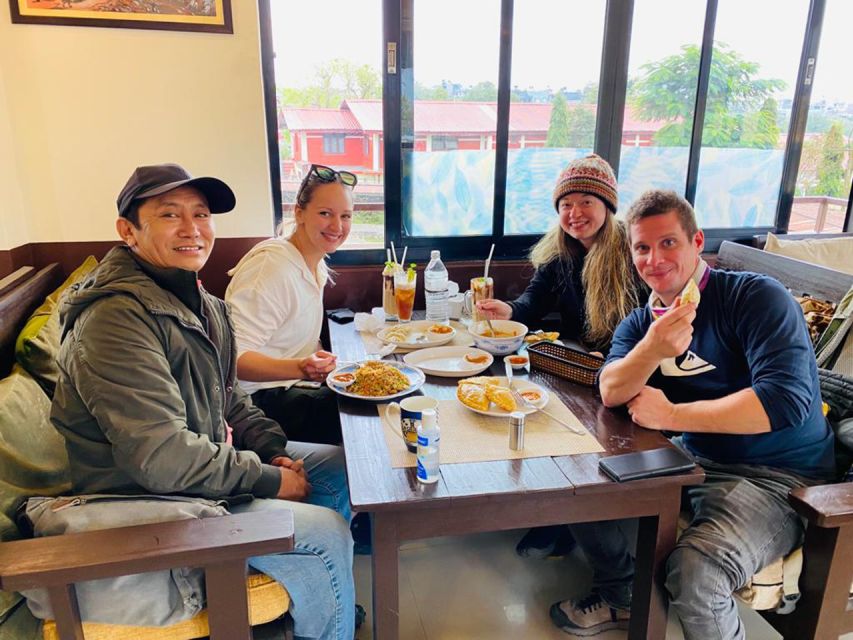
Lunch takes place at a local Tibetan restaurant, and it is included in the $61 price. You can try Tibetan momos, the familiar filled dumplings, and thenthuk, a nourishing soup made with freshly kneaded dough, meat, and vegetables.
Thenthuk is particularly useful for understanding Tibetan food. It is a warming, substantial dish rather than a small tasting portion. Vegetarian and non-vegetarian choices are available, and gluten-free food can be arranged in the form of plain rice and vegetable curry.
Tell the guide about dietary needs when booking or at the start of the tour. The listed gluten-free option is clear, but you should still confirm preparation details if you have a medical allergy or strict dietary requirement.
Tea, coffee, fresh juice, and mineral water are also included. That makes the lunch stop more than a quick meal between attractions. Mr. Thupten explains the food, so you learn how the dishes fit into Tibetan culture instead of simply ordering something unfamiliar.
Why the four-and-a-half-hour format works
The schedule is compact. Pickup, travel within the Pokhara area, walking, sightseeing, food tasting, and several educational stops all fit into 4.5 hours. That makes this a practical half-day choice if you have limited time in Pokhara.
The trade-off is pace. You will not have unlimited time at the settlement, school, monastery, workshop, gallery, medical center, and restaurant. This is an introduction with several connected stops, not a full-day research visit.
The small group helps. With a maximum of eight participants, the tour should feel more personal than a large coach outing. It also suits people who want to ask questions about Tibetan history, religion, schooling, and medicine without waiting through a long line of voices.
The tour is conducted in English. Mr. Thupten’s personal connection to Tibetan life is important here because the subject depends on explanation. Buildings and objects can only tell you so much on their own.
What the $61 price includes
At $61 per person, the price is reasonable if you value the guide and the access to several different parts of the settlement. You are paying for transport from Lakeside, an English-speaking Tibetan guide, the cultural visits, a medical consultation, lunch, and drinks.
The value is strongest when you use the tour as an introduction to Tibetan culture. A monastery visit by itself might take little time. A carpet showroom by itself could feel like shopping. A meal by itself would be pleasant but limited. Together, the stops explain how religion, education, work, health, food, and memory support a community.
The price does not include extra transportation if your hotel is outside Lakeside. That is the main cost issue to check. Pickup and drop-off are provided around Lakeside, so choose a meeting point there if you want to avoid the additional charge.
Free cancellation is available up to 24 hours before the tour for a full refund, and you can reserve now and pay later. Those terms help if your Pokhara plans depend on weather, trekking schedules, or changing transport arrangements.
Who should book this Pokhara cultural tour
I would recommend it to adults and older children who want to understand Tibetan life in Nepal rather than collect quick sightseeing stops. It suits people interested in Buddhism, migration, education, traditional medicine, handicrafts, and food.
It also works well for a first visit to Pokhara. You get an organized cultural outing without giving up an entire day, and the Lakeside pickup keeps the morning simple.
The tour is less suitable if you want dramatic mountain scenery, a long walking route, or a relaxed day with only one main attraction. It is also not suitable for children under five or wheelchair users. The activity includes walking around a settlement and visits to several sites, but the supplied information does not give detailed accessibility notes.
Be open to conversation. The best parts depend on listening to explanations and meeting people connected with the settlement. If you prefer silent sightseeing, the amount of cultural information may feel heavy for half a day.
Practical tips for getting more from the visit
Wear comfortable clothes and shoes for walking between stops. The activity includes a guided walk, sightseeing, and visits to several community locations, but no special equipment is listed.
Bring questions. You can ask how Tibetan schools work, how language is maintained, why prayer flags and wheels matter, how carpets are made, and what Tibetan medicine aims to treat. A small group makes questions more useful because the guide can respond directly.
If food matters to you, decide in advance between vegetarian, non-vegetarian, and gluten-free options. The meal includes momos and thenthuk, while plain rice and vegetable curry are available for a gluten-free choice.
Give yourself a little flexibility after the scheduled return. The tour is listed as 4.5 hours, but short delays can happen when a visit includes several people, a meal, and transport. Do not place an important flight or tight connection immediately afterward.
Should you book the Tibetan Cultural Tour?
Book it if you want a direct, educational look at Tibetan culture in Nepal and appreciate a guide who can connect history with daily life. The strongest elements are Mr. Thupten Gyatso’s personal guidance, the settlement and school visits, the monastery explanations, the hand-carpet workshop, the Tibetan medical consultation, and the included local lunch.
Skip it if your main goal is scenery, shopping, or a very slow religious retreat. This is a busy half-day with many stops, and the extra transport fee may affect the value if you stay outside Lakeside.
For $61, it is a solid choice for a curious visitor who wants more than a passing look at Tibetan symbols. You leave with practical cultural context, a taste of Tibetan food, and a clearer idea of how Tibetan communities have maintained their identity in Nepal.
FAQ
Where does the Tibetan Cultural Tour begin?
Pickup is provided from hotels in the Lakeside area of Pokhara. The tour returns to Lakeside after the visit.
How long does the tour last?
The tour lasts 4.5 hours, including the settlement visit, sightseeing, walking, food tasting, and return transport.
Is transportation included?
Round-trip transportation is included for hotels located around Lakeside. An additional transportation fee applies to hotels outside the Lakeside area, depending on the hotel location.
What language is the tour conducted in?
The live tour guide conducts the experience in English.
What food is served at lunch?
Lunch includes Tibetan food at a local Tibetan restaurant, including momos and thenthuk. Vegetarian and non-vegetarian choices are available, along with gluten-free options such as plain rice and vegetable curry.
How many people can join the tour?
The tour is offered as a small group with a maximum of eight participants.
Is the tour suitable for young children or wheelchair users?
The tour is not suitable for children under five or wheelchair users.
Just added around Pokhara
- Seti George and Thrilling Suspension Bridge Tour at Pokhara★ 4.5 · 3 reviews
- Tandem Paragliding in Pokhara★ 4.8 · 8 reviews
- Pokhara: Sunrise Tour to Sarangkot★ 5.0 · 3 reviews
- Pokhara: Suspension Bridge Private Tour- 30 Min Village Walk★ 4.8 · 9 reviews
- Pokhara: Visit Best Seven Tourist Destination by Sharing Bus★ 3.4 · 10 reviews
- Pokhara Sightseeing By Bus – Day Trip★ 3.2 · 8 reviews
- Pokhara Sightseeing By Bus: Day Trip★ 4.6 · 7 reviews
- Pokhara: Sarangkot Sunrise & Panoramic Annapurna View Tour★ 4.8 · 10 reviews
Historical Tours, compared.
Private Kathmandu Sightseeing Tour | UNESCO World Heritage sites
Read our review →
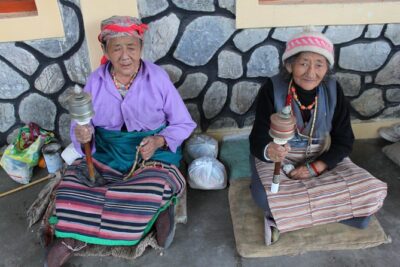
Full-Day Tibetan Cultural Tour to Tibetan Settlements Pokhara
Read our review →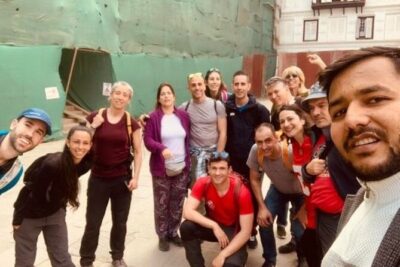
Kathmandu Private Sightseeing Tour | UNESCO World Heritage Sites
Read our review →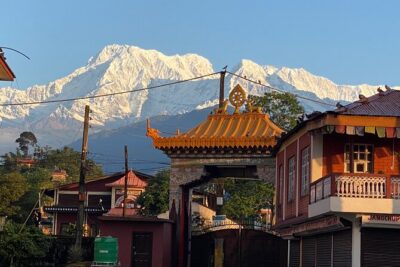
Afternoon Tibetan Cultural Tour to Tibetan Settlements Pokhara
Read our review →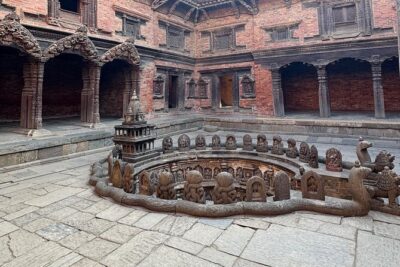
Full Day Private Top 4 UNESCO Heritage Tour W/Lunch.
Read our review →
Nagarkot Sunrise & Bhaktapur UNESCO Heritage Private Tour
Read our review →Browse the lists this tour appears in