
Reviewed · AUSTRALIAN CAMP HIKES
From Pokhara: Australian Camp & Dhampus 1, or 2-Day Trek
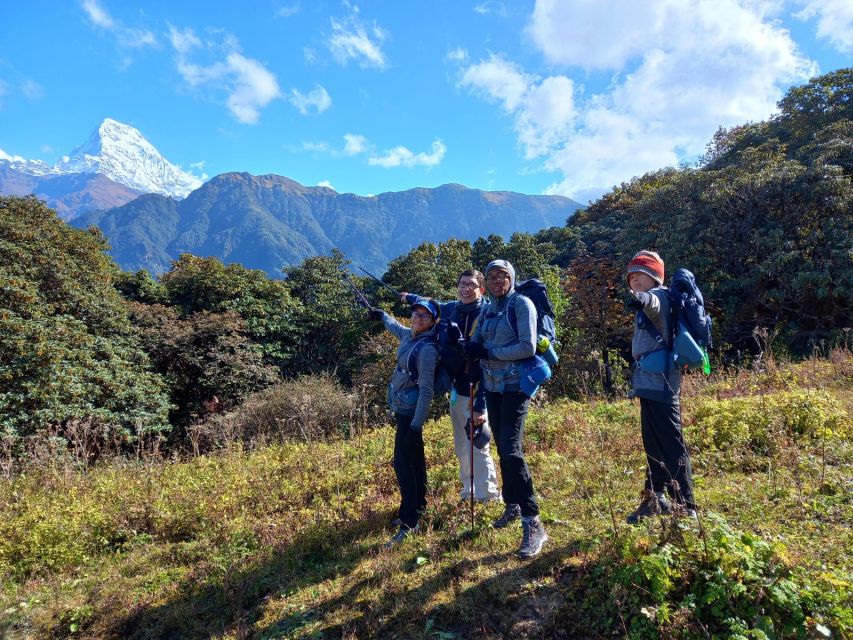
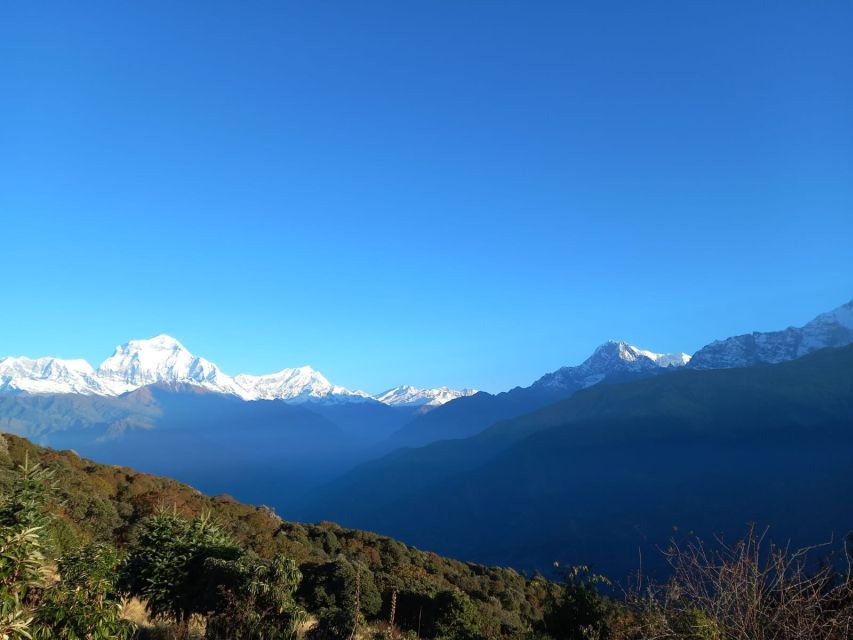
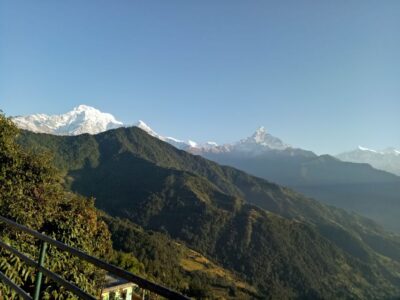
Australian Camp gives you a remarkably big Himalayan payoff without a long trek. From Pokhara, you can reach a grassy ridge at 2,060 meters by walking through forest and Gurung villages, then look across to Annapurna South, Hiunchuli, and Machhapuchhre, also called Fishtail.
I like the choice between a fast one-day outing and a slower overnight stay. I also like the human scale of the route: slate-roofed homes, terraced fields, tea in Pothana, and guides such as Raju, Prakash, and Pratip who help turn a short hike into a fuller mountain experience.
The main consideration is comfort. The climb is moderate, but it involves many steps, and the mountain lodge is basic. Bring hiking shoes, warm layers, and your own toilet paper and towel for the overnight option.
Key Points Before You Book
- A short climb with a big view: Reach Australian Camp at 2,060 meters for broad views of Annapurna South, Hiunchuli, and Fishtail.
- Two sensible formats: Pick the roughly seven-hour express trip or stay overnight for sunset and sunrise.
- Gurung village life: Walk through Dhampus and pass terraced fields, traditional homes, and hillside communities.
- A good beginner trek: The effort is moderate, and the route suits first-time hikers who want mountain scenery without a long expedition.
- Private, guided transport: Hotel pickup, a private vehicle, guide, and return transfer to Pokhara are included.
- Simple mountain lodging: The two-day plan includes a guesthouse room with a private bathroom, but supplies such as towels and toilet paper may not be provided.
Why Australian Camp Works So Well From Pokhara
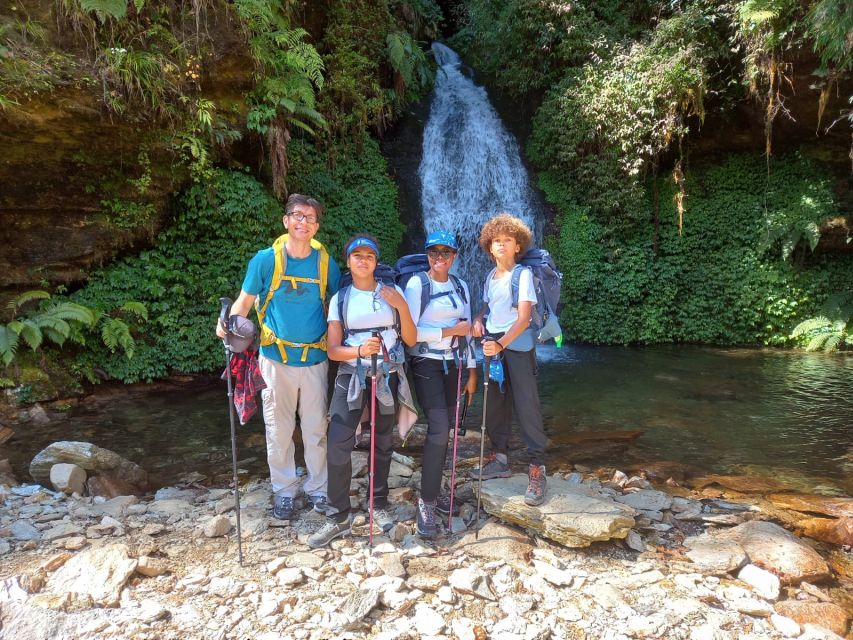
Pokhara is famous for its lake, cafes, and easygoing streets, but the Annapurna foothills begin close by. This trip lets you trade the city for pine forest, stone steps, village paths, and open mountain views in a single day or a relaxed overnight stay.
The route is appealing because you do not need weeks of walking to feel that you have reached the hills. Australian Camp sits on a wide grassy plateau, and the view opens toward some of the most recognizable peaks in the Annapurna range.
I see this as a high effort-to-view route. You still need to climb, and your legs will know it, but the walking time is modest compared with longer Himalayan treks. It is a practical choice if you have limited time in Nepal, want a first taste of trekking, or prefer not to commit to a demanding multi-day route.
The trip is also more than a viewpoint. Dhampus and the surrounding villages give the walk a local setting. You pass farms, terraces, and homes connected to Gurung culture and the long tradition of Gurkha military service.
More Australian Camp Hikes in Pokhara:
- 2-Day Private Trekking Tour to Australian Camp & Dhampus
★ 5.0 · 42 reviews - 1-Day Private Dhampus Trekking Tour
★ 5.0 · 35 reviews - Pokhara: Easy Day Hike to Australian Camp & Dhampus Village
★ 5.0 · 24 reviews
The One-Day Route From Kande to Phedi
The one-day plan begins with hotel pickup in Pokhara at about 8:00 in the morning. A private vehicle takes you to Kande, the starting point for the climb, with the trek scheduled to begin around 9:00.
From Kande, expect a moderate uphill walk through forest toward Australian Camp. The stated walking time is about two hours, although pace can vary. One person with a guide completed the ascent in about an hour, while the planned schedule allows more time for rests and photos.
You should not treat this as a flat stroll. The route includes steps and sustained climbing, so hiking shoes matter. Still, the walk is short enough for a reasonably active beginner, and your guide can set the pace for a private group rather than forcing you to match strangers.
Australian Camp is the reward. The open grassy setting gives you a wide view toward Annapurna South, Hiunchuli, and Fishtail. On a clear day, this is the moment when the trip makes sense: a morning transfer and a moderate climb have brought you to a proper Himalayan viewpoint.
Lunch is planned at about 11:30, with the mountains in front of you. Food is included for the one-day option, but hot, cold, and alcoholic drinks are not. I would carry a water bottle and a few small snacks, since extra snacks are your responsibility.
After lunch, the route continues downhill toward Dhampus. The village is known for traditional Gurung homes, slate roofs, and terraced fields. This section adds texture to the trip. You are not simply walking to a lookout, taking a photo, and turning around. You are moving through a lived-in hillside area.
The route then passes through Pothana, where you can stop for warm Himalayan tea. This is a small detail, but it gives the descent a welcome pause. Afterward, you continue to Phedi and return by vehicle to Pokhara, with hotel drop-off planned in the late afternoon, around 4:15.
The one-day plan is efficient, but it is also the more rushed choice. You get the main view and village scenery, yet you do not have the quiet morning and evening hours that make the overnight version special.
The Two-Day Plan and Its Better Rhythm
The two-day itinerary begins with hotel pickup at about 8:00, followed by a drive to Phedi. Here, you start walking toward Dhampus before continuing to Australian Camp.
This direction gives you more time to notice the route. You can pause in the village, look at the terraced fields, and let your guide explain local life. A private guide is useful here because the value of the walk is not only the view at the end. It is also the small details along the way.
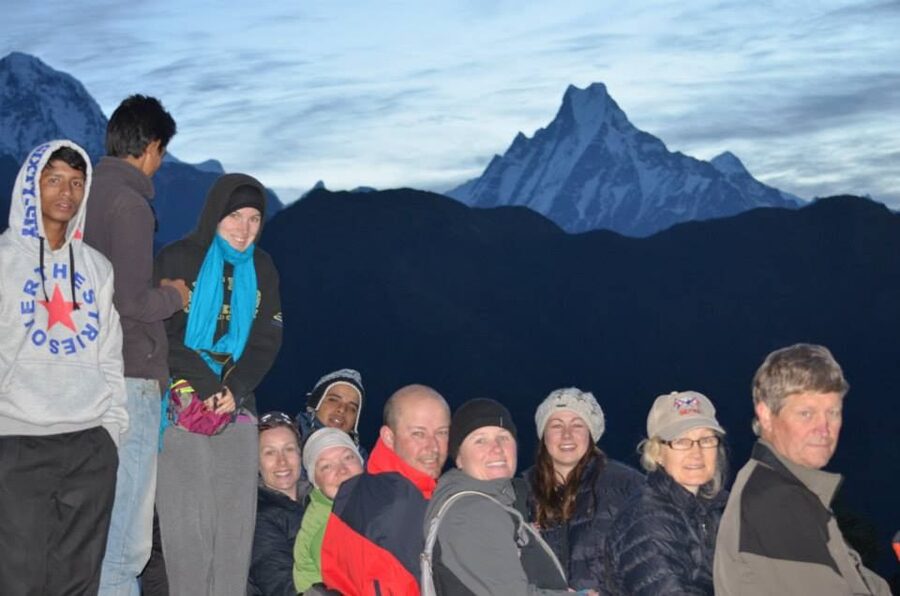
The afternoon finish at Australian Camp is the key difference. Instead of descending soon after lunch, you can settle into the mountain lodge and wait for sunset over the Annapurna range.
Sunset in the mountains is never guaranteed. Clouds can cover the peaks, and the weather can change quickly. Still, staying overnight gives you a chance that the one-day option cannot provide: you are already at the viewpoint when the light changes, rather than trying to fit the view into a tight schedule.
The lodge is basic, as you should expect at a mountain stop. The accommodation includes a guesthouse room with a private bathroom for the two-day option, but one room review noted that toilet paper and towels were not provided. Pack both, along with warm clothing and personal toiletries.
Dinner and breakfast are included, as is lunch on both days. The package provides one breakfast, two lunches, and one dinner for the overnight option. Drinks are extra, including tea, coffee, soft drinks, and alcohol.
The early start on Day 2 is meant for sunrise. You wake at Australian Camp and watch the light reach the Annapurna range before breakfast or the morning descent, depending on the lodge schedule.
Again, weather controls the result. One family with children aged 12 and 8 enjoyed the route and scenery but did not see the sunrise. That is not a flaw in the walking plan. It is simply mountain weather, and you should book the overnight option for the experience of being there at sunrise, not as a promise of clear peaks.
After breakfast, the route descends to Kande. The schedule allows a hike down at about 10:00, a drive back to Pokhara around 11:30, and hotel drop-off near 1:00. This is a calmer finish than the express plan and leaves you much of the afternoon in Pokhara.
Dhampus and the Gurung Side of the Walk
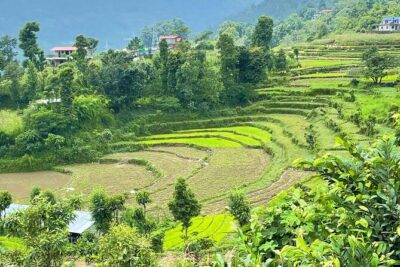
Dhampus gives this trek its cultural center. The village setting includes slate-roofed houses and terraced farmland, and the route offers a chance to see how communities use steep ground for homes and agriculture.
Your guide can also help explain Gurung culture and the connection many local families have with British Gurkha service. That context makes the walk more meaningful than a simple mountain photo stop.
I would keep your eyes up and down. The peaks are the obvious attraction, but the nearby details are what make the route feel local: paths between homes, cultivated terraces, and the shape of the village itself.
The one-day plan visits Dhampus on the descent. The two-day plan reaches it on the way up from Phedi. Both versions include the village, but the overnight schedule gives you more time to stop without worrying about reaching the vehicle before dark.
A few more Pokhara trips to weigh up
- Poon hill Trek 3 days
★ 5.0 · 176 reviews - Trekking in Annapurna/Langtang/Everest/Upper Mustang regions
★ 5.0 · 161 reviews - Pokhara: 4-Day Ghorepani, Poonhill & Ghandruk Mountain Trek
★ 5.0 · 132 reviews - Ghorepani – Poon Hill Trek 3N-4D
★ 5.0 · 125 reviews
How Hard Is the Trek?
The trek is described as moderate, which is a fair way to think about it. The distance is not presented as a long expedition, but the ascent includes steps and uphill walking. You need enough fitness for a few hours on your feet and confidence on a downhill path.
The climb to Australian Camp is planned at around two hours from Kande on the one-day route. The two-day route goes from Phedi via Dhampus, so the walking pattern differs. One review described the ascent as easy but noted the steps, while the descent took about two hours.
That difference in timing is useful. A fit hiker may move faster, while a beginner, family, or photographer may take longer. Since the group is private, you can generally focus on your own pace and stop for pictures or breathers.
Children can manage the route, but age alone is not the deciding factor. A family with children aged 8 and 12 enjoyed the outing, yet you should consider how comfortable your child is with steps, uphill walking, and a simple lodge.
Pack hiking shoes rather than casual sneakers. Trekking poles are available to borrow, as are a down jacket and sleeping bag. These items are especially useful for the overnight stay, when temperatures can feel much cooler than in Pokhara.
Guides, Private Transport, and What Is Included
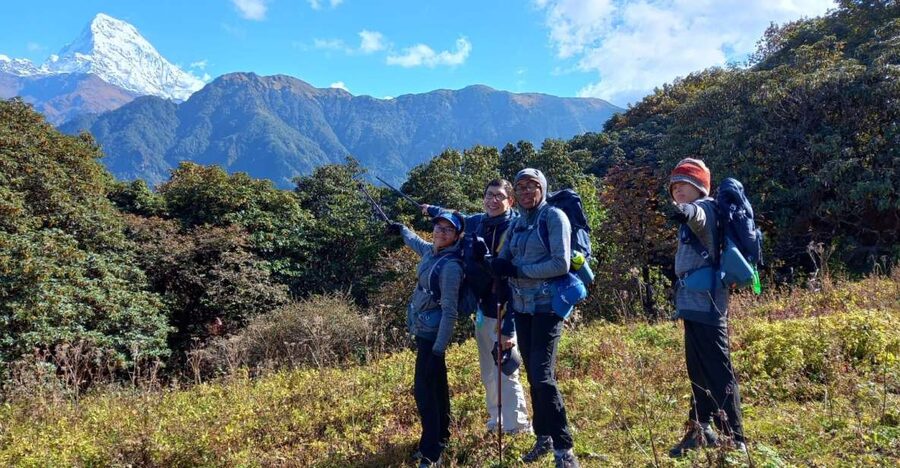
The trip includes a trekking guide who speaks English, hotel pickup and drop-off, and private vehicle transfers. That combination keeps the day simple. You do not need to arrange a taxi to Kande or figure out the return from Phedi or Kande.
The guide’s role is more important than route-finding alone. Raju helped one beginner maintain motivation and explained the route, while Prakash was praised for taking photos, answering questions, and paying close attention to a solo hiker. Pratip was also described as friendly and well informed during an overnight trek.
Those names come from individual departures, so you may be assigned a different guide. The useful point is that guide quality can shape this short trip. A good guide helps with pacing, village context, photographs, and practical decisions on the trail.
Permits and necessary paperwork are included, along with government tax and service charges. Water purification tablets are available as required. A duffel bag is included if you choose the porter option, but the porter itself costs extra.
The listed inclusions cover the main costs of the activity, but you should budget for drinks, snacks, and personal expenses. Since no tour price is provided here, I cannot judge the exact price. In value terms, the package is strongest when you want a private transfer, guide, meals, permits, and an overnight room arranged together.
One Day or Two Days: Which Fits You?
Choose the one-day express plan if you want the mountain view but need to return to Pokhara the same afternoon. It is also the better fit if you are testing your interest in trekking and do not want to spend a night in a basic lodge.
Choose the overnight plan if sunrise and sunset matter to you. The extra day gives the trip a slower pace and lets you enjoy Australian Camp when the main daytime groups and schedules are no longer the focus.
I would also choose two days for photography. Morning and evening light can change the view, and staying at the camp means you are already in position. Clear weather is still not guaranteed, but you have more time and less pressure.
Families and first-time hikers may prefer the overnight version because the schedule is less compressed. On the other hand, an overnight stay brings simple facilities, limited personal supplies, and a cooler night. You need to be comfortable with that trade.
The route suits culture enthusiasts, photographers, and people who want quiet mountain time without a long trek. It is less suitable if you want remote wilderness, high-altitude trekking, or a demanding multi-day adventure.
What to Pack for Australian Camp
Bring a camera, hiking shoes, and your passport, as requested for the activity. For the overnight option, add warm layers, personal toiletries, toilet paper, and a towel.
A few practical extras will make the walk easier:
- Small daypack
- Reusable water bottle
- Snacks
- Sunglasses and sun protection
- Light rain protection
- Comfortable clothes for walking
- Cash for drinks or personal expenses
You can borrow a down jacket, trekking poles, and sleeping bag, which helps reduce the amount of gear you need to bring from home. Confirm the borrowing arrangements when booking if those items are important to you.
Oversize luggage is not allowed on the trek, and alcohol and drugs are prohibited. Leave your large bags at your Pokhara accommodation if possible.
Booking Flexibility and Small Practical Details
The activity is offered as a private group with an English-speaking live guide. Pickup is included, and you should wait in your hotel lobby or at the entrance of your apartment five minutes before the stated time.
Starting times can vary based on availability, although the sample plans begin around 8:00 in the morning. The two-day option returns to Pokhara around lunchtime on Day 2, while the one-day trip reaches the city in the late afternoon.
Cancellation is flexible up to 24 hours before the activity for a full refund. A reserve-now, pay-later option is also available, which helps if your Pokhara plans are still shifting.
The overnight accommodation is not a polished resort. Think of it as a practical mountain base with a private bathroom, basic rooms, and simple meals. That is part of the route’s appeal, but it is worth knowing before you choose two days.
Should You Book This Trek?
I would book the Australian Camp and Dhampus trek if you want a short, well-organized introduction to the Annapurna foothills. The views are unusually generous for the amount of walking, and the route adds Gurung villages rather than treating the mountains as a backdrop only.
Choose one day for speed and convenience. Choose two days for the better mountain rhythm, with sunset, sunrise, and more time at Australian Camp.
The strongest reasons to book are the private transport, guide support, included meals and permits, and the chance to see the peaks without a lengthy trek. The main compromises are the steps, uncertain mountain weather, extra drink costs, and basic overnight facilities.
For a first Himalayan walk, a family outing, or a quiet break from Pokhara, this is a sensible choice. Pack for simple conditions, keep your expectations realistic about sunrise, and give yourself time to enjoy the village sections instead of racing only toward the viewpoint.
FAQ
How long is the Australian Camp and Dhampus activity?
You can choose a one-day express trip lasting about seven hours or a two-day trek with one overnight stay at Australian Camp.
Where does the one-day trek begin?
The one-day route starts at Kande after a private vehicle transfer from Pokhara. You walk to Australian Camp, descend through Dhampus and Pothana, then continue to Phedi for the return drive.
Where does the two-day trek begin?
The two-day route starts at Phedi after hotel pickup in Pokhara. You trek via Dhampus to Australian Camp, stay overnight, then descend to Kande on Day 2.
What mountain views can I expect?
Australian Camp offers wide views toward Annapurna South, Hiunchuli, and Machhapuchhre, also known as Fishtail. Sunrise and sunset views depend on weather conditions.
Is accommodation included?
Yes. The two-day option includes one night in a guesthouse with a private bathroom. The room is basic, and towels and toilet paper may not be provided.
Are meals included?
The one-day option includes one lunch. The two-day option includes one breakfast, two lunches, and one dinner. Drinks, alcohol, and extra snacks are not included.
What equipment can I borrow?
You can borrow a down jacket, trekking poles, and sleeping bag as needed. A duffel bag is included with the porter option, but porter service is an additional cost.
More 2-Day Experiences in Pokhara
- Pokhara: 2-Day Ghorephani and Poon Hill Private Trek
★ 4.6 · 50 reviews - From Pokhara: 2 Day 1 Night Ulleri,Ghorepani Poon Hill Trek
★ 4.9 · 33 reviews - 2-Day Scenic Mustang Tour: Pokhara to Jomsom, Kagbeni & Muktinath
★ 5.0 · 23 reviews - Pokhara: 2-Day Ullerai, Ghorepani & Poon Hill – Sunrise Trek
★ 5.0 · 21 reviews
Just added around Pokhara
- Seti George and Thrilling Suspension Bridge Tour at Pokhara★ 4.5 · 3 reviews
- Tandem Paragliding in Pokhara★ 4.8 · 8 reviews
- Pokhara: Sunrise Tour to Sarangkot★ 5.0 · 3 reviews
- Pokhara: Suspension Bridge Private Tour- 30 Min Village Walk★ 4.8 · 9 reviews
- Pokhara: Visit Best Seven Tourist Destination by Sharing Bus★ 3.4 · 10 reviews
- Pokhara Sightseeing By Bus – Day Trip★ 3.2 · 8 reviews
- Pokhara Sightseeing By Bus: Day Trip★ 4.6 · 7 reviews
- Pokhara: Sarangkot Sunrise & Panoramic Annapurna View Tour★ 4.8 · 10 reviews
Australian Camp Hikes, compared.
2-Day Private Trekking Tour to Australian Camp & Dhampus
Read our review →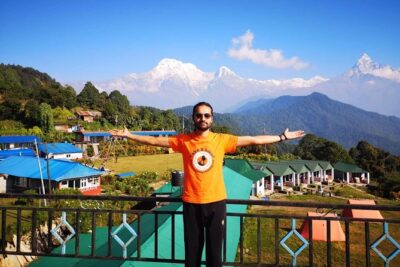
1-Day Scenic Australian Camp & Dhampus Guided Hike
Read our review →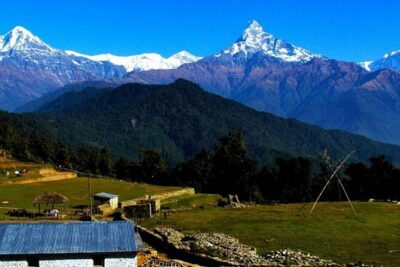
Easy Day Hike to Australian Camp & Dhampus Village
Read our review →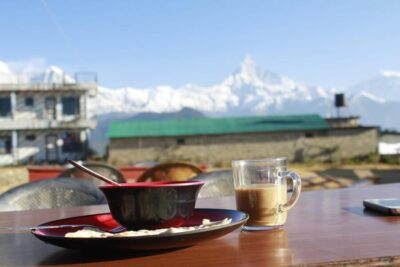
1 N 2 Days easy Dhampus,Australian camp trek from Pokhara
Read our review →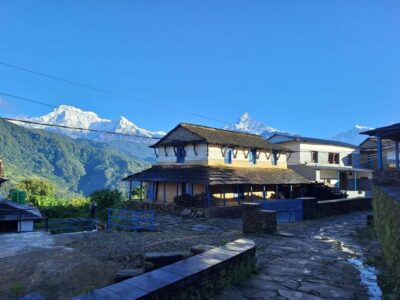
2-Day Australian Camp & Dhampus Village Easy Hike
Read our review →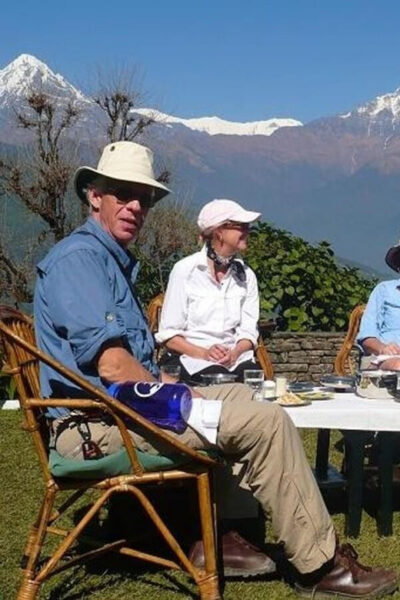
Browse the lists this tour appears in