
Reviewed · FOOD & DRINK
Kathmandu Food Tour
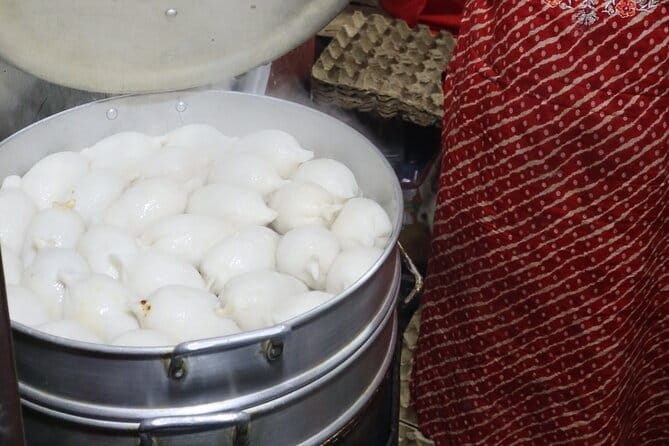
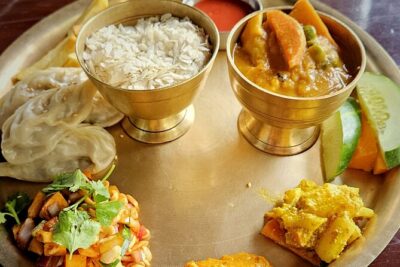
Kathmandu’s best introduction may come one bite at a time. This three-hour walk takes you through Asan market, Basantapur Durbar Square, and Thamel while putting local food ahead of sightseeing checklists. You can try savory Bara lentil pancakes, sweet Yomari filled with molasses, spicy Tibetan Laphing noodles, and, if the food stops line up as planned, chilly chicken momos.
I like two things right away: the food is tied to real neighborhoods, not served as a detached tasting menu, and the guide adds history and personal views as you walk. I also like the compact price of $32, which makes this a sensible first-day activity if you want help finding local dishes without committing to a long formal meal.
The main consideration is that this is a street-level food walk, not a polished restaurant tour. Some stops may be crowded, the exact food lineup can vary, and entrance fees and taxes are not included. You should also confirm the pickup point and any admission costs before setting out.
Key points at a glance

- About four tastings in Asan: The food portion centers on local snacks and quick dishes rather than one large meal.
- Bara, Yomari, and Laphing: You get a useful spread of savory, sweet, and spicy Nepali and Tibetan-influenced flavors.
- Iam as a guide: The guide has been praised for finding lesser-known food spots and explaining history and current life along the route.
- Basantapur and Thamel included: The walk connects food with major Kathmandu sights, markets, temples, shops, and old-city streets.
- Three hours and up to 15 people: The length works well as an arrival-day activity, though a group of 15 can feel less personal in tight lanes.
- $32 with water and snacks included: Pickup is offered, but fees, taxes, and admission charges are extra.
Why Kathmandu food makes a good walking tour
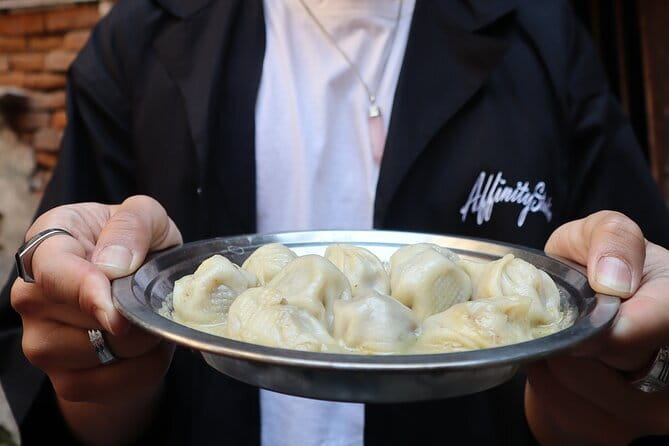
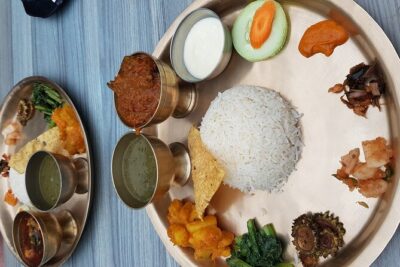
Kathmandu food is not one single cuisine. You will encounter Newar dishes, Tibetan-influenced noodles and dumplings, sweets, market snacks, and everyday foods shaped by the city’s many communities. A guide helps you see how these foods fit into the streets around you.
That matters because some of the most interesting dishes are not obvious to a first-time visitor. Bara can look like a simple pancake, but its lentil base gives it a savory, hearty character. Yomari has a distinctive fig-like shape and a sweet molasses filling. Laphing brings a sharp, spicy note that may be more memorable than familiar.
I like this format because you are not asked to choose a restaurant from a long list or guess what a dish contains. You can ask questions as each plate arrives, then decide what you want to seek out again later in your stay.
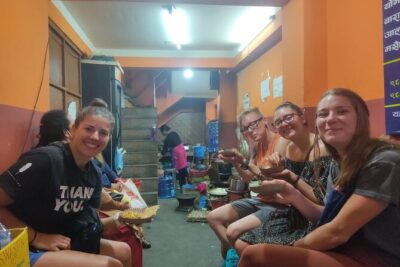
The tour also gives food a sense of place. You are walking through working streets, markets, and historic areas rather than moving between isolated dining rooms. That can mean noise and crowds, but it also gives the meal more context.
A few more Kathmandu trips to weigh up
- Kathmandu Food and Drink Walking Tour
★ 5.0 · 266 reviews - Kathmandu: Food and Drink Walking Tour
★ 4.9 · 119 reviews - Walking Street Food Tour in Kathmandu
★ 5.0 · 111 reviews
Asan market and the first two hours
Asan is the main food center of the outing, with about two hours devoted to walking and tasting. The route includes roughly four food stops, so you should expect small portions or snack-sized servings rather than a full lunch with long pauses between courses.
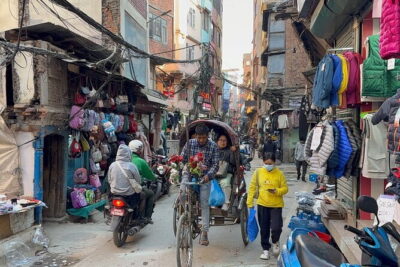
The market area is useful for getting your bearings in central Kathmandu. Its lanes bring together food stalls, shops, local trade, and religious sites. You may see ingredients and prepared foods being sold close to the places where people eat them, which gives the walk a more everyday feel than a sightseeing route focused only on monuments.
The first dish may be Bara, a lentil pancake with a savory taste and filling texture. This is the sort of food that helps you understand Newar cooking quickly: modest in appearance, but built around a strong staple ingredient.
Yomari gives the tasting sequence a different direction. This sweet, fig-shaped Newari treat is filled with molasses, so it provides a clear contrast to the savory snacks. If you prefer desserts that are less familiar than standard pastries, this is one of the more distinctive items on the route.
Laphing brings heat. These Tibetan noodles are known for their spicy flavor, and the dish may be the boldest stop for anyone who is sensitive to chili. Ask the guide about the level of heat before taking a large bite, especially if you are not used to spicy food.
The food list also points to momos, and one especially memorable recommendation is chilly chicken momos. They combine a familiar dumpling format with a sharper, spicier preparation. If you already know you like momos, this may become the dish you remember most clearly.
The practical drawback is that street food is not always predictable. A particular stall may be busy, an item may not be available, or the order of tastings may change. I would treat the advertised dishes as a guide to the flavors you are likely to encounter, not as a fixed restaurant menu.
Basantapur Durbar Square between food and history
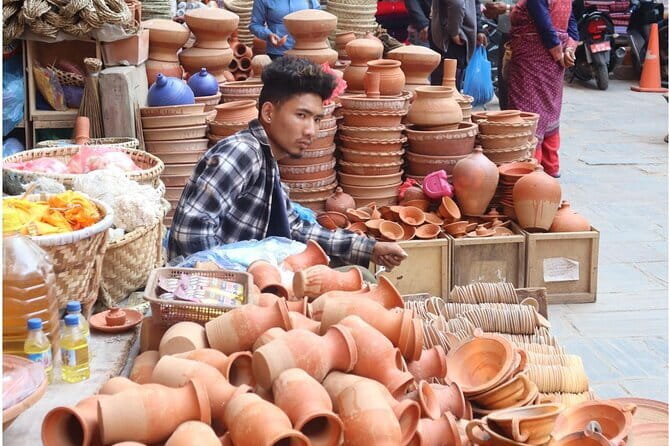
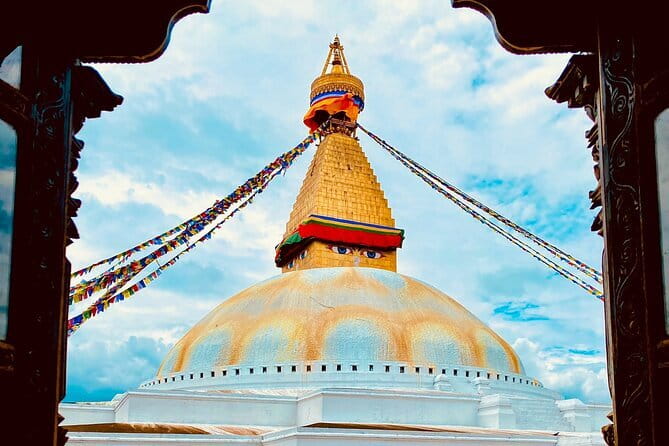
Basantapur Durbar Square adds a major cultural stop to what could otherwise be a simple snack walk. This UNESCO World Heritage Site was once connected with Nepal’s royal court and is known for Newar architecture and the Hanuman Dhoka area.
The square gives you a chance to look up from the food stalls. Carved wood, old palace buildings, temples, and busy public life all share the same space. The guide’s role is important here because the meaning of the buildings can be hard to grasp from appearances alone.
I appreciate that the route does not treat history as a separate lecture. You can connect what you are eating with the city’s older neighborhoods and living traditions. The food is not just fuel between monuments; it becomes part of the explanation of Kathmandu.
Keep in mind that admission is not included. The tour information specifically notes that an admission ticket is not included for the Asan portion, and all fees and taxes are excluded. Ask exactly which sites require payment before the tour begins, since the three-hour price does not cover every possible charge.
This stop may also slow the pace. If you want a long, detailed visit inside every palace room or temple, this food walk will not replace a dedicated Durbar Square tour. It works better as an introduction that helps you decide where to return.
Thamel for a final change of pace
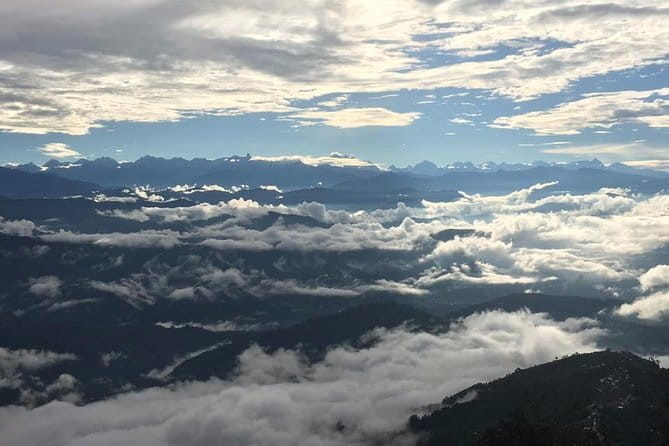
Thamel is the last major area named on the route. It is Kathmandu’s well-known center for shops, restaurants, travel services, and evening activity. Compared with Asan and Basantapur, it offers a more visitor-oriented side of the city.
That contrast is useful. Asan gives you a strong look at market life and local food, Basantapur adds architecture and royal history, and Thamel shows how Kathmandu serves people passing through the city. You get three different urban moods within a short outing.
Thamel can feel crowded and energetic, with narrow streets and plenty of visual distractions. That makes it fun for browsing, but it can also make conversation harder if the group is large or traffic is heavy. Keep your attention on the guide when crossing streets and moving through tight lanes.
The route is especially handy if you are staying in or near Thamel. It can help you identify restaurants and food styles for later meals. If you are based farther away, pickup may help, but the exact meeting arrangement is not clear enough to assume door-to-door transport. Confirm this when booking.
Same mountains, a completely different kind of day:
- Everest Base Camp Trek – 14 Days
★ 5.0 · 1,499 reviews - Private Kathmandu Sightseeing Tour | UNESCO World Heritage sites
★ 5.0 · 756 reviews - Everest Base Camp Helicopter Tour landing at Everest View Hotel
★ 5.0 · 668 reviews - Half day cooking class in Thamel kathmandu
★ 5.0 · 607 reviews
What the guide adds to the food
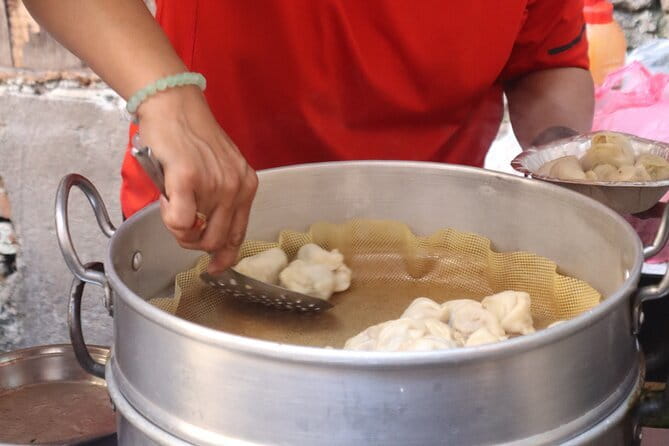
A food walk depends heavily on its guide, and Iam appears to be a central part of the experience. The guide is described as finding lesser-known places while explaining the history around them and adding personal views about Kathmandu’s past and present.
That personal element can make a short tour much more useful. You are not only being told what a dish is called. You can also ask how it is normally eaten, where it fits into local life, and what else to order during your stay.
The guide is listed as English-speaking and Nepali-speaking. That is helpful for both explanations and ordering, since the guide can bridge the gap between you and the people preparing the food.
The strongest praise centers on three things: the quality of the food, the guide’s warmth, and the way the walk connects food with monuments and daily life. One person returned for the tour twice, which suggests the experience can work for repeat visitors as well as first-time arrivals.
Still, expectations matter. A three-hour walk cannot explain every dish, neighborhood, and temple in depth. You will get a well-chosen introduction, not a complete course in Nepali cuisine.
Is $32 a fair price?
At $32 per person, this is a reasonable price if you value guidance, several tastings, and a structured walk through central Kathmandu. You receive snacks, bottled water, and a guide, so you are not paying only for food. You are also paying for help finding the stops and understanding what you see.
The value is strongest for someone arriving in Kathmandu without a clear food plan. A guide can save you from spending your first afternoon guessing at menus or missing dishes that are hard to identify from English descriptions.
The value is less clear if you already know the city well or prefer to eat large portions at your own pace. Four tastings over about three hours may leave you wanting a proper meal afterward, especially if you have a hearty appetite.
Remember to budget separately for admission charges and taxes. The tour includes bottled water, but it does not include all fees. Pickup is offered, yet you should confirm whether it affects the price or where the actual meeting point will be.
A maximum of 15 people keeps the group from becoming enormous, but it is not a private tour. In narrow market lanes, a smaller group would make it easier to hear every explanation and ask more questions.
Who will enjoy this Kathmandu food walk?
I would recommend it most strongly to first-time visitors who want a quick introduction to Kathmandu’s food and central neighborhoods. It also suits people who prefer local snacks, short walks, and cultural context over a long sit-down meal.
It is a good choice for:
- People who want to try unfamiliar Nepali dishes with a guide nearby
- Anyone interested in Newar food and Tibetan-influenced flavors
- Visitors staying near Asan, Basantapur, or Thamel
- Couples and small groups who want a shared activity early in the trip
- Food lovers who want ideas for later meals
- Visitors who enjoy walking through active city streets
You should think twice if you dislike spicy food, crowded market lanes, or uncertain menus. The food is the focus, but the setting is public and active. This is not designed as a quiet culinary class or a luxury tasting.
Most people can participate, and service animals are allowed. The route is near public transportation, which makes it easier to reach or leave without relying entirely on private transfers.
Timing, group size, and what to bring
The experience lasts about three hours. The stated operating information lists Monday hours from 8:00 AM to 4:00 PM for the period from November 12, 2024, through July 12, 2026. Confirm the available start time for your date, since the published hours do not by themselves explain every departure.
Wear comfortable shoes. You will be walking through market streets and historic areas, and the food stops are spread across the route. Carry only what you need, since crowded lanes are easier to manage with a light bag.
Bring a little patience. The pace may change with market conditions, food preparation, and the size of the group. If you have dietary restrictions, tell the operator before booking and ask which dishes can be adjusted. The supplied details do not promise specific vegetarian, vegan, allergy-free, or gluten-free options.
The tour includes bottled water, but you should still arrive ready to eat snacks rather than expecting a full restaurant meal. If you want lunch afterward, leave room in your schedule.
Free cancellation is available if you cancel at least 24 hours before the start time. Changes or cancellations inside that window are not accepted for a refund, and the cut-off follows local Kathmandu time.
My call: book it for a flavorful first look
I would book this tour if I had three free hours in Kathmandu and wanted food to guide my first look at the city. The combination of Asan’s market lanes, Basantapur’s historic setting, Thamel’s shops, and dishes such as Bara, Yomari, Laphing, and chilly chicken momos gives the outing a clear sense of place.
The best reason to choose it is the connection between eating and walking. You are not simply handed unfamiliar food. You get a guide, neighborhood context, and a practical introduction to dishes you can seek out again.
Just budget for extra fees, confirm pickup details, and expect a casual street-food experience rather than a fixed gourmet meal. If those limits suit you, $32 buys a useful and tasty start to Kathmandu.
FAQ
How long does the Kathmandu Food Tour last?
The tour lasts approximately three hours.
How much does the tour cost?
The listed price is $32 per person.
Which foods are included?
The tour highlights Bara lentil pancakes, Yomari filled with molasses, Tibetan Laphing noodles, and momos, including chilly chicken momos. The route includes approximately four food tasting stops.
Does the tour include pickup?
Pickup is offered. Confirm the exact pickup arrangement and meeting point when booking.
Are entrance fees and taxes included?
No. All fees and taxes are excluded, and an admission ticket is not included for the Asan portion.
What is the maximum group size?
The tour has a maximum of 15 people. It includes an English-speaking and Nepali-speaking guide, snacks, and bottled water.
Just added around Kathmandu
- Private Half-Day Tour of Kathmandu Durbar Square and Swayambhunath Temple★ 4.5 · 11 reviews
- Namobuddha Monastery Hiking Day Tour via Panauti from Kathmandu★ 5.0 · 15 reviews
- Private Half-Day Tour of Boudhanath and Pashupatinath Temples in Kathmandu★ 4.5 · 9 reviews
- Private Full-Day Kathmandu City Tour★ 5.0 · 9 reviews
- Private Day Tour in Kathmandu Valley Rim with Bhaktapur Sightseeing★ 5.0 · 3 reviews
- Private Half Day Budhanilkantha Tour★ 5.0 · 6 reviews
- Private Day Tour: Patan and Bhaktapur from Kathmandu★ 4.5 · 6 reviews
- Private Day Tour – Sacred Journey to Namo Buddha★ 5.0 · 5 reviews
Food & Drink, compared.
Secret Food Tour – Food Bites and Sights Kathmandu 14+ Testings
Read our review →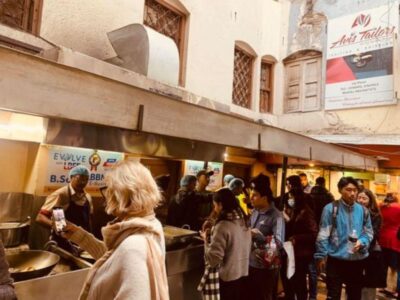
Kathmandu Food & Drink and Shopping Rickshaw Tour
Read our review →
Walking Food Tour in Hidden Local Eateries of Kathmandu
Read our review →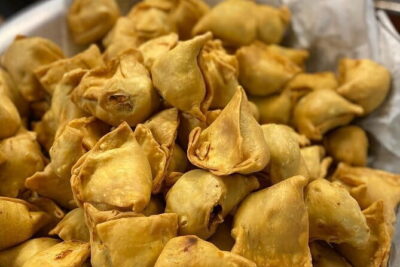
Browse the lists this tour appears in