
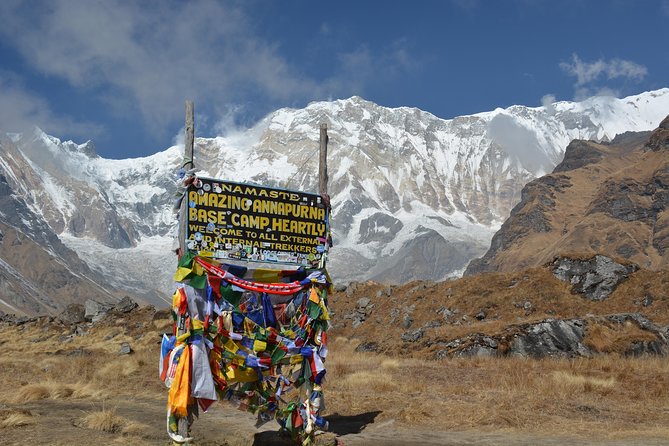
Reviewed · ANNAPURNA BASE CAMP TREKS
Annapurna Base Camp, Nepal 10 days
Annapurna Base Camp is a proper mountain trek, not a sightseeing trip with a few easy walks added on. Over 10 days, you’ll move from Kathmandu and Pokhara into the Annapurna Sanctuary, walking three to eight hours a day through Gurung villages, bamboo forests, stone stairways, and high mountain terrain. The payoff is the ring of peaks around the base camp, including Annapurna South, Hiunchuli, Machhapuchhre, and Gangapurna.
I like the private format, since your guide can adjust the pace instead of pushing a fixed group along. I also like the mix of teahouse nights and village life, especially Ghandruk and Jhinu Danda. The main catch is simple: this is a demanding high-altitude walk, and hot showers, Wi-Fi, battery charging, and hot water cost extra.
Key points before you book
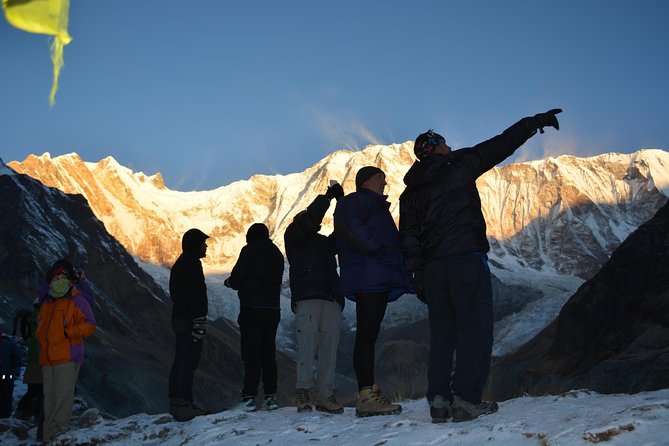
- A 10-day route to Annapurna Base Camp includes road transfers from Kathmandu to Pokhara and back, plus the full walking route into the sanctuary.
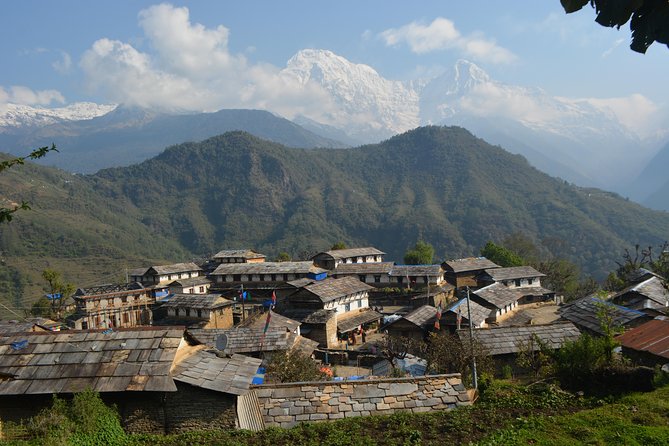
- Ghandruk provides an early cultural stop, with Gurung homes, mountain views, and time to visit a Gurung museum if the schedule allows.
- The trail has serious stair work, including roughly 2,500 stone steps descending from Chhomrong before the climb toward Sinuwa.
- Private guiding gives you more control, and guides named Resham GC, Sandip, Nitesh, and Raju have led similar trips for this operator.
- Meals and lodging are mostly covered, but basic teahouse extras such as hot water, showers, Wi-Fi, and charging are not.
- The price is $848 per person, a useful value for a private trek with transport, accommodation, guide support, and most meals included.
What the Annapurna Base Camp route feels like
This trek works because the scenery changes almost every day. You begin with a long road journey from Kathmandu, then trade city traffic for Pokhara’s quieter setting and the first proper mountain views. From there, the trail climbs through settlements and forest before reaching the high bowl of Annapurna Base Camp.
You should expect walking days of three to eight hours. The route is not technical mountaineering, but it is physically serious. You’ll deal with repeated climbs, long descents, uneven trails, cold conditions higher up, and a steady gain in altitude.
The private arrangement matters here. If your legs are struggling, you can discuss a slower pace with your guide. If you feel strong, you are not tied to the slowest member of a large group. This flexibility is one of the best reasons to choose this format.
The guides are another important part of the experience. Resham GC is specifically noted as caring and attentive, while Sandip is described as cheerful, helpful, and well informed about the route. Nitesh and the porters have also provided support on the trail, and Raju has assisted with solo walkers. Your exact guide may vary, so confirm the assignment before departure.
More Annapurna Base Camp Treks in Kathmandu
- Annapurna base camp trek 5 Days
★ 5.0 · 252 reviews - Annapurna Base Camp Trek
★ 5.0 · 111 reviews - Kathmandu to Annapurna Base Camp (ABC) 5-Day Trek
★ 5.0 · 102 reviews
Day 1: Seven hours from Kathmandu to Pokhara
Your trip starts early, with a 6:15 am meeting time. The drive from Kathmandu to Pokhara covers roughly 200 kilometers and takes about seven hours by tourist bus.
This is not a glamorous first day. It is a long road transfer, and the traffic and road conditions can affect the timing. Still, it moves you efficiently to Pokhara, the main gateway for the Annapurna region.
An air-conditioned vehicle is included. If you prefer to fly from Kathmandu to Pokhara, that option is not part of the quoted price, so ask about the added cost and arrangements before booking.
Pokhara gives you a useful pause before the trek begins. You can rest, check your equipment, and prepare for the walking days ahead. Since this itinerary already packs a lot into 10 days, the road transfer keeps the trip affordable, but it leaves little room for an extra rest day.
Day 2: Ghandruk and the Gurung foothills
After breakfast, you drive about two and a half hours to Siwai. From there, the walking begins, with roughly four hours on the trail to Ghandruk.
Ghandruk is one of the most appealing early stops. It is largely inhabited by the Gurung community and gives you a look at village life before the route becomes more remote. If time permits, you may visit the Gurung museum, adding some local context to the mountain setting.
The first walking day is a good test of your fitness. You are not yet at the highest part of the route, but the trail introduces the rhythm of climbing, descending, eating, resting, and starting again. Take this day seriously rather than racing through it.
The overnight stay is in a teahouse. These are practical mountain lodgings, not resort hotels. Rooms are generally simple, and comfort becomes more basic as you gain height. Previous trips with this operator have included clean and comfortable accommodation, but you should still pack for cool nights and modest facilities.
Day 3: Mountain views and the climb toward Chhomrong
The third day includes about six hours of walking and brings you toward Chhomrong. The route climbs for roughly an hour to Kimrungdanda, where the mountain views begin to open.
You may see Annapurna South, Hiunchuli, Machhapuchhre, and Gangapurna along the way. These peaks are not just distant scenery. They give you a preview of the great walls that will surround you near base camp.
This is a day when the private format can make a real difference. The trail has sustained uphill sections, and a guide who watches your pace can help you avoid burning out early. The goal is not to arrive first. It is to arrive with enough energy for the days ahead.
Chhomrong is an important village on the route and a common place to pause before the trail enters deeper forest. It also gives you a final strong sense of settled village life before the terrain becomes more enclosed and mountain-focused.
Same mountains, a completely different kind of day:
- Everest Base Camp Trek – 14 Days
★ 5.0 · 1,499 reviews - Private Kathmandu Sightseeing Tour | UNESCO World Heritage sites
★ 5.0 · 756 reviews - Everest Base Camp Helicopter Tour landing at Everest View Hotel
★ 5.0 · 668 reviews - Half day cooking class in Thamel kathmandu
★ 5.0 · 607 reviews
Day 4: Chhomrong’s 2,500 steps and forest walking
The itinerary includes Chhomrong again on Day 4, but this is really the route onward from the village. You descend about 2,500 stone steps, cross the Chhomrong Khola on a suspension bridge, and then climb toward Sinuwa.
This is one of the most deceptive sections of the trek. A descent sounds easy until you remember that every step down must later be balanced by another climb. The stone stairway can be tough on knees, while the uphill sections test your lungs and legs.
After Sinuwa, the trail passes through forest toward Kuldighar. You’ll have about five hours of walking. The forest provides shade and a cooler setting, but damp conditions can make the path feel slippery or tiring.
This is a good day to use trekking poles if you have them. The tour details do not list equipment rental, so plan to bring or arrange your own gear. Your guide can help with pacing and route decisions, but you are responsible for arriving prepared for a mountain walk.
Day 5: Bamboo to Deurali at 3,230 meters
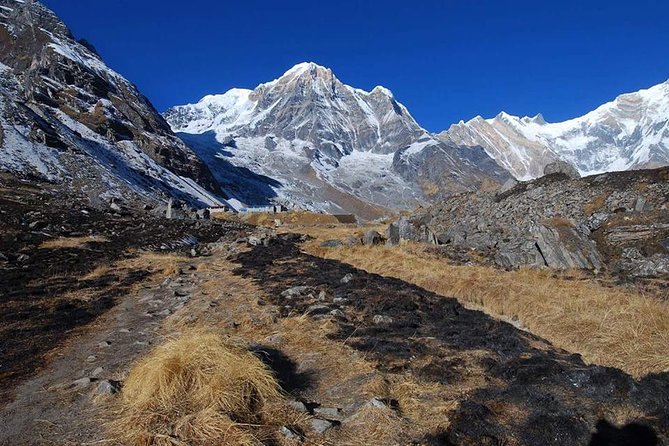
Day 5 takes you from Bamboo to Deurali, at about 3,230 meters or 10,595 feet. The walking time is listed at four to five hours.
The trail passes through bamboo forest, described as damp and cold, then climbs steadily with fewer steep sections. After Himalaya Hotel, the surroundings begin to feel more open and more exposed to the mountain environment.
This is where altitude becomes a central concern. You may find the pace slower than expected, even if you are fit at sea level. Keep your guide informed about how you feel, drink regularly, and avoid treating the day like a race.
Deurali is a practical overnight stop before the higher section. Facilities become more limited in this part of the route, which is why the extras matter. Hot water, hot showers, Wi-Fi, and battery charging are not included. Carry some cash for these services and do not assume you will be able to charge a phone whenever you wish.
Day 6: Machhapuchhre Base Camp and Annapurna Base Camp
This is the main goal of the trek. You climb through a river bed, then follow a steep trail along the mountainside. The section from Bagar to Machhapuchhre Base Camp is described as strenuous and takes about six hours overall.
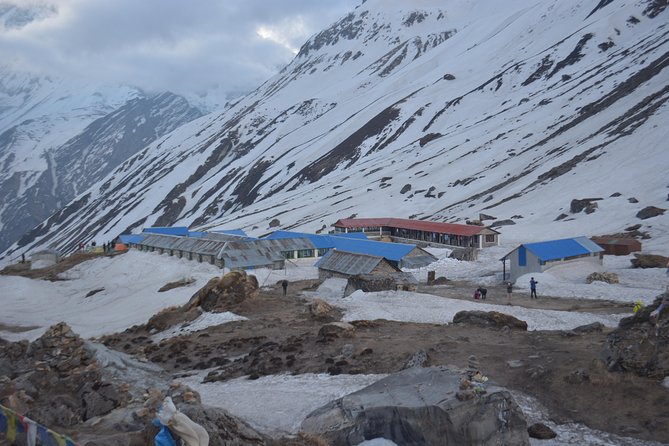
From Machhapuchhre Base Camp, you continue toward Annapurna Base Camp. The route brings you into the Annapurna Sanctuary, a high mountain bowl surrounded by major peaks. The setting is the reason most people accept the long transfers, early starts, stone steps, and basic lodging.
Your guide can explain the spiritual and environmental importance of the sanctuary as you walk. That context adds value, since the route is more than a series of viewpoints. It is a passage through a protected mountain area with local religious meaning.
The weather can change, and the itinerary specifically notes that poor weather may cause a cancellation or date change. At this altitude, flexibility is sensible. You should not expect a guaranteed perfect view or treat the schedule as immovable.
Day 7: The long descent to Bamboo
After reaching Annapurna Base Camp, you retrace your steps toward Bamboo. The walking time is around eight hours, making this one of the longest days.
Much of the route is downhill, which may feel easier on your breathing but harder on your knees. The mountain views continue to provide a welcome distraction, but you should not underestimate the distance. Pack snacks where possible and keep water available.
This is also the day when good guiding and sensible pacing help most. You have already completed the hardest upward section, yet fatigue can make a descent risky. A private guide can keep an eye on the group and adjust breaks to suit your condition.
Returning to Bamboo also means moving back into forest and lower elevations. The air should feel easier than at base camp, but your body may still be tired from the summit day and the long return.
Day 8: Chhomrong and Jhinu Danda
From Bamboo, you climb uphill to Kuldighar, descend to Chhomrong Khola, and then climb stone steps to Chhomrong. From there, the trail descends to Jhinu Danda. The day takes about six hours.
This repeated up-and-down pattern is typical of the Annapurna route. The distance may not look extreme on paper, but the stairs make the day feel longer. Take short breaks rather than waiting until you are exhausted.
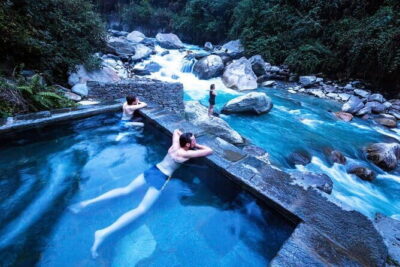
Jhinu Danda is a pleasant place to rest after the high section. The village is the overnight stop before the final walk and road transfer. The supplied itinerary does not confirm access to hot springs, so do not book this trip specifically expecting that feature.
The accommodation remains teahouse-style. You can expect a simpler stay than in Kathmandu or Pokhara, with basic services and extra charges for comforts such as hot water and charging.
Day 9: Siwai and the road back to Pokhara
The final walking day leads from Jhinu Danda to Siwai, with about six hours on foot. Along the way, you can enjoy the western Nepal hill scenery and see wild bee hives under a cliff.
That detail gives this section a character of its own. After the dramatic high mountain views, the route shifts back toward villages, hills, and everyday rural life. You’ll have lunch on the way, then board a vehicle at Siwai.
The trek ends at Siwai, but the day is not finished. You continue by road to Pokhara, so expect a full day of walking and transport. This arrangement avoids repeating a large section of the trail, but it also means you should not plan an elaborate evening in Pokhara.
Day 10: Seven hours back to Kathmandu
After breakfast, you drive from Pokhara to Kathmandu. The trip takes about seven hours by road, although a flight can be arranged for an additional $100.
The final day is mostly transport, shopping, and rest. That is useful after a demanding trek, but it also means the 10-day duration includes two long road days. If your time in Nepal is tight, this plan covers the essentials. If you want more time in Pokhara or Kathmandu, ask about adding extra nights.
The return drive also gives you a final look at the route between Nepal’s two main tourist centers. It is not the most exciting part of the trip, but it keeps the package price lower than an itinerary built around domestic flights.
What $848 includes, and what it does not
At $848 per person, this trip offers solid value if you want a private, organized trek rather than arranging each part yourself. Accommodation in hotels and teahouses, transport, guiding, and most meals are included.
The meal allowance is clearly substantial:
- Ten breakfasts
- Eight lunches
- Seven dinners
- Air-conditioned vehicle transport
- Hotel and teahouse accommodation
The numbers do not mean every meal is necessarily covered on every day in the same way, so ask the operator to explain where the missing meals fall. You should also budget for drinks, snacks, and mountain extras.
Hot water, hot showers, Wi-Fi, and battery charging are not included. These services can be especially useful higher on the route, but they are optional expenses rather than hidden inclusions. Tipping for crew members is also separate.
For a private trek, the price is attractive, but you should compare it with the level of support you want. The package is strongest for someone who values a guide, arranged transport, and a clear route. It is less suited to someone who wants luxury lodging or every small expense prepaid.
Who should book this private trek?
I would recommend it for a fit adult who wants a serious Himalayan walk with support but does not want to join a large group. It also suits solo visitors who prefer the safety and organization of a private guide. One solo trekker was supported with transport and trip arrangements, showing that the operator can work with individual bookings.
You need a moderate level of physical fitness. The daily walks last three to eight hours, and the route includes steep trails, long stairways, suspension bridges, and high-altitude sections.
This is not the right pick if you want an easy holiday, guaranteed showers, constant internet, or hotel-style comfort every night. It may also frustrate you if you have only a strict number of days and cannot tolerate delays on the road or changes caused by weather.
The trip can be customized, which is useful. Discuss pace, flight options, extra nights, and any concerns before you pay. The more clearly you explain your needs, the more useful that private format becomes.
Practical advice for a smoother 10 days
Start training before you arrive. Focus on long walks, stairs, and steady uphill work rather than only short gym sessions. You do not need to be an athlete, but you should be comfortable walking for several hours.
Bring layers for changing conditions, a reliable way to carry water, and enough battery capacity for periods without charging. Since Wi-Fi and charging cost extra and may not always be convenient, download important information before leaving Kathmandu.
Keep cash available for teahouse extras and tips. The package specifically excludes hot water, hot showers, Wi-Fi, battery charging, and crew gratuities.
Ask for the name and phone number of your guide before departure. Resham GC, Sandip, Nitesh, and Raju are names associated with this operator’s trekking support, but your guide may be someone else. A direct contact makes the early pickup and transfer days easier.
The cancellation terms are reasonable if your plans change: you can receive a full refund when canceling at least 24 hours before the start time. Cancellations made later are not refunded. Poor weather or failure to reach the minimum number of participants can lead to a different date, a different experience, or a full refund.
Should you book the Annapurna Base Camp trek?
Book it if you want a private 10-day mountain trek with most meals, teahouse lodging, and transport arranged for you. The route offers a good range of experiences, from Gurung village life in Ghandruk to the high sanctuary around Annapurna Base Camp.
I especially like the flexible guiding and the sensible mix of walking and road transport. The $848 price makes the trip appealing for a private package, though you must accept basic facilities and extra charges along the trail.
Before booking, confirm your guide, meal coverage, road or flight plans, and the extra costs for showers, Wi-Fi, charging, and tips. If you are ready for long days and a few thousand stone steps, this is a practical way to reach one of Nepal’s great mountain viewpoints.
FAQ
How long is the Annapurna Base Camp experience?
The experience lasts approximately 10 days, including travel from Kathmandu to Pokhara, the trek to Annapurna Base Camp, the return to Siwai and Pokhara, and the drive back to Kathmandu.
Where does the trek start?
The experience begins in Kathmandu, with a meeting time of 6:15 am. The first day is a drive to Pokhara by tourist bus.
Is transportation included?
Yes. An air-conditioned vehicle is included for the road portions of the trip. A flight from Pokhara to Kathmandu can be arranged for an additional $100.
Is this a private tour?
Yes. Only your group participates, and the trek can be customized to suit your needs.
What meals are included?
The package includes 10 breakfasts, eight lunches, and seven dinners. Other food, drinks, and snacks should be confirmed and budgeted separately.
Where do I stay during the trek?
Accommodation is provided in hotels and teahouses. The route includes teahouse stays in mountain villages and hotels in the main city stops.
What fitness level is required?
You should have a moderate level of physical fitness. The walking days last approximately three to eight hours and include steep trails, stone steps, and high-altitude hiking.
Are hot showers, Wi-Fi, and battery charging included?
No. Hot water, hot showers, Wi-Fi, and battery charging during the trek are not included. Tipping for crew members is also separate.
Can I cancel for a full refund?
Yes, if you cancel at least 24 hours before the experience begins. Later cancellations and changes are not accepted for a refund. If bad weather or an insufficient number of participants causes cancellation, you will be offered another date or experience, or a full refund.
Just added around Kathmandu
- Private Half-Day Tour of Boudhanath and Pashupatinath Temples in Kathmandu★ 4.5 · 9 reviews
- Private Half-Day Tour of Kathmandu Durbar Square and Swayambhunath Temple★ 4.5 · 11 reviews
- Namobuddha Monastery Hiking Day Tour via Panauti from Kathmandu★ 5.0 · 15 reviews
- Private Full-Day Kathmandu City Tour★ 5.0 · 9 reviews
- Private Day Tour in Kathmandu Valley Rim with Bhaktapur Sightseeing★ 5.0 · 3 reviews
- Private Half Day Budhanilkantha Tour★ 5.0 · 6 reviews
- Private Day Tour: Patan and Bhaktapur from Kathmandu★ 4.5 · 6 reviews
- Private Day Tour – Sacred Journey to Namo Buddha★ 5.0 · 5 reviews
Annapurna Base Camp Treks, compared.
Kathmandu to Annapurna Base Camp (ABC) 5-Day Trek
Read our review →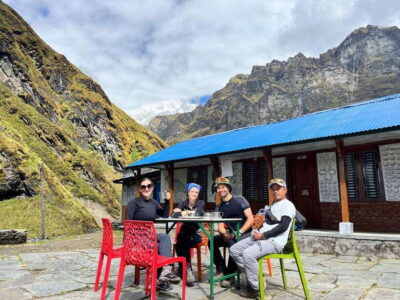
Kathmandu/Pokhara: 5-Day Annapurna Base Camp (ABC) Trek
Read our review →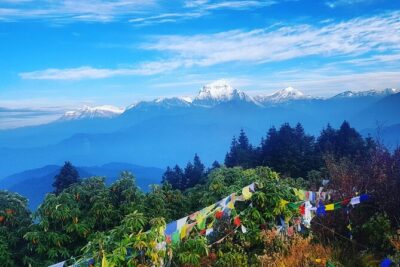
11-Day Hike Tour to Annapurna Base Camp Bliss in Kathmandu
Read our review →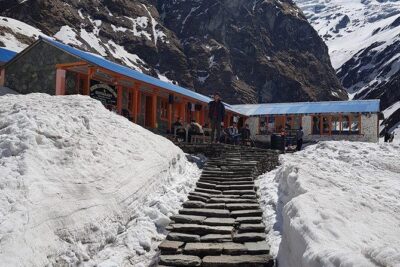
Browse the lists this tour appears in