
Reviewed · HIKING & TREKKING
Pokhara: 3-Day Trek
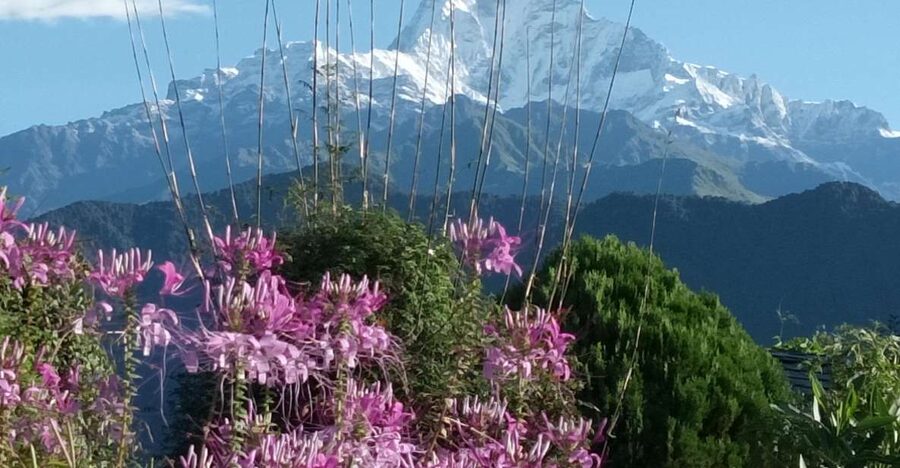
The best part of this three-day trek is how quickly you leave Pokhara behind. Within about half an hour, you are walking above the valley through forest, village paths, and terraced hills, with the Annapurna range and Mount Fishtail often appearing ahead. I like the short, manageable walking days and the fact that you sleep in lodges with attached bathrooms and hot showers, not bare mountain shelters.
I also like the route’s variety. You move from Dhampus and Pothana to the ridge-top Australian Camp, then on to the eco-friendly village of Astam. The main drawback is that meals are not included, and the pickup only covers hotels around Lakeside. Confirm the meeting time and meal arrangements in advance, since one departure had a delay caused by a missed booking detail.
Key points to know before booking
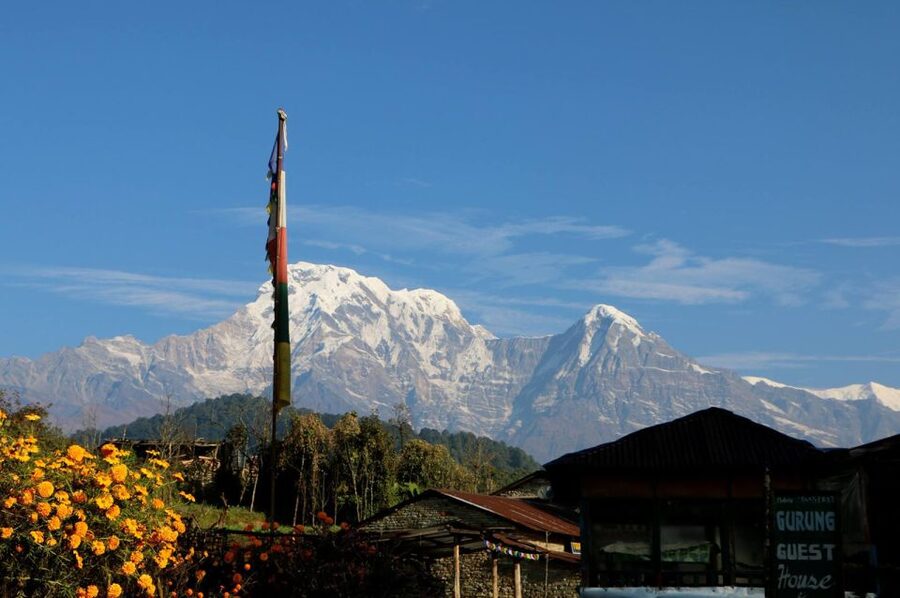
- Australian Camp sunrise: Spend your first night in a small teahouse settlement above Dhampus, where early morning mountain views are the main reward.
- A gentle Himalayan introduction: The route is suited to people who want real trekking scenery without a long, punishing expedition.
- Private pace: Your guide can adjust the walking and driving plan, including starting higher to shorten the route.
- Astam eco-stay: The Annapurna Eco Village Resort offers simple rooms with attached bathrooms, organic farming, rainwater collection, and water reuse.
- Local support: An English-speaking licensed guide leads the walk, while porters carry luggage and can share stories about village life and the mountains.
- Plan for extras: Lodges sell meals directly, but food, insurance, and any pickup outside Lakeside cost extra.
Why this short trek works so well from Pokhara
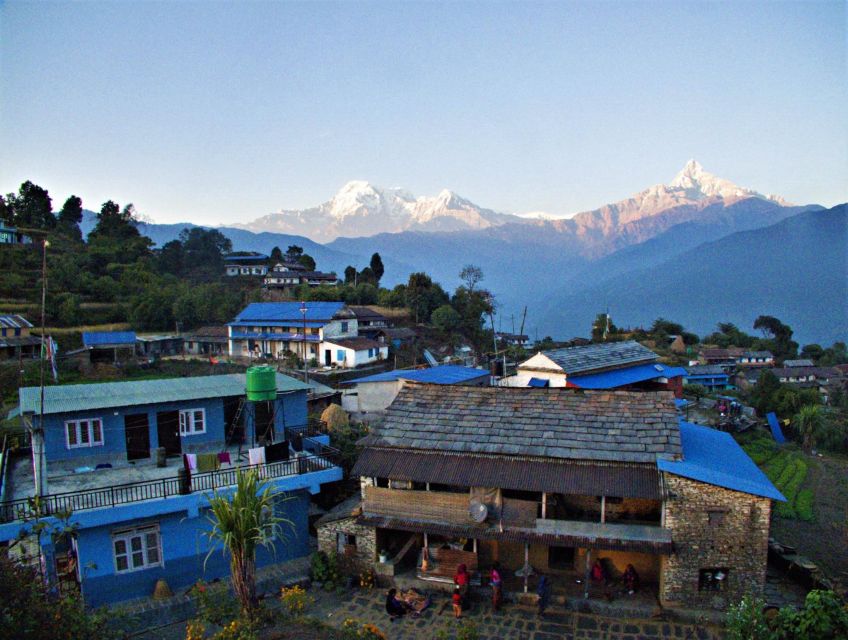
Pokhara is easy to enjoy from ground level, with Phewa Lake, cafes, and broad mountain views. But the city can only show you the edge of the Himalayan foothills. This trek lets you step into the countryside without committing to a week or more on the trail.
The route lies roughly 30 kilometers northwest of Pokhara, closer to Annapurna and Mount Fishtail. That location matters. You are not simply taking a hillside walk near town. You are moving through the same kind of ridge country that gives longer Nepal treks their appeal, but with roads nearby and comfortable overnight stops.
I would call this a trekking sampler, not a wilderness expedition. You get forest, village lanes, terraces, ridge walking, mountain viewpoints, and a taste of lodge life. You do not get high altitude, remote passes, or several days of hard uphill travel.
The private format helps. Your guide can respond to your pace, and the route can be shortened by driving to a higher starting point. That makes the trip useful for first-time hikers, couples, solo visitors, and anyone with only three days between other plans.
A few more Pokhara trips to weigh up
- Poon hill Trek 3 days
★ 5.0 · 176 reviews - Trekking in Annapurna/Langtang/Everest/Upper Mustang regions
★ 5.0 · 161 reviews - Pokhara: 4-Day Ghorepani, Poonhill & Ghandruk Mountain Trek
★ 5.0 · 132 reviews
Day 1: Naudanda to Dhampus, Pothana, and Australian Camp
The first morning begins with a drive of about 30 minutes from Pokhara to Naudanda, on the western rim of the valley. Pickup is included from hotels in the Lakeside area. If your hotel is farther from Phewa Lakeside, expect an added transport charge.
From Naudanda, the trail gradually drops toward a stream before climbing to Dhampus. The climb to Dhampus takes about two hours. This is the day when your legs begin to understand that a city break has turned into a mountain trip.
Dhampus is a useful early stop because it brings you into a traditional hill village rather than placing you straight on a forest path. You pass terraces and local homes, with the wide valley opening around you. Seasonal crops can make the fields especially attractive, though the exact appearance depends on the time of year.
From Dhampus, you continue for about an hour to Pothana, where you stop for lunch. Meals are not part of the $250 package, so you order and pay directly at the teahouse. The food is described as simple but varied, with international choices available. Bring some cash for these purchases, since the operator does not cover them in advance.
After lunch, the final walk to Australian Camp takes roughly 30 minutes. This is a short finish, but the setting makes it feel worthwhile. Australian Camp is a small teahouse settlement in rhododendron forest above Dhampus, with a long record of hosting trekkers.
The accommodation is basic in the good sense. You can expect a room with an attached toilet and bathroom, plus a hot shower. That is a meaningful comfort after a day of walking, especially if you have been comparing this trip with standard teahouse treks where washing facilities may be much simpler.
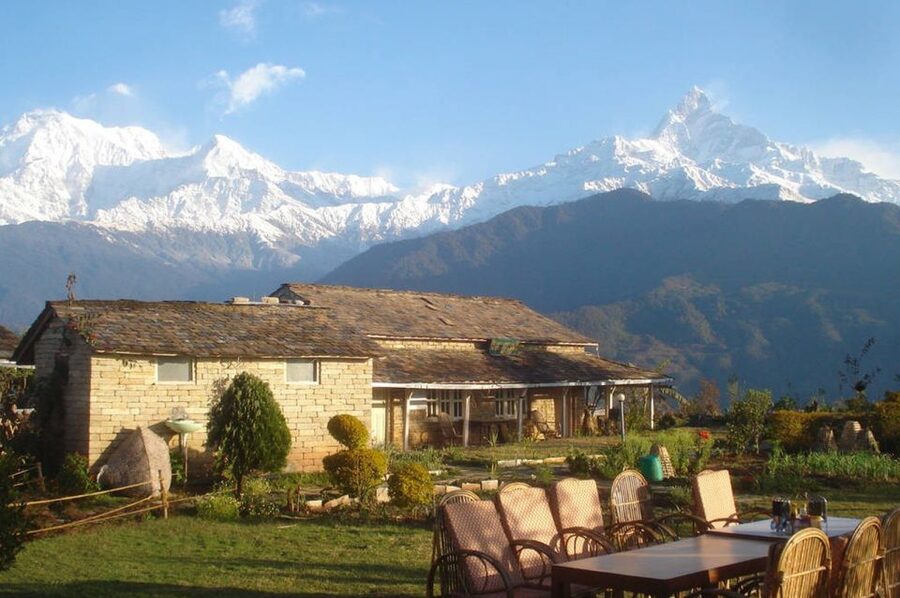
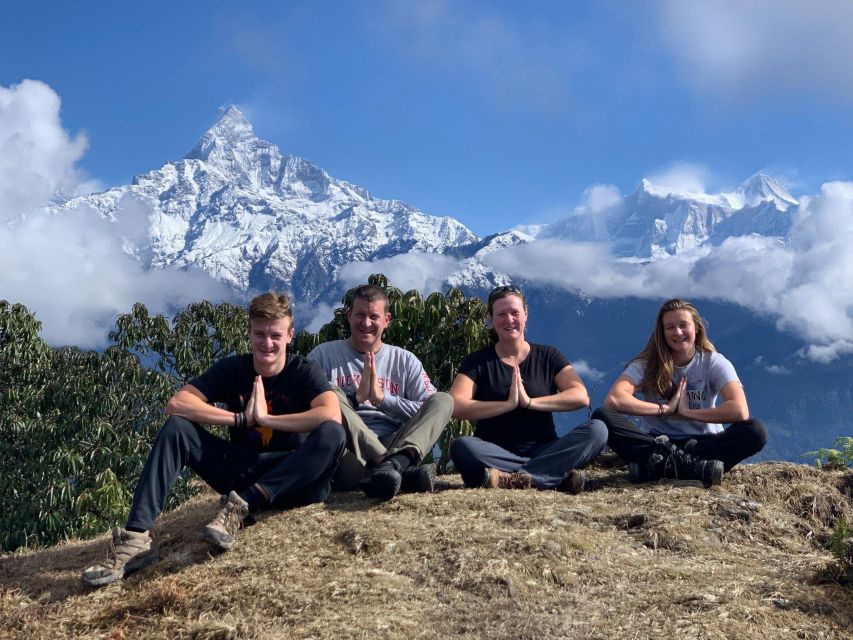
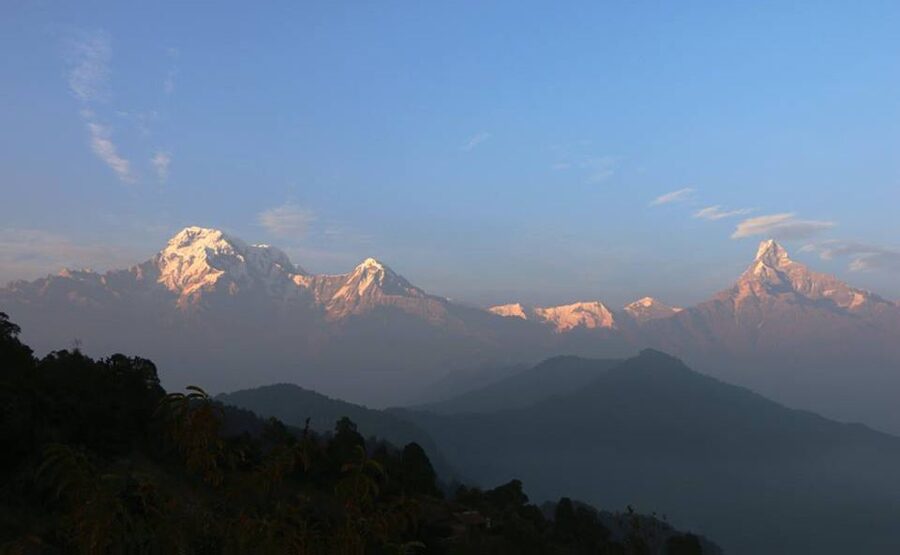
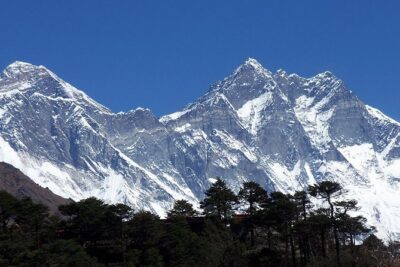
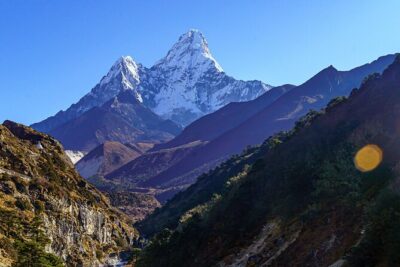
The main reason to stay here is the view at dawn and dusk. The Annapurna range is the star, with Mount Fishtail part of the wider mountain scene. The exact visibility depends on weather, but the first morning is planned around this viewpoint, so keep your camera and warm layer close by.
Australian Camp sunrise: the first major reward
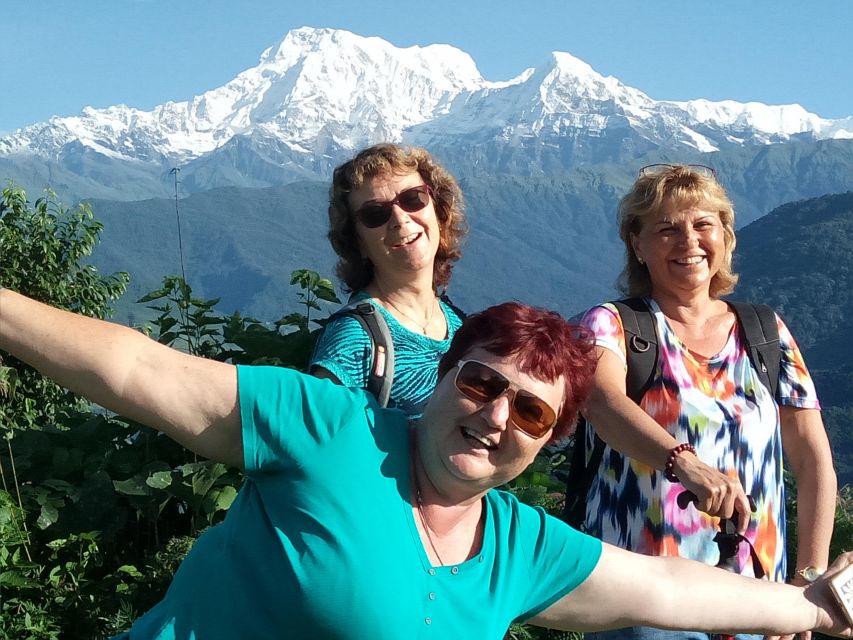
You will likely need to rise early for the best mountain light. The reward is not a long list of sights, but a broad Himalayan panorama from a peaceful hilltop settlement.
The sunrise is one of the strongest reasons to choose this route instead of a simple day hike from Pokhara. You are already above the village and do not need to arrange a pre-dawn drive. That saves time and gives the view a calmer feel.
The forest setting adds something too. Australian Camp is not only a lookout with a teahouse attached. It is a place among rhododendron trees, with lodge life and mountain scenery sharing the same small area.
The tradeoff is that the lodge is still a teahouse, not a city hotel. Comfortable rooms and hot showers are promised, but you should keep your expectations practical. This is a mountain stop with useful facilities, not a luxury resort.
Day 2: Ridge walking to Astam Eco Village
After breakfast and another mountain view, you walk along the ridge toward Astam. The walking time is about four hours, making this the longest day of the trip, though the route is presented as moderate rather than strenuous.
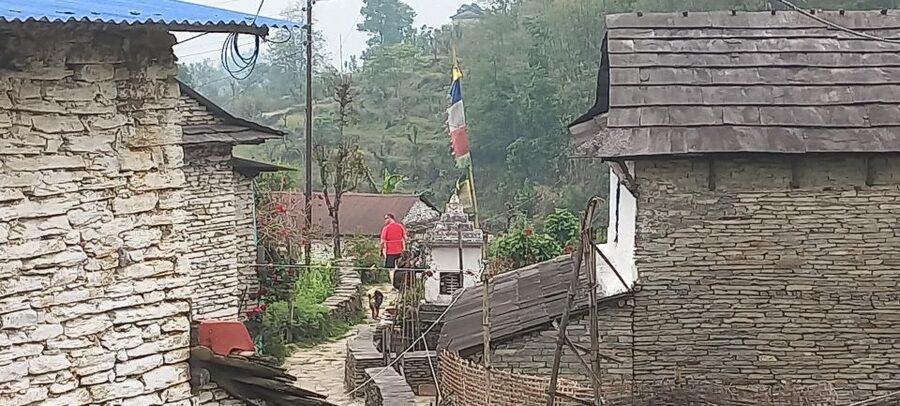
This section gives you the most varied sense of rural Nepal. The trail passes through countryside, traditional villages, forest, and terraced hillsides. You might walk beneath trees one moment and then reach an open ridge with the valley spreading below.
The ridge route is valuable because it avoids making the trek a simple uphill-and-downhill workout. You get changing views as the path bends around the hills. Your guide can also add context about local customs, plants, wildlife, village life, and mountain stories. Guides who have led this route include Jit, Prabin, Dansay, and Basanta, although the person assigned to your departure may be different.
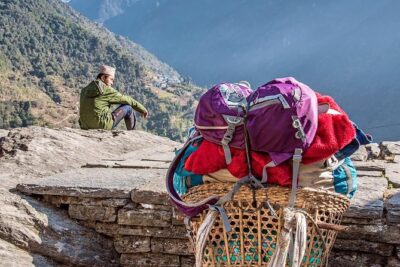
The porters carry your luggage to the next accommodation. That means you can walk with a lighter day bag, which makes the four-hour ridge section easier. Porters are also part of the human side of the trek. They can offer a closer view of daily life in Nepal, though you should pack thoughtfully and keep essential items with you.
Astam is the second overnight stop. The Annapurna Eco Village Resort has simple rooms with attached bathrooms and toilets. Its hilltop position gives you fresh mountain air and another chance to watch the changing light over the hills.
Same mountains, a completely different kind of day:
- ZipFlyer Nepal – The World’s Steepest Zip-line
★ 5.0 · 608 reviews - Bungee Pokhara by HighGround Adventures
★ 5.0 · 366 reviews - From Pokhara: Sarangkot Sunrise Himalayas Tour
★ 4.7 · 218 reviews - ATV Adventure Tour in Pokhara, Nepal
★ 5.0 · 194 reviews
What makes the Astam stay different
Astam is more than a place to sleep. The resort uses eco-friendly measures such as rainwater harvesting, water reuse, and organic farming. You can learn about these efforts and see how a village property connects accommodation with local food production.
Organic meals are mentioned as part of the resort experience, but the overall package still excludes meals. Treat the food as something you order directly and pay for, rather than assuming it is bundled into the trek price.
The resort is described as comfortable, clean, and well located. That combination matters after the longer second day. You get a private room setting with an attached bathroom, but you are still close to village life rather than shut away in an urban hotel.
Several past guests especially enjoyed the resort as the highlight of the final night. I can see why. Australian Camp offers the classic mountain sunrise, while Astam adds a slower cultural and environmental angle. Together, the two lodges give the trek more character than staying in the same kind of accommodation each night.
Day 3: A short descent and the return to Pokhara
The final morning is much easier on paper. You walk downhill for about two hours to reach the highway, then continue by vehicle back to Pokhara.
This short last section gives you time to enjoy the village setting without worrying about a demanding finish. It also leaves room for a relaxed afternoon in Pokhara, depending on the exact driving arrangements and your hotel location.
The descent is worth treating carefully. Downhill walking can bother knees and ankles more than a gradual climb, so use shoes with a firm grip and take your time. Comfortable footwear is listed as an essential item, and this is where that advice matters most.
Because the route ends at a highway, the final hour is not a grand mountain finale. It is a practical exit from the hills. That is part of the appeal for people with limited time, though anyone seeking a remote trek may find the road connection less romantic.
How hard is the three-day route?
The trek is described as short and easy, but easy does not mean flat. Day one includes a climb from the stream to Dhampus, and day two involves around four hours of ridge walking. You should be comfortable walking on uneven mountain paths and handling regular uphill and downhill sections.
You do not need advanced trekking experience. The route stays at lower elevations compared with the classic Annapurna circuits, and the schedule allows a private guide to adjust the pace. The option to drive higher can shorten the walking if needed.
The experience is not suitable for pregnant women or people with mobility impairments. If you have a medical concern, arrange suitable insurance and seek professional advice before booking. Insurance is not included in the price.
Pack comfortable shoes and sunglasses at a minimum. Sunscreen and mosquito spray are also sensible additions based on the conditions described by people who completed the route. A light layer for early mornings is practical too, especially for Australian Camp sunrise, though the exact weather changes by season.
Guide, porter, and the private format
A professional, licensed, English-speaking trekking guide leads the walking. The guide is there for more than navigation. You can ask about plants, animals, village customs, farming, mountain routes, and daily life in the hills.
Past guides on this trek have included Jit, Prabin, Dansay, and Basanta. Specific praise has focused on kindness, safety, local knowledge, humor, and a good sense of how much each person can comfortably do. That combination is important on a short private trek because the quality of the guide shapes the whole experience.
A porter carries luggage to each night’s destination. Confirm the operator’s current luggage guidance before departure, since the supplied details do not state a baggage limit. Keep valuables, medication, documents, and anything needed during the day in your own small bag.
The private setup is particularly useful if you dislike fixed group schedules. You can ask to slow down for photographs, take a longer village stop, or use a vehicle to reduce the walking. The guide will still need to follow the practical road and lodge plan, but the experience is less rigid than a large group departure.
What the $250 price really covers
At $250 per person, the price buys three days of private trekking support, trailhead transportation, a guide, a porter, and two nights in rooms with attached bathrooms. For someone who wants a low-stress introduction to Nepal’s hill country, that is a reasonable bundle.
The value comes from convenience. You do not need to arrange separate transport to Naudanda, find a guide, negotiate lodge rooms, or organize luggage carrying between Australian Camp and Astam. You also have someone handling the route while you focus on walking and views.
The price is less attractive if you expect a fully inclusive package. Meals are not included, and you pay directly at the teahouses and resort. Insurance is also your responsibility. Pickup outside the Lakeside area brings an extra charge.
I would set aside money for every breakfast, lunch, dinner, and drink you order along the way. Ask clearly during the pre-trek briefing what is covered and what is not. The operator meets you at your hotel a day before departure to discuss the trek and set the next morning’s departure time, which is the right moment to clear up any confusion.
The package also has free cancellation up to 24 hours before the start and allows you to reserve now and pay later. Those terms make it easier to fit the trek into a changing Nepal itinerary.
Who should choose this trek?
This is a strong choice if you want mountain scenery but do not want to spend a week at altitude. It suits first-time trekkers, active couples, solo hikers who want a guide, and people using Pokhara as a base for a broader Nepal trip.
It also suits you if comfort matters. Attached bathrooms, hot showers, and lodge-based nights are a clear step up from rougher trekking arrangements. You still get forest paths, terraces, local villages, and mountain air, but you are not giving up every familiar convenience.
The trek may not suit you if you want strenuous adventure, high passes, or remote wilderness. You also need to be comfortable with meals being extra and with the practical end of the route at a highway.
Practical tips for a smoother three days
- Confirm the booking, pickup time, and meal arrangements before departure.
- Keep your first morning free for the operator’s trek briefing at your hotel.
- Pack light, since a porter will carry your main luggage.
- Carry comfortable shoes with good grip for both uphill and downhill paths.
- Bring sunglasses, sunscreen, and mosquito spray.
- Keep a warm layer available for Australian Camp sunrise.
- Carry personal essentials in your day bag rather than in the porter’s load.
- Ask about the shorter driving option if four hours of walking on day two feels too much.
- Plan for food costs at the teahouses and eco-resort.
- Do not assume the guide name in advance. The operator assigns the English-speaking guide for your departure.
Should you book the Pokhara 3-Day Trek?
Book it if you want a gentle, well-supported taste of Himalayan trekking with strong sunrise views, village scenery, and better-than-basic lodge facilities. The route gives you real time in the hills without taking over your Nepal holiday.
The strongest reasons are the manageable walking, the ridge views, the overnight at Australian Camp, and the eco-focused stay in Astam. The guide and porter support add real value, especially if you are new to trekking or want to travel alone without being unsupported.
Before paying, confirm the meeting time, pickup location, food arrangements, and any extra transport cost. If you understand those limits and do not need a demanding expedition, this is a sensible three-day escape from Pokhara.
FAQ
Where does the trek begin?
The trek begins with a drive from Pokhara to Naudanda, on the western rim of the Pokhara valley. The drive takes about 30 minutes.
How long is the trek?
The experience lasts three days. Day one includes about three and a half hours of walking after reaching Naudanda, day two takes about four hours, and day three involves about two hours downhill before the return drive.
Where do you sleep on the trek?
You spend the first night at Australian Camp in a teahouse with an attached toilet and bathroom with a hot shower. The second night is at Annapurna Eco Village Resort in Astam, where rooms also have attached bathrooms and toilets.
Are meals included?
No. Meals are not included in the package. You can order food at the teahouses and resort and pay directly.
Is transportation included?
Private transportation to and from the trailhead is included. Pickup is included from hotels in the Lakeside area of Pokhara. Hotels outside the Phewa Lakeside area may require an extra pickup charge.
Is an English-speaking guide provided?
Yes. A professional, licensed, experienced English-speaking trekking guide leads the walking.
Is a porter included?
Yes. A porter carries luggage to each day’s destination.
Can the walking route be shortened?
Yes. The route can be adjusted to match your walking interest, and there are options to drive to a higher point and make the walking shorter.
What should you bring?
Bring comfortable shoes and sunglasses. Sunscreen and mosquito spray are also useful additions based on the route conditions.
Can you cancel the trek?
You can cancel up to 24 hours in advance for a full refund. The activity also offers a reserve now and pay later option.
Just added around Pokhara
- Seti George and Thrilling Suspension Bridge Tour at Pokhara★ 4.5 · 3 reviews
- Tandem Paragliding in Pokhara★ 4.8 · 8 reviews
- Pokhara: Sunrise Tour to Sarangkot★ 5.0 · 3 reviews
- Pokhara: Suspension Bridge Private Tour- 30 Min Village Walk★ 4.8 · 9 reviews
- Pokhara: Visit Best Seven Tourist Destination by Sharing Bus★ 3.4 · 10 reviews
- Pokhara Sightseeing By Bus: Day Trip★ 4.6 · 7 reviews
- Pokhara Sightseeing By Bus – Day Trip★ 3.2 · 8 reviews
- Pokhara: Seti River Rafting Adventure with Hotel Pickup★ 5.0 · 5 reviews
Hiking & Trekking, compared.
Nagarkot Sunrise View and Day Hiking from Kathmandu
Read our review →
Browse the lists this tour appears in