
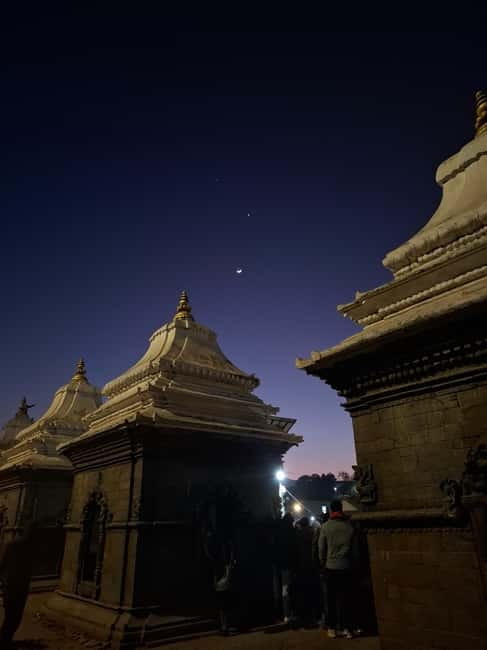
Reviewed · UNESCO WORLD HERITAGE TOURS
Katmandu: Pashupatinath Open Cremation & Evening Aarati
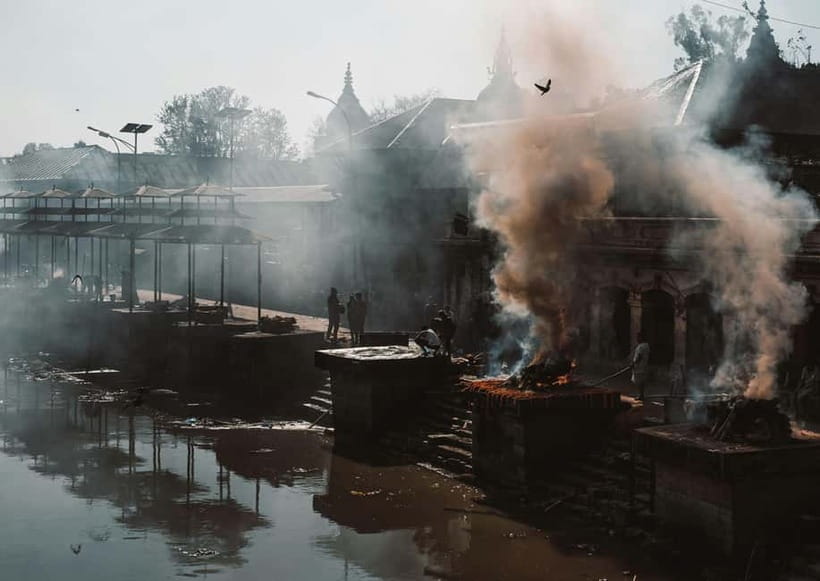
Pashupatinath is not a polished sightseeing stop. It is a working holy place where funeral pyres burn beside the Bagmati River and evening worship begins only a short distance away. That close meeting of grief, faith, and public ceremony makes this one of Kathmandu’s most serious and memorable cultural experiences.
I like the chance to see a living Hindu tradition rather than a display arranged for tourists. I also like the fixed evening rhythm: reach the river, find your place before 5:30 PM, then watch the Aarati begin at 6:00 PM with lamps, music, and chants for Lord Shiva. The main drawback is the lack of a clearly guaranteed guide. The package includes a driver, but a dedicated guide is listed as not included, so you should confirm who will explain the rituals before booking.
Key points to know before you go
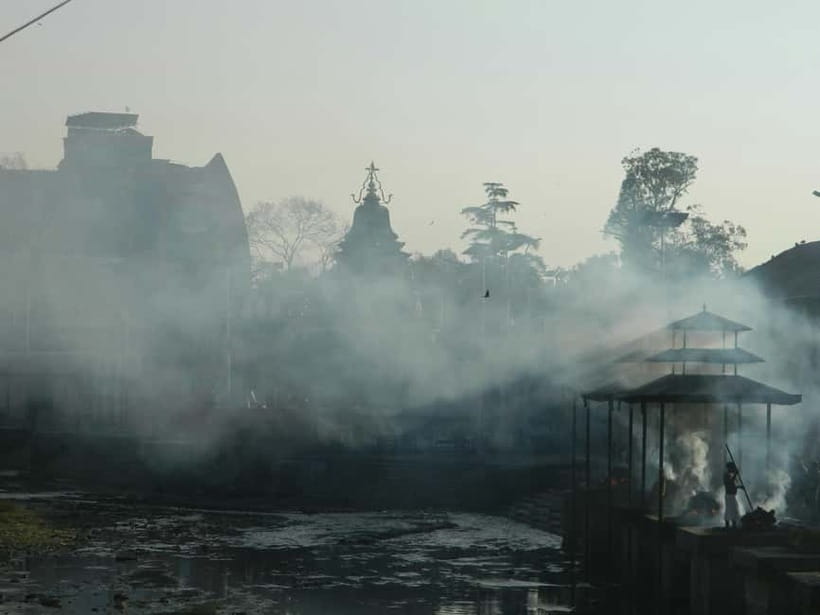
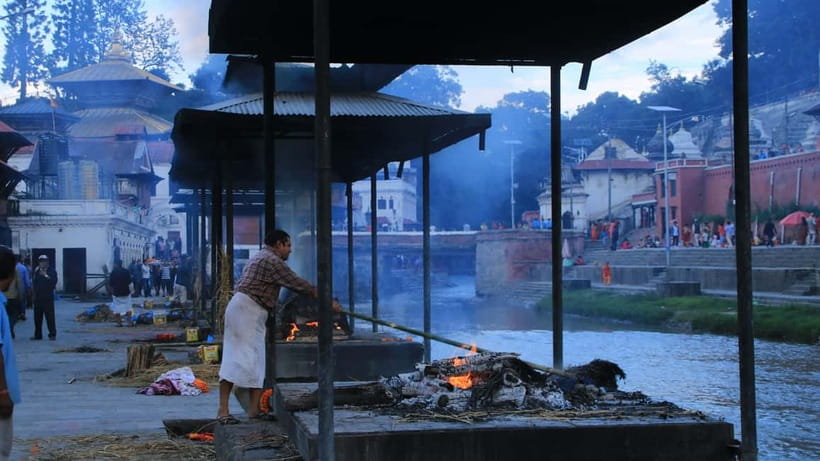
- Arya Ghat is an active cremation site: You will see Hindu funeral rites taking place beside the Bagmati River, not a staged cultural performance.
- The Aarati begins at 6:00 PM: Arrive by 5:30 PM if you want a useful viewing position near the worship area.
- Bhum Raj Tiwari may be available as a guide: He received especially strong praise for clear English explanations, but guide inclusion should be confirmed.
- The package is built around private transport: Pickup and drop-off from Kathmandu are included in an air-conditioned vehicle, subject to traffic and location.
- Entry fees and food are extra: The $27 price covers transport, water, and driver assistance, but not temple entry tickets or meals.
- This is best for mature visitors: Children under nine are excluded, and walking, crowds, smoke, and emotional intensity may be difficult for some people.
Why Pashupatinath feels different from a normal temple visit
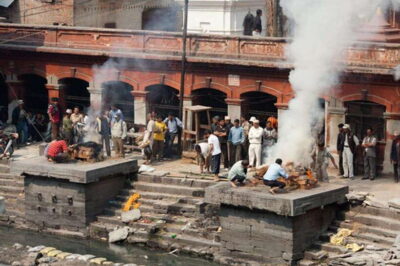
Pashupatinath is one of those places where the meaning comes from what is happening now. Along the Bagmati River, Arya Ghat is used for open Hindu cremations. Families perform funeral rites in public, according to beliefs connected with death, rebirth, and moksha, or liberation.
You are not simply looking at an old monument. You are standing near a sacred ceremony that belongs to a family and a religious community. That calls for restraint. Keep your voice low, follow any local instructions, and remember that a camera is not a license to record everything you see. The activity information lists a camera among the things to bring, but it does not give detailed photography rules, so ask before taking pictures near mourners or funeral rites.
For many people, this is the most difficult part of the evening. The smell of smoke, the sight of burning pyres, and the sound of ritual activity can be upsetting. That is not a flaw in the place. It is the honest character of Pashupatinath, but you should know what you are choosing.
More UNESCO World Heritage Tours in Kathmandu:
- Private Kathmandu Sightseeing Tour | UNESCO World Heritage sites
★ 5.0 · 756 reviews - Kathmandu: Full Day 7 UNESCO Tour with Lunch – Private/Group
★ 5.0 · 415 reviews - Kathmandu: Full Day Top 4 UNESCO Tour with Lunch – Private/Group
★ 5.0 · 269 reviews
Pickup from Kathmandu and the short ride to the river
The tour begins with pickup at your hotel, accommodation entrance, or another clearly visible location in Kathmandu. You are asked to wait at the main entrance or lobby, and the driver is expected within a 15-minute window of the scheduled time. If you stay in a narrow alley or a hard-to-find area, give detailed directions when you book.
Transport is by private vehicle, described as air-conditioned, with drinking water included. The drive itself is not the main event, but private pickup is useful in Kathmandu, where traffic and confusing side streets can eat into a short evening outing.
The stated duration is three hours, though the practical estimate is about three to four hours depending on your pickup location and traffic. That difference matters. The Aarati has a fixed start, so a late departure leaves less time for the cremation area and can make the whole visit feel rushed.
You receive a short briefing about what to do and avoid before setting off. Since the package does not clearly guarantee a dedicated guide, treat this briefing as basic orientation unless your booking confirms otherwise. One important detail needs checking: the activity information refers to live guide support in one place, while the inclusions say no tour guide is included. Ask specifically if someone will accompany you on foot and explain the ceremonies.
Walking to Arya Ghat
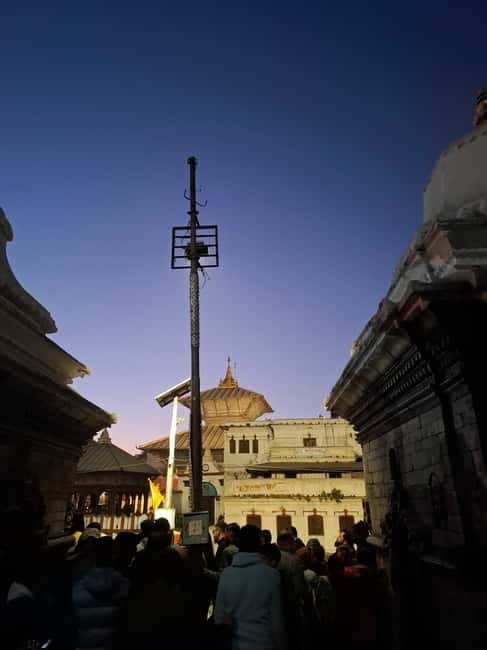
The vehicle drops you at the main entrance of the Pashupatinath complex. From there, you walk toward Arya Ghat, the cremation area along the Bagmati River. Comfortable shoes are important because the visit involves walking, and the activity is not recommended for wheelchair users or people with mobility impairments.
The walk is part of the experience. It shifts you from the normal noise of Kathmandu into a place shaped by religious practice and mourning. Still, this is not an easy stroll for everyone. The activity is also not recommended for people with back problems or certain pre-existing medical conditions, and children under nine are excluded.
Once you reach the river, your attention will likely move between the cremation platforms, the water, the surrounding temple complex, and the people carrying out funeral rites. The setting can feel solemn and crowded at the same time. You may find the contrast unsettling: private grief takes place in public, while ordinary movement continues around it.
A good guide can make a major difference here. Bhum Raj Tiwari is specifically associated with strong English explanations and patient discussion of why Hindus perform these rites. His ability to explain the religious ideas in terms accessible to European and North American visitors was singled out as a major strength. However, you should not assume he will be assigned to every departure.
Understanding the cremation ritual with care
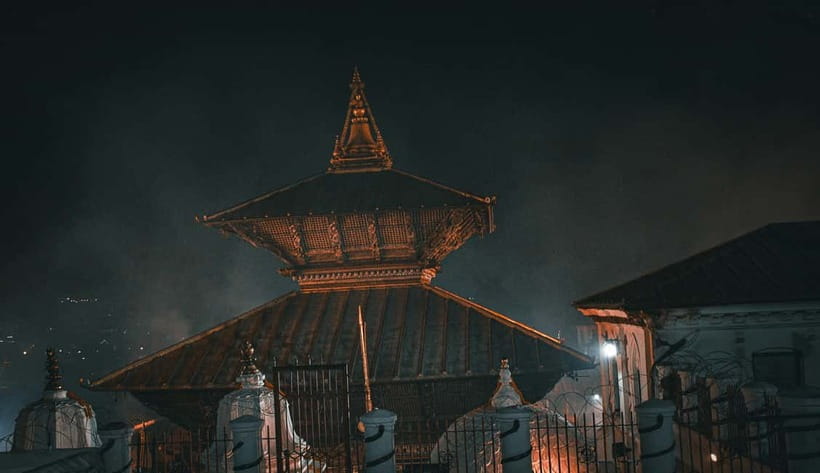
The central belief explained on this experience is that cremation at this holy site can help a person attain moksha, or liberation. That idea gives the river and the funeral platforms a meaning far beyond what you see physically.
You do not need to share the belief to understand its importance. The value of the visit lies in seeing how a religious tradition treats death as part of the continuing order of life. The tour description presents this as a place where life, death, and devotion exist side by side, and that is the most useful way to approach it.
Your driver may provide assistance, but transport and interpretation are different things. If you want a detailed explanation of Hindu funeral customs, ask in advance for a guide. Without one, you may see the basic sequence of events but miss the ideas behind it.
This is also the point where sensitivity matters most. Do not treat the ceremony as entertainment. The activity offers a cultural encounter, but the people involved are not performing for an audience. Stand back, observe quietly, and let the place set the tone.
A few more Kathmandu trips to weigh up
- Kathmandu Sunset Tour by Rickshaw Including Durbar Square Visit
★ 5.0 · 73 reviews - 3 Nights 4 Days Chitwan National Park with Tower Night Stay
★ 5.0 · 41 reviews - 3 night 4 Day Yoga & Ayurveda Retreat to Detox the Body & Mind, Nepal
★ 5.0 · 37 reviews - Kathmandu: Pashupatinath Temple Evening Aarati Tour
★ 5.0 · 36 reviews
Finding a place for the 6:00 PM Aarati
The evening Aarati is dedicated to Lord Shiva and begins from 6:00 PM to 6:30 PM. You are advised to arrive by 5:30 PM, at least 30 minutes early, to find a comfortable place with a good view.
The waiting period is useful. It gives you time to settle after the walk and watch the river area change as daylight fades. Stone seating and a large audience are part of the atmosphere described for the evening setting. The ceremony does not replace the cremation activity. Funeral rites may continue in the background, creating a striking and sometimes uncomfortable contrast with the public worship.
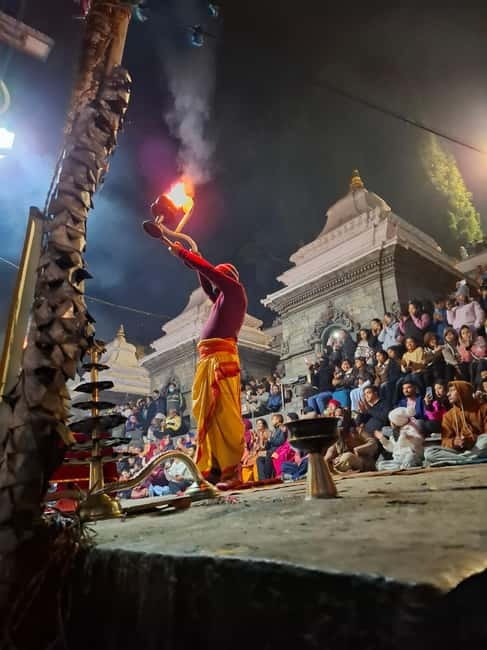
When the Aarati starts, expect devotional songs, rhythmic chanting, music, and the glow of oil lamps. The ceremony offers a more structured and communal experience than the cremation ghats. You are watching worship directed toward Shiva, with sound and light carrying across the river.
I like this pairing because it avoids reducing Pashupatinath to a single theme. The cremation area shows the religious meaning of death in a direct way. The Aarati shows devotion as a shared act of music, movement, and light. Together, they give you a fuller sense of why the site matters.
The experience can feel almost cinematic once darkness arrives, with lamps, the river, funeral fires, and the audience all occupying the same view. But do not expect a quiet meditation retreat. There can be noise, movement, and people competing for a sightline.
What the $27 price really covers
At $27 per person, this is a reasonable price if you value private pickup and return from Kathmandu. You are paying for convenience at a fixed evening time, drinking water, and an experienced driver. That can be worthwhile if you do not want to arrange transport through busy Kathmandu streets yourself.
The price is less compelling if you only need a ride. Entry tickets are not included, and meals are not included. A dedicated tour guide is also listed as excluded, even though live guide support appears elsewhere in the activity details. If detailed cultural interpretation is important to you, confirm the guide arrangement and any entrance charges before paying.
One poor transport experience could quickly erase the value. A complaint associated with this activity describes a late pickup and a dirty, non-air-conditioned vehicle without seat belts, along with a driver who did not speak English. That account conflicts with the stated promise of a private air-conditioned vehicle and driver assistance, so I would contact the provider before departure and confirm the vehicle, pickup time, and communication arrangements.
Other feedback points to an excellent experience with Bhum Raj Tiwari, including clear English and thorough explanations. The overall score is 3.8 from five ratings, which suggests a mixed but limited record rather than a firm verdict. The practical lesson is simple: confirm the details instead of assuming every departure will be the same.
Timing, clothing, and what to bring
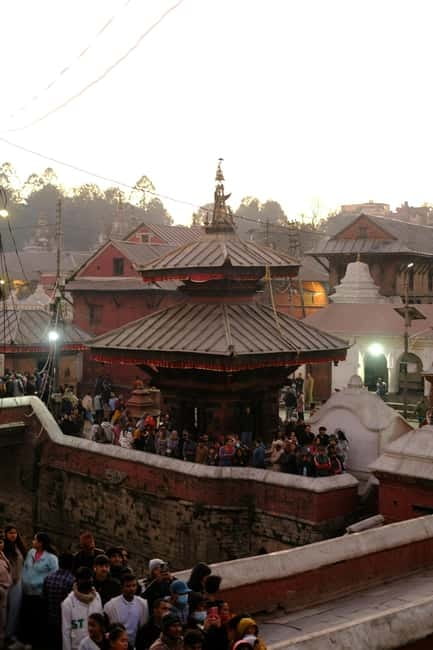
Wear modest clothing because Pashupatinath is a religious site. Comfortable clothes and walking shoes will serve you better than formal travel outfits, especially if you need to walk from the entrance to Arya Ghat and then find a viewing position for the Aarati.
Bring your passport or another form of identification, cash, and a light jacket if the weather calls for one. Outdoor conditions can change during the evening. Drinking water is included, but food is not, so plan around the three to four-hour outing.
You can bring a camera, but use judgment. The supplied information does not specify where photography is allowed, so ask before photographing the cremation area, families, or worshippers. A respectful visit may mean putting the camera away for much of the most serious part.
Who will appreciate this evening most
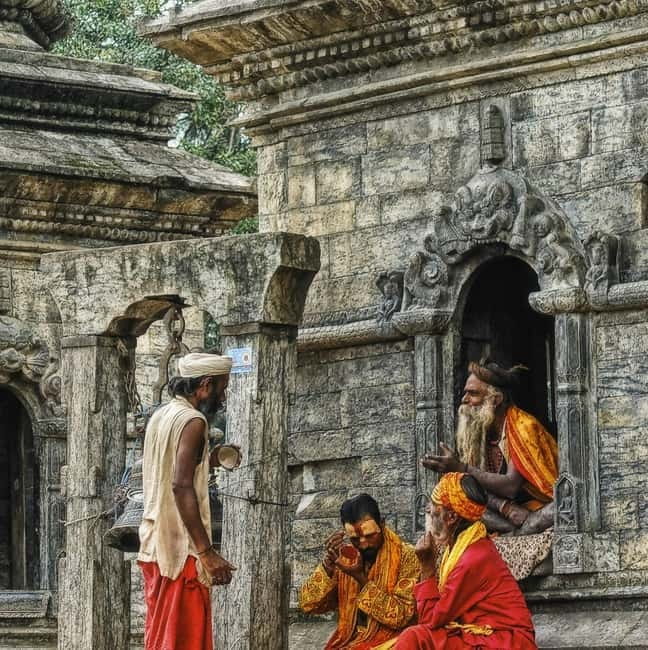
I would recommend this experience to adults who want to understand Nepal through religious practice rather than only through monuments and viewpoints. It suits people who can handle solemn scenes, outdoor conditions, walking, and some uncertainty about the level of guiding.
It is particularly useful for a first visit to Kathmandu if you want a structured introduction to Pashupatinath. The fixed Aarati time gives the evening a clear shape, and private pickup saves you from arranging transport at the end of the ceremony.
I would not choose it for young children, anyone with serious mobility limits, or anyone looking for a light cultural show. The cremation rites can be emotionally hard, and the experience may feel too exposed if you prefer private, quiet religious spaces.
Booking advice for a smoother visit
Before booking, confirm four things: the exact pickup time, the vehicle standard, the entry ticket cost, and whether a guide will accompany you. Ask if Bhum Raj Tiwari is available only if you are specifically seeking his explanations, since his presence is not guaranteed by the basic inclusions.
Give precise pickup instructions if your accommodation is on a narrow street. Wait at the hotel reception or another visible meeting point, and contact the provider promptly if the vehicle is not there within the stated 15-minute window.
The activity allows free cancellation up to 24 hours before departure and offers reserve-now, pay-later booking. Those terms help if your Kathmandu schedule depends on weather or traffic, but they do not solve the central question of guide and vehicle quality. Confirm those points directly.
Should you book Pashupatinath Open Cremation and Evening Aarati?
Book it if you want a serious, direct look at Kathmandu’s spiritual life and you are prepared to behave with care around death rituals. The combination of Arya Ghat and the Shiva Aarati is unusual, meaningful, and much more substantial than a quick temple photo stop.
Book with caution if you are relying on a guide. The strongest account of the experience centers on Bhum Raj Tiwari’s English explanations, while the formal inclusions emphasize a driver and exclude a tour guide. At $27, the trip offers fair value for private transport, but its value rises sharply when clear interpretation and a suitable vehicle are actually provided.
FAQ
How long does the Pashupatinath evening experience last?
The planned duration is three hours, though the outing may take about three to four hours depending on your pickup location and Kathmandu traffic.
What time does the Aarati ceremony begin?
The Pashupatinath Aarati runs from 6:00 PM to 6:30 PM. You are advised to arrive by 5:30 PM for a better viewing position.
Is pickup and drop-off included?
Yes. Pickup and return to your original location in Kathmandu are included. You should wait at your hotel reception, accommodation entrance, or another clearly visible meeting point.
Is a tour guide included?
The inclusions state that a tour guide is not included, although the activity information also refers to live guide support. Confirm this detail before booking. Driver assistance is included.
Are entry tickets included in the price?
No. Entry tickets are not included. Meals are also not included.
What should I wear to Pashupatinath?
Modest clothing is recommended because Pashupatinath is a religious site. Comfortable shoes are important because you will walk to the cremation area.
Is the activity suitable for children?
The activity is not suitable for children under nine years old.
Is the tour suitable for wheelchair users?
No. The activity is not recommended for wheelchair users, people with mobility impairments, or people with back problems.
Can I cancel the booking for a refund?
You can cancel up to 24 hours in advance for a full refund. Reserve-now, pay-later booking is also available.
Just added around Kathmandu
- Private Half-Day Tour of Boudhanath and Pashupatinath Temples in Kathmandu★ 4.5 · 9 reviews
- Private Half-Day Tour of Kathmandu Durbar Square and Swayambhunath Temple★ 4.5 · 11 reviews
- Namobuddha Monastery Hiking Day Tour via Panauti from Kathmandu★ 5.0 · 15 reviews
- Private Full-Day Kathmandu City Tour★ 5.0 · 9 reviews
- Private Day Tour in Kathmandu Valley Rim with Bhaktapur Sightseeing★ 5.0 · 3 reviews
- Private Half Day Budhanilkantha Tour★ 5.0 · 6 reviews
- Private Day Tour: Patan and Bhaktapur from Kathmandu★ 4.5 · 6 reviews
- Private Day Tour – Sacred Journey to Namo Buddha★ 5.0 · 5 reviews
UNESCO World Heritage Tours, compared.
Private Kathmandu Sightseeing Tour | UNESCO World Heritage sites
Read our review →
Full Day 7 UNESCO Tour with Lunch – Private/Group
Read our review →
Full Day Top 4 UNESCO Tour with Lunch – Private/Group
Read our review →
Kathmandu Spiritual Sites: Bodhnath & Pashupatinath Tour
Read our review →
Kathmandu Private Sightseeing Tour | UNESCO World Heritage Sites
Read our review →Full Day 7 UNESCO Tour with Lunch – Private/Group
Read our review →Browse the lists this tour appears in