
Reviewed · FOOD & DRINK
Kathmandu: Food, Drink and Shopping Rickshaw Tour
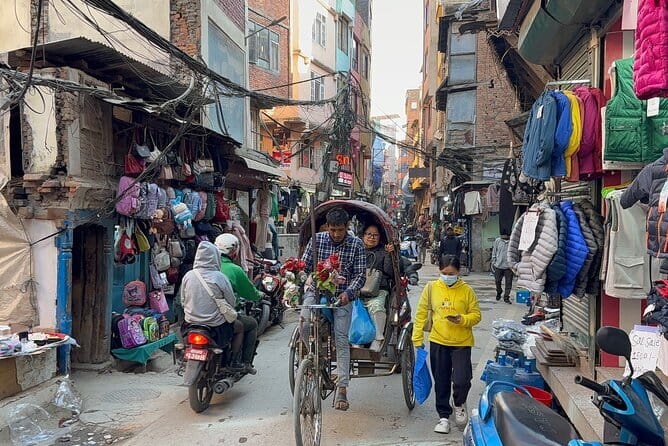
Kathmandu’s best introduction may come one snack at a time. This three-hour tour combines a rickshaw ride through the Thamel area with stops for momos, thukpa, panipuri, sel roti, tea and other Nepali treats. Guide Deepak leads the food route with clear explanations and a friendly manner.
I like the eight food stops, which let you sample far more than one restaurant menu, and the 30-minute rickshaw ride, which gives your feet a break while showing you Kathmandu at street level. The main thing to clarify is the shopping: food and sightseeing appear to be the core of the scheduled tour, while a longer shop visit may be arranged separately after the food portion.
Key points
- Eight places to eat: Sample momos, thukpa, bara, samosa, chatamari, panipuri, sel roti and other local foods.
- A 30-minute rickshaw ride: See the Thamel area without spending the full tour on foot.
- Guide Deepak: Expect food background, practical shopping advice and help with bargaining.
- Shopping with a filter: Browse Pashmina shawls, wooden masks, Thangka paintings, textiles and handicrafts while learning how to avoid poor-quality goods.
- Come hungry: The tasting list is long, and several dishes may be spicy.
- Good first-day choice: The food, short ride and easy city orientation can help you get your bearings after arrival.
A food tour built around small tastes
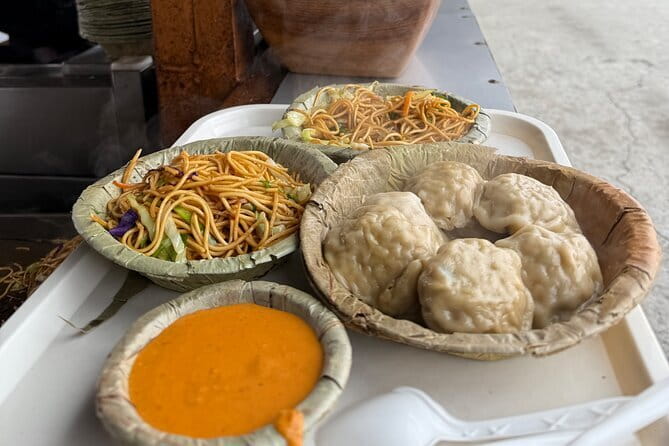
This is not a sit-down meal. It is a moving tasting route through Kathmandu, with food served at several outlets around Thamel. That format matters because Nepali cooking is not one single flavor or style. In a few hours, you can try filled dumplings, noodle soup, flatbreads, fried snacks, sweets and drinks.
The exact order may change, but the reported tasting list is unusually broad. You might sample Nepali masala milk tea, plain bara, mixed thukpa, vegetarian samosa, panipuri, vegetarian chatamari, sugarcane juice with lemon, chicken steamed momos, khajuri, also called thekuwa, and sel roti.
I like this approach for first-time visitors. You do not need to guess what to order from a long menu, and you can try foods that you might otherwise overlook. Small portions also make it easier to discover what suits you before committing to a full plate.
The drawback is pace. Eight stops in three hours leaves little time to linger at each one. If you prefer one slow meal with a long conversation, choose a restaurant experience instead. If you enjoy variety and want a quick introduction, this route makes good use of the time.
A few more Kathmandu trips to weigh up
- Kathmandu Food and Drink Walking Tour
★ 5.0 · 266 reviews - Kathmandu: Food and Drink Walking Tour
★ 4.9 · 119 reviews - Walking Street Food Tour in Kathmandu
★ 5.0 · 111 reviews
Thamel through a local guide’s eyes
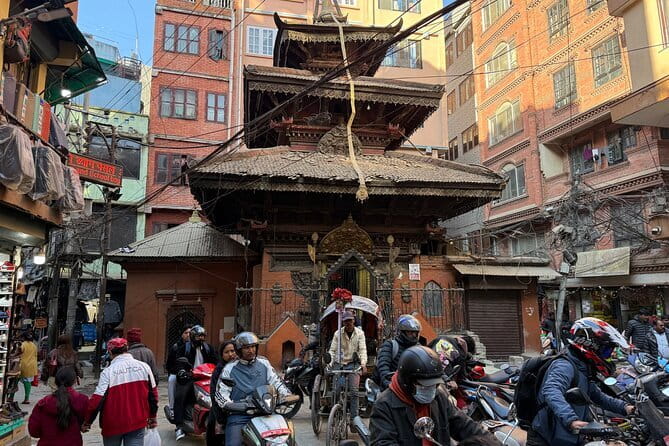
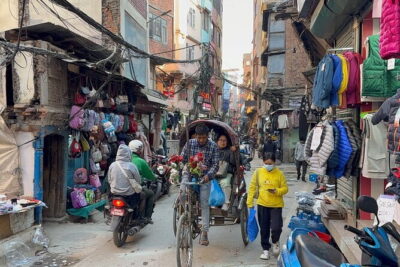
Thamel is a practical base for this experience, with shops, food outlets, handicraft centers and fair-trade stores close together. The streets can be crowded, and the tour involves walking through busy market areas, so comfortable shoes are not optional advice. Wear something you can walk in for several hours.
Guide Deepak is central to the experience. He explains where dishes come from, how they are prepared and how they fit into everyday Nepali eating. His English is described as excellent, and he also leads the route in several other listed languages, including Nepali, Hindi, Chinese, Russian, Japanese, Korean, Spanish, German and French.
A good guide changes a food tour from a snack crawl into a lesson in place. Bara, chatamari and sel roti may look unfamiliar, but an explanation of ingredients and local use gives each bite a point. You can ask questions as you go rather than trying to decode every menu yourself.
The food is not toned down for international palates. Some dishes may be spicy, and the route includes chili-forward snacks such as panipuri and samosa. Tell Deepak early if you need less heat or have dietary restrictions, although the supplied details do not promise specific dietary substitutions.
The rickshaw ride adds a useful change of pace
The rickshaw portion lasts about 30 minutes. That is long enough to enjoy the ride and see the streets from a different angle, but short enough that the food remains the main event.
A bicycle rickshaw is slower and more open than a car. You can watch shopfronts, pedestrians and passing streets at close range without having to steer through the traffic yourself. It also breaks up the walking, which is helpful in a market area where you may be stopping often.
Do not book this expecting a long sightseeing circuit across all of Kathmandu. The experience is centered on Thamel and nearby market streets, and the ride is one part of a broader food and shopping outing. Its value lies in the combination: ride a little, walk a little, taste a little, then browse.
The listing describes the activity as wheelchair accessible. At the same time, the route includes walking through busy markets, so you should confirm the practical arrangements before booking if you need a particular type of assistance. Accessibility in a market street can depend on conditions at the time.
What the tasting stops may include
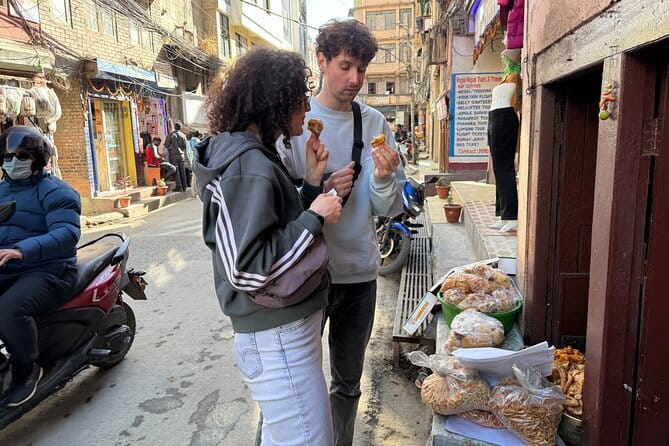
The tour’s food list gives you a useful preview of its range. Here is what each item adds to the experience.
Momos are the likely crowd-pleaser. These steamed dumplings may be filled with chicken or vegetables and are a familiar introduction to Nepali street food. The chicken steamed momos were particularly well received on this route, and the format makes them easy to try even if you are cautious with unfamiliar food.
Thukpa is a noodle soup, and the mixed version offers a warmer, more filling bowl than the smaller fried snacks. It was a favorite for one food-focused participant, who placed it just ahead of the momos. This may be the most satisfying stop if you want something substantial.
Bara is a plain savory snack made in a patty-like form. It gives you a chance to try a traditional item that is less familiar to many first-time visitors than momos or samosas.
Chatamari is a Nepali-style savory flatbread. The vegetarian version provides a different texture and shape from the dumplings and soup. It is a useful stop for comparing Nepal’s own specialties rather than eating only foods that resemble dishes from elsewhere.
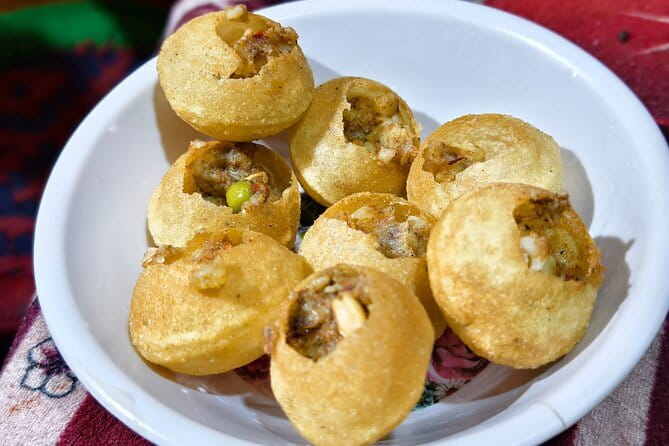
Samosa and panipuri bring more punch. The vegetarian samosa is a known comfort food, while panipuri is lighter, sharper and often spicy. Eat panipuri promptly and expect a burst of flavor rather than a calm, sit-down bite.
Sel roti is a traditional ring-shaped rice bread. It has a pleasant contrast to soft dumplings and soup, and it is one of the foods that helps mark this as a Nepali food experience rather than a general South Asian snack tour.
Khajuri, or thekuwa, supplies the sweet course. It is useful to have a dessert among the savory stops, especially if the spicy foods begin to pile up.
Sugarcane juice with lemon is one of the more memorable drinks on the route. You can see the cane pressed for juice, then taste it with lemon. That small preparation detail connects the drink to the street rather than presenting it as a polished café item.
The tour also includes Nepali masala milk tea, coffee and other local drinks. You may find the tea more heavily spiced than a standard black tea, so it is worth treating the drink stops as part of the cultural lesson, not just a break between meals.
Same mountains, a completely different kind of day:
- Everest Base Camp Trek – 14 Days
★ 5.0 · 1,499 reviews - Private Kathmandu Sightseeing Tour | UNESCO World Heritage sites
★ 5.0 · 756 reviews - Everest Base Camp Helicopter Tour landing at Everest View Hotel
★ 5.0 · 668 reviews - Half day cooking class in Thamel kathmandu
★ 5.0 · 607 reviews
Shopping without buying the first souvenir
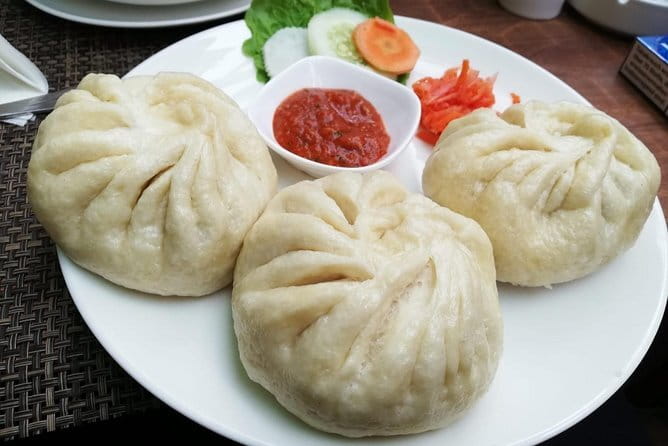
The shopping element covers local handicraft centers, fair-trade stores and the market stalls of Thamel. The range may include Pashmina shawls, wooden masks, Thangka paintings, textiles and other souvenirs.
This is where a guide can save you money and confusion. Kathmandu’s shops sell attractive handmade goods beside items made for the souvenir trade, and a beautiful appearance alone does not tell you much about quality. You will learn to ask better questions, compare materials and bargain with more sense.
The tour includes help negotiating prices. That does not mean every bargain is a contest or that the lowest number is always the right one. A fair price should reflect the item’s workmanship and the seller’s time. The useful lesson is knowing when a price is inflated and when a product is worth paying more for.
Bring cash. Not every vendor accepts credit cards, and cash gives you more options in smaller shops and market stalls. You should also arrive with a rough idea of what you want to buy. A shawl, mask and painting require different questions, and browsing without a plan can make three hours feel very short.
One important practical point: the food and shopping portions may not run as one continuous group activity. After the food portion, some participants may leave while Deepak shows interested shoppers additional stores. If shopping is your main reason for booking, tell the provider in advance and confirm how much time will be devoted to it.
Is $28 a fair price?
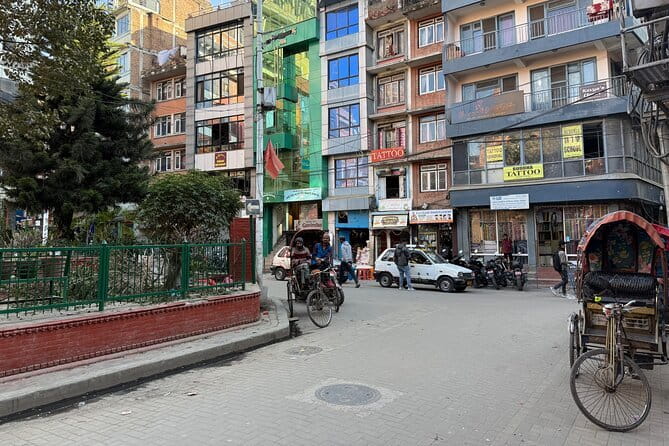
At $28 per person, the value depends on what you would otherwise pay for food, a guide and a short ride. The price includes the guided rickshaw ride, local food and drinks, the guide’s shopping assistance, visits to Thamel, handicraft centers and fair-trade stores, plus help negotiating prices.
The food matters most to the calculation. This is not just a city ride with one tasting. The route covers about eight food outlets and several different dishes, so the included samples can replace a meal for many people. You are also paying for someone to choose the stops and explain what you are eating.
The shopping advice adds value if you plan to buy a Pashmina, painting, mask or other craft. A poor purchase can cost more than the tour, especially when you cannot judge quality on your own. If you do not want to shop, that portion may feel less useful, although the food and ride still carry the experience.
Personal expenses are not included. Set aside extra cash for souvenirs and any purchases that go beyond the included food and drinks. Transportation to and from the meeting point is also not included, so plan your own way to the Kaiser Library meeting location and confirm the exact pickup details before setting out.
When to schedule the three hours
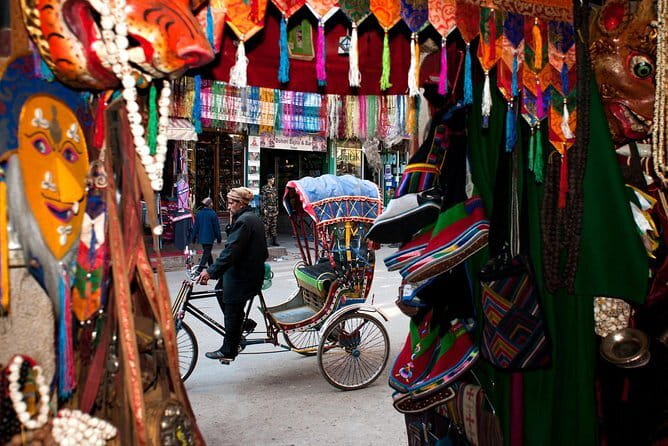
This works well early in your Kathmandu stay. The food introduces dishes you can order later, and the guide helps you understand the market before you begin shopping independently. It can also be a friendly way to soften the effects of jet lag, since the route keeps you moving and gives you regular breaks.
Come hungry, but not so hungry that you rush the first stop. The tasting list is long, and you will enjoy it more if you leave room for soup, sweets and drinks later in the route.
Wear comfortable shoes and carry cash. A small bag is useful for purchases, but avoid bringing anything bulky through crowded streets. You should also keep your phone available because pickup details may be sent by phone call, message or email.
The tour runs for three hours, with starting times subject to availability. The listed end points are Kathmandu and the Kaiser Library area. Because the meeting and return arrangements can affect your day, check the confirmed location and time before booking another activity immediately afterward.
Who will enjoy this tour most?
I would choose this for first-time visitors who want food, market life and an easy orientation in one booking. It suits curious eaters who like trying several small dishes instead of ordering a familiar meal.
It is also a good fit for shoppers who want a second opinion before spending money. Deepak’s bargaining help and advice about authentic Nepali goods can make the shopping part more useful than wandering from store to store alone.
Families and mixed-age groups may appreciate the short rickshaw ride between walking sections. People who dislike spicy food can still enjoy the tour, but they should say so at the start and expect that several dishes may carry heat.
I would choose another option if you want a formal cooking class, a long historical sightseeing tour or a dedicated luxury shopping experience. This is a practical street-level outing, with a relaxed mix of food, transport and browsing rather than a polished fine-dining event.
Should you book the Kathmandu rickshaw food tour?
Book it if you want a broad first taste of Nepali food and prefer local streets to a single restaurant. The strongest reasons are the eight tasting stops, the 30-minute rickshaw ride and Deepak’s clear explanations of dishes and shopping customs.
Go in with realistic expectations. The title suggests equal time for food, drink and shopping, but the food route appears to be the firm center of the experience. If you want a large shopping session, arrange that clearly before you go.
For $28, I see solid value for an adventurous eater, especially during your first days in Kathmandu. Bring cash, wear good shoes, leave room for momos and thukpa, and treat the shopping advice as guidance rather than pressure to buy.
FAQ
How long does the Kathmandu food, drink and shopping tour last?
The tour lasts three hours.
What is the price per person?
The listed price is $28 per person.
Where does the tour meet?
The meeting point provided is Kaiser Library in Kathmandu. Confirm the exact pickup details before the tour.
What food can I taste?
The tasting may include chicken steamed momos, mixed thukpa, plain bara, vegetarian samosa, panipuri, vegetarian chatamari, khajuri or thekuwa, and sel roti.
Are drinks included?
Yes. Local food and drinks are included. The listed drink examples include Nepali masala milk tea, coffee and sugarcane juice with lemon.
Is the rickshaw ride included?
Yes. A guided rickshaw ride is included, and the ride lasts about 30 minutes.
Does the tour include shopping assistance?
Yes. The guide leads a shopping tour, visits handicraft centers and fair-trade stores, and helps with negotiating prices.
What should I bring?
Bring comfortable shoes and cash. Cash is recommended because some vendors may not accept credit cards.
Is transportation to the meeting point included?
No. Transportation to and from the meeting point is not included.
Can I cancel for a full refund?
You can cancel up to 24 hours in advance for a full refund. The activity also offers reserve now and pay later booking.
More Shopping Tours in Kathmandu
- Kathmandu Secret Food Crawl & Local Market Tour
★ 4.7 · 54 reviews - Kathmandu Food & Drink and Shopping Rickshaw Tour
★ 5.0 · 48 reviews - Kathmandu Food Crawl & Market Tour
★ 5.0 · 26 reviews - Best Nepali Cooking Class in Thamel with Local Market Trip
★ 5.0 · 26 reviews
Just added around Kathmandu
- Private Half-Day Tour of Boudhanath and Pashupatinath Temples in Kathmandu★ 4.5 · 9 reviews
- Private Half-Day Tour of Kathmandu Durbar Square and Swayambhunath Temple★ 4.5 · 11 reviews
- Namobuddha Monastery Hiking Day Tour via Panauti from Kathmandu★ 5.0 · 15 reviews
- Private Full-Day Kathmandu City Tour★ 5.0 · 9 reviews
- Private Day Tour in Kathmandu Valley Rim with Bhaktapur Sightseeing★ 5.0 · 3 reviews
- Private Half Day Budhanilkantha Tour★ 5.0 · 6 reviews
- Private Day Tour: Patan and Bhaktapur from Kathmandu★ 4.5 · 6 reviews
- Private Day Tour – Sacred Journey to Namo Buddha★ 5.0 · 5 reviews
Food & Drink, compared.
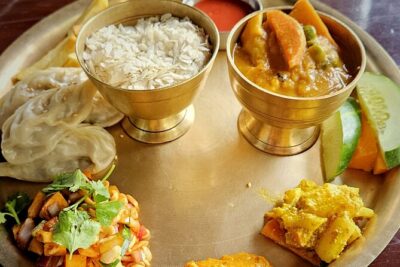
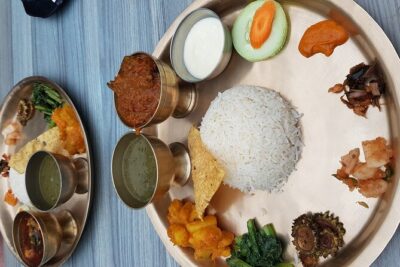
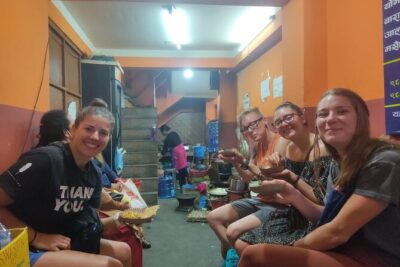
Secret Food Tour – Food Bites and Sights Kathmandu 14+ Testings
Read our review →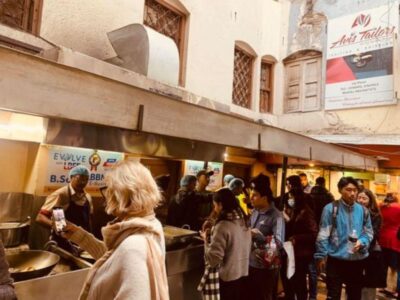
Kathmandu Food & Drink and Shopping Rickshaw Tour
Read our review →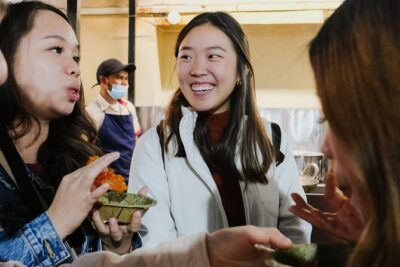
Walking Food Tour in Hidden Local Eateries of Kathmandu
Read our review →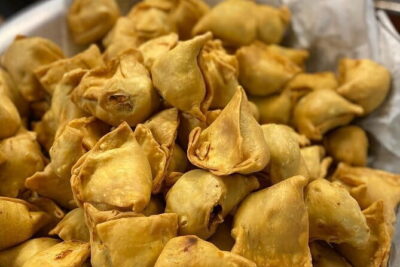
Browse the lists this tour appears in