
Reviewed · UNESCO WORLD HERITAGE TOURS
Kathmandu: Pashupatinath Evening Aarati Tour Private/Group
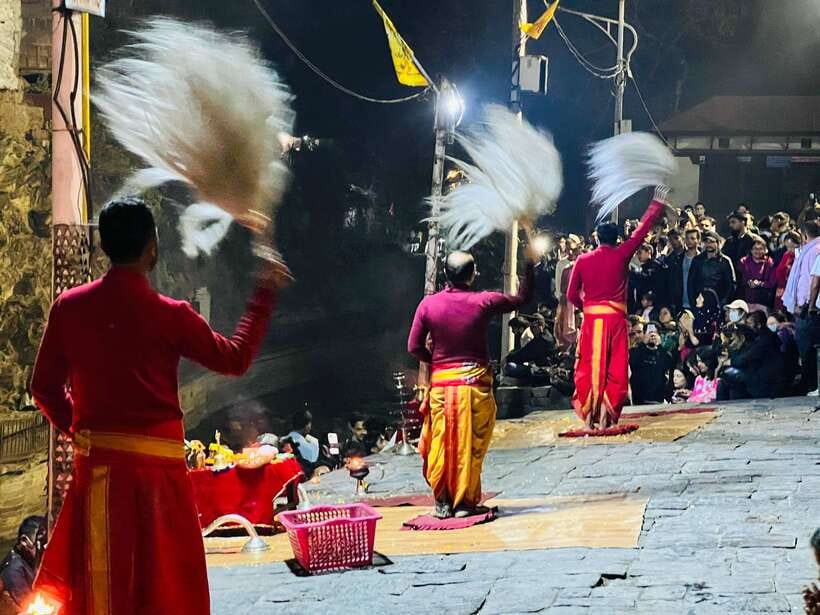
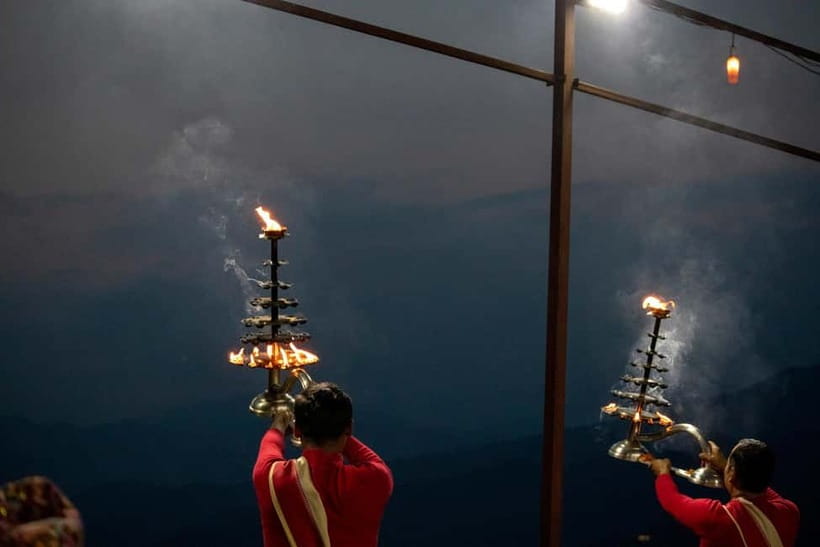
The main event here is the evening aarati, a Hindu river ritual that turns the Bagmati’s eastern bank into a scene of lamps, incense, bells, music, and prayer. Around 6 pm, priests wave oil lamps in careful patterns while devotional hymns and Vedic mantras fill the air.
I like the easy hotel pickup from Thamel and the chance to arrive with an English-speaking guide who can explain what you are seeing. I also like the modest $22 price, which covers transport, guiding, taxes, and service charges. The catch is that entry fees are extra, and your view of the ceremony depends greatly on where you are placed.
One guide named Amrit received especially warm praise for answering questions and explaining the ritual well. Another visitor had a less satisfying time because the guide seated the group poorly and became distracted during the ceremony, so speak up early if you need a better view.
Key points to know before you go
- The ceremony begins around 6 pm: Plan your afternoon around the evening prayer rather than treating this as a quick temple photo stop.
- The Bagmati River is central to the experience: The aarati takes place on the river’s eastern bank, with lamps and music forming the focus of the visit.
- Transport is limited to Thamel or nearby: Pickup and return are included from Thamel and surrounding areas, not necessarily every Kathmandu address.
- The guide can change the experience: Amrit was praised for his explanations, but you should ask questions and request a clear viewing position.
- Entry fees are not included: Bring cash, along with comfortable shoes and a camera.
- Private groups are available: You can book a private group if you prefer a more personal outing, or choose a shared option if offered for your date.
Why the Pashupatinath aarati is worth seeing
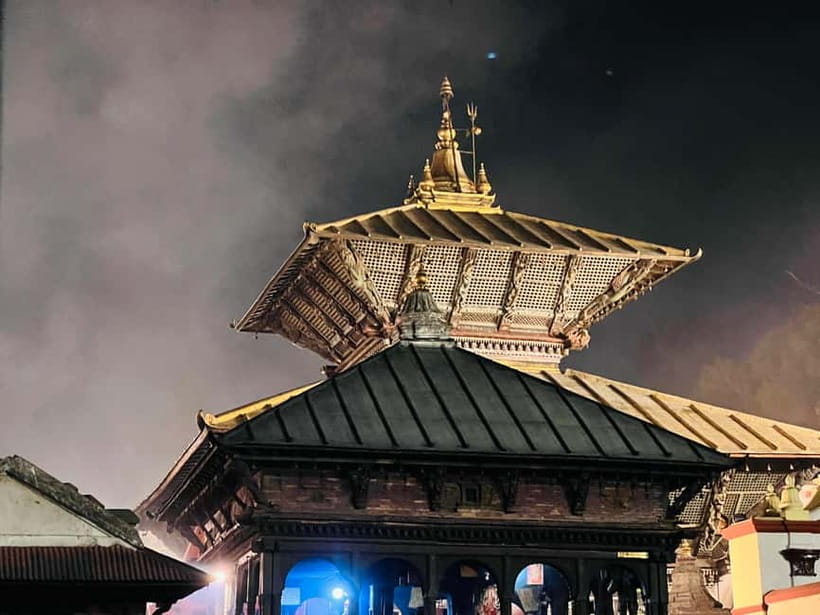
Pashupatinath is one of Nepal’s best-known Hindu shrines, and the evening aarati gives you a way to witness its religious life without simply walking through a historic compound and taking pictures. The ritual takes place beside the holy Bagmati River, where prayer, music, flame, and incense work together in a formal sequence.
You will hear bells ring in rhythm with chanting. Priests wave oil lamps in intricate patterns, incense rises through the evening air, and classical instruments and devotional hymns provide the sound of the service. You do not need to understand every word to grasp the ceremony’s emotional force, but a good guide can explain the meaning behind the gestures and sounds.
I find this type of visit more rewarding when you approach it as a religious ceremony first and a sightseeing stop second. The aarati is not staged for visitors, and the mood can shift from busy temple activity to quiet concentration once the prayers begin.
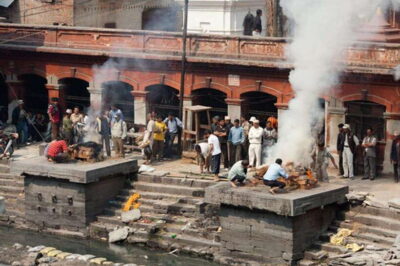
The setting also gives the experience a serious edge. Pashupatinath is connected with Hindu death rites, and cremation activity may be visible from parts of the river area. One visitor made clear that the ceremony, rather than the cremation grounds, was their main interest. If you want to focus on the prayer service, tell your guide that before you arrive and ask to be seated where the lamps and priests are easiest to see.
More UNESCO World Heritage Tours in Kathmandu:
- Private Kathmandu Sightseeing Tour | UNESCO World Heritage sites
★ 5.0 · 756 reviews - Kathmandu: Full Day 7 UNESCO Tour with Lunch – Private/Group
★ 5.0 · 415 reviews - Kathmandu: Full Day Top 4 UNESCO Tour with Lunch – Private/Group
★ 5.0 · 269 reviews
From Thamel to the temple complex
The outing begins with pickup in Thamel or a nearby part of Kathmandu. The supplied meeting and return points are in the Thamel Marg area, while the operator says pickup can be arranged with a suitable vehicle for your location. Still, confirm your address before booking if you are staying well outside central Thamel.
The ride to Pashupatinath is part of the convenience. You do not need to arrange a taxi, bargain with a driver, or work out the temple entrance on your own. After the ceremony, transport returns you to your hotel area.
The full outing lasts about two to three hours, with roughly 1.5 hours listed for the temple visit, guiding, walking, and free time. That leaves room for the drive and the ceremony. Exact starting times depend on availability, but the evening service is described as beginning at about 6 pm.
This is a short outing, not a full-day cultural tour. That makes it useful if you have only one free evening in Kathmandu or want a focused activity after visiting the city’s other major sights. It also means the temple visit can feel brisk if traffic delays the drive or if you want a lot of unhurried time to look around.
A guided introduction to Pashupatinath
On arrival, your guide explains the temple’s history, religious importance, and architectural details before giving you time to explore independently. The guided portion matters here because the compound is not just a collection of buildings. Ritual spaces, the river, shrines, and religious activity all carry meanings that are easy to miss on your own.
The tour information says you will visit, walk, sightsee, and have free time for about 1.5 hours. Expect some walking, so comfortable shoes are a sensible choice. The site is not suitable for wheelchair users, and the activity is not designed for babies or very young children. The age information lists children under 5 as unsuitable, with separate notices for children under 2 and babies under 1.
Do not assume the guide will be beside you every minute. The plan includes time to explore the site yourself. That is a plus if you want to pause, observe, or take photographs without a constant explanation, but it also places some responsibility on you to keep track of the meeting point and ceremony timing.
A useful approach is to ask your guide for three things early: where the aarati will take place, where you should stand or sit, and which areas are appropriate for photography. Those questions are especially important because the best place for viewing may not be obvious when you first arrive.
What happens during the 6 pm aarati
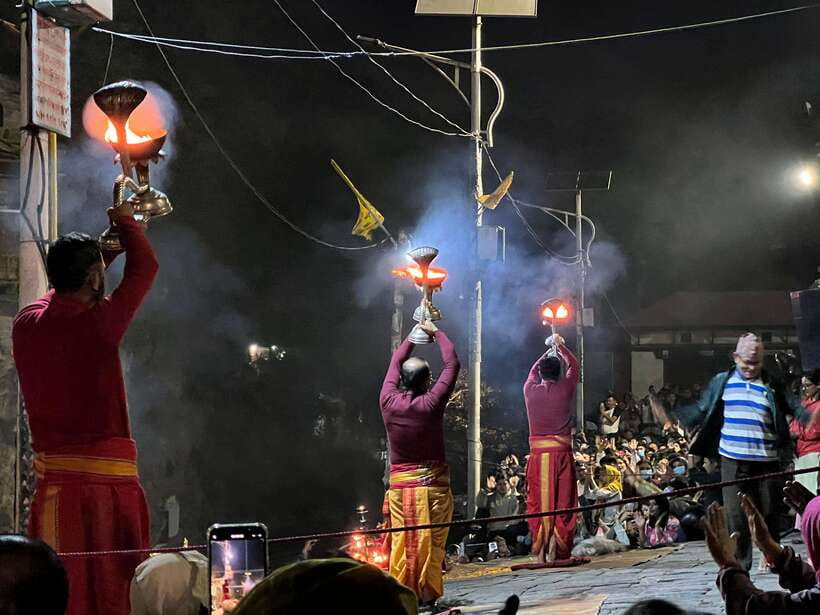
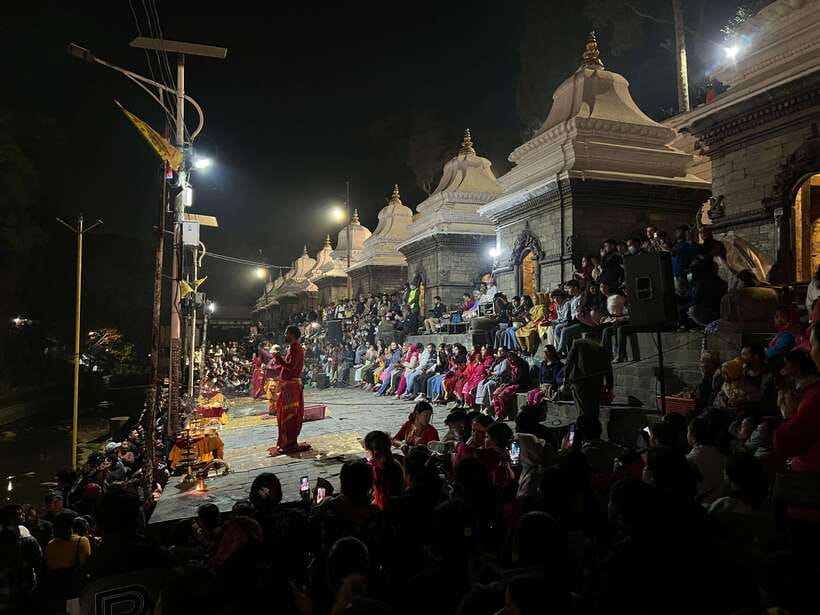
As the ceremony begins, attention shifts toward the eastern bank of the Bagmati. The river provides the setting, but the priests, lamps, chanting, and music provide the action.
You can expect several elements working together:
- Vedic mantras and devotional prayers
- Rhythmic bell ringing
- Priests waving oil lamps in repeated patterns
- Burning incense
- Classical instruments and devotional hymns
- Flickering light across the area as evening settles
The ritual is best understood through its rhythm. The bells and music create a steady pulse, while the lamps bring movement and color to the service. The effect is not simply visual. The sound of prayer and the smell of incense are just as important as what you see.
Your position matters. One recent visitor arrived early but felt the guide placed the group in a poor spot and did not act on repeated requests to move. That is a practical warning, not a reason to skip the tour. Arrive ready to explain that seeing the priests and lamps is your priority, and do not be shy about asking for a clearer viewing place before the ceremony gets underway.
You should also prepare for a shared public setting rather than a private performance. The ceremony is a living religious practice, so visitors need to watch respectfully, keep their voices low during prayer, and follow any instructions about where to stand. Your guide can help with local etiquette, but you should remain alert to the people around you.
A few more Kathmandu trips to weigh up
- Kathmandu Sunset Tour by Rickshaw Including Durbar Square Visit
★ 5.0 · 73 reviews - 3 Nights 4 Days Chitwan National Park with Tower Night Stay
★ 5.0 · 41 reviews - 3 night 4 Day Yoga & Ayurveda Retreat to Detox the Body & Mind, Nepal
★ 5.0 · 37 reviews - Kathmandu: Pashupatinath Temple Evening Aarati Tour
★ 5.0 · 36 reviews
The guide can make or break the evening
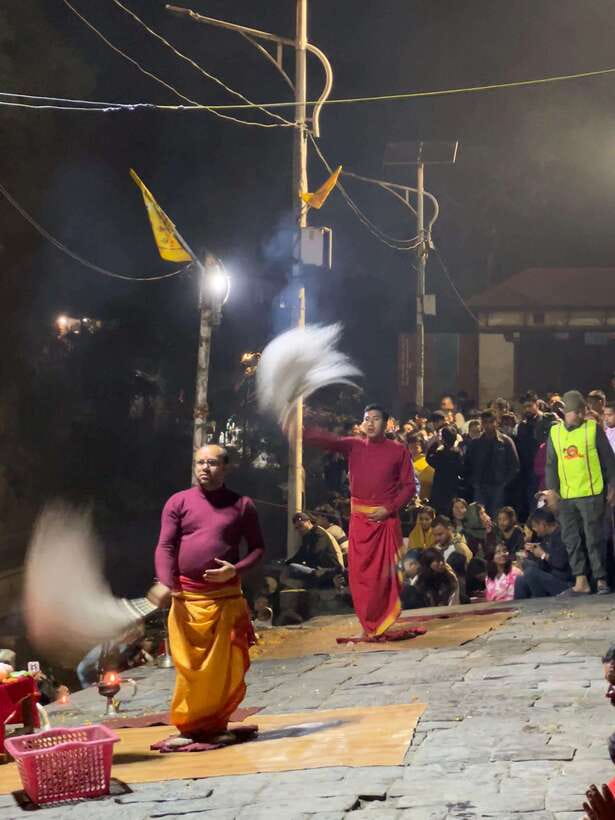
The strongest personal praise went to Amrit, who was described as informative and willing to answer many questions. If Amrit is assigned to your group, you can make the most of that by asking about the ritual’s sequence, the temple’s role, and the meaning of the lamps and music.
The operator lists English, Hindi, and Chinese as available guide languages. Confirm your preferred language when you book, since the quality of the explanation depends on clear communication. A guide who gives context can turn a beautiful ceremony into a memorable cultural lesson.
At the same time, do not expect every guide to offer the same level of attention. One person felt their guide became distracted by a separate conversation and had to interrupt several times to ask questions. I would handle this directly and politely: ask your question, request a better seat if needed, and make your main goal clear before the service begins.
This is also why a private group may be worth considering if you have specific interests or want more control over the pace. A private booking does not automatically guarantee a perfect viewing position, but it may make it easier to ask for explanations and adjust the visit around your needs.
What the $22 price really covers
At $22 per person, this is a reasonably priced way to combine transport, a guide, and an evening cultural event. Hotel pickup and drop-off from Thamel or nearby areas remove two common Kathmandu hassles: arranging a ride and finding your way back after dark.
The price includes transportation to and from Pashupatinath, a licensed English-speaking guide, taxes, and service charges. It does not include food, drinks, or entry fees. Since the entry cost is not specified here, bring cash and allow a little extra for that expense.
The value is strongest if you are staying in Thamel and want a simple, organized evening. If you already have a taxi, know the temple area well, and prefer to find your own viewing place, the guided transport package may matter less. In that case, the main reason to book is the guide’s interpretation and the convenience of the return ride.
The reserve-now, pay-later option and free cancellation up to 24 hours ahead also help if your Kathmandu plans are still shifting. Check the terms at booking, especially if your schedule depends on the ceremony’s starting time.
Practical details that improve the visit
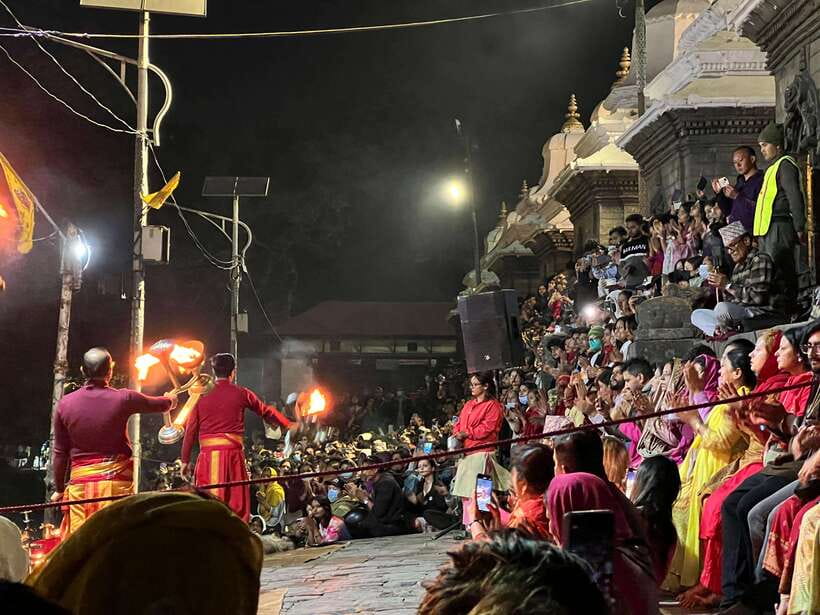
Wear comfortable shoes. You will walk through the temple area, and the tour includes sightseeing and free time rather than a vehicle-only visit.
Bring a camera if you want to record the setting, but treat photography as secondary to the ceremony. Ask before photographing people or any sensitive religious activity, and follow your guide’s directions.
Cash is useful because entry fees are not included. Food and drinks are also your responsibility, so eat beforehand if you do not want to search for something after the service.
Pickup is listed for Thamel or nearby areas. If you are staying elsewhere in Kathmandu, ask the operator whether your address qualifies before paying. The activity is not suitable for wheelchair users, children under 5, or babies, according to the supplied restrictions.
The tour is available as a private group, and the listed guide languages are English, Hindi, and Chinese. The duration is two to three hours, with starting times subject to availability.
Who will enjoy this evening most
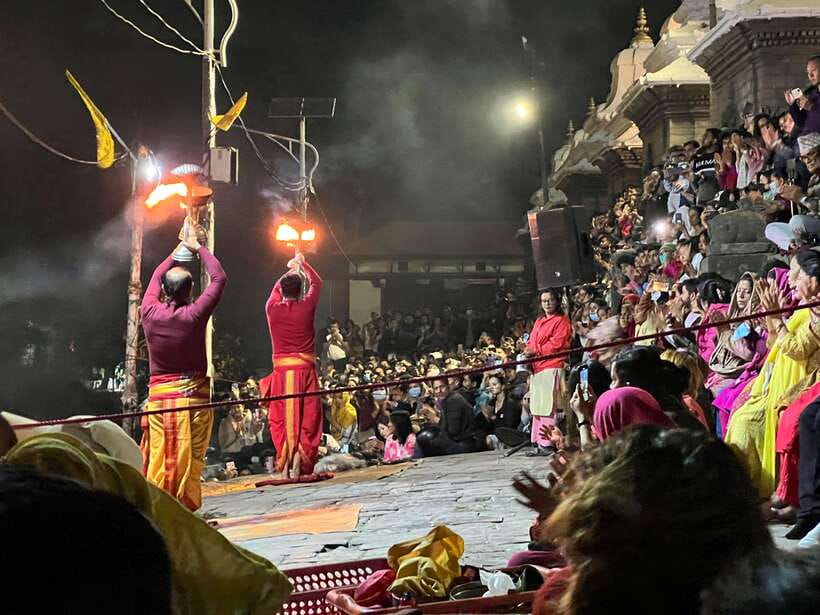
I would recommend this outing to you if you want a short introduction to Nepal’s Hindu traditions and prefer not to arrange Kathmandu transport yourself. It suits first-time visitors who want context, a set plan, and a ceremony that takes place at a clear time.
It is also a good choice for photographers and culture-focused visitors who appreciate low light, flames, music, and formal ritual. Just remember that a camera does not guarantee a good view. Your location along the river matters more than the length of your lens.
You may want to think twice if you dislike religious ceremonies, need full wheelchair access, or expect a private, perfectly managed viewing area without having to ask. The cremation activity around the river may also feel uncomfortable if your only interest is the aarati.
Families with very young children should choose another activity. The listed restrictions exclude babies and children under 5, and the evening timing may not suit small children even aside from the formal age rules.
Should you book the Pashupatinath evening tour?
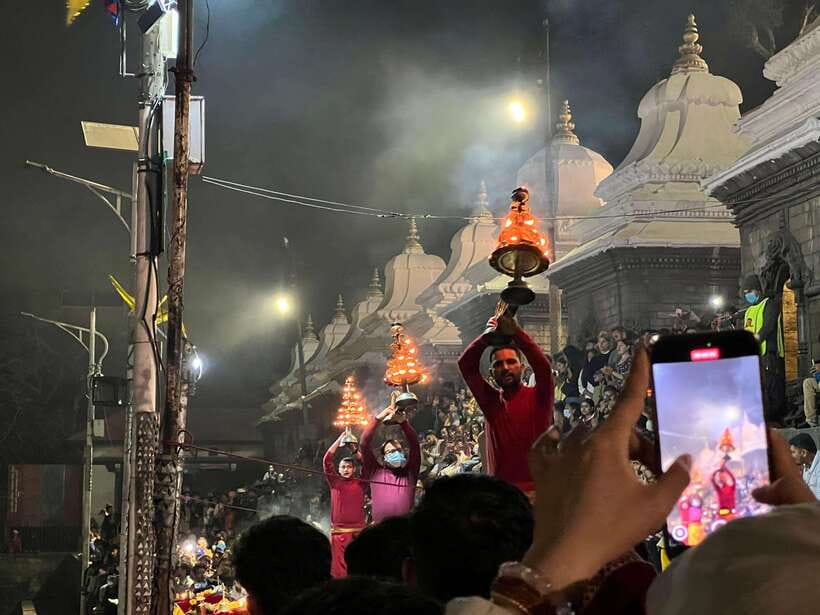
Book it if you want a convenient, low-cost way to see the Pashupatinath aarati with transport and cultural explanation. The ceremony’s combination of lamps, bells, chanting, incense, and river setting gives you a direct look at a living religious tradition, not just another Kathmandu monument.
I would book with two requests in mind: confirm the pickup area and ask your guide for a clear view of the priests and lamps. If Amrit is available, his strong reputation for answering questions is a useful reason to request him, though guide assignments are not guaranteed.
Skip it if you need wheelchair access, are traveling with children under 5, or want to avoid any connection with cremation activity. For everyone else, $22 is fair value, provided you understand that entry fees are extra and that your own questions may be needed to get the most from the guide.
FAQ
Where does the Pashupatinath evening aarati tour begin?
Pickup is available from Thamel or nearby areas in Kathmandu. The listed pickup and drop-off area is Thamel Marg and Thamel.
What time does the aarati begin?
The evening aarati starts at about 6 pm. Starting times for the overall activity depend on availability.
How long does the tour last?
The full activity lasts approximately two to three hours. The temple visit, guided tour, walking, sightseeing, and free time take about 1.5 hours.
What languages are available for the guide?
The listed guide languages are English, Hindi, and Chinese.
Are hotel pickup and transportation included?
Yes. Transportation to and from Pashupatinath and hotel pickup and drop-off are included for Thamel or nearby locations.
Are temple entry fees included in the price?
No. Entry fees are not included. Bring cash for this additional cost.
Is the tour available as a private experience?
Yes. A private group option is available.
Can I cancel the tour and get a refund?
You can cancel up to 24 hours in advance for a full refund. A reserve-now, pay-later option is also available.
Just added around Kathmandu
- Private Half-Day Tour of Boudhanath and Pashupatinath Temples in Kathmandu★ 4.5 · 9 reviews
- Private Half-Day Tour of Kathmandu Durbar Square and Swayambhunath Temple★ 4.5 · 11 reviews
- Namobuddha Monastery Hiking Day Tour via Panauti from Kathmandu★ 5.0 · 15 reviews
- Private Day Tour in Kathmandu Valley Rim with Bhaktapur Sightseeing★ 5.0 · 3 reviews
- Private Half Day Budhanilkantha Tour★ 5.0 · 6 reviews
- Private Full-Day Kathmandu City Tour★ 5.0 · 9 reviews
- Private Day Tour: Patan and Bhaktapur from Kathmandu★ 4.5 · 6 reviews
- Private Day Tour – Sacred Journey to Namo Buddha★ 5.0 · 5 reviews
UNESCO World Heritage Tours, compared.
Private Kathmandu Sightseeing Tour | UNESCO World Heritage sites
Read our review →
Full Day 7 UNESCO Tour with Lunch – Private/Group
Read our review →
Full Day Top 4 UNESCO Tour with Lunch – Private/Group
Read our review →

Kathmandu Spiritual Sites: Bodhnath & Pashupatinath Tour
Read our review →
Kathmandu Private Sightseeing Tour | UNESCO World Heritage Sites
Read our review →Full Day 7 UNESCO Tour with Lunch – Private/Group
Read our review →Browse the lists this tour appears in