
Reviewed · HISTORICAL TOURS
Morning Half Day Tibetan cultural tour to Tibetan Settlements
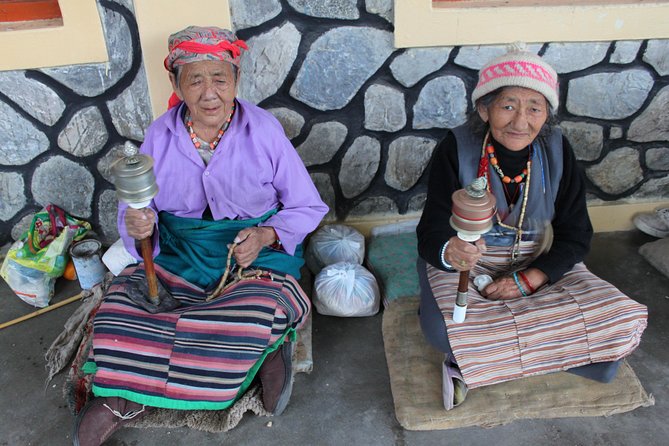
The most meaningful part of this early tour is the chance to meet Tibetan refugees in places where daily life, prayer, food, and education are still closely tied to Tibetan culture. Guide Thupten Gyatso, who comes from the Tibetan refugee community, adds personal context that a standard sightseeing guide cannot provide.
I like the small slice of ordinary life this tour offers, especially the breakfast with a local Tibetan family. I also like the quiet morning prayer at Jangchub Choeling Tibetan Monastery, when the focus is on worship rather than simply looking around.
The main drawback is the early start. Pickup is at 5:30 a.m., and the tour lasts only three to four hours, so you get an introduction rather than a long visit. If you want a slow morning or a full-day cultural program, this may feel brief.
Key points to know before booking
- 5:30 a.m. departure: You leave early and return around 9 a.m., leaving most of the day free.
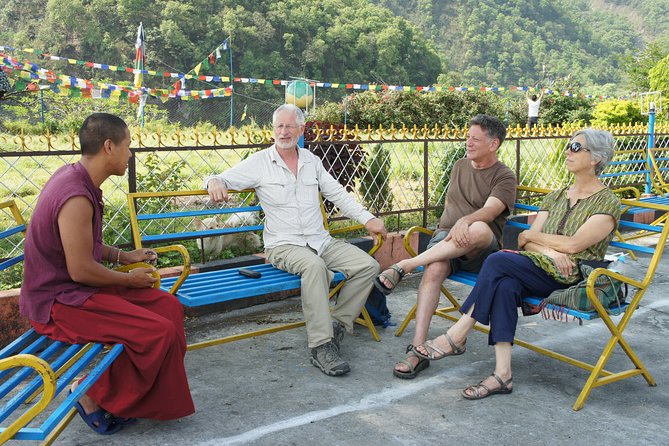
- Guide Thupten Gyatso: Your guide comes from the Tibetan refugee community and explains both culture and refugee life.
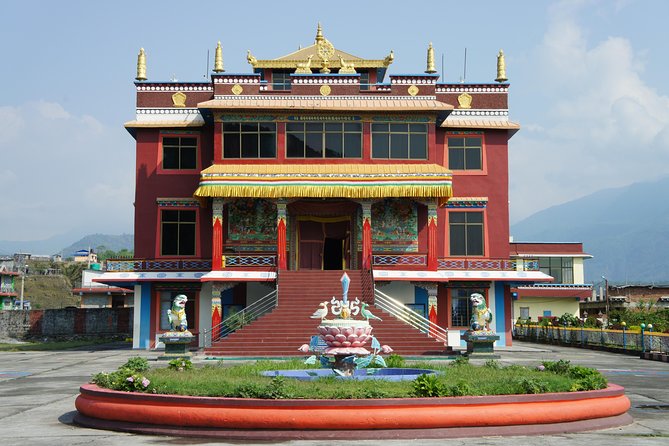
- Three meaningful stops: Visit Jangchub Choeling Tibetan Monastery, Tashi Palkhel Tibetan Settlement, and Pema Ts’al Sakya Monastic Institute.
- Breakfast with a Tibetan family: A traditional meal and tea are included at a local home.
- Morning group prayer: The first monastery visit gives you a chance to see Buddhist practice as part of daily life.
- $60 per person: The fee covers transport, guiding, breakfast, tea, coffee, and bottled water, making it reasonable if you value personal access and convenience.
Why this early morning tour matters
Pokhara is best known as a base for mountain trips, but its Tibetan settlements offer a different side of the area. Tibetan refugees have built communities in Nepal where monasteries, family homes, food traditions, and schools help preserve a culture far from Tibet.
This tour gives you a direct way to learn about that experience. You are not only looking at religious buildings from the outside. You spend time with monks and residents, hear about the struggles faced by refugees, and learn how Tibetan Buddhism shapes everyday routines.
The early departure is part of the design, not just a transport detail. The tour begins during the morning prayer period, when the monastery is being used for worship. That timing gives the visit a calmer, more respectful feel than arriving later simply to take photographs.
I also like the way the tour connects three different settings. You see a working monastery, a family home, and a monastic institute. Together, they give you a fuller picture of Tibetan life in Nepal than one temple visit would.
A few more Pokhara trips to weigh up
- Full-Day Tibetan Cultural Tour to Tibetan Settlements Pokhara
★ 5.0 · 184 reviews - Afternoon Tibetan Cultural Tour to Tibetan Settlements Pokhara
★ 5.0 · 106 reviews - Morning Tibetan cultural tour to Tibetan settlements Pokhara
★ 5.0 · 66 reviews
Leaving Pokhara at 5:30 a.m.
Hotel pickup and drop-off make the morning easier. You do not need to arrange separate transport to the settlements, and the driver and guide accompany you throughout the visit.
You should be ready before dawn. The tour departs at 5:30 a.m. and returns around 9 a.m., with roughly an hour allocated to each main stop. Since breakfast and tea are included, you do not need to plan a separate meal before leaving, though you may want something small if you are not comfortable waiting until the first visit.
The timing also suits people with a busy Pokhara schedule. You can take part in the cultural program and still have much of the day available for rest, sightseeing, or other plans.
There is one tradeoff. A three to four hour outing leaves little room for delays or a long, unhurried conversation at every stop. If you enjoy taking your time, ask yourself if an early introduction is enough, since the schedule is designed to cover several places in one morning.
Jangchub Choeling Tibetan Monastery and morning prayer
The first stop is Jangchub Choeling Tibetan Monastery. Admission is included, and about an hour is planned here.
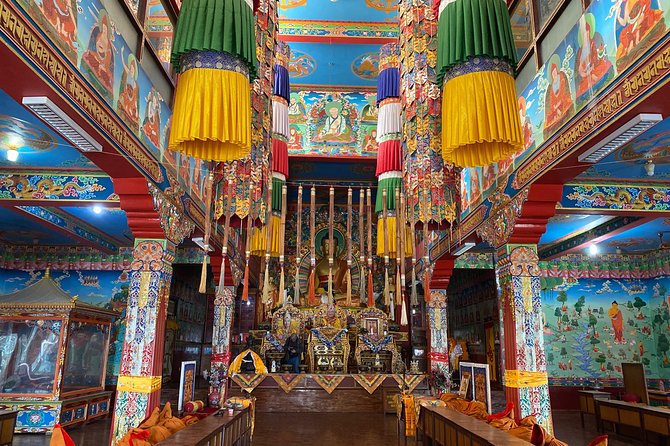
The main reason to visit at this hour is the morning group prayer. You can observe monks taking part in a regular religious practice, rather than viewing the monastery as a quiet building after services have ended.
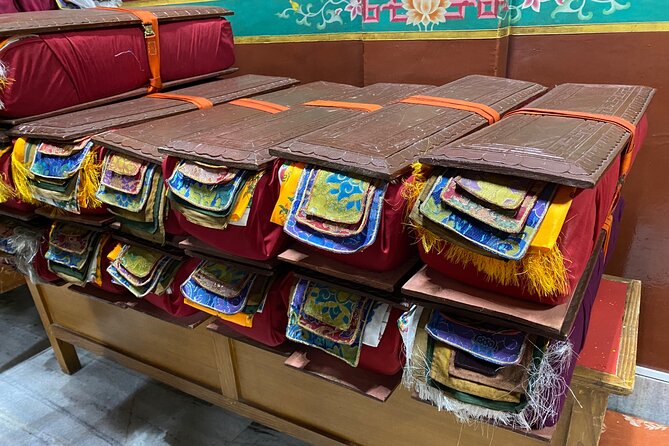
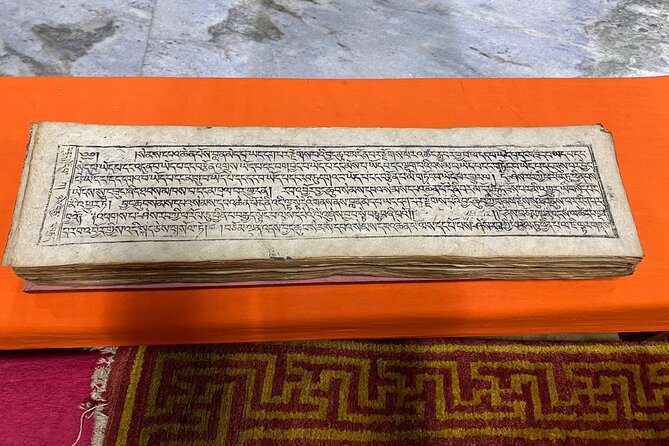
Thupten Gyatso explains Tibetan Buddhist symbols and images during the visit. This is useful because religious art can be difficult to understand without guidance. Figures, colors, gestures, and objects often carry specific meanings, and a guide can give you a basic framework for reading what you see.
Keep your role here respectful. You are observing a place of worship, not attending a staged performance. The schedule includes time among monks, but it does not promise a private ceremony or an extended religious lesson. The value comes from seeing a living practice and learning how it fits into the community.
For many people, this will be the emotional center of the morning. You get the quietest setting, the strongest connection to spiritual life, and the chance to see why the settlements remain important to Tibetan refugees in Nepal.
Tashi Palkhel Tibetan Settlement and a family breakfast
The second stop is Tashi Palkhel Tibetan Settlement. This is where the tour moves from monastery life into a family setting.
You visit a local Tibetan home and share a traditional breakfast. The meal is included, along with tea or coffee, so this is both a cultural experience and a practical start to an early morning.
Food offers a direct way to understand a community. Thupten introduces the dishes and explains their history and cultural role, helping you connect the meal with Tibetan life rather than treating it as an unusual breakfast item.
The visit is also valuable because it brings the refugee experience into a personal setting. At the monastery, you learn through prayer and symbols. At the family home, you see how culture is carried through food, hospitality, and ordinary routines.
The exact menu is not specified, so you should not book this expecting one particular dish. Think of it as a traditional Tibetan meal selected for the visit, with an explanation of its cultural importance.
This stop may be the best fit if you prefer personal contact over formal sightseeing. It also adds welcome warmth to the morning. After leaving your hotel before sunrise, sitting down for tea and breakfast with a local family makes the tour feel grounded and human.
Same mountains, a completely different kind of day:
- ZipFlyer Nepal – The World’s Steepest Zip-line
★ 5.0 · 608 reviews - Bungee Pokhara by HighGround Adventures
★ 5.0 · 366 reviews - From Pokhara: Sarangkot Sunrise Himalayas Tour
★ 4.7 · 218 reviews - ATV Adventure Tour in Pokhara, Nepal
★ 5.0 · 194 reviews
Pema Ts’al Sakya Monastic Institute and monastic education
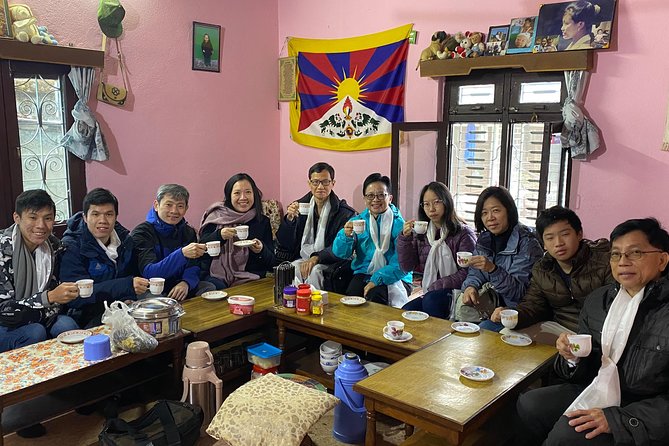
The final stop is Pema Ts’al Sakya Monastic Institute, another Buddhist monastery. The visit focuses on monastic life and education.
You meet a young monk who can share insights into his daily life and studies. That perspective adds something different from the group prayer at Jangchub Choeling. One stop shows communal worship, while this one helps you understand how young monks are educated within the monastic setting.
The institute also shows that Tibetan culture is not preserved only through ceremonies. It is taught to younger generations through study, discipline, and religious training. For anyone interested in education, Buddhism, or the future of Tibetan communities in Nepal, this is an important part of the morning.
Again, the schedule allows about an hour. You should expect an introduction rather than a full academic discussion. The young monk’s perspective is a useful part of the visit, but the experience depends on the time available and the conversation on the day.
What the guide adds to the experience
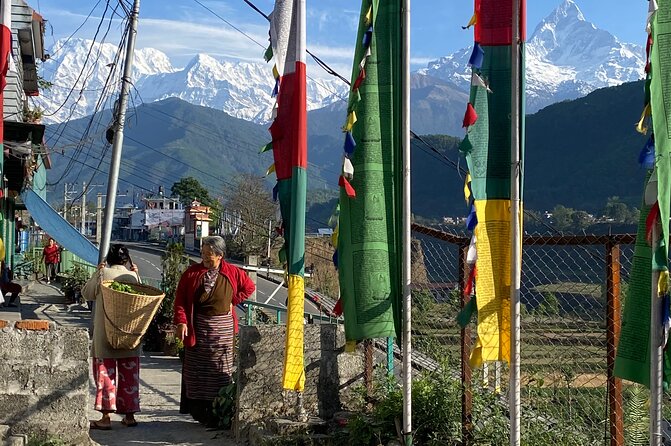
Thupten Gyatso is not presented simply as someone who knows the route. He comes from the Tibetan refugee community, which gives the tour a personal connection to the people and places you visit.
That matters most when discussing refugee life. A guide with community ties can explain the settlements in human terms, connecting broad political and historical issues with family life, religious practice, and cultural survival.
You will also benefit from having one person link the stops together. Without a guide, you might see a monastery, eat Tibetan food, and visit a monastic school as separate activities. Thupten’s explanations help show how each part fits into Tibetan culture in Nepal.
The tour includes both a driver and guide, professional guiding, and hotel transport. Those details reduce the practical work required from you, especially at such an early hour.
No guide can guarantee that every question will be answered in depth during a short morning. If Tibetan history or refugee politics is your main interest, prepare a few questions in advance. The limited duration means you will get a focused overview, not a specialist seminar.
What the $60 price includes
The price is $60 per person. That is not the cheapest way to see a monastery near Pokhara, but the comparison is not simply about entrance fees.
Your price includes hotel pickup and drop-off, a driver, a professional guide, breakfast, coffee or tea, and bottled water. It also covers access to three cultural stops, including a family home and two monastic settings.
I think the value is strongest for you if convenience and personal interpretation matter. Reaching Tibetan settlements independently may cost less in some cases, but you would need to arrange transport, find the right places, understand the religious setting, and organize food.
The breakfast is another part of the value. It is not just a snack added to the package. You eat in a local family setting and learn about the food from the guide, which gives the meal a cultural purpose.
Group discounts are available, so the cost may work better for people booking together. The tour is also offered with a mobile ticket, and the average booking point is five days ahead. If this experience fits your schedule, arranging it several days in advance is sensible.
Lunch is not included, though the tour returns around 9 a.m., well before midday. A DVD is available for purchase, but it is optional and not part of the main experience.
Who will get the most from this tour
I would recommend this outing to you if you want cultural context without giving up a full day in Pokhara. It suits curious first-time visitors, people interested in Tibetan Buddhism, and anyone who prefers meeting residents and monks to simply photographing buildings.
It is also a good choice if you want a structured morning. Transport, guiding, breakfast, tea, and water are arranged, so you can focus on the visits rather than solving each practical detail yourself.
The tour may suit families and groups because discounts are available, though the very early start should be considered carefully. The program asks you to be ready at 5:30 a.m., and the schedule remains fairly compact.
You may want to choose something else if you dislike organized group outings, need a late start, or want a long, quiet meditation experience. This is a guided introduction with three stops, not a retreat or a full-day study program.
It is also not designed around mountain views or adventure. Its appeal is cultural and spiritual. You come for conversation, prayer, food, and a better understanding of Tibetan communities in Nepal.
Practical details that shape the morning
Wear clothing that allows you to enter religious spaces respectfully. The supplied information does not specify a dress code, but you should treat monasteries as active places of worship and follow instructions from the guide.
Arrive ready for the early departure. Since pickup is offered from your Pokhara hotel, confirm that your accommodation is within the pickup arrangement when booking. The tour includes round-trip transport, so you should not need to arrange a separate return journey.
Bring a phone or camera only if you are prepared to follow local guidance about photography. The tour emphasizes time with monks and families, and respectful behavior matters more than collecting pictures.
The program is planned for three to four hours, with one hour at each stop. That makes the schedule easy to understand, but it also means you should not expect every conversation to continue at length.
Should you book this Tibetan cultural tour?
Book it if you want a thoughtful morning that goes beyond temple exteriors. The combination of community-based guiding, a Tibetan family breakfast, morning prayer, and a young monk’s account of monastic life gives you several ways to understand Tibetan culture in Nepal.
At $60, the tour offers fair value when you use the included transport, food, drinks, and guide. The strongest reason to pay for it is access and interpretation, not the number of attractions.
Skip it if a 5:30 a.m. departure sounds miserable or if you want a relaxed, full-day visit with plenty of unscheduled time. For everyone else, this is a focused and practical way to meet Tibetan residents, see religious life at close range, and return to Pokhara before the day is well underway.
FAQ
Where does the tour take place?
The tour begins in Pokhara and visits Tibetan communities and monasteries near the city.
What time does the tour depart?
Departure is scheduled for 5:30 a.m.
What time does the tour return?
The planned return time is around 9 a.m.
How long does the tour last?
The experience lasts approximately three to four hours.
Is hotel pickup included?
Yes. Round-trip pickup and drop-off from your Pokhara hotel are included.
Who is the guide?
The guide is Mr. Thupten Gyatso, who comes from the Tibetan refugee community.
Will I visit a Tibetan monastery?
Yes. The tour visits Jangchub Choeling Tibetan Monastery and Pema Ts’al Sakya Monastic Institute.
Will I visit a Tibetan family home?
Yes. At Tashi Palkhel Tibetan Settlement, you visit a local Tibetan family and have a traditional breakfast.
Is breakfast included?
Yes. Breakfast, coffee or tea, and bottled water are included.
Is lunch included?
No. Lunch is not included, but the tour returns around 9 a.m.
Just added around Pokhara
- Seti George and Thrilling Suspension Bridge Tour at Pokhara★ 4.5 · 3 reviews
- Tandem Paragliding in Pokhara★ 4.8 · 8 reviews
- Pokhara: Sunrise Tour to Sarangkot★ 5.0 · 3 reviews
- Pokhara: Suspension Bridge Private Tour- 30 Min Village Walk★ 4.8 · 9 reviews
- Pokhara: Visit Best Seven Tourist Destination by Sharing Bus★ 3.4 · 10 reviews
- Pokhara Sightseeing By Bus: Day Trip★ 4.6 · 7 reviews
- Pokhara Sightseeing By Bus – Day Trip★ 3.2 · 8 reviews
- Pokhara: Seti River Rafting Adventure with Hotel Pickup★ 5.0 · 5 reviews
Historical Tours, compared.
Private Kathmandu Sightseeing Tour | UNESCO World Heritage sites
Read our review →
Full-Day Tibetan Cultural Tour to Tibetan Settlements Pokhara
Read our review →
Kathmandu Private Sightseeing Tour | UNESCO World Heritage Sites
Read our review →
Afternoon Tibetan Cultural Tour to Tibetan Settlements Pokhara
Read our review →
Full Day Private Top 4 UNESCO Heritage Tour W/Lunch.
Read our review →
Nagarkot Sunrise & Bhaktapur UNESCO Heritage Private Tour
Read our review →Browse the lists this tour appears in