
Reviewed · HISTORICAL TOURS
Half Day Tibetan Cultural tour Pokhara
The most valuable part of this Pokhara tour is the chance to meet Tibetan people in their own community, not just admire a monastery from the road. Guide Thupten Gyatso connects the prayer wheels, schools, refugee story, handmade carpets, Tibetan medicine, and lunch into one clear picture of daily life in Nepal.
I like the small-group feel and the unusual stops, especially the handwoven carpet workshop and the visit with a Tibetan doctor for pulse reading. The main thing to consider is the price, $63.52 per person, which is fair if you value personal conversation and cultural context, but more than a simple sightseeing outing.
Key points to know before booking
- Meet guide Thupten Gyatso: A Tibetan guide leads the day and explains culture, Buddhism, refugee life, and present-day community concerns.
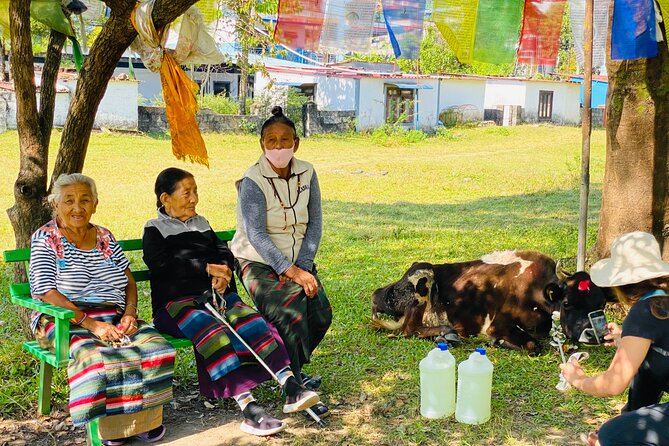
- Visit a living Tibetan settlement: You walk through the village and see homes, schools, religious places, workshops, and ordinary daily routines.
- Watch carpets made by hand: The workshop shows the process, followed by a showroom with Tibetan designs and colors.
- Try Tibetan food: Lunch includes local dishes such as momos and thukpa, with vegetarian and gluten-free options available.
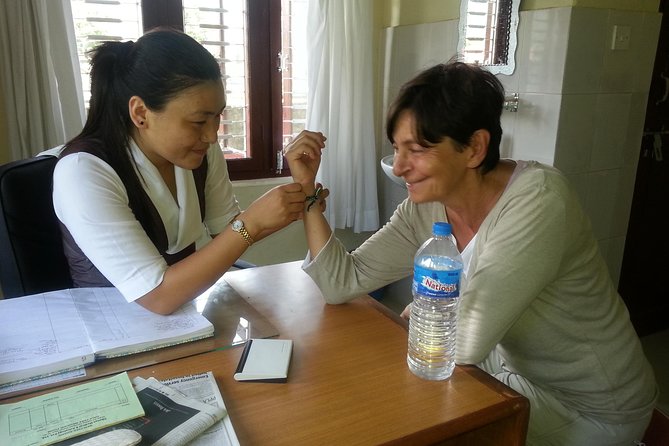
- Experience Tibetan medicine: A Tibetan doctor explains the tradition and demonstrates pulse reading.
- Allow most of the day: Pickup begins around 9 a.m., and the stated return time is about 2 p.m., though the listed duration is approximately four and a half hours.
A closer look at Tibetan life in Pokhara
This is not a checklist tour built around famous viewpoints. You spend the morning learning how a Tibetan community functions in Nepal, with each stop adding a different piece to the picture.
The experience is led by Thupten Gyatso, who speaks about Tibetan culture from personal and community knowledge. That matters here. Buddhism, displacement, education, medicine, crafts, and food are not separate museum topics. They are linked parts of everyday life.
You begin with a visit to one Tibetan refugee settlement. The plan is to walk through the village and observe how people live their daily lives. This makes the tour more personal than simply visiting a religious building, though you should approach the walk with respect. You are entering a working community, not a staged attraction.
I like this opening because it gives you context before the more formal stops. You can ask questions about Tibetan life in Nepal and better understand why the settlement exists. The day is most useful for anyone who wants social and cultural background, rather than only photographs.
A few more Pokhara trips to weigh up
- Full-Day Tibetan Cultural Tour to Tibetan Settlements Pokhara
★ 5.0 · 184 reviews - Afternoon Tibetan Cultural Tour to Tibetan Settlements Pokhara
★ 5.0 · 106 reviews - Morning Tibetan cultural tour to Tibetan settlements Pokhara
★ 5.0 · 66 reviews
Prayer wheels, flags, and Buddhist symbols
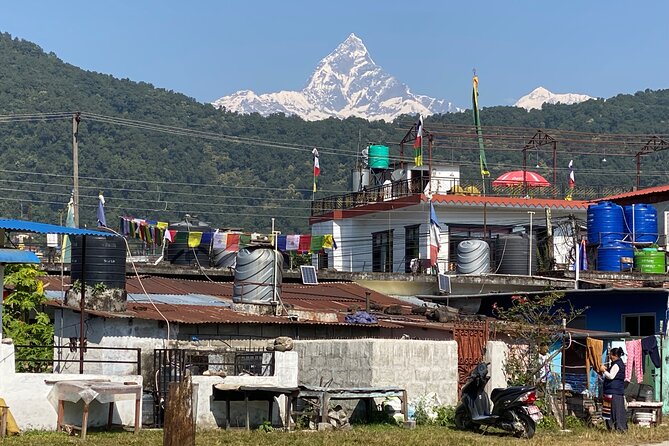
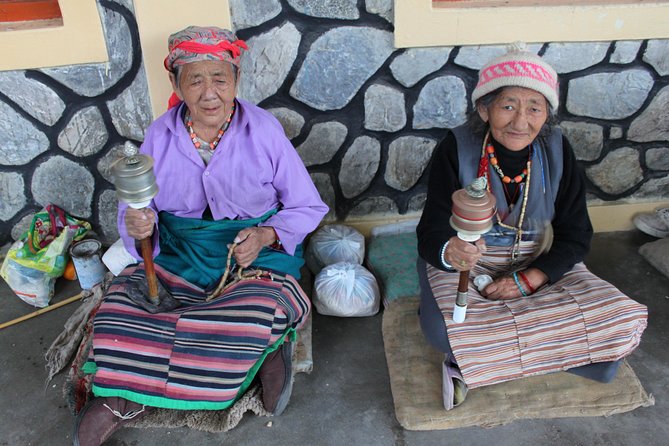
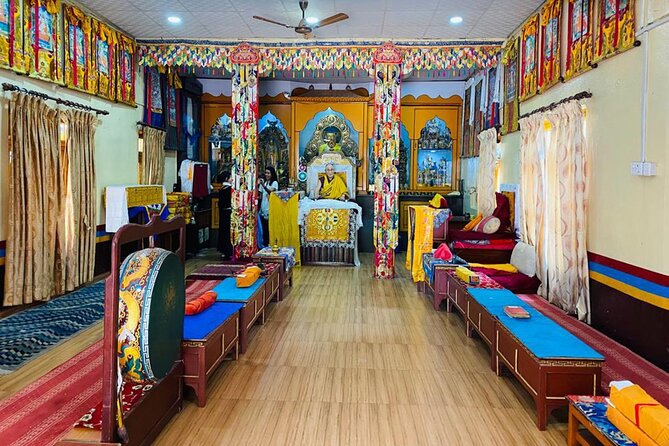
The monastery visit is the spiritual center of the outing. Thupten explains the meaning of Buddhist signs and symbols used in daily life, including prayer wheels, prayer flags, and stupas.
These objects can be easy to photograph without understanding. A guide who explains their purpose helps you read the setting in a more thoughtful way. You learn how religious practice appears in ordinary routines and why these symbols matter to the community.
The visit also gives you room to ask questions about Tibetan Buddhism. One especially memorable possibility is conversation with a young monk, something that has formed part of the experience for some groups. The exact interaction can vary, so you should treat it as a possible part of the day rather than a guaranteed private meeting.
A monastery visit also calls for good manners. Dress and behave respectfully, keep your voice low, and follow any instructions about photography. The tour is designed for learning, not for treating the monastery as a backdrop.
Tibetan schools and the next generation
Education is another important stop. You learn about Tibetan schools and the educational system used by the community.
This section helps explain how culture is passed on after displacement. A school is not only a place for lessons. It can also help preserve language, religion, customs, and a sense of identity among younger people growing up in Nepal.
The information is particularly useful if you have already seen Tibetan religious sites but know little about community life. It shifts the focus from symbols and history to practical questions: how children are educated, how traditions continue, and how a displaced population builds a future.
The tour does not promise a full school visit or classroom observation, so you should not book it expecting a school performance or extended access to students. Think of this as an educational conversation within a wider community tour.
Watching a Tibetan carpet take shape
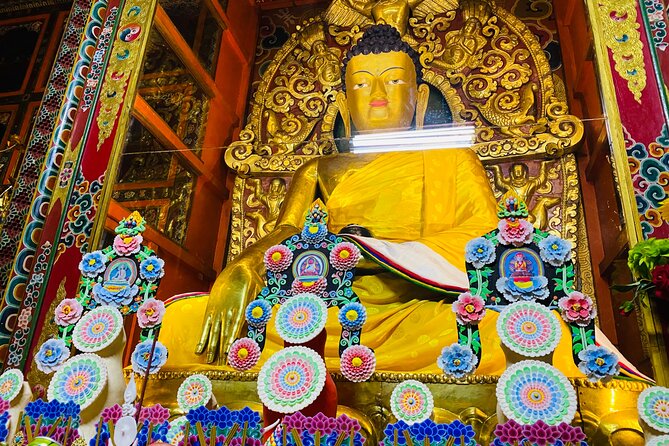
The carpet workshop is one of the strongest hands-on parts of the morning. You see Tibetan carpets being woven by hand, and Thupten explains the stages of production.
This is a good place to slow down. The finished carpets in a showroom can look beautiful, but watching the work gives you a clearer sense of the time and skill involved. The designs, colors, and patterns are easier to appreciate once you understand that each piece is made through a careful manual process.
Small groups may get a chance to try some of the rug-making themselves. That is a welcome touch because it turns a demonstration into a short practical lesson. You will not become a carpet weaver in one visit, but even a brief attempt can make the craft more memorable.
After the workshop, you visit a carpet showroom. This is the commercial part of the stop, so do not feel pressured to buy. You can look at the designs and ask about the work, materials, and patterns. If you are considering a purchase, take your time and remember that the showroom is part of the tour route.
Same mountains, a completely different kind of day:
- ZipFlyer Nepal – The World’s Steepest Zip-line
★ 5.0 · 608 reviews - Bungee Pokhara by HighGround Adventures
★ 5.0 · 366 reviews - From Pokhara: Sarangkot Sunrise Himalayas Tour
★ 4.7 · 218 reviews - ATV Adventure Tour in Pokhara, Nepal
★ 5.0 · 194 reviews
A photo gallery and the refugee story
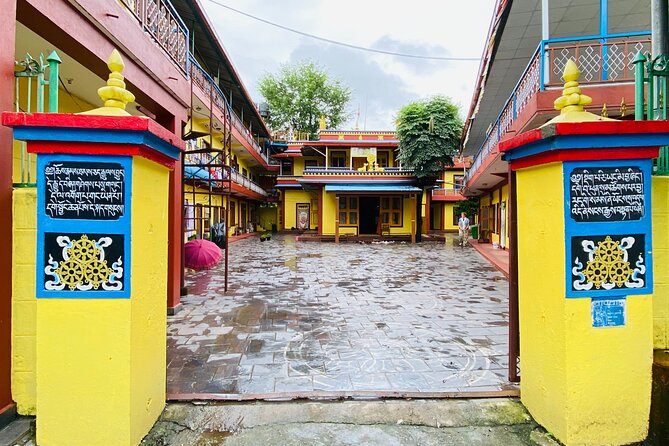
The photo gallery provides historical context about Tibetan refugees. This stop gives you a visual way to understand the events and movement that shaped Tibetan communities in Nepal.
I see this as one of the more serious parts of the tour. The day is not only about food, crafts, and religious symbols. It also addresses the difficult circumstances behind the settlement and the continuing importance of Tibetan identity.
Thupten’s role is especially useful here because the subject can be reduced to a few oversimplified facts in a standard sightseeing tour. You have the chance to ask direct questions and hear explanations connected to present-day life in Nepal.
The gallery may be emotionally heavier than the other stops. That is not a flaw, but you should know the tour treats refugee life as a central subject rather than a side note. If you want only light entertainment, this is probably not the right activity.
Tibetan medicine and pulse reading
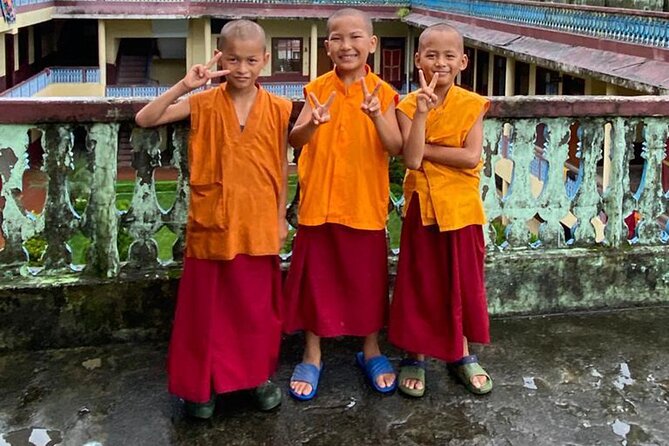
The visit with a Tibetan doctor is one of the tour’s most distinctive features. You learn about Tibetan medicine and have firsthand experience of pulse reading.
This is not the same as a standard medical appointment. The value is cultural and educational: you see how Tibetan medical traditions interpret the body and how diagnosis fits into a wider system of beliefs and practice.
The pulse-reading demonstration often becomes a memorable conversation because it gives you something to experience, not just something to hear about. You can ask questions about the doctor’s methods and the place of Tibetan medicine in community life.
Keep your expectations sensible. The information provided describes an introduction and pulse-reading experience, not a full health consultation or treatment session. If you have a medical concern, use a licensed medical professional rather than treating this stop as healthcare.
Momos, thukpa, and a local Tibetan lunch
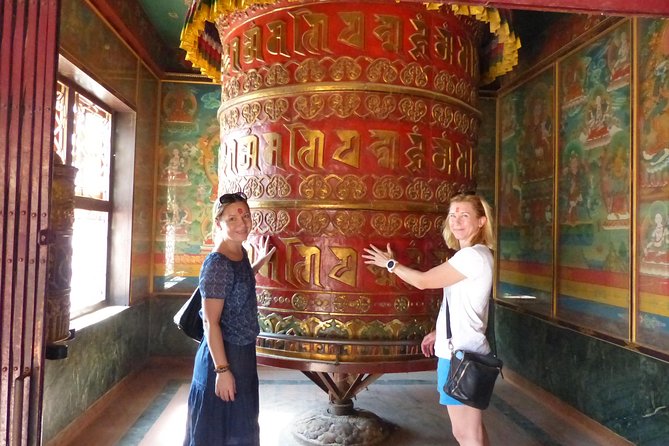
The meal is a practical pleasure and an important cultural stop. You eat at a local Tibetan restaurant and may sample dishes such as momos and thukpa.
Momos are Tibetan-style dumplings, while thukpa is a noodle soup. Both are familiar comfort foods across the Himalayan region, but eating them in a Tibetan restaurant adds context to the meal. Food gives you another way to understand how Tibetan culture has continued in Nepal.
Vegetarian food is available if you request it when booking. Gluten-free food is also offered, including plain rice with vegetable or non-vegetable curry. You should communicate dietary needs in advance rather than waiting until the morning of the tour.
Lunch is included in the value calculation. So are the community visits, guide service, and transport arrangements. At $63.52 per person, the price is easier to justify if you want a guided cultural experience with several personal encounters. It is less attractive if you mainly want a quick monastery visit and a meal.
Timing, pickup, and group size
The tour begins at 9 a.m. and the stated return time is 2 p.m. The headline duration is approximately four hours and thirty minutes, so allow roughly five hours of your day. Pickup and hotel transfers are offered, which saves you the trouble of arranging transport across Pokhara.
The group-size information needs a little care. The overview describes a maximum of eight people, while the additional booking details state a maximum of fifteen. Ask for the expected group size when you book if a very small group matters to you.
That difference is worth checking because group size affects the feel of the tour. With fewer people, you can ask more questions, watch the weaving more closely, and have more time with the doctor. A larger group may feel less personal, though the listed limit is still modest compared with a large bus excursion.
Most people can take part, but the itinerary includes walking around a settlement and moving between several stops. The information does not specify a detailed accessibility plan, so ask the provider directly if you have mobility concerns.
The tour is commonly booked well ahead, with an average booking time of 86 days before departure. That suggests you should reserve early if your Pokhara dates are fixed, especially if you want a particular morning.
What the price really buys you
The $63.52 cost is not simply payment for transport. You are paying for a guide who can explain the community in detail, several organized visits, lunch, and the chance to speak with people connected to Tibetan culture.
The strongest value comes from the human contact. The monastery, gallery, workshop, and restaurant would each be less meaningful without explanation. Thupten’s ability to discuss Tibetan culture, religion, and refugee life is central to the experience.
Still, the price may feel high for a half-day activity in Nepal. You should compare it with what you want from your time in Pokhara. If you are looking for inexpensive sightseeing, you can find cheaper ways to visit religious sites or eat Tibetan food. If you want an organized introduction with cultural interpretation and unusual access, the cost is more reasonable.
The food also helps. A bottle of water and lunch are part of the practical value, though the exact inclusions should be confirmed at booking. The tour is not built around luxury. Its value is in access, explanation, and a fuller understanding of Tibetan life.
Who will get the most from this tour
I would recommend this experience to you if you enjoy asking questions, meeting local people, and learning how a community lives today. It suits solo visitors, couples, and small groups who want a thoughtful break from Pokhara’s usual outdoor activities.
It is also a good fit if Tibetan Buddhism interests you but you want more than a monastery photograph. The combination of religious symbols, schools, refugee history, medicine, craft, and food gives you several ways into the subject.
Families and older children may appreciate the carpet workshop and the food, though the educational discussions will suit children who can stay engaged for several hours. The provider states that most people can participate, but the walking and number of stops may not suit everyone.
I would not choose this tour if you want a relaxed morning with no serious discussion. The refugee history and questions about cultural survival are part of the point. You should also avoid booking it only for scenery. The focus is people and ideas, not grand mountain views.
Practical advice for making the morning work
Tell the provider about vegetarian or gluten-free needs when you book. Vegetarian meals are available, and gluten-free options include plain rice with vegetable or non-vegetable curry.
Wear comfortable clothes for walking around the settlement and visiting several locations. Bring a respectful attitude for the monastery and community spaces, and ask before taking photographs of people, religious objects, or workshops.
Prepare a few questions before you go. Ask about Tibetan schools, refugee life, the meaning of prayer flags, carpet patterns, or the doctor’s approach to pulse reading. The more curious you are, the more you will get from the time with Thupten.
If you have limited time in Pokhara, this tour uses a substantial part of the morning and early afternoon. Pickup is offered, but confirm the meeting details and your return arrangements before departure.
Cancellation is flexible up to 24 hours before the start time for a full refund. Changes or cancellations made less than 24 hours ahead are not accepted for a refund, and local time controls the cutoff.
Should you book the Tibetan Cultural Tour?
Book it if you want to understand Pokhara’s Tibetan community through direct conversation, religious sites, traditional craft, medicine, and food. The doctor visit and carpet workshop give the morning memorable details, while Thupten Gyatso’s explanations connect them to the larger story.
Think twice if your budget is tight or if you prefer independent sightseeing. At $63.52, this is not the cheapest half-day in Pokhara. But for a guided cultural experience with lunch, pickup, and several distinctive encounters, I find the price defensible.
My practical call: book this early if cultural learning is high on your Nepal list. It is especially worthwhile after you have seen Pokhara’s main sights and want to spend a few hours looking beyond the postcard version of the city.
FAQ
How long does the Tibetan Cultural Tour last?
The tour is listed as approximately four hours and thirty minutes. The schedule begins at 9 a.m. and gives a return time of about 2 p.m., so allow roughly five hours.
What is included in the itinerary?
You visit a Tibetan refugee settlement, Buddhist monastery, Tibetan school-related sites, carpet workshop, carpet showroom, refugee photo gallery, Tibetan doctor, and local Tibetan restaurant.
Is lunch included?
Yes. The tour includes an authentic Tibetan lunch at a local Tibetan restaurant. Dishes may include momos and thukpa.
Are vegetarian and gluten-free meals available?
Yes. Vegetarian food is available if requested at booking. Gluten-free options include plain rice with vegetable or non-vegetable curry.
Who guides the tour?
The tour is led by Mr. Thupten Gyatso, a Tibetan guide who explains Tibetan culture, religion, history, medicine, and refugee life in Nepal.
Can I cancel for a full refund?
Yes. You can cancel at least 24 hours before the experience start time for a full refund. Cancellations or changes made less than 24 hours before the start time are not accepted for a refund.
Just added around Pokhara
- Seti George and Thrilling Suspension Bridge Tour at Pokhara★ 4.5 · 3 reviews
- Tandem Paragliding in Pokhara★ 4.8 · 8 reviews
- Pokhara: Suspension Bridge Private Tour- 30 Min Village Walk★ 4.8 · 9 reviews
- Pokhara: Visit Best Seven Tourist Destination by Sharing Bus★ 3.4 · 10 reviews
- Pokhara: Sunrise Tour to Sarangkot★ 5.0 · 3 reviews
- Pokhara Sightseeing By Bus: Day Trip★ 4.6 · 7 reviews
- Pokhara Sightseeing By Bus – Day Trip★ 3.2 · 8 reviews
- Pokhara: Sarangkot Sunrise & Panoramic Annapurna View Tour★ 4.8 · 10 reviews
Historical Tours, compared.
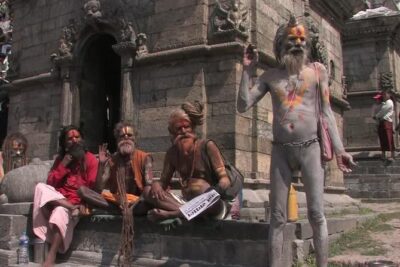
Private Kathmandu Sightseeing Tour | UNESCO World Heritage sites
Read our review →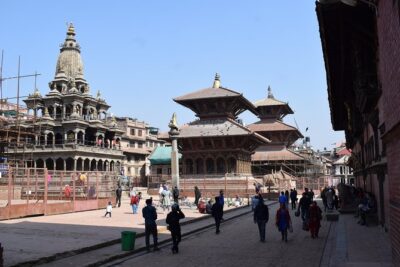
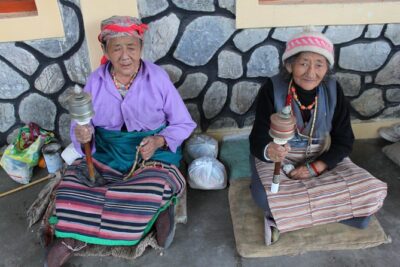
Full-Day Tibetan Cultural Tour to Tibetan Settlements Pokhara
Read our review →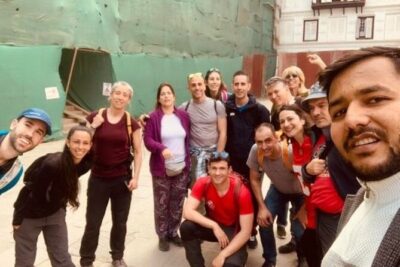
Kathmandu Private Sightseeing Tour | UNESCO World Heritage Sites
Read our review →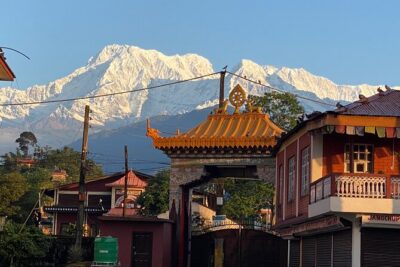
Afternoon Tibetan Cultural Tour to Tibetan Settlements Pokhara
Read our review →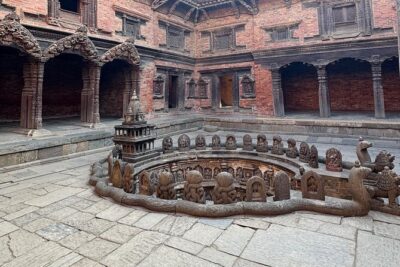
Full Day Private Top 4 UNESCO Heritage Tour W/Lunch.
Read our review →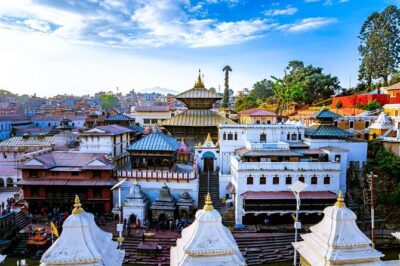
Nagarkot Sunrise & Bhaktapur UNESCO Heritage Private Tour
Read our review →Browse the lists this tour appears in