
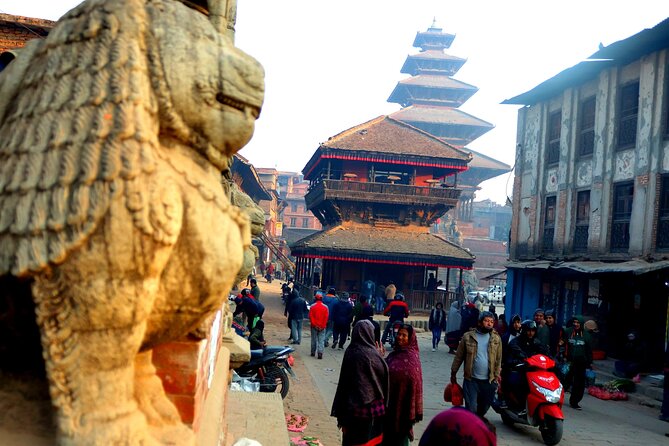
Reviewed · UNESCO WORLD HERITAGE TOURS
UNESCO Heritage Sightseeing in Kathmandu Private Tour
Kathmandu packs a remarkable amount into a small valley. In six hours, this private tour links the Monkey Temple, royal Durbar Square, Pashupatinath, and Boudhanath, giving you four very different views of Nepalese faith and culture. You move from hilltop Buddhism to palace life, Hindu cremation rituals, and the steady rhythm of Buddhist prayer.
I like the private format, since your guide can slow down for questions or adjust the day around your interests. I also like the care given to solo women, with a professional female guide such as Kabita available for added comfort. The main drawback is that admission fees are not included, and six hours is a brisk schedule for four major sites.
Four major Kathmandu sights in one private day
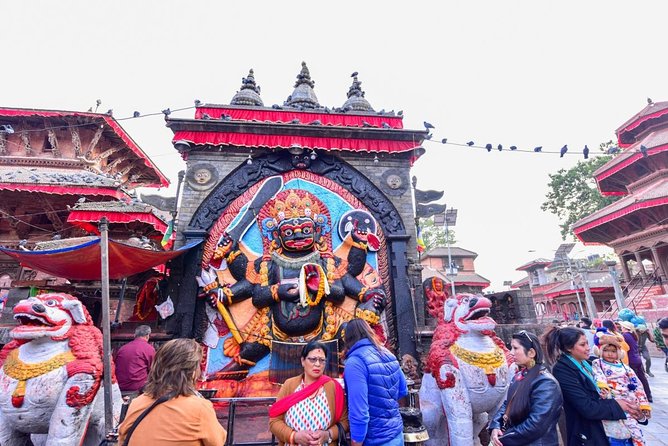
- Swayambhunath begins the day with hilltop views and Buddhist symbols, plus the monkeys that gave the temple its nickname.
- Kathmandu Durbar Square brings you close to Nepal’s royal past and the Kumari, the living goddess.
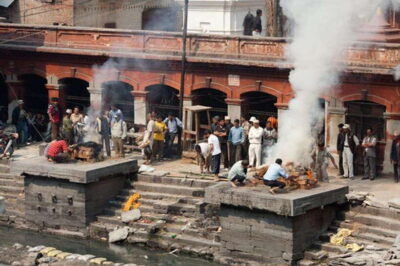
- Pashupatinath reveals the importance of Shiva worship and one of the Hindu world’s major shrines.
- Boudhanath gives the tour a calmer Buddhist finish, with pilgrims walking clockwise around its great white stupa.
- Guides including Anjal and Kabita add personal direction, from historical explanations to Nepalese food suggestions.
- The $55 price is strongest for solo visitors and couples, who receive a full private itinerary without joining a larger group.
Why this route works in Kathmandu
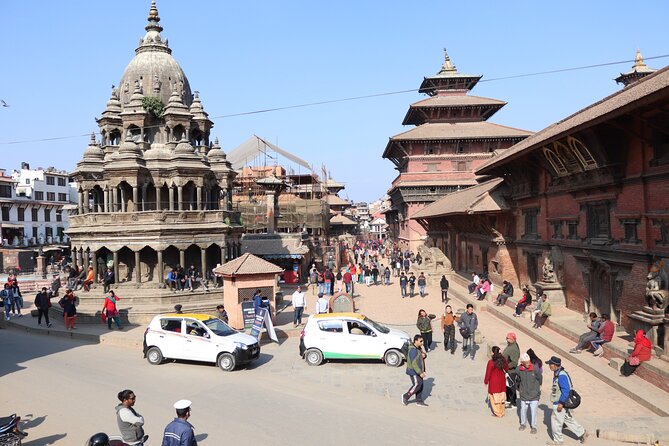
Kathmandu is not a city you understand from a single monument. Its identity comes from overlapping traditions: Buddhist stupas, Hindu temples, royal courtyards, local food, and narrow streets where daily life continues beside old shrines.
This tour gives you a useful first look at that mix. The stops are not interchangeable. Swayambhunath is a hilltop pilgrimage site. Durbar Square is tied to kings and the Malla period. Pashupatinath is an active Hindu center. Boudhanath remains one of the most important Tibetan Buddhist sites in the valley.
That variety is the chief reason to book a private guide rather than simply hiring transport between sights. You get a person who can explain what you are seeing and answer questions as they arise. Anjal is described as especially good at adjusting explanations as questions develop, while Kabita has guided solo women who wanted a comfortable and well-organized day.
The tour meets at Narsingh Chowk Marg in Kathmandu and ends back at the meeting point. Pickup is offered, but the supplied details do not specify the pickup area or whether it applies to every hotel, so confirm that before booking.
More UNESCO World Heritage Tours in Kathmandu:
- Private Kathmandu Sightseeing Tour | UNESCO World Heritage sites
★ 5.0 · 756 reviews - Kathmandu: Full Day 7 UNESCO Tour with Lunch – Private/Group
★ 5.0 · 415 reviews - Kathmandu: Full Day Top 4 UNESCO Tour with Lunch – Private/Group
★ 5.0 · 269 reviews
Swayambhunath, the hilltop Monkey Temple
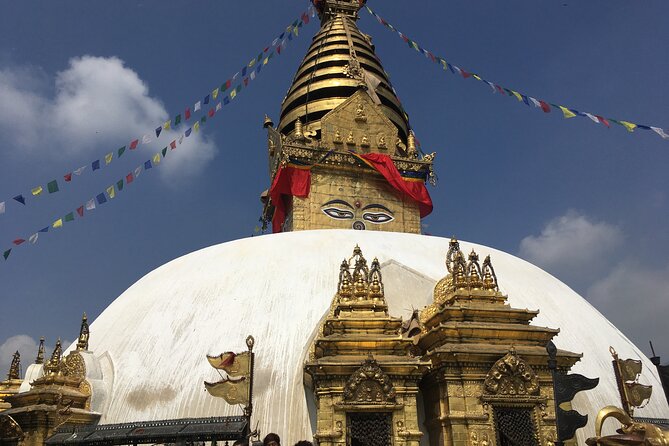
The first stop is Swayambhunath, an ancient stupa dating to the fifth century. It sits on a hill west of Kathmandu Valley and is sacred to Buddhists. The nickname Monkey Temple hints at one of the site’s more entertaining details, but this is first and foremost a place of worship.
Give yourself the full hour here. The value is not only the stupa itself. Your guide can help explain the Buddhist symbols, the purpose of pilgrimage, and why a site can feel both historic and actively religious at once.
You should expect a hilltop setting, though the supplied information does not specify the exact walking route or number of steps. Wear shoes you can walk in and bring water, especially if you are not used to Kathmandu’s altitude or uneven streets. Those are sensible precautions rather than special tour requirements.
The outlook over Kathmandu Valley is another reason this stop earns its place early in the day. It helps you understand the city’s broad setting before the tour moves into royal courtyards and temple districts.
Admission is not included. Since the tour price does not cover any of the four sites, keep extra Nepalese rupees or another accepted payment method ready, and ask your guide about the current fee before entering.
Kathmandu Durbar Square and the Kumari
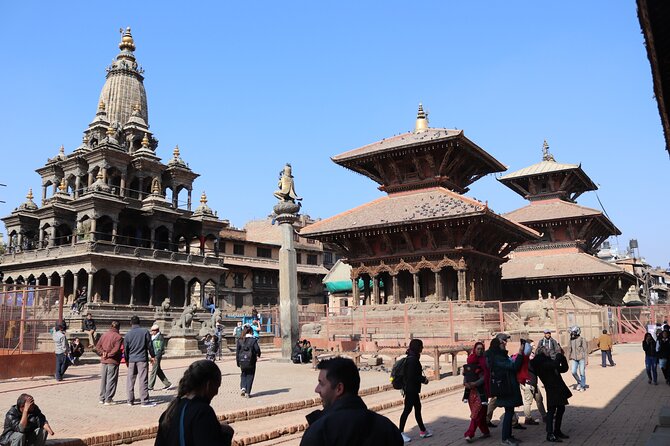
The tour then spends about two hours at Kathmandu Durbar Square, the longest stop of the day. This former royal center dates mainly to the sixteenth century and is associated with Pratap Singha Malla.
Two hours makes sense here. The square is more than one building, and a guide can help you sort out the palaces, courtyards, shrines, and cultural details without reducing everything to a quick photo stop. The central attraction is the Kumari, known as the living goddess.
The Kumari tradition is one of the most distinctive parts of Kathmandu’s religious culture. Your guide can provide context about the role and meaning of the Kumari rather than leaving you with a puzzling name and a closed courtyard. Sightings and access can depend on conditions, so do not treat an appearance as guaranteed.
This is also the stop where the difference between looking and understanding matters most. Royal architecture can blur together when you visit several squares in one trip. A guide such as Anjal can connect the buildings to Nepal’s political and religious past, then make room for your own questions.
The square is in the heart of Kathmandu Valley, so this portion may feel more crowded and busy than the hilltop or stupa stops. The narrow streets around the historic center can also be demanding if you prefer open space and a slow pace. A private tour helps because you can ask for a pause, but the six-hour limit still keeps the day moving.
Again, the admission ticket is not included. Plan for a separate entrance payment at this site.
Pashupatinath, Shiva’s great shrine
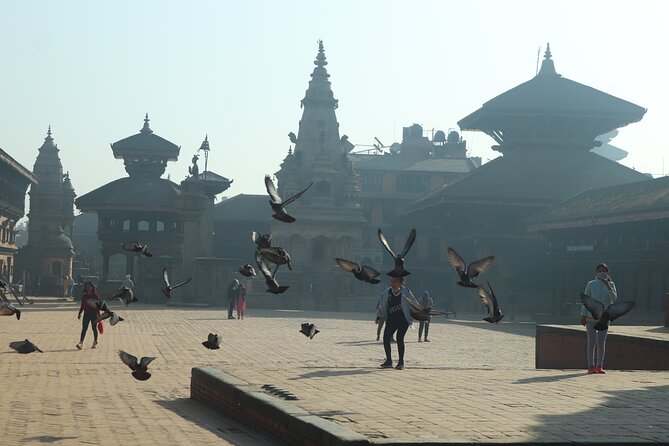
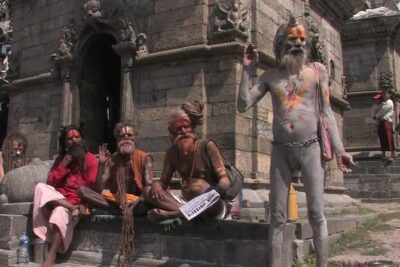
Pashupatinath is devoted to the Hindu god Shiva and dates mainly to the first century. It is one of the most important Hindu shrines in the region, drawing pilgrims from India as well as Nepal.
The two-hour visit gives you time to understand the site’s religious role instead of treating it as another old temple. Pashupatinath is an active place of worship, and the experience can carry more emotional weight than a standard historic monument.
That active religious setting is also why respectful behavior matters. Follow your guide’s instructions about where you may go, what you may photograph, and how to behave near worshippers. The supplied details do not specify access rules for non-Hindu visitors, so do not assume every interior area is open to you.
Saturday is described as Shiva’s day, when activity can increase. If your visit falls on Saturday, expect the site to have special significance and possibly more religious activity. The tour operates Monday through Friday from 9:30 AM to 4:30 PM according to the supplied schedule, so check the date carefully if you are planning around a weekend.
Pashupatinath is a place where a good guide earns the fee. The buildings matter, but the customs, offerings, pilgrims, and ceremonies need explanation. A guide can help you observe without getting in the way.
The entrance fee is separate. Since this is a major religious complex rather than a simple viewpoint, ask in advance how much time will be spent walking and where the tour can go.
A few more Kathmandu trips to weigh up
- UNESCO Seven World Heritage Tour in Kathmandu
★ 5.0 · 253 reviews - Kathmandu Private Sightseeing Tour | UNESCO World Heritage Sites
★ 5.0 · 109 reviews - Kathmandu: Full Day Private Top 4 UNESCO Heritage Tour W/Lunch.
★ 5.0 · 86 reviews - Kathmandu World Heritage Tour
★ 5.0 · 74 reviews
Boudhanath and the rhythm of kora
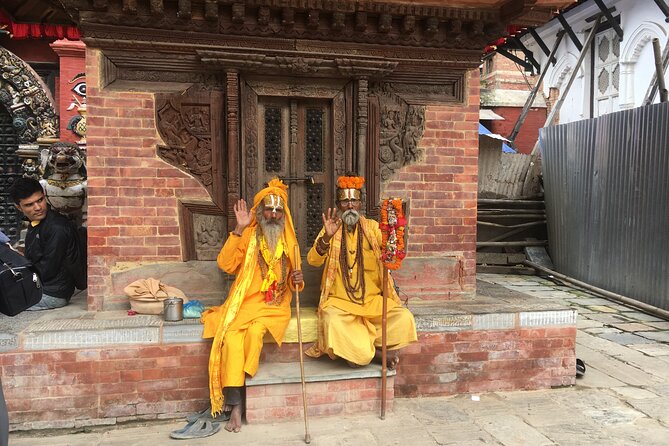
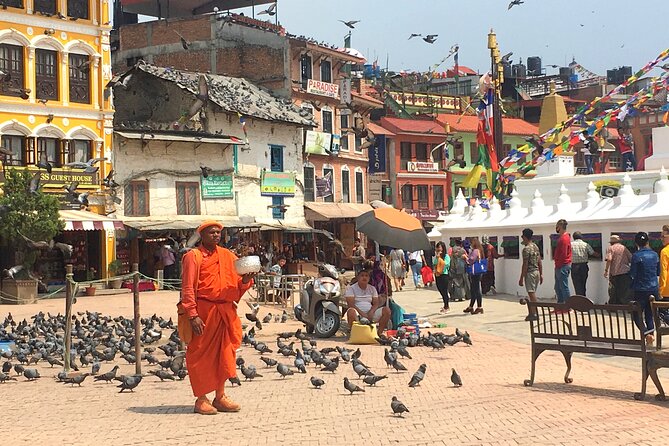
The final stop is Boudhanath, a fifth-century stupa and major Buddhist pilgrimage center. The great stupa is best understood through the movement around it. Local people gather in the early morning and evening to perform kora, walking clockwise around the monument.
The one-hour visit is short but well chosen as a closing stop. After the royal history of Durbar Square and the Hindu rituals at Pashupatinath, Boudhanath lets you focus on a simple, repeated act of devotion.
Ask your guide to explain how to walk around the stupa respectfully and what you are seeing along the way. You may find the atmosphere easier to appreciate once you understand that the circular movement is prayer, not merely sightseeing.
The time of day matters. The description specifically highlights early morning and evening gatherings, but the tour’s listed operating hours run from 9:30 AM to 4:30 PM on weekdays. You may not catch the largest gathering during the scheduled window, so keep expectations realistic.
As with the other stops, admission is not included. The tour ends back at the meeting point after Boudhanath.
What a private guide adds
The clearest strength of this experience is the human side. Anjal is named as a guide who can explain history and religion in depth while also helping with Nepalese food stops. That is useful when you have only three days in Kathmandu and need more than a fixed list of monuments.
Kabita is a particularly relevant option for solo women. Her role is not presented as a separate women-only tour, but as a professional female guide available for comfort. If that matters to you, request her when you book and wait for confirmation, since guide availability is subject to booking conditions.
The private setup means only your group participates. That gives you more control than a large coach outing. You can ask why a ritual works a certain way, spend longer at a site that interests you, or request practical help as you move through crowded streets and scooters.
It does not mean the day is slow. The scheduled visits total six hours exactly: one hour at Swayambhunath, two at Durbar Square, two at Pashupatinath, and one at Boudhanath. Travel between sites and any lunch or food stop must fit within that overall period.
Is $55 a good value?
At $55 per person, this tour offers solid value if you want a private guide for a concentrated day. You receive a six-hour route across four major heritage and religious sites, with pickup offered and a mobile ticket for convenience.
The value is strongest for solo visitors. A private tour can cost more than a group outing, but the quoted per-person price remains reasonable when you are paying for personal guidance rather than sharing a bus and a script. Couples and small groups may also find the arrangement worthwhile, especially during a short stay.
The price needs a little adjustment in your mental budget. Admission tickets are not included, and the tour price may not cover every personal expense associated with food or transport arrangements. The information says one custom version included lunch, but lunch is not clearly listed as included in this experience, so confirm before assuming a meal is part of the cost.
I would also allow extra time around the six-hour block if you have onward plans. The tour is listed as approximately six hours, and Kathmandu traffic can affect the rhythm of any city day, though no specific transfer times are provided.
Who should book this Kathmandu tour?
I would choose this tour if you are in Kathmandu for a short visit and want the major sites organized without spending your limited time figuring out routes. It also suits solo women who prefer the option of a female guide such as Kabita.
It is a good fit for first-time visitors who want help with Nepal’s religious customs. The route covers both Hindu and Buddhist centers, so you get a useful base for later independent sightseeing.
Couples and families can benefit from the private format too. You can keep the explanations at the level that suits your group, and most participants can take part according to the supplied information.
I would hesitate only if you want long, unhurried visits at each place, or if you are mainly looking for transport. Four important sites in six hours is efficient, but it is not leisurely. You will see the broad picture, then can return independently to the place that captured your attention.
Practical details before you reserve
Confirmation is sent within 48 hours, subject to availability. The tour is typically booked about 23 days ahead, so advance planning is sensible, especially if you want to request a particular guide.
The stated meeting point is Narsingh Chowk Marg, Kathmandu 44600, Nepal. Pickup is offered, and the activity returns to the meeting point at the end. It is near public transportation, though the supplied details do not identify a specific bus stop or route.
The listed hours are Monday through Friday, 9:30 AM to 4:30 PM, for the period from May 15, 2022, through December 7, 2026. Confirm the available start time for your chosen date.
Free cancellation applies when you cancel at least 24 hours before the start time. Cancellations or changes made within 24 hours are not refunded or accepted, and cut-off times use local Kathmandu time.
Should you book it?
Book this private Kathmandu tour if you want a well-packed introduction to the valley’s major sacred and royal sites, plus a guide who can explain the religious life behind the buildings. The chance to request a female guide, the private format, and the practical help offered by guides such as Anjal and Kabita make it especially useful for solo visitors and short stays.
Skip it if you prefer to spend a whole morning at one monument or dislike fixed schedules. For most first visits, though, $55 per person is a fair starting point, provided you budget separately for admissions and confirm pickup, guide preference, and lunch details before paying.
FAQ
How long does the UNESCO Heritage Sightseeing in Kathmandu Private Tour last?
The tour lasts approximately six hours.
Which places are included?
The route includes Swayambhunath, Kathmandu Durbar Square, Pashupatinath Temple, and Boudhanath Stupa.
Are admission tickets included in the price?
No. Admission tickets are not included for any of the four listed stops.
Is this a private tour?
Yes. Only your group participates in the activity.
Is pickup offered?
Yes, pickup is offered. The stated meeting point is Narsingh Chowk Marg in Kathmandu, and the activity ends back at the meeting point.
Can I request a female guide?
A professional female guide is available for the comfort of female visitors. Kabita is one named guide associated with this option, but confirmation is subject to availability.
What days and hours is the tour available?
The listed operating hours are Monday through Friday, from 9:30 AM to 4:30 PM.
What is the cancellation policy?
You can cancel for a full refund up to 24 hours before the experience start time. Cancellations or changes made less than 24 hours in advance are not accepted for a refund.
Just added around Kathmandu
- Traditional Momo Making Class★ 5.0 · 10 reviews
- Kathmandu to Pokhara Premium sofa bus ticket★ 4.0 · 17 reviews
- Women Empowerment Project(Nepali cooking class & jewelry workshop★ 5.0 · 15 reviews
- Walking tour of Kathmandu with awesome local guides★ 5.0 · 4 reviews
- Wildlife Adventure in Chitwan Nepal★ 4.0 · 4 reviews
- Kathmandu 2 Nights 3 Days Chitwan Jungle Safari Tour★ 5.0 · 9 reviews
- Kathmandu Street Food Walking Tour – Eat Like a Local★ 5.0 · 3 reviews
- Walking tour of real Kathmandu through back streets.★ 5.0 · 3 reviews
UNESCO World Heritage Tours, compared.
Private Kathmandu Sightseeing Tour | UNESCO World Heritage sites
Read our review →
Full Day 7 UNESCO Tour with Lunch – Private/Group
Read our review →
Full Day Top 4 UNESCO Tour with Lunch – Private/Group
Read our review →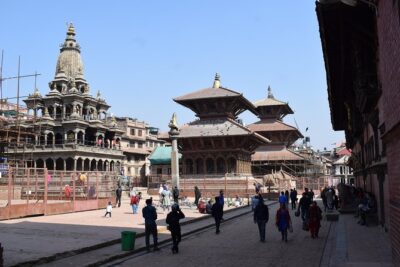
Kathmandu Spiritual Sites: Bodhnath & Pashupatinath Tour
Read our review →
Kathmandu Private Sightseeing Tour | UNESCO World Heritage Sites
Read our review →Full Day 7 UNESCO Tour with Lunch – Private/Group
Read our review →Browse the lists this tour appears in