
Reviewed · UNESCO WORLD HERITAGE TOURS
Pashupatinath Temple, Hindu Crematorium and Aarati in-depth Tour
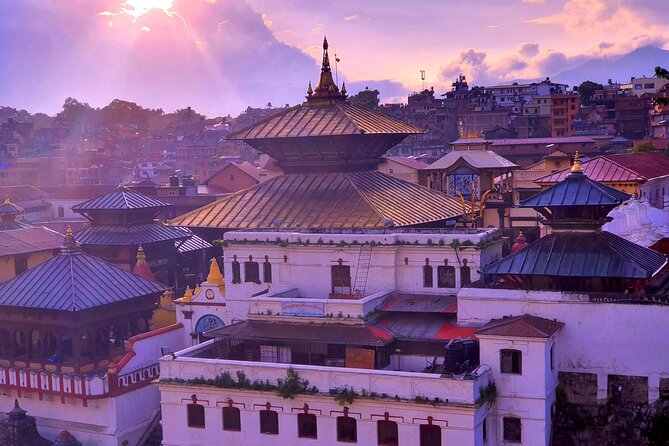
At Pashupatinath, sacred temple life, holy men, cremation fires, monkeys, bells, incense, and the Bagmati River all share one busy setting. This private afternoon tour takes you through that world with a guide trained in the tangible and intangible heritage of Pashupatinath, then ends with the evening aarati ceremony.
I like the unusually detailed cultural explanation and the chance to see more than the main temple approach, including less obvious paths and the cremation area. I also like the private format, which lets you ask direct questions and spend time on the subjects that matter most to you.
The main consideration is the subject matter. Cremation is a real religious practice, not a staged show, so you need to approach the riverbank with quiet respect. Five hours can also feel long if you prefer a quick monument visit, though the schedule is broken into distinct parts.
Key points to know before booking
- A Ph.D.-level heritage focus: The tour is led by experts connected with the study and preservation of Pashupatinath’s tangible and intangible heritage.
- Three-part afternoon route: You visit the temple area, spend time at the crematoria, and finish with the Sandhya Aarati.
- Private attention: Only your group participates, making it easier to ask about Hindu beliefs, rituals, local life, and temple customs.
- A serious look at cremation: The guide explains the Hindu process in the setting where it takes place, with care and cultural context.
- Aarati with local worshippers: The Bagmati River ceremony draws hundreds of people and brings a strong communal energy to the final part of the tour.
- Four to five hours for $90: Private transportation, admission fees, taxes, bottled water, and expert guiding are included, but tips and donations are extra.
Why Pashupatinath works best with a guide
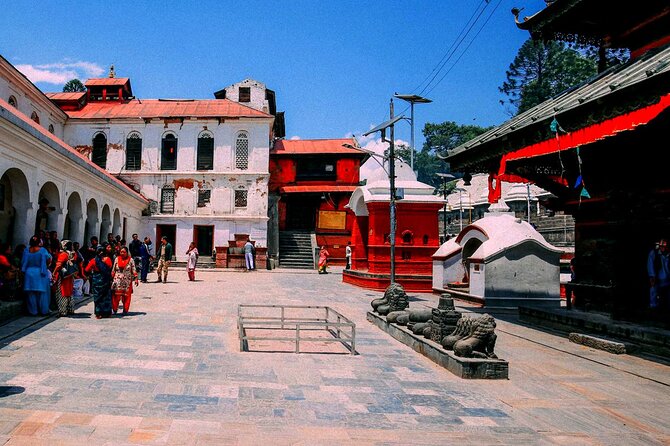
Pashupatinath is not simply a temple you walk into, photograph, and leave. It is a working religious area with layers of mythology, daily worship, ascetic practice, funerals, offerings, music, and social life.
Without context, you may notice the bells, incense, painted shrines, and crowds but miss how the pieces fit together. A good guide helps you understand why certain places matter and how Hindu ideas about life, death, devotion, and release shape what you see.
The guides used for this experience include Nabin and Nirajan. The tour description also points to a guide with a Ph.D. focused on the tangible and intangible heritage of Pashupatinath. That academic background matters here because the experience aims to explain both the visible monuments and the beliefs, stories, customs, and practices connected to them.
I would choose this tour if you want more than a quick introduction to Hinduism. The guide can explain mythological values alongside the present-day role of Hindu practice, using a reasoned approach rather than asking you to accept every story without context.
The private format is another real advantage. You can ask basic questions without feeling self-conscious, or spend longer on a subject such as cremation, sadhu life, temple architecture, or the aarati ceremony. Some past participants were shown paths and places they had not found during earlier visits, which suggests that the route can go beyond the most obvious sights.
More UNESCO World Heritage Tours in Kathmandu:
- Private Kathmandu Sightseeing Tour | UNESCO World Heritage sites
★ 5.0 · 756 reviews - Kathmandu: Full Day 7 UNESCO Tour with Lunch – Private/Group
★ 5.0 · 415 reviews - Kathmandu: Full Day Top 4 UNESCO Tour with Lunch – Private/Group
★ 5.0 · 269 reviews
Starting at 2 pm in the temple precinct
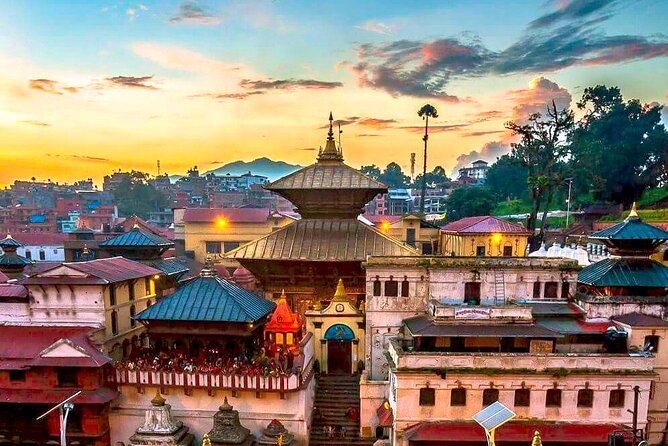
The meeting time is 2:00 pm, a useful choice for an afternoon in Kathmandu. You have time to reach the meeting point after lunch, and the timing carries you toward the evening ceremony rather than asking you to return to the area later.
Pickup is offered, and private transportation is included. That makes the $90 price easier to assess, especially if you value a door-to-door arrangement and do not want to coordinate local transport before a long walking visit.
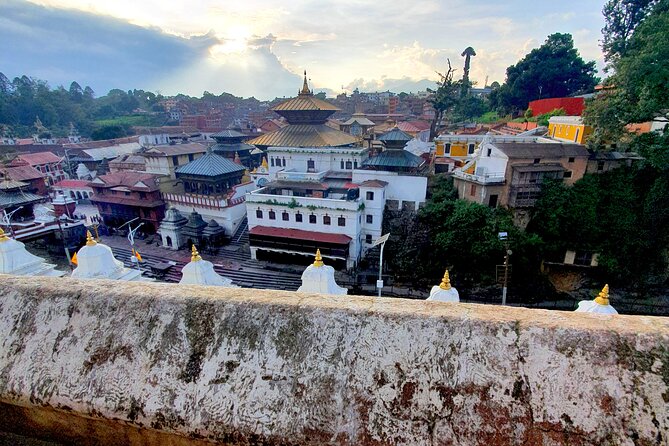
The first section lasts about two hours. Your guide takes you around the Pashupatinath area and explains its main attractions, religious importance, and cultural practices. Expect a route that mixes formal temple spaces with the surrounding paths and activity that give the site its character.
The setting can be visually and acoustically intense. Incense, bells, shrines, worshippers, holy men, animals, and river traffic all contribute to the experience. That sensory detail is part of what makes Pashupatinath memorable, but it can also feel confusing at first. Keep your guide close and ask for pauses when you want to take in a particular scene.
The tour is not only about what you can see. It is also about what you are permitted to understand as an outsider. Your guide can explain how the area functions, why people come here, and how religious practices connect to everyday life in Kathmandu.
What you learn during the two-hour temple visit
The temple section is the foundation of the tour. You get time to look carefully rather than rushing through a short checklist of sights.
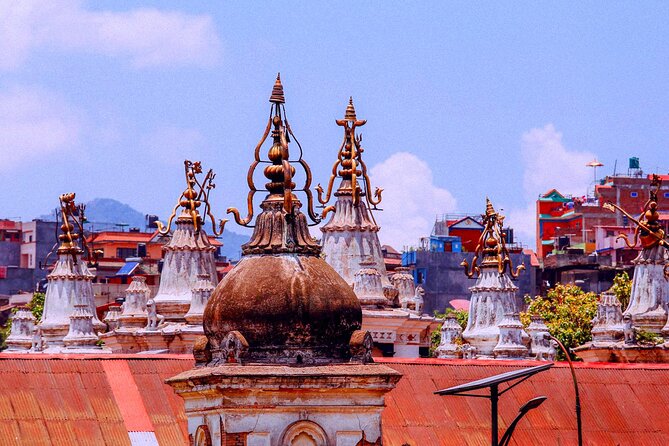
One of the strongest parts is the link between physical heritage and living belief. The buildings, images, courtyards, riverbanks, and shrines are not presented as dead artifacts. They remain part of an active religious setting, and your guide explains the customs that shape movement and worship around them.
The tour is also designed to address Hinduism in a clear and structured way. If you know little about Hindu beliefs, you can ask for basic explanations. If you already know something about the religion, the guide can help connect those ideas to what you are seeing at Pashupatinath.
Past participants praised guides for patience and for explaining difficult subjects in understandable language. That is important here. Religious vocabulary and mythology can become a blur when delivered too quickly, especially in a place with many competing sights and sounds.
Nabin and Nirajan are named guides associated with the experience. Personal attention seems to be one of their strengths. One guide adjusted the pace and focus to match the visitor’s interests, while another led a longer route through less familiar paths around the temple area.
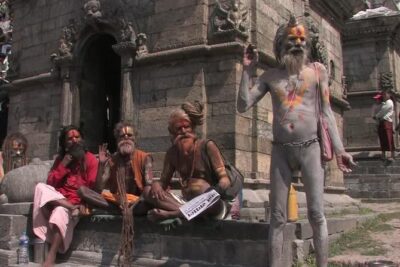
You should also expect encounters with sadhus and other religious figures. Some people have received blessings from yogis during the visit, but this is not something that should be treated as a promised feature or arranged performance. If you meet a sadhu, be respectful, listen to your guide, and remember that donations or offerings are not included in the tour price.
The crematoria and the meaning of the Bagmati River
The crematorium visit lasts about one hour and is the most sensitive part of the experience. Here, guides connected with the Pashupati Area Development Trust explain the Hindu process of cremation while you are at the riverbank where the rites occur.
This is valuable because the subject is often misunderstood from a distance. A guide can explain the cultural process, its religious meaning, and the way the crematoria function within Pashupatinath. You gain a practical understanding of how Hindu beliefs about death and the body are expressed through ritual.
At the same time, this is not an attraction in the usual sense. People may be mourning, and a cremation may be taking place during your visit. You need to act with restraint, follow your guide’s instructions, and avoid turning a family’s loss into a spectacle.
The tone may shift quickly. The temple grounds can feel colorful and social, while the cremation ghats carry a more solemn mood. That contrast is one reason this tour has such impact. Pashupatinath presents religious life as a whole, not as a neatly separated collection of pleasant sights.
The river itself is central to the experience. The Bagmati is both a physical meeting point and a sacred feature of the temple area. Your guide’s explanation helps you see why the riverbank carries such weight in religious and funeral practice.
If you are uncomfortable around death, funeral rites, or emotionally serious settings, think carefully before booking. The crematorium section is not a brief passing glance. It is an hour of explanation and observation, and it may stay with you long after the temple visit ends.
Same mountains, a completely different kind of day:
- Everest Base Camp Trek – 14 Days
★ 5.0 · 1,499 reviews - Everest Base Camp Helicopter Tour landing at Everest View Hotel
★ 5.0 · 668 reviews - Half day cooking class in Thamel kathmandu
★ 5.0 · 607 reviews - Everest Base Camp Trekking
★ 5.0 · 485 reviews
Ending with the Sandhya Aarati
The final section lasts about two hours and returns to Pashupatinath for the Sandhya Aarati. Aarati is an offering of lamps and incense carried out by priests in precise ritual movements.
The ceremony takes place beside the Bagmati River and draws hundreds of local people from Kathmandu. By this point, your guide has given you the context needed to understand what you are watching. The lamps, incense, music, movement, and gathered crowd become more than a colorful closing show.
The ceremony also changes the pace of the afternoon. After walking through the temple area and discussing cremation, you finish with a public act of worship. It is energetic and communal, but still devotional. You can watch respectfully and let the ceremony unfold without needing to understand every word or movement.
This is where the tour’s timing pays off. A shorter morning visit could show you the temple, but it would not include the evening aarati. Starting at 2:00 pm allows the route to build toward this final event.
Give yourself room to be quiet during the ceremony. You do not need to treat every moment as a photo opportunity. Listen to the bells and music, watch the coordinated lamp offering, and notice how local worshippers participate. The guide can answer questions afterward if you want to discuss what you saw.
What the $90 price includes
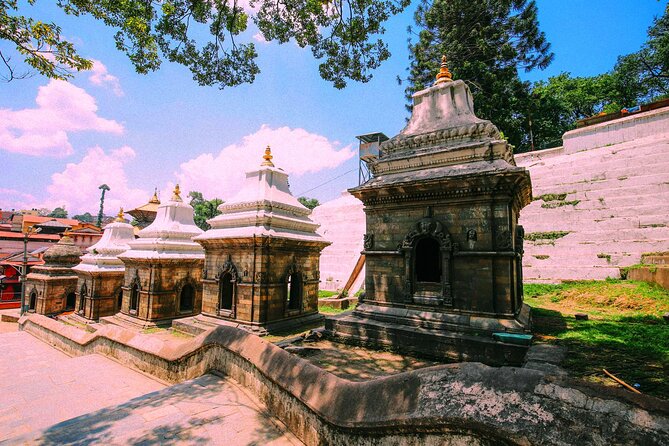
At $90 per person, this is not the cheapest way to see Pashupatinath. It is a private, four-to-five-hour experience, so the value depends on how much you want interpretation and personal attention.
The price includes:
- Private transportation
- Bottled water
- Admission fees
- All taxes and fees
- Expert guiding
You still need to budget for tips to the guide and driver. Donations or offerings to sadhus and temples are also separate. Be wary of anyone presenting a donation as a required part of the tour, and ask your guide if you are unsure.
For a quick look at the temple, $90 may feel high. For a private route with a specialist guide, transport, the crematorium explanation, and the evening aarati, the price is easier to justify. You are paying for time, context, and access to a structured experience rather than simply paying to enter a site.
The private setup matters most if you have specific questions or want to move at your own pace. If you are traveling with family or friends, the cost may also make more sense because the entire group receives the same guide and transport service.
Who should book this experience
I would recommend this tour to you if you want to understand how Hindu practice works in daily life, not just see a famous Kathmandu temple. It suits curious visitors who appreciate history, religion, anthropology, photography-free observation, and serious cultural discussion.
It is also a good match if you have already visited Pashupatinath and felt you only saw the surface. The route can reveal less familiar paths and explain details that are easy to miss alone.
You should think twice if you want a short, relaxed sightseeing stop. The tour lasts four to five hours, includes substantial walking and discussion, and deals directly with cremation. It is also not the right choice for anyone who expects a staged spiritual performance or guaranteed contact with holy men.
Most people can participate, and public toilets are available. Service animals are allowed, and the site is near public transportation, though private transport is included. Confirmation arrives at booking, and you can cancel for a full refund up to 24 hours before the 2:00 pm start. Changes or cancellations made within 24 hours are not accepted for a refund.
The final call on Pashupatinath
Book this tour if you want Pashupatinath explained as a living religious center, with the temple, crematoria, river, and aarati understood as connected parts of one place.
I especially recommend it for a first visit to Kathmandu when you want a strong cultural anchor, or for a return visit when a previous look at the temple felt incomplete. The combination of a specialist guide, private transport, cremation context, and evening ceremony gives you far more than a standard temple stop.
Skip it if you prefer to explore independently, avoid funeral settings, or spend only an hour at the site. For everyone else, the $90 fee buys a thoughtful and unusually thorough afternoon, provided you approach the crematorium and worship areas with respect.
FAQ
How long does the Pashupatinath tour last?
The experience lasts approximately four to five hours. The temple visit takes about two hours, the crematorium section about one hour, and the final Pashupatinath aarati section about two hours.
What time does the tour begin?
The stated start time is 2:00 pm.
Is this a private tour?
Yes. Only your group participates in the activity.
Is transportation included?
Yes. Private transportation is included, and pickup is offered.
Does the price include admission and taxes?
Yes. Admission fees, all taxes and fees, bottled water, private transportation, and expert guides are included.
Can I cancel for a full refund?
Yes. You can cancel at least 24 hours before the experience start time for a full refund. Cancellations or changes made less than 24 hours before the start time are not accepted for a refund.
Just added around Kathmandu
- Private Half-Day Tour of Boudhanath and Pashupatinath Temples in Kathmandu★ 4.5 · 9 reviews
- Private Half-Day Tour of Kathmandu Durbar Square and Swayambhunath Temple★ 4.5 · 11 reviews
- Namobuddha Monastery Hiking Day Tour via Panauti from Kathmandu★ 5.0 · 15 reviews
- Private Full-Day Kathmandu City Tour★ 5.0 · 9 reviews
- Private Day Tour in Kathmandu Valley Rim with Bhaktapur Sightseeing★ 5.0 · 3 reviews
- Private Half Day Budhanilkantha Tour★ 5.0 · 6 reviews
- Private Day Tour: Patan and Bhaktapur from Kathmandu★ 4.5 · 6 reviews
- Private Day Tour – Sacred Journey to Namo Buddha★ 5.0 · 5 reviews
UNESCO World Heritage Tours, compared.
Private Kathmandu Sightseeing Tour | UNESCO World Heritage sites
Read our review →
Full Day 7 UNESCO Tour with Lunch – Private/Group
Read our review →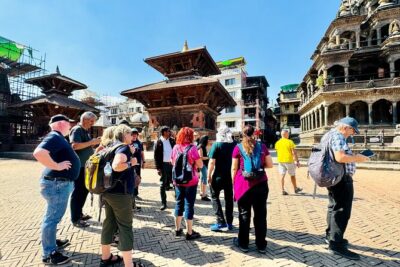
Full Day Top 4 UNESCO Tour with Lunch – Private/Group
Read our review →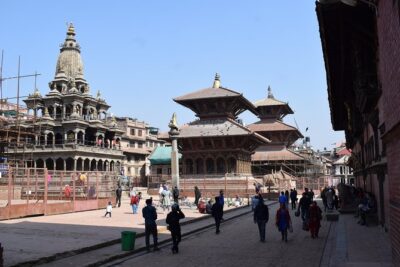
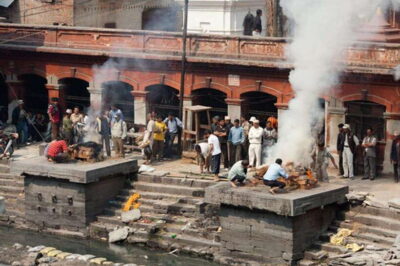

Kathmandu Spiritual Sites: Bodhnath & Pashupatinath Tour
Read our review →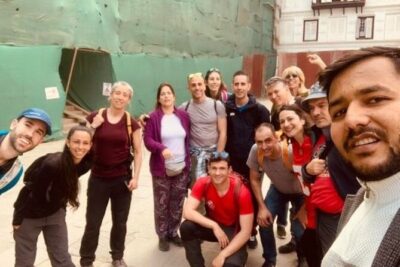
Kathmandu Private Sightseeing Tour | UNESCO World Heritage Sites
Read our review →Full Day 7 UNESCO Tour with Lunch – Private/Group
Read our review →Browse the lists this tour appears in