
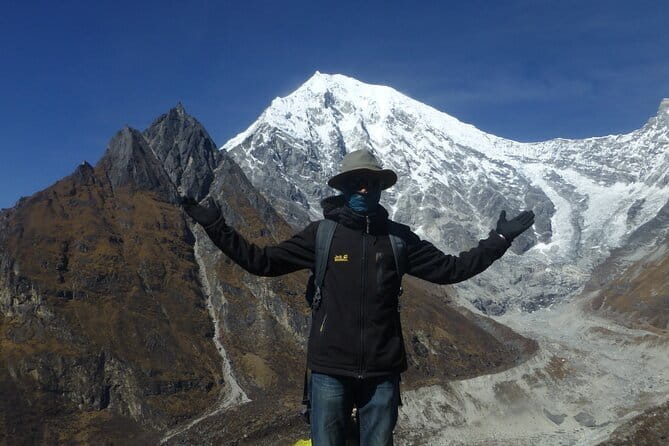
Reviewed · LANGTANG VALLEY TREKS
Langtang Valley Trek from Kathmandu
Langtang gives you a taste of the Himalayas without the heavy traffic of the Everest and Annapurna routes. You ride north from Kathmandu, walk through bamboo and rhododendron forest, pass stone villages and suspension bridges, then reach Kyanjin Gompa, where snowy peaks and a small cheese factory share the stage. I like the quiet trail and the chance to see Tamang culture in villages that are still rebuilding after the 2015 earthquake.
I also like the practical shape of the trip: an English-speaking guide, permits, guesthouse stays, a first-aid kit, meals, and hotel transfers are included. The main caution is the pace. Eight days leaves little room for delay, and the road to Syabrubesi is long and rough. The meal allowance is also unclear, so confirm exactly what is included before you pay.
Key Points at a Glance
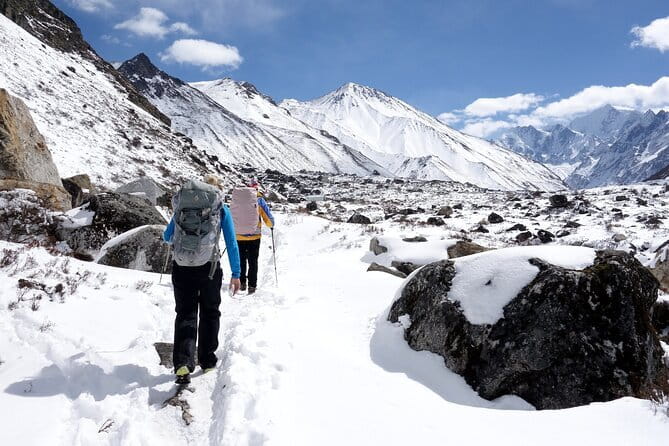
- Kyanjin Gompa is the trip’s high point: Spend two nights here, with time for the monastery, cheese factory, mountain views, and an optional climb to Tserko Ri or Kyanjin Ri.
- Tamang culture shapes the route: You pass traditional stone houses, Tibetan-influenced villages, monasteries, and yak pastures rather than simply marching from lodge to lodge.
- The trail begins in forest: Expect rhododendron, oak, bamboo, suspension bridges, and the Langtang River before the valley opens to broad mountain views.
- This is a private trekking group: Only your party takes part in the trek, although the road journeys use a shared bus.
- The route is demanding but not technical: You need moderate fitness for several hours of walking each day and a longer climb on Day 5.
- The $1,110 price covers useful basics: Permits, TIMS card, guide, guesthouses, transfers, breakfast, lunch, and dinner are listed, but meal details should be checked carefully.
Why Langtang Feels Different
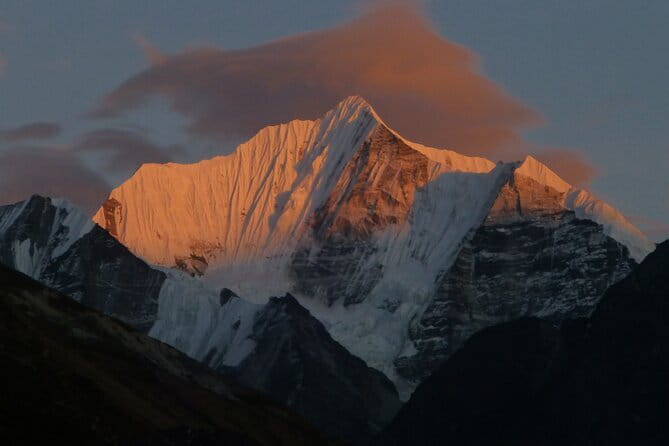
The Langtang Valley route is a good middle ground for you if a major Himalayan trek sounds appealing but the busiest classic routes do not. It offers mountain scenery, village life, forest walking, and a clear cultural thread in only eight days.
The route also carries a human story. Langtang Village and nearby communities suffered badly in the 2015 earthquake. As you pass through the valley, you see an area recovering through local homes, lodges, farming, and tourism. That gives the trek a sense of purpose without turning the walk into a history lesson.
The cultural setting is mainly Tamang, with strong Tibetan influence. You will see stone houses, monasteries, yak pastures, and local hospitality. Kyanjin Gompa is the spiritual center of the route, but the cultural experience begins much earlier in the villages and continues at every lodge stop.
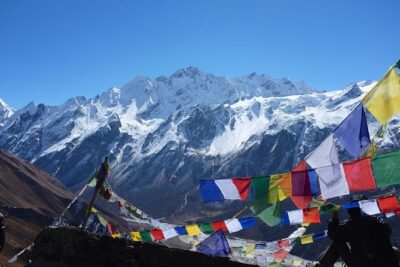
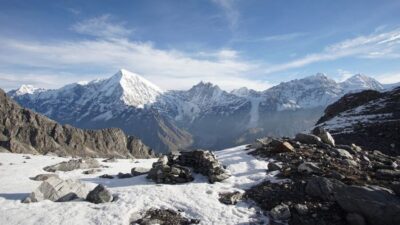
The scenery changes in a satisfying way. Lower sections feel green and enclosed, with river sounds and forest shade. Higher up, the valley opens toward Langtang Lirung, Ganesh Himal, and Shishapangma in Tibet. The optional mountain viewpoints add a bigger sense of scale if your legs and the conditions allow.
More Langtang Valley Treks in Kathmandu:
- Langtang Valley Trek
★ 5.0 · 140 reviews - Private 8 – Day Langtang Trekking
★ 5.0 · 29 reviews - Kathmandu: 6-Day Limitless Langtang Trek
★ 5.0 · 21 reviews
Day 1: The Long Road to Syabrubesi
Your first day is mostly a road day. After breakfast, you leave Kathmandu for Syabrubesi, with about six to seven hours of driving and several stops along the way.
The road follows the Trishuli area through green hills, rivers, and rural Nepal. It is a useful introduction to the country outside the capital, but do not mistake it for a relaxing coach ride. The journey is long, and road conditions can make the day feel tiring before the trek even begins.
The transfer is by shared bus, despite the trek itself being private to your group. That distinction matters if you prefer a fully private vehicle. Hotel pickup and drop-off are included, which removes some of the usual confusion at the start and end of a mountain trip.
Syabrubesi is the trailhead and your base before walking begins. Keep your first evening simple. You will appreciate having your gear ready and your body rested for the next morning.
Day 2: Forests, Bridges, and the Langtang River
The trek starts with a roughly six-hour walk to Lama Hotel. This is one of the most pleasant sections for people who enjoy woodland trails rather than exposed high passes.
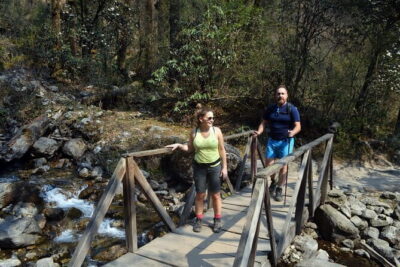
You move through subtropical forest filled with rhododendron, oak, and bamboo. The Langtang River provides a steady soundtrack, and suspension bridges add a little drama without requiring technical climbing. You might spot langur in the trees, though wildlife sightings are never guaranteed.
The forest also helps you settle into the walking rhythm. The trail is not simply flat, so moderate fitness matters. You should expect a mixture of steady ascent, uneven ground, and frequent changes in the feel of the path.
Lama Hotel is a practical overnight stop rather than a major attraction. Its value is its position beside the route. After six hours on foot, a simple guesthouse and dinner are exactly what you need.
Day 3: Entering Langtang Village
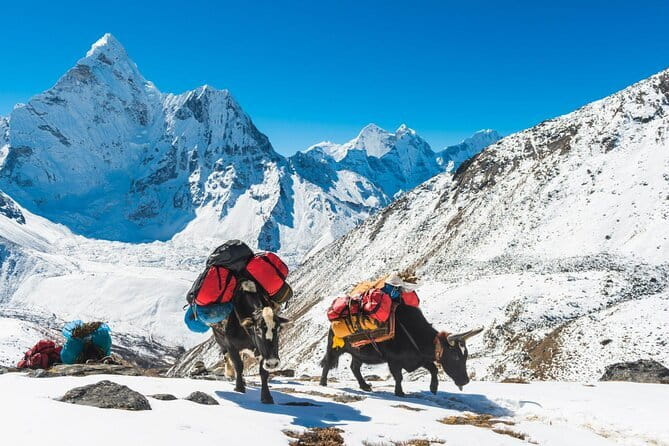
On Day 3, you walk for about six hours toward Langtang Village. The forest begins to thin, and the valley starts to feel wider and more mountainous.
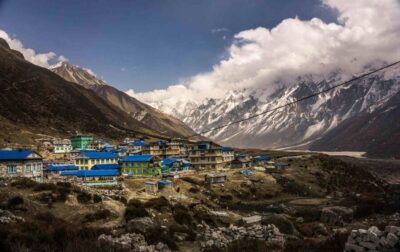
This is where the trip’s big visual reward begins. You see Langtang Lirung, traditional stone houses, and yak pastures, with the valley opening around you. The route becomes less about trees and more about the relationship between the villages, grazing land, river, and surrounding peaks.
Langtang Village is especially meaningful because it is recovering from the 2015 earthquake. You can expect the stop to carry more emotional weight than a standard lodge overnight. The community’s recovery is part of what makes supporting local trekking services here worthwhile.
Your guide can help connect the scenery with Tamang life and the rebuilding process. Since the tour includes an English-speaking guide, you have a useful bridge between what you see and what it means.
A few more Kathmandu trips to weigh up
- Everest Base Camp Trek – 14 Days
★ 5.0 · 1,499 reviews - Everest Base Camp Trekking
★ 5.0 · 485 reviews - Nagarkot Sunrise View and Day Hiking from Kathmandu
★ 5.0 · 471 reviews - Annapurna Circuit Trek with Tilicho Lake
★ 5.0 · 368 reviews
Day 4: Kyanjin Gompa and the Cheese Factory
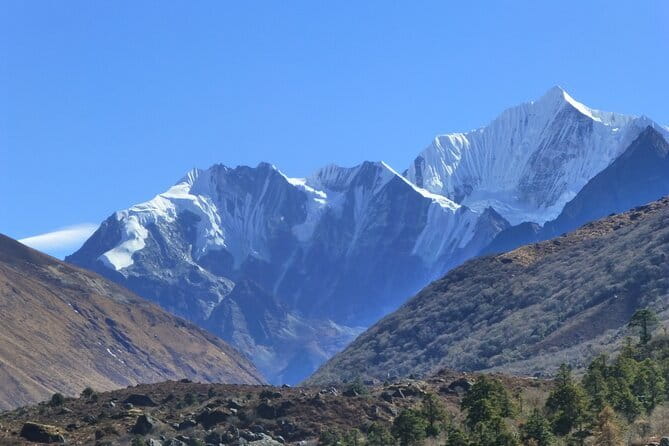
The walk to Kyanjin Gompa takes about five hours, making this a shorter day than the previous two. That is welcome, because the high valley deserves time rather than a rushed arrival.
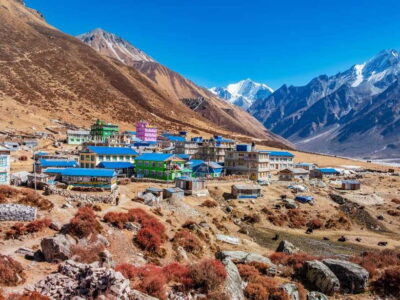
The route continues through changing mountain scenery, with traditional buildings and open grazing areas. At Kyanjin Gompa, you reach the main destination of the trek: a monastery surrounded by dramatic Himalayan peaks.
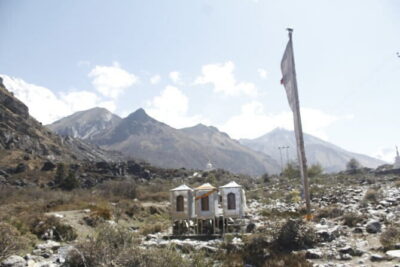
The monastery is not just a photo stop. It gives the route a spiritual center and a connection to the Tibetan-influenced culture of the valley. Take time to look around rather than treating the village as a place to eat and sleep.
The Kyanjin Cheese Factory adds a charming local detail. It gives you another way to understand the area’s yak-herding economy and makes the stop feel more grounded in daily life.
You sleep at Kyanjin Gompa, which is important for the next day. The schedule does not force you to arrive, climb, and leave in one breath. Instead, you have a base for the most demanding and scenic day.
Day 5: The Big View from Tserko Ri
Day 5 is the trip’s main challenge. After an early breakfast and packed snacks, you cross a small wooden bridge over the Langtang River and begin the climb toward Cherco Ri, also written as Tserko Ri in the trip description.
The walk takes about six hours, but the effort depends on your pace and the conditions. This is the day when moderate fitness becomes most important. The route description also mentions Kyanjin Ri as an optional viewpoint, so ask your guide which climb best fits your energy and the day’s conditions.
The reward is a wider view over the Langtang area. From the higher viewpoint, you may see Langtang Lirung, Ganesh Himal, and Shishapangma in Tibet. These are the views that turn the trek from a pleasant valley walk into a proper Himalayan experience.
Start early, carry the packed snacks provided for the day, and leave room for a slow pace. The goal is not to race uphill. If the higher climb feels too much, staying around Kyanjin Gompa still gives you mountain scenery and a worthwhile rest day.
The itinerary calls this the most important day, and that is fair. It combines effort, altitude, open views, and a strong feeling of reaching the route’s upper limit. It is also the point where an eight-day schedule can feel tight, especially if weather or road delays affect the trip.
Day 6: A Long Descent to Lama Hotel
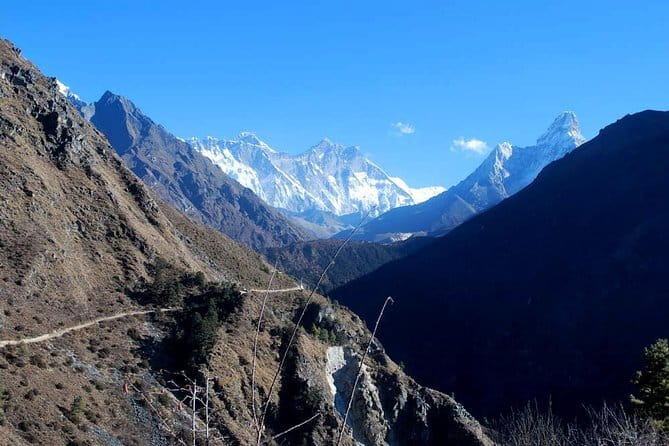
You retrace the route toward Lama Hotel, walking for about six hours. The downhill direction makes the day less strenuous in terms of altitude, but descending is not automatically easy on your knees.
The valley narrows as you go lower, and the river and forest return. You see familiar sections from a new direction, which can make the walk feel more relaxed and reflective after the summit attempt.
This is a good day to keep your pace steady. Rushing downhill can leave you sore, and there is little benefit to reaching Lama Hotel far ahead of schedule. The guide can help you manage the route and keep the group together.
The overnight stop also gives the trek a clear sense of progress. You have completed the upper valley and are now working your way back toward the road.
Day 7: Returning to Syabrubesi
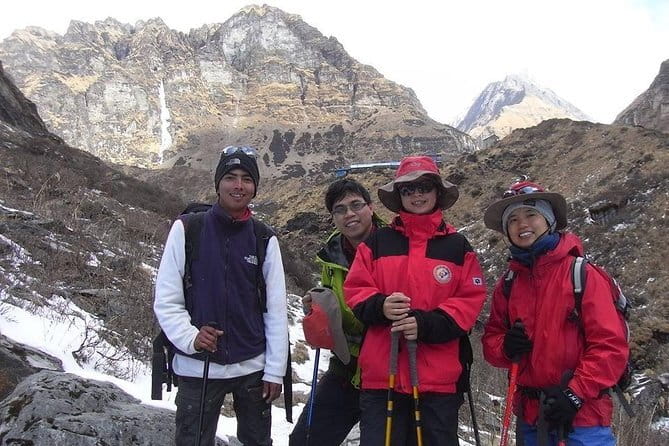
Day 7 takes about seven hours and brings you back to Syabrubesi. Most of the route is downhill, so it should feel easier than the ascent, though the length still makes it a full day on foot.
You can retrace your earlier path or ask about the optional route via Sherpagaun. The alternative is described as more scenic and offers another way to experience the area, but confirm the extra demands with your guide before choosing it.
Returning by a different route can be worthwhile on a trek like this. It breaks up the repetition and gives you one last view of the hills and villages before the road journey.
Syabrubesi is your final trekking-night stop. It is a useful place to sort your bags, thank the guide and porter if one is assigned to your group, and prepare for the long return to Kathmandu.
Day 8: Back to Kathmandu
The drive back to Kathmandu takes about six hours. You pass green hills, forests, riverside areas, and rural settlements before reaching the capital.
As on Day 1, the road itself is part of the experience but also a practical burden. A delayed departure or difficult road conditions could make the return longer, so avoid planning an important evening commitment in Kathmandu.
Hotel transfer is included once you arrive. That is a small but valuable service after several days of walking and a full day on the road.
What the $1,110 Price Really Covers
At $1,110 per person, this is not a bare-bones independent trek. The price includes hotel pickup and drop-off, round-trip shared-bus transport, trekking permits, a TIMS card, an English-speaking guide, guesthouse accommodation, and a first-aid box carried by the guide.
Meals listed as included are seven breakfasts, eight lunches, and eight dinners. The separate wording about meals is confusing, with an approximate $25 per day also shown under exclusions. I would ask the operator to confirm whether the listed meals are fully included and what you should budget for drinks, snacks, or other food.
Gratuities are optional and not included. Plan for them separately if your guide and support staff take good care of you.
The value is strongest if you want one company to handle the main moving parts. Permits, road transport, accommodation, and a guide can be a nuisance to arrange separately. You also gain the safety net of a first-aid kit and an organized route.
The value is weaker if you want a private vehicle, luxury lodges, or a flexible schedule. The road transfers use a shared bus, guesthouse accommodation is included rather than upscale lodging, and the eight-day plan leaves limited space for delays.
Who Should Book This Trek
I would recommend this route to you if you have moderate physical fitness and want a genuine mountain walk with cultural depth. It suits people who prefer quieter trails, village stays, and changing scenery over a packed schedule of famous landmarks.
It is also a good choice if you are traveling alone but want support. The organized trek gives you a guide and a private group arrangement, and one solo woman specifically described feeling safe and relaxed with the people running the trip. That does not replace your own judgment, but it is a useful sign that attentive care is part of the service.
You should think twice if you dislike long road journeys, uneven trails, or simple guesthouses. The first and last days are mostly driving, and several walking days last six to seven hours.
You also need to be realistic about the mountain viewpoint. Tserko Ri or Kyanjin Ri is optional, but the climb can be the hardest part of the trip. The valley remains worthwhile without it, so do not treat the viewpoint as a test you must pass.
Practical Details Before You Go
The tour requires a moderate physical fitness level. The supplied information also says it is not intended for a physically ill person, so discuss any health concerns with the operator before booking.
The activity is private to your group, but the road transport is shared. Pickup is offered, and a mobile ticket is available. Confirmation is received at booking.
Free cancellation is available if you cancel at least 24 hours before the local start time. A cancellation or change made less than 24 hours before the start is not accepted for a refund.
The experience provider is Namaste Nepal Trekking & Research Hub Pvt. Ltd. No individual guide names are provided, so ask for your guide’s name and experience before departure if that matters to you.
Should You Book the Langtang Valley Trek?
Book it if you want an eight-day Himalayan route that blends Tamang villages, forest trails, monastery life, river valleys, and major mountain views. The quieter setting, two nights at Kyanjin Gompa, and optional high viewpoint make the route feel varied rather than repetitive.
Before paying, confirm the meal coverage, ask how the shared bus works, and discuss the Day 5 climb with the operator. If you are comfortable with long road transfers and moderate trekking, the $1,110 package offers solid practical value and a direct way to experience Langtang’s scenery and resilient communities.
FAQ
How long is the Langtang Valley Trek from Kathmandu?
The experience lasts approximately eight days, including the road journeys between Kathmandu and Syabrubesi.
What is included in the tour price?
The price includes hotel pickup and drop-off, round-trip shared-bus transfers, trekking permits, a TIMS card, an English-speaking guide, guesthouse accommodation, a first-aid box with the guide, seven breakfasts, eight lunches, and eight dinners.
Is transportation private?
The trekking activity is private to your group, but the round-trip road transfer is by shared bus.
Is hotel pickup available?
Yes. Hotel pickup and drop-off are included.
What level of fitness do I need?
You should have a moderate level of physical fitness. Walking days generally last about five to seven hours, and Day 5 includes the optional climb toward Tserko Ri, also written as Cherco Ri.
Where does the trek begin?
The walking portion begins at Syabrubesi after the road journey from Kathmandu.
What is the main destination on the route?
Kyanjin Gompa is the central destination. It includes an ancient monastery, mountain views, and access to the Kyanjin Cheese Factory.
Are mountain viewpoints included?
The itinerary includes an optional hike toward Tserko Ri or Kyanjin Ri. The climb is not described as mandatory.
Is accommodation included?
Yes. Guesthouse accommodation during the trek is included.
Can I cancel for a full refund?
Yes, if you cancel at least 24 hours before the experience start time. Cancellations made less than 24 hours before the local start time are not refunded.
Just added around Kathmandu
- Private Half-Day Tour of Boudhanath and Pashupatinath Temples in Kathmandu★ 4.5 · 9 reviews
- Private Half-Day Tour of Kathmandu Durbar Square and Swayambhunath Temple★ 4.5 · 11 reviews
- Namobuddha Monastery Hiking Day Tour via Panauti from Kathmandu★ 5.0 · 15 reviews
- Private Full-Day Kathmandu City Tour★ 5.0 · 9 reviews
- Private Day Tour in Kathmandu Valley Rim with Bhaktapur Sightseeing★ 5.0 · 3 reviews
- Private Half Day Budhanilkantha Tour★ 5.0 · 6 reviews
- Private Day Tour: Patan and Bhaktapur from Kathmandu★ 4.5 · 6 reviews
- Private Day Tour – Sacred Journey to Namo Buddha★ 5.0 · 5 reviews
Langtang Valley Treks, compared.
Browse the lists this tour appears in