
Reviewed · UNESCO WORLD HERITAGE TOURS
Kathmandu Guided Day Tour: Explore Top 4 UNESCO Heritage Sites
Kathmandu’s four great UNESCO sites tell four different stories in one busy day: hilltop Buddhism at Swayambhunath, royal artistry in Patan, Hindu devotion at Pashupatinath, and Tibetan Buddhist practice at Boudhanath. The cultural range is the real prize, especially if you have limited time in the valley.
I like the private format, since your group can move at its own pace, and I like having a licensed guide to explain what you are seeing rather than simply dropping you at a temple gate. Guide Prakash receives especially warm praise for his historical detail and patient manner. The main caution is the schedule: four major sites in 5 to 7 hours leaves little room for a leisurely meal or long pauses.
Four reasons this Kathmandu day tour earns a place on your schedule
- Swayambhunath begins the day with valley views, prayer wheels, and resident monkeys on a hilltop stupa.
- Patan gets two hours, the longest stop, giving you time for carved wood, metalwork, and the Krishna Temple.
- Pashupatinath offers a close look at Hindu sacred life, including the Bagmati River and cremation rituals.
- Boudhanath closes the route with a kora walk, the clockwise circuit around Nepal’s great Buddhist stupa.
- A private air-conditioned vehicle and hotel pickup make the long sequence of sites easier on a hot, dusty Kathmandu day.
- The $55 price is reasonable for a private outing, but entrance fees and lunch cost extra.
What this four-site Kathmandu tour is really trying to do
This is not a slow temple walk. It is a concentrated introduction to Kathmandu Valley, designed for you to see the major monuments in a single outing. The day moves between Buddhist and Hindu sites, royal courtyards and active places of worship, panoramic viewpoints and solemn riverside ceremonies.
That variety matters. Kathmandu can feel confusing at first, with shrines tucked beside traffic, courtyards hidden behind ordinary-looking streets, and religious customs that are easy to miss. A good guide gives you the basic map: who worships here, what the symbols mean, and how the site still functions today.
The operator provides a government-licensed guide, an air-conditioned vehicle, pickup, and bottled water. The tour is private, so only your own group takes part. That gives you a better chance to ask questions or spend extra time on a carving than you would on a large coach tour.
The published duration is about 5 to 7 hours. That is enough for a useful survey, but it is a full day by Kathmandu standards. Traffic can affect the timing, and the itinerary does not include lunch. Plan to eat before departure or ask how a meal break can fit into your schedule.
More UNESCO World Heritage Tours in Kathmandu:
- Private Kathmandu Sightseeing Tour | UNESCO World Heritage sites
★ 5.0 · 756 reviews - Kathmandu: Full Day 7 UNESCO Tour with Lunch – Private/Group
★ 5.0 · 415 reviews - Kathmandu: Full Day Top 4 UNESCO Tour with Lunch – Private/Group
★ 5.0 · 269 reviews
Swayambhunath: monkeys, prayer wheels, and Kathmandu from above
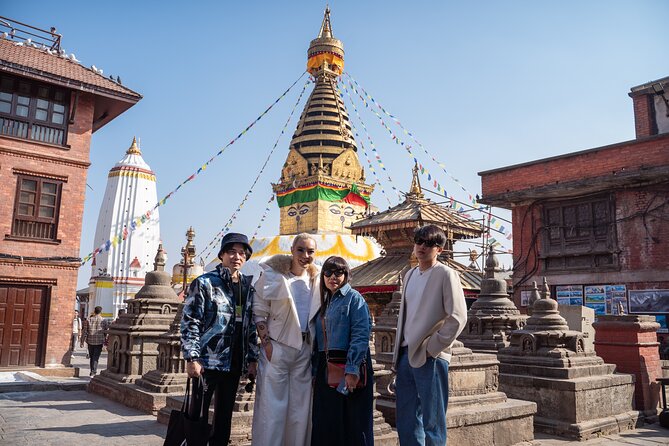
Your first stop is Swayambhunath, also called the Monkey Temple. The stupa sits on a small hill above Kathmandu, making this both a religious site and a viewpoint over the valley.
The appeal is immediate. You get a wide look across Kathmandu, with the possibility of seeing part of the Himalayan range when conditions are clear. The hilltop setting also gives the visit a sense of arrival: instead of starting in the middle of the city, you begin by looking across it.
The name Monkey Temple is not just a nickname for a signboard. Monkeys are part of the character of the place, though you should keep food and loose belongings secure. Prayer wheels add another layer to the visit. Your guide can help you understand how to move respectfully around the stupa and how Buddhist practice shapes the site.
The stop lasts about one hour, with admission listed as included in the individual itinerary but entrance fees also described elsewhere as extra. That contradiction is worth clearing up before departure. The general information says UNESCO site entrance fees are not included and lists $20 or NPR 2,600 per person, so budget for that charge unless the operator confirms otherwise.
Swayambhunath is a good first stop because it introduces two themes that return throughout the day: devotion expressed through ritual movement, and Kathmandu viewed as a connected valley rather than a collection of separate monuments.
Patan Durbar Square: the day’s best stop for art and architecture
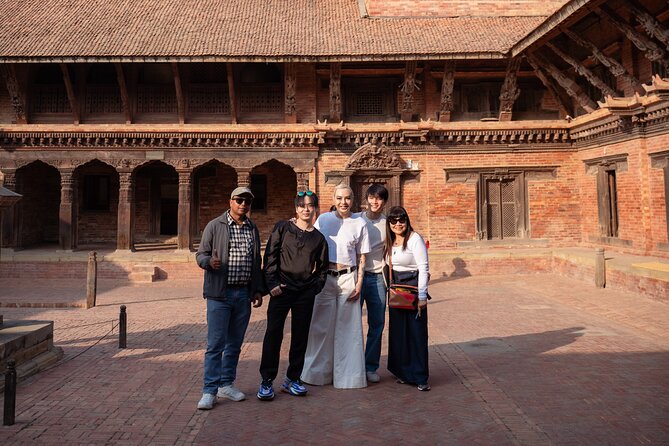
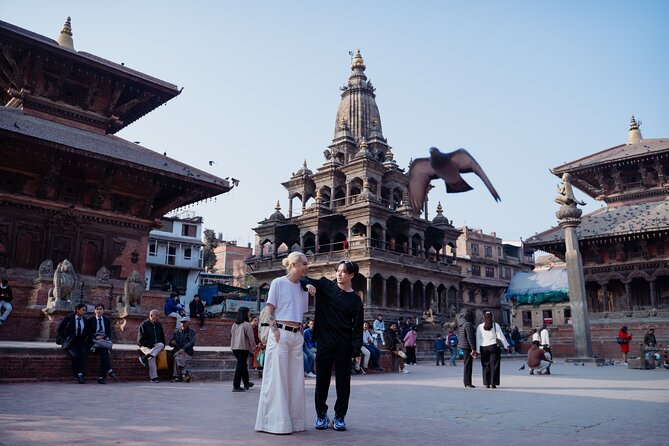
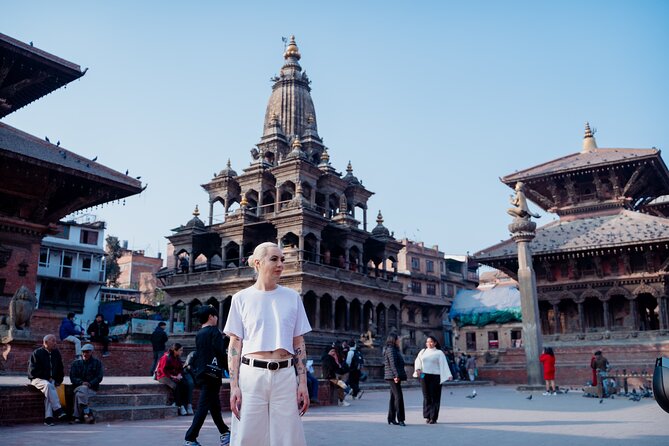
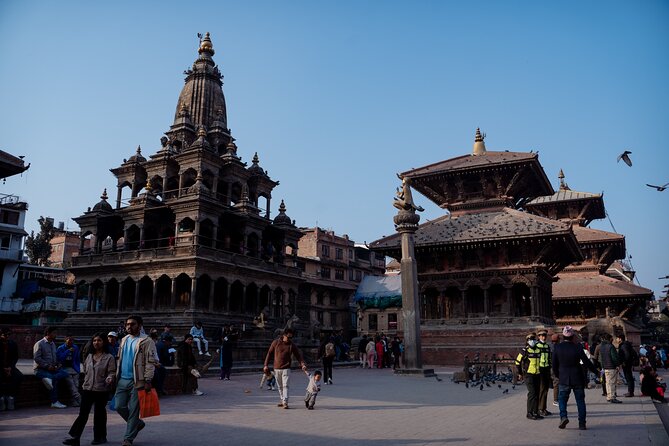
Patan receives about two hours, and that extra time is justified. Patan is the name of the city, while Durbar refers to the royal palace area. Around the palace are temples, courtyards, and monuments that show the valley’s long tradition of wood carving, metalwork, and temple design.
I would treat this as the tour’s main architecture stop. Look closely at the doors, window frames, struts, and metal figures. From a distance, the square can seem like a collection of old buildings. Up close, the fine work is the point.
The Krishna Temple is a major highlight. Its stone form differs from the pagoda-style buildings around it, giving the square visual variety. A guide can also make the royal setting easier to understand, explaining how palace courtyards, temples, and public spaces worked together.
Patan is especially valuable if you want more than a quick photograph. Two hours allows time to examine the craftsmanship and ask questions. It also gives you a better chance of noticing how the square is used as a living religious place, not just a preserved monument.
The drawback is that two hours can still pass quickly. Patan has enough detail to reward a longer visit, but the rest of the route is waiting. If you are an architecture enthusiast, tell your guide early that you want to spend your full time here rather than rushing through the temples.
This is also the point where the optional cultural visits may affect your timing. The tour includes a visit to a Thanka, or traditional art, painting school. That can add useful context about Buddhist religious art, but it is not the same as exploring Patan’s monuments. Keep your priorities clear if you prefer historic sites over demonstrations or shopping-oriented stops.
Pashupatinath: a solemn look at Hindu worship
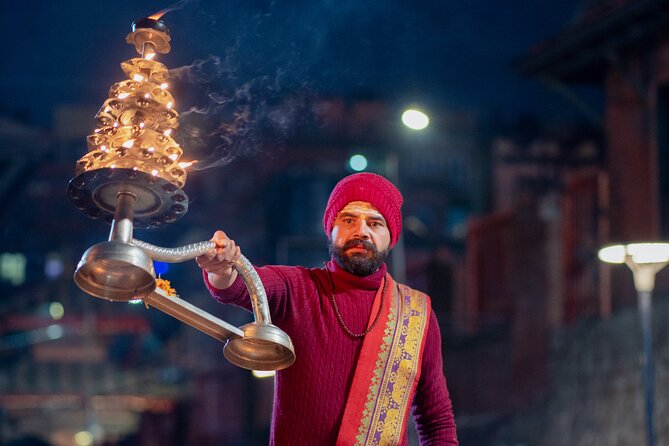
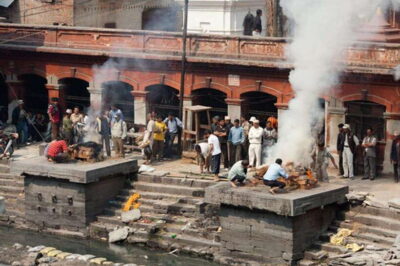
Pashupatinath Temple gives the day a very different tone. It is one of the most important Hindu temples in Nepal and a major pilgrimage center for Hindus around the world. The temple sits beside the Bagmati River, where religious ceremonies and cremation rituals take place.
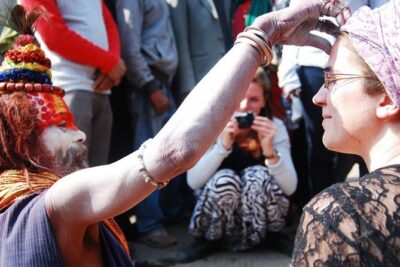
This is not a polished museum visit. It is an active sacred place. The cremation ceremonies along the river can be powerful and difficult to process, especially if you have not seen public funeral rites before. Approach with quiet respect, follow your guide’s instructions, and remember that people are carrying out real religious and family ceremonies.
The main temple has restrictions for non-Hindu visitors, so your experience may focus on the surrounding complex, riverbanks, shrines, and views toward the temple. The tour description calls this a mystical and profound part of the day, but I would use more grounded expectations: it is a serious place where religion, death, and daily life meet in public view.
The planned stop is about one hour. That gives you time to understand the site, but not necessarily time for every corner of the complex. Pashupatinath can be emotionally heavier than Swayambhunath or Patan, so the change in mood is worth recognizing before you book.
Your guide’s role is particularly useful here. Customs can be easy to misread, and a licensed local guide can help you tell the difference between a shrine, a ritual area, and a place where you should stand back. The tour’s strongest praise centers on guides who explain cultural meaning, and this is the stop where that skill matters most.
A few more Kathmandu trips to weigh up
- UNESCO Seven World Heritage Tour in Kathmandu
★ 5.0 · 253 reviews - Kathmandu Private Sightseeing Tour | UNESCO World Heritage Sites
★ 5.0 · 109 reviews - Kathmandu: Full Day Private Top 4 UNESCO Heritage Tour W/Lunch.
★ 5.0 · 86 reviews - Kathmandu World Heritage Tour
★ 5.0 · 74 reviews
Boudhanath: end with the calm rhythm of the kora
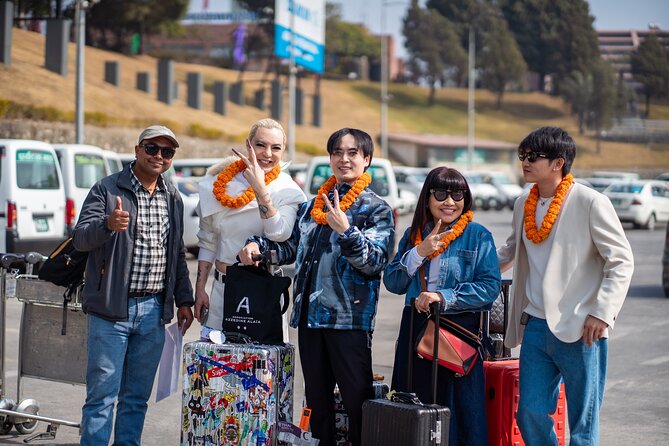
The final stop is Boudhanath Stupa, one of Kathmandu’s defining Buddhist monuments. The huge white dome and watchful eyes give the site a strong visual identity, but the best part is watching how people use the space.
The traditional practice here is kora, a clockwise walk around the stupa. You can observe devotees turning prayer wheels, carrying out their circuits, and moving at a steady, meditative pace. If you join the walk, follow the clockwise direction and match the respectful tone of the place.
Boudhanath is described as Nepal’s biggest Buddhist temple and one of the world’s largest Buddhist stupas. For you, the useful point is scale. The monument is large enough to feel like the center of an entire neighborhood, not simply a single shrine.
The scheduled visit lasts about one hour. That is enough to walk around the stupa and take in the atmosphere, but you may want more time if Buddhist art, ritual, or photography interests you. The included Thanka painting school visit connects naturally with this stop, since Thanka paintings are closely linked to Himalayan Buddhist practice.
The tour also includes a healing bowl demonstration center. This may interest you if you want to see a traditional sound-based practice, but it is an added stop rather than one of the four UNESCO monuments. Ask how much time it will take, especially if Boudhanath is your priority.
The guide can make or break a packed day
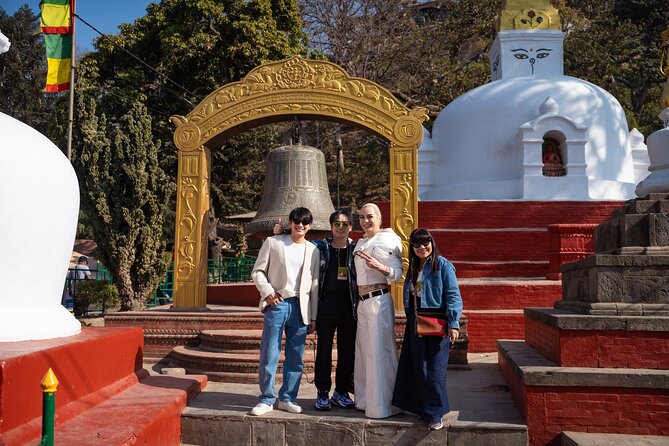
The strongest praise attached to this experience focuses on the guide, particularly Prakash. He is described as having a master’s degree, offering detailed explanations of Nepalese history and culture, and remaining friendly, attentive, and patient throughout the day.
That matters more here than on a simple sightseeing transfer. The four sites are famous, but fame does not explain meaning. Without context, Swayambhunath can become a hill with a stupa, Patan a pretty square, Pashupatinath a confusing riverbank, and Boudhanath a large white dome.
With a strong guide, you can connect the sites. You see how Hinduism and Buddhism share space in the valley, how royal patronage shaped Patan, and how religious practice continues outside formal museum settings. The tour provider assigns a government-licensed guide, but Prakash is the named guide associated with the most detailed praise. If you want him specifically, request him when booking rather than assuming he will lead every departure.
The private format also helps. You are not tied to the questions or pace of a large group. This suits first-time visitors who want a clear overview, families who need flexibility, and small groups with different interests.
What the $55 price includes, and what it does not
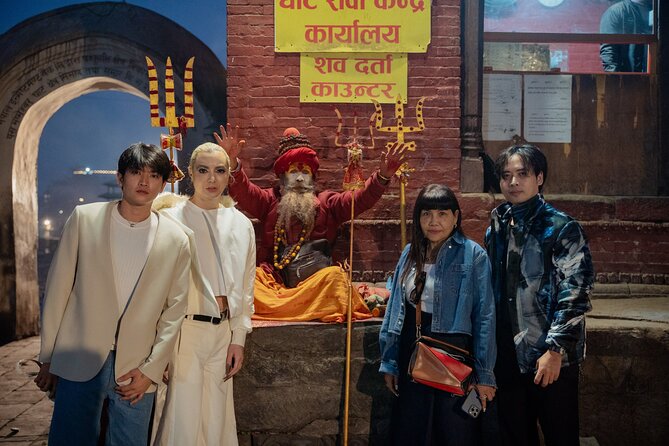
At $55 per person, this is a fair price for a private 5 to 7 hour tour with an air-conditioned vehicle, pickup, a licensed guide, bottled water, and four major sites. The value improves if you are traveling with several people and can use the stated group discounts.
The price does not cover lunch, food, drinks, tips, or the UNESCO entrance fees. The supplied information gives the entrance cost as $20 or NPR 2,600 per person. That means your realistic day budget is at least $75 per person before lunch and gratuities, unless the operator confirms that some admission is included.
There is a small inconsistency in the details: each stop says admission ticket included, while the general inclusions say site entrance fees are extra. Do not ignore this. Ask the operator which amount applies and what the $20 or NPR 2,600 covers.
One 1,000 milliliter bottle of water is included per person. That is helpful, but it does not replace a meal. Since the tour is short and tightly planned, a full lunch may not fit comfortably unless arranged in advance.
Timing, transport, and the practical tradeoffs
Pickup is offered, and transport is by air-conditioned vehicle. That is a real benefit in Kathmandu, where moving between sites can take energy even when the distances look modest on a map.
The route covers four major destinations in one stretch. The stated 5 to 7 hours is an estimate, not a guarantee of leisurely time at every site. Traffic, entrance procedures, and your group’s pace can all change the day. If you want detailed photography, extended prayer time, or a long lunch, book separate visits instead.
The tour is described as suitable for most people, and only your group participates. Still, you should expect walking and time on temple grounds, courtyards, and hilltop areas. The information does not provide a detailed accessibility assessment, so ask the operator directly if stairs, uneven surfaces, or extended walking are a concern.
Free cancellation is available up to 24 hours before the local start time for a full refund. Cancellations or changes made less than 24 hours before departure are not refunded or accepted. Confirmation arrives at booking.
Who should book this experience
I would recommend this tour to you if you have only one full day in Kathmandu and want the major cultural sights explained in a sensible order. It is also a good fit if you prefer a private vehicle, want hotel pickup, or feel that a local guide will help you read the rituals and symbols.
It suits first-time visitors especially well. You get a broad introduction before deciding which site deserves a second, slower visit. The tour is also useful for small groups who want to split the cost and ask plenty of questions.
I would hesitate if you dislike a fast schedule, want a long restaurant lunch, or prefer to spend an entire day on one historic square. I would also ask about the Thanka and healing bowl visits if you do not want cultural demonstrations included in a sightseeing day.
Should you book the Kathmandu UNESCO day tour?
Book it if your priority is maximum cultural range in one private day. Swayambhunath gives you the views, Patan supplies the finest architectural detail, Pashupatinath brings you face to face with living Hindu practice, and Boudhanath ends with the steady rhythm of the kora.
The best reason to choose it is the guide-led format, especially if Prakash is available. The main reason to pause is the packed schedule and extra cost of entrance fees and lunch.
Before paying, confirm the admission fee, pickup details, guide availability, and how the optional art and healing bowl visits fit into the day. If those points work for you, $55 is a sensible starting price for a private introduction to Kathmandu’s four landmark UNESCO sites.
FAQ
How long does the Kathmandu UNESCO day tour last?
The tour lasts approximately 5 to 7 hours.
Which four sites are visited?
The route visits Swayambhunath, Patan Durbar Square, Pashupatinath Temple, and Boudhanath Stupa.
Is hotel pickup available?
Yes. Pickup is offered as part of the experience.
Is this a private tour?
Yes. Only your own group participates in the activity.
Is transportation included?
Yes. An air-conditioned vehicle is provided.
Is a tour guide included?
Yes. The tour includes a government-licensed tour guide. Prakash is the guide named in the available tour information and is praised for his historical and cultural explanations.
Are entrance fees included in the $55 price?
The general inclusions state that UNESCO site entrance fees are not included and list a cost of $20 or NPR 2,600 per person. However, the individual stops also describe admission as included, so you should confirm this detail with the operator before booking.
Is lunch included?
No. Lunch, food, and drinks are not included. One 1,000 milliliter bottle of water per person is provided.
What extra cultural visits are included?
The tour includes a Thanka, or traditional art, painting school visit and a healing bowl demonstration center visit.
Can I cancel for a full refund?
Yes, if you cancel at least 24 hours before the local start time. Cancellations or changes made less than 24 hours before the experience are not refunded or accepted.
Just added around Kathmandu
- Private Half-Day Tour of Boudhanath and Pashupatinath Temples in Kathmandu★ 4.5 · 9 reviews
- Private Half-Day Tour of Kathmandu Durbar Square and Swayambhunath Temple★ 4.5 · 11 reviews
- Namobuddha Monastery Hiking Day Tour via Panauti from Kathmandu★ 5.0 · 15 reviews
- Private Full-Day Kathmandu City Tour★ 5.0 · 9 reviews
- Private Day Tour in Kathmandu Valley Rim with Bhaktapur Sightseeing★ 5.0 · 3 reviews
- Private Half Day Budhanilkantha Tour★ 5.0 · 6 reviews
- Private Day Tour: Patan and Bhaktapur from Kathmandu★ 4.5 · 6 reviews
- Private Day Tour – Sacred Journey to Namo Buddha★ 5.0 · 5 reviews
UNESCO World Heritage Tours, compared.
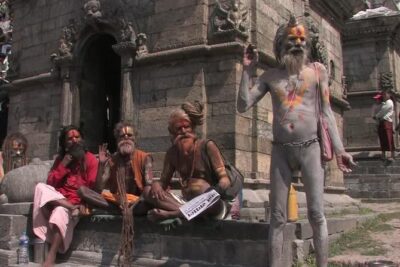
Private Kathmandu Sightseeing Tour | UNESCO World Heritage sites
Read our review →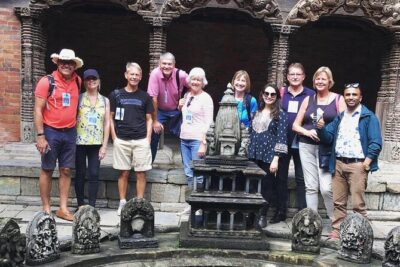
Full Day 7 UNESCO Tour with Lunch – Private/Group
Read our review →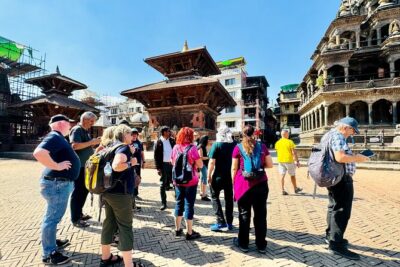
Full Day Top 4 UNESCO Tour with Lunch – Private/Group
Read our review →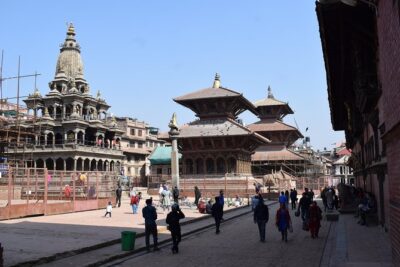
Kathmandu Spiritual Sites: Bodhnath & Pashupatinath Tour
Read our review →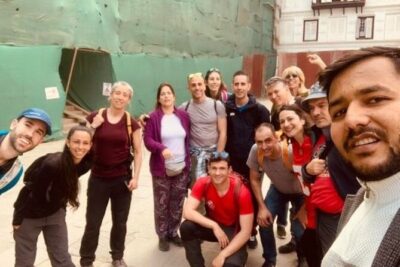
Kathmandu Private Sightseeing Tour | UNESCO World Heritage Sites
Read our review →Full Day 7 UNESCO Tour with Lunch – Private/Group
Read our review →Browse the lists this tour appears in