
Reviewed · UNESCO WORLD HERITAGE TOURS
TOP 4 UNESCO World Heritage Sites Tour
Kathmandu’s best-known sacred sites are spread across the valley, and this private tour links four of them in one long, well-planned day. You’ll move from Hindu worship at Pashupatinath Temple to Buddhist prayer at Boudhanath and Swayambhunath, then finish among the carved courtyards of Patan Durbar Square.
I like the door-to-door transport, which saves you from arranging taxis between distant sights. I also like the chance to have a guide such as Kapil or Saraswati explain the customs rather than leaving you to guess what is happening. The main drawback is the pace: six to seven hours is enough for a strong overview, but not a slow study of every shrine and museum.
Key points to know before booking
- Four UNESCO World Heritage sites in one day: Pashupatinath, Boudhanath, Swayambhunath, and Patan Durbar Square.
- Private vehicle and guide: Only your group joins the activity, with hotel pickup and drop-off anywhere in Kathmandu.
- Two major faith traditions: You’ll see Hindu and Buddhist practices in active places of worship.
- Temple access has limits: Only Hindus may enter Pashupatinath Temple, and modest clothing is required at religious sites.
- Entrance fees cost extra: The listed estimate is about NPR 2,700 per person, plus expected tips for the guide and driver.
- Guide quality matters: Kapil, Saraswati Ghimire, and other English-speaking guides are praised for clear explanations, patience, and flexibility.
Four major Kathmandu sights without four separate taxi rides
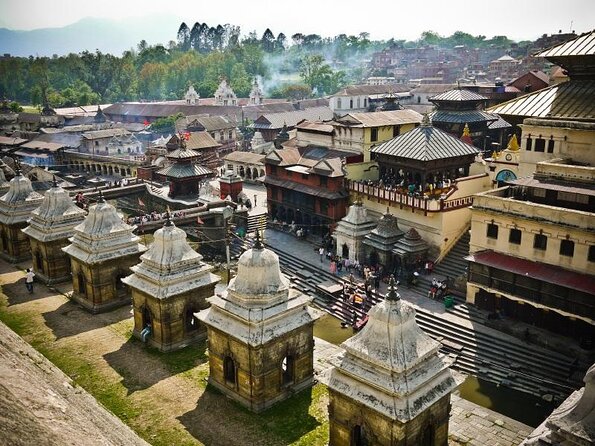
This tour is built around a simple advantage: Kathmandu Valley’s major sights are not close together. Pashupatinath and Boudhanath are east of central Kathmandu, Swayambhunath sits on a hill to the west, and Patan lies across the Bagmati River in the south.
The private vehicle makes that spread manageable. You are picked up at your hotel, driven between stops in an air-conditioned tourist vehicle, and returned afterward. That matters in Kathmandu, where arranging several independent rides can take time and may leave you watching the clock instead of looking around.
The experience lasts about six to seven hours. The sightseeing portions add up to roughly three hours and 45 minutes, leaving the rest for traffic, transfers, and time at entrances. You should expect a full outing, not a quick hop between monuments.
You can choose a morning or afternoon departure. The better option depends on your plans, but either way, allow the full stated duration. This is a private activity, so your guide can spend more time on questions and adjust the rhythm within the limits of the day.
More UNESCO World Heritage Tours in Kathmandu:
- Private Kathmandu Sightseeing Tour | UNESCO World Heritage sites
★ 5.0 · 756 reviews - Kathmandu: Full Day 7 UNESCO Tour with Lunch – Private/Group
★ 5.0 · 415 reviews - Kathmandu: Full Day Top 4 UNESCO Tour with Lunch – Private/Group
★ 5.0 · 269 reviews
Pashupatinath Temple and the Bagmati River
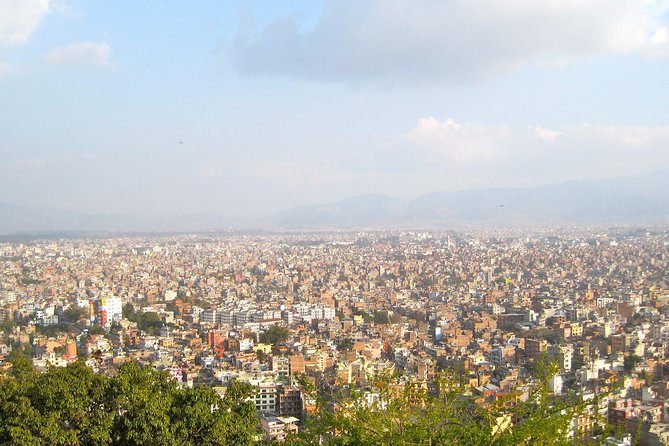
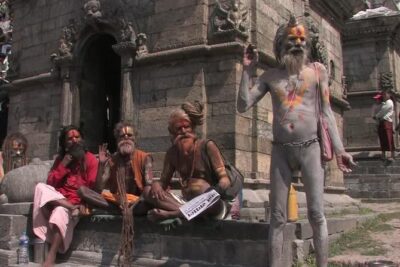
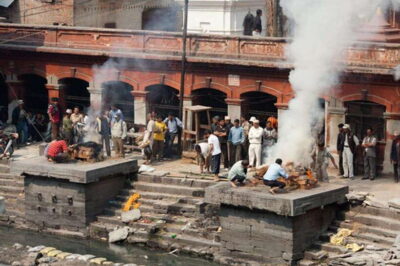
Pashupatinath is dedicated to Lord Shiva and sits beside the Bagmati River, about five kilometers east of Kathmandu. The temple complex is one of the valley’s most important Hindu pilgrimage sites, with a main temple known for its two gold-covered roofs and four silver doors.
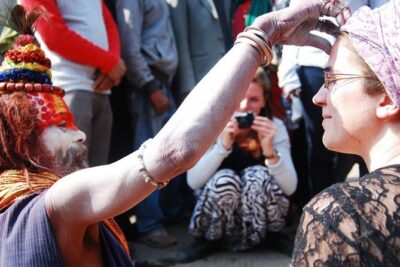
This is the stop where religious life is most immediate. You may see Hindu worshippers carrying out rituals, while the riverfront adds another layer of solemnity. Your guide can help explain what you are seeing and how the site functions as a place of prayer rather than simply as an old monument.
Plan for about one hour here. That is enough to take in the main areas open to you and observe the setting, but the experience can feel crowded, especially during special prayers. Kapil is specifically praised for helping one visitor reach the temple to pray despite a large crowd, so a patient guide can make a real difference at this stop.
There is an important restriction: only Hindus may enter Pashupatinath Temple. Non-Hindu visitors can still see parts of the complex and observe the activity, but you should not book this tour expecting unrestricted access inside the main temple.
Dress carefully. Shorts and sleeveless tops are not allowed at places of worship and selected museums, and both knees and shoulders must be covered for men and women. A respectful outfit also makes the visit easier and avoids a possible refusal at the entrance.
Admission is not included. The total sightseeing entrance cost is listed at around NPR 2,700, though the exact amount you pay can depend on the sites and current rules. Keep this cost in mind when comparing the $50 tour price.
Boudhanath Stupa and the sound of Buddhist prayer
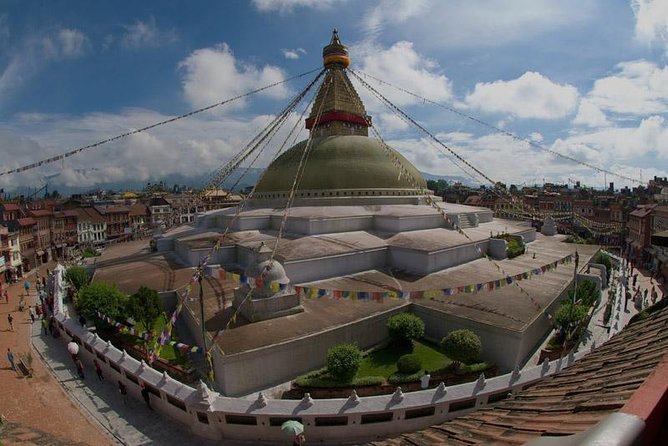
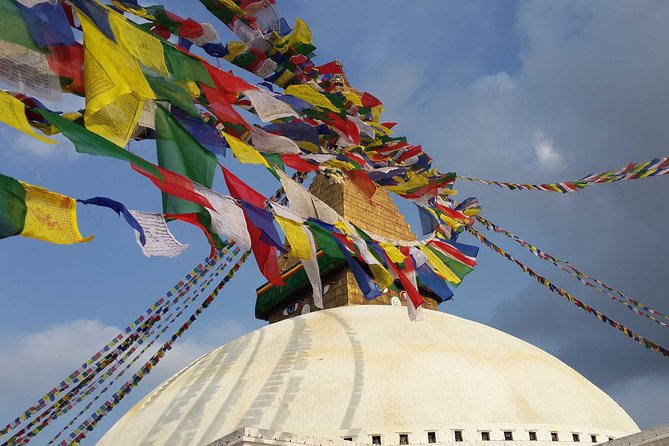
Boudhanath is about six kilometers east of Kathmandu and is believed to date from the fifth century. Its huge white dome and watchful painted eyes make it one of the valley’s most recognizable Buddhist sites.
The stupa is surrounded by Buddhist monasteries, lamas, and prayer activity. This is a place to slow down and watch how people use the monument. You may see worshippers walking around the stupa, turning prayer wheels, or stopping to pray. Your guide can point out the visual details and explain Buddhist customs in a way that gives the visit more meaning than a quick photograph.
The planned visit lasts about one hour. That is a sensible amount of time for a first look, especially after the more intense setting at Pashupatinath. You will have time to walk around the stupa and examine the surrounding buildings, though you may want longer if religious art and monastic architecture are a major interest.
Boudhanath is also a useful contrast with Pashupatinath. Within a short drive, you move from a major Hindu temple beside the Bagmati to one of the world’s largest Buddhist stupas. That contrast is the real strength of the day. The tour is not just a monument checklist. It shows how Hindu and Buddhist traditions share the same valley and shape daily life in different ways.
Swayambhunath, the hilltop Monkey Temple
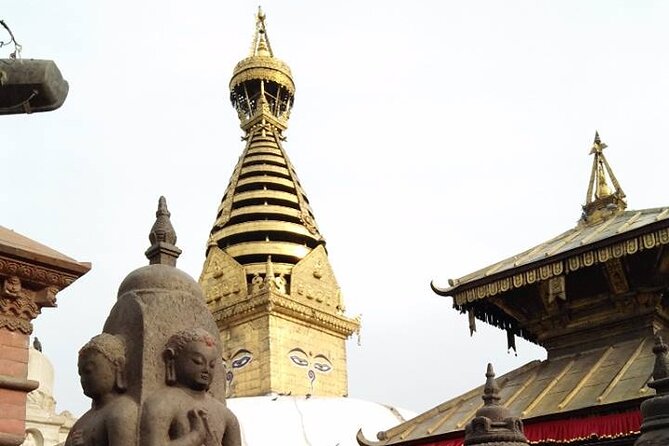
Swayambhunath, often called the Monkey Temple, sits on a hill about 77 meters above the ground. The stupa is traditionally associated with an age of roughly 2,500 years, and the hill provides broad views over Kathmandu Valley.
This stop is shorter, about 45 minutes, so you will need to keep moving. The main reward is the combination of religious art and height. The stupa’s white dome, painted eyes, and hilltop position make it visually different from Boudhanath, which spreads across a flatter urban setting.
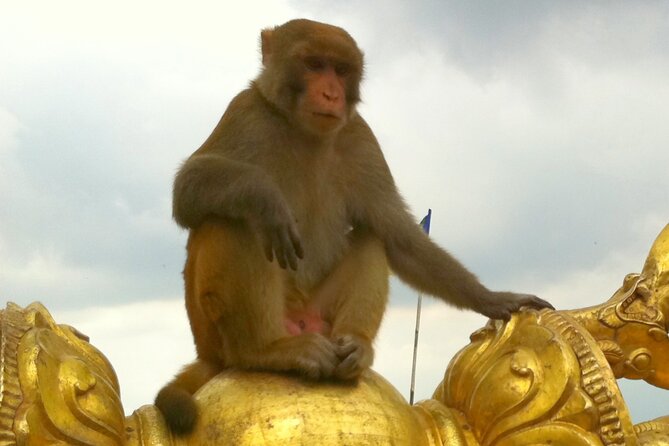
The name Monkey Temple comes from the monkeys found around the site. They are part of the character of the place, but you should treat them as wild animals and keep your belongings secure. The supplied information does not promise a particular view or a specific number of stairs, so your guide will be the best source for how to approach the site on the day.
Because this is a hilltop religious complex, the stop may feel more demanding than the first two. Wear sensible shoes and be ready for walking. The short visit is useful for a first visit, but anyone who wants quiet time for photographs, prayer, or detailed observation may find it brief.
A few more Kathmandu trips to weigh up
- UNESCO Seven World Heritage Tour in Kathmandu
★ 5.0 · 253 reviews - Kathmandu Private Sightseeing Tour | UNESCO World Heritage Sites
★ 5.0 · 109 reviews - Kathmandu: Full Day Private Top 4 UNESCO Heritage Tour W/Lunch.
★ 5.0 · 86 reviews - Kathmandu World Heritage Tour
★ 5.0 · 74 reviews
Patan Durbar Square and Newari design
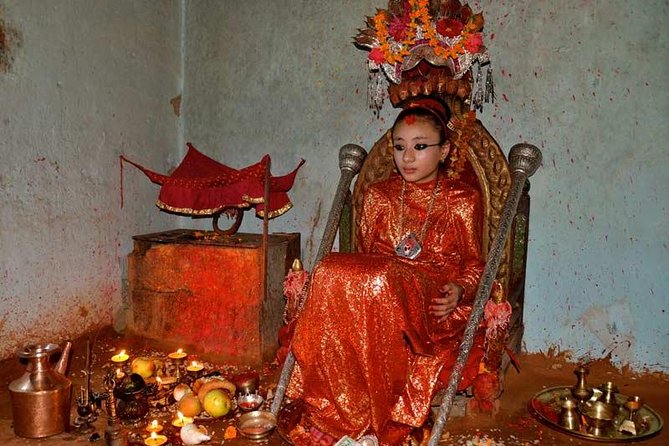
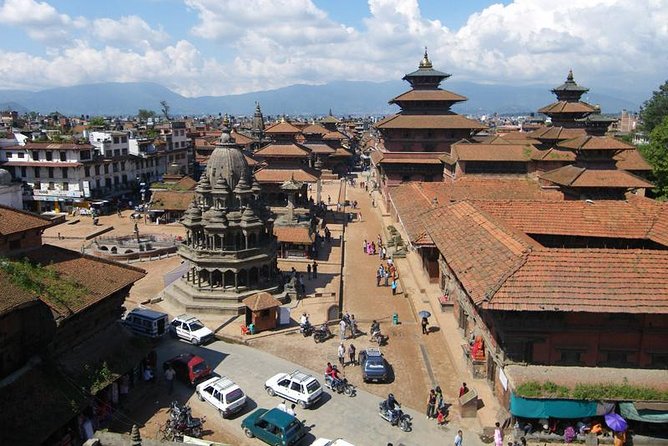
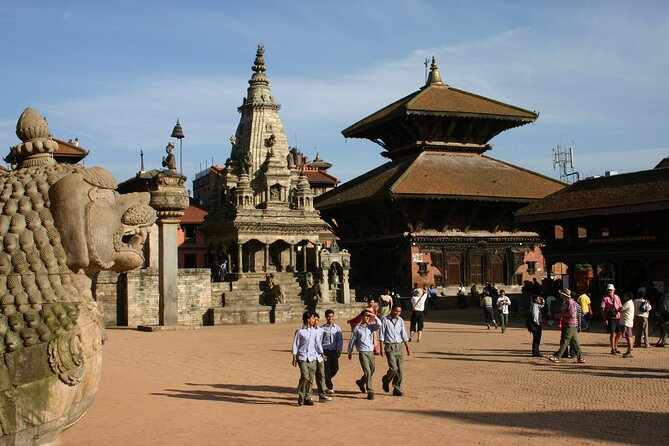
Patan Durbar Square was home to the former Patan royal family and is often considered the most photographed of Kathmandu Valley’s three Durbar Squares. Its appeal comes from the concentration of Newari architecture, carved details, courtyards, temples, and palace buildings.
The planned visit is one hour. Your guide can help you separate the key structures from the many smaller details competing for attention. The Krishna Mandir is one of the main attractions, and the square gives you a strong sense of Patan’s artistic tradition.
This is a good final stop because it shifts the focus from living religious practice to royal architecture and craft. Yet the two themes are not separate. Patan’s courtyards and temples show how religion, art, and political power were closely linked in the valley.
You should check your energy by this point. Four major sites in one day can be tiring, and the final square may feel like a rapid walk if traffic has eaten into the schedule. A private guide can help you focus on the most important buildings instead of trying to see every corner.
Why the private format is worth the $50 price
At $50 per person, the tour offers a reasonable way to cover a wide area without arranging separate transport. The price includes a private, air-conditioned vehicle, hotel pickup and drop-off, and an English-speaking professional guide.
The price does not include monument admission. Around NPR 2,700 is listed for the city sightseeing entrance fees, and tips for the guide and driver are expected. Your true cost is therefore higher than the headline price, so add those extras before comparing it with a taxi-only day or a larger group excursion.
The private format is the main value. You are not waiting for strangers at each stop, and only your own group participates. That gives you room to ask questions about Hindu and Buddhist practices, spend a little longer at a favorite site, or move on when you have had enough.
It does not guarantee unlimited time. The four sites are far apart, and Kathmandu traffic can be stressful. The driver’s role is important here. Suman and Ram are among the drivers praised for calm, reliable service and for handling the city streets well. One guide and driver team even offered unopened bottled water during the day, a small detail that can matter in the heat.
The guides can shape the whole day
The monuments are impressive on their own, but the guide determines how much you understand. Kapil Pandey is described as friendly, flexible, patient, and clear in his explanations. He is also noted for answering questions carefully and helping with a prayer visit at Pashupatinath during a crowded period.
Saraswati Ghimire, also called Sara, is another guide to look for if you have a choice. She is described as sharing facts about all four sites while also discussing changes in Nepalese culture in recent years. That broader conversation is valuable because it connects the monuments to present-day life rather than treating them as frozen relics.
The guide is also useful for etiquette. At active religious sites, you may not know where to stand, what you may photograph, or which areas are restricted. Clear advice helps you observe respectfully and avoid an awkward mistake.
Since the tour requires a minimum of one person per booking, solo visitors can book it. Couples, families, and small private groups will likely get the most benefit from being able to ask questions without competing with a larger party.
Timing, clothing, and practical limits
You can select a morning or afternoon start, but the activity remains a six to seven hour commitment. If you have a flight, another paid activity, or a fixed dinner reservation, leave extra room beyond the stated duration because traffic can affect transfers.
Wear clothing that covers shoulders and knees. This applies to both men and women. The dress rule is not a minor suggestion. You may be refused entry at places of worship or selected museums if your clothes do not meet the requirements.
The tour is near public transportation, but that is less important than the included hotel pickup. Pickup and drop-off are offered from anywhere in the capital, which removes one of the day’s common hassles.
Most people can participate, according to the provided tour details. Still, you should expect several hours of sightseeing and walking, including a hilltop stop at Swayambhunath. The information does not provide a wheelchair-access statement or promise food and drinks, so plan around the included transport and sightseeing only.
Free cancellation is available if you cancel at least 24 hours before the start time. Within 24 hours, the payment is not refunded, and changes are not accepted. The cut-off uses local time.
Who should book this Kathmandu UNESCO tour?
I would choose this tour if you have limited time in Kathmandu and want a broad introduction to the valley’s religious and royal sites. It is particularly useful if you prefer a private guide, dislike negotiating with drivers, or want hotel pickup handled in advance.
It also suits first-time visitors who want cultural context. The four stops cover Hindu worship, Buddhist practice, hilltop views, and Newari palace architecture, giving you more range than a tour focused on only one type of monument.
I would hesitate if you want a slow, unhurried study of each site. The 45-minute Swayambhunath stop and one-hour visits elsewhere provide an overview, not an exhaustive visit. You should also reconsider if entering Pashupatinath’s main temple is essential to your plans and you are not Hindu.
Should you book the Top 4 UNESCO World Heritage Sites Tour?
Book it if you want to see Kathmandu’s four major UNESCO sites in one day with private transport and a personal guide. The strongest parts are the efficient route, the contrast between Hindu and Buddhist worship, and the chance to work with a guide such as Kapil or Saraswati, who can add useful cultural context.
Skip it if you have several days in Kathmandu and prefer to explore at your own pace. For most visitors with only a short stay, though, the $50 starting price is fair once you understand that entrance fees and tips are extra. Dress modestly, allow for traffic, and treat the day as a lively introduction rather than a final word on the valley.
FAQ
How long does the tour take?
The tour lasts approximately six to seven hours, including transportation between the four sites.
Which UNESCO World Heritage sites are included?
The tour visits Pashupatinath Temple, Boudhanath Stupa, Swayambhunath, and Patan Durbar Square.
Is hotel pickup and drop-off included?
Yes. Pickup and drop-off from anywhere in Kathmandu are included by private vehicle.
Is this a private tour?
Yes. Only your group participates in the activity.
What type of vehicle is provided?
The tour includes an air-conditioned private tourist vehicle.
Is an English-speaking guide included?
Yes. An English-speaking professional tour guide is included.
Are entrance fees included in the price?
No. City sightseeing monument entrance fees are separate and are listed at around NPR 2,700.
Can non-Hindus enter Pashupatinath Temple?
No. The provided rules state that customers must be Hindu to enter Pashupatinath Temple.
What happens if I need to cancel?
You can receive a full refund if you cancel at least 24 hours before the experience start time. Cancellations or changes made within 24 hours are not accepted and are not refunded.
Just added around Kathmandu
- Namobuddha Monastery Hiking Day Tour via Panauti from Kathmandu★ 5.0 · 15 reviews
- Private Half-Day Tour of Boudhanath and Pashupatinath Temples in Kathmandu★ 4.5 · 9 reviews
- Private Half-Day Tour of Kathmandu Durbar Square and Swayambhunath Temple★ 4.5 · 11 reviews
- Private Full-Day Kathmandu City Tour★ 5.0 · 9 reviews
- Private Day Tour in Kathmandu Valley Rim with Bhaktapur Sightseeing★ 5.0 · 3 reviews
- Private Half Day Budhanilkantha Tour★ 5.0 · 6 reviews
- Private Day Tour: Patan and Bhaktapur from Kathmandu★ 4.5 · 6 reviews
- Private Day Tour – Sacred Journey to Namo Buddha★ 5.0 · 5 reviews
UNESCO World Heritage Tours, compared.
Private Kathmandu Sightseeing Tour | UNESCO World Heritage sites
Read our review →
Full Day 7 UNESCO Tour with Lunch – Private/Group
Read our review →
Full Day Top 4 UNESCO Tour with Lunch – Private/Group
Read our review →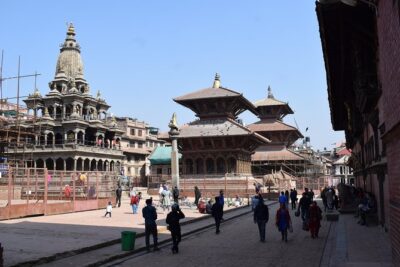
Kathmandu Spiritual Sites: Bodhnath & Pashupatinath Tour
Read our review →
Kathmandu Private Sightseeing Tour | UNESCO World Heritage Sites
Read our review →Full Day 7 UNESCO Tour with Lunch – Private/Group
Read our review →Browse the lists this tour appears in